
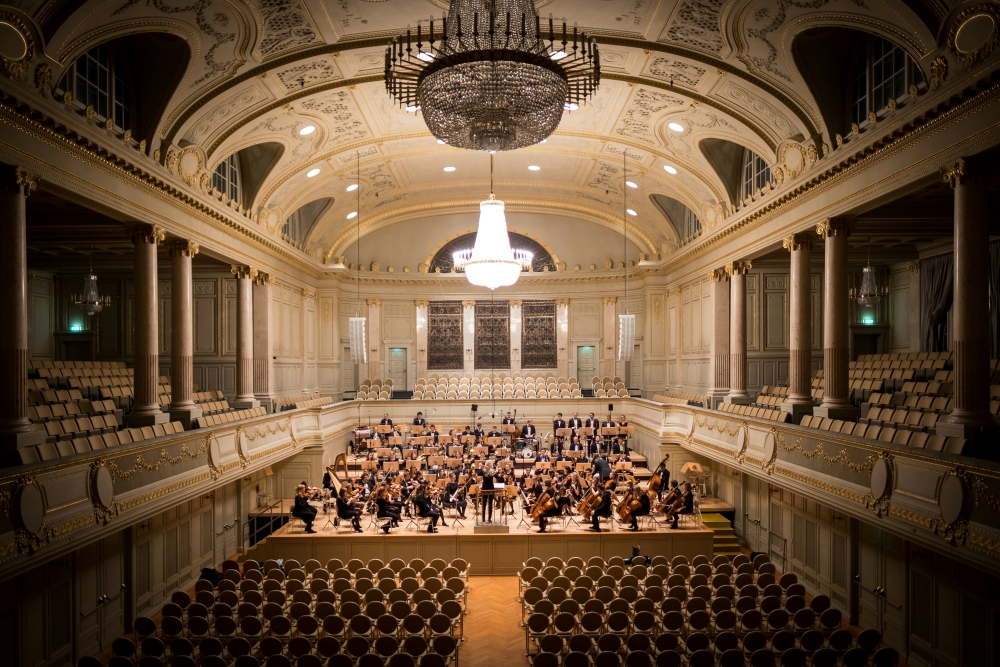
When an artist records a classical album, especially when it’s not their first calling, there’s often a deeper story within the music itself. Mina Tulchinsky’s 2016 album of classical arias and original, classical-inspired compositions was an exploration of exactly this—healing through music. For her, the album became both a refuge and a connection to something timeless, which, despite the years since its release, resonates with listeners anew.
Music has long been a source of comfort and healing for people across the world. Scientists and therapists alike point to music’s power to reduce stress, soothe anxiety, and even aid in physical recovery. Rhythm, melody, and harmony have the unique ability to engage the brain and body simultaneously, creating an immersive experience that transports listeners away from their worries. This transformative quality goes beyond entertainment; it offers a form of solace and renewal, connecting individuals to something larger than themselves. It’s this intangible yet profound effect that makes music—especially the emotionally rich genre of classical—a powerful tool in the journey toward healing.
While classical music can feel out of reach to some, Tulchinsky’s album bridges that divide. Her personal experience, expressed through a mix of well-loved arias and fresh, relatable melodies, offers something that even those unversed in classical music can appreciate. Much like Agarita’s mobile concerts that bring Mozart or Bach to the community, Tulchinsky’s album seeks to bring the warmth of classical music into daily life. It’s this accessibility—classical sounds interpreted through a modern, approachable lens—that makes her album unique. She’s given listeners a glimpse of what healing can sound like, stripped of the formality and focused on the resonance of the experience.
The music, much like healing, is deeply personal yet universally accessible. By recording something so classical in style but infused with personal emotions, Tulchinsky has crafted a work that invites listeners from all walks of life. Classical music, for many, can carry a sense of ceremony, a distance. But this album, by a divorcee finding her way forward, takes that form and molds it into something that feels human and grounded. It’s music that meets listeners where they are, extending the sense that healing isn’t reserved for concert halls or grand stages but is accessible in one’s own space, at one’s own pace.
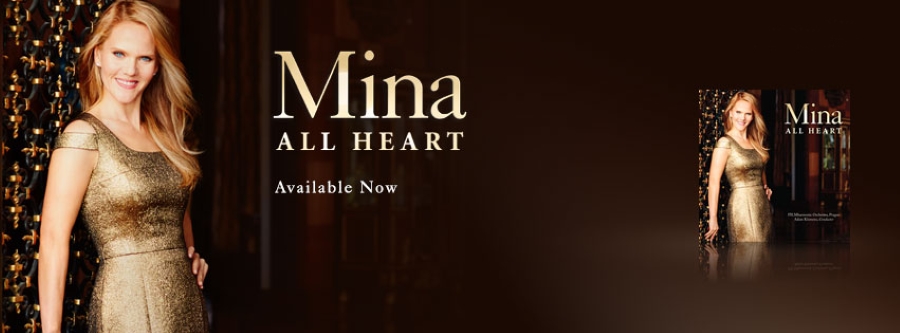
As listeners follow her journey—through heartbreak, resilience, and a renewed appreciation of self—they find a kindred spirit in music. Tulchinsky’s recent releases on Spotify bring these elements into even sharper focus, continuing to invite a wider audience into the classical fold without the need for pretension or exclusivity. Instead, her work represents healing that anyone can access, a simple melody away.
For anyone curious about classical music but hesitant to dive into a genre so steeped in tradition, Tulchinsky’s album is a reminder that music, in its essence, is for everyone. In opening this space for healing through her art, she’s reminded us all of music’s quiet, powerful ability to soothe and unite. Whether one finds solace by listening to her music or feels inspired to sing, play, or explore their own musical journey, her album stands as a testament to how music’s healing reach can be both deeply personal and universal. Through her melodies, Tulchinsky shows us that healing can start with just a single note, inviting us to embrace music’s transformative power in whatever way feels most meaningful.
Collaborative Post

 SA Examiner