Weekly Book Roundup: Essential Reads on Global Expansion and Risk Management

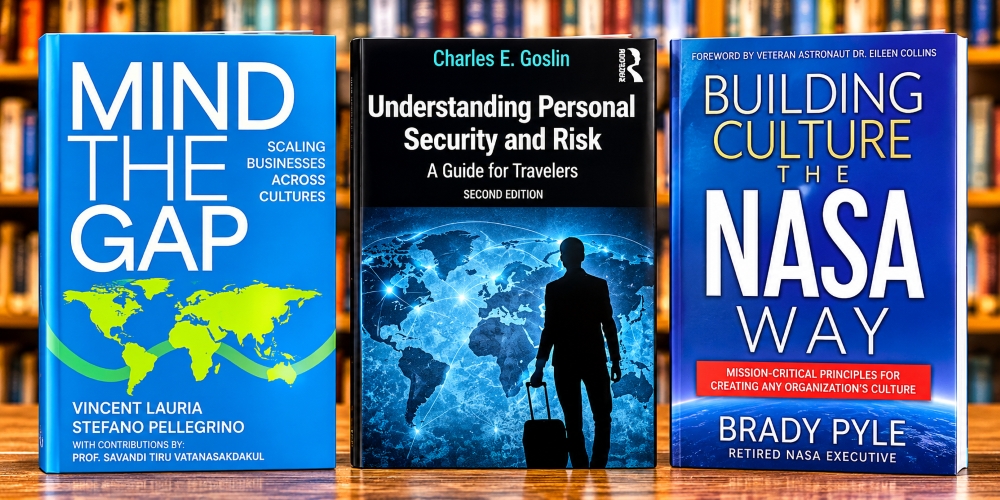
This week’s spotlight on business books for leaders. Photos: Barnes & Noble

Books of the Week: Scale Across Cultures, Personal Security, and the NASA Way

Welcome to this week’s roundup of essential business and leadership reads. Whether you’re expanding your company across international borders, looking to navigate risk with the precision of an intelligence officer, or seeking to build a high-performance team using lessons from space exploration, I spotlight three standout books to elevate your strategy.

1. Mind The Gap: Scaling Businesses Across Cultures

By Vincent Lauria and Stefano Pellegrino

“Your global expansion isn’t failing because of your strategy; it’s failing because you don’t see the cultural gap.”

Have you ever done everything right, built a strong product, crafted a solid pitch, and entered a promising market, only to watch deals fall apart and partnerships stall? (Barnes & Noble, 2026)

Written by global venture capitalist Vincent Lauria and international operator Stefano Pellegrino, Mind The Gap is not another generic business guide filled with one-size-fits-all frameworks. It’s a real-world playbook built from decades of experience scaling companies across continents, exploring the human layer that most books ignore.

  • What You Will Learn: How to walk into any new market with confidence, instantly read the room, build trust faster than your competitors, and close deals that once seemed impossible.
  • Key Takeaway: Each chapter delivers clear, usable takeaways you can implement right away, acting like a seasoned global advisor guiding your every move.

About the Authors

  • Vinnie Lauria is a Silicon Valley entrepreneur turned venture capitalist who has spent over 15 years helping founders build companies across high-growth innovation markets in Asia, the US, and the Middle East. As founding partner of Golden Gate Ventures, he has invested in over 100 companies across 15+ countries.
  • Stefano Pellegrino is an attorney qualified in New York and Italy, holding an LL.M. from UC Berkeley and a PhD from the University of Pavia. His book is based on conversations with more than 50 global founders, executives, and investors from the world’s top technology companies.

2. Understanding Personal Security and Risk

By Charles E. Goslin

Blending decades of global intelligence and security experience with time-tested principles, this book delivers a powerful, practical framework for personal safety and risk awareness. (Barnes & Noble, 2026)

Updated to reflect today’s realities, Understanding Personal Security and Risk equips readers, especially those traveling or operating in high-risk environments, to recognize threats, understand adversarial behavior, and make informed, rapid decisions under pressure.

  • Who It’s For: Professionals managing global security programs, travelers, and individuals navigating an increasingly unpredictable world. It uniquely addresses vulnerabilities faced by women, children, the elderly, LGBTQ+ individuals, immigrants, missionaries, and university students.

About the Author

  • Charles E. Goslin is a retired intelligence officer who actively consults, writes, and travels. With a lifetime spent analyzing risk and threat across corporate operations and government matters, he has developed executive management curriculum and security tradecraft for universities and foreign governments worldwide.

3. Building Culture the NASA Way: Mission-Critical Principles For Creating Any Organization’s Culture

By Brady Pyle

What does it take to build a culture where people perform under pressure, pursue an impossible mission, and show up every single day fully committed? Ask NASA. (Barnes & Noble, 2026)

For thirty years, Brady Pyle worked inside one of the most extraordinary organizations on earth, shaping the culture of an agency where the stakes couldn’t be higher. Through compelling firsthand stories of the people and decisions that defined the agency’s culture, Pyle brings to life what it feels like to work alongside astronauts and engineers.

  • The NASA Framework: Using the Navigate, Assess and Adapt, Strengthen Leadership, and Activate Inclusion and Innovation (NASA) model, Pyle delivers a clear playbook for building cultures of trust, performance, and purpose—whether you lead a team of five or an organization of fifty thousand.

About the Author

  • Brady Pyle is the Chief Human Resources and Inclusion Officer at Space Center Houston, a two-time recipient of the NASA Outstanding Leadership Medal, and the 2024 HRO Today Learning and Development Executive of the Year for Lifetime Achievement.
‘Heavy Cream’ Book Review: Sarah Blakley-Cartwright’s Coming-of-Age Novel

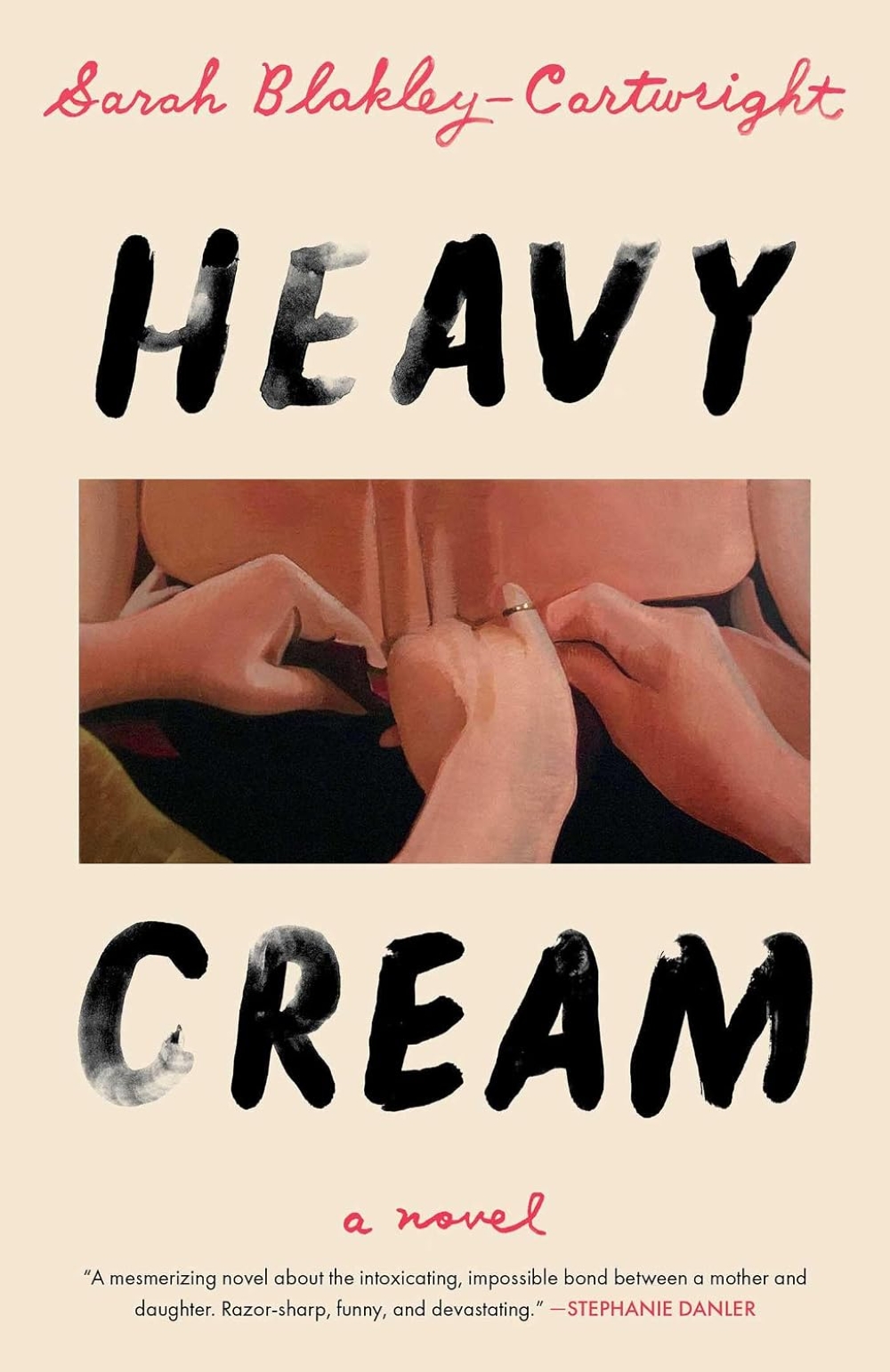
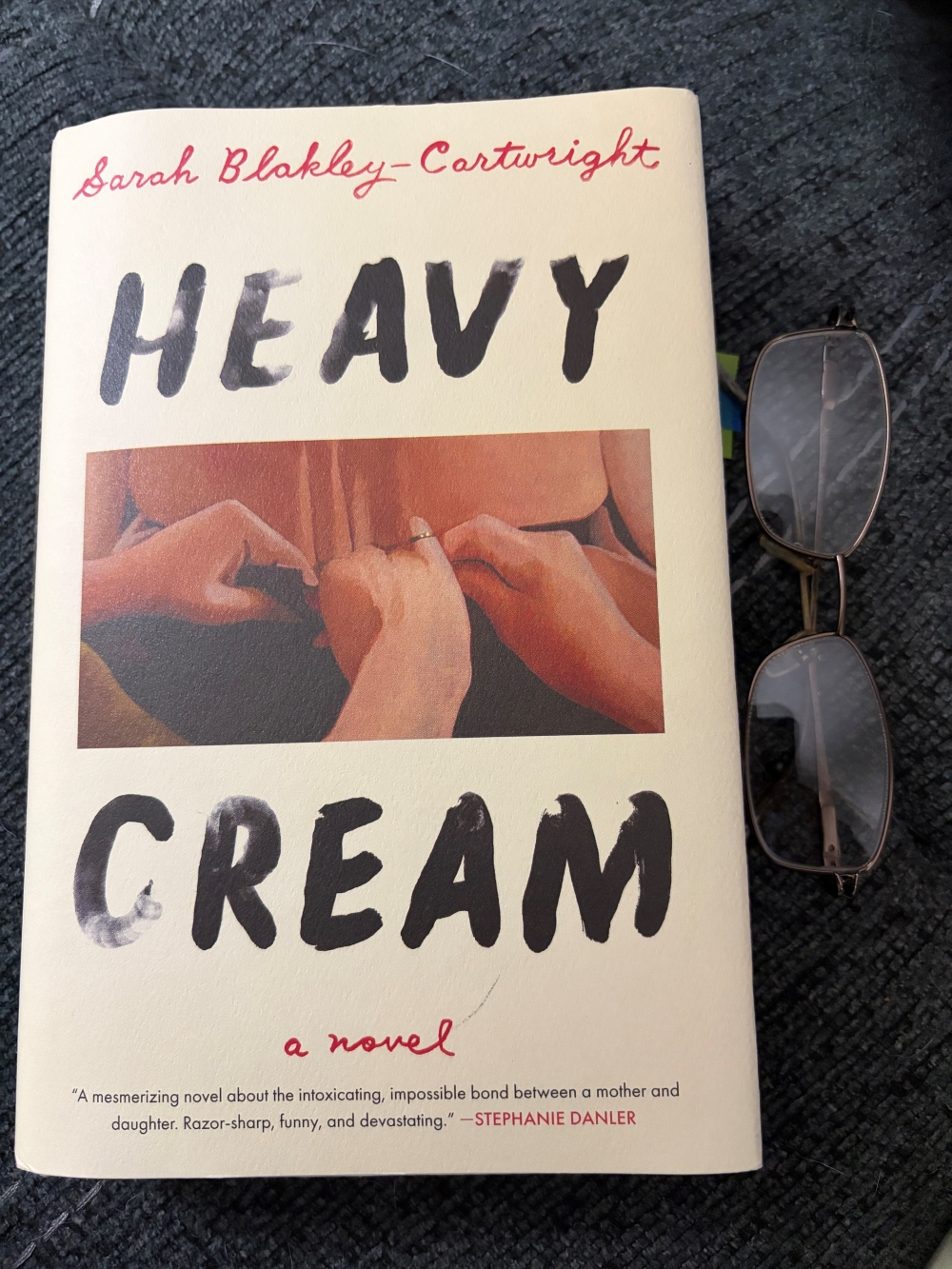
‘Heavy Cream’ is Sarah Blakley-Cartwright’s new novel. Photo:

Heavy Cream: A Novel by Sarah Blakley-Cartwright: A Review

Abandoned by her mother in New York, sixteen-year-old Geraldine falls under the influence of three women, each seeking to form her in their image in this coming-of-age story from the bestselling author of Alice Sadie Celine. (Barnes & Noble, 2026)

The Story

Geraldine (Gerry) is ten years old when her grandmother passes away. She and her mother arrive in town to stake their claim. Her grandfather had preceded her years ago, so they naturally assumed they’d be getting their fair share of stuff. Her grandparents meant nothing to her, so she wasn’t affected either way. A week later, they come across Nell, her mother’s estranged sister, at the memorial, and naturally, sparks fly.

Gerry has spent most of her young life on the road with her mother, moving from city to city. She is homeschooled, having never attended a traditional school, though they occasionally attended homeschoolers’ meetings so Gerry could socialize with children her own age. On the road, her mother teaches her how to circumvent the rules: how to spend the day at a motel’s swimming pool without being a guest and how to avoid paying extra for the chicken on a Caesar salad. She has learned how to adapt to her circumstances, no matter how dysfunctional.

When Gerry is sixteen, they meet a group of guys from Australia, including Patrick. He and her mother pair up and spend days together, even going to the beach as a family. Then one day, he just disappears, which deepresses her mother. Out of the blue, her mother tells Gerry that she’ll be spending a week with Bonnie, her old college friend, in Connecticut because she’s going to Australia to see Patrick. Days turn to weeks, and Gerry’s mother never comes back.

Her journey takes an unexpected turn when three very different women step into her life, each determined to shape her future. Alongside Bonnie and Nell, Gerry meets Finley, an old-money socialite at a party, who introduces her to a world of Manhattan privilege and sophistication and enrolls her in a normal school for once in her life.


Review

What happens when the only person who has ever shaped your world suddenly abandons you, leaving three very different women to decide who you should become? In Heavy Cream, Sarah Blakley-Cartwright delivers an insightful story about Gerry, whose unconventional upbringing has left her woefully unprepared for life on her own. Having grown up in a world of instability and dysfunction, she finds herself navigating a reality she barely understands, especially against the backdrop of New York City.

Character Analysis

Gerry is a protagonist defined by survival and adaptability. Raised on the road with an eccentric mother, Gerry is hyper-observant yet profoundly unanchored. The three mentors who take her in act as mirrors reflecting different facets of womanhood:

  • Bonnie represents conventional, stifling respectability.
  • Nell champions rigorous self-invention and artistic ambition.
  • Finley seduces Gerry with the rarefied, exclusionary armor of high-society privilege.

Gerry’s internal conflict lies in untangling these competing projections to find her own voice.

Major Themes

  • Unconventional Motherhood: The novel deconstructs traditional maternal care, contrasting the toxic survivalism of Gerry’s biological mother with the flawed, surrogate caretaking of Bonnie, Nell, and Finley.
  • Inheritance and Mental Illness: Blakley-Cartwright probes how emotional baggage and psychological turbulence pass down generational lines, asking whether we are doomed to repeat our parents’ mistakes.
  • The Comedy of Manners: The novel blends acute psychological depth with witty social satire, charting Gerry’s eccentric, bumpy path toward authentic selfhood.

The narrative balances humor with emotional depth while examining family relationships and personal growth. I especially enjoyed the premise of three women offering such contrasting paths to one young girl. It’s an important reminder that becoming yourself isn’t always easy, especially when everyone else has a different idea of who you should be.

Told through Gerry’s first-person point of view, it provides deep insight into her thought processes, particularly when she accepts that her mother is not coming back:

“Now, too many days disappeared, I felt whatever we had called love thinning out like a voice I couldn’t hear anymore.”


Final Verdict

Heavy Cream by Sarah Blakley-Cartwright is an unconventional story about identity and the complicated nature of family. Fans of literary fiction centered around family dysfunction and the multifaceted nature of female influence should definitely put this one on their reading list.

“In most households, there was one norm to rebel against. I had competing mothers. I worried I’d spend the next twenty years trying to see past the three women’s views, which blocked my own.”

Rating: 4 out of 5.

** Thank you to Sarah Jean Grimm and Broadside PR for my gifted ARC for review consideration. I haven’t been compensated for this review and all views and opinions expressed are my own.


About the Author

Sarah Blakley-Cartwright is the author of Alice Sadie Celine and Red Riding Hood, a #1 New York Times bestseller published worldwide in thirty-eight editions and fifteen languages. She’s the editor of Hauser & Wirth’s The Artist’s Library for Ursula magazine and an associate editor at A Public Space.


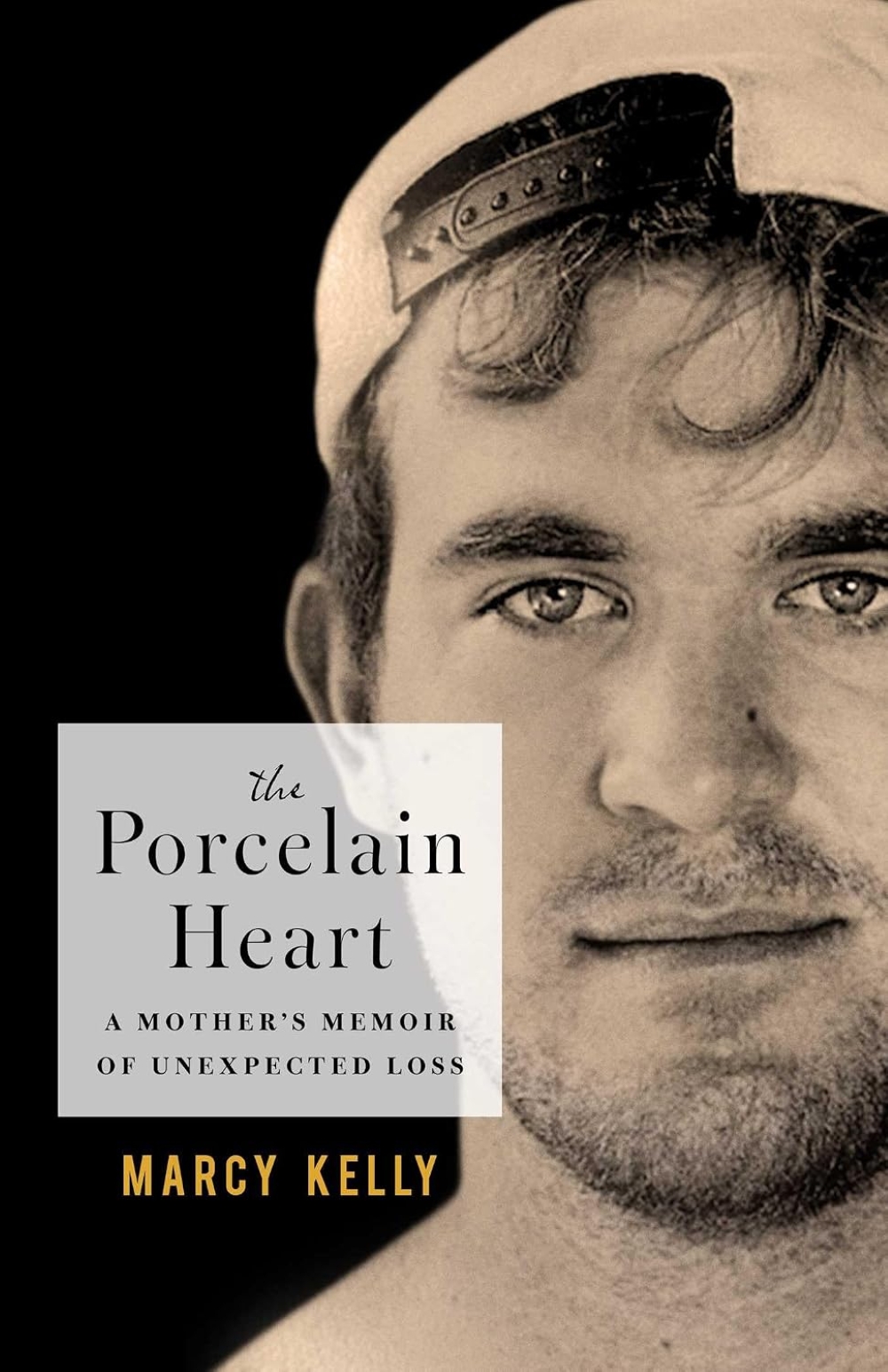
Navigating Grief and Maternal Guilt in ‘The Porcelain Heart’ Memoir

‘The Porcelain Heart: A Mother’s Memoir of Unexpected Loss’ is Marcy Kelly’s new memoir. Photo: Barnes & Noble

Book Review: The Porcelain Heart: A Mother’s Memoir of Unexpected Loss by Marcy Kelly

The Story

Losing a child is a heartbreak no parent should ever have to endure. In The Porcelain Heart: A Mother’s Memoir of Unexpected Loss, Marcy Kelly offers a personal and emotionally raw account of life after the sudden death of her beloved forty-five-year-old son, Michael, her only child. Through her journey, readers witness the devastating reality of grief and the long, complicated road toward acceptance. (Barnes & Noble, 2026)

The book begins with Marcy and her husband, Jim, at home. They receive an unexpected visit from longtime friends Susan and Roy Brown. Marcy knows something is wrong when Jim drops what he’s doing and offers to answer the door. They gather in the kitchen, where Jim breaks the news: Michael is dead. A deputy from the sheriff’s office had called thirty minutes prior because they found his business card in Michael’s wallet, and Jim was just waiting for their friends to arrive to help tell Marcy.

Initially, Marcy refuses to believe it. Later, she blames herself for not recognizing the signs of his illness. She experiences disturbing dreams about not saving him and spirals through the various stages of grief as she waits months for the coroner to render an official cause. However, Marcy rejects the fifth and final stage of grief; in her mind, if she accepts Michael’s death, he will never return.

The memoir chronicles Marcy’s journey during the year following Michael’s death. She endures all the “firsts” without him, including holidays and his birthday. She joins grief groups, remembers frightening and fun times together, questions whether she was a good mother, and tries to distract herself with travel. To honor his memory, she creates a golf scholarship in his name and commissions a stone people and pet fountain to be built along the path where he used to hike.

On the one-year anniversary of his passing, she takes his ashes to his favorite place, a lake in the Blue Ridge Mountains, and finally begins moving toward acceptance.


Review

The Porcelain Heart is a moving testament to the enduring power of a mother’s love. Kelly’s honesty makes this memoir especially meaningful for anyone navigating loss or supporting someone through bereavement. Heartbreaking yet ultimately hopeful, it reminds readers that healing doesn’t mean forgetting. Sometimes, learning to live with loss is the most courageous act of love.

Kelly tackles profound themes of grief, maternal guilt, and memory. Her story doesn’t follow a pre-set, neat path to healing; instead, she reveals the agonizing disorientation of enduring “firsts” without her son while struggling with whether she did all she could to help him.

Sample Chapter List

The book includes insightful and deeply personal chapters, such as:

  1. Proof
  2. The Next Day
  3. The Last Seat
  4. In Limbo
  5. The Viewing
  6. My Kingdom for a Password
  7. The Man in the Blue Print Shirt
  8. The Friday Email
  9. The Final Visit
  10. A Life in Fifteen Minutes

Key Highlights & Takeaways

  • Chapter 6 (“My Kingdom for a Password”): Marcy struggles to access Michael’s phone for contacts, final pictures, and videos because she doesn’t know his password, finding no help even at the Apple Store. It serves as a vital life lesson: “So much important information is stored on phones and computers—and for those, like Michael, who pride themselves on living a paperless life, the lack of access creates serious complications for survivors.”
  • Chapter 17 (“Why Is There No Word?”): Marcy explores how grief impacts couples differently, noting that losing a child either brings partners closer together or breaks them apart. As she observes, “In some cases, the trauma of their loss exacerbates the fissures that already exist.”

⚠️ Content & Trigger Warnings

  • Chapter 11 (“Wong in America”): Recalls a traumatic home accident that tragically claimed the life of Michael’s beloved dog, Clover.
  • Chapter 10 (“A Life in Fifteen Minutes”): A young Michael prematurely introduces a new bunny, Henry, to their existing one Cleo with disastrous (though thankfully survivable) results.

Kelly’s writing is sincere, offering an unvarnished look at the non-linear nature of heartbreak. The Porcelain Heart is more than just a book about sorrow; it’s proof of an enduring maternal bond that death can’t sever. It’s highly recommended for anyone who has navigated profound loss or sought light in the darkest corners of grief.

“Most parents get to see their child’s name engraved on a wedding invitation, but I would see mine on a sympathy acknowledgement card. I added that to my growing list of the ways life wasn’t fair.”

Rating: 4 out of 5.

** Thank you to Fauzia Burke/FSB Associates for the Advance Reader Copy (ARC) for review consideration. I haven’t been compensated for this review and all views and opinions expressed are my own.


About the Author

Marcy Kelly has worked in communications and press relations at U.S. government agencies and has led several nonprofit organizations. She studied creative writing at UCLA and earned a Master of Fine Arts from Antioch University. Her short fiction has been published in Narrative Magazine and in various short story collections, while her essays on grief have appeared on Medium and other online platforms. Additionally, her co-written script, Fool Me Twice, won the Producers Guild of America best screenplay award.


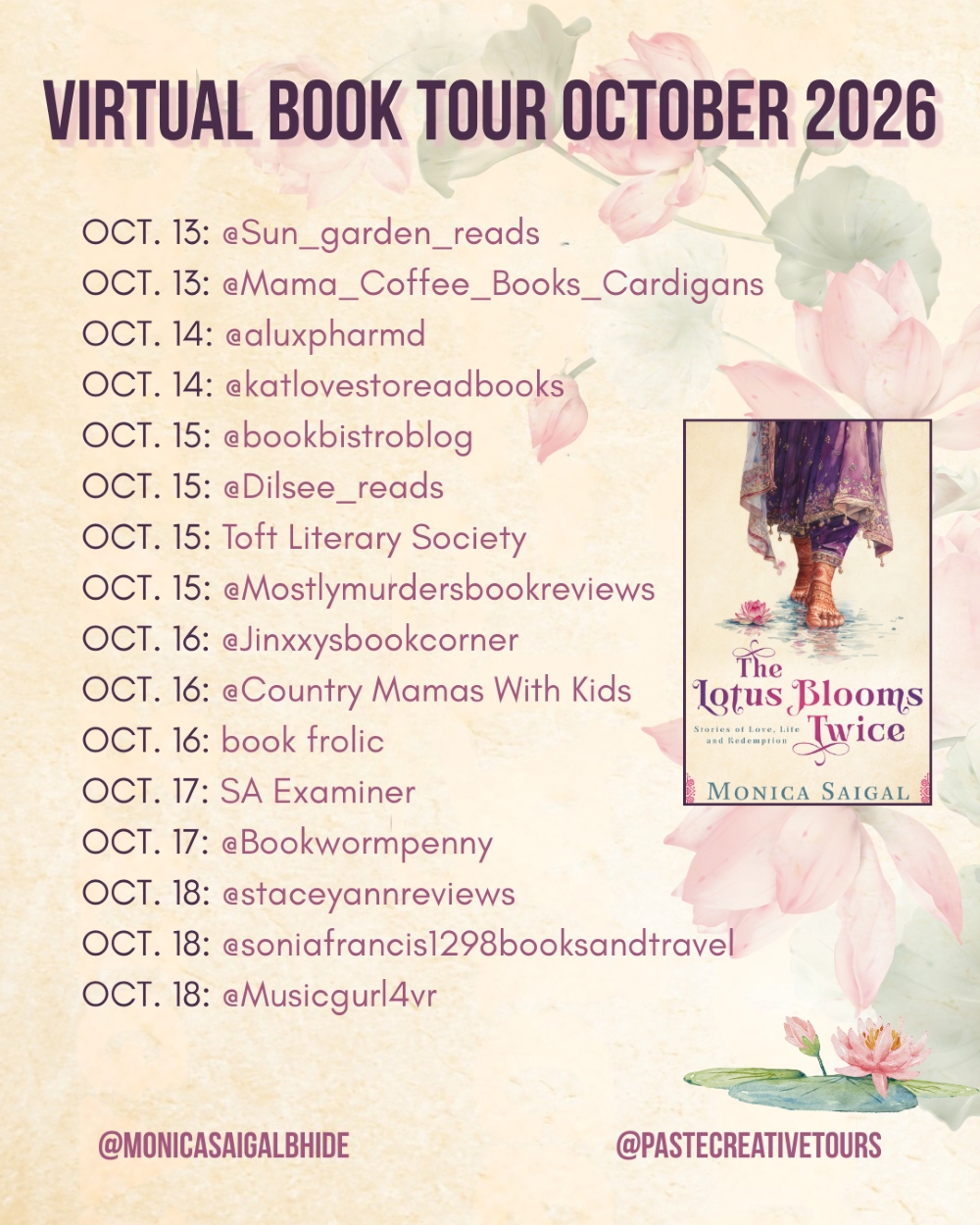
‘The Lotus Blooms Twice’ Book Review: Stories of Love & Resilience

‘The Lotus Blooms Twice’ is Monica Saigal’s new short story collection. Photo: Paste Creative Book Tours, used with permission.

Book Review: The Lotus Blooms Twice: Stories of Love, Life, and Redemption

By Monica Saigal

Part of Paste Creative Book Tours

The Lotus Blooms Twice is a moving collection of fourteen stories and a bonus novella exploring the complexities of love, loss, and the possibility of beginning again. With settings ranging from Delhi’s bustling streets to quiet Virginia kitchens, these multicultural literary tales offer an intimate look at ordinary people navigating extraordinary emotional challenges. (Barnes & Noble, 2026)

Saigal places women in midlife at the heart of her stories, giving voice to experiences that are often overlooked. Her characters confront betrayal, grief, caregiving, complicated relationships, and the longing for something more:

  • A widow struggles to reclaim her memories at the Taj Mahal.
  • A wife in a comfortable marriage discovers unexpected stirrings of desire.
  • Family secrets challenge a father’s understanding of the truth.
  • A woman faces the difficult choice between silence and survival.

Pick up your copy of ‘The Lotus Blooms Twice’ today!


Table of Contents

  • The Love Child
  • One and Done
  • The Bitter Season
  • It Is Better to Have Loved
  • A Heritage of Gold
  • The Waltz & Schnitzel
  • The Rhythm of Us
  • Truth? I Dare You
  • The Lotus Blooms Twice
  • The 2:00 a.m. Love Loop
  • The Accounts of Love
  • Still, We Remember
  • Love Guaranteed, No Refunds
  • Bonus Read: The Matchmaker’s Recipe

Standout Story Highlights

1. It Is Better to Have Loved

Neelam is a romance author who has spent most of her life as a single mother after a one-night stand. She agrees to go out with Amit even though she knows he’s married, only to realize she was deluding herself.

“I had known. That was the part that cut the deepest. I had betrayed myself before he ever had the chance.”

2. The Waltz & Schnitzel

Roland is a German engineer who keeps a journal addressed to the love of his life, Farah. He asked her to marry him the night she disappeared, and he hasn’t seen her since. As days turn to months and years, he opens a café named The Waltz & Schnitzel, leaving out a plate of spiced schnitzel, two cups of chai, orange slices, and a candle in the window waiting for her return.

“The silence that once gave me peace before I met you has now grown teeth. It bites into every part of my spirit.”

3. Still, We Remember

Deepa and Arun have been married for 25 years, but Arun is slowly losing his memories to cognitive decline. Girish, his brother, moves in to help care for him because Arun seems to remember him best. This one pulled right at my heartstrings.

“I wept for the man who remembered poetry but forgot my name. For the husband who had loved me splendidly and then vanished while still breathing beside me.”


Review

The honest portrayal of human vulnerability is what makes this collection especially compelling. Saigal avoids fairy-tale endings, embracing the messy realities of relationships and the courage required to move forward, even when endings remain somewhat ambiguous. Her characters are imperfect, relatable, and mot of all, shaped by experiences that resonate particularly with women in their fifties and beyond.

Themes of identity, resilience, forgiveness, reinvention, and second chances weave seamlessly through these stories, reminding readers that personal growth does not end with age. The language is accessible, and for readers unfamiliar with certain Indian terms, a helpful glossary is included at the back.

Some tales are heartbreaking, others unsettling, while several offer quiet moments of joy and hope. Together, they celebrate the strength it takes to rebuild a life when familiar foundations disappear.

The Lotus Blooms Twice is an emotionally rich collection for readers who appreciate character-driven literary fiction and stories that reflect life’s complicated truths. Saigal delivers a beautiful reminder that heartbreak need not mark an ending. Like the lotus, we can bloom again, sometimes more beautifully than before.

💬 My Final Verdict

The Lotus Blooms Twice by Monica Saigal reminds me why I love stories that reflect the messy, yet beautiful, reality of being human. It’s a powerful reminder that heartbreak and uncertainty don’t necessarily define the rest of our lives.

I especially appreciate the focus on women in midlife and beyond, whose dreams and desires deserve to be celebrated just as much as those of younger women. Monica Saigal brings deep emotional sensitivity to experiences that feel deeply personal yet universally relatable. These are stories that invite us to pause, reflect, and perhaps see our own struggles with a little more compassion.

Sometimes the most beautiful blooms come after the hardest seasons, and this collection is a lovely reminder that it’s never too late for a new chapter.

Rating: 4 out of 5.

** Thank you to Stephanie Caruso and Paste Creative Book Tours for the gifted copy for review consideration. I haven’t been compensated for this review and all views and opinions expressed are my own.


About the Author

Monica Saigal (formerly Bhide) is an award-winning author, culinary ambassador, and cultural storyteller whose work explores the intersection of food, identity, and belonging. Born in New Delhi, raised in the Middle East, and now based outside Washington, D.C., she brings a distinctly global perspective to everything she creates.

She currently serves as Culinary Ambassador for Aramark Dining Services and has partnered with leading food and spice brands (including House of Spices), translating culture-rich storytelling into meaningful culinary experiences. In addition to her creative work, Monica runs a storytelling consultancy, working with global organizations to shape narrative-driven brand, cultural, and leadership communications.

A four-time contributor to Best Food Writing anthologies, Monica is a sought-after speaker and educator who has collaborated with institutions including the Smithsonian, Yale University, and Les Dames d’Escoffier. She holds degrees from George Washington University, Lynchburg College, and Bangalore University.

Author Monica Saigal. Photo: Rashmi Gill Photography, used with permission.

Photo: Paste Creative Book Tours

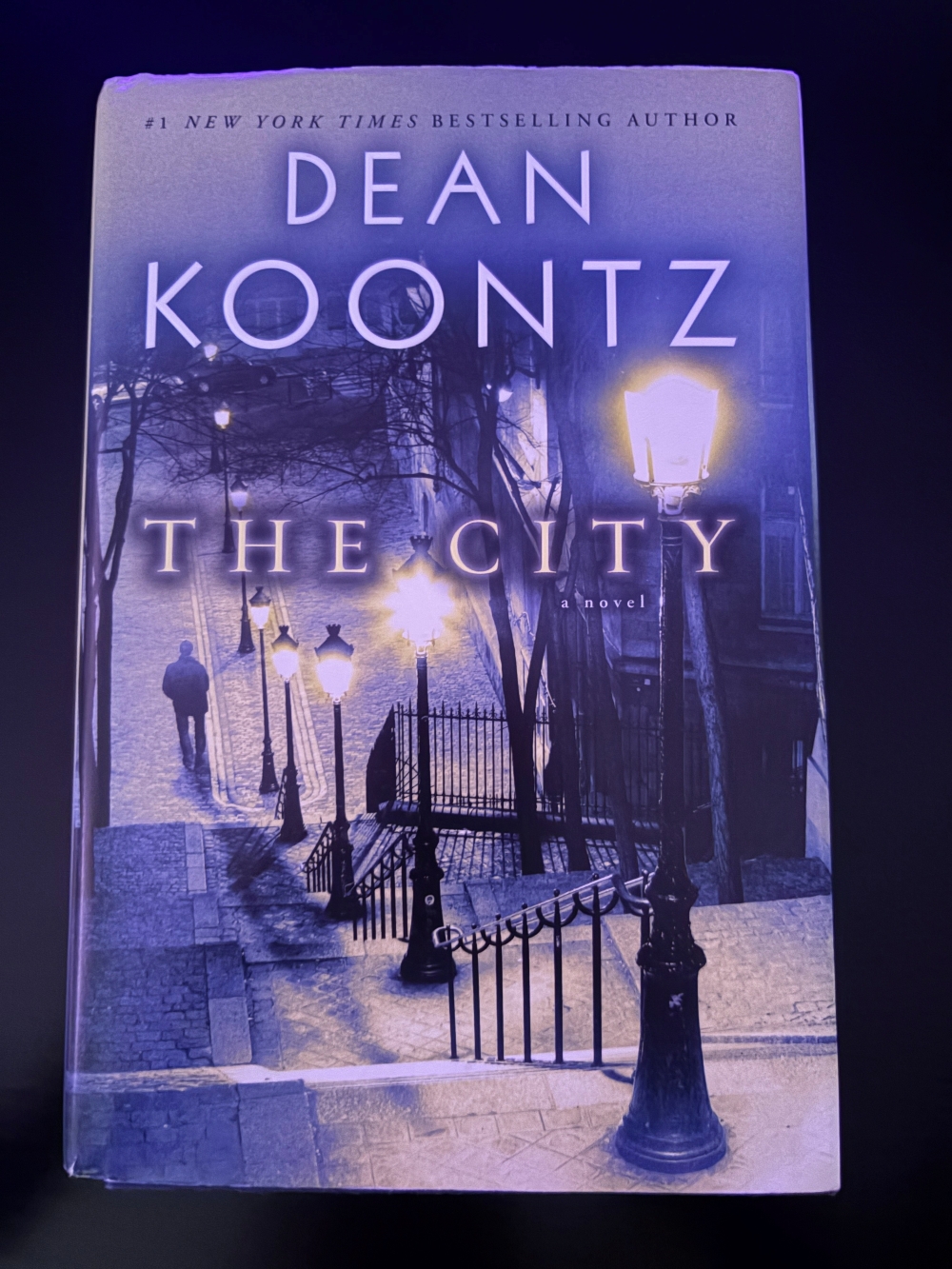
Dean Koontz’ ‘The City’ Review: A Coming-of-Age Thriller

‘The City’ by Dean Koontz is a poignant combination of music and mystery.

Book Review: The City by Dean Koontz

Synopsis

The City centers around Jonah Kirk, a young piano prodigy whose extraordinary musical talent allows him to recognize the hidden pulse of the metropolis surrounding him. Joined by his brilliant best friend, Malcolm, Jonah embarks on a journey that balances the sheer wonder of creation against profound mortal danger.

His remarkable family, tested by the extremes of evil and bound by the depths of love, is on a collision course with a band of killers about to unleash anarchy. Along the way, he finds two unlikely allies: Mr. Yoshioka, an everyday hero strengthened by his past, and Miss Pearl, a woman of mystery who holds the key to the future.

These are the people of The City—a place where enchantment and malice interweave, courage and honor are found in the most unexpected quarters, and the way forward lies buried deep inside the heart. Their unforgettable story is a riveting, soul-stirring saga that speaks to everyone.

Review

Dean Koontz’s The City is a captivating blend of suspense, fantasy, music, and coming-of-age drama. Some books simply tell a good story, while others take you somewhere and make you feel as though you’ve become part of the characters’ lives. The City is that kind of book.

Jonah is an engaging protagonist because despite his extraordinary musical talent, he’s not invincible. He still feels like a kid trying to understand the complicated world of adults. His friendship with Malcolm and his sister Amalia provide emotional depth and demonstrate the importance of loyalty and companionship.

The narrative is told through Jonah’s first-person point of view as he reflects on his experiences as a young boy and how they shaped his future. The prose is haunting and poetic:

“But fear can lead people to do things they would never contemplate in placid times. Fear can blind us, but so can anger.”

Family is another powerful part the novel. Jonah’s multi-generational family faces unimaginable danger, but their love for one another becomes a primary source of strength. That devotion is put to the ultimate test and the senseless cruelty of Fiona Cassidy and her conspirators contrasts sharply with Jonah’s warmth.

The mysterious Miss Pearl, who moves in and out of Jonah’s life, remains an enigmatic figure. Her knowledge and insights suggest a larger destiny awaiting Jonah, while the city itself functions as a living character, brilliantly illuminated by light and dark magic, where fate, music, and moral choices intersect.

The novel explores timeless themes:

  • Good versus evil and moral choice
  • Courage, sacrifice, and enduring friendship
  • The power of love and discovering your true purpose

The way music is woven into the story stands out in particular; it represents creativity, beauty, and the ability of the human spirit to rise above darkness.

Koontz combines suspense with heart. It’s mysterious, sometimes frightening, but also surprisingly tender. Ultimately, it’s a story about finding courage within yourself and discovering that even in the darkest circumstances, love and hope can still light the way.


Final Thoughts

Overall, The City is a supernatural thriller about growing up, discovering one’s purpose, and finding strength through love and courage. It suggests that the way forward through hardship lies buried deep within the human heart. Readers who appreciate a mix of mystery, suspense, and literary fiction will find it both entertaining and deeply heartwarming.

“Outside the wind blew cold and the sun shone bright. On that bustling street, among those many big trucks and busy people, with the city all around for miles and miles, I felt terribly small, and worse than small. Suddenly I felt alone.”

Rating: 4 out of 5.

About The Author

Dean Koontz is an American author of suspense thriller that frequently incorporate elements of horror, fantasy, science fiction, mystery, and satire. Many of his books have appeared on The New York Times Best Seller list, with fourteen hardcovers and sixteen paperbacks reaching the number-one position. He has published over 105 novels and a number of novellas and collections of short stories, and has sold over 500 million copies of his work. He has been acknowledged as “America’s most popular suspense novelist” by Rolling Stone and as one of today’s most celebrated and successful writers.

‘Valet’ by J.P. Lacrampe: The Whimsical Robot Novel You Didn’t Know You Needed

‘Valet’ is the new novel by J.P. Lacrampe. Photo: Simon & Schuster

Book Spotlight: Valet: A Novel

By J.P. Lacrampe

Synopsis

Cy wants nothing more than to be useful, raise his utility score, and receive the next update for his operating system. But that’s easier said than done when he’s tasked with helping his owner’s thirty-five-year-old son “get out of his funk.” (Simon & Schuster, 2026)

Grayson is nothing like his go-getter, CEO sister Charlotte. He didn’t inherit the family robotics company when their dad passed last year, he doesn’t have a master’s degree, and he just can’t seem to figure out the San Francisco dating scene. He’d rather eat synthesized mozzarella sticks and make pottery at his studio, Kilning Time.

When Grayson learns of Charlotte’s plan to sell the company to a tech conglomerate, he panics. It’s not just the family business at stake, it’s all the technology—like Cy—their dad invented over the years. So he does what anyone would do: he steals the flash drive with his father’s most important work stored on it and plans a corporate takeover. If only he knew what that meant.

To make matters worse:

  • A fellow VALET deserts his owner and asks Cy to help him hightail it out of town.
  • Grayson’s first real date—and her dog—keep showing up at inopportune times.
  • The behemoth tech company wants this deal closed yesterday.

Grayson, Cy, and their trusty golden retriever, Sasha III, must go on the lam until they figure out exactly what to do, and whom to trust.

A hilarious, madcap adventure that is as tender as it is insightful, Valet asks not just what it means to be human, but what it means to be family.

Read This If You Love:

  • Vibe: A whimsically speculative ode to Wodehouse’s Jeeves and Wooster.
  • For Fans Of: Kevin Wilson (Nothing to See Here) and Andrew Sean Greer (Less).
  • Core Tropes: A helper robot, his thirty-five-year-old ward, and a madcap adventure to save the fate of a family empire.

“Valet is a hilarious and bracing examination of the near future, where Cy, a techbot servant, must navigate the complexities of humans to maintain his utility score. What makes this such a winning and openhearted novel is that J.P. Lacrampe goes beyond the initial premise by looking at the universal anxiety of family, of being tied to people with whom you will rise and fall, either toward a new update or into obsolescence.” — Kevin Wilson, New York Times bestselling author of Nothing to See Here and Run for the Hills

About the Author

J.P. Lacrampe received his MFA in creative writing from Saint Mary’s College. His short fiction has been published by Glimmer Train, McSweeney’s, Instant City, and in Howl: A Collection of the Best Contemporary Dog Wit. He is a teaching professor at Santa Clara University, where he teaches courses in composition, fiction, and screenwriting.

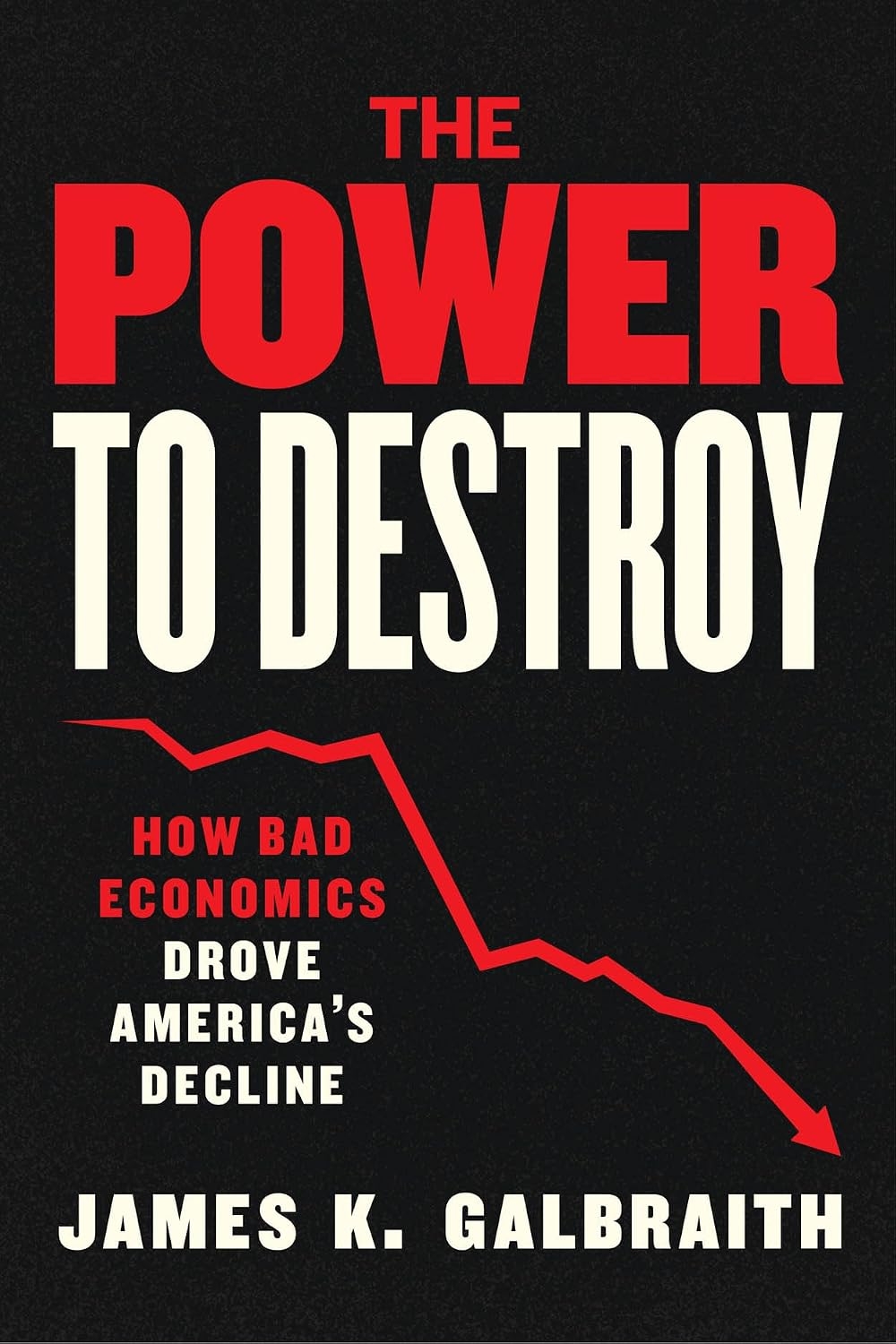
Why Modern Economic Policy Failed: James K. Galbraith’s ‘The Power to Destroy’

‘In The Power to Destroy,’ James K. Galbraith explains how yesterday’s economic tools don’t work today. Photo: University of Chicago Press

📚 Book Spotlight: The Power to Destroy: How Bad Economics Drove America’s Decline

Author: James K. Galbraith

Release Date: September 23, 2026 (Available for pre-order)

The Dissonance of Modern Economics

Acclaimed economist James K. Galbraith sounds an urgent alarm on how conventional economic ideas and policies have failed to adapt to the most daunting challenges of our geopolitical moment. (University of Chicago Press, 2026)

Amid a mounting sense of American decline, everyday citizens live with a strange contradiction: traditional economists keep announcing that everything is fundamentally fine. They point to steady growth, low unemployment, relatively stable prices, and high stock markets, asking: what’s there to worry about?

Synopsis

The Power to Destroy shows that this dissonance reflects a failure of the discipline to evolve. Galbraith’s incisive history of 21st-century economic policy centers on a fundamental flaw: today’s experts are still deploying tools from yesterday’s wars.

Relying on obsolete ideas, outdated measures, and crude indicators like standard output and price indexes—many honed a century ago for a vastly different social landscape—offers little hope in the face of today’s existential threats.

Galbraith argues that these conventional policies are accelerating the decline of the US economy. Key policy shortcomings include:

  • Mismanaged Inflation: Weak responses to the post-pandemic inflation of 2021–2022.
  • Geopolitical Miscalculations: Flawed strategies regarding the sanctions war against Russia and the economic rise of China.
  • Stagnant Revival: Half-hearted and ineffective attempts at domestic industrial policy.
  • Unaddressed Crises: Inadequate preparation for climate change and the impending demographic crisis.

All of these failures root back to a flawed body of economic thought sustained for ideological rather than practical reasons. As Galbraith makes plain, while market systems have their virtues, government policies are what make functioning markets possible in the first place. Sticking with outdated theories brings the power to destroy, making new, realistic ideas an urgent necessity for survival in an emerging multipolar world.


About the Author

James K. Galbraith holds the Lloyd M. Bentsen, Jr. Chair in Government/Business Relations at the LBJ School of Public Affairs, The University of Texas at Austin.

His previous books include:

  • Entropy Economics: The Living Basis of Value and Production (with Jing Chen)
  • Inequality: What Everyone Needs to Know
  • Welcome to the Poisoned Chalice: The Destruction of Greece and the Future of Europe

1790173434

  days

  hours  minutes  seconds

until

‘The Power to Destroy’ release date

Leaving Washington: Why Jen Thompson Walked Away from Political Power in ‘Wild Pivot’

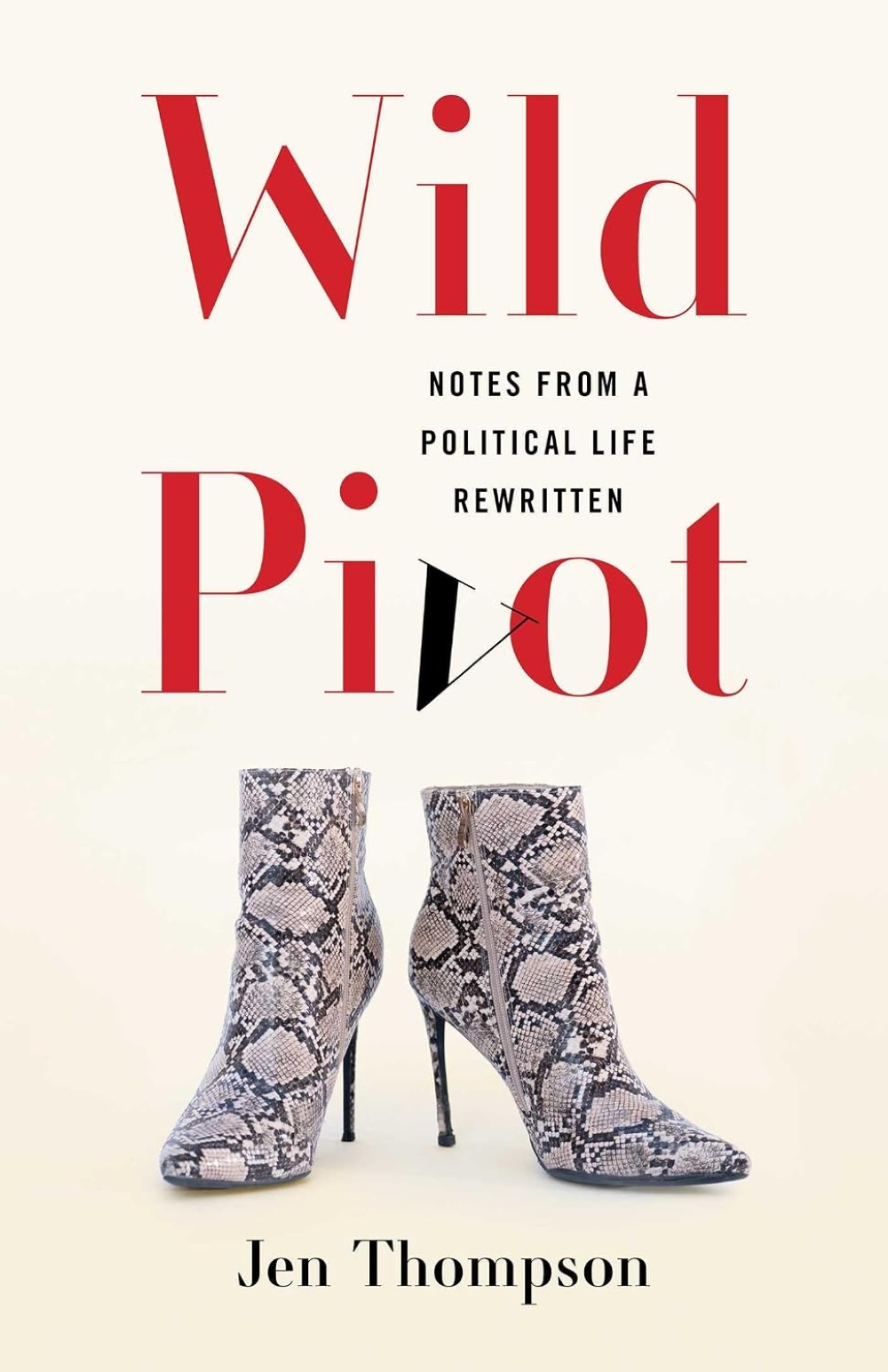
‘Wild Pivot’ by Jen Thompson is an impactful memoir about choosing truth over approval. Photo: Barnes & Noble.

Book Review: Wild Pivot: Notes from a Political Life Rewritten by Jen Thompson

Release Date: September 22, 2026 | Status: Available for Pre-Order

As a successful and prominent young Republican strategist, Jen Thompson possessed the power and prestige she had always strived for, yet it was built on an underlying current of personal disconnect. Her inner voice warned that she was living someone else’s definition of a meaningful life. It took a near-fatal car accident on a high-profile Senate campaign trail to shatter her trajectory, forcing her to question the identity she had built and the loyalty that kept her tied to it.

Told through short, engaging vignettes, this memoir traces Thompson’s journey from political ambition to profound personal transformation.


The Plot: From Capitol Hill to Down Under

The narrative opens on February 14, 2023. Jen is attending an outdoor screening of Breakfast at Tiffany’s at the Royal Botanical Gardens in Sydney, Australia, reflecting on a tumultuous year. She has been sued and slandered on the front pages of newspapers, cheated on, lied to, and nearly killed in a car crash.

After running a successful political campaign to elect Congressman Jim Talent to the U.S. Senate representing Missouri, she put as much distance as possible between herself and Washington by escaping to Australia. There, she finally felt free. Turning down numerous high-level job offers, her Republican peers thought she was crazy. What she couldn’t tell them was that her core political views had fundamentally shifted. The people she once worked alongside were now dominating the headlines, and new acquaintances in Australia were stunned to learn about her past.

From there, Thompson shares her life story:

  • Childhood Foundations: Growing up in a Christian Scientist family and facing her father’s demand at age 11 to lay out a twenty-year career plan.
  • The DC Pressure Cooker: Recounting the brutal stress of her years as a political strategist and how those struggles opened her eyes to a world she had never envisioned.
  • A New Path: Committing to living a life of truth and personal freedom, regardless of the cost.

Table of Contents

Part I: Wired

  • Chapter 1: Time Bomb: Five. Four. Three. Two. One. Boom
  • Chapter 2: Becoming Wired
  • Chapter 3: The Monster Unleashed
  • Chapter 4: Truths
  • Chapter 5: Gravity
  • Chapter 6: Becoming Unwired
  • Chapter 7: After the Caribbean
  • Chapter 8: Chasing the Boar Part I
  • Chapter 9: Chasing the Boar Part II
  • Chapter 10: Healing
  • Chapter 11: Last Two Months of the Campaign
  • Chapter 12: The Election

Part II: Rewired

  • Chapter 13: Alternative Endings
  • Chapter 14: White Privilege
  • Chapter 15: Consequences
  • Chapter 16: Love

Book Review

Jen Thompson delivers a candid look at the high-stakes world of American politics and the terrifying cost of living an inauthentic life. In walking away from her career, Thompson illustrates that genuine evolution—aside from being uncomfortable—can often be isolating. Yet, her journey toward healing proves that dismantling an old life is a necessary step toward true freedom. Especially memorable is her willingness to examine her past without protecting her ego.

Chapter Highlights

  • Chapter 2: Thompson recounts the happiest day of her life: her first day working for Congressman Jim Talent on Capitol Hill. She describes growing increasingly driven, working over 80 hours a week through holidays. Yet, when left alone, she became consumed by a fear of failure:

“My fears grew into a raging monster that roared with an unstoppable push to succeed.”

  • Chapter 6: The turning point arrives with a horrific car accident on her way to Springfield. Though the vehicle was left unrecognizable, she survived—and in the quiet shock of the aftermath, clarity struck:

“That very moment is suspended in time as the one when my life began to change.”

Core Themes & Final Verdict

The vignettes move with unflinching honesty and sharp wit through a non-linear format. Central to the narrative is an exploration of blind loyalty and the seductive, destructive desire to belong. Her story also examines the themes of identity, transform tion, and liberation and the uncomfortable process of confronting the beliefs that once defined us. Thompson examines how institutional validation can quiet our intuition, compelling us to trade internal truth for external applause.

Overall, Wild Pivot is a compelling memoir about what happens when success no longer feels like success. It’s a story about choosing truth over approval and discovering that sometimes the most courageous pivot is the one that leads back to yourself. It stands as a powerful testament to the courage required to rewrite your story—no matter the price. Readers who enjoy insightful, deeply human memoirs will find this one hard to put down.

“In the stillness, it occurs to me that meaning can only come by way of wholeness, and wholeness, it must be said, does not come easily.”

Rating: 4 out of 5.

About the Author

Jen Thompson is a former high-powered Republican strategist and congressional lawyer who famously walked away from Washington at the peak of her career. She managed the nationally watched 2002 campaign that tipped the divided U.S. Senate back to Republican control, overcoming a massive deficit by orchestrating high-profile events with the President of the United States. Alongside her political work, she served as a lawyer-lobbyist at top international law firms and spent eight years as a chief political commentator for NBC and ABC news affiliates in Richmond, Virginia.


** Thank you to Fauzia Burke and FSB Associates for the gifted ARC for review consideration. I haven’t been compensated for this review and all views and opinions expressed are my own.

Book Review: ‘Mexican Gothic’ by Silvia Moreno-Garcia – 1950s Gothic Horror

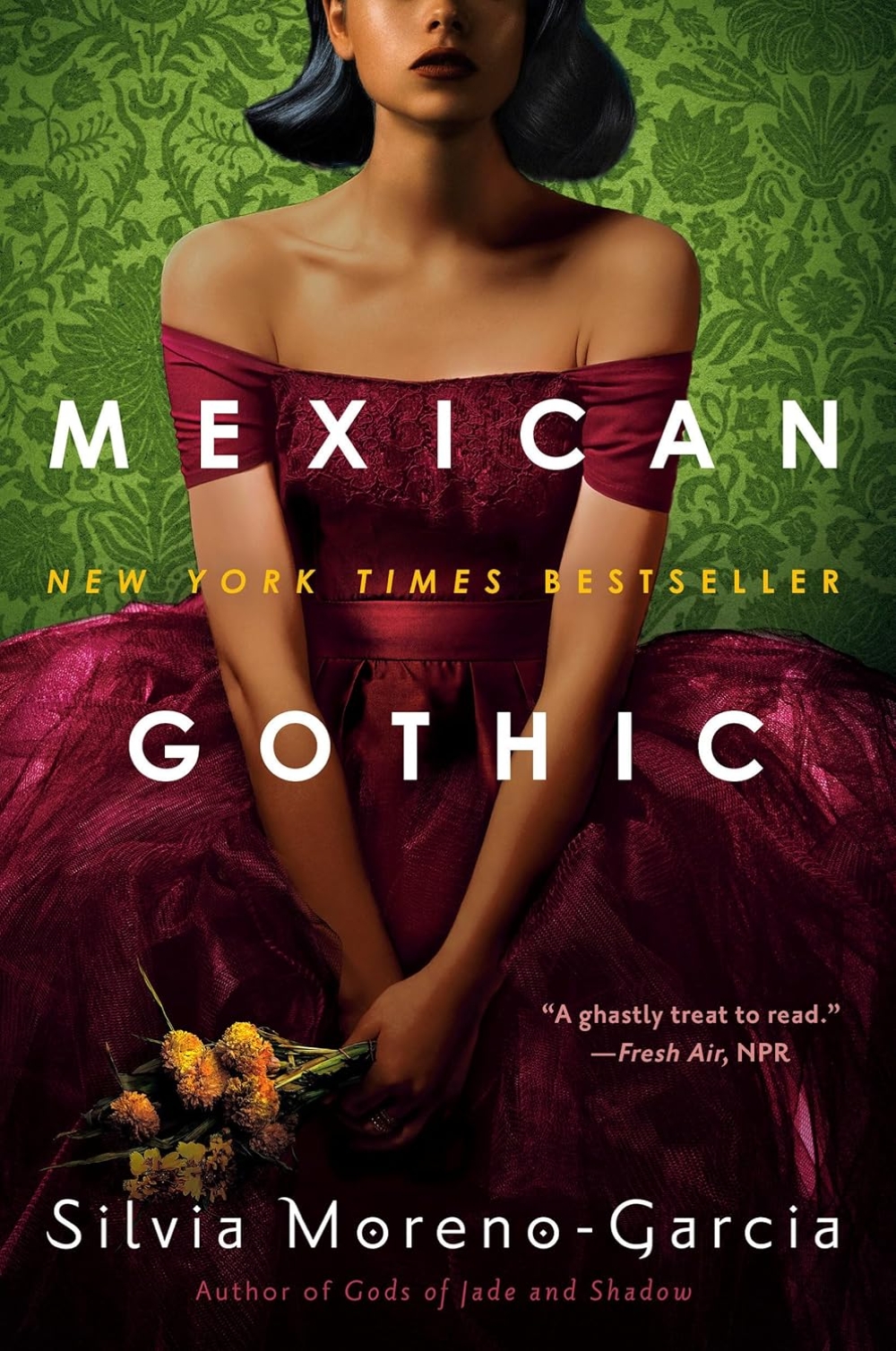
‘Mexican Gothic’ by Silvia Moreno-Garcia. Photo: Barnes & Noble

Book Review: Mexican Gothic by Silvia Moreno-Garcia

Synopsis

Set in 1950s Mexico, the novel follows Noemí Taboada, a glamorous socialite whose life mostly consists of high-society parties and leisure. That changes overnight when her father summons her to his office after receiving a frantic, disturbing letter from Noemí’s newly-wed cousin, Catalina. Begging for someone to save her from a “mysterious doom,” Catalina writes about hearing voices in the walls and seems consumed by paranoia. (Barnes & Noble, 2026)

Striking a deal with her father, investigate Catalina’s situation in exchange for his blessing to attend college for anthropology, Noemí strikes out for High Place, a isolated mansion tucked away in the Mexican countryside.

Noemí is an unlikely rescuer. Her chic gowns and perfect red lipstick are better suited for cocktail lounges than amateur sleuthing. However, beneath her polished exterior lies a sharp mind and an indomitable will. She isn’t easily intimidated:

  • Not of Virgil: Catalina’s new husband, a handsome Englishman who is as menacing as he is alluring.
  • Not of Howard: The family’s ancient patriarch, who harbors a bizarre, unsettling fascination with Noemí.
  • Not of High Place itself: Even as the decaying mansion invades her dreams with visions of blood and doom.

Her sole ally in this inhospitable home is Francis, the family’s youngest son. Shy and gentle, Francis wants to help Noemí, but he may also be guarding dark secrets about his family’s past. Behind High Place’s walls lie stories of violence, madness, and a faded silver mining empire built on exploitation. What begins as a family rescue mission quickly devolves into a desperate fight to escape a terrifying, addictive nightmare.


Review

Mexican Gothic brilliantly reinvents classic Gothic horror by fusing familiar tropes, such as dilapidated mansions, tyrannical patriarchs, and psychological dread, with a rich, atmospheric 1950s Mexican backdrop. As Noemí steps into High Place, she enters a living nightmare built on physical isolation and lingering colonial rot.

High Place itself functions as its own character. Its decaying walls and disturbing dreamscapes create an oppressive, suffocating sense of dread. Moreno-Garcia seamlessly weaves traditional horror elements with Mexican history and sharp social commentary.

The narrative unfolds at a steady, deliberate pace, escalating the tension with every chapter and every deeply unsettling secret Noemí unearths. The author balances this high tension with beautifully poetic prose:

“Everything in High Place was gnarled and begrimed, but he’d been able to grow bright and mindful, like an odd plant that is carried onto the wrong flower bed.”

Character Dynamics

  • Noemí Taboada: Far from a helpless damsel in distress, Noemí’s party-girl facade conceals a fierce intellect and resilience. Her absolute refusal to break or submit to High Place makes her an incredible protagonist.
  • Francis Doyle: Soft-spoken and gentle, Francis offers a stark contrast to his sinister family. His inner conflict between familial loyalty and moral action makes him Noemí’s only true ally.
  • Howard Doyle: The ancient patriarch embodies predatory control, obsessively driven by ideas of genetic purity and bodily exploitation.

Core Themes

  • Colonialism & Exploitation: The Doyle family’s faded mining empire reveals how foreign powers drain local resources and labor, framing historical exploitation as a literal, invasive threat to the body.
  • Autonomy vs. Control: Patriarchal domination and eugenics clash directly with Noemí’s fiercely guarded independence.

A Note on the Audiobook:

While the story itself was deeply entertaining, I found the audiobook narration disappointing. The delivery felt robotic and AI-like, complete with awkward pauses and mispronunciations of Spanish names. I only kept listening because I was so hooked on finding out how the plot ended.

Final Verdict

Mexican Gothic by Silvia Moreno-Garcia is a haunting, visually atmospheric tale where the greatest horrors stem not just from supernatural forces, but from human greed and tyranny. It proves that gothic horror can be both frightening and deeply thought-provoking. Readers who enjoy atmospheric mysteries, strong female leads, and dark family secrets should immediately add this to their reading list.

“She had experience dealing with irritating men. They did not fluster her. She had learned, by navigating cocktail parties and meals at restaurants, that showing any kind of reaction to their crude remarks emboldened them.”

Rating: 4 out of 5.

About the Author

Silvia Moreno-Garcia is a Mexican-Canadian novelist, short story writer, editor, and publisher. She is the author of The Bewitching, Mexican Gothic, Gods of Jade and Shadow, and many other acclaimed books. Her work has earned her the Locus, British Fantasy, and World Fantasy awards. She holds an MA in Science and Technology Studies from the University of British Columbia.

Post-WWI Trauma Meets Classic Detective Noir: ‘No Saints Only Killers’ Review

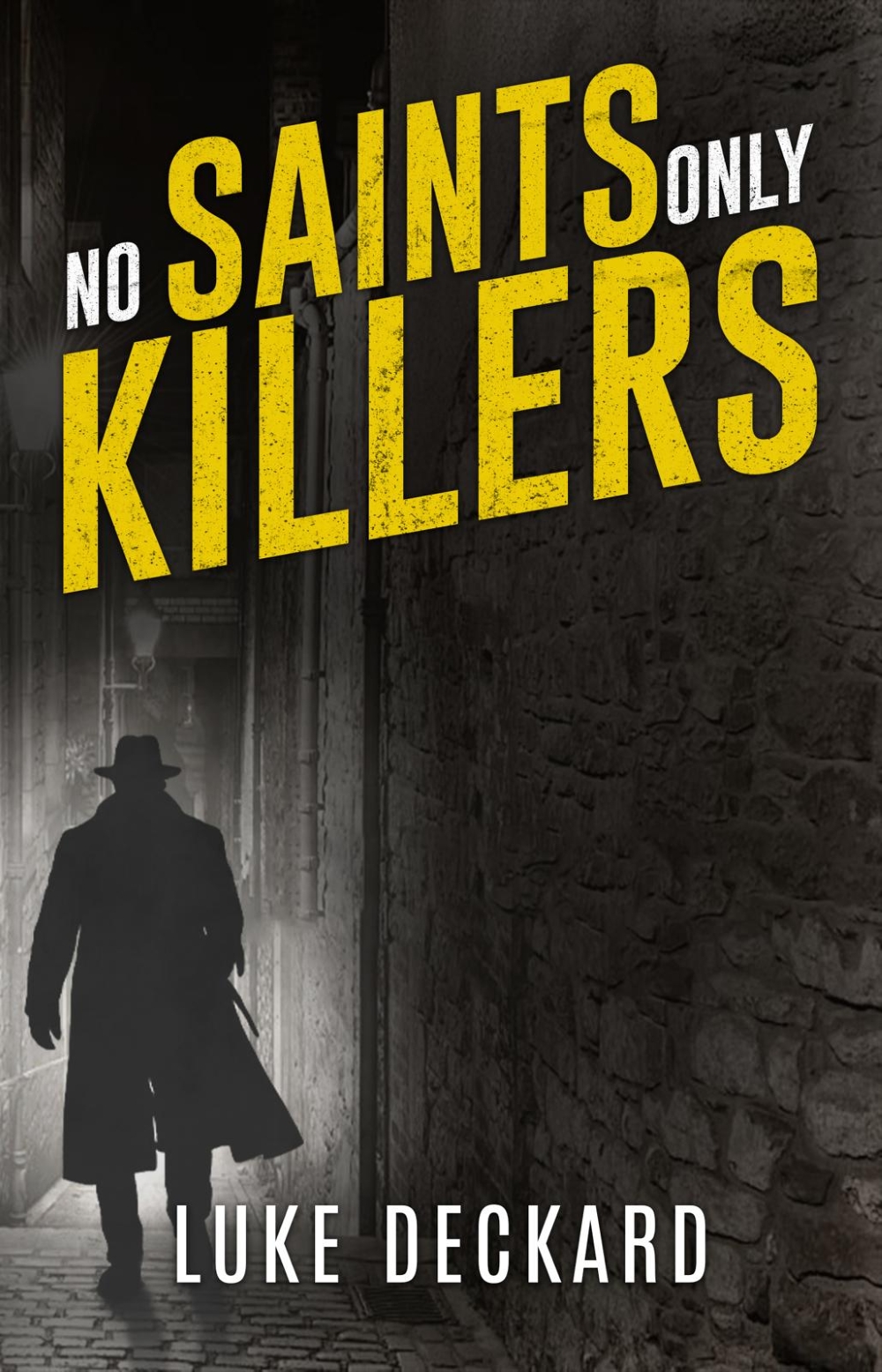
‘No Saints Only Killers’ by Luke Deckard is 1920s post-war nor at its finest. Photo: Paste Creative Book Tours, used with permission.

Book Review: No Saints Only Killers by Luke Deckard

Part of Paste Creative Book Tours

The Story

Logan Bishop is an American war-damaged private investigator living in London in 1922. On a cold Monday morning, he returns to his modest home to find a postcard in the mail from his estranged father, Reverend Daniel Bishop of Chicago. He’s in town and needs to meet up with Logan to talk about important matters.

Logan hasn’t heard from him in over a decade, and for good reason. Daniel was abusive to Logan throughout his childhood and Logan equates contacting him with being back at war. Reluctantly, he calls the hotel room. Daniel sounds desperate and paranoid, pleading for Logan’s help with an urgent matter. But before he can explain, the line goes dead after what sounds like a violent confrontation.

Before slipping into a coma, Daniel leaves Logan with a desperate plea: find Greta Matas, a woman tied to his past, before she’s killed.

Logan heads to Edinburgh in search of answers, but from the moment he arrives, nothing adds up:

  • Greta is missing.
  • Her son is wanted for murder and on the run.
  • Logan is being watched—by the police, by gangsters, and by men who will do anything to keep the truth buried.

As Logan encounters police officers, gangsters, and dangerous secrets, his investigation becomes both a hunt for the truth and a search for personal redemption… provided he doesn’t end up dead first.

Photo: Paste Creative Book Tours

Get your copy of ‘No Saints Only Killers’ today!


Review

Set against the backdrop of 1922 London and Edinburgh, No Saints Only Killers delivers a sharp and atmospheric slice of post-World War I noir. The novel follows Logan Bishop as he is forced out of his isolated routines by the brutal attack on his estranged father, launching him into a deadly, fog-shrouded investigation to find a missing woman from his father’s past.

Character Analysis

Logan Bishop is a complex and deeply flawed protagonist who embodies classic hardboiled detective tropes while remaining grounded and human. As a former military sniper struggling with severe shell shock and a crippling morphine addiction, Logan’s willingness to pursue the mysterious Greta Matas reveals a stubborn sense of loyalty beneath his damaged exterior. His troubled relationship with his father gives the story personal stakes, driving Logan into dangerous territory despite his instincts to stay hidden.

Core Themes

  • Trauma and Disillusionment: The shadow of the Great War hangs over every chapter, illustrating the psychological scars left on a generation trying to numb their pain in the early years of the Jazz Age.
  • Systemic Corruption: The narrative explores the dark underbelly of 1920s Britain, exposing a world where institutions offer no salvation and power rests in the hands of ruthlessly corrupt forces.
  • Moral Ambiguity: True to its title, the novel demonstrates that in a broken society, absolute virtue is an illusion and everyone is navigating varying shades of grey.

“‘You want compassion?’ I wanted to laugh. ‘There are no saints in this world, only killers.’”

Style & Tone

In true noir fashion, the story is told entirely through Logan’s first-person perspective. It’s fast-paced, easy to read, and packed with plot twists around every corner. The prose balances gritty edge with vivid, poetic language:

“Two teardrops landed on the table and exploded. I crushed my eyes shut and inhaled as I pushed Tim and the hate I had for myself to the back of my mind.”

Final Verdict

Overall, No Saints Only Killers by Luke Deckard expertly combines historical mystery and postwar trauma, successfully transplanting gritty American noir into 1920s Britain. With its complex protagonist, high stakes, and dark atmosphere, readers who enjoy historical crime fiction and hard-boiled detectives will find this one hard to put down.

“Maybe I was a sucker for her pretty face. Maybe my motivation was shallow. I don’t know. I wanted to believe her. I also wanted to believe that maybe there was something between us, which possibly made me ignorant, or foolish.”

Rating: 5 out of 5.

About the Author

Luke Deckard is the author of No Saints Only Killers, which was shortlisted for the Amazon New Voices Awards and a finalist at Bloody Scotland’s Pitch Perfect. He is the co-host of the CINEMA SLEUTHS podcast, a reviewer for Get Your Comic On, and a creative writing mentor at the University of Westminster.

Photo: Paste Creative Book Tours

**Thank you to Stephanie Caruso, Paste Creative Book Tours, and Luke Deckard for the gifted copy for review consideration. I haven’t been compensated for this review and all views and opinions expressed are my own.