San Antonio Museum of Art unveils three completed community murals

Artist Sandra Gonzalez’ mural at Tony G’s Soul Food. Photo: San Antonio Museum of Art, used with permission.

On Friday, the San Antonio Museum of Art (SAMA) unveiled one of three community murals during a press conference at Tony G’s Soul Food. Three local artists completed the mural series as part of a generous grant awarded to SAMA by the Art Bridges Foundation earlier this year. The purpose of the three community-inspired murals is to celebrate the vibrancy and people of San Antonio. The murals are now on display at Tony G’s Soul Food (915 S. Hackberry), Wicho’s Mexican Deli (1110 N. Zarzamora St.), and SAMA (200 W. Jones). (San Antonio Museum of Art, 2021)

Designed by artists Suzy González, Victor Zarazua, and Sandra Gonzalez, and in partnership with San Anto Cultural Arts, the initiative celebrates the importance of community through the arts, connecting San Antonio’s culturally diverse neighborhoods and their traditions through a creative framework.

Artist Suzy González created the mural installed on-campus at SAMA. Painted on wood panels that were then drilled into the brick wall, the mural features the Yanaguana river surrounded by local artists, poets, and musicians that progress the community.

Artist Victor Zarazua represents San Antonio’s Westside at Wicho’s Mexican Deli. Victor planned his mural to be include several types of paint, including spray paint. His design represents the landscape in the area.

Artist Sandra Gonzalez created San Antonio’s Eastside mural at Tony G’s Soul Food. Sandra created her mural, which features portraits of Miles Davis and Etta James, using polytab. During a community painting day, volunteers participated in the mural creation.

Judge Nelson Wolff, Councilman Jalen McKee-Rodriguez, Commissioner Rebecca Clay-Flores, and Judge William “Cruz” Shaw attended the press conference and each shared remarks on the impact of art on our community and the hope that murals will continue to populate the Alamo city. 

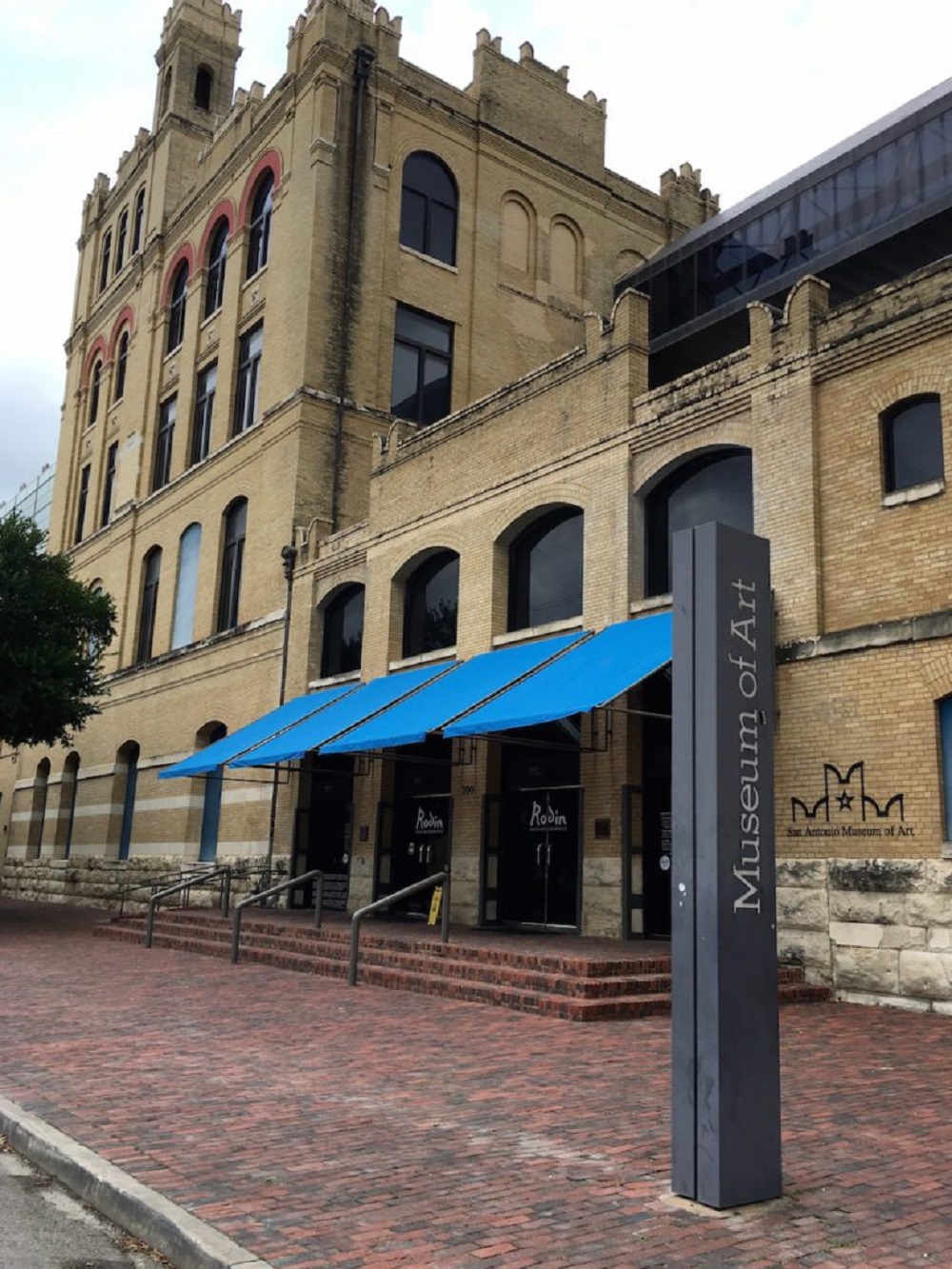
The San Antonio Museum of Art serves as a forum to explore and connect with art that spans the world’s geographies, artistic periods, genres, and cultures. Its collection contains 30,000 works representing 5,000 years of history. Housed in the historic Lone Star Brewery on the Museum Reach of San Antonio’s River Walk, the San Antonio Museum of Art is committed to promoting the rich cultural heritage and life of the city. The Museum hosts hundreds of events and public programs each year, including concerts, performances, tours, lectures, symposia, and interactive experiences. As an active civic leader, the Museum enriches the cultural life of the city and the region and to supports its creative community.

Art Bridges is the vision of philanthropist and arts patron Alice Walton. Art Bridges has been creating and supporting programs that expand access to American art in all regions across the nation. The foundation strives to bring great works of American art out of storage and into communities. Art Bridges partners with a growing network of 150 museums of all sizes and locations, providing financial and strategic support for exhibition development, collection loans and programs designed to engage new audiences. Art Bridges funds projects that inspire deeper relationships between arts organizations and their communities, develop expanded relationships built on inclusivity and respect, and encourage meaningful personal connections that lead to stronger, more vibrant cities and towns.

New installations and blockbuster programs at the Briscoe Western Art Museum

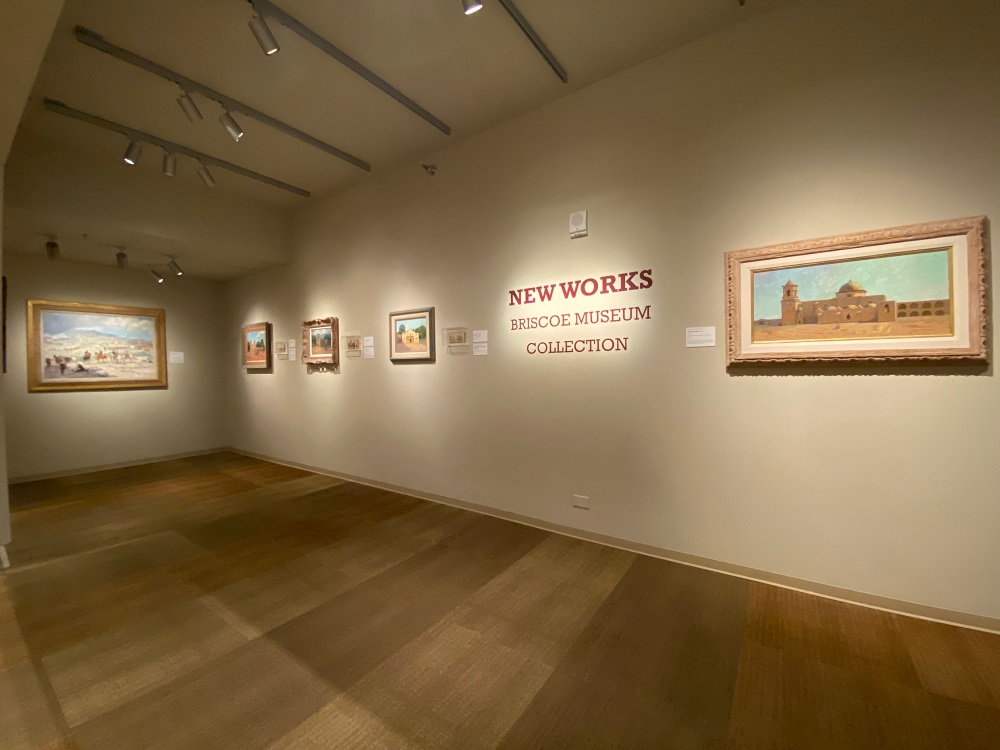
The Briscoe Western Art Museum’s New Works Gallery. Photo: Briscoe Western Art Museum, used with permission.

Whether it is chatting with the Duke’s Daughter, kicking back to watch an iconic movie, seeing art that highlights the true diversity of the West, or checking out the real spurs that helped shape San Antonio and the West, the Briscoe Western Art Museum’s blockbuster summer fun continues. (Briscoe Western Art Museum, 2021)

Head to the Briscoe Western Art Museum to enjoy:

A Conversation with The Duke’s Daughter
Join the Briscoe as John Wayne’s daughter, Aissa Wayne, shares memories of her father with guest curator Andrew Patrick Nelson. Then take advantage of the last chance to see the Briscoe’s blockbuster Still in the Saddle: A New History of Hollywood Westerns exhibit and a unique opportunity for a guided tour with Nelson and Aissa Wayne. The program begins at 2p.m. with a Q&A, followed by the guided tours at 3p.m. on September 4. Wayne, daughter of John and Pilar Wayne, appeared in four of her father’s films as a child, “The Alamo,” “The Comancheros,” “McClintock,” and “Donavon’s Reef,” as she regularly traveled to her father’s movie sets during his career. She wrote a memoir of her life with the Duke, “John Wayne, My Father,” and is a retired criminal and family law attorney.

See the Spurs at the Briscoe
Of all the gear that cattle drovers carried with them, few pieces of equipment were as notable and personal as the spurs of Spanish and Mexican vaqueros and American cowboys. The Briscoe’s display highlights the variety of spurs seen on the major cattle trails of the 19th century. From the functional design of Texas cowboys to the elaborate silver inlays of California vaqueros, the collection highlights the finest spur makers of the late 19th and early 20th centuries. The placement of each spur approximates where each maker lived with an example of the work he forged.

Sharing the True History of the West: “Frank Chisum – Wild West Icon”
The Briscoe is proud to share a bold new addition to its collection, Kim Wiggins’ “Frank Chisum – Wild West Icon.” Wiggins’ fifth piece in his Goodnight-Loving Trail series documenting the first major cattle drives in American history, it portrays black cowboy Frank Chisum roping a stallion out of a large box canyon. A slave until 1860 when cattle king John Chisum paid $400 for his freedom, Frank Chisum gained acclaim during the second great American cattle drive. He assisted in wrangling about 3,000 cattle from Texas to New Mexico. “Frank Chisum – Wild West Icon” is a gift from the Jack and Valerie Guenther Foundation and is on display on the Briscoe’s third floor.

Showcasing the Missions: New Works Gallery
The Briscoes’ New Works Gallery continually rotates new works, giving everyone an opportunity to enjoy the museum’s collection as it expands. The current selection of works features paintings by Enrique “Kiko” Guerra that show the five San Antonio missions in their full splendor, while the complimenting stereographs—two almost identical photographs that, when viewed side-by-side, create the illusion of a three-dimensional image—show how the missions looked in the 1860s after a century of disrepair and modification. E.M. Hennings’ painting “Spanish Occupation of Texas,” reflects how daily life for indigenous people under Catholic rule must have looked. Crowning the gallery is Jean-Marie Alfred Paris’ “The Siege of Puebla, 1902,” depicting the short-lived French victory outside of Puebla in an otherwise crushing defeat that saw the final withdraw of European military forces from North America.

Adding Vision to the Sculpture Garden
The latest addition to the museum’s stunning sculpture collection, “Hunters Vision,” 1989, bronze relief with brown patina, ed. 2/6, 51” x 66” x 31 ½,” is on view in the McNutt Sculpture Garden. On loan from the Jack and Valerie Guenther Foundation, “Hunters Vision” is the third piece from Allan Houser (1914-1994) displayed in the garden. A member of the Chiricahua Apache tribe, hunter-gatherers who roamed from New Mexico to northern Mexico, Houser’s “Dance of the Eagle” and “Buffalo Dance Relief” greet visitors to the Briscoe’s McNutt Sculpture Garden.

Summer Film Series Features Cool, Classic Cowboys on the Silver Screen
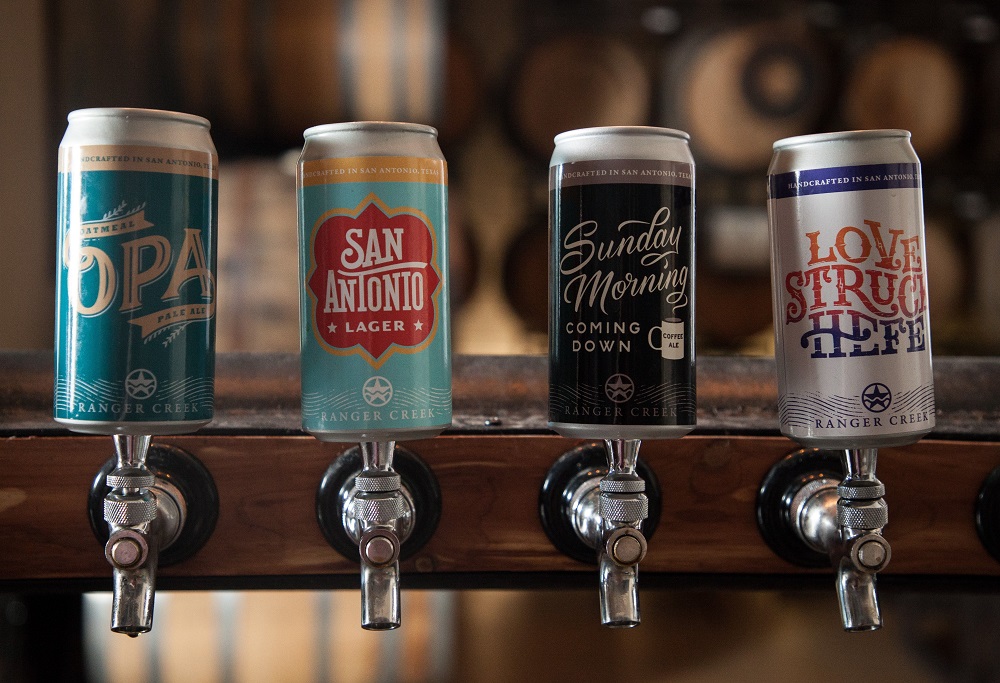
Escape the heat with an afternoon at the movies. The Briscoe’s popular Summer Film Series features an iconic Western film. Briscoe guest curator Dr. Andrew Patrick Nelson will introduce the movie and explain how it relates to Still in the Saddle: A New History of the Hollywood Western, the Briscoe’s fantastic summer exhibition. The movies are free with museum admission. Popcorn, candy, and food truck grub are available to enjoy in the museum’s draft house-style theater, along with free beer courtesy of Ranger Creek Brewing.

o “The Long Riders”
Sunday, August 22, 1p.m.

Grab your brother and watch real-life brothers portray the Jesse James gang in a sympathetic portrayal of the brothers who begin their legendary bank raids because of revenge. Brothers James and Stacy Keach star as Jesse and Frank James; David, Keith and Robert Carradine play Cole, Jim, and Bob Younger; Dennis and Randy Quaid play Ed and Clell Miller, and Christopher and Nicholas Guest play Charlie and Bob Ford.

o “The Shootist”
Sunday, September 5, 1p.m.

Close out the summer with John Wayne in his final film role in 1976’s “The Shootist.” Wayne portrays a dying gunfighter who spends his last days looking for a way to die with minimum pain and maximum dignity. Still in the Saddle closes on Labor Day and this last film of the summer series is a fantastic way for a fantastic exhibition to ride off into the sunset.

Locals Day: August 15, 10a.m. – 5p.m.
The Briscoe welcomes its neighbors to head West by hosting a Local’s Day the third Sunday of each month. All residents of San Antonio and Bexar County receive 50 percent off general admission on August 15. As always, children twelve and under receive free admission, as do active-duty members of the military, making the Briscoe a terrific spot for families to enjoy.

Preserving and presenting the art, history, and culture of the American West through engaging exhibitions, educational programs, and public events reflective of the region’s rich traditions and shared heritage, the Briscoe Western Art Museum is located on the San Antonio River Walk at 210 W. Market Street in the beautifully restored 1930s former San Antonio Public Library building. Named in honor of the late Texas Gov. Dolph Briscoe Jr. and his wife, Janey Slaughter Briscoe, the museum includes the three-story Jack Guenther Pavilion, used for event rentals and programs, and the outdoor McNutt Sculpture Garden.

San Antonio Museum of Art announces fall exhibition

Lady Arundel restoration. Photo: San Antonio Museum of Art, used with permission.

Over the course of its 40-year history, the San Antonio Museum of Art (SAMA) has developed an expansive 30,000-object collection that represents human creation and experience from across thousands of years and from cultures spread across six continents. In its upcoming exhibition, 40 Years, 40 Stories: Treasures and New Discoveries from SAMA’s Collection, SAMA will present works from the collection that are currently held in storage and that have been selected by members of the Museum’s curatorial team as works of particular personal interest, inspiration, and fascination. Many of the 40 objects chosen for the show have been off view for numerous years, while others are being presented for the first time. In other instances, artworks capture little-known or under-studied artistic and cultural narratives. Together, the works engage audiences anew with SAMA’s broad-ranging holdings and highlight the depth, range, and dynamism of the collection. 40 Years, 40 Stories will be on view from October 16, 2021–January 2, 2022. (San Antonio Museum of Art, 2021)

Among the highlights in the exhibition is the reinstallation of the monumental painting Mary, Lady Arundell of Wardour (1767) by the famed English painter Sir Joshua Reynolds. The full-length portrait was acquired by SAMA in 1981 and held a prominent position in its European decorative arts gallery for many years. In 2016, the painting was sent to the Museum of Fine Arts, Houston for a multi-year conservation project, which was completed this year. The newly conserved painting reveals a new depth of detail and color within Reynolds’ composition. The removal of old, discolored layers of retouching and varnish has given the portrait a fresher and more balanced look. Another work in the exhibition that is being presented following recent conservation is the late 17th- to early 18th-century Chinese handscroll, Peach Blossom Spring. The work depicts the tale of a fisherman who discovers a utopian community. The handscroll, which has been in storage for many years, was repaired and remounted, so that it can be safely unrolled for viewing.

40 Years, 40 Stories also presents for the first time several new acquisitions, including an exquisitely carved Islamic amulet that was acquired in 2013. The amulet is inscribed with 63 Names of God and a verse from the Qur’an, and was intended to invoke divine protection. The exhibition will also feature a recently acquired Petrosphere, a massive stone sphere that weighs more than 600 pounds and was produced by the ancient inhabitants of Costa Rica. Found in groups, these spheres demarcated features of the landscape for communities in the Diquís region, though their precise meaning is not yet understood. The exhibition will also be the first occasion to show Celia Eberle’s sculptural installation Moss Grotto (2016) at SAMA. Recently acquired in 2019, this monumental work invites contemplation of the inevitability of Nature and of human loss.

Other objects in the exhibition include embroidered textiles made by Salvadoran refugees who fled their country’s civil war in the 1980s that have never previously been shown; a mosaic depicting a Nereid that was thought to be an ancient Roman work but was later discovered to be a 20th-century copy after a floor in the Baths of the Seven Sages, Ostia; a richly carved Yoruba veranda post; and a painted portrait of Pola Negri, a femme fatale of 1920s and 30s Hollywood who retired to San Antonio and left her glamorous portrait to the Museum.

Works in 40 Years, 40 Stories will be organized loosely by subject, function, and aesthetic resonance, capturing the ways in which seemingly disparate objects relate to and connect in dialogue together. The exhibition is curated by Powers, with objects selected by members of SAMA’s curatorial, collections, and education teams.

40 Years, 40 Stories is generously supported by the Sue Denman Memorial Exhibition Fund, the Helen and Everett Jones Exhibition Fund, the Amy Shelton McNutt Exhibition Fund, and the Daniel Sullivan Exhibition Fund.

“All of the artworks featured in the exhibition have a story to tell about culture, community, and history. The exhibition provides an exciting range of creative and technical innovation through time and captures the ways in which material culture has always been and continues to be essential to both constructing and understanding the world in which we live. At the same time, re-examining our collection felt like the perfect way to celebrate the Museum’s 40th anniversary. It’s an opportunity to explore how the collection has evolved and is also instructive as we continue to bring works into our holdings that capture the diversity of artistic production across time, geography, and media.” – Jessica Powers, Interim Chief Curator and The Gilbert M. Denman, Jr. Curator of Art of the Ancient Mediterranean World.

The San Antonio Museum of Art serves as a forum to explore and connect with art that spans the world’s geographies, artistic periods, genres, and cultures. Its collection contains nearly 30,000 works representing 5,000 years of history. Housed in the historic Lone Star Brewery on the Museum Reach of San Antonio’s River Walk, the San Antonio Museum of Art is committed to promoting the rich cultural heritage and life of the city. The Museum hosts hundreds of events and public programs each year, including concerts, performances, tours, lectures, symposia, and interactive experiences. As an active civic leader, the Museum is dedicated to enriching the cultural life of the city and the region, and to supporting its creative community.


San Antonio Museum of Art and UTSA present Maya artworks on public view

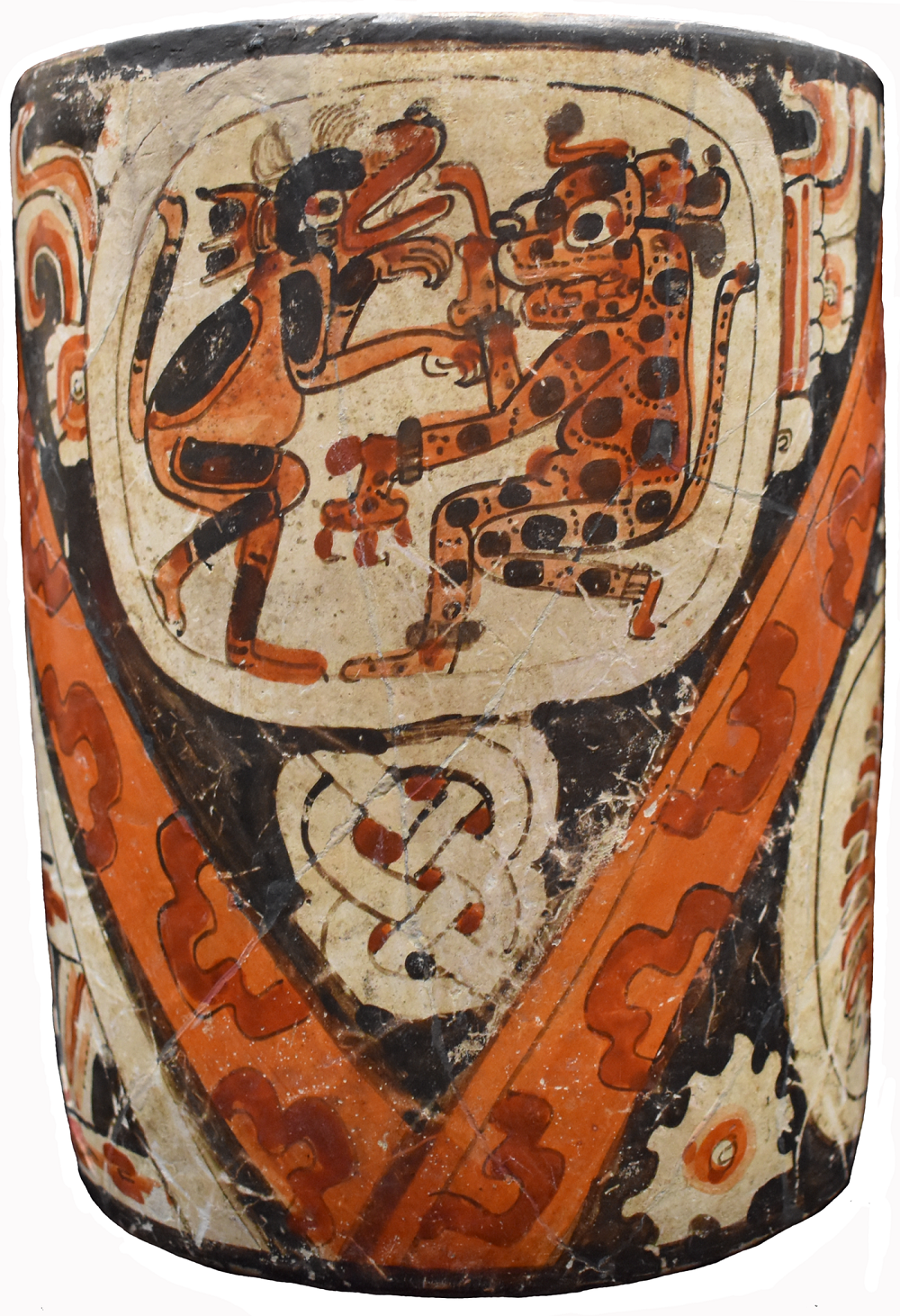
Detail of jaguar and coatimundi way on Cylinder Vase with Animal Figures, Belize, AD 650-750, earthenware and mineral paint. Photo: The Mopan Valley Archaeology Project, Bernadette Cap, used with permission.

Nature, Power, and Maya Royals, an exhibition of thirty-four artworks and objects discovered by the University of Texas at San Antonio (UTSA) researchers in two royal Maya burials at the ancient city of Buenavista del Cayo, Belize, is now on view at the San Antonio Museum of Art (SAMA). This exhibition is the first time the selection of works will appear for public viewing. This exhibition is an exciting collaboration between UTSA, SAMA, and the Belize Institute of Archaeology. (San Antonio Museum of Art, 2021)

Nature, Power, and Maya Royals: Recent Discoveries from the Site of Buenavista del Cayo, Belize will be on view through February 27, 2022. It was organized by the San Antonio Museum of Art in collaboration with the Belize National Institute of Culture and History’s Institute of Archaeology and scholars in the University of Texas at San Antonio Department of Anthropology. It is supported by the Gloria Galt Endowment Fund, Andrew W. Mellon Foundation, and UTSA Maya Archaeology Excellence Endowment. The UTSA excavations that recovered the objects were conducted with the permission of the Belize Institute of Archaeology and funding from the Alphawood Foundation and Termini Endowment for Maya Archaeology.  

In 2014 and 2019, a team of UTSA archaeologists led by Jason Yaeger, President’s Endowed Professor of Anthropology at UTSA and Senior Associate Dean of the College of Liberal and Fine Arts found finely painted ceramic vessels that display kings and symbols of authority as well as shell pendants, earrings, and bracelets worn by a king. “The objects in the exhibition are priceless to us and to the government of Belize for what they tell us about the ancient Maya. This show presents a wonderful opportunity to grow connections with institutions across San Antonio and Belize,” Yaeger said. 

The discovery is particularly extraordinary because looters had previously trenched the building in which one of the royal burials was located, missing it by just a few inches. Finding the site and objects following the looters’ destructive actions is incredibly lucky and makes the discovery particularly special. “We are delighted to share these beautiful and precious artworks. Visitors will also be able to view images taken during our excavation in Belize. The recovery of the objects such as these from known, well documented locations provides essential information for interpreting similar Maya art held by museums,” said Bernadette Cap, Andrew W. Mellon Curatorial Postdoctoral Fellow at SAMA and curator of the exhibition. 

The artworks date between AD 450 and 800, a period when Maya kings and queens reigned over large populations and lived in elaborately designed cities. The exhibition highlights how two Maya rulers commissioned artwork that featured commanding iconography to express and legitimate their power. For example, a common theme in rulers’ art was the portrayal of jaguar pelts worn as clothing and used as decorative elements of royal palaces. The Maya admired the jaguar for its strength and skills as an apex predator, and rulers retained exclusive rights over jaguar imagery and products.

One of the most outstanding pieces in the exhibition is a large, elaborately carved pendant made of marine shell. Incised Maya glyphs appear on it and have been deciphered to read, “This is the pendant of Naah Uti’ K’ab, king of Komkom.” The discovery of the pendant confirms that the buried individual is a king. Given the context of recovery, Komkom is likely the original name of the site we now call Buenavista del Cayo. Maya texts at nearby sites state that Komkom had been attacked and conquered in the AD 600s and 700s. The shell pendant dates to around AD 450, however, and thus provides the earliest reference to the site of Komkom.

The San Antonio Museum of Art serves as a forum to explore and connect with art that spans the world’s geographies, artistic periods, genres, and cultures. Its collection contains nearly 30,000 works representing 5,000 years of history. Housed in the historic Lone Star Brewery on the Museum Reach of San Antonio’s River Walk, the San Antonio Museum of Art is committed to promoting the rich cultural heritage and life of the city. The Museum hosts hundreds of events and public programs each year, including concerts, performances, tours, lectures, symposia, and interactive experiences. As an active civic leader, the Museum is dedicated to enriching the cultural life of the city and the region, and to supporting its creative community. 

The University of Texas at San Antonio (UTSA) is a Hispanic Serving University specializing in cyber, health, fundamental futures, and social-economic development. With more than 34,000 students, it is the largest university in the San Antonio metropolitan region. UTSA advances knowledge through research and discovery, teaching and learning, community engagement and public service. The university embraces multicultural traditions and serves as a center for intellectual and creative resources as well as a catalyst for socioeconomic development and the commercialization of intellectual property—for Texas, the nation and the world. 

Summer Speaker Series at Palo Alto Battlefield National Historical Park

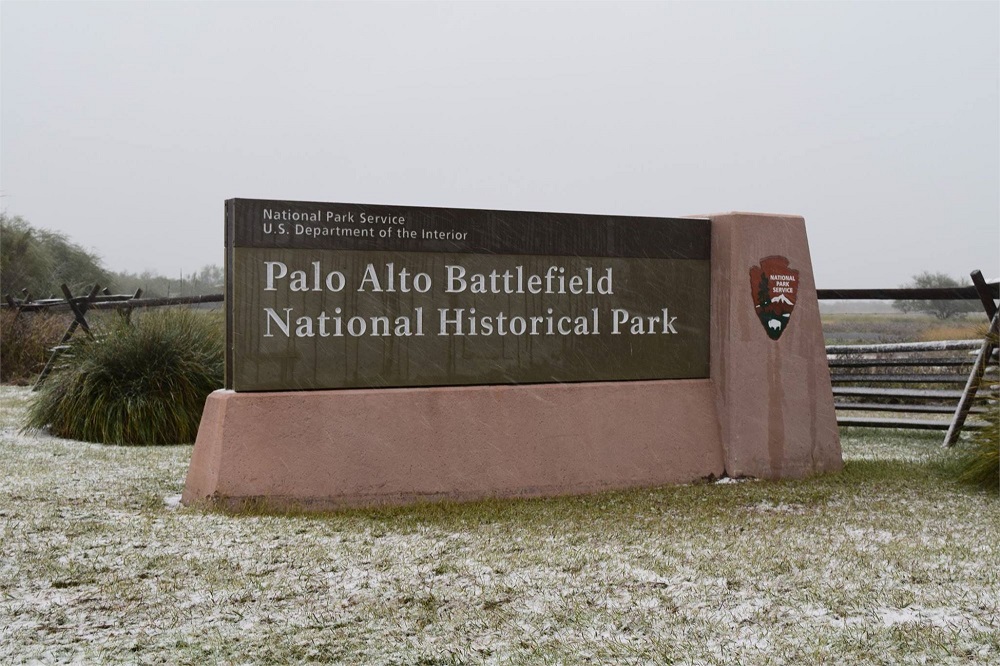
Palo Alto Battlefield National Historical Park. Photo: google

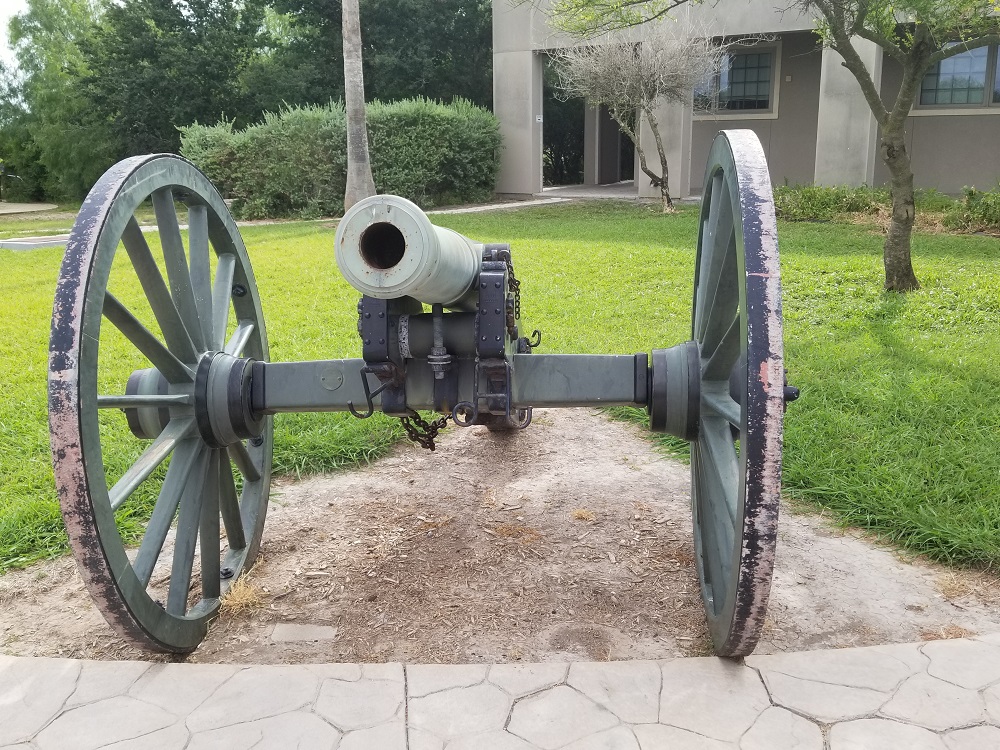
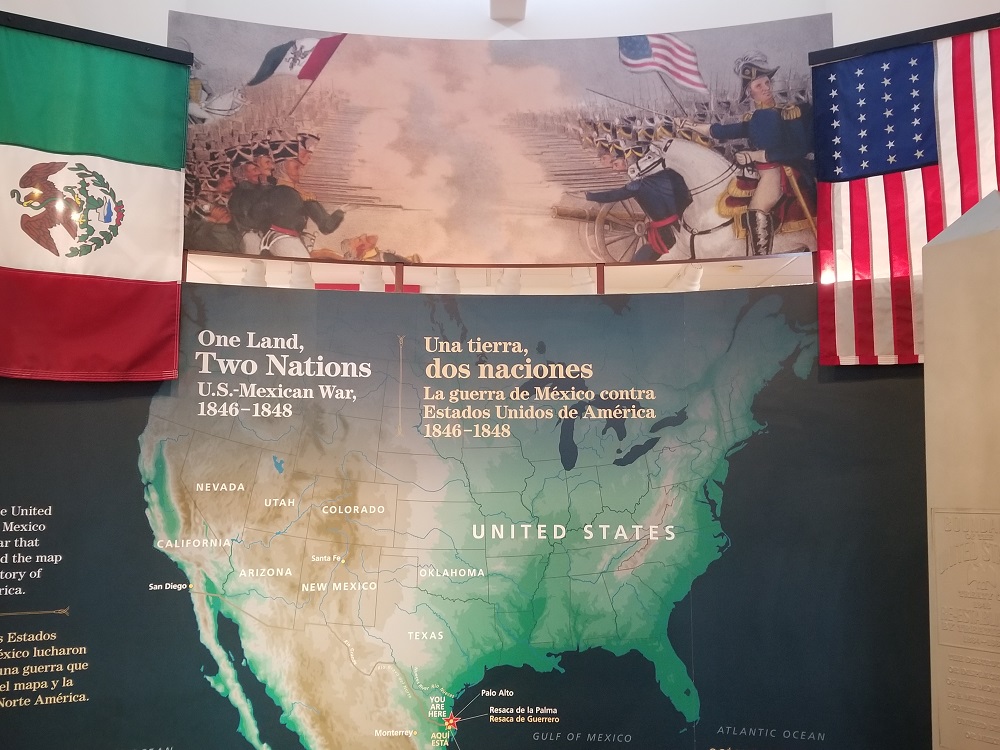
As a history enthusiast, I enjoy visiting historical sites and learning all I can about them. Unknown to some residents, this area has an extensive amount of history, historical markers, and parks. One example is the Palo Alto Battlefield National Historical Park. On May 8, 1846, U.S. and Mexican troops clashed on the prairie of Palo Alto. Palo Alto Battlefield National Historical Park preserves the site of this battle and examines the causes, events, and consequences of the U.S./Mexican War. (Palo Alto Battlefield National Historical Park, 2021)

This park is hosting a Summer Speaker Series to educate and inform the public about the Battle of Palo Alto and related topics. I have attended the previous two lectures and sincerely appreciate the effort put through by the volunteers and speakers to bring us these events. These presentations are very interesting and appeal to local history buffs. They are held in the visitor center at 10a.m. and seating is limited to 25. Below is a brief synopsis of each.

Saturday June 19 Riverboat Trade
Joe Matthews, a valley native, presented the discussion about riverboats of the Mexican-American War, including the history of riverboats and the people involved. As a visual aid, Aurelio Romo brought in his 7ft. replica of Bessie, a shallow-draft boat, which he put together during the COVID quarantine. Riverboats like these were first used mostly by ranchers and small businesses to move supplies. During the Mexican-American War, they were used to move troops up and down the Rio Grande River. Back then, the river was so much wider and ferries were commonly used. Some of the earlier traders included Charles Stillman, who came from Europe at the age of 18 and was instrumental in setting up the riverboats. After the war, the riverboats were used mostly for trade and during the Civil War, they helped smuggle cotton into the South by “Confederate sympathizers” who most likely were only interested in making money.

Highlight: General Zachary Taylor developed a reputation as an outstanding man, known for upholding treaties with the native people and often stated “we’re at war with the Mexican army, not the people.”

Saturday June 26 – Texas Rangers, Scouts, Spies of the U.S. Mexican War
Wade Marcum, a teacher, presented the discussion about the early Texas Rangers in three parts: ranger history, ranger descriptions, and a show and tell/Q&A. Visual aids included several pistols, rifles, and revolvers as well as two different horse saddles.

Most of the early Texas Rangers were volunteers, which was Stephen F. Austin’s idea. Their reputation was that they “ride like a Mexican, trail like an Indian, shoot like a Tennessean, and fight like the devil.” They took the best from each culture that they came across. In 1846 with the Mexican/American War looming, these volunteers operated under the Law of Retaliation because they had scores and grudges to settle with the Mexican people.

The introduction of horses in the area made a difference in how Indians did battle and a revolution in firepower came with the invention of the Colt 5 shot revolvers by Samuel Colt. Captain Jack Hays bought them for this troops in the Texas Navy but when it disbanded, Colt was out of luck. He later met with Samuel Walker up east and designed the 6 shot .44 caliber revolver.

Coming up next: Saturday July 3 Grenadiers in the Mexican Army

Palo Alto Battlefield National Historical Park
7200 Paredes Line Road
Brownsville, TX 78526
(956) 541-2785

San Antonio Museum of Art announces acquisition of historic Chinese artworks

San Antonio Museum of Art. Photo: google

Yesterday the San Antonio Museum of Art (SAMA) announced the acquisition of important historic Chinese artworks, including a gilt openwork crown and a gilt plaque decorated with a standing lion, both from the Liao dynasty (907–1125); a set of jade belt plaques from the Ming dynasty (1368–1644), and a set of gilt silver hairpins embellished with kingfisher feathers from the Qing dynasty (1644–1911). These new artworks expand SAMA’s stellar collection of Chinese art, which has particular strengths in ceramics from the dawn of Chinese civilization to modern time. The new acquisitions are part of an ongoing effort to enhance under-represented areas within the Museum’s wider Asian art collection such as metal work and jade. (San Antonio Museum of Art, 2021)

“The artworks announced today capture the incredible artistry and skill of Chinese craftsman from across history, while also illuminating the importance of these objects—and the imagery and material they hold—to Chinese culture and society,” said Shawn Yuan, Associate Curator of Asian Art. “We are delighted to enhance the Museum’s Chinese art holdings with these stunning works, which further our ability to share narratives and develop understanding of Chinese material culture through time.”

Crown
China, Liao dynasty (907-1125)
Gilt bronze
H. 11 7/16”
Purchased with funds provided by the Bessie Timon Endowment Fund
2021.1.1

The magnificent gilt crown is a mortuary item for a noblewoman of the semi-nomadic Khitan people, who lived in today’s northern China and Mongolia in the 11th to 12th century. The domed cap is covered with chased floral scrolls and surmounted by a lotus flower and a now-missing deity. On each of the attached standing “wings,” two glorious phoenixes, with wide spreading wings and long tails, are positioned among scudding clouds. This crown is an example of the luxurious lifestyle of the Khitan elite, who established the powerful Liao dynasty and controlled an enormous landmass bordering Korea to the east and central Asia to the west. Acquiring this crown helps the Museum to present a more complete image of the rich Liao dynasty material culture, along with the Museum’s expansive collection of Liao ceramics.

Plaque with a Standing Lion
China, Liao dynasty (907-1125)
Gilt bronze
L. 8 3/8” W. 4 7/8”
Purchased with funds provided by the Bessie Timon Endowment Fund
2021.1.2

The gilt bronze plaque decorated with a standing lion is an example of the impressive craftsmanship of the Liao dynasty. The energetic lion, hammered in low relief, stands on his left hind leg while thrusting the other forward. The lion’s broad chest rises, and his massive head turns backward as his flamboyant mane sweeps upward. Under the bushy eyebrows, the lion’s eyes focus intensely on a flaming pearl. The imagery has a Buddhist origin: the lion guards the Buddha’s teaching while the flaming pearl represents the Buddha’s wisdom. The images of a lion with protective power are rarely seen on other Liao works in the Museum’s collection.

Belt Plaques
China, Ming dynasty (1368-1644)
Jade
Elongated tab: 3.5”x1.4”; rectangular: 3.1”x1.4”, 2.2”x1.4”, 1.4”x0.7”; tear-drop: 1.4”x1.3”
Purchased with funds provided by the Bessie Timon Endowment Fund
2021.1.3.a-r

The set of eighteen jade plaques is the first important jade work to enter the Chinese collection. Jade has been China’s most valued gemstone since the dawn of its civilization. These plaques were once attached to belts worn by noblemen. The rectangular plaques are carved in high relief with lively scenes of male figures teasing frolicking lions with ribbons—an auspicious subject with a long history in Chinese art. The hardness of jade is second only to that of diamonds. The delicate carvings on these plaques present the impressive craftsmanship of the jade carver.

Hairpins
China, Qing dynasty (1644-1911)
Silver and kingfisher feather
5 ¾” to 5 ¼”x3 ¼” by 3 1/8”
Purchased with funds provided by the Bessie Timon Endowment Fund
2021.1.4.a-c

The set of three gilt silver hair pins is an exciting addition to SAMA’s collection of Chinese dragon robes, embroidered brocade, shoes, and jewelry—all items from the wardrobes of upper-class families. All three hairpins are inlaid with kingfisher feathers, whose colors are as brilliant as azurite, lapis, cobalt, and turquoise. They were iridescent under the sunlight, creating a dazzling visual effect. Kingfisher feathers were a luxury material used on hair ornaments and crowns for thousands of years. The dominant image on each hairpin is a stylized bat with foliate wings outlined in thin silver. Bats are considered auspicious because the word bat is pronounced the same as luck and blessing.

The San Antonio Museum of Art serves as a forum to explore and connect with art that spans the world’s geographies, artistic periods, genres, and cultures. Its collection contains nearly 30,000 works representing 5,000 years of history. Housed in the historic Lone Star Brewery on the Museum Reach of San Antonio’s River Walk, the San Antonio Museum of Art is committed to promoting the rich cultural heritage and life of the city. The Museum hosts hundreds of events and public programs each year, including concerts, performances, tours, lectures, symposia, and interactive experiences. As an active civic leader, the Museum is dedicated to enriching the cultural life of the city and the region, and to supporting its creative community.

Plaque with a Standing Lion China, Liao dynasty (907-1125) Gilt Bronze L. 8 3/8″ W. 4 7/8″ Purchased with funds provided by the Bessie Timon Endowment Fund 2021.1.2 Courtesy photo, used with permission.

Celebrate National Day of the Cowboy at the Briscoe Western Art Museum

National Day of the Cowboy celebration spans day and night on July 24. Courtesy photo, used with permission.

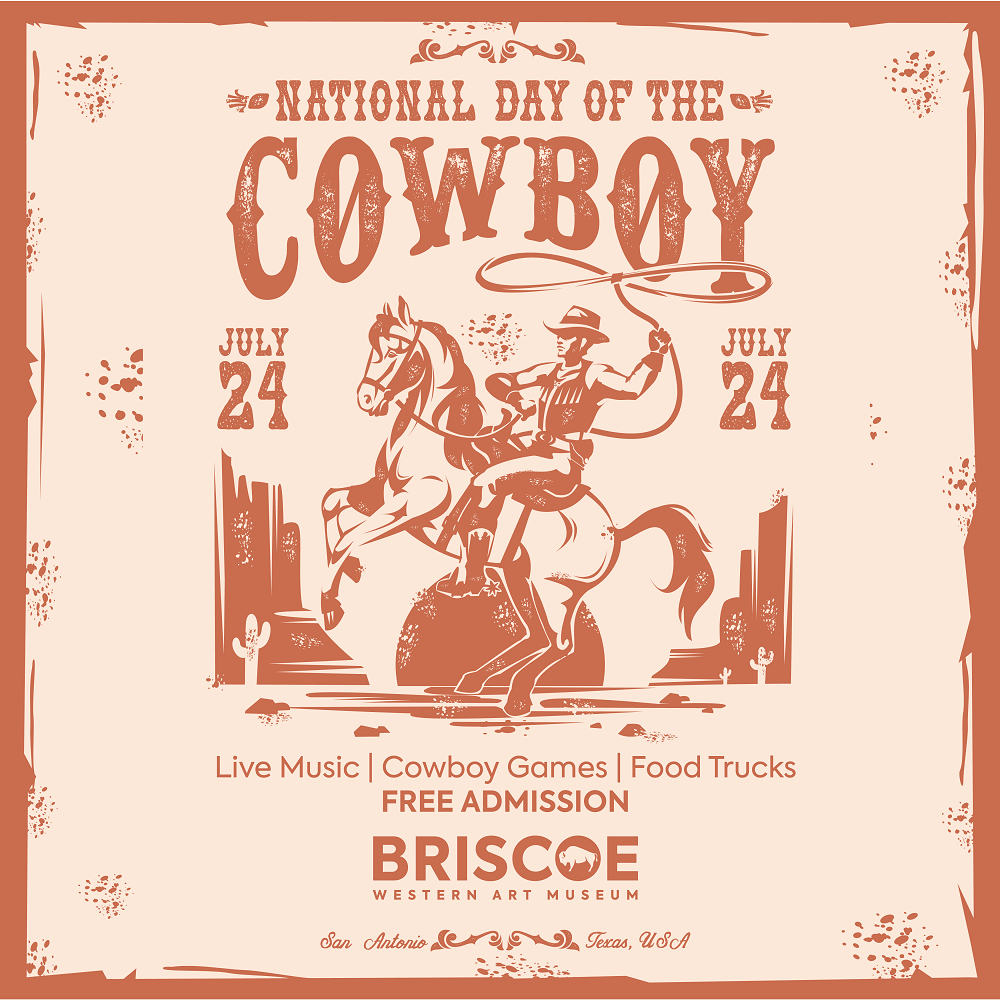
The Briscoe Western Art Museum presents the return of its National Day of the Cowboy celebration on Saturday, July 24, from 10a.m. to 2p.m. at the Briscoe. The free community event, which includes free admission to the museum and its exhibitions, features indoor and outdoor activities for cowpokes of all ages. And there is no riding off into the sunset when the daytime National Day of the Cowboy celebration concludes. The fun continues with the Briscoe’s “Sips and Sounds of the West” series at 6:30p.m. with live music in the museum’s McNutt Sculpture Garden. The ticketed event is a night of music, drinks, and tasty bites under the stars. (Briscoe Western Art Museum, 2021)

Cowboy Fun Under the Sun – And Throughout the Museum

One of the Briscoe’s most treasured annual events, National Day of the Cowboy is held on the fourth Saturday of July each year. After a pause in 2020, the celebration returns, inspired by the Briscoe’s blockbuster summer exhibition, Still in the Saddle:  A New History of the Hollywood Western. The exhibition tells the dramatic story of the Hollywood Western from the late 1960s through the 1980s, recreating a 1960s-era theater experience that features more than 60 original movie posters, authentic lobby cards and costumes worn by John Wayne. Do not be surprised if The Duke himself is roaming the exhibit, ready to take pictures with adoring fans.

National Day of the Cowboy Celebration highlights include:

  • Free admission and activities for the whole family, including guided tours of the Briscoe. The tours, with bilingual options, will highlight artworks that relate to cowboys, cowgirls and vaqueros.
  • Cowpoke games and crafts, where you can outfit yourself in a cowboy vest and spurs, make a stick pony and try out some barrel racing, learn how to rope and brand cattle, herd some balloon animals, do a little bull riding, show off your gunslinging skills, and more.
  • Lil Partners Reading Zone, offering up cowboy tales in the museum’s San Antonio Public Library Kampann Library Portal. Sit a spell and enjoy a book reading with Emily Wilson, the Briscoe’s Curator of Art. Wilson’s recently published children’s book, “Charlie Russell and the Gnomes of Bull Head Lodge,” crafts a modern fairy tale based on the life of one of the fathers of Western art, Charles M. Russell (1864–1926), and his many letters. Stop by to learn the art of gnome-making so you can craft your own cowboy gnomes.
  • Bruce Morgan, a stuntman who played a role in making scenes memorable in Hollywood Westerns in the 1970s, shares behind-the-scenes stories about movie stunts.
  • Dairy Farm Demo, with a traveling milking parlor featuring a live cow for all to learn how to milk, with a hands-on practice station with milking balloons.             
  • Chuck wagon cooking with samples of peach cobbler and beans, along with food truck grub available to satisfy any hungry cowpokes.

The fun continues after the sun sets with the Briscoe Western Art Museum’s Sips and Sounds of the West series at 6:30p.m. in the museum’s McNutt Sculpture Garden. With live music from singer/songwriter Marcy Grace and band, drinks and tasty bites under the stars, enjoy a night out celebrating all things cowboy. Surrounded by the beauty of the garden’s fantastic bronze sculptures and lush greenery, kick back and soak in the sounds of West with music, drinks, and food until 9:30p.m.

Named 2019 Solo Artist of the Year by “Formo” Magazine, Grace was nominated by the 2021 Texas Radio Music Awards for Best New Female Artist and has had three Top 40 singles on the Texas Regional Radio Chart. Her song “Margarita Man” is featured in the film “The Margarita Man” starring Danny Trejo and San Antonio’s own Jesse Borrego. Sips and Sounds of the West tickets are available online and are $15 for members, $25 for non-members and each ticket includes two complimentary beer tickets.

The National Day of the Cowboy was designated in 2005 as a day to celebrate and preserve the heritage of the American cowboy, cowgirl and vaquero in the United States. The state of Texas declared it a day of honor in 2015 and the Briscoe annually hosts a celebration event, throwing open the doors of the museum to honor the cowboy, cowgirl and vaquero in us all.

From its McNutt Sculpture Garden to the museum’s beautifully restored historic home inside the former San Antonio Public Library building, the Briscoe’s collection spans 14 galleries, with special exhibitions, events and a fantastic Museum Store, providing art, culture, history and entertainment. Museum hours, parking and admission details are available online. Per the latest CDC guidelines, vaccinated guests are welcome to enjoy the museum and Jack Guenther Pavilion without a mask. The Briscoe respectfully requests all non-vaccinated guests wear face coverings.

Celebrate Father’s Day at the Briscoe Western Art Museum

Westerns, Whiskey, and deals make the Briscoe a must for Father’s Day. Photo: Briscoe Western Art Museum, used with permission.

Give dad a blockbuster Father’s Day at the Briscoe Western Art Museum where summer fun includes Hollywood Westerns shown in their full glory during the museum’s Summer Film Series. Let dad kick back and enjoy the 1970 classic “Little Big Man” at the Briscoe’s draft house-style film screening, served with a side of whiskey tasting courtesy of Ranger Creek Distillery. Father’s Day is also Locals Day at the Briscoe, where all Bexar County residents receive half off of general admission. Locals can enjoy the museum and the movie for $6. General admission to the museum, including the film, is $12. Or gift dad a museum membership so he can enjoy the Summer Film Series and more Western fun for free all year long. (Briscoe Western Art Museum, 2021)

Treat Dad like a king with a free whiskey tasting from Ranger Creek Whiskey and free Ranger Creek Beer paired with fantastic barbecue available onsite. Enjoy the 1970 classic, “Little Big Man,” the story of Jack Crabb telling the tale of his life being raised by Native Americans and fighting with General Custer. The film and tasting is Sunday June 20 at 1p.m.

Ranger Creek is San Antonio’s award-winning “brewstillery,” handcrafting beer and whiskey with love, attention, and Texas attitude. Ranger Creek Distillery makes award-winning Texas bourbon, single malt and rye whiskey, all grain-to-glass spirits made in small batches using Texas ingredients. The Father’s Day whiskey tasting will feature an array of Ranger Creek’s lineup, as well as free Ranger Creek beer.

The Summer Film Series is the perfect complement to the Briscoe’s summer exhibition, Still in the Saddle: A New History of the Hollywood Western, on view through September 6. Showcasing the cinematic art and storytelling of the Western, the Briscoe has transformed into a 1960s movie theater, welcoming everyone with a red carpet, velvet ropes and the unmistakable smell of popcorn. The exhibition includes almost 60 vintage original movie posters as well as movie costumes and dozens of authentic lobby cards. Display screens throughout the exhibition feature film clips illustrating representative moments of the genre and costumes worn by John Wayne in the movies “Chisum,” “The Cowboys,” and “The Undefeated” are on display.

Still in the Saddle was organized by the Briscoe with guest curator Dr. Andrew Patrick Nelson, a historian of American cinema and culture, film programmer, museum curator, and media commentator. Nelson is Chair of the Department of Film and Media Arts and Associate Professor of Film Studies at the University of Utah, as well as the author and editor of numerous books and essays on Western cinema, including “Still in the Saddle: The Hollywood Western, 1969-1980” and “Contemporary Westerns: Film and Television since 1990.”

The Summer Film Series continues with “True Grit” on July 18, “The Long Riders” on August 22, and “The Shootist” on September 5. Each film is free with museum general admission and as always, museum members enjoy the museum and film for free. Briscoe Summer Cinema passes include three films for $25 or enjoy all five films for $50 and receive an individual museum membership, granting you unlimited access to the Briscoe’s exhibitions and programming throughout the year. Tickets are available online, while Summer Cinema passes are available by calling 210.299.4499.

To further celebrate dads, the Briscoe is offering Father’s Day membership specials that include a year-long membership to the museum, as well as gifts for dad to sit back and enjoy. The membership specials are available online, with pickup from the Briscoe’s Museum Store in time for Father’s Day.

Package options include:

“The Duke”: Allow dad to head West with an individual membership, along with a Briscoe Western Art Museum t-shirt and a Briscoe trucker cap from the Briscoe’s Museum Store, $65.
“The Cowboys”: Duo membership includes museum admission for two adults, as well as a Briscoe Western Art Museum t-shirt, a Briscoe trucker cap, a pair of Texas Navy Men’s Socks, and a Blue/White Camp tin coffee cup, $85.
“The Plainsman”: A family level membership that includes admission to the museum and events for two adults and all children/grandchildren under 18, as well as a Briscoe Western Art Museum t-shirt, a Briscoe trucker cap, a pair of Texas Navy Men’s Socks, and a Blue/White Camp tin coffee cup and “The Chisolm Trail” by James E. Sherow, $100.

All membership options include unlimited admission to the Briscoe and free or discounted admission to its events, as well as invitations to private member-only events. Full membership benefits are available online. Memberships are instrumental support that help the Briscoe continue to share the art, history and culture of the American West and are tax deductible.

The Briscoe Western Art Museum is dedicated to preserving and presenting the art, history, and culture of the American West through engaging exhibitions, educational programs and public events reflective of the region’s rich traditions and shared heritage. It is located on the San Antonio River Walk at 210 W. Market Street in the beautifully restored 1930s former San Antonio Public Library building. Named in honor of the late Texas Governor Dolph Briscoe Jr. and his wife, Janey Slaughter Briscoe, the museum includes the three-story Jack Guenther Pavilion, used for event rentals and programs, and the outdoor McNutt Sculpture Garden.
 

Summer events at the Briscoe Western Art Museum

The Briscoe’s Sculpture Garden at night. Photo: Briscoe Western Art Museum, used with permission.

Summer fun takes on a Hollywood flavor as the Briscoe Western Art Museum showcases the cinematic art and storytelling of the Western. From an actual red carpet, velvet ropes and the unmistakable smell of popcorn to film clips rolling throughout the exhibition, the Briscoe transforms into a 1960s movie theater for its new exhibition, Still in the Saddle: A New History of the Hollywood Western, now at the Briscoe until September 6, 2021. To add even more blockbuster fun to the exhibition, the museum is hosting a stellar line-up of programming and events to further bring the Hollywood Western to life. (Briscoe Western Art Museum, 2021)

Summer of Cinema Events Line Up:

Trivia with a Western Twist
Wild West Trivia at the Briscoe
Friday, June 11, 7p.m. – 9 p.m.

Enjoy a fun night of Western trivia and test your smarts at the Briscoe’s first Wild West Trivia Night. Bring your friends to create a team or join a table of soon-to-be-friends and test your Western smarts. Teams will revel in some friendly competition to score prizes while enjoying food, beer, and wine under the stars in the McNutt Sculpture Garden. Gather your posse, grab margaritas from La Gloria’s margarita truck onsite and see who ends the night still in the saddle, with the top three teams taking home prizes. Participants must be 21 to attend. Tickets are $10 for members, $25 for future members, and include two drink tickets.
Popcorn, Beer and Cinematic Art: Summer Film Series

Perfectly paired with the exhibition, the Briscoe’s popular Summer Film Series returns with an eye toward the West. The Summer Film Series features an iconic film on the third Sunday of each summer month, with Briscoe guest curator Dr. Andrew Patrick Nelson introducing each movie and explaining how it relates to Still in the Saddle. Nelson, the guest curator of Still in the Saddle, is a historian of American cinema and culture, film programmer, museum curator, and media commentator, as well as the Chair of the Department of Film and Media Arts and Associate Professor of Film Studies at the University of Utah and the author and editor of numerous books and essays on Western cinema.

Each film is free with museum general admission and as always, museum members enjoy the museum and movie for free. Briscoe Summer Cinema passes include three films for $25 or enjoy all five films for $50 and receive an individual museum membership, granting you unlimited access to the Briscoe’s exhibitions and programming throughout the year. Tickets are available online, while Summer Cinema passes are available by calling 210.299.4499.

Father’s Day Special “Little Big Man”
Sunday, June 20, 1p.m.

Bring Dad to an afternoon at the movies with a Texas twist: a side of barbecue and whiskey. Father’s Day is Locals Day at the Briscoe, where all Bexar County residents receive half off of general admission. Enjoy the museum and the movie for $6. Treat Dad like a king with a free whiskey tasting from Ranger Creek Whiskey and free Ranger Creek Beer, perfect to wash down the fantastic barbecue onsite. Then enjoy the 1970 classic, “Little Big Man”, the story of Jack Crabb, looking back from extreme old age, telling the tale of his life being raised by Native Americans and fighting with General Custer.

“True Grit”
Sunday, July 18, 1p.m.

Grab a beer with The Duke and enjoy 1969’s “True Grit”, where John Wayne’s performance as U.S. Marshal Rooster Cogburn earned him an Oscar. Popcorn, candy, and free beer from Ranger Creek, alongside fantastic food truck fare, make it a perfect way to enjoy a classic.

“The Long Riders”
Sunday, August 22, 1p.m.

Escape the August heat with an afternoon at the movies with 1980’s “The Long Riders”. Grab your brother and watch real-life brothers portray the Jesse James gang in a sympathetic portrayal of the brothers who begin their legendary bank raids because of revenge. Brothers James and Stacy Keach star as Jesse and Frank James; David, Keith and Robert Carradine play Cole, Jim and Bob Younger; Dennis and Randy Quaid play Ed and Clell Miller, and Christopher and Nicholas Guest play Charlie and Bob Ford.

“The Shootist”
Sunday, September 5, 1p.m.

Close out the summer with John Wayne in his final film role in 1976’s “The Shootist”. Wayne portrays a dying gunfighter spends his last days looking for a way to die with a minimum of pain and a maximum of dignity. Still in the Saddle closes on Labor Day and this last film of the summer series is a great way for a fantastic exhibition to ride off into the sunset.

Cinematic Books

Briscoe Virtual Book Club: “True Grit” by Charles Portis
Tuesday, July 6, 6:30p.m.

The museum’s virtual book club will focus on titles that have become blockbuster movies including “True Grit” by Charles Portis in July, then “Blood Meridian” by Cormack McCarthy in September. There is no charge to participate in the book club.

An oasis of Western beauty just off the River Walk, the McNutt Sculpture Garden and the museum grounds feature 32 sculptures portraying various aspects of Western life. Inside the museum’s beautifully restored historic home inside the former San Antonio Public Library building, the Briscoe’s collection spans 14 galleries, with special exhibitions, events and a fantastic museum store, providing art, culture, history and entertainment. Museum hours, parking and admission details are available online. Per the latest CDC guidelines, vaccinated guests are welcome to enjoy the museum and Jack Guenther Pavilion without a mask. The Briscoe respectfully requests all non-vaccinated guests wear face coverings.

The DoSeum accepting applications for 2021 Artist-in-Residence Program

The DoSeum seeks artists who will create a miniature exhibit to complement ‘DoSeum Express: Tiny Trains and Trolleys’. Photo: google

The DoSeum is now accepting applications for their fifth-annual Artist-in-Residence Program (AIR). For this year’s Artist-in-Residence exhibition, The DoSeum is looking for a San Antonio-based or regional visual or multidisciplinary artist who has experience or has worked in miniatures or miniature scenery. The artist’s installation will complement DoSeum Express: Tiny Trains and Trolleys, a new holiday exhibition featuring working train sets which will become a holiday tradition at The DoSeum in the years to come. (The DoSeum, 2021)

For this program, The DoSeum seeks to partner with professional mid-career artists who seek ways to challenge the young, curious minds of San Antonio through their art. The Artist-in-Residence program provides children with the opportunity to interact with the work of a professional artist to appreciate the artistic process while connecting to themes of STEM and literacy.

The DoSeum will provide the venue, staging, and trains. We request artist support to create the miniature scenery through which the trains will travel. Imagination, creativity, and outside-the-box thinking is encouraged. Children will not touch the scenery but will be viewed through interactive pop-up bubbles, periscopes, and cameras (provided by The DoSeum). We are seeking up to 6 artists to provide a 4’x8′ landscape (base material will be provided).

Previously chosen residents submitted proposals that simultaneously challenged themselves to explore new facets of their own work while incorporating meaningful experiences for guests.  We are seeking up to six artists. The selected AIR artist(s) will receive an honorarium of up to $1,000 and production costs of $2,500 to aid them in the execution of their project.

 ELIGIBILITY

Artists must meet these following requirements to be considered:

  • Open to visual and multidisciplinary artists.
  • Desire to work collaboratively with museum staff and the public to create works that step away from traditional models.
  • Experience creating social engagement participatory works of art. 
  • Experience with miniatures and creating miniature scenery
  • Local and regional mid-career professional artists are encouraged to apply.
  • Artists presently enrolled in post-secondary or graduate-level programs are encouraged to apply after completing studies.
  • Chosen artists will need to pass a background check.

Artists with the above-mentioned experience, interested in exploring non-traditional exhibition spaces, and available for The DoSeum’s 2021 production and exhibition timeline are strongly encouraged to apply.

TIMELINE

Application Deadline: Friday, June 18, 2021

·        June 2 at 10a.m.: Optional Virtual Question Forum – Registration link for Q&A.

·        June 18: Application Deadline

·        June 18-25: Organization Deliberation

·        June 25: Finalists Announced

·        July 16: Finalist Proposal Deadline

·        July 23: Winners announced

·        August – October: Prototyping and Fabrication

·        November 6: Exhibition Opening

For information regarding the Artist-In-Residence program, eligibility, or questions about the process please contact Meredith Doby, VP of Exhibits.

More information about the program is available online.

The DoSeum is one of the leading children’s museums in the nation; a place where your mind is always at play.  The DoSeum offers innovative exhibits and experiences to get children excited about concepts in science, math, art, and literacy and encourages them to take the excitement into the world. Through joyful learning and discovery, The DoSeum Experience grows curious minds, connects families, and transforms communities. For more information, visit TheDoSeum.org The DoSeum is a 501 c3-non-profit organization.