Reviving Psychedelic Exploration: ‘Psychedelic Revival’ by Sean Lawlor

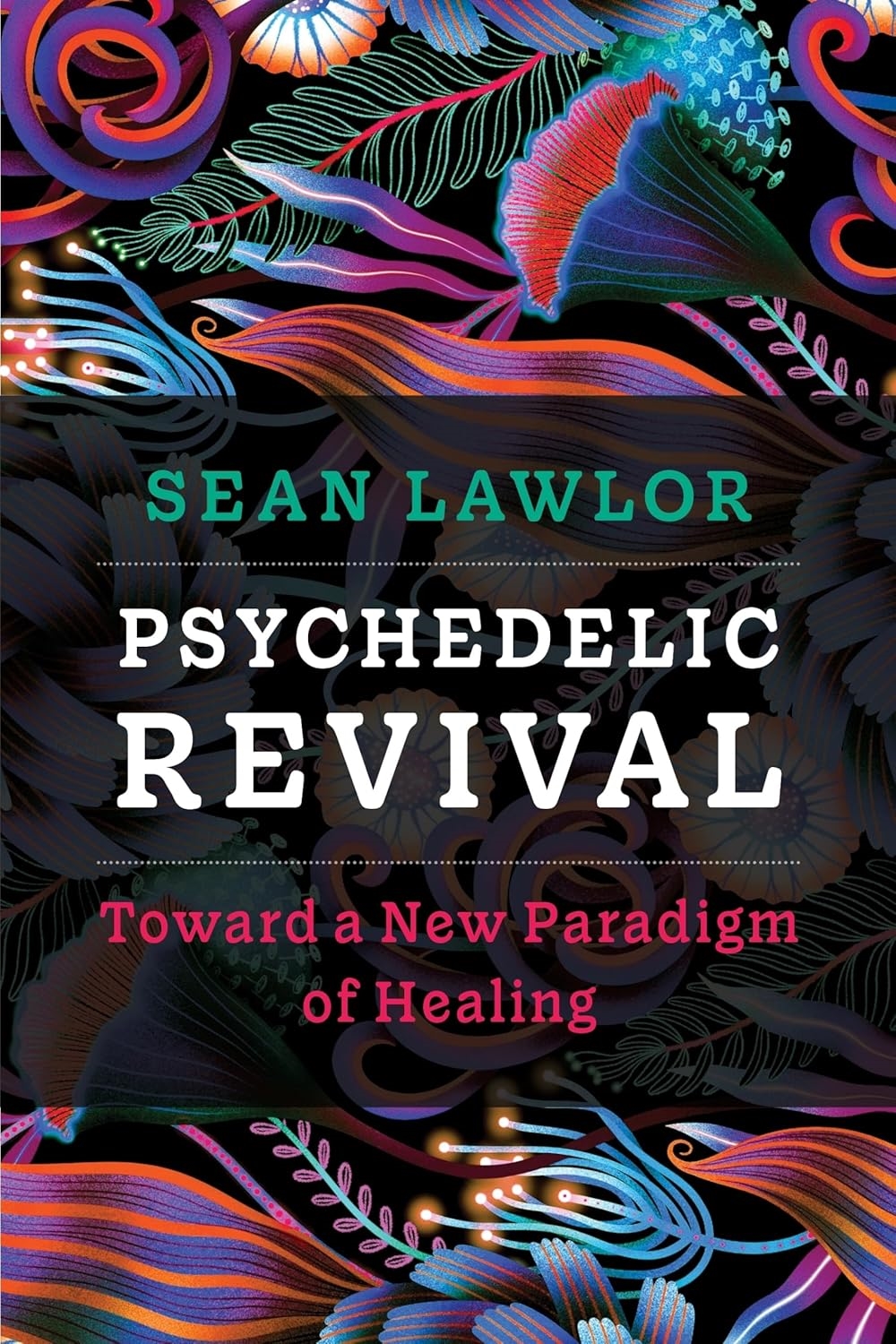
‘Psychedelic Revival: Toward a New Paradigm of Healing’ is the new book by Sean Lawlor. Photo: Amazon

Sean Lawlor, LPCC, is an author, traveler, psychedelic therapist, and regular contributor to leading sites on the topic of psychedelics, such as Psychedelics Today and Psychedelic Times. Sean has a master of arts in clinical mental health counseling from Naropa University, and he has been trained in ketamine-assisted therapy, MDMA-assisted therapy, and Internal Family Systems. He currently facilitates ketamine therapy at a clinic in Fort Collins, Colorado. In his new book “Psychedelic Revival,” he invites readers on a journey into the science, spirituality, and the practice of psychedelic healing—a revival of both the first wave of pre-1960s research and ancient healing traditions with plant medicines. (Sounds True, 2024)

Psychedelics have tremendous healing potential, yet all evocative modalities should be handled with care. To make good choices, we need quality information about the prospects and pitfalls of these emerging therapeutic tools. “Psychedelic Revival” is an invaluable resource for navigating this exciting frontier in Western healing.

“Psychedelic Revival” – An expansive, multidimensional odyssey into the history, practice, and potential of psychedelic healing. Now that the stigmas against psychedelic medicine are finally lifting, there’s a lot of curiosity—and confusion—about these powerful compounds.

How can psychedelics be used safely? What are the risks? Can they truly help heal the wide variety of conditions that has garnered such international attention?

Sean Lawlor explains the possibilities and limits of psychedelics, including:

• The Western history of psychedelic medicine and recreational use
• The millennium-spanning legacy of Indigenous plant medicine traditions
• In-depth chapters on psilocybin, LSD, MDMA, ketamine, mescaline, ibogaine, peyote, ayahuasca, DMT, and more
• Practical insights, from microdosing to psychedelic-assisted psychotherapy to transformative mystical experiences
• The shadow dimensions of psychedelics—bad trips, scientific stigmatization, inequality of access, and many other essential topics

Backed by solid research and wisdom from firsthand accounts, Lawlor guides readers into the psychedelic landscape, covering treatment methods, realistic benefits, and the legitimate dangers psychedelics can induce. Along the way, he shares exclusive interviews with luminaries such as Michael Pollan, Rick Doblin, Camille Barton, Carl Hart, Jim Fadiman, Rick Strassman, Natalie Ginsberg, Sandor Iron Rope, and many more.

Mastering Conversations: A Review of ‘The Art of How to Talk to Anyone’

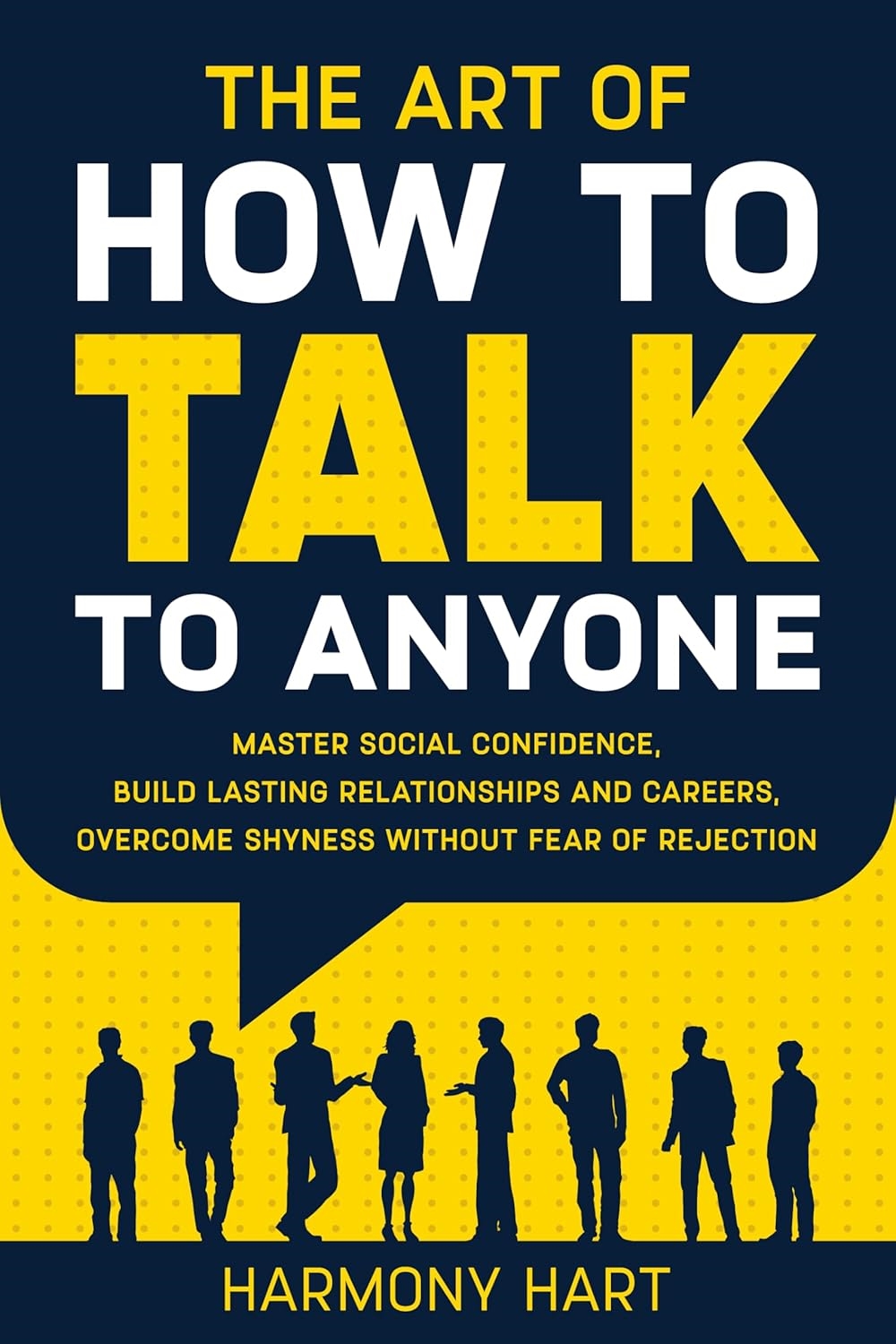
Discover how to unlock the power of effective communication with the new book by Harmony Hart. Photo: Amazon

“The Art of How to Talk to Anyone” by Harmony Hart is a concise and insightful guide to mastering the art of conversation. Hart blends practical advice with psychological insights, making this book a valuable resource for anyone looking to improve their communication skills.

It begins by emphasizing the importance of listening and understanding others, setting a foundation for effective communication. From there, it moves on to techniques for initiating conversations, keeping them flowing smoothly, and gracefully exiting when necessary. Hart’s approach is straightforward, offering valuable tips that can be applied in various social and professional settings.

Chapters include:
Understand the Basics of Conversation
Essential Social Skills for Everyone
Strategies for Building Rapport
Overcome Common Social Challenges
The Introvert’s Path to Social Confidence
Cultivate Personal Relationships
Cultural Sensitivity and Global Communication
Enhance Communication for Career Advancement
Navigate Digital Communication
Become a Lifelong Communicator

Highlights:
4. Overcome Common Social Challenges
Conquer Imposter Syndrome in Social Situations – stresses the importance of overcoming doubts about your abilities and accomplishments. “This self doubt can create a barrier to forming genuine connections, as you might hold back from engaging fully or authentically with others.”

5.The Introvert’s Path to Social Confidence
Set Healthy Social Boundaries – the importance of setting boundaries to give yourself time to recharge and refocus. “…remember that your boundaries are not barriers but bridges to more authentic and enjoyable connections.”

What I like most is its main focus is on developing empathy and the importance of authenticity. Hart encourages readers to genuinely connect with others by showing interest and empathy, rather than focusing solely on themselves. This approach not only enhances one’s ability to converse but also fosters meaningful relationships.

Overall, “The Art of How to Talk to Anyone” stands out for its practicality and accessibility. Whether you’re an introvert seeking to feel more comfortable in social situations or an extrovert looking to refine your conversational skills, this book offers valuable insights that can help you navigate conversations with confidence and finesse.

*The author was contacted for an honest review of this book. The views and opinions expressed here belong solely to her.
Rating: 5 out of 5.

A Journey into Fantasy: Reviewing ‘The Fairy Cat’ by Isla Skye

‘The Fairy Cat’ is the story of a magical cat. Photo: Amazon

Isla Skye is a teacher, herbalist and mother with a passion for sharing her love of the natural world and folklore. Her book “The Fairy Cat” is a charming children’s story that weaves together magic, friendship, and adventure in a delightful narrative. The story takes place in rural Ireland and centers around a young boy named Cianán who goes missing. Twenty years later, a black cat appears in a vegetable garden and helps a family recover their happiness.

The author’s writing is enchanting, capturing the whimsy and wonder of cats and their relationship to humans. The characters are endearing, particularly Ita and the magical wild cat. The author creates a vivid setting where the ordinary blends seamlessly with the extraordinary, inviting readers of all ages to believe in magic.

“The Fairy Cat” is a heartwarming story that celebrates the bonds of family, friendship ,and the power of belief. It is targeted for young readers up to 12 years but it’s a wonderful read for anyone who enjoys folk tales with a touch of enchantment and heart.

*The author was contacted for an honest review of this book. The views and opinions expressed here belong solely to her.

Rating: 4 out of 5.

Paul Kane’s Travels: A Cultural Odyssey through Indigenous North America

‘Paul Kane’s Travels in Indigenous North America’ by I.S. MacLaren explores the life, times, and challenging legacy of 19th Century Canadian artist Paul Kane. Photo: Amazon

McGill-Queen’s University Press announces the release of the four-volume publication “Paul Kane’s Travels in Indigenous North America: Writings and Art, Life and Times” by I.S. MacLaren, the first comprehensive survey of Paul Kane’s (1810–1871) life and work in more than fifty years. Kane’s field sketches made between 1845 and 1848 constitute the first visual record of Indigenous life all the way from the Great Lakes to the Pacific Ocean by a Non-Indigenous artist. (Bow Bridge Communications, 2024)

Beginning his research three and one-half decades ago, MacLaren, professor emeritus at the University of Alberta, provides a singular opportunity to examine the impacts of Kane’s travels in Indigenous North America through his writings, art, life, times, and complex legacy. A meticulous, panoramic examination, “Paul Kane’s Travels in Indigenous North America” also studies the artist’s legacy in terms of his contemporaries’, his technique, and the complicated history of the source of the works. The author examines Kane’s travels and output by focusing on four areas of study: history of the fur trade, book publishing history, art history, and ethnohistory.

Paul Kane, a portraitist based in Toronto, set out from the city in 1845 for Lake Huron and Wisconsin. From 1846 to 1848, he continued to the upper Great Lakes, the Prairies, across the Rockies, down the Columbia River, and through Oregon Territory to Puget Sound and Vancouver Island. MacLaren reconstructs the colonial processes that turned Kane’s unique descriptions and depictions of Indigenous peoples into benighted stereotypes, teaching contemporary readers valuable lessons about what we thought we knew about Kane and his art, how he let himself be turned into a detractor of Native Americans, and how society endowed him with authority that was not always warranted. 

Kane has been called the founding father of Canadian art, and his “Wanderings of an Artist among the Indians of North America” (1859) is considered a classic of Canadian literature, albeit a controversial one if viewed from a contemporary perspective. More recently, he has been vilified as having misrepresented and exploited his subjects.

“Paul Kane’s Travels” features reproductions of nearly all Kane’s sketches—many published for the first time—and many of his studio paintings, as well as transcriptions of his field writings. The writings, which show the artist to have been a curious traveler fascinated by Indigenous lifeways, contain no negative references to Indigenous people. MacLaren’s work also features a transcription of manuscripts not in Kane’s handwriting (by unknown scribes), the text of the first edition of “Wanderings of an Artist,” an updated catalog, and detailed maps of Kane’s routes. Through the author’s in-depth research, the publication offers scholarly and first-hand understandings of the lives and histories of the real people Kane described and depicted while providing an authoritative biographical portrait of the artist. Thanks to family descendants’ support, MacLaren has identified 26 Indigenous people depicted in the portraits.

Publication Specifications
2,408 pages, 9 x 12”, 4-volume set, full color throughout | Cloth 9780228017479
$450 CDN / $375 USD | Available for purchase here.

Book Review: ‘How To Master Your Emotions’ – A Guide to Emotional Resilience

‘How To Master Your Emotions’ by Richard Rokicki is a support system for readers looking to better manage their emotions. Photo: Amazon

“How To Manage Your Emotions” is an essential guide to navigating the complex landscape of human emotions. Through a blend of practical advice and psychological insights, Rokicki offers readers a roadmap to understanding and managing their emotions. He refers to it as a ‘survival guide.’

The author begins by identifying the four main pillars of survival: the physical pillar, the psychological pillar, the social pillar, and the spiritual pillar, which he used in his work as a palliative care psychologist. He divides the book into these 4 parts. He then explores the various strategies for mastering emotions, such as breaking out of BINARY communication, management of toxic personalities, and the importance of forgiveness, not forgetting. By using case studies, he encourages introspection and emotional resilience. He also analyses Near Death Experiences and how they change the people who have experienced them.

Chapters include:
Introduction
The physical pillar
The psychological pillar
The social pillar
The spiritual pillar
General conclusion

Highlights:
The psychological pillar – where he emphasized the importance of putting our negative feelings on paper because it’s how we start to heal. He advised one of his patients to write a letter to her abusers: “There’s no need to pass the letter on to them, as the very act of writing is therapeutic in itself.”

The social pillar – where he describes the different types of toxic personalities, this way we can surround ourselves with the right people and set limits on the wrong ones so they don’t drain our energy. “No one is immune from being an energy vampire for the people they come into contact with.”

The best part about this book is practical approach and accessibility. The language is simple and to the point and avoids complicated jargon. He communicates his ideas clearly and directly, making it easy for readers to apply the principles in their daily lives. He also uses figures to make his point and speaks directly to the readers, calling them ‘survivalists.’

Overall, “How To Master Your Emotions” is a valuable resource for anyone seeking to enhance their emotional intelligence and achieve greater emotional well-being. Whether you are grappling with stress, anxiety, or simply seeking personal growth, Richard Rokicki’s insights offer a thoughtful and practical guide to mastering your emotions. It is recommended for readers interested in personal development, counseling, and overall mental health.

“This book aims to give you the answers and methods you need to restore a sense of calm within yourself and regain solid self-confidence.”

*The author was contacted for an honest review of this book. The views and opinions expressed here belong solely to her.

Rating: 4 out of 5.

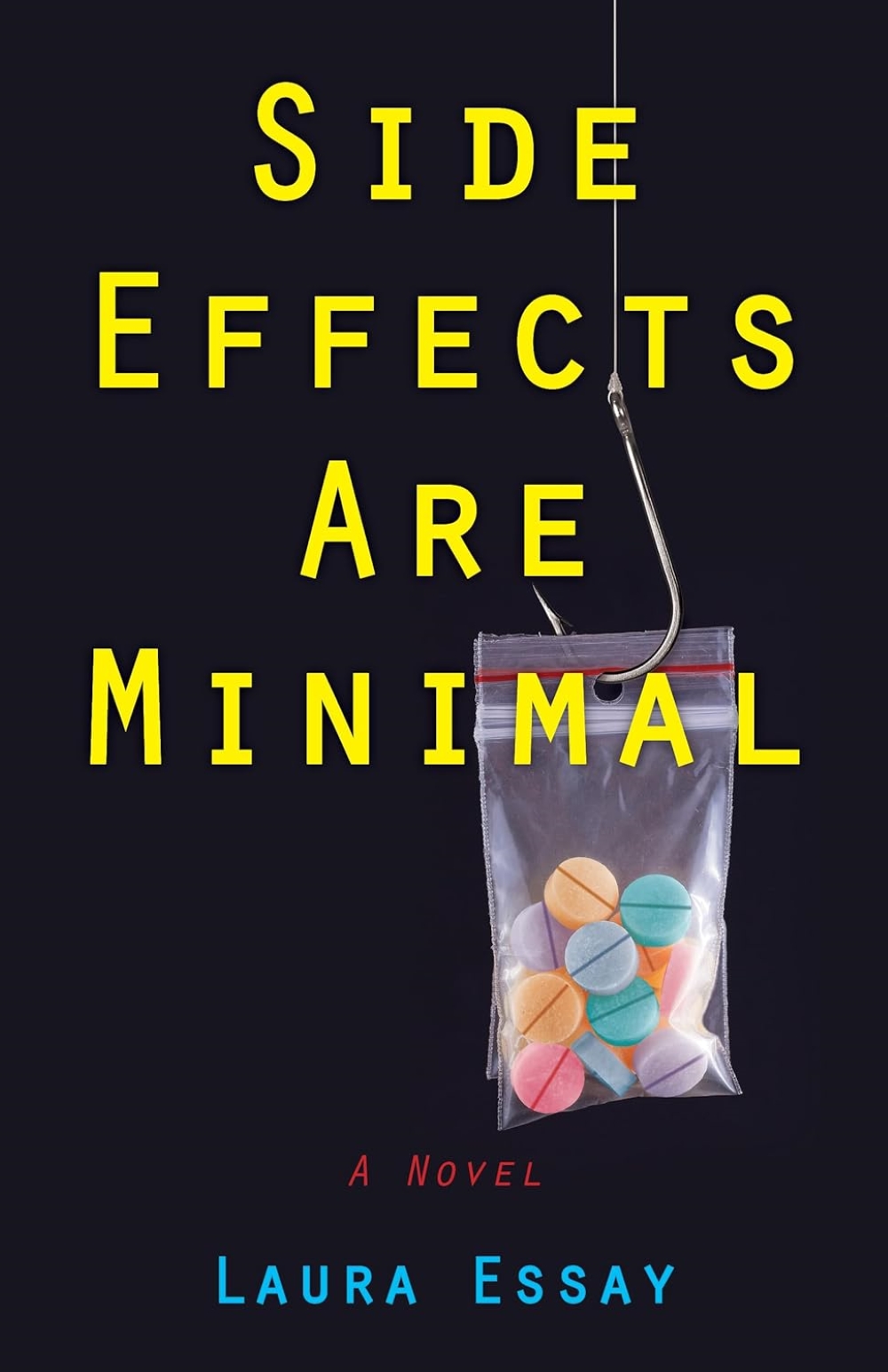
Review and Insights: ‘Side Effects Are Minimal’ by Laura Essay

‘Side Effects Are Minimal’ is the new legal thriller by Laura Essay. Photo: Amazon

Laura Essay attended the University of Nebraska and obtained a law degree from Creighton University School of Law. When her three grown children moved on to graduate programs in other cities, writing became her passion. “Side Effects Are Minimal,” her debut novel, is about a corrupt pharmaceutical industry, the guilt of physicians prescribing the opioids that kill, and the pain experienced by families who have lost loved ones to a widespread epidemic. Her knowledge of the opioid crisis stems from her passion for research and countless hours spent searching for the truth about opioids in America.

Synopsis:

“Side Effects Are Minimal” – ambitious attorney Claire Hewitt is asked to represent the Satoris, one of Philadelphia’s most prominent families in a lawsuit over the death of their daughter Emma. She is thrust into an opioid nightmare with deadly impact—and not for the first time. Even after twenty years after her sister Molly’s death from what she believes to be an opioid-related death, Claire still feels guilty for not being able to help her. Now, with this new assignment, her guilt comes full circle. Who was really at fault in Molly’s death? And who is at fault now?

Claire struggles to balance her desire for justice with the Satoris’ thirst for revenge. She knows she needs to expose the greed that transforms legal opioid production into illicit fabrications and the neglect that is the breaking point between physicians and their patients. There are powerful people who will seemingly stop at nothing to prevent these truths from seeing the light of day, and she is sabotaged at every turn. Can she push past the obstacles in her way to build a winning case?

Review:

The opioid epidemic in America has devastated communities nationwide, claiming countless lives and leaving a trail of shattered families. Laura Essay expertly combines real events with a compelling narrative. The story begins as Claire is excited at being assigned the Sartoris case even though in the long run it might be a class action suit. She is nervous but looking forward to the challenge partially because the opioid crisis affected her family as well when her sister Molly passed away and she sees this case as a way to get justice for her as well. Her character is confident and qualified but right from the beginning when she is assaulted and her briefcase is stolen, it becomes evident that there will be strong forces out to stop her at all costs.

I was drawn to this novel because of its exploration of the human experience within the medical and legal systems. The fictional court case brings to light the heartache faced by families touched by this crisis and how it transcends demographics, but at least the parents in this story are lucky to be wealthy enough to be able to sue the pharmaceutical supplier. The courtroom drama and the hard work by the lawyers and everyone working behind the scenes to bring these cases to court is gripping and eye-opening.

Essay’s writing style makes it easy to follow the medical and legal terms because she doesn’t use overly complicated jargon. Her use of descriptive language immerses the reader in the action: “Beads of sweat glistened on his upper lip and beside the veins spider-webbing his nostrils.” The characters she creates are vivid and relatable, each struggling with their own challenges and triumphs. This story explores the themes of family, courage, and power/corruption and the challenges that come in times of crisis. Highlights include the in-depth research on the case and Chapter 24 No Friend of Mine when Claire is given the spotlight when the trial begins.

Overall, “Side Effects Are Minimal” is a compelling novel that reminds us of the power of the court system and the resilience of the human spirit in the face of medical challenges. It is recommended for readers interested in learning more about the opioid epidemic and enjoy medical thrillers by Robin Cook, legal thrillers by Mike Papantonio and John Grisham, and strong female characters.  

“Claire’s movements revealed the sorrow she felt. Her fingers glided along each line as she read. She whispered their names. She grimaced and smiled and often looked to the ceiling for a break. She squeezed her eyes shut when a break wasn’t enough.”

*The author received a copy of this book for an honest review. The views and opinions expressed here belong solely to her.
Rating: 4 out of 5.

From Diagnosis to Treatment: A Review of ‘Ready, Set, Radiation’

Prepare for your radiation therapy journey with ‘Ready, Set, Radiation: How to Prepare for Radiation Therapy Treatments.’ Photo: Amazon

“Ready, Set, Radiation” is a comprehensive guide for those about to go through radiation therapy. While similar books are written by former patients, a medical professional wrote this one. Drawing from her own experience as a radiation therapist, Shaina Moore-Ivanov presents a clear and accessible roadmap through the uncertainty of cancer treatment. The goal is “to introduce you and your support system to radiation treatment as it pertains to cancer.”

The practical advice covers everything from understanding the radiation process to managing side effects and preparing emotionally and physically for each session. She addresses common fears and uncertainties and offers reassurances and empowers readers to take an active role in their treatment.

Some of the chapters include:
Chapter 1 Cancer Diagnosis – What Comes Next?
Chapter 2 What is Radiation Therapy?
Chapter 5 – Factors to Consider When Deciding Where to Undergo Treatment
Chapter 6 – Consultation with a Radiation Oncologist
Chapter 8 – CT Simulation – General information
Chapter 9 – Tattoos, Patient Autonomy, and Self-Advocacy
Chapter 22 – Scheduling Daily Treatment Appointment
Chapter 23 – Arriving On Time and Prepared for Treatment
Chapter 24 – Radiation Oncology Team
Chapter 26 – Final Day of Treatment

Highlights:
Chapter 1 Cancer Diagnosis – What Comes Next? – reminds patients “to advocate for yourself and to ask questions.” She explains that everyone’s treatment is different because not all cancers respond to treatment and that if you want a second opinion, to get one. The doctors will not be offended.

Chapter 8 – CT Simulation – General information – explains that the purpose of CT Simulation is to decide on the best position for you to be in when receiving radiation treatment which helps plan your treatment. The area will be marked to detail where the treatment will be.

She expertly combines medical expertise and human connection so that it’s not just a technical manual; it’s a companion that understands the fears and challenges patients face. The language is straightforward and doesn’t use complicated medical jargon, making it accessible to everyone involved in the treatment journey. I especially like that the tone is empathetic to patients without being condescending. The figures and pictures make it easy to understand the chapters on body positioning and the different machines being discussed. There are QR codes that you can scan for videos that further explain the topic.

Overall, “Ready, Set, Radiation” is an invaluable resource for patients, caregivers, and healthcare professionals alike. Since it provides not only vital information but also a sense of solidarity and guidance during a challenging time, it is recommended for anyone facing radiation therapy or who knows someone who is.

*The author was contacted for an honest review of this book. The views and opinions expressed here belong solely to her.
Rating: 5 out of 5.

From Challenge to Triumph: ‘Stress Test’ by Kay White Drew

‘Stress Test’ is the new memoir from Kay White Drew. Photo: Amazon

Kay White Drew is a retired physician and lifelong writer. Her essays, poems, and short stories are found in several journals including Hektoen International, The Intima, Bay to Ocean Journal, and Loch Raven Review, where one of her essays was nominated for a Pushcart Prize in 2022. Her new book “Stress Test” is a love letter to women in medicine and the feminist causes of the 1970s and the present day. (Amazon/Mindbuck Media Book Publicity, 2024)

“Stress Test” – The story covers a five-year ordeal, from the first day of medical school through the last day of pediatric internship. Unveiling the cadaver in the anatomy lab while her mother lay dying on an oncology ward; the excitement of making difficult diagnoses and the terror and tragedy of disastrous mistakes; the joy of connecting with patients and the heartbreak of losing them—it’s all here. Women made up less than a fifth of the author’s medical school class and as a white woman in the largely Black urban environment of West Baltimore, barely a decade after the Civil Rights movement and long before Black Lives Matter, she bore witness throughout her training to the human cost of racism.

The author navigated personal struggles as well: her mother’s death; several ill-starred romantic relationships, including an interracial love affair with a professor; a roommate’s suicide; and her own suicidality, depression, and experiences in therapy.

“Stress Test” joins a growing body of work by women physicians. This memoir takes place at a time when women were still years away from comprising half—or more—of medical school students, and when the second wave of feminism was surging; but many of the fears, griefs, and struggles that women in medicine face today are the same ones the author grappled with decades earlier.

Reviewing ‘Mastering Knowledge Management Using Microsoft Technologies’: Insights and Evaluation’

‘Mastering Knowledge Management Using Microsoft Technologies’ by Tori Reddy Dodla offers practical guidance and strategies. Photo: Amazon

“Mastering Knowledge Management Using Microsoft Technologies” is essential for professionals looking to get the most out of Microsoft tools when dealing with knowledge management. It is expertly put together and thoroughly explores the complexities of knowledge management systems, offering practical insights and strategies.

The author begins by defining knowledge management principles and then incorporates Microsoft technologies such as SharePoint, Teams, and Office 365 into the discussion. Each chapter is formatted to progressively build upon the previous one, ensuring a consistent and logical learning experience. The graphs, figures, and illustrations throughout each chapter summarize the topic being discussed. Each chapter begins with a Chapter Goal and ends with a Chapter Summary and Key Takeaways.

The book is divided as such:
Chapter 1: Introduction to Knowledge Management
Chapter 2: The Knowledge Base
Chapter 3: Power Apps for Knowledge Sharing
Chapter 4: Power BI for Knowledge and Insights
Chapter 5: Integrate AI with Microsoft Co-Pilot
Chapter 6: Knowledge Management for Document Management
Chapter 7: Discussion of Knowledge Sharing Tools
Chapter 8: Knowledge Management Metrics and Analytics
Chapter 9: Challenges and Solutions
Bibliography
Index

Highlights:
Chapter 4: Power BI for Knowledge and Insights
Section 4.2 Gamification in Knowledge Management because it explains how it takes the most popular elements used in gaming to make knowledge management more engaging, interactive, and fun. These elements are points and scoring systems, badges and achievements, leaderboards, levels and progression, feedback and recognition, and challenges and quests.

Chapter 6: Chapter 5 – Integrate AI with Microsoft Co-Pilot because it explains how to use AI for advanced knowledge management to automate routine tasks, speed up information retrieval, and streamline data analysis. I particularly like that it has sample prompts on section 5.5 for writing and editing, e-mail assistant, data analysis, presentation, meeting assistant, and other such tasks.

It includes real-world examples, case studies, and step-by-step instructions that empower readers to apply knowledge management solutions successfully within their organizations. Whether you are a beginner or an experienced professional, her writing style and depth of knowledge make this book a valuable resource.

“Mastering Knowledge Management Using Microsoft Technologies” is a must-read for anyone seeking to use Microsoft tools for improving knowledge sharing, collaboration, and organizational effectiveness. Dodla’s expertise shines through, making this book a definitive guide in the field.

*The author was contacted for an honest review of this book. The views and opinions expressed here belong solely to her.

Rating: 5 out of 5.

Exploring the Chemical Frontier: A Review of ‘Strained Sigma Bonds’ by Arasibo Campeche

Embark on adventures with stories about science, magic, the tarot, Haitian vodou, the clash of epistemologies, and addiction. Photo: Amazon

“Strained Sigma Bonds” expertly combines the workings of science with an intense narrative. Arasibo Campeche explores the complexities of chemical concepts and uses them to create engaging stories that are accessible to both academics and curious readers alike. His writing style is as captivating as it is informative, blending personal tales, that are often narrated in the first person, with scientific insight. The language is descriptive and lures the reader into the story: “…following me through the forest like a slow-moving orgy ascendant from hell.”

Stories include:
Penalties of Entropy
Given Pain,
Magnetization and Resistance
Regret in Blue Sharp
Big Water Protect You
Flavor of Lab
Conservation of Cold
The Greater Secrets of Carbocations
One Step Forward, Two Steps Starways, Three Steps Plop!
Trompe-l’oeil
The Organometallic God
Butter Me Up and Float Me Sideways
Drowned in Mindfulness
First Blink
The Chroma of Home

Highlights:

Big Water Protect You – a survivor of a plane crash in the Puerto Rican rainforest, who has a PhD in biochemistry but was drafted into the army and sent to solve The Plague, encounters man made zombies. The CRISPR/Cas9 technology that was used to help cure many illnesses had inadvertently re-animated the dead. “That the ancient dead could be revived was one thing, but biting a bullet out of a wound…Signs of intelligence were a whole new problem.”

Conservation of Cold – Alicia dies from a heroin OD but her spirit is trapped at home with her grandmother. She doesn’t have the mass necessary to move objects but she can absorb people’s heat to move around, similar to a Carnot engine that transforms heat into mechanical energy. When her grandmother dies later that same day, her spirit is also trapped at home. Furious that she is not in heaven, she blames Alicia and attacks her and gouges her eyes out. Now Alicia can’t see and she is freezing cold. Her only hope is that someone eventually hears her. “…a chill spiraled up my spine like fingers flicking air out of a syringe.”

This is science meets horror and sci-fi at its best and Campeche uses it to successfully explore the darker aspects of the human condition with themes such as redemption, love, death, and survival. The stories are deep and reflective and the characters are relatable, each dealing with his or her own demons, whether real, imagined, or tech/science-related.

Overall, ‘Strained Sigma Bonds’ is a brilliant collection of short stories that has science, especially biochemistry, at its core. The author manages to make it easy to understand and follow, so that even if you’re not a science person, you will appreciate how it enriches the narrative. It is a must-read for anyone fascinated by the intersection of biochemistry and human interest, offering not just knowledge but a profound appreciation for the elegance of scientific inquiry. Fans of thought provoking science fiction, horror, and especially speculative fiction will find it fascinating.

“You march on the ocean floor, heading northwest, hungry for the pound of flesh owed to your people.”

*The author was contacted for an honest review of this book. The views and opinions expressed here belong solely to her.

Rating: 5 out of 5.