‘The Vanishing Family’ Review: Robert Kolker’s Powerful Story of FTD and Hope

‘The Vanishing Family’ by Robert Kolker is a moving look at genetics, dementia, and identity. Photo: Penguin Random House

Book Review: The Vanishing Family: Love, Fate, and the Quest to End Dementia

Author: Robert Kolker

Genre: Nonfiction / Narrative Journalism / Science

The Story

The narrative opens with a tense prologue: after years of delaying testing, 41-year-old Barb receives a lab letter that will confirm whether she carries a devastating genetic mutation. She’s currently the same age her mother, Jean, was when symptoms first emerged.

Oliver and Jean lived in Pleasant Hills, Pennsylvania, raising nine children: Kathy, Christy, Sue, Dutch, Mary, Peggy, Scott, Jenny, and Barb. As the older siblings moved out to start their adult lives, Barb remained at home to witness their vibrant mother fall under a dark, gothic spell, transforming into someone withdrawn, neglectful, and entirely unrecognizable.

A Cruel Genetic Mutation

The family carries a rare genetic mutation (V337M) that causes frontotemporal dementia (FTD) with a cruel twist. Striking early, often in a person’s early forties, it causes formerly devoted parents and high-achieving executives to:

  • Lose their jobs unexpectedly
  • Have reckless affairs and take up heavy drinking
  • Shed all social inhibitions and moral responsibility
  • Experience total personality loss, leaving families with strangers

With a 50/50 chance of inheritance, the children face the constant terror of an impending genetic fate.

Alongside this human tragedy, Kolker documents the high-stakes scientific race against neurodegenerative disease. Decades of research into this single family’s rare FTD mutation may ultimately provide the key to preventing and treating all forms of dementia, including Alzheimer’s disease.


Pick up your copy of ‘The Vanishing Family!’


Review

The Vanishing Family unfolds like a heartbreaking psychological thriller as the siblings watch the illness strike one by one: first Christy, then Mary, and beyond. Kolker captures the agonizing tension between love and fear, forcing the family to confront profound questions about predetermined fate, obligation, and identity.

Key Themes Explored

  • Identity and Disintegration: The erosion of character when the brain’s frontal lobe declines.
  • Family Resilience and Devotion: How siblings step up to care for one another despite emotional devastation.
  • Medical Discovery and Hope: The scientific journey to turn a family curse into a cure for millions.

The Science Behind the Story

Beyond the personal narrative, Kolker guides readers through the history of neuroscience:

  • Historical Milestones: From the famous 19th-century case of Phineas Gage, whose altered personality after a brain injury proved that specific brain regions govern behavior, to early diagnostic breakthroughs that established dementia as an organic physical disease rather than a mental defect.
  • The Clinical Battle: A clear overview of genetics, clinical trials, and the decades of frustrating dead ends that have challenged medical researchers.

Chapter Highlights

  • Chapter 10: Barb has been caring for Christy, the first sibling to display symptoms, when Mary arrives unexpectedly. Seeing the exact same behavioral shifts in Mary, Barb realizes with horror that the disease is genetic and that every sibling is at risk.
  • Chapter 11: A deep dive into neuroscience for readers who want the exact mechanics of FTD, Alzheimer’s, and brain pathology.
  • Chapter 20: A crucial breakdown comparing Alzheimer’s and FTD. While Alzheimer’s primarily destroys memory and cognition, FTD attacks emotional processing. Patients lose the ability to recognize their own physiological responses to emotion, causing drastic changes in personality without self-awareness or shame.

“It’s a conclusion with relevance beyond dementia. We most profoundly lose ourselves, it seems, when we can no longer see, feel, or touch the minds and hearts of others.”

Final Thoughts

Overall, The Vanishing Family is a compelling look at family genetics that balances intimate human drama and medical detective work. It’s deeply tragic without ever feeling hopeless, showing how severe illness can reshape a family while highlighting extraordinary resilience.

Kolker never lets complex science obscure the real people at the center of the narrative. For readers who enjoy family sagas, medical mysteries, or popular science, this is an unforgettable read. It serves as a powerful reminder of how much of our identity is tied to memory, personality, and the people who love us, and how hope remains a force even against inherited fate.

“The tragedy is that because some elements of the person are still detectable, the sense of loss is ongoing – like witnessing a living death.”

Rating: 4.5 out of 5.

About The Author

Robert Kolker is a contributing writer at The New York Times Magazine and author of the #1 New York Times bestseller Hidden Valley Road, named an Oprah’s Book Club Pick, a New York Times Book Review Top 10 book of the year, a GQ Best Book of Literary Journalism of the 21st Century, and a Kirkus Reviews Best Nonfiction Book of the Century. His first book was Lost Girls, named a New York Times Notable Book and a Publishers Weekly Best Book of 2013.


** Thank you to Michael Goldsmith and Penguin Random House for the gifted ARC for review consideration. I haven’t been compensated for this review and all views and opinions expressed are my own.
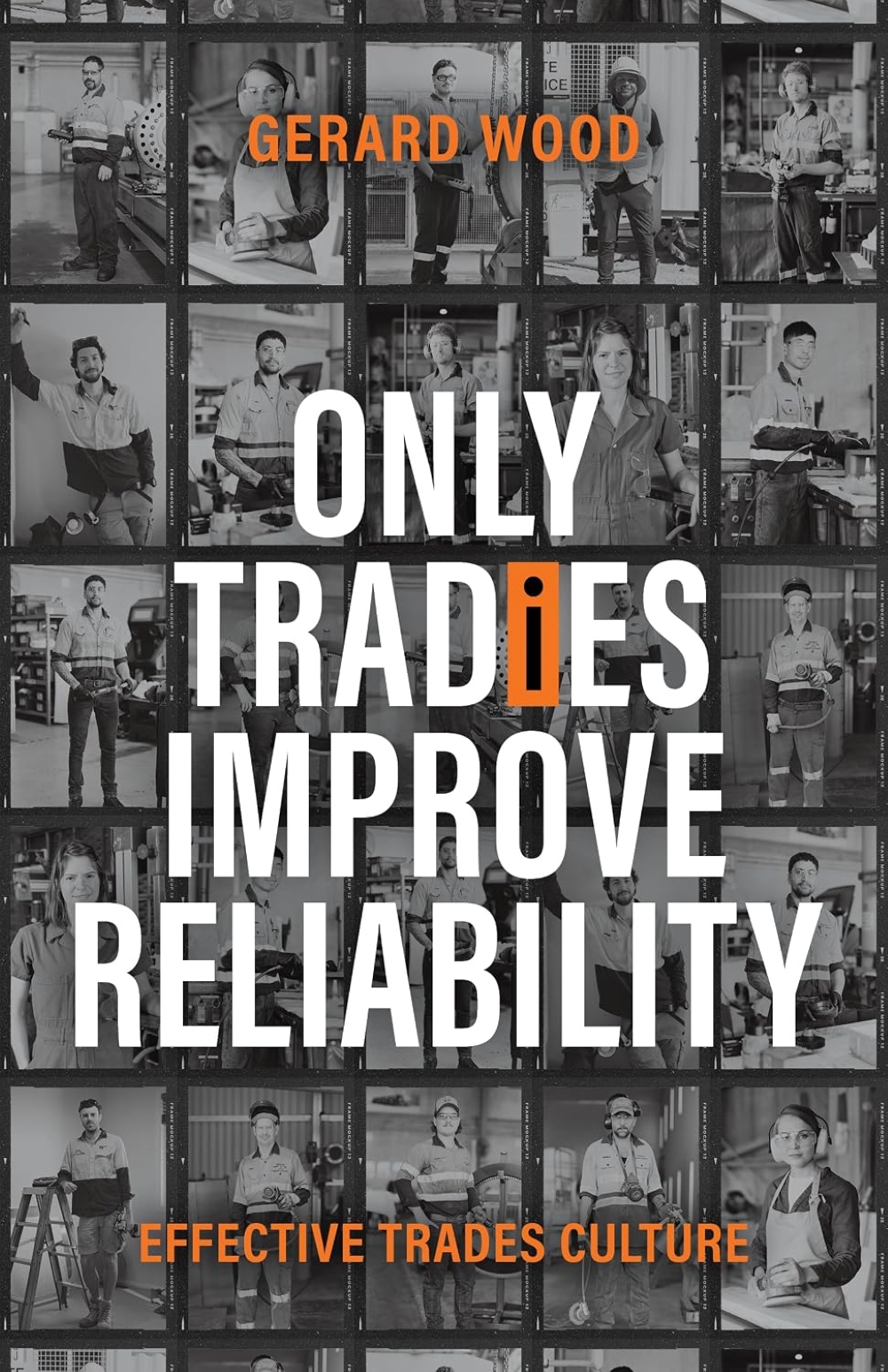
Building a Reliability Culture in the Trades: A Guide by Gerard Wood

‘Only Tradies Improve Reliability’ is Gerard Wood’s new book on effective trades culture. Photo: Amazon

Book Spotlight: Only Tradies Improve Reliability – Effective Trades Culture

By Gerard Wood

In every workshop and on every job site, one truth determines whether equipment thrives or fails: reliability is built by tradies who take pride in their work. But in too many workplaces, that pride is buried under weak culture, rushed decisions, and invisible standards that slowly erode both performance and job satisfaction. (Amazon, 2026)

In Only Tradies Improve Reliability, Gerard Wood, former tradie, maintenance leader, and author of Simplifying Mining Maintenance, reveals the practical, culture-driven routines that transform ordinary maintenance teams into reliability powerhouses. Drawing on four decades of real-world experience, he shows leaders and tradies how to build a culture where quality becomes visible, accountability becomes natural, and reliability improves faster than any technical program could.

What You’ll Discover Inside

  • Spotting the Invisible: Why most failures aren’t caused by tradies who “don’t know” or “don’t care,” but by tradies operating in a culture where they “don’t see,” and how to fix it permanently through simple routines that sharpen the eye for quality.
  • The Leader’s Role: How leaders create the culture, and why no reliability strategy works unless the tradies executing it feel ownership, pride, and trust.
  • Empowering the Trades: How tradies can dramatically improve their satisfaction and impact, even in tough workplaces, by focusing on quality, feedback, and craftsmanship.
  • The Power of Proactive Care: Why proactive maintenance is always cheaper, easier, and more fulfilling than the chaos caused by allowing small defects to become large breakdowns.

Only Tradies Improve Reliability is more than a maintenance book. It’s a blueprint for restoring respect, pride, and craftsmanship in the trades, and for building workplaces where reliability improves quickly, costs fall naturally, and people genuinely want to stay.

Ready to transform your job site’s culture and performance? Grab your copy of Only Tradies Improve Reliability today.


About the Author

During his engineering career, Gerard Wood became passionate about two things: practical asset management and quality work by tradies. After 40 years in maintenance, starting as a tradie, leading asset management across entire businesses, and helping companies sustainably improve reliability, he has seen firsthand what really drives performance. Spoiler alert: it’s not reports, dashboards, or meetings. It’s skilled people doing the right work, the right way. That’s the engine room of reliability.

Through decades of helping sites lift their game, Gerard came to a simple realization: nothing improves reliability faster than quality trades work backed by practical, no-nonsense maintenance leadership. That is the heartbeat of his coaching and his books, Simplifying Mining Maintenance and Only Tradies Improve Reliability. He keeps it sharp, straight-talking, and always shares a few laughs along the way.

Gerard’s mission for this book is ambitious: to positively impact 1 million tradies, helping them gain greater job satisfaction, feel proud to be part of a successful team, and drive better business performance. Realizing that consulting alone has a limited reach, he turned to media, books, and online platforms to share his 40 years of hard-earned experience with a global audience.


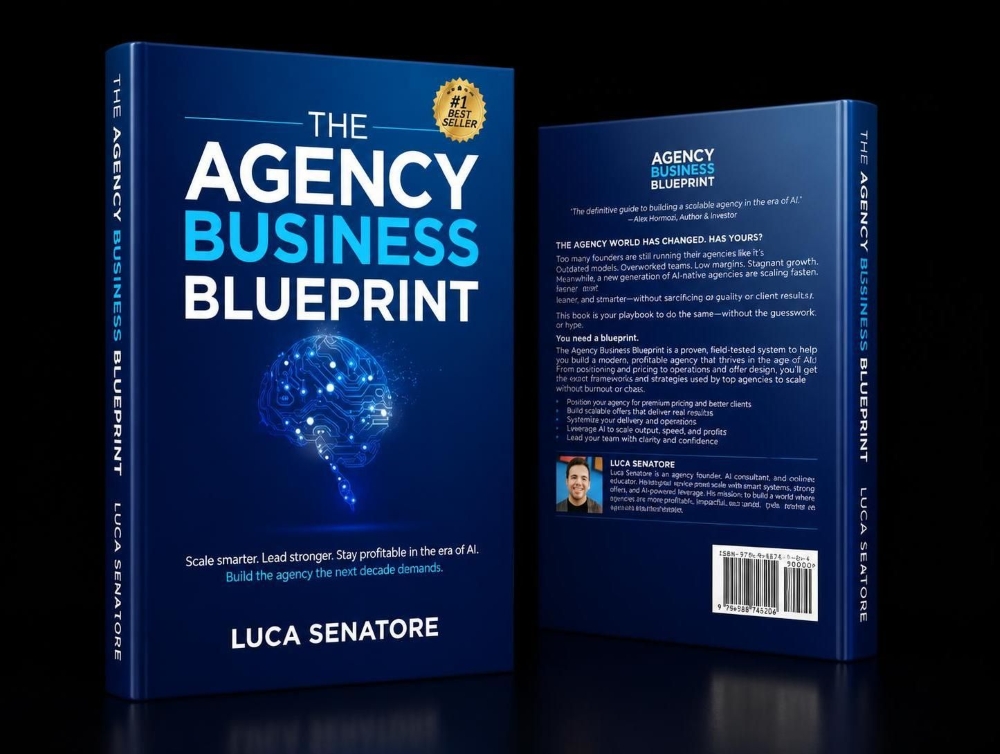
‘The Agency Business Blueprint’ by Luca Senatore

‘The Agency Business Blueprint’ is the new book by Luca Senatore on building a profitable agency in the age of AI. Photo: Luca Senatore.

In the age of artificial intelligence, business leadership books have shifted dramatically from traditional management theories to agile frameworks for human-machine collaboration. Modern executives can’t on gut instinct alone or historical data; they must navigate rapid technological disruption and shifting workforce dynamics.

The most impactful books nowadays focus on how leaders can harness AI not just to automate tasks, but to redesign business models and scale smarter. Ultimately, they emphasize that the future belongs to leaders who combine technical fluency with emotional intelligence, turning AI integration into a sustainable competitive advantage.

Today’s book spotlight is by Luca Senatore.


Book Spotlight: The Agency Business Blueprint

Scale smarter. Lead stronger. Stay profitable in the era of AI. Build the agency the next decade demands.

By Luca Senatore

The agency world has changed — permanently.

What worked even five years ago is no longer enough. Margins are tighter. Clients are more demanding. AI is reshaping every service line. And the next 12–24 months will determine whether your agency grows, plateaus, or quietly disappears. (Amazon, 2026)

In The Agency Business Blueprint, agency leader and strategist Luca Senatore delivers a practical, experience-led field guide for building agencies that don’t just survive change, but use it as a competitive advantage.

This is not a book of hacks, trends, or theory. It’s a blueprint built from two decades of real-world experience: building and exiting agencies, leading teams at scale, working inside Google, and coaching hundreds of agency founders across global markets.

Whether you’re running a boutique agency or leading an established team, this book shows you how to build clarity, leadership, and commercial strength in a world defined by uncertainty and AI-driven disruption.

What’s Inside:

  • How to build an agency designed for long-term relevance, not short-term wins
  • Why clarity, positioning, and leadership matter more than tactics
  • How to scale profitably in uncertain markets without burning out your team
  • How AI should power growth, differentiation, and margins, not just save time
  • How modern agencies win business, retain clients, and grow sustainably
  • How to move from “service provider” to trusted business growth partner

This book is structured around three essential phases — Build, Grow, and Scale — giving you a clear roadmap from foundation to future-proofing.

If you want an agency your team is proud of, your clients trust, and your future self thanks you for building, this book is your starting point.

The agency of the future isn’t louder.

It’s clearer. Stronger. Smarter.


About the Author

LUCA SENATORE is a former CEO of an award-winning UK-based agency, the founder of SAM (Secret Agency Mastermind), and a Google leader. Over two decades, Luca has built companies, coached founders, and helped leaders scale with clarity in fast-changing markets.

Outside of the business world, Luca is a Brazilian Jiu-Jitsu (BJJ) and former mixed martial arts (MMA) athlete. He started a successful martial arts academy, which is now run by two of the best BJJ practitioners and multi-time world champion instructors.

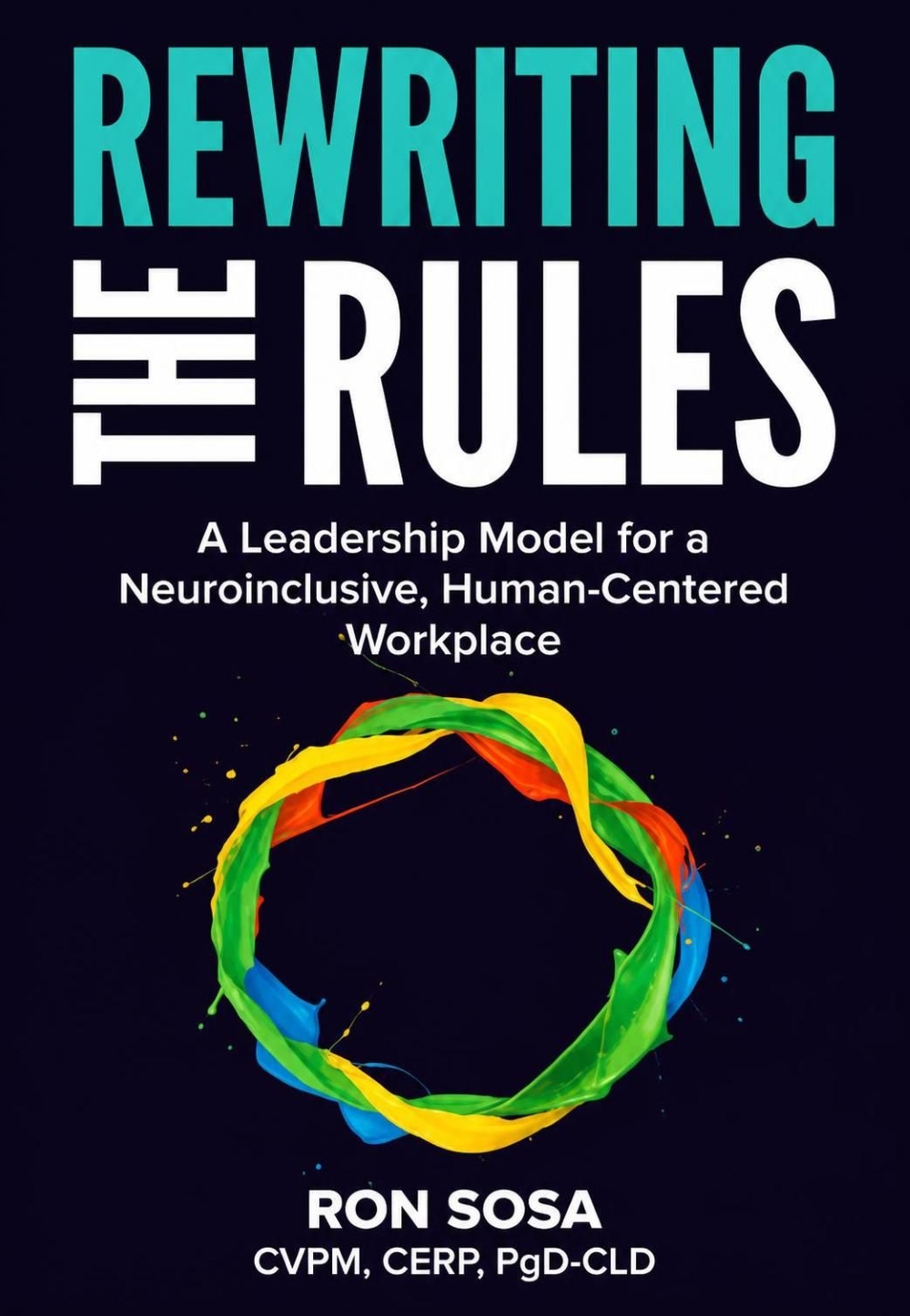
‘Rewriting the Rules’ by Ron Sosa – A Guide to Neuroinclusive Leadership

‘Rewriting the Rules’ is the new human-centered workplace book by Ron Sosa. Photo: Barnes & Noble

Book Spotlight: Rewriting the Rules: A Leadership Model for a Neuroinclusive, Human-Centered Workplace

By Ron Sosa

About the Book

Rewriting the Rules: A Leadership Model for a Neuroinclusive, Human-Centered Workplace is a timely and transformative guide for leaders ready to break free from performative leadership and build workplaces that truly work for everyone. (Barnes & Noble, 2026)

For decades, Ronald Sosa excelled in veterinary leadership, constantly striving to meet invisible standards of professionalism. Behind the success, though, was exhaustion, masking, and self-doubt, until late-life diagnoses of ADHD and autism revealed that the problem wasn’t him. It was the system.

Blending personal narrative with practical frameworks, Sosa exposes how traditional leadership models reward charisma over competence, conformity over creativity, and performance over presence. He then introduces his revolutionary four-part model—Reflect, Implement, Sustain, and Elevate (R.I.S.E.)—to help leaders rebuild from the inside out.

Through this model, readers will learn how to:

  • Lead without masks or burnout by grounding leadership in emotional regulation and authentic connection.
  • Build neuroinclusive workplaces that honor difference as a source of strength, not struggle.
  • Redefine professionalism to center humanity, sustainability, and real impact.
  • Shift from performative leadership to purpose-driven, people-centered growth.

“This isn’t another book about managing neurodivergent employees. It’s leadership through neurodiversity.”

Written with honesty, humor, and empathy, Rewriting the Rules invites all leaders, whether neurotypical, neurodivergent, or simply human, to reimagine what leadership looks like when we stop pretending and start connecting.

If you’ve ever felt “too much,” “not enough,” or out of place in your own leadership journey, this book offers not just understanding, but transformation. Whether you’re a CEO, HR leader, team manager, or emerging professional, you’ll walk away with the clarity, confidence, and courage to lead without performing, and to build a workplace where everyone belongs.


About the Author

Ron Sosa is a neurodivergent life and leadership coach, consultant, and international speaker. Ron’s career has taken him from starting out as a client service representative to practice manager to minority business partner, through collaborations with Dr. Andy Roark and the Uncharted Veterinary Conference, and now into his current role as founder of Syn-APT Neuroinclusive Leadership & Coaching. Ron leads with a passion for systems-thinking, radical empathy, and inclusive design. (Amazon, 2026)

Diagnosed with ADHD and autism as an adult, Ron brings a deep personal understanding of what it means to lead while unmasking. He founded Syn-APT to transform workplaces into environments where neurodivergent professionals can thrive without compromising who they are. Ron is a Jay Shetty-certified life coach and an unapologetic believer in the power of storytelling, community, and inner work. His leadership philosophy is grounded in curiosity, compassion, courage, and a belief that the best leaders don’t seek to control people, but to co-create systems where everyone can lead.

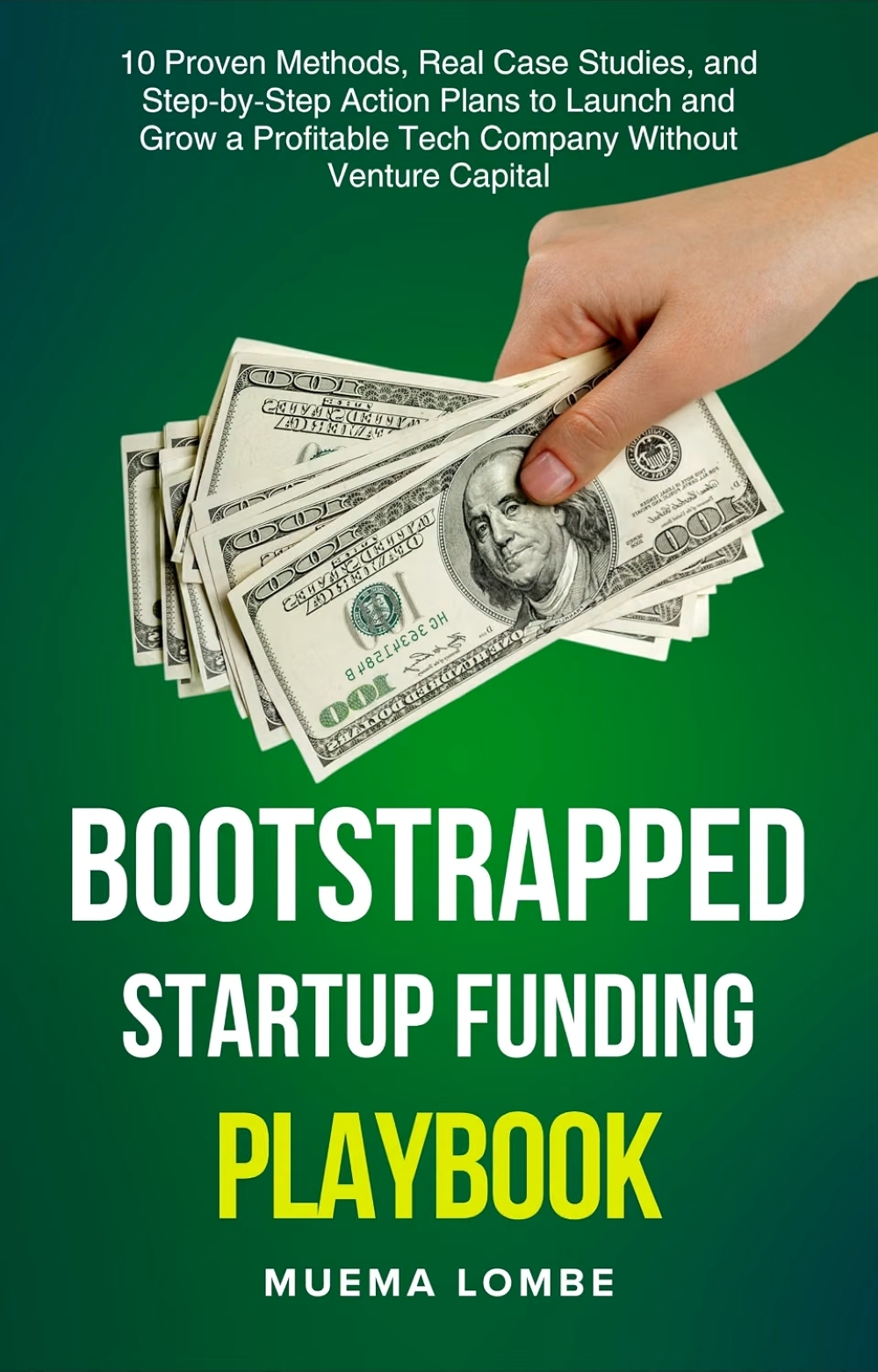
‘Bootstrapped Startup Funding Playbook’: How to Build a Tech Company Without VC

‘Bootstrapped Startup Funding Playbook’ is the new book by Muema Lombe. Photo: Amazon

Book Spotlight: Bootstrapped Startup Funding Playbook 10+ Proven Methods, Real Case Studies, and Step-by-Step Action Plans to Launch and Grow a Profitable Tech Company Without Venture Capital By Muema Lombe

What if you could build a serious tech company, generating millions in revenue and life-changing outcomes, without begging investors, burning out, or gambling your future on a single funding round?

Bootstrapped Startup Funding Playbook is a practical, founder-friendly guide to building and scaling a tech startup without relying on venture capital. Instead of theory, it gives you real methods, real examples, and a step-by-step roadmap drawn from how iconic companies actually did it. (Amazon, 2026)

10 Concrete Bootstrapping Methods Inside

Each chapter is built around real companies and decisions, not vague platitudes, so you see exactly how founders used these methods in the wild, what worked, what nearly killed them, and what you can copy (or avoid):

  • Customer-Funded Growth: Reinvesting revenue to scale organically.
  • Consulting-Funded Product: Using service work to bankroll product development.
  • Freemium & Product-Led Growth: Driving acquisition directly through the product.
  • Friends & Family Capital (Done Right): Raising early funds without destroying relationships.
  • Customer Prepayments & Annual Contracts: Securing upfront cash flow before building.
  • Personal Credit & Small Loans: Managing calculated debt responsibly.
  • Side Jobs & Part-Time Entrepreneurship: Derisking the launch phase while keeping a paycheck.
  • Startup Grants: Accessing non-dilutive capital like NSF/SBIR.
  • Lean Operations & Extreme Cost Discipline: Maximizing runway with minimal burn.
  • Crowdfunding & Pre-Order Campaigns: Validating demand before production.

No hype. No “just work harder” nonsense. Just honest trade-offs, battle-tested strategies, and an operating manual you can implement while holding down a job, supporting a family, or running an existing business.

What You’ll Learn

  • 10 Major Bootstrapping Strategies: Clear frameworks on when each approach actually makes sense.
  • Layered Funding Models: How to combine methods, like side jobs, consulting, customer prepayments, and lean ops, into a coherent, low-risk plan.
  • Origin Case Studies: How iconic companies quietly bootstrapped their earliest, riskiest phases before raising rounds or exiting for billions.
  • Risk Mitigation: Practical ways to manage personal risk, protect relationships, and avoid common financial traps.
  • The 30/60/90-Day Execution Plan: A step-by-step roadmap to get from zero to paying users and your first taste of customer-funded growth.

Who Should Read This Book?

  • SaaS & Dev-Tools Founders: Build software on your own terms without VC dependency.
  • Solo Founders & Indie Hackers: Follow a structured, serious path to profitability.
  • Agency Owners & Consultants: Productize your service and spin out scalable software.
  • Deep-Tech & Hardware Founders: Secure non-dilutive, customer-driven funding routes.
  • Undecided Entrepreneurs: Get a clear, nuanced answer when weighing “bootstrap vs. raise.”

About the Author

Muema Lombe is a tech founder and bootstrapping expert who has helped multiple startups launch and scale without traditional venture capital. Through real-world experience and in-depth research, Muema created this practical playbook so other founders can build serious companies on their own terms.


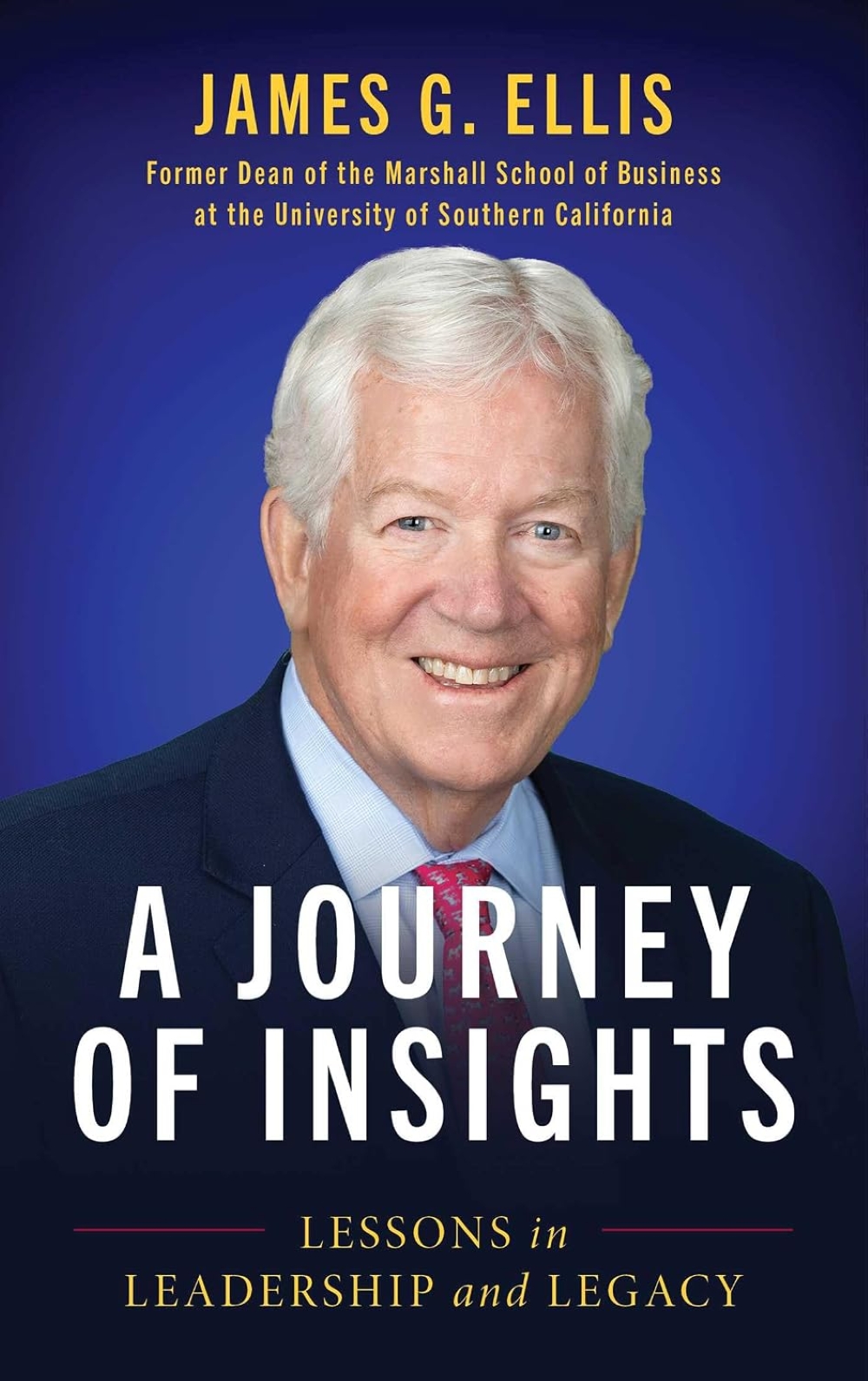
‘A Journey of Insights’ Review: Key Leadership Lessons from Former USC Dean James G. Ellis

‘A Journey of Insights’ is the new book by James G. Ellis. Photo: Simon & Schuster

Book Review: A Journey of Insights: Lessons in Leadership and Legacy

By James G. Ellis

Synopsis

A Journey of Insights draws upon the lessons James G. Ellis learned while a teacher and dean of USC’s Marshall School of Business, as well as those he absorbed during his preceding years at Harvard Business School and in executive leadership. In plotting a roadmap for a successful business life, his stories show illustratively how business schools and their students can prosper. At the core of his message is a central theme: listening to the voices around you throughout life is the key to success. In essence, ears can speak louder than voices. (Simon & Schuster, 2026)

Contents

  • Chapter 1: A Dean’s Story: The Cold Car Hood
  • Chapter 2: Finding Your Wave
  • Chapter 3: The Bill Gates Conundrum: Is Business Education Worth It?
  • Chapter 4: Relationships and Mentors: The Power of Connection
  • Chapter 5: Plotting Your Own Map: Know Thyself
  • Chapter 6: Preparation and Perseverance
  • Chapter 7: Don’t Sell Sales Short
  • Chapter 8: Risk Management and Disappointment
  • Chapter 9: The Fifth Decade: Giving Back

Review

What if one of the most important skills for success isn’t knowing what to say, but knowing when to listen? That simple idea is at the heart of this collection of lessons drawn from a lifetime in business, education, and leadership. Ellis doesn’t offer a rigid formula for success; instead, he shares stories and observations that encourage readers to think differently about their careers and lives.

He weaves in personal stories from people he met along the way and the takeaways from those encounters. For example, Matthew Guglielmo, who started out as a furniture buyer with a Philadelphia department store chain, taught him how to prepare for negotiations by knowing what you want and how to ask for it. Simply put, if you don’t ask for something, you won’t get it.

Of all the notable people he met throughout his life, the one who stands out most is Senator John F. Kennedy, whom Ellis accidentally bumped into at the San Francisco airport in 1959 when he was just 12 years old. That day, he learned the importance of taking responsibility for your actions and the power of a sincere apology. It became a guiding principle for his life: we can learn life lessons, big and small, from everyone around us.

Key topics explored in the book:

  • Leadership & Mentorship
  • Relationships & Connection
  • Preparation & Perseverance
  • Risk-taking & Overcoming Disappointment
  • The Art of Sales
  • The Importance of Giving Back

Each chapter concludes with reflection questions, allowing readers to apply these concepts directly to their own personal and professional journeys.

Ellis repeatedly returns to the value of learning from those around us. Sometimes the best advice isn’t delivered in a formal lecture or board meeting, it comes from simply paying attention. The book serves as a great reminder that success is rarely achieved alone: listening, staying curious, recognizing opportunities, and learning from both successes and failures shape a much richer journey.

Key Chapter Highlights

  • Chapter 5: Focuses on the integrity of your word. Ellis learned that protecting your reputation matters throughout your entire life. He also stresses putting yourself in the shoes of those who work around you, recommending that early-career professionals learn a business from the ground up to truly understand every role.
  • Chapter 8: Highlights the necessity of risk-taking and personal accountability. Ellis urges readers to own their actions while giving full credit to others for their accomplishments.

“Sometimes you must take risks to take care of those around you. In doing so, stay humble, as you are one of many.”

Ellis also challenges readers to consider whether traditional business education truly prepares people for the realities of leadership and life. Avoiding generic corporate jargon, he uses a smooth blend of practical business wisdom and personal reflection to deliver his message.

Overall, A Journey of Insights is a thoughtful, engaging reflection on what it takes to build a successful career and a meaningful life. Recommended for students, entrepreneurs, business professionals, and anyone seeking practical wisdom. It’s never too late to learn something new—and if you’re willing to listen, this book has plenty to say.

“Preparation is what gets you ready to do a great job. Perseverance is what you need to see a job through to completion… Each time you leave an achievable goal unachieved, it becomes easier to give up the next time you’re faced with a challenge.”

Rating: 4 out of 5.

Get your copy of A Journey of Insights today!


About the Author

James G. Ellis served as dean of the Marshall School of Business at the University of Southern California from April 2007 until June 2019, overseeing the education and well-being of over 5,700 graduate and undergraduate students. He held a full-time tenured appointment as Professor of Marketing starting in 1997, retiring in July 2021.

Holding an MBA from Harvard Business School and a BBA from the University of New Mexico, Ellis held leadership roles across the corporate world, including President/CEO of Porsche Design and CEO of Port O’Call Pasadena, along with ownership in six other companies. He began his career with Broadway Department Stores in Los Angeles.


** Thank you to Fauzia Burke and FSB Associates for the gifted ARC for review consideration. I haven’t been compensated for this review and all views and opinions expressed are my own.
‘Valet’ by J.P. Lacrampe: The Whimsical Robot Novel You Didn’t Know You Needed

‘Valet’ is the new novel by J.P. Lacrampe. Photo: Simon & Schuster

Book Spotlight: Valet: A Novel

By J.P. Lacrampe

Synopsis

Cy wants nothing more than to be useful, raise his utility score, and receive the next update for his operating system. But that’s easier said than done when he’s tasked with helping his owner’s thirty-five-year-old son “get out of his funk.” (Simon & Schuster, 2026)

Grayson is nothing like his go-getter, CEO sister Charlotte. He didn’t inherit the family robotics company when their dad passed last year, he doesn’t have a master’s degree, and he just can’t seem to figure out the San Francisco dating scene. He’d rather eat synthesized mozzarella sticks and make pottery at his studio, Kilning Time.

When Grayson learns of Charlotte’s plan to sell the company to a tech conglomerate, he panics. It’s not just the family business at stake, it’s all the technology—like Cy—their dad invented over the years. So he does what anyone would do: he steals the flash drive with his father’s most important work stored on it and plans a corporate takeover. If only he knew what that meant.

To make matters worse:

  • A fellow VALET deserts his owner and asks Cy to help him hightail it out of town.
  • Grayson’s first real date—and her dog—keep showing up at inopportune times.
  • The behemoth tech company wants this deal closed yesterday.

Grayson, Cy, and their trusty golden retriever, Sasha III, must go on the lam until they figure out exactly what to do, and whom to trust.

A hilarious, madcap adventure that is as tender as it is insightful, Valet asks not just what it means to be human, but what it means to be family.

Read This If You Love:

  • Vibe: A whimsically speculative ode to Wodehouse’s Jeeves and Wooster.
  • For Fans Of: Kevin Wilson (Nothing to See Here) and Andrew Sean Greer (Less).
  • Core Tropes: A helper robot, his thirty-five-year-old ward, and a madcap adventure to save the fate of a family empire.

“Valet is a hilarious and bracing examination of the near future, where Cy, a techbot servant, must navigate the complexities of humans to maintain his utility score. What makes this such a winning and openhearted novel is that J.P. Lacrampe goes beyond the initial premise by looking at the universal anxiety of family, of being tied to people with whom you will rise and fall, either toward a new update or into obsolescence.” — Kevin Wilson, New York Times bestselling author of Nothing to See Here and Run for the Hills

About the Author

J.P. Lacrampe received his MFA in creative writing from Saint Mary’s College. His short fiction has been published by Glimmer Train, McSweeney’s, Instant City, and in Howl: A Collection of the Best Contemporary Dog Wit. He is a teaching professor at Santa Clara University, where he teaches courses in composition, fiction, and screenwriting.

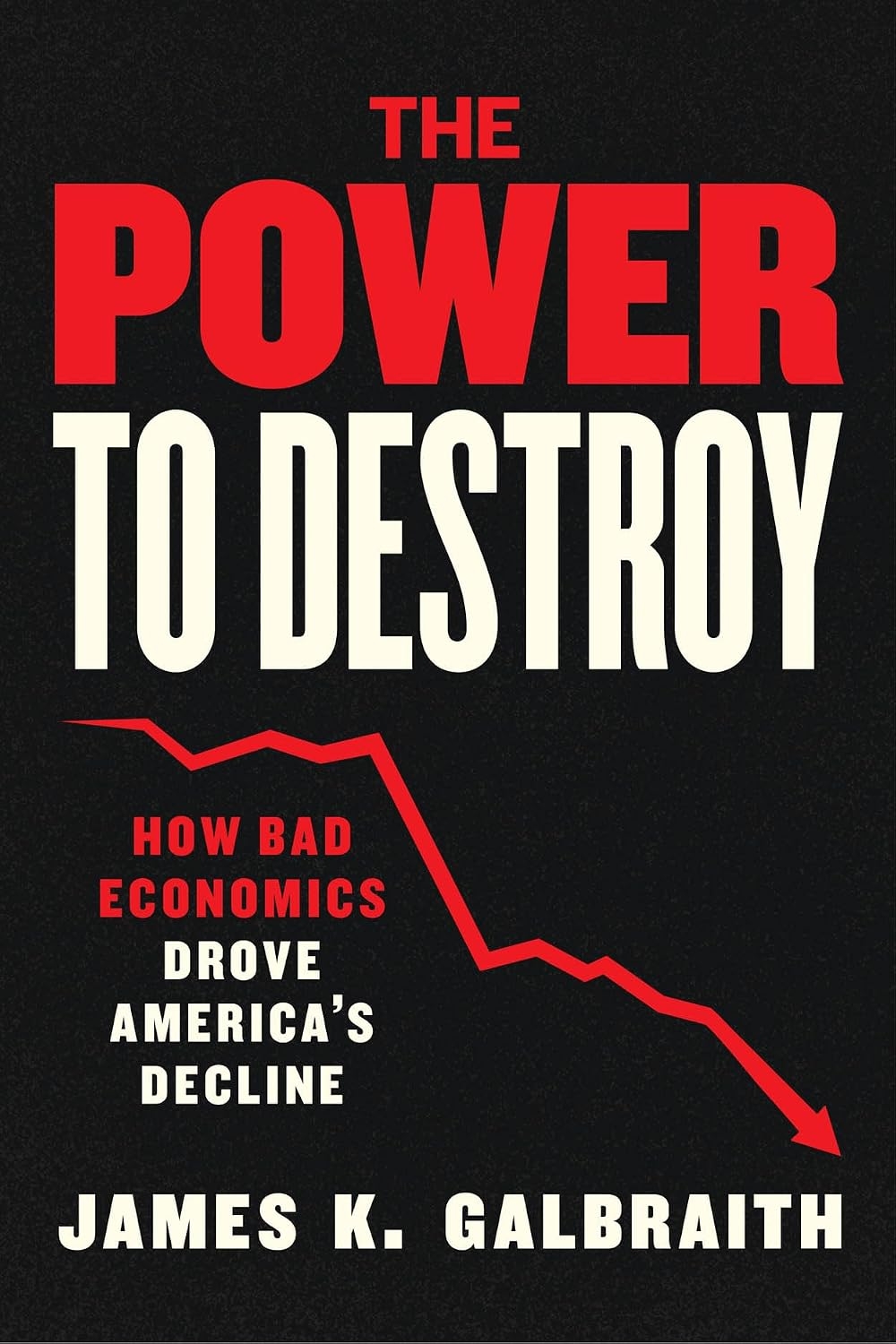
Why Modern Economic Policy Failed: James K. Galbraith’s ‘The Power to Destroy’

‘In The Power to Destroy,’ James K. Galbraith explains how yesterday’s economic tools don’t work today. Photo: University of Chicago Press

📚 Book Spotlight: The Power to Destroy: How Bad Economics Drove America’s Decline

Author: James K. Galbraith

Release Date: September 23, 2026 (Available for pre-order)

The Dissonance of Modern Economics

Acclaimed economist James K. Galbraith sounds an urgent alarm on how conventional economic ideas and policies have failed to adapt to the most daunting challenges of our geopolitical moment. (University of Chicago Press, 2026)

Amid a mounting sense of American decline, everyday citizens live with a strange contradiction: traditional economists keep announcing that everything is fundamentally fine. They point to steady growth, low unemployment, relatively stable prices, and high stock markets, asking: what’s there to worry about?

Synopsis

The Power to Destroy shows that this dissonance reflects a failure of the discipline to evolve. Galbraith’s incisive history of 21st-century economic policy centers on a fundamental flaw: today’s experts are still deploying tools from yesterday’s wars.

Relying on obsolete ideas, outdated measures, and crude indicators like standard output and price indexes—many honed a century ago for a vastly different social landscape—offers little hope in the face of today’s existential threats.

Galbraith argues that these conventional policies are accelerating the decline of the US economy. Key policy shortcomings include:

  • Mismanaged Inflation: Weak responses to the post-pandemic inflation of 2021–2022.
  • Geopolitical Miscalculations: Flawed strategies regarding the sanctions war against Russia and the economic rise of China.
  • Stagnant Revival: Half-hearted and ineffective attempts at domestic industrial policy.
  • Unaddressed Crises: Inadequate preparation for climate change and the impending demographic crisis.

All of these failures root back to a flawed body of economic thought sustained for ideological rather than practical reasons. As Galbraith makes plain, while market systems have their virtues, government policies are what make functioning markets possible in the first place. Sticking with outdated theories brings the power to destroy, making new, realistic ideas an urgent necessity for survival in an emerging multipolar world.


About the Author

James K. Galbraith holds the Lloyd M. Bentsen, Jr. Chair in Government/Business Relations at the LBJ School of Public Affairs, The University of Texas at Austin.

His previous books include:

  • Entropy Economics: The Living Basis of Value and Production (with Jing Chen)
  • Inequality: What Everyone Needs to Know
  • Welcome to the Poisoned Chalice: The Destruction of Greece and the Future of Europe

1790173434

  days

  hours  minutes  seconds

until

‘The Power to Destroy’ release date

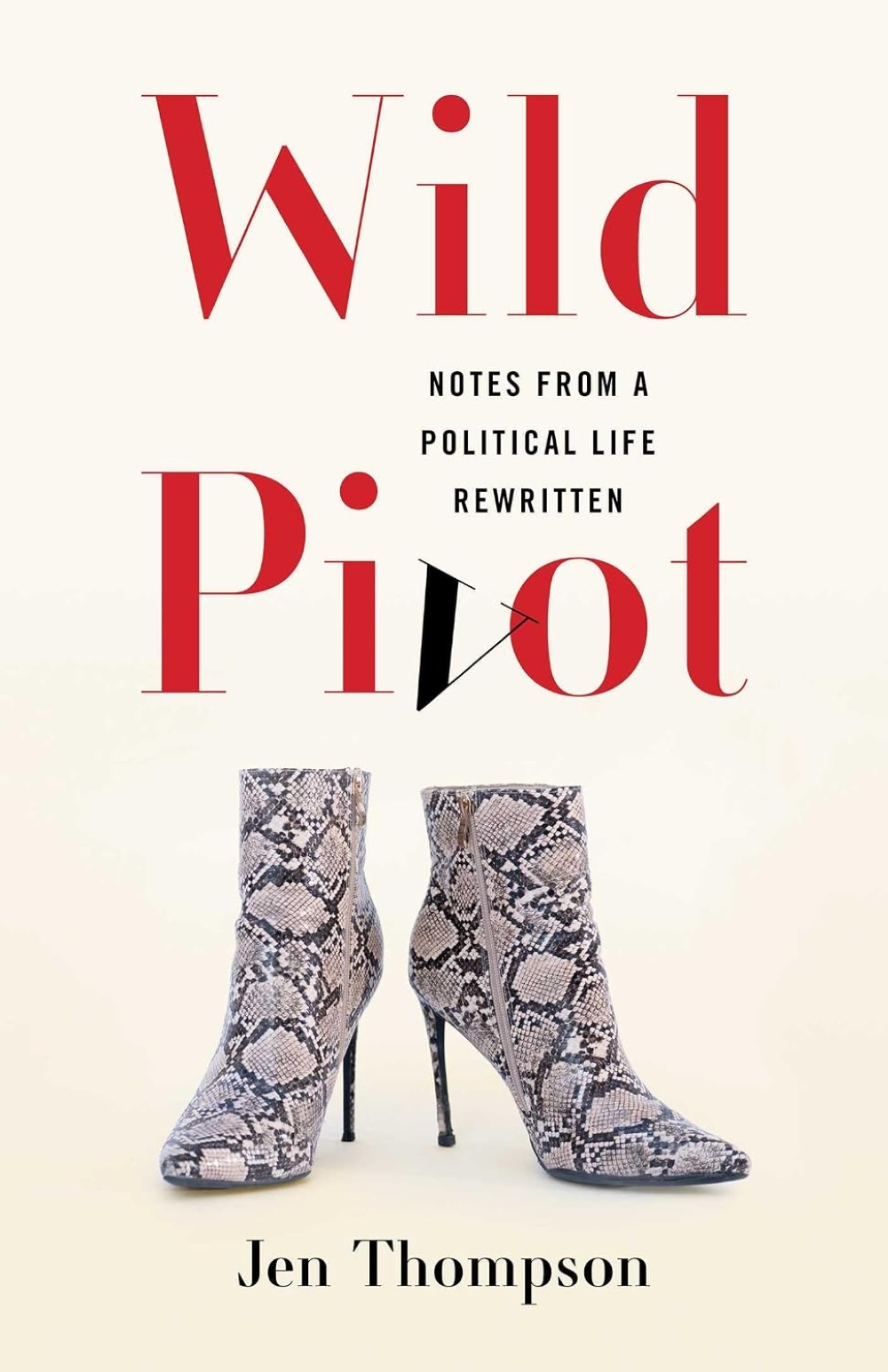
Leaving Washington: Why Jen Thompson Walked Away from Political Power in ‘Wild Pivot’

‘Wild Pivot’ by Jen Thompson is an impactful memoir about choosing truth over approval. Photo: Barnes & Noble.

Book Review: Wild Pivot: Notes from a Political Life Rewritten by Jen Thompson

Release Date: September 22, 2026 | Status: Available for Pre-Order

As a successful and prominent young Republican strategist, Jen Thompson possessed the power and prestige she had always strived for, yet it was built on an underlying current of personal disconnect. Her inner voice warned that she was living someone else’s definition of a meaningful life. It took a near-fatal car accident on a high-profile Senate campaign trail to shatter her trajectory, forcing her to question the identity she had built and the loyalty that kept her tied to it.

Told through short, engaging vignettes, this memoir traces Thompson’s journey from political ambition to profound personal transformation.


The Plot: From Capitol Hill to Down Under

The narrative opens on February 14, 2023. Jen is attending an outdoor screening of Breakfast at Tiffany’s at the Royal Botanical Gardens in Sydney, Australia, reflecting on a tumultuous year. She has been sued and slandered on the front pages of newspapers, cheated on, lied to, and nearly killed in a car crash.

After running a successful political campaign to elect Congressman Jim Talent to the U.S. Senate representing Missouri, she put as much distance as possible between herself and Washington by escaping to Australia. There, she finally felt free. Turning down numerous high-level job offers, her Republican peers thought she was crazy. What she couldn’t tell them was that her core political views had fundamentally shifted. The people she once worked alongside were now dominating the headlines, and new acquaintances in Australia were stunned to learn about her past.

From there, Thompson shares her life story:

  • Childhood Foundations: Growing up in a Christian Scientist family and facing her father’s demand at age 11 to lay out a twenty-year career plan.
  • The DC Pressure Cooker: Recounting the brutal stress of her years as a political strategist and how those struggles opened her eyes to a world she had never envisioned.
  • A New Path: Committing to living a life of truth and personal freedom, regardless of the cost.

Table of Contents

Part I: Wired

  • Chapter 1: Time Bomb: Five. Four. Three. Two. One. Boom
  • Chapter 2: Becoming Wired
  • Chapter 3: The Monster Unleashed
  • Chapter 4: Truths
  • Chapter 5: Gravity
  • Chapter 6: Becoming Unwired
  • Chapter 7: After the Caribbean
  • Chapter 8: Chasing the Boar Part I
  • Chapter 9: Chasing the Boar Part II
  • Chapter 10: Healing
  • Chapter 11: Last Two Months of the Campaign
  • Chapter 12: The Election

Part II: Rewired

  • Chapter 13: Alternative Endings
  • Chapter 14: White Privilege
  • Chapter 15: Consequences
  • Chapter 16: Love

Book Review

Jen Thompson delivers a candid look at the high-stakes world of American politics and the terrifying cost of living an inauthentic life. In walking away from her career, Thompson illustrates that genuine evolution—aside from being uncomfortable—can often be isolating. Yet, her journey toward healing proves that dismantling an old life is a necessary step toward true freedom. Especially memorable is her willingness to examine her past without protecting her ego.

Chapter Highlights

  • Chapter 2: Thompson recounts the happiest day of her life: her first day working for Congressman Jim Talent on Capitol Hill. She describes growing increasingly driven, working over 80 hours a week through holidays. Yet, when left alone, she became consumed by a fear of failure:

“My fears grew into a raging monster that roared with an unstoppable push to succeed.”

  • Chapter 6: The turning point arrives with a horrific car accident on her way to Springfield. Though the vehicle was left unrecognizable, she survived—and in the quiet shock of the aftermath, clarity struck:

“That very moment is suspended in time as the one when my life began to change.”

Core Themes & Final Verdict

The vignettes move with unflinching honesty and sharp wit through a non-linear format. Central to the narrative is an exploration of blind loyalty and the seductive, destructive desire to belong. Her story also examines the themes of identity, transform tion, and liberation and the uncomfortable process of confronting the beliefs that once defined us. Thompson examines how institutional validation can quiet our intuition, compelling us to trade internal truth for external applause.

Overall, Wild Pivot is a compelling memoir about what happens when success no longer feels like success. It’s a story about choosing truth over approval and discovering that sometimes the most courageous pivot is the one that leads back to yourself. It stands as a powerful testament to the courage required to rewrite your story—no matter the price. Readers who enjoy insightful, deeply human memoirs will find this one hard to put down.

“In the stillness, it occurs to me that meaning can only come by way of wholeness, and wholeness, it must be said, does not come easily.”

Rating: 4 out of 5.

About the Author

Jen Thompson is a former high-powered Republican strategist and congressional lawyer who famously walked away from Washington at the peak of her career. She managed the nationally watched 2002 campaign that tipped the divided U.S. Senate back to Republican control, overcoming a massive deficit by orchestrating high-profile events with the President of the United States. Alongside her political work, she served as a lawyer-lobbyist at top international law firms and spent eight years as a chief political commentator for NBC and ABC news affiliates in Richmond, Virginia.


** Thank you to Fauzia Burke and FSB Associates for the gifted ARC for review consideration. I haven’t been compensated for this review and all views and opinions expressed are my own.
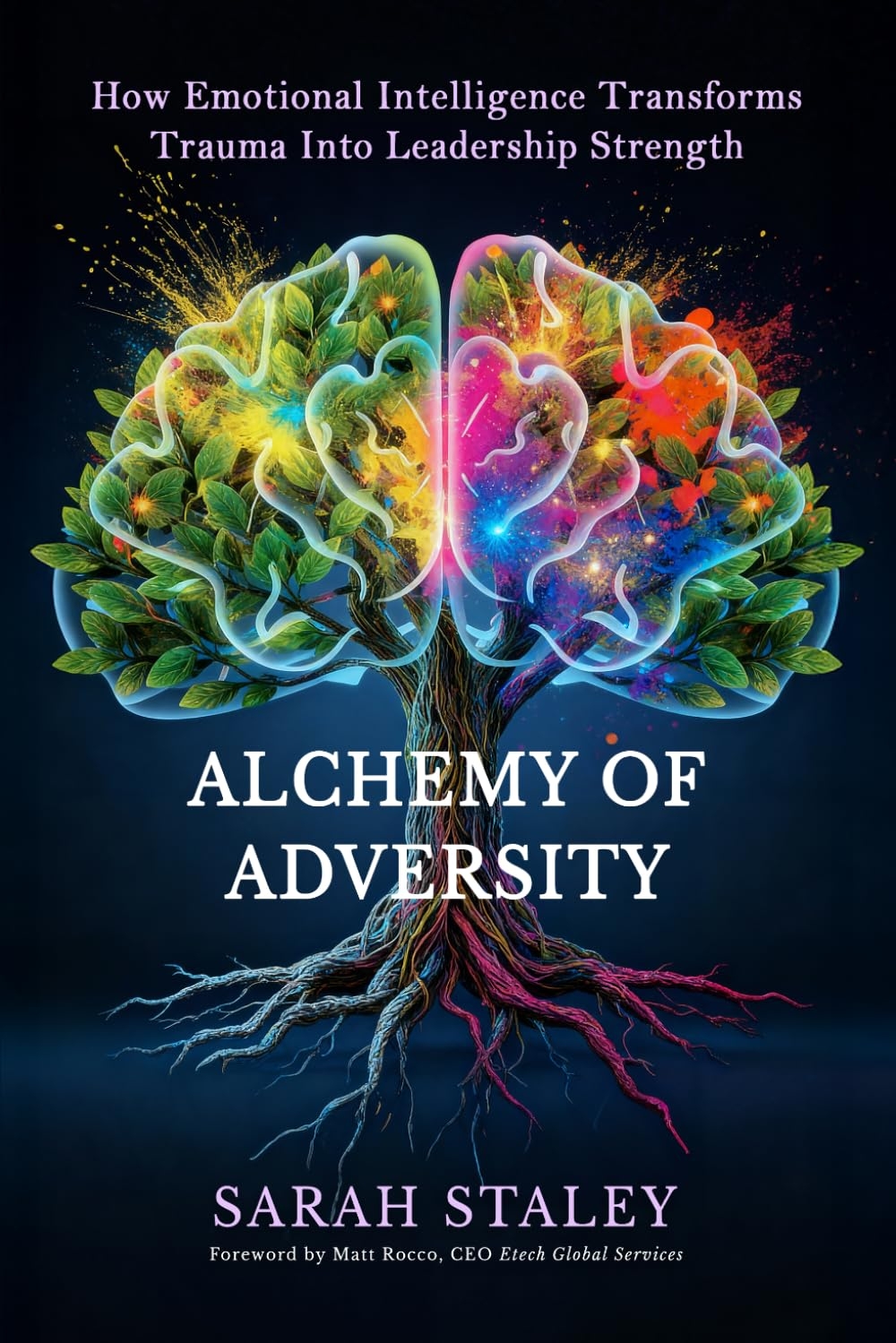
The Neuroscience of Leadership: How Emotional Intelligence Transforms Adversity

‘Alchemy of Adversity’ is the new leadership book by Sarah Staley. Photo: Amazon

Book Spotlight: Alchemy of Adversity: How Emotional Intelligence Transforms Trauma into Leadership Strength

By Sarah Staley

At some point, every leader will face adversity. It may arrive as personal loss, professional disruption, organizational crisis, burnout, or collective uncertainty. However it appears, adversity reshapes identity, alters decision-making, and tests the stability of those responsible for guiding others. (Amazon, 2026)

The question is not whether hardship will intersect with your leadership—it is whether you will be prepared for what it exposes.

Synopsis

In Alchemy of Adversity, Sarah Staley explores how trauma and high stress affect the brain, fragment internal stability, and quietly influence how leaders show up under pressure. Drawing from neuroscience, emotional intelligence research, and lived leadership experience, she reveals why resilience is often misunderstood.

True strength is not about pushing through. It is about integration, the disciplined process of turning toward disruption, regulating under stress, and rebuilding from clarity rather than reactivity.

This book offers practical frameworks to help leaders:

  • Recognize hidden fragmentation before it impacts performance
  • Strengthen emotional regulation under extreme pressure
  • Rebuild trust across teams following a crisis
  • Guide organizations through adversity without burning out in the process

In a world marked by volatility, burnout, and collective strain, leadership can no longer rely on endurance alone. It requires self-awareness, steadiness, and the capacity to transform hardship into strategic strength.

If you lead people, this is not optional work. It is foundational.

Adversity is inevitable. Whether it weakens your leadership or refines it is not.


About the Author

Sarah Staley is a human resources and organizational development leader, executive coach, and leadership development practitioner whose work sits at the intersection of individual behavior and organizational systems. Her perspective on leadership is shaped by years of working closely with leaders at all levels, supporting personal growth while navigating the realities of performance, culture, and change inside complex organizations.

Sarah’s experience spans both the human and structural sides of leadership. She has partnered with leaders and teams through organizational change, cultural shifts, leadership development initiatives, and moments of uncertainty where trust, clarity, and emotional steadiness matter most. Her work reflects a deep understanding of how leadership decisions ripple through people, teams, and systems over time.

Through her work in HR, organizational development, and executive coaching, Sarah continues to support leaders who want to lead the whole person while building cultures where accountability, performance, and wellbeing coexist.