‘Bootstrapped Startup Funding Playbook’: How to Build a Tech Company Without VC

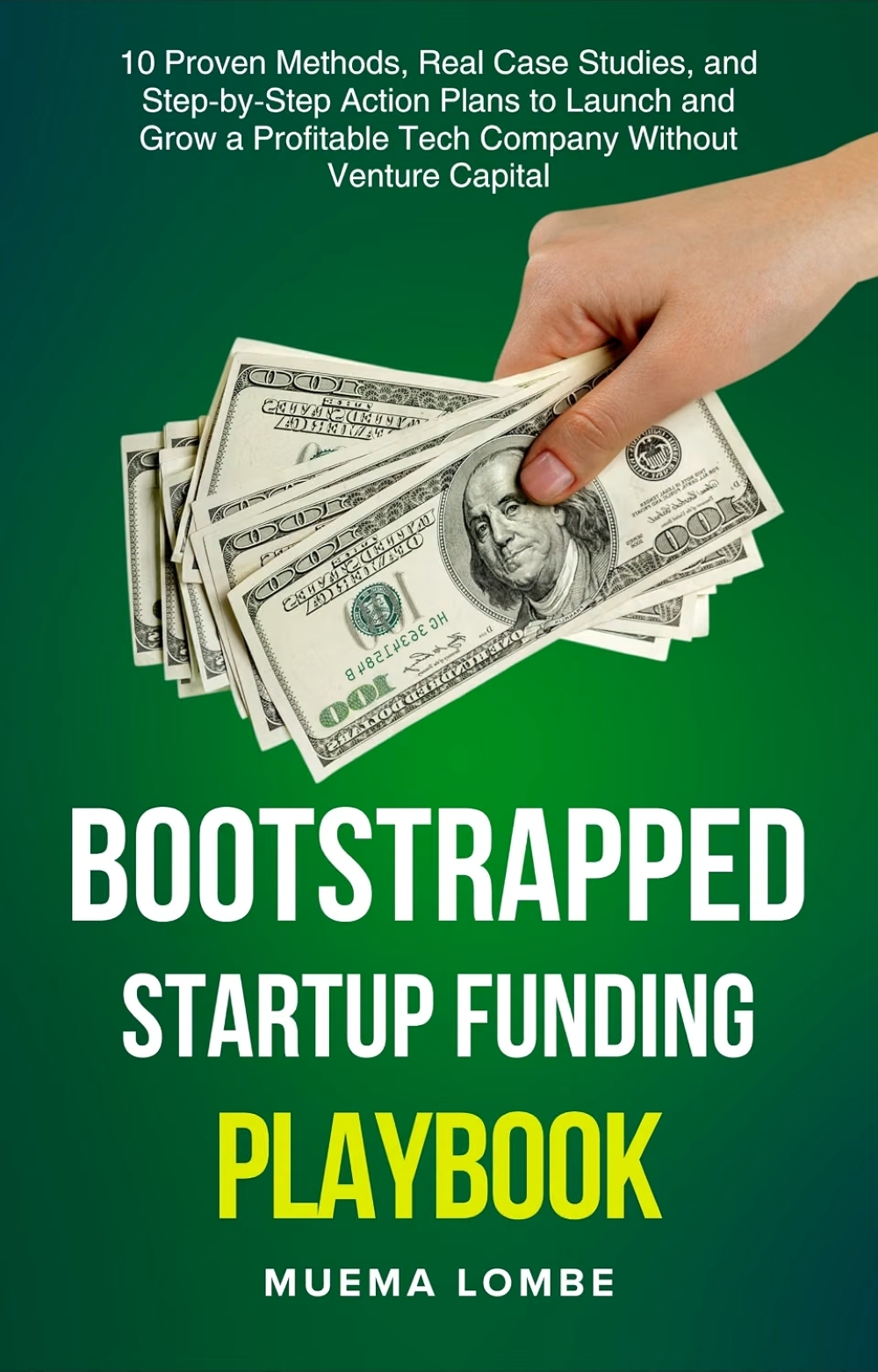
‘Bootstrapped Startup Funding Playbook’ is the new book by Muema Lombe. Photo: Amazon

Book Spotlight: Bootstrapped Startup Funding Playbook 10+ Proven Methods, Real Case Studies, and Step-by-Step Action Plans to Launch and Grow a Profitable Tech Company Without Venture Capital By Muema Lombe

What if you could build a serious tech company, generating millions in revenue and life-changing outcomes, without begging investors, burning out, or gambling your future on a single funding round?

Bootstrapped Startup Funding Playbook is a practical, founder-friendly guide to building and scaling a tech startup without relying on venture capital. Instead of theory, it gives you real methods, real examples, and a step-by-step roadmap drawn from how iconic companies actually did it. (Amazon, 2026)

10 Concrete Bootstrapping Methods Inside

Each chapter is built around real companies and decisions, not vague platitudes, so you see exactly how founders used these methods in the wild, what worked, what nearly killed them, and what you can copy (or avoid):

  • Customer-Funded Growth: Reinvesting revenue to scale organically.
  • Consulting-Funded Product: Using service work to bankroll product development.
  • Freemium & Product-Led Growth: Driving acquisition directly through the product.
  • Friends & Family Capital (Done Right): Raising early funds without destroying relationships.
  • Customer Prepayments & Annual Contracts: Securing upfront cash flow before building.
  • Personal Credit & Small Loans: Managing calculated debt responsibly.
  • Side Jobs & Part-Time Entrepreneurship: Derisking the launch phase while keeping a paycheck.
  • Startup Grants: Accessing non-dilutive capital like NSF/SBIR.
  • Lean Operations & Extreme Cost Discipline: Maximizing runway with minimal burn.
  • Crowdfunding & Pre-Order Campaigns: Validating demand before production.

No hype. No “just work harder” nonsense. Just honest trade-offs, battle-tested strategies, and an operating manual you can implement while holding down a job, supporting a family, or running an existing business.

What You’ll Learn

  • 10 Major Bootstrapping Strategies: Clear frameworks on when each approach actually makes sense.
  • Layered Funding Models: How to combine methods, like side jobs, consulting, customer prepayments, and lean ops, into a coherent, low-risk plan.
  • Origin Case Studies: How iconic companies quietly bootstrapped their earliest, riskiest phases before raising rounds or exiting for billions.
  • Risk Mitigation: Practical ways to manage personal risk, protect relationships, and avoid common financial traps.
  • The 30/60/90-Day Execution Plan: A step-by-step roadmap to get from zero to paying users and your first taste of customer-funded growth.

Who Should Read This Book?

  • SaaS & Dev-Tools Founders: Build software on your own terms without VC dependency.
  • Solo Founders & Indie Hackers: Follow a structured, serious path to profitability.
  • Agency Owners & Consultants: Productize your service and spin out scalable software.
  • Deep-Tech & Hardware Founders: Secure non-dilutive, customer-driven funding routes.
  • Undecided Entrepreneurs: Get a clear, nuanced answer when weighing “bootstrap vs. raise.”

About the Author

Muema Lombe is a tech founder and bootstrapping expert who has helped multiple startups launch and scale without traditional venture capital. Through real-world experience and in-depth research, Muema created this practical playbook so other founders can build serious companies on their own terms.
‘A Journey of Insights’ Review: Key Leadership Lessons from Former USC Dean James G. Ellis

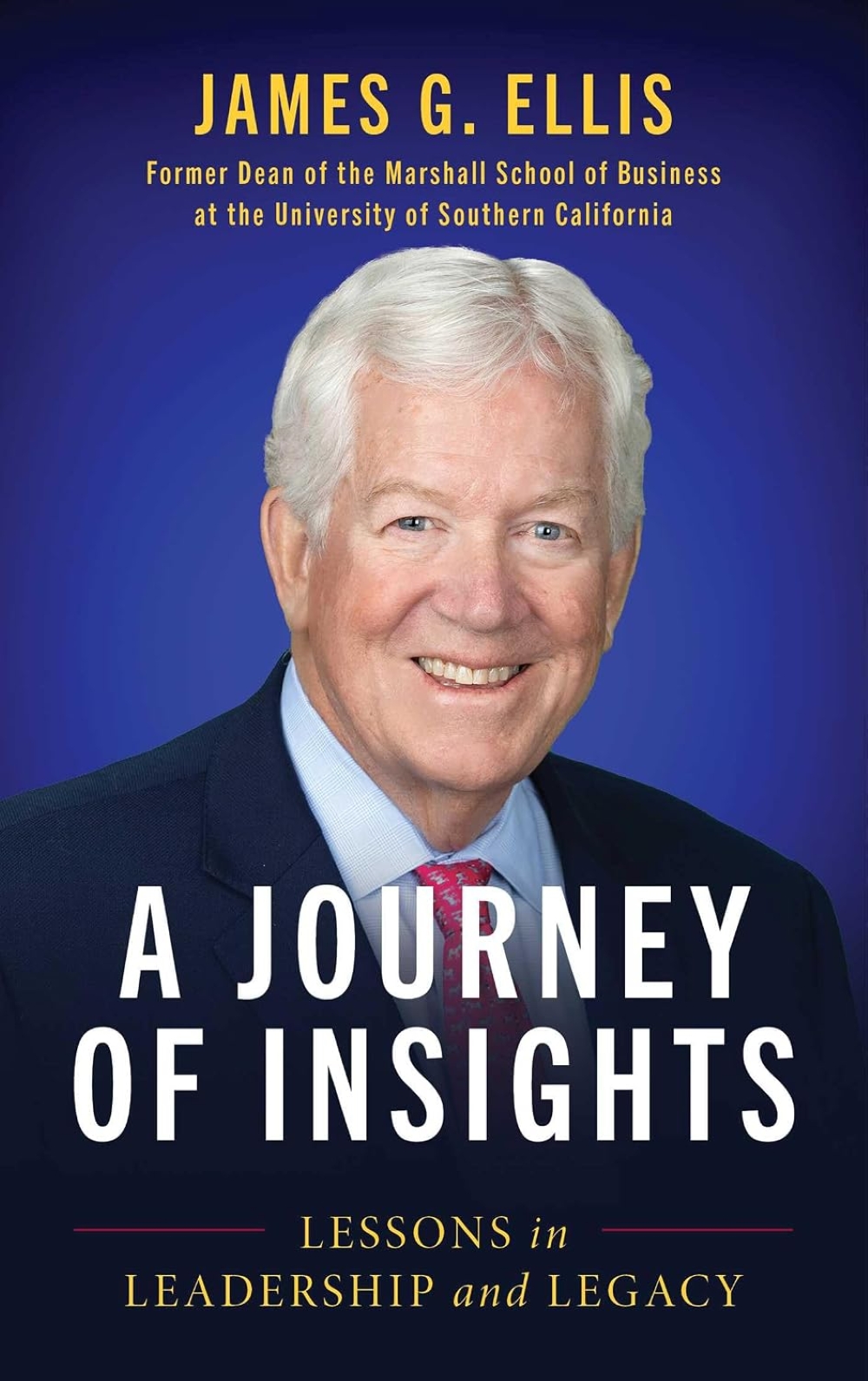
‘A Journey of Insights’ is the new book by James G. Ellis. Photo: Simon & Schuster

Book Review: A Journey of Insights: Lessons in Leadership and Legacy

By James G. Ellis

Synopsis

A Journey of Insights draws upon the lessons James G. Ellis learned while a teacher and dean of USC’s Marshall School of Business, as well as those he absorbed during his preceding years at Harvard Business School and in executive leadership. In plotting a roadmap for a successful business life, his stories show illustratively how business schools and their students can prosper. At the core of his message is a central theme: listening to the voices around you throughout life is the key to success. In essence, ears can speak louder than voices. (Simon & Schuster, 2026)

Contents

  • Chapter 1: A Dean’s Story: The Cold Car Hood
  • Chapter 2: Finding Your Wave
  • Chapter 3: The Bill Gates Conundrum: Is Business Education Worth It?
  • Chapter 4: Relationships and Mentors: The Power of Connection
  • Chapter 5: Plotting Your Own Map: Know Thyself
  • Chapter 6: Preparation and Perseverance
  • Chapter 7: Don’t Sell Sales Short
  • Chapter 8: Risk Management and Disappointment
  • Chapter 9: The Fifth Decade: Giving Back

Review

What if one of the most important skills for success isn’t knowing what to say, but knowing when to listen? That simple idea is at the heart of this collection of lessons drawn from a lifetime in business, education, and leadership. Ellis doesn’t offer a rigid formula for success; instead, he shares stories and observations that encourage readers to think differently about their careers and lives.

He weaves in personal stories from people he met along the way and the takeaways from those encounters. For example, Matthew Guglielmo, who started out as a furniture buyer with a Philadelphia department store chain, taught him how to prepare for negotiations by knowing what you want and how to ask for it. Simply put, if you don’t ask for something, you won’t get it.

Of all the notable people he met throughout his life, the one who stands out most is Senator John F. Kennedy, whom Ellis accidentally bumped into at the San Francisco airport in 1959 when he was just 12 years old. That day, he learned the importance of taking responsibility for your actions and the power of a sincere apology. It became a guiding principle for his life: we can learn life lessons, big and small, from everyone around us.

Key topics explored in the book:

  • Leadership & Mentorship
  • Relationships & Connection
  • Preparation & Perseverance
  • Risk-taking & Overcoming Disappointment
  • The Art of Sales
  • The Importance of Giving Back

Each chapter concludes with reflection questions, allowing readers to apply these concepts directly to their own personal and professional journeys.

Ellis repeatedly returns to the value of learning from those around us. Sometimes the best advice isn’t delivered in a formal lecture or board meeting, it comes from simply paying attention. The book serves as a great reminder that success is rarely achieved alone: listening, staying curious, recognizing opportunities, and learning from both successes and failures shape a much richer journey.

Key Chapter Highlights

  • Chapter 5: Focuses on the integrity of your word. Ellis learned that protecting your reputation matters throughout your entire life. He also stresses putting yourself in the shoes of those who work around you, recommending that early-career professionals learn a business from the ground up to truly understand every role.
  • Chapter 8: Highlights the necessity of risk-taking and personal accountability. Ellis urges readers to own their actions while giving full credit to others for their accomplishments.

“Sometimes you must take risks to take care of those around you. In doing so, stay humble, as you are one of many.”

Ellis also challenges readers to consider whether traditional business education truly prepares people for the realities of leadership and life. Avoiding generic corporate jargon, he uses a smooth blend of practical business wisdom and personal reflection to deliver his message.

Overall, A Journey of Insights is a thoughtful, engaging reflection on what it takes to build a successful career and a meaningful life. Recommended for students, entrepreneurs, business professionals, and anyone seeking practical wisdom. It’s never too late to learn something new—and if you’re willing to listen, this book has plenty to say.

“Preparation is what gets you ready to do a great job. Perseverance is what you need to see a job through to completion… Each time you leave an achievable goal unachieved, it becomes easier to give up the next time you’re faced with a challenge.”

Rating: 4 out of 5.

Get your copy of A Journey of Insights today!


About the Author

James G. Ellis served as dean of the Marshall School of Business at the University of Southern California from April 2007 until June 2019, overseeing the education and well-being of over 5,700 graduate and undergraduate students. He held a full-time tenured appointment as Professor of Marketing starting in 1997, retiring in July 2021.

Holding an MBA from Harvard Business School and a BBA from the University of New Mexico, Ellis held leadership roles across the corporate world, including President/CEO of Porsche Design and CEO of Port O’Call Pasadena, along with ownership in six other companies. He began his career with Broadway Department Stores in Los Angeles.


** Thank you to Fauzia Burke and FSB Associates for the gifted ARC for review consideration. I haven’t been compensated for this review and all views and opinions expressed are my own.

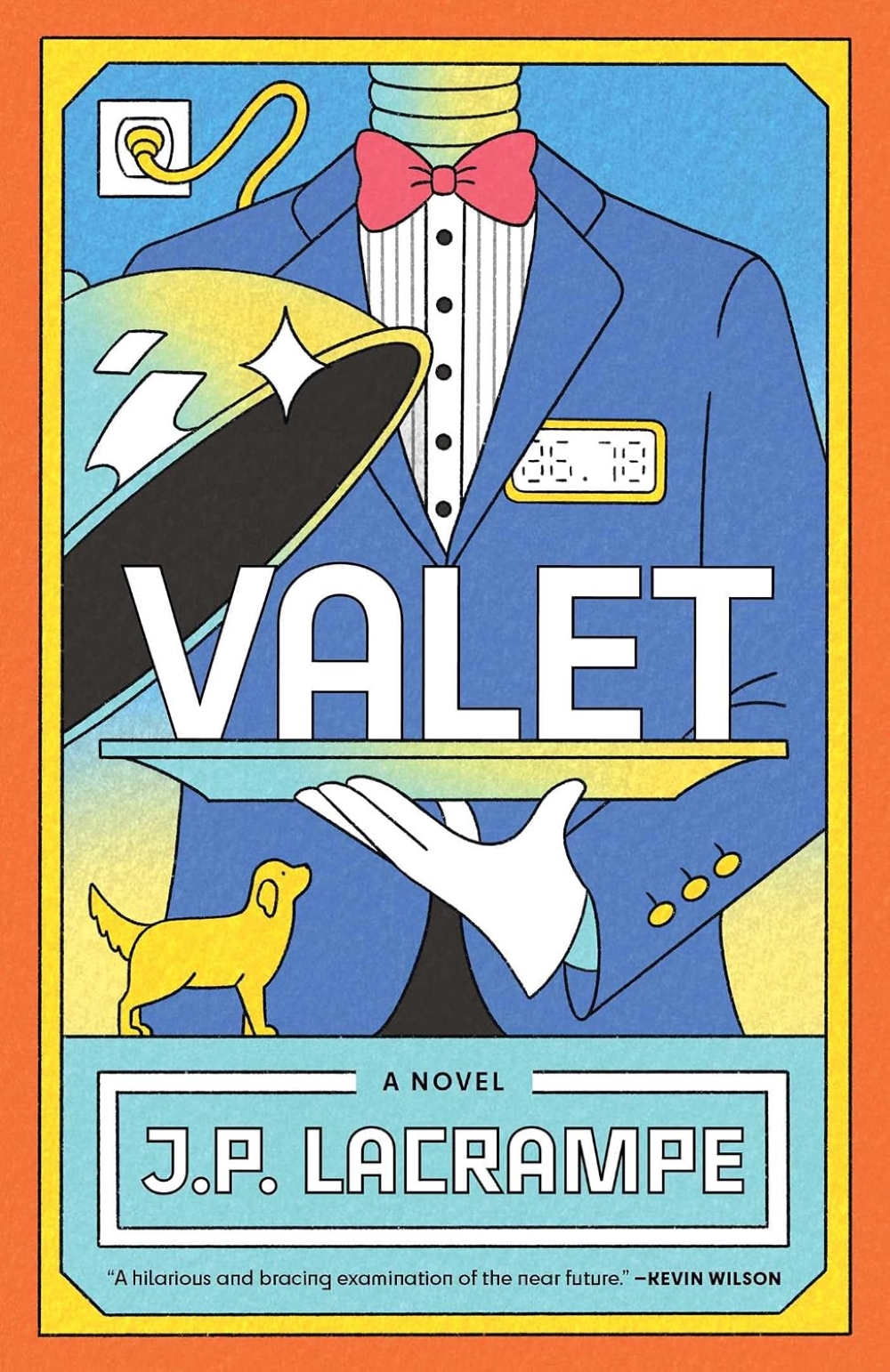
‘Valet’ by J.P. Lacrampe: The Whimsical Robot Novel You Didn’t Know You Needed

‘Valet’ is the new novel by J.P. Lacrampe. Photo: Simon & Schuster

Book Spotlight: Valet: A Novel

By J.P. Lacrampe

Synopsis

Cy wants nothing more than to be useful, raise his utility score, and receive the next update for his operating system. But that’s easier said than done when he’s tasked with helping his owner’s thirty-five-year-old son “get out of his funk.” (Simon & Schuster, 2026)

Grayson is nothing like his go-getter, CEO sister Charlotte. He didn’t inherit the family robotics company when their dad passed last year, he doesn’t have a master’s degree, and he just can’t seem to figure out the San Francisco dating scene. He’d rather eat synthesized mozzarella sticks and make pottery at his studio, Kilning Time.

When Grayson learns of Charlotte’s plan to sell the company to a tech conglomerate, he panics. It’s not just the family business at stake, it’s all the technology—like Cy—their dad invented over the years. So he does what anyone would do: he steals the flash drive with his father’s most important work stored on it and plans a corporate takeover. If only he knew what that meant.

To make matters worse:

  • A fellow VALET deserts his owner and asks Cy to help him hightail it out of town.
  • Grayson’s first real date—and her dog—keep showing up at inopportune times.
  • The behemoth tech company wants this deal closed yesterday.

Grayson, Cy, and their trusty golden retriever, Sasha III, must go on the lam until they figure out exactly what to do, and whom to trust.

A hilarious, madcap adventure that is as tender as it is insightful, Valet asks not just what it means to be human, but what it means to be family.

Read This If You Love:

  • Vibe: A whimsically speculative ode to Wodehouse’s Jeeves and Wooster.
  • For Fans Of: Kevin Wilson (Nothing to See Here) and Andrew Sean Greer (Less).
  • Core Tropes: A helper robot, his thirty-five-year-old ward, and a madcap adventure to save the fate of a family empire.

“Valet is a hilarious and bracing examination of the near future, where Cy, a techbot servant, must navigate the complexities of humans to maintain his utility score. What makes this such a winning and openhearted novel is that J.P. Lacrampe goes beyond the initial premise by looking at the universal anxiety of family, of being tied to people with whom you will rise and fall, either toward a new update or into obsolescence.” — Kevin Wilson, New York Times bestselling author of Nothing to See Here and Run for the Hills

About the Author

J.P. Lacrampe received his MFA in creative writing from Saint Mary’s College. His short fiction has been published by Glimmer Train, McSweeney’s, Instant City, and in Howl: A Collection of the Best Contemporary Dog Wit. He is a teaching professor at Santa Clara University, where he teaches courses in composition, fiction, and screenwriting.

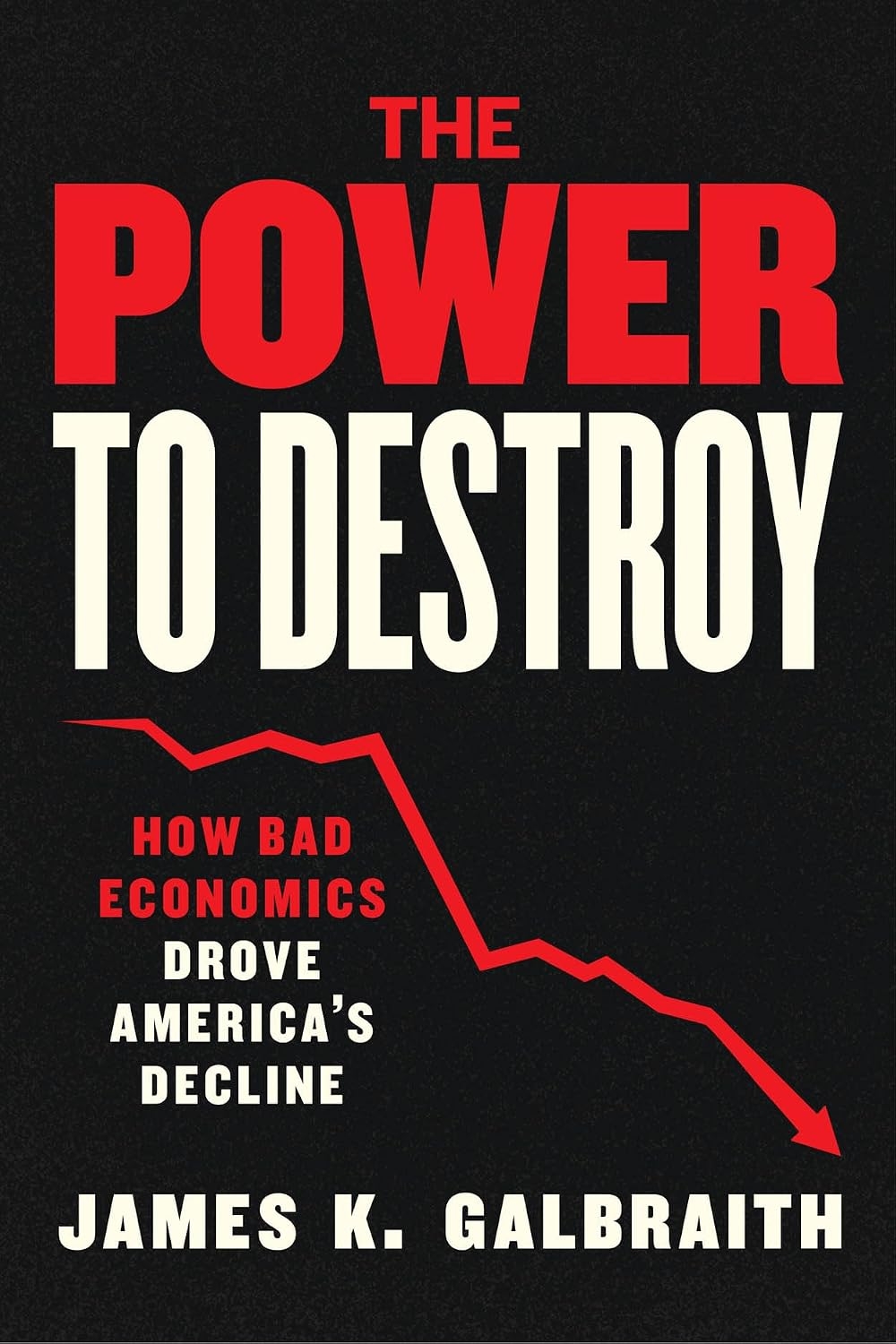
Why Modern Economic Policy Failed: James K. Galbraith’s ‘The Power to Destroy’

‘In The Power to Destroy,’ James K. Galbraith explains how yesterday’s economic tools don’t work today. Photo: University of Chicago Press

📚 Book Spotlight: The Power to Destroy: How Bad Economics Drove America’s Decline

Author: James K. Galbraith

Release Date: September 23, 2026 (Available for pre-order)

The Dissonance of Modern Economics

Acclaimed economist James K. Galbraith sounds an urgent alarm on how conventional economic ideas and policies have failed to adapt to the most daunting challenges of our geopolitical moment. (University of Chicago Press, 2026)

Amid a mounting sense of American decline, everyday citizens live with a strange contradiction: traditional economists keep announcing that everything is fundamentally fine. They point to steady growth, low unemployment, relatively stable prices, and high stock markets, asking: what’s there to worry about?

Synopsis

The Power to Destroy shows that this dissonance reflects a failure of the discipline to evolve. Galbraith’s incisive history of 21st-century economic policy centers on a fundamental flaw: today’s experts are still deploying tools from yesterday’s wars.

Relying on obsolete ideas, outdated measures, and crude indicators like standard output and price indexes—many honed a century ago for a vastly different social landscape—offers little hope in the face of today’s existential threats.

Galbraith argues that these conventional policies are accelerating the decline of the US economy. Key policy shortcomings include:

  • Mismanaged Inflation: Weak responses to the post-pandemic inflation of 2021–2022.
  • Geopolitical Miscalculations: Flawed strategies regarding the sanctions war against Russia and the economic rise of China.
  • Stagnant Revival: Half-hearted and ineffective attempts at domestic industrial policy.
  • Unaddressed Crises: Inadequate preparation for climate change and the impending demographic crisis.

All of these failures root back to a flawed body of economic thought sustained for ideological rather than practical reasons. As Galbraith makes plain, while market systems have their virtues, government policies are what make functioning markets possible in the first place. Sticking with outdated theories brings the power to destroy, making new, realistic ideas an urgent necessity for survival in an emerging multipolar world.


About the Author

James K. Galbraith holds the Lloyd M. Bentsen, Jr. Chair in Government/Business Relations at the LBJ School of Public Affairs, The University of Texas at Austin.

His previous books include:

  • Entropy Economics: The Living Basis of Value and Production (with Jing Chen)
  • Inequality: What Everyone Needs to Know
  • Welcome to the Poisoned Chalice: The Destruction of Greece and the Future of Europe

1790173434

  days

  hours  minutes  seconds

until

‘The Power to Destroy’ release date

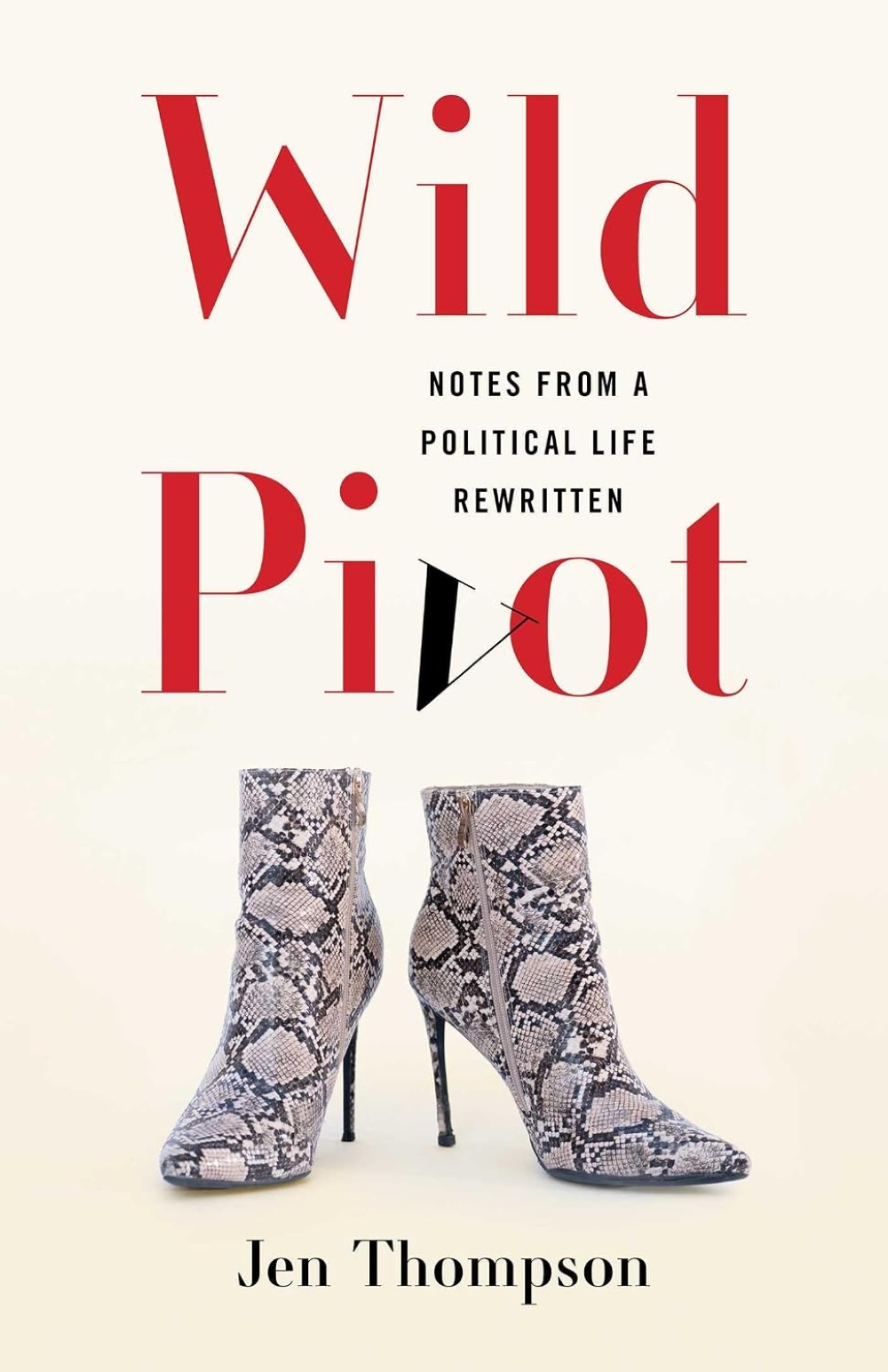
Leaving Washington: Why Jen Thompson Walked Away from Political Power in ‘Wild Pivot’

‘Wild Pivot’ by Jen Thompson is an impactful memoir about choosing truth over approval. Photo: Barnes & Noble.

Book Review: Wild Pivot: Notes from a Political Life Rewritten by Jen Thompson

Release Date: September 22, 2026 | Status: Available for Pre-Order

As a successful and prominent young Republican strategist, Jen Thompson possessed the power and prestige she had always strived for, yet it was built on an underlying current of personal disconnect. Her inner voice warned that she was living someone else’s definition of a meaningful life. It took a near-fatal car accident on a high-profile Senate campaign trail to shatter her trajectory, forcing her to question the identity she had built and the loyalty that kept her tied to it.

Told through short, engaging vignettes, this memoir traces Thompson’s journey from political ambition to profound personal transformation.


The Plot: From Capitol Hill to Down Under

The narrative opens on February 14, 2023. Jen is attending an outdoor screening of Breakfast at Tiffany’s at the Royal Botanical Gardens in Sydney, Australia, reflecting on a tumultuous year. She has been sued and slandered on the front pages of newspapers, cheated on, lied to, and nearly killed in a car crash.

After running a successful political campaign to elect Congressman Jim Talent to the U.S. Senate representing Missouri, she put as much distance as possible between herself and Washington by escaping to Australia. There, she finally felt free. Turning down numerous high-level job offers, her Republican peers thought she was crazy. What she couldn’t tell them was that her core political views had fundamentally shifted. The people she once worked alongside were now dominating the headlines, and new acquaintances in Australia were stunned to learn about her past.

From there, Thompson shares her life story:

  • Childhood Foundations: Growing up in a Christian Scientist family and facing her father’s demand at age 11 to lay out a twenty-year career plan.
  • The DC Pressure Cooker: Recounting the brutal stress of her years as a political strategist and how those struggles opened her eyes to a world she had never envisioned.
  • A New Path: Committing to living a life of truth and personal freedom, regardless of the cost.

Table of Contents

Part I: Wired

  • Chapter 1: Time Bomb: Five. Four. Three. Two. One. Boom
  • Chapter 2: Becoming Wired
  • Chapter 3: The Monster Unleashed
  • Chapter 4: Truths
  • Chapter 5: Gravity
  • Chapter 6: Becoming Unwired
  • Chapter 7: After the Caribbean
  • Chapter 8: Chasing the Boar Part I
  • Chapter 9: Chasing the Boar Part II
  • Chapter 10: Healing
  • Chapter 11: Last Two Months of the Campaign
  • Chapter 12: The Election

Part II: Rewired

  • Chapter 13: Alternative Endings
  • Chapter 14: White Privilege
  • Chapter 15: Consequences
  • Chapter 16: Love

Book Review

Jen Thompson delivers a candid look at the high-stakes world of American politics and the terrifying cost of living an inauthentic life. In walking away from her career, Thompson illustrates that genuine evolution—aside from being uncomfortable—can often be isolating. Yet, her journey toward healing proves that dismantling an old life is a necessary step toward true freedom. Especially memorable is her willingness to examine her past without protecting her ego.

Chapter Highlights

  • Chapter 2: Thompson recounts the happiest day of her life: her first day working for Congressman Jim Talent on Capitol Hill. She describes growing increasingly driven, working over 80 hours a week through holidays. Yet, when left alone, she became consumed by a fear of failure:

“My fears grew into a raging monster that roared with an unstoppable push to succeed.”

  • Chapter 6: The turning point arrives with a horrific car accident on her way to Springfield. Though the vehicle was left unrecognizable, she survived—and in the quiet shock of the aftermath, clarity struck:

“That very moment is suspended in time as the one when my life began to change.”

Core Themes & Final Verdict

The vignettes move with unflinching honesty and sharp wit through a non-linear format. Central to the narrative is an exploration of blind loyalty and the seductive, destructive desire to belong. Her story also examines the themes of identity, transform tion, and liberation and the uncomfortable process of confronting the beliefs that once defined us. Thompson examines how institutional validation can quiet our intuition, compelling us to trade internal truth for external applause.

Overall, Wild Pivot is a compelling memoir about what happens when success no longer feels like success. It’s a story about choosing truth over approval and discovering that sometimes the most courageous pivot is the one that leads back to yourself. It stands as a powerful testament to the courage required to rewrite your story—no matter the price. Readers who enjoy insightful, deeply human memoirs will find this one hard to put down.

“In the stillness, it occurs to me that meaning can only come by way of wholeness, and wholeness, it must be said, does not come easily.”

Rating: 4 out of 5.

About the Author

Jen Thompson is a former high-powered Republican strategist and congressional lawyer who famously walked away from Washington at the peak of her career. She managed the nationally watched 2002 campaign that tipped the divided U.S. Senate back to Republican control, overcoming a massive deficit by orchestrating high-profile events with the President of the United States. Alongside her political work, she served as a lawyer-lobbyist at top international law firms and spent eight years as a chief political commentator for NBC and ABC news affiliates in Richmond, Virginia.


** Thank you to Fauzia Burke and FSB Associates for the gifted ARC for review consideration. I haven’t been compensated for this review and all views and opinions expressed are my own.

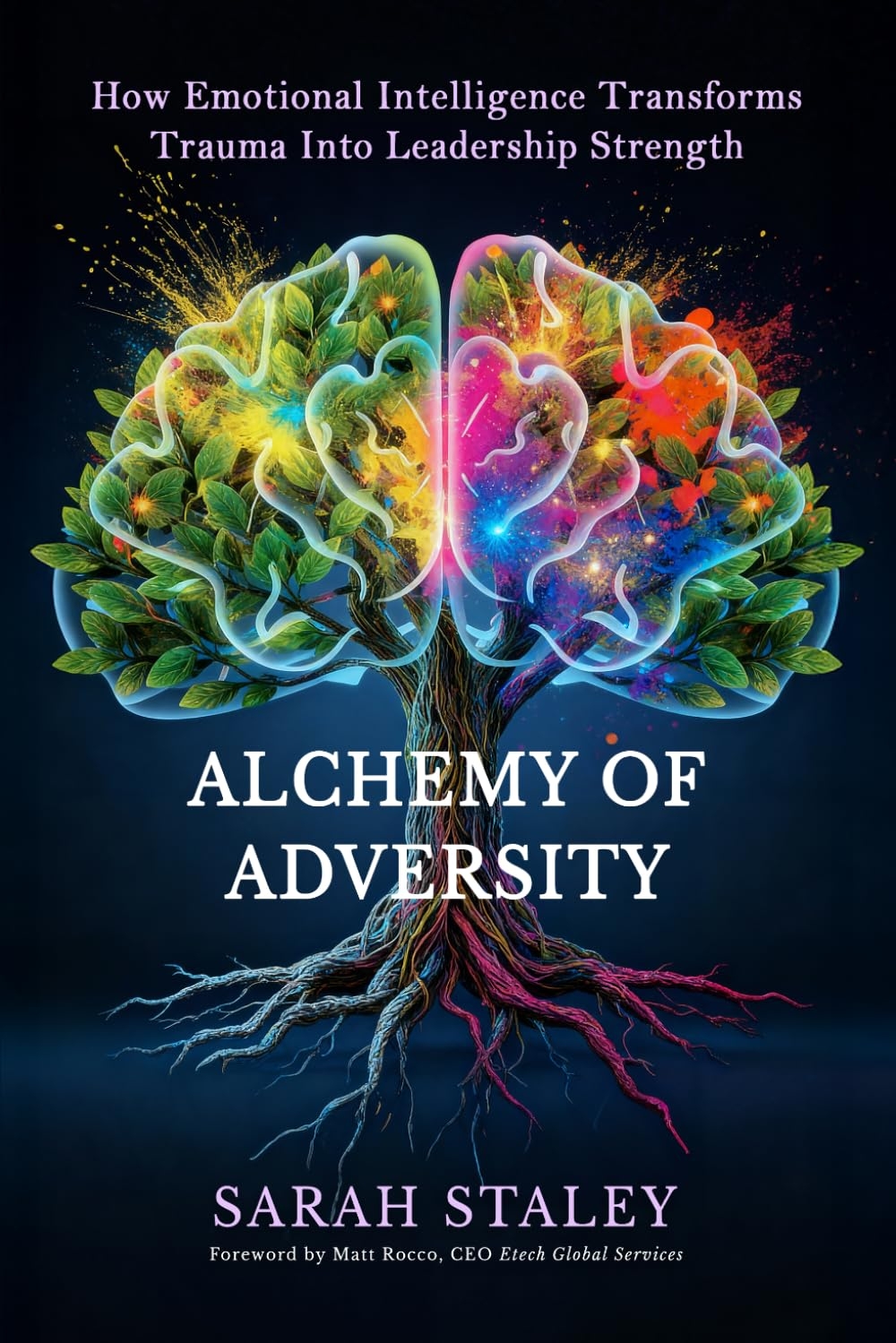
The Neuroscience of Leadership: How Emotional Intelligence Transforms Adversity

‘Alchemy of Adversity’ is the new leadership book by Sarah Staley. Photo: Amazon

Book Spotlight: Alchemy of Adversity: How Emotional Intelligence Transforms Trauma into Leadership Strength

By Sarah Staley

At some point, every leader will face adversity. It may arrive as personal loss, professional disruption, organizational crisis, burnout, or collective uncertainty. However it appears, adversity reshapes identity, alters decision-making, and tests the stability of those responsible for guiding others. (Amazon, 2026)

The question is not whether hardship will intersect with your leadership—it is whether you will be prepared for what it exposes.

Synopsis

In Alchemy of Adversity, Sarah Staley explores how trauma and high stress affect the brain, fragment internal stability, and quietly influence how leaders show up under pressure. Drawing from neuroscience, emotional intelligence research, and lived leadership experience, she reveals why resilience is often misunderstood.

True strength is not about pushing through. It is about integration, the disciplined process of turning toward disruption, regulating under stress, and rebuilding from clarity rather than reactivity.

This book offers practical frameworks to help leaders:

  • Recognize hidden fragmentation before it impacts performance
  • Strengthen emotional regulation under extreme pressure
  • Rebuild trust across teams following a crisis
  • Guide organizations through adversity without burning out in the process

In a world marked by volatility, burnout, and collective strain, leadership can no longer rely on endurance alone. It requires self-awareness, steadiness, and the capacity to transform hardship into strategic strength.

If you lead people, this is not optional work. It is foundational.

Adversity is inevitable. Whether it weakens your leadership or refines it is not.


About the Author

Sarah Staley is a human resources and organizational development leader, executive coach, and leadership development practitioner whose work sits at the intersection of individual behavior and organizational systems. Her perspective on leadership is shaped by years of working closely with leaders at all levels, supporting personal growth while navigating the realities of performance, culture, and change inside complex organizations.

Sarah’s experience spans both the human and structural sides of leadership. She has partnered with leaders and teams through organizational change, cultural shifts, leadership development initiatives, and moments of uncertainty where trust, clarity, and emotional steadiness matter most. Her work reflects a deep understanding of how leadership decisions ripple through people, teams, and systems over time.

Through her work in HR, organizational development, and executive coaching, Sarah continues to support leaders who want to lead the whole person while building cultures where accountability, performance, and wellbeing coexist.


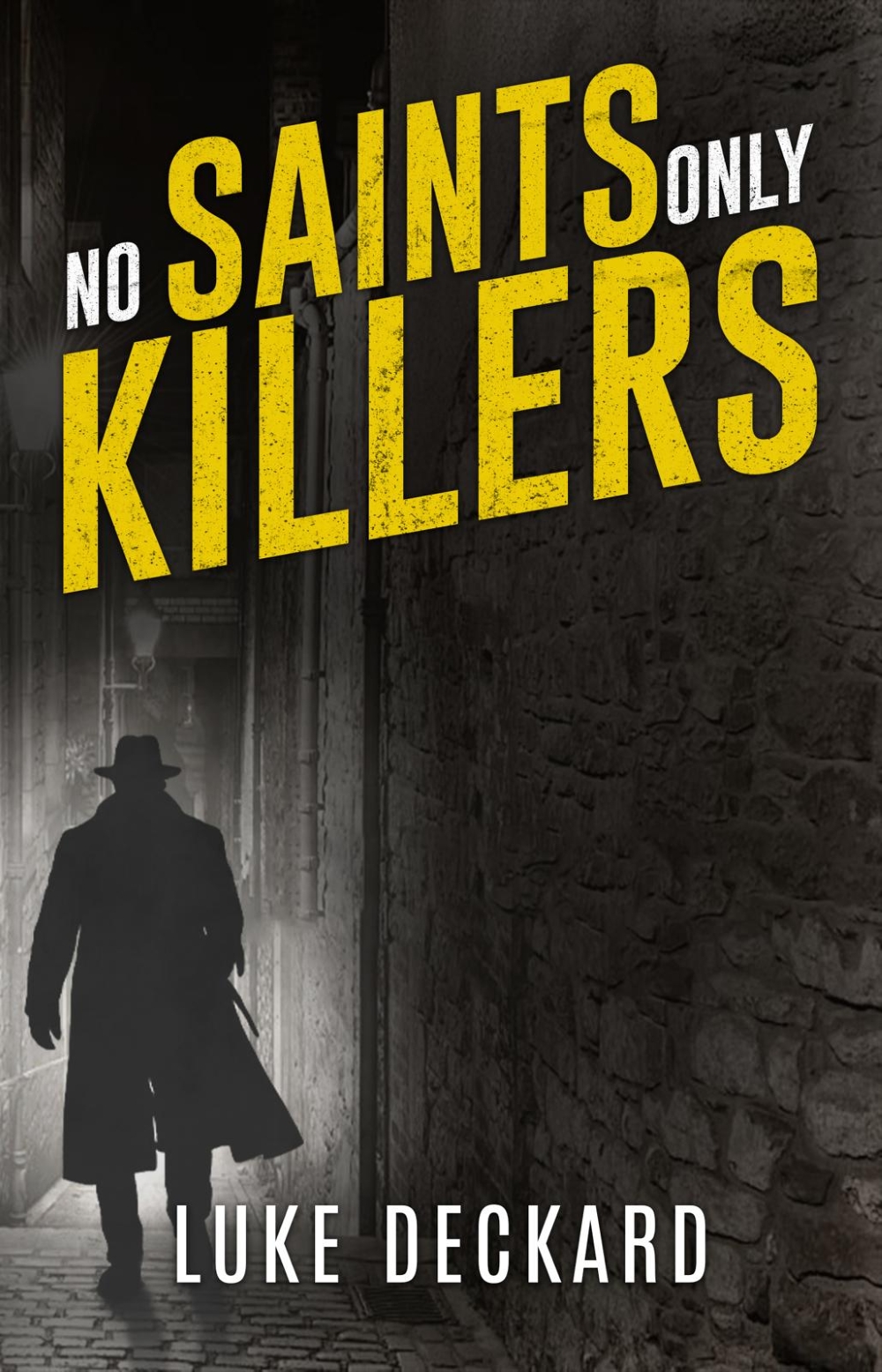
Post-WWI Trauma Meets Classic Detective Noir: ‘No Saints Only Killers’ Review

‘No Saints Only Killers’ by Luke Deckard is 1920s post-war nor at its finest. Photo: Paste Creative Book Tours, used with permission.

Book Review: No Saints Only Killers by Luke Deckard

Part of Paste Creative Book Tours

The Story

Logan Bishop is an American war-damaged private investigator living in London in 1922. On a cold Monday morning, he returns to his modest home to find a postcard in the mail from his estranged father, Reverend Daniel Bishop of Chicago. He’s in town and needs to meet up with Logan to talk about important matters.

Logan hasn’t heard from him in over a decade, and for good reason. Daniel was abusive to Logan throughout his childhood and Logan equates contacting him with being back at war. Reluctantly, he calls the hotel room. Daniel sounds desperate and paranoid, pleading for Logan’s help with an urgent matter. But before he can explain, the line goes dead after what sounds like a violent confrontation.

Before slipping into a coma, Daniel leaves Logan with a desperate plea: find Greta Matas, a woman tied to his past, before she’s killed.

Logan heads to Edinburgh in search of answers, but from the moment he arrives, nothing adds up:

  • Greta is missing.
  • Her son is wanted for murder and on the run.
  • Logan is being watched—by the police, by gangsters, and by men who will do anything to keep the truth buried.

As Logan encounters police officers, gangsters, and dangerous secrets, his investigation becomes both a hunt for the truth and a search for personal redemption… provided he doesn’t end up dead first.

Photo: Paste Creative Book Tours

Get your copy of ‘No Saints Only Killers’ today!


Review

Set against the backdrop of 1922 London and Edinburgh, No Saints Only Killers delivers a sharp and atmospheric slice of post-World War I noir. The novel follows Logan Bishop as he is forced out of his isolated routines by the brutal attack on his estranged father, launching him into a deadly, fog-shrouded investigation to find a missing woman from his father’s past.

Character Analysis

Logan Bishop is a complex and deeply flawed protagonist who embodies classic hardboiled detective tropes while remaining grounded and human. As a former military sniper struggling with severe shell shock and a crippling morphine addiction, Logan’s willingness to pursue the mysterious Greta Matas reveals a stubborn sense of loyalty beneath his damaged exterior. His troubled relationship with his father gives the story personal stakes, driving Logan into dangerous territory despite his instincts to stay hidden.

Core Themes

  • Trauma and Disillusionment: The shadow of the Great War hangs over every chapter, illustrating the psychological scars left on a generation trying to numb their pain in the early years of the Jazz Age.
  • Systemic Corruption: The narrative explores the dark underbelly of 1920s Britain, exposing a world where institutions offer no salvation and power rests in the hands of ruthlessly corrupt forces.
  • Moral Ambiguity: True to its title, the novel demonstrates that in a broken society, absolute virtue is an illusion and everyone is navigating varying shades of grey.

“‘You want compassion?’ I wanted to laugh. ‘There are no saints in this world, only killers.’”

Style & Tone

In true noir fashion, the story is told entirely through Logan’s first-person perspective. It’s fast-paced, easy to read, and packed with plot twists around every corner. The prose balances gritty edge with vivid, poetic language:

“Two teardrops landed on the table and exploded. I crushed my eyes shut and inhaled as I pushed Tim and the hate I had for myself to the back of my mind.”

Final Verdict

Overall, No Saints Only Killers by Luke Deckard expertly combines historical mystery and postwar trauma, successfully transplanting gritty American noir into 1920s Britain. With its complex protagonist, high stakes, and dark atmosphere, readers who enjoy historical crime fiction and hard-boiled detectives will find this one hard to put down.

“Maybe I was a sucker for her pretty face. Maybe my motivation was shallow. I don’t know. I wanted to believe her. I also wanted to believe that maybe there was something between us, which possibly made me ignorant, or foolish.”

Rating: 5 out of 5.

About the Author

Luke Deckard is the author of No Saints Only Killers, which was shortlisted for the Amazon New Voices Awards and a finalist at Bloody Scotland’s Pitch Perfect. He is the co-host of the CINEMA SLEUTHS podcast, a reviewer for Get Your Comic On, and a creative writing mentor at the University of Westminster.

Photo: Paste Creative Book Tours

**Thank you to Stephanie Caruso, Paste Creative Book Tours, and Luke Deckard for the gifted copy for review consideration. I haven’t been compensated for this review and all views and opinions expressed are my own.

Book Spotlight: ‘Operation Medusa’ by Jake Greco

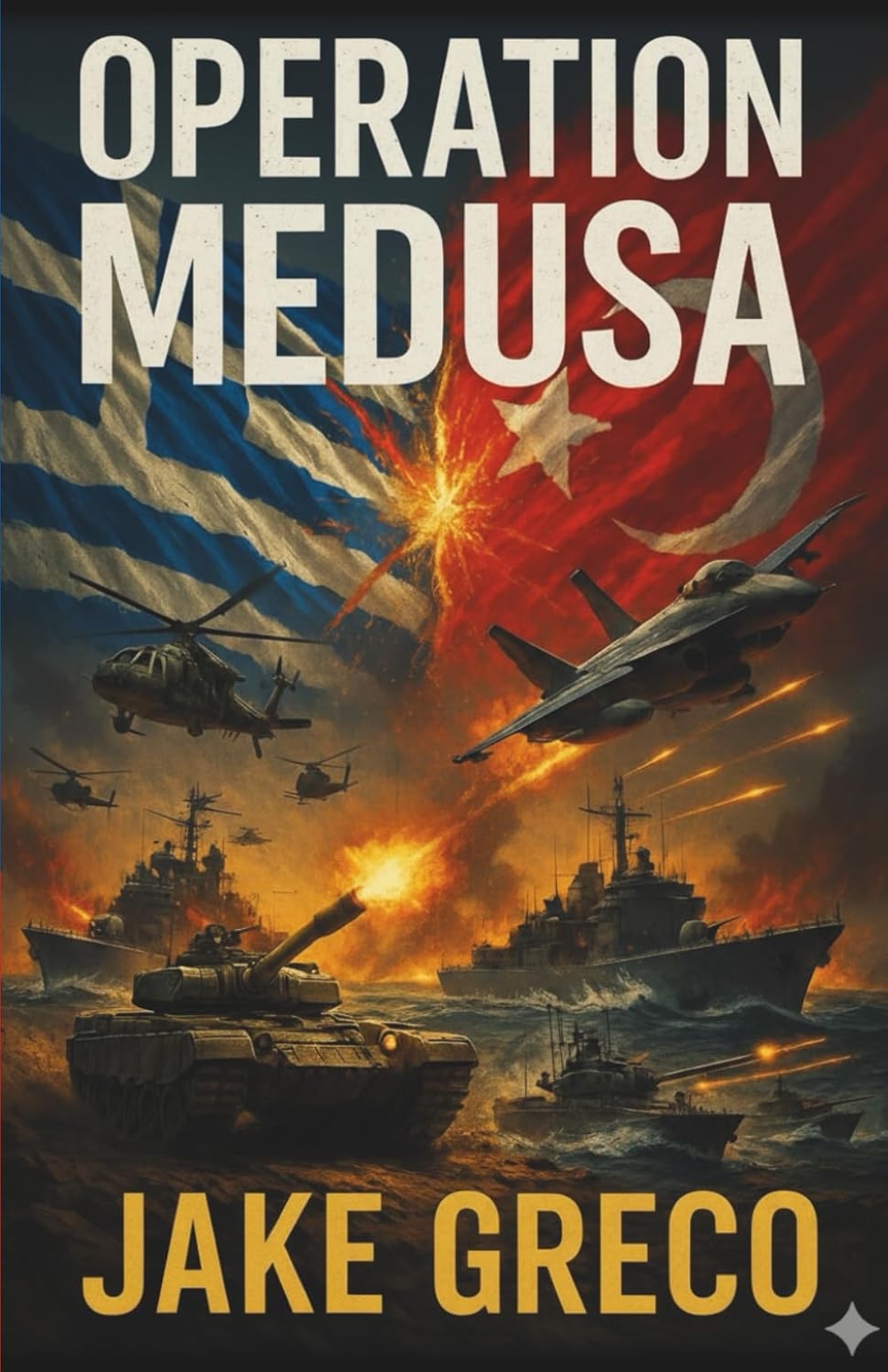
Operation Medusa – a high stakes geopolitical suspense novel by Jake Greco. Photo: Amazon

Book Spotlight: Operation Medusa (Book 1)

By Jake Greco

Synopsis

History’s wounds never fully heal — and in the wrong hands, they can start a war.

From the creator of the Specters of Athena universe comes a gripping new military thriller saga that blends real-world history, relentless action, and the razor’s edge of modern geopolitics. (Amazon, 2026)

When Greece and Turkey collide in a dangerous dance of brinkmanship, the conflict is fought not only in contested waters and borderlands, but also in intelligence rooms, diplomatic corridors, and the shadows where truth is the first casualty.

At the heart of the series is Nikolas “Strix” Andros — a battle-tested Greek operative whose past in black operations and NATO counterterrorism leaves him uniquely suited for the high-stakes games being played in the Aegean. Alongside Command Sergeant Major Yakovos Rousso, Strix faces provocations by air, land, and sea, each one threatening to ignite a wider war neither side can fully control.

Told through multiple perspectives — Greek, Turkish, and NATO — Operation Medusa combines the adrenaline of modern special operations with the deep resonance of generational history. Inspired in part by the author’s own Greek heritage and the stories of family members who lived through siege, hunger, and occupation, the series honors the resilience of a people while delivering page-turning suspense.

If you crave military thrillers with authentic action, layered political stakes, and characters forged in the crucible of history, Operation Medusa will keep you reading deep into the night.

Other Books in the Series


About the Author

Jake Greco grew up in Arizona and is a desert rat at heart. His father, a WWII veteran, taught him to shoot at a young age and fueled his lifelong passion for firearms and adventure. These early life experiences have molded him into a versatile storyteller whose works span the full spectrum of thriller and suspense genres.

A lifelong admirer of the Southwest’s rugged beauty, Jake weaves the stark landscapes and complex characters of the region into his novels. His stories often feature heroes and antiheroes grappling with morality, loyalty, and the unpredictable twists of fate. From shadowy desert hideouts to the tense corridors of power, his tales explore the human condition under extraordinary pressure, reflecting both the fragility and resilience of the human spirit.

Book Review: ‘Natural Intelligence & the Logic of Consciousness’ by Antonio Damasio

Antonio Damasio explores consciousness and interoception in his new book ‘Natural Intelligence & the Logic of Consciousness.’ Photo: Penguin Random House

Book Review: ‘Natural Intelligence & the Logic of Consciousness’

By Antonio Damasio

Synopsis

Throughout his illustrious, decades-long career, Antonio Damasio has been at the leading edge of science’s enduring quest to unravel the mysteries of the human mind. Now, drawing on a lifetime of groundbreaking research as well as the newest findings of neurobiology, Damasio seeks to move the debate about the origins of consciousness from the world of high-level cognition and abstract reasoning into the wondrous realm of interoception—the human body’s own internal monitoring system.

A probing synthesis of neurobiology, evolutionary science, and philosophy from one of the most notable leaders in his field, Natural Intelligence & the Logic of Consciousness offers readers a scientifically rigorous and profound re-examination of what it means to be alive and aware. (Penguin Random House, 2026)

It will be released on September 15 and is available for pre-order.

Book Contents

  • Beginnings
  • Part I: The Problem of Generating Consciousness and a Sketch of Possible Solutions
  • Part II: Deeper Into the Solution
  • Part III: Now That We Know
  • Part IV: Afterthought

Review

Antonio Damasio’s Natural Intelligence & the Logic of Consciousness is a fascinating exploration of one of humanity’s oldest questions: What gives rise to consciousness? Building on decades of pioneering research in neuroscience, Damasio challenges conventional theories by arguing that consciousness begins not with complex thought or language, but with the body’s internal regulation system, known as interoception.

The book’s central insight is that homeostatic feelings—such as hunger, thirst, pain, comfort, and well-being—form the biological foundation of subjective experience. Rather than treating consciousness as an abstract cognitive achievement, Damasio presents it as an evolutionary solution that helps living organisms survive and thrive. This perspective offers a compelling bridge between neurobiology, philosophy, and evolutionary science.

Beyond explaining the origins of consciousness, Damasio broadens the discussion to examine whether simpler life forms, such as plants and bacteria, exhibit primitive forms of sentience. He also explores how homeostasis influences human culture, politics, religion, and commerce, while thoughtfully considering the promises and limitations of artificial intelligence.

“…there is no guarantee that AI tools will remain as docile servants in the hands of their human owners. The possibility of their gaining independence, even if only momentarily, is certainly a reason for worry.”

His analysis raises important questions about whether machines can truly replicate conscious experience or merely imitate its outward appearance.

Key Chapter Highlights

  • Chapter 9: Examines how feelings developed before words and numbers, and how consciousness developed early to help guide evolution. Even though most homeostatic regulation occurs nonconsciously, some of it remains under our conscious control.
  • Chapter 11: Breaks down the core science behind consciousness—specifically interoception, or the ability to sense, interpret, and integrate signals from inside your body.
  • Chapter 18: Explores the science behind pain and nausea. Damasio explains how nausea serves as another vital bodily alert system designed to prevent damage from ingesting toxic molecules.
  • Chapter 22: Outlines his theories regarding artificial intelligence. Damasio posits that AI is fundamentally neutral to good because it stems from human innovation, but cautions that if the humans behind its creation have malicious intent, the technology will reflect those motives.

Final Verdict

Although the scientific concepts occasionally demand careful reading, Damasio’s arguments remain engaging, logical, and thought-provoking. Readers interested in neuroscience, cognitive science, philosophy of mind, or the future of AI will find this book both intellectually stimulating and deeply rewarding.

Natural Intelligence & the Logic of Consciousness is a profound, accessible examination of the relationship between body, brain, and awareness that challenges readers to rethink the very nature of intelligence. Damasio delivers a compelling argument that feeling is the logic of consciousness. For anyone seeking to understand the deep biological origins of human experience, this is a definite must-read.

“Poets understood, long before neurobiologists ever could, that the glories of passionate love and the sufferings of love gone astray could be legitimately described in physiological terms, even though the physiological details are not exactly the same.”

Rating: 4 out of 5.

About The Author

Antonio Damasio is University Professor, David Dornsife Professor of Neuroscience, Psychology, and Philosophy, and director of the Brain and Creativity Institute at the University of Southern California, Los Angeles. Damasio is a member of the National Academy of Medicine and a fellow of the American Academy of Arts and Sciences as well as the author of Descartes’ Error, The Feeling of What Happens, Looking for Spinoza, Self Comes to Mind, The Strange Order of Things, and Feeling & Knowing, all of which have been published in translation and are taught in universities throughout the world.


** Thanks to Michael Goldsmith and Penguin Random House for the gifted ARC for review consideration. I haven’t been compensated for this review and all views and opinions expressed are my own.

The Real Cost of the American Dream: A Review of Craig Yorke’s ‘Steep’

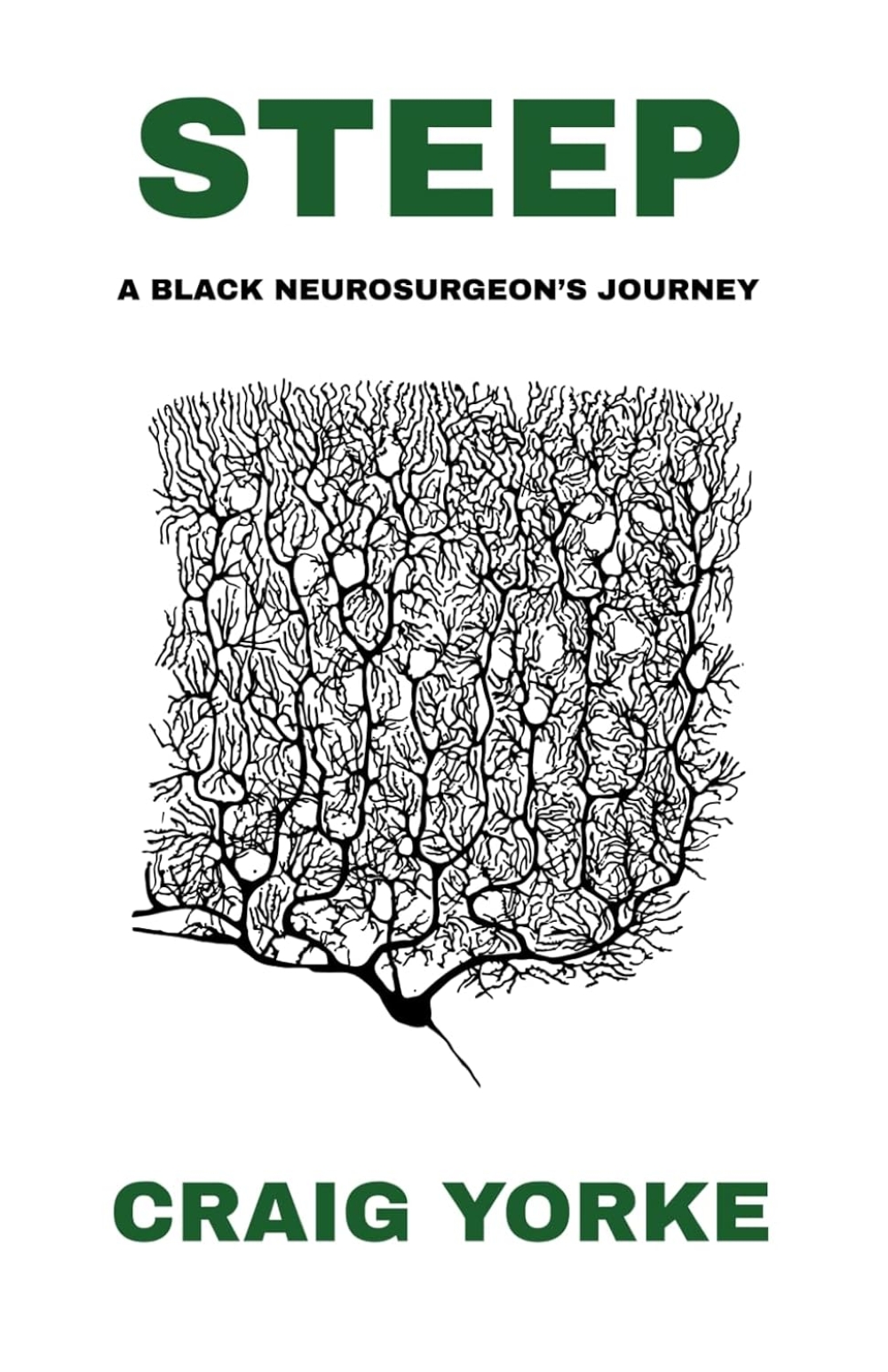
‘Steep:’ is the inspiring memoir by Craig Yorke. Photo: Barnes & Noble

Related Post: Book Spotlight: ‘Steep: A Black Neurosurgeons’ Journey’ by Craig Yorke.


Book Review: Steep: A Black Neurosurgeon’s Journey by Craig Yorke

Steep: A Black Neurosurgeon’s Journey by Craig Yorke is an inspiring memoir that explores the sacrifices, resilience, and determination required to overcome adversity. Yorke chronicles his remarkable journey from a struggling Boston neighborhood to becoming a respected neurosurgeon in the American Midwest. What began as a personal letter to his sons unfolds as a candid life narrative: while Yorke has gained immense wisdom, he refrains from lecturing or preaching, and, above all, he refuses to see himself as a victim.

An Uncompromising Opening

The narrative opens with Dr. Yorke taking a middle-of-the-night emergency call for a severe motorcycle accident. Covering Topeka’s hospitals and the surrounding region every other night and weekend alongside his daytime practice, he rushes into the ER. As the nurse cuts away the patient’s t-shirt, a prominent WHITE POWER tattoo covering the man’s chest is revealed—setting the stage for a story deeply rooted in composure, duty, and professional detachment.

This intense opening flashes back to his childhood in Boston, when a young Yorke was rushed to the ER after accidentally eating poisoned bread left behind the refrigerator for rats. Known mostly through family lore, the incident left a lifelong mark, he still recoils at the mere memory of Ipecac.

As the only child of Dorothy and Craig Sr., he grew up sickly, struggling with asthma and a clubbed right foot. Throughout the book, Yorke explores how his parents’ backstories shaped their parenting style, leading into his school years, surgical career, eventual retirement, and the enduring lessons of his journey.

Table of Contents

  1. Stealth
  2. Crucible
  3. Educated
  4. The Better Angel
  5. Fledgling Pillars
  6. Peaks and Valleys
  7. Twilight of Enterprise
  8. New Eyes

Chapter Highlights

Chapter 6: Peaks and Valleys

Yorke detail the launch of his independent practice with a close friend, revisiting memorable cases, including a young neighbor who developed a life-threatening brain clot. Most insightful are his encounters with uninsured patients: while accustomed to delivering difficult medical news, he found himself unprepared for the devastating financial catastrophes his patients faced. Even when waiving his own professional fees, the external medical costs wreaked havoc on their lives.

Chapter 7: Twilight of Enterprise

Here, Yorke candidly recounts facing a legal malpractice suit after failing to diagnose a fractured larynx in a patient. Though the lawsuit ultimately failed, the emotional impact was severe. As Yorke reflects:

“The ordeal was a blow to a kid whose identity was yoked to his confidence.”

Core Themes & Takeaways

Yorke writes with exceptional honesty and humility, revealing moments of doubt and self-reflection that make his story deeply relatable. His path underscores the importance of discipline, education, and refusing to let circumstances dictate one’s future. The narrative thoughtfully balances professional achievement against personal fulfillment, demonstrating that compassion and empathy are just as vital in medicine as technical expertise.

While Yorke’s identity as a Black surgeon in a predominantly white field provides crucial context, Steep ultimately moves beyond a simple critique of systemic bias. Instead, it serves as a raw, honest exploration of the heavy cost of high achievement and the quiet sacrifice required by the American Dream.

At its core, the memoir delivers profound lessons on resilience, identity, and personal reckoning:

  • The Price of Ambition: Success often exacts a steep personal toll, demanding emotional compartmentalization, strain on relationships, and constant self-reliance.
  • Resilience Over Circumstance: Roots do not define limits; discipline and laser-focused perseverance can bridge the gap between systemic disadvantage and elite achievement.
  • Reconciling the Past: True fulfillment requires making peace with where you came from rather than attempting to outrun your origins.

Final Verdict

Overall, Steep is an engaging, introspective, and essential read for anyone navigating their own steep climb. It offers a poignant reminder that reaching the peak is only half the battle, retaining your humanity is the rest.

“We neurosurgeons are caricatured as filled with conceit, short on empathy. And there’s truth in that cartoon. But hubris is tough to maintain while completing and signing your patient’s death certificate.”

Rating: 4 out of 5.

** Thank you to Wes Seely and PR by the Book for my gifted ARC for review consideration. I haven’t been compensated for this review and all views and opinions expressed are my own.