Book review: ‘What Could Go Wrong?’ by Brett Grayson

whatcouldgowrong
“What Could Go Wrong?” is Brett Grayson’s debut novel his experiences through marriage, parenting and depression. Photo: Google

Brett Grayson is an author and successful trial attorney with offices throughout the five boroughs of NYC and New Jersey.  Him and his wife Lauren have been on a long journey since they met in 2001 and have faced adversity related to mental health, pregnancy complications and birth complications.  His debut novel, “What Could Go Wrong?: My Mostly Comedic Journey Through Marriage, Parenting and Depression,” was released in January of this year and it is a memoir about their journey in becoming parents for the first time.  It quickly became an Amazon #1 New Release.

“What Could Go Wrong?” begins with an Introduction where the author relates a Valentine’s Day memory that starts out promising but ends abruptly when Liz, their three-year old daughter, has a bathroom malfunction.  It is best not to go into the gory details.  From there, the story goes back to the beginning to when Lauren first becomes pregnant and the various parenting adventures that follow.  The book is divided into four parts: Part One (the pregnancy) includes chapters such as Urine Catching, Hot Doctor Roulette and It’s an Octopus!; Part Two (parenting hurdles) with chapters like Second Hurdle – The Hand That Rocks the Cradle and Third Hurdle – The Completely Insane Outside World; Part Three (parenting) and the chapters Stop Asking Me Whey Every Freaking Two Minutes and Avoiding Death, Accepting Ebola, and Zika as an Ally; and Last Part has the chapters New Kicks and Elsa and Anna Had Terrible Parents.  This is one family’s journey through pregnancy, the first years of parental cluelessness, the terrible twos, teenagers and the few years that follow when they begin to learn about a world that is crazier than they are.  It is a filled with pre and post-natal complications, battles with his own mental health and his son’s diagnosis of the rare genetic disease CLOVES syndrome.

Parenting is one of those experiences that binds people together; yet the journey is different for everyone. Out of all the parenting books available, most are from the female perspective and this is what makes “What Could Go Wrong?” unique in that it is written from the male first person point of view. The language is down to earth, which makes the story easy to follow and understand.  He does drop the F bomb, including in the opening sentence, and a few other colorful words, but that is what makes it real.  As a whole, it is raw, in your face, sometimes poignant but mostly funny.  The target audience is parents, who will, no doubt, relate to his struggles, including his distaste for all things Frozen, from having seen it thousands of times. This page-turner is recommended for readers who appreciate reading about someone else’s adventures in parenting, marriage and mental health, to remind them that others have had similar struggles and that they are not alone.

*The author received a copy of this book for an honest review. The views and opinions expressed here belong solely to her.
Book review: ‘Love: A Story’ by Bill Smoot

billsmoot
‘Love: A Story’ is the new book by Bill Smoot. Photo: Goggle

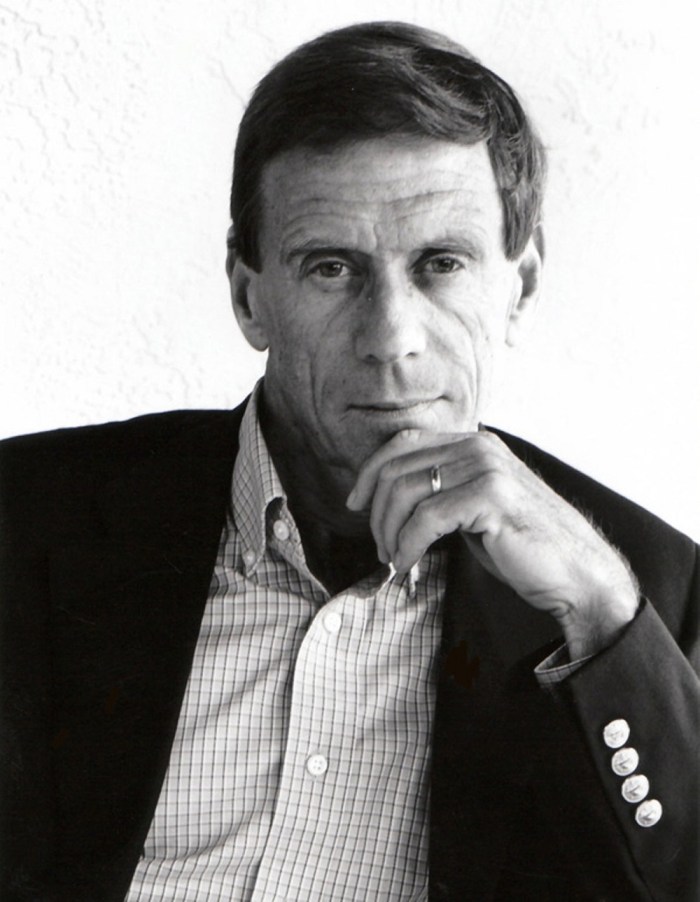
Bill Smoot is an American writer with a BA from Purdue University where he was editor of the student newspaper. He received his PhD in philosophy from Northwestern University and taught at Miami University in Ohio until he moved to California where he taught in private schools for four decades. His essays and short fiction have appeared in numerous publications including The Nation, Ohio Review, Literary Review and Salon.com. He is the author of “Conversations with Great Teachers,” a book of interviews with teachers from across the country and currently teaches in the Osher Institute of Lifelong Learning at UC-Berkley and at the Prison University Project at San Quentin Prison. His new book “Love: A Story” is filled with philosophic musings on the nature of love, life and storytelling with the dominant theme being that life is a story and that living is story telling.

In “Love: A Story,” the narrator is a casual observer who narrates and scrutinizes people’s lives and at times address an ‘audience.’ It all begins as Michael, a forty-year old prep schoolteacher in Berkeley, is driving home from school and sees a baby stroller rolling down the street toward him. He slams on the brakes, jumps out of his car and catches the stroller. This might appear like a casual event but for Michael it is symbolic and he sees it as a sign from the universe that his life is headed in the right direction. His wife Leanna is ready to have a baby and now he realizes that he is ready for fatherhood. The story then goes back to how they met when he, a photographer, hires her as a nude model for a photo shoot. Their relationship has its ups and downs, including her volatile temper, Michael’s health scare, their eventual marriage and unfortunate divorce. Even after Leanna leaves him, Michael cannot help but re-examine everything they went through in the hopes of finding meaning in it. The last part suggests that the book that Michael begins to write is the book the reader is reading and the reader is left to wonder whether the action is, in fact, ‘real’ or just ‘a story.’

Part love story, part philosophical musings, “Love: A Story” is mainly one man’s experience with love and the effect it has on his psyche. Both Michael and Leanna are trying to overcome a troubled past, but Michael, still haunted from being unable to help a distressed cow on the family farm, is bound and determined to make Leanna happy, sacrificing his own well-being. At the end she leaves him anyway, so she becomes yet another woman who wronged him. This is why some readers get a misogynistic vibe, but this is Michael’s story (or the author’s?). It is not a “happily-ever after” romance and it admittedly takes a depressing turn when he gets sick, but since the overall theme is stories and the people who experience them, it might inspire readers to tell their own and hopefully learn more about themselves. With easy to follow action and down to earth language, this novel is a page turner. The characters are well-developed, multi-dimensional and relatable because no one is immune to life’s hardships, romantic or otherwise. “Love: A Story” is recommended for fans of philosophy who appreciate love stories yet do not mind when they go awry.

“Nietzsche wrote, ‘Die at the right time.’ Stories reach a point at which they must end.”

*The author received a copy of this book for an honest review. The views and opinions expressed here belong solely to her.
Book of the week: ‘Becoming Starlight’ by Sharon Prentice, PhD

becomingstarlight19
‘Becoming Starlight’ by Sharon Prentice, PhD. Courtesy photo, used with permission.

“Becoming Starlight” is a memoir about the process of grief and its relationship to the mysteries concerning the afterlife. This book will bring comfort to those who are feeling unrelenting sorrow over the loss of loved ones. This memoir is a story of surviving grief and mending the wounds of loss.

In this deeply personal book, Sharon Prentice shares her long and difficult journey to find inner peace and cope with the death of her daughter and husband, all while trying to reconnect with God. Even though the subject matter may be difficult at times, including the details of her husband’s illness and deteriorating health, some readers may find solace in knowing that others have experienced such hardships. The language is easy to understand and the story flows from chapter to chapter and makes it a page turner for the target audience. In this case, it is the religious community that may find themselves questioning their faith and are looking for reassurances that in the end, their faith is not in vain. Sometimes the tone is unforgiving to scientists, science and those who do not believe in the afterlife and may turn off some readers. Regardless, the highlight is definitely the author’s description of her Shared Death Experience as it comes across as a beautiful experience that surrounded her with love, hope and comfort when she needed it most. “Becoming Starlight” is recommended for readers who are genuinely interested in the afterlife and need the comforting words of someone who, despite her personal losses, came out a better person.

“Dr. Sharon Prentice, in her book Becoming Starlight, assists all of humanity by transmuting our collective fear of death into love when she journeys to that mysterious place we call Heaven and returns to share her experiences with us. This messenger is worth listening to.”
— Tim Miejan, editor of The Edge Magazine

“In Becoming Starlight, the author teaches us the most important lesson of all—that love is the eternal fiber connecting all existence, living and beyond. Her extraordinary true story provides faith and ease to all who wonder what happens when our loved ones or we die.”
—Randi Fine, Author of Close Encounters of the Worst Kind, Podcast Host of A Fine Time for Healing

Dr. Sharon Prentice is a psychotherapist and spiritual counselor whose work focuses on helping patients process the grief of losing a loved one. “Becoming Starlight” is her memoir of healing from the devastating loss of her daughter and husband. She experienced a unique spiritual experience, known as a Shared Death Experience (SDE) which gave her a peek into forever and a sense of peace that was otherworldly.

*The author received a copy of this book for an honest review. The views and opinions expressed here belong solely to her.
Book review: ‘You Can See More From Up Here’ by Mark Guerin

youcanseemore
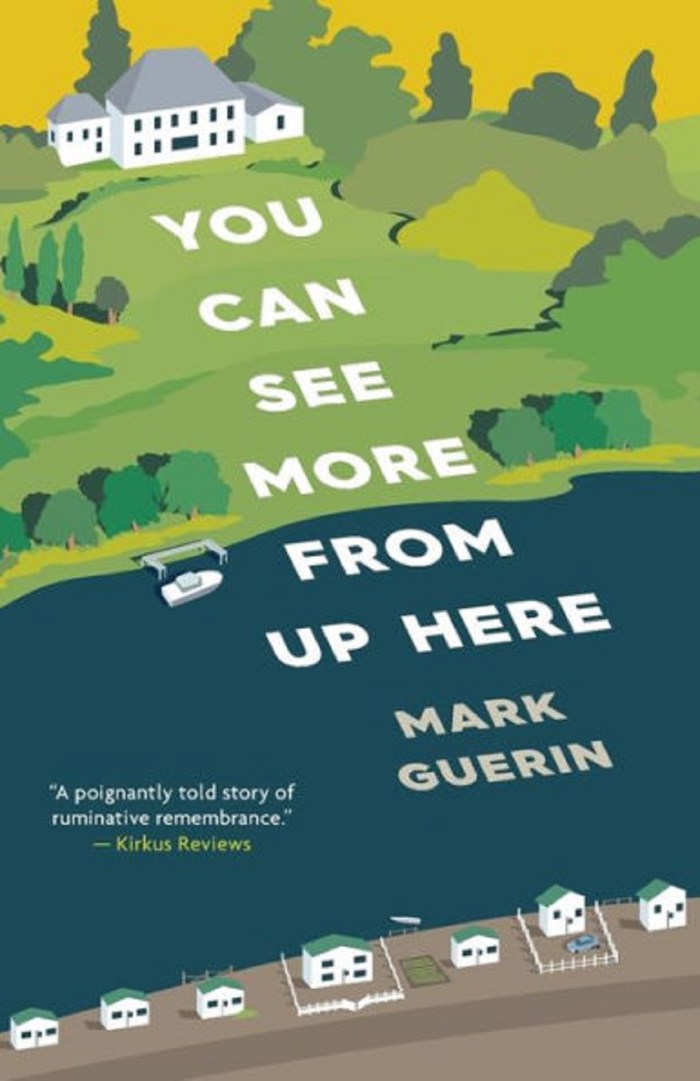
“You Can See More From Up Here” by Mark Guerin Photo: google

Mark Guerin is a playwright, copywriter and journalist who has an MFA from Brandeis University. A graduate of Grub Street’s Novel Incubator program in Boston, he is the winner of an Illinois Arts Council Grant, the Mimi Steinberg Award for Playwriting and Sigma Tau Delta’s Eleanor B. North Poetry Award. His debut novel “You Can See More From Up Here” is a coming-of-age story about the illusion of privilege and the power of the past to inform and heal the present. As of October 1, it is available everywhere books are sold.

“You Can See More From Up Here” begins with a memory that Walker Maguire would rather forget. He is in the medical exam room at American Motors with his father, the company’s doctor. The elder Maguire, an unhappily retired Air Force coronel, is making him take a summer job there and he needs a pre-employment physical. This memory takes place in the summer of 1974 but in the present, it is 2004 and a middle aged Walker is called to the deathbed of his estranged father in Bedford, Illinois. That summer, while working at the plant, he witnesses a bloody fight falsely blamed on Manny Camarasa, a Mexican immigrant but because he fears his white co-workers and his tyrannical father, he keeps quiet.

He thinks it is just a small lie, but it slowly leads to more lies, betrayals and the eventual disappearance of the Camarasa family and a lifelong rift between father and son. For years, Walker tries unsuccessfully to have an honest conversation with his father regarding the events of that summer but with him now in a coma, it seems that he will never get answers. It is up to him to find out what really happened and since too much time has passed, his memory is foggy so he starts a memoir. His father eventually passes so Walker never gets to hear his side of the story but some of his old demons are put to rest and he starts a new life in Bedford, after decades of running away from it.

In his debut novel, Mark Guerin paints a believable portrait of a Midwestern working class community and their everyday struggles. It contains the universal themes of family, first loves, racism and classism which are relevant at any time period. Growing up, Walker, whose father is a doctor, not only has to deal with family drama at home but also with resentments from those around him because of some imagined privilege that comes from being a doctor’s son. The author toggles back and forth between the past and the present without it becoming confusing. With easy to understand language and down to earth dialogue, the story flows easily from page to page, making it a natural page turner. The characters are well-developed and relatable but Piper, Walker’s little sister, remains a spoiled entitled brat in the past and the present. It is difficult to get through terms like “wetback” used to refer to the Mexican immigrants, but it brings the ugly truth of racism to light. “You Can See More From Up Here” is recommended for readers who appreciate a poignant coming of age novel that deals with racism, family drama, friendships, romance and the daily lives of the working class.

*The author received a copy of this book for an honest review. The views and opinions expressed here belong solely to her.
Book review: ‘Law and Addiction’ by Mike Papantonio

lawandaddiction2
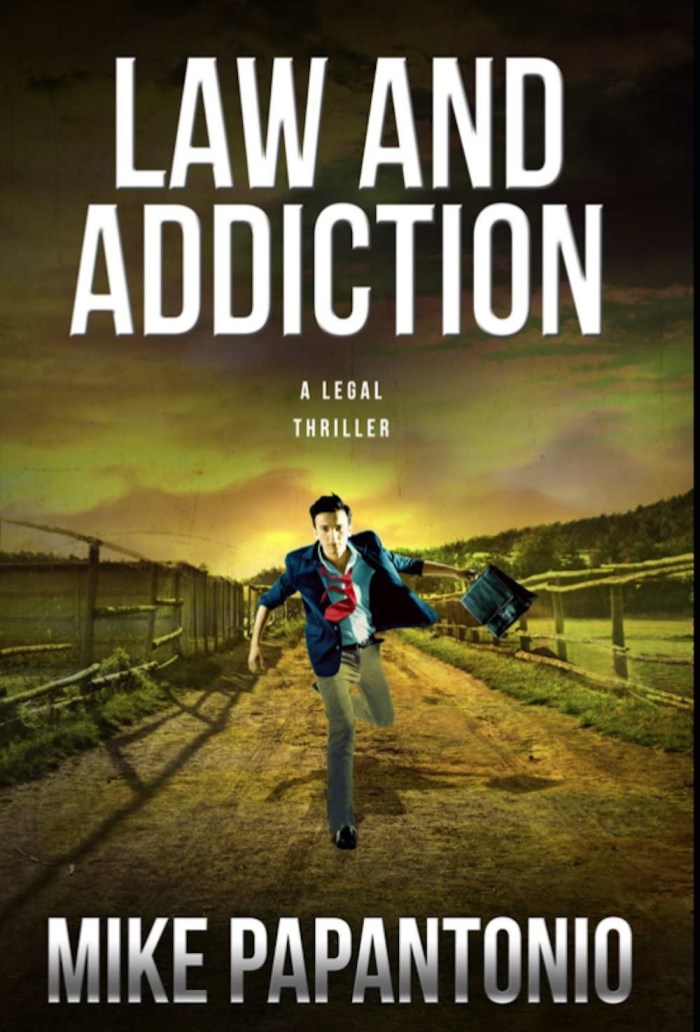
‘Law and Addiction’ is the new legal thriller by Mike Papantonio. Photo: google

Mike Papantonio is a writer, prominent trial attorney and co-host of Ring of Fire, a nationally syndicated weekly radio talk show, along with Robert F Kennedy, Jr and Sam Seder where he is known as ‘America’s lawyer.’ He has written several books including “In Search of Atticus Finch, A Motivational Book for Lawyers,” “Resurrecting Aesop: Fables Lawyers Should Remember” and the Nicholas “Deke” Deketomis’ legal thrillers “Law and Disorder” and “Law and Vengeance.” In his newest novel, “Law and Addiction,” Mike Papantonio pulls back the curtain on America’s deadly opioid epidemic with a legal thriller about greed, corruption and the power of personal conviction.

“Law and Addiction” begins with a Prologue that has Blake Rutledge, in the middle of a drug-induced paranoia attack, becoming another victim of the opioid crisis: “Blake’s lungs slowed to a stop, but his mind didn’t know it.” This was one week before his twin brother Jake’s law school graduation. Upon hearing of Blake’s death, Jake returns to his hometown of Oakley, West Virginia, who many now refer to as “Zombieland” because most of the city has been ravaged by the opioid epidemic. Seeking justice for Blake, he plans to take on Big Pharma but realizing that he is way out of his league, he seeks out famed lawyer Nicholas “Deke” Deketomis for help. Together they join forces but soon death threats, bribes and unlawful property seizures threaten to derail their legal efforts. To discredit Jake, he is kidnapped and unwillingly turned into an addict. He escapes, but not unscathed because now he is faced with his own battle to become clean.

With his latest novel, Mike Papantonio successfully translates the opioid epidemic into a suspenseful legal thriller. The research Deke’s team does to prepare the case develops into a narrative into how the pharmaceutical companies fueled the epidemic and eventually profited from it and it is nothing short of eye opening. As with his other novels, the story has a strong beginning with the Prologue where readers have a front row seat to witness Jake’s suffering and death. The author re-introduces Deke’s legal team, so readers who may be unfamiliar with them are not lost. Regarding the legal jargon and courtroom drama, they are both easy to understand and the fast-paced action flows easily from page to page. The characters are well-developed and relatable and the poetic prose brings a fresh perspective to the storytelling: “skeletal branches from trees reached for him, snagging his clothing.” “Law and Addiction” is a must-read and recommended for fans of smart legal thrillers, but it also has elements of suspense and mystery with some politics mixed in to appeal to most readers. Since Mr. Papantonio uses his real life cases as springboards for his novels, readers can surely look forward to more in this exciting series.

“As I write these words, somewhere in America an individual is dying of a drug overdose. During the next twenty-four hours, there will be at least 115 deaths from the same cause.” – Mike Papantonio (Author’s Note)

*The author received a copy of this book for an honest review. The views and opinions expressed here belong solely to her.

Book review: ‘Lions of the Sky’ by Paco Chierici

lionsofsky.jpg
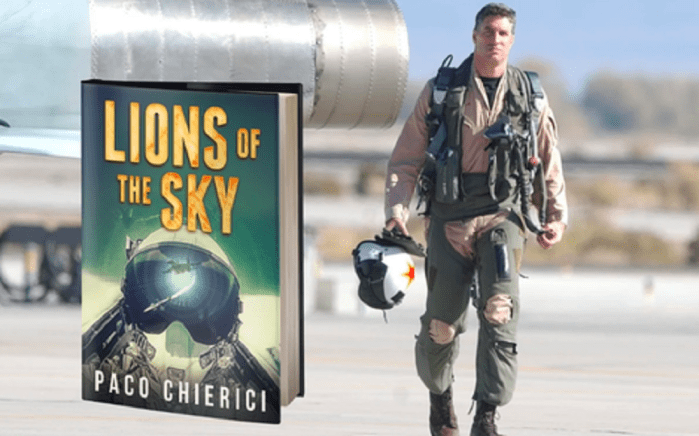
‘Lions of the Sky’ is the new novel by Paco Chierici. Courtesy photo, used with permission.

A veteran of the U.S. Navy, Francesco “Paco” Chierici flew A-6 Intruders and F-14 Tomcats, deployed to conflict zones from Somalia to Iraq and was stationed aboard carriers including the USS Ranger, Lincoln and Kitty Hawk. Currently a 737 captain, he has used his aviation experience to publish extensively in Aviation Classics Magazine, AOPA Magazine and Fighter Sweep, as well as creating and producing the award-winning naval aviation documentary Speed and Angels. In his new book “Lions of the Sky: The Top Gun for the New Millennium,” Paco Chierici propels the reader into a realm where friendship, loyalty and skill are tested, battles are won and lost in an instant and lives are forever changed.

The action in “Lions of the Sky” begins solidly in the South China Sea, as a rower in a compact boat makes his way to an island that is home to a Vietnamese outpost. He expertly kills the soldiers and just as quickly and quietly as he arrived, he retreats. Throughout the book, he is referred to as “the commando” to highlight that his missions are more important than his name or background. The second chapter introduces readers to Sam Richardson, a fighter pilot’s pilot, a reluctant legend with a gut-eating secret who is on the last span of his tour as an instructor. All he wants is to get back to the real action of the Fleet. As he is driving away from a gentleman’s club in his 1966 Shelby AC Cobra after spending time with friends, he crosses paths with a driver in a Corvette driven by a woman, Keely Silvers, who, as fate would have it, will be in that last class.

The two stories alternate until they intersect in the South China Sea where a Chinese general is hoping to create an international crisis to give China the edge in territory disputes. A final air battle between Chinese fighters and the F/A -18 Hornets puts the trainees to the test as they are thrown into a real-life war situation and are eager to prove they belong there. In the end, the crisis is averted and even though not everyone makes it out alive, those remaining, including Keely “Quick” Silvers move on with their military training.

With his debut novel, Paco Chierici proves that his talent goes beyond the military world and flying planes and other aircrafts. His writing style includes deeply poetic descriptive language: “He took note of the AK- 47 machine guns leaning upright against each other like a little teepee near the fire, their oiled barrels joined together in a dark bouquet pointing at the night sky.” There is excellent character development, especially with Sam “Slammer” Richardson, whose backstory includes having romantic feelings for a woman he served with, feelings he never told anyone, and which may be responsible for his viewpoint that women should not be in combat. The military lingo is just enough to create a realistic atmosphere, especially the action in the cockpit and the Ready Room. Especially interesting is the point-of-view of the commando: the reader is privy to his planning and thought processes; and Quick’s inner thoughts and reactions during the final air battle.

“Lions of the Sky” is a must-read extraordinary novel of military storytelling that is perfectly balanced with action scenes and political suspense that keeps it from alienating readers who are not into strictly military themes. The language, though heavily about fighter pilots and their training, is easy to understand and the action flows easily from page to page. Friendship and camaraderie is central to the plot with just a hint of sexual tension. It is recommended for fans of military action thrillers and those who enjoy a fascinating espionage/political sub-plot.

“Watching powerlessly out her canopy as the descending Flanker converged on Slammer’s helpless Rhino, something about the picture clicked. The paralyzing static of indecision dissolved as the beautiful, instinctive part of her brain asserted itself.”

*The author received a copy of this book for an honest review. The views and opinions expressed here belong solely to her.


Book review: ‘She’s So Cold’ by Donald E. McInnis

shessocold
‘She’s So Cold’ is Donald E. Mcinnis’ new true crime novel about three teenage boys wrongly accused of Stephanie Crowe’s murder.

Donald E. McInnis is a California criminal defense attorney who represented one of the three accused boys, Aaron Houser, in the Stephanie Crowe murder case. Over the span of his 40-year legal career, he has worked for the prosecution and for the defense, having served as a deputy district attorney for two California counties and as a deputy defender for one California county during his early professional years. His new book “She’s So Cold: Murder, Accusations and the System that Devastated a Family” centers around the murder of twelve-year old Stephanie Crowe. It is the story of a broken system: a system stacked against families and, most of all, against children.

The murder case in “She’s So Cold” is that of Stephanie Crowe in the winter of January 1998 in the small town of Escondido, California. Rightly so, the town is horrified when her body is found and it is discovered that she had been brutally murdered in her own bedroom. Since there was no sign of a break-in and no physical evidence pointing to a possible suspect, the police zeroed in on her fourteen-year old brother Michael and two of his friends, Joshua and Aaron. Just because Michael failed to show emotion in the aftermath, the police concluded that he must be guilty because “he didn’t cry.” The policed used psychological manipulation to force three fourteen-year old boys to falsely confess to the murder. All without the benefit of legal counsel and in the pursuit of a misguided challenge to win at all costs. It was not until May 2012, fourteen years after Stephanie’s death, that Michael, Joshua and Aaron were found innocent because the evidence showed “beyond a reasonable doubt that the teens were innocent.”

In this true crime narrative, the author traces the twists and turns of a real-life mystery which eventually changed the lives of fifteen people and cost a district attorney his job. To protect children and teens from such manipulation in the future, McInnis proposes a new Children’s Miranda Rights Warning and a Bill of Rights for Children who are being questioned as suspects – which must be adopted in order to prevent minors from making false confessions that could destroy their futures. “She’s So Cold” is divided into four parts: Part One – murder and mind games: Stephanie and Michael; Part Two – a tapestry of deceit; Part Three – an alternative theory and Part Four – conclusions, vicious cycles. The Appendix (Children’s Rights) includes the aforementioned Children’s Rights, Children’s Miranda Warning and Children’s Bill of Rights.

In this eye-opening account of the police’s handling of the Stephanie Crowe case, one must wonder how the parents could allow this to happen to their child. After all, it happened in 1998, not in the 1940s or 50s. Part of the reasoning is that they assumed the police were just doing their job but in the end, false confessions do occur and not all of them are found out and people have been falsely imprisoned. Donald E. McInnis does an excellent job of outlining the incredulous chain of events but sometimes the details of the boys’ interrogations drag on too long, like in Chapter 8. The hearings and other legal proceedings do not begin until Chapter 16 and the narration starts to move forward. With a perfect balance between dialogue and description, the story flows through the pages and is easy to follow and understand without complicated police jargon. Aside from being a compelling crime novel, it is also a cautionary tale. Overall, “She’s So Cold” is recommended for readers who enjoy true crime novels and anyone willing to learn something new in terms of police procedures.

*The author received a copy of this book for an honest review. The views and opinions expressed here belong solely to her.
Book review: ‘Off the Grid’ by Robert McCaw

offthegrid
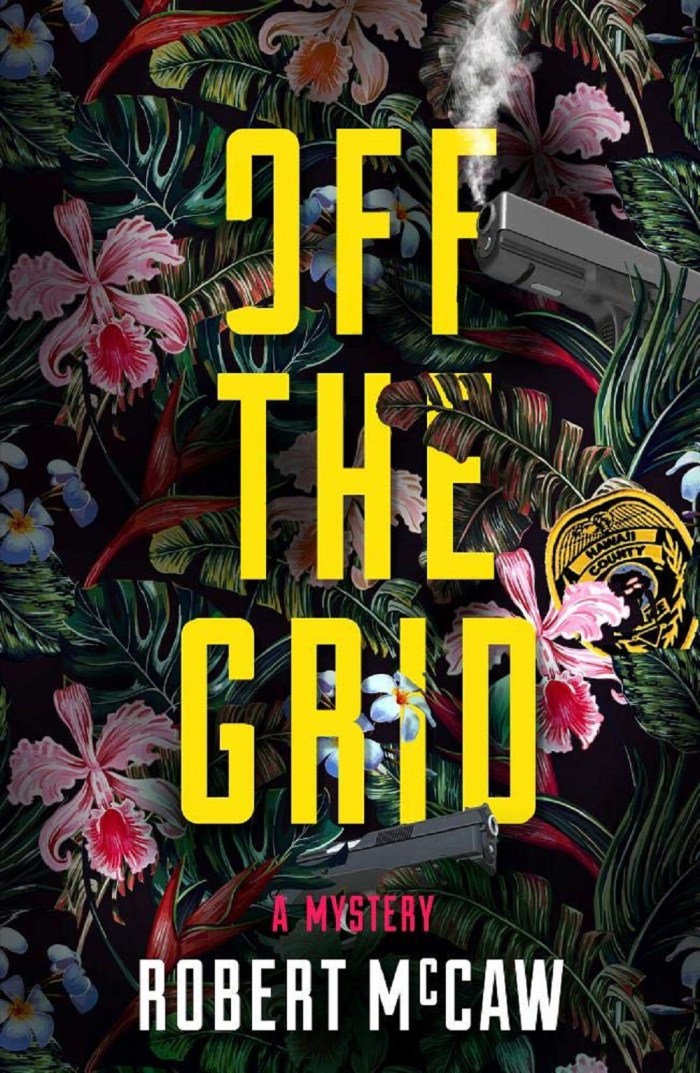
Robert McCaw’s second book in the Koa Kane Hawaiian mystery series, ‘Off the Grid’ will be available starting July 2. Courtesy photo, used with permission. 

Robert McCaw is an American author who graduated from Georgetown University and served as a lieutenant in the US Army before earning his law degree from the University of Virginia. He was a partner in a major international law firm with offices in Washington, DC and New York City and maintained a home on the Big Island of Hawai’i. This allows him to bring a unique authenticity to his Koa Kāne Hawaiian mystery novels in both his law enforcement expertise and his ability to portray the richness of Hawai’i’s history, culture and people. “Death of a Messenger” is the first book in the series and the second, “Off the Grid” is due out on Tuesday July 2. In “Off the Grid” Hilo police Detective Koa Kāne investigates two deaths that at first seem unrelated but when he discovers how they are linked, the crimes could rewrite history or cost him his career.

Chapter One of “Off the Grid” begins on a poetic note “The plume of smoky steam rising like a sulfur cloud from a volcanic vent told Hilo Chief Detective Koa Kāne he’d been called to a nasty scene” but ends with a staged accident that left a woman dead. That leads him to the second murder of the day: the tortured remains of an unfortunate soul left to burn in the path of an advancing lava flow. He soon discovers that the two murders are related when they turn out to be a reclusive couple living off the grid. They are mysterious fugitives, so naturally the CIA, the Chinese government and the Defense Intelligence agency try to impede all attempts to get to the truth of who wanted this couple dead. Despite growing political pressure, Koa digs further only to find himself drawn into a web of international intrigue. His investigation uncovers a government conspiracy that culminates in the arrest of Nāinoa Nihoa, the Hawai’i state representative running for governor, for murder in the deaths of the couple.

Robert McCaw brings the beauty of Hawai’i to the average reader and softens an otherwise grisly tale of murder and conspiracy. Espionage, treason and murder makes for a fascinating read and the action flows effortlessly through the pages. The language is easy to read and understand including the law enforcement and military lingo. An interesting detail is that the protagonist, Hilo Detective Chief Koa Kāne has a secret: as a young man, he killed a sugar mill manager to exact revenge on behalf of his father. He still feels guilt and remorse, yet he has not told anyone, including his girlfriend, and it affects his crime solving decisions. How long will it take for the secret to catch up to him? Stay tuned. “Off the Grid” is an intriguing crime mystery novel with enough plot twists to keep the reader turning pages until its jaw dropping ending. It is recommended for fans of mystery/crime novels with a flawed leading man who would not mind learning a thing or two about Hawai’i’s culture and its people. A definite must-read.

*The author received a copy of this book for an honest review. The views and opinions expressed here belong solely to her.
Book review: ‘The Ultimate Droodles Compendium’

droodles
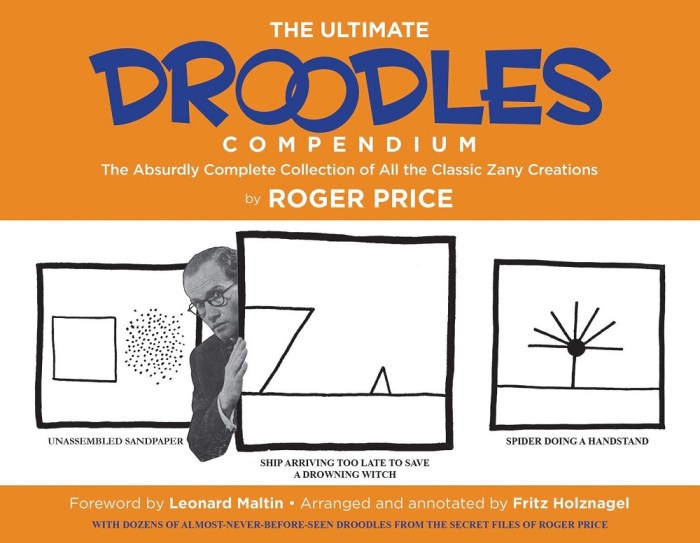
Courtesy photo: used with permission.

Roger Price was an American humorist, author and publisher who created Droodles in the 1950s and later collaborated with Leonard B. Stern on the Mad Libs series. Before he delighted fans with Mad Libs, comedian Roger Price invented Droodles – absurdly funny drawings that joined hula hoops and UFOs as one of the biggest fads of the 1950s. His Droodles books sold more than 1 million copies between their debut in 1953 and his death in 1990. On what would have been Roger Price’s 101st birthday, Tallfellow Press released “The Ultimate Droodles Compendium: The Absurdly Complete Collection of All the Classic Zany Creations of Roger Price.” Featuring over 350 hilarious Droodles, it is the first and only full retrospective of Price and his creations.

“The Ultimate Droodles Compendium” is arranged and annotated by Emmy-winning writer Fritz Holznagel and features a foreword by America’s best-known film historian, critic and author, Leonard Maltin. In the foreword titled ‘Roger Price and Me,’ Maltin recalls how he met Price and how he helped him grow up and guided him in his quest to becoming professional writer. In ‘What Are Droodles’ he defines them as “small silly drawings in a square box.” Price, in his 1952 collection “The Rich Sardine,” describes them as “the new IMPROVED way to waste time. You….can show them to other people and waste their time too.” The rest of the book is divided into the different types of Droodles: Droodles, Madison Avenue Droodles and Kinda Croodles. There is even ‘A Brief History of Roger Price and Droodles’ that features his biography and career highlights: Radio Years, Bob Hope years, Nightclubs and Broadway, Television and Books, Droodles and Mad Libs.

Always funny and often provocative, Price was one of America’s most original comic voices. At the peak of their popularity, Droodles had their own TV show, daily newspaper column, bestselling books and even cocktail napkins. This book has something for everyone: more than enough Droodles to tickle the funny bone and a biography and behind the scenes information. It is a one-of-a-kind collection that longtime fans will enjoy while newbies might discover the joys of silly drawings and humor. “The Ultimate Droodles Compendium” is recommended for fans of humor and history of humor and is a definite conversation starter.

*The author received a copy of this book for an honest review. The views and opinions expressed here belong solely to her.

Book review: ‘General Meade: A Novel of the Civil War’ by Robert Kofman

General Meade Cover
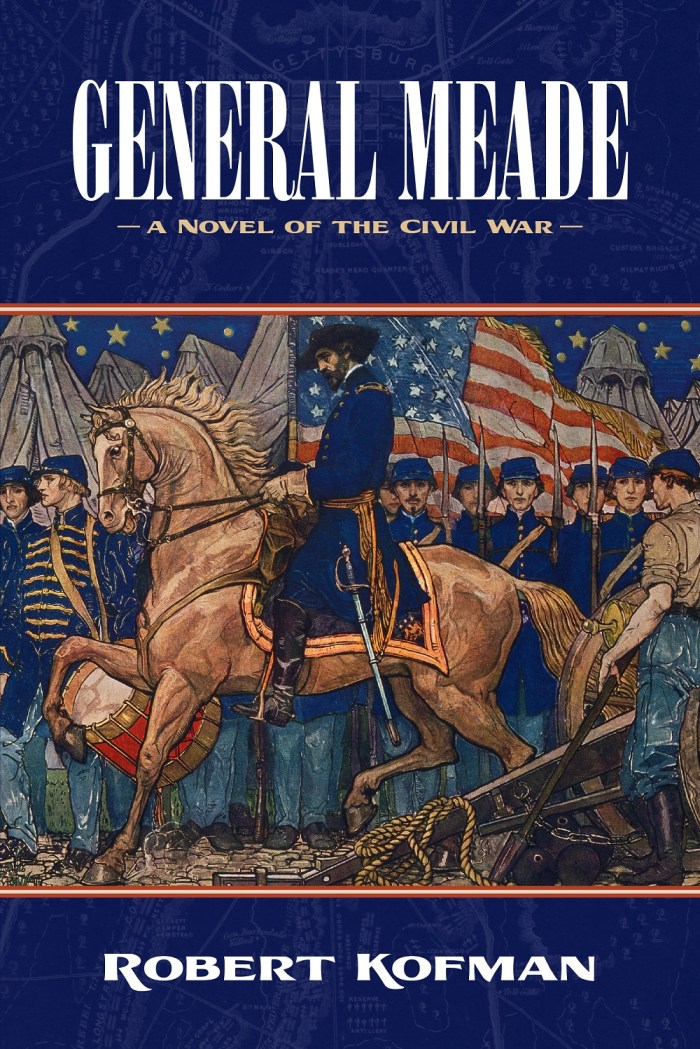
‘General Meade: A Novel of the Civil War’ is Robert Kofman’s new book about the Civil War. Courtesy photo: used with permission. 

Robert Kofman is an American author born in Bellefonte, PA and a graduate of Penn State and Duke Law School. He became a labor lawyer with the National Labor Relations Board in Washington, D.C. and Philadelphia before entering private practice in Miami, FL as a management side labor and employment attorney. After retiring from practicing law, Kofman desired to keep intellectually engaged by writing a historical novel as a way to help educate people in an engaging fashion about the Civil War. His new book “General Meade: A Novel of the Civil War” resulted from that effort. (Smith Publicity, 2019)

In “General Meade: A Novel of the Civil War” Robert Kofman has written a work of historical fiction detailing a fascinating character, who has been relegated to the margins of history, with credibility and intrigue. It begins with a note by the author where he explains that the novel covers many significant events of the last three years of the American Civil War from the perspective of Major General George Gordon Meade, sometimes in his own words through letters that he wrote to the person he most trusted: his wife Margaret. The Prologue describes what happens in 1860 when Abraham Lincoln becomes President, specifically how the Southern states begin seceding from the Union before he even takes office.

Just three days after taking command, General Meade confronts Lee’s army at Gettysburg, resulting in the bloodiest and most dramatic battle of the war. After that incredible victory, at first he is heralded as a hero who turns the tide of the war, but he then falls victim to a smear campaign that threatens to ruin his reputation and his career. He is forced to muster all of his strength to persevere against an onslaught of political and newspaper attacks, all while leading the Army of the Potomac and serving his superiors: General Ulysses S. Grant and President Lincoln.

Much more than a novel of historical fiction, “General Meade” is also a view of the issues plaguing the nation then and now. Themes include a country divided by social issues, polarized political parties, partisan newspaper attacks, false news stories, war heroes and villains and an unscrupulous Congressional Committee out to destroy the careers of generals who do not share its political ideology. Considering that the main subject is history, the language is easy to understand and the action flows from page to page aided by maps when appropriate. Highlights include the mention of history in the making, like the big story in the paper about Lincoln’s preliminary Emancipation Proclamation and details of vicious hand-to-hand combat: “Blood and brain matter splattered the combatants. A Rebel flag-bearer climbed atop one of the Napoleons and waved his colors. Seconds later, his bullet-ridden, lifeless body fell to the ground.”

Kofman provides sources and a bibliography for anyone interested in reading more on the subject. An interesting section is the Afterward, where he lists what happens to the people in the story: “Robert E. Lee was indicted but never tried for treason,” Ulysses S. Grant “created the Justice Department and used it to prosecute the Ku Klux Klan, which was using violence to deny freed blacks their civil rights” and how Old Baldy, General Meade’s warhorse outlived him by ten years. At Meade’s funeral, “Old Baldy followed the caisson carrying Meade’s casket as the rider-less horse.” “General Meade” is an extraordinary work of historical fiction that spotlights the lesser-known side of history’s legends. It is recommended for readers who enjoy historical fiction at its finest.

*The author received a copy of this book for an honest review. The views and opinions expressed here belong solely to her.