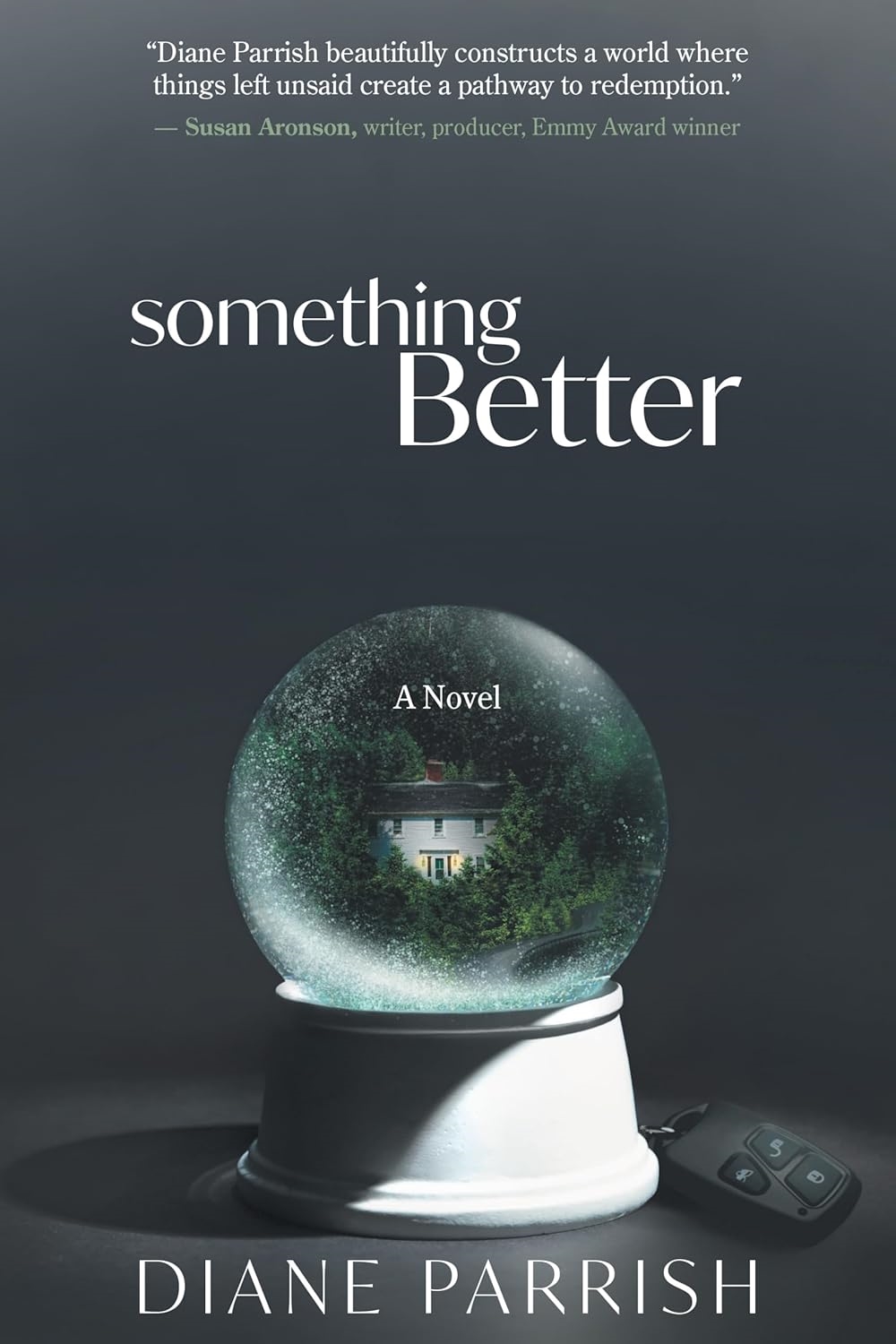
Book review: ‘Cosmic Equilibrium: Exploring Balance in the Universe’ by Ansh Verma

‘Cosmic Equilibrium: Exploring Balance in the Universe’ is the new book by Ansh Verma. Photo: Amazon

Ansh Verma is a researcher, author, and philosopher based in Dhanbad, Jharkhand (India). He researches almost everything that can be observed, felt and or read, including technology, politics, divine, war, behavioral, engineering, investments, military, finance, and mathematics. Post graduation, Verma has almost 20 years of experience in thinking and making sense of the world. His new book “Cosmic Equilibrium: Exploring Balance in the Universe” is a captivating exploration of the intricate harmony and balance that permeates the cosmos.

“Cosmic Equilibrium: Exploring Balance in the Universe” – This thought-provoking book takes readers on a journey through the fundamental principles governing the universe, from celestial harmony to the laws of nature that underpin the cosmos. It delves into the timeless concept of yin and yang, revealing how opposing forces complement and balance each other on both cosmic and human scales.

From the birth and death of stars to the cyclical rhythms of life on Earth, the book examines the interconnectedness of all existence and the profound role of balance in shaping our universe. It bridges the realms of science, philosophy, and culture, offering insights into the diverse ways different societies have revered and integrated the idea of cosmic balance into their beliefs, ethics, and rituals.

This book also tackles the pressing issue of ecological balance on our planet and its broader implications for the cosmic equilibrium. It invites readers to contemplate their place in the vast cosmic tapestry and to reflect on the significance of balance in their own lives. With a holistic approach that combines scientific discoveries, philosophical reflections, and practical applications, this book serves as an enlightening guide to understanding the delicate equilibrium that sustains our universe and inspires us to find balance within ourselves and the world around us.

Balance is the central theme of this book, primarily yin and yang, the concept that “invites us to explore the eternal interplay of opposites that lies at the core of our reality.” It examines balance and harmony in everything from nature to human life. Each chapter is dedicated to a specific type of balance, including Chapter 2: Celestial Harmony, Chapter 3: Balance in Nature, and Chapter 5: Ecological Balance. Especially interesting is Chapter 4: Cultural Perspectives, which emphasizes how all cultures respect this sense of balance within their respective lifestyles.

The author does so much more than just educate readers on how balance works in nature, he also gives practical advice on how they can achieve balance in their personal lives. This includes balancing work and life, balancing technology and nature, and finding balance in consumption. In his Call to Balance in Chapter 8: Conclusion, he encourages readers to be mindful of their place in the universe to create a more balanced and sustainable future for everyone. As we are all connected, we all benefit in the end. If you are interested in an in depth study of the cosmos and the importance of balance and harmony, this is the book for you.

*The author was contacted for an honest review of this book. The views and opinions expressed here belong solely to her.

Rating: 4 out of 5.

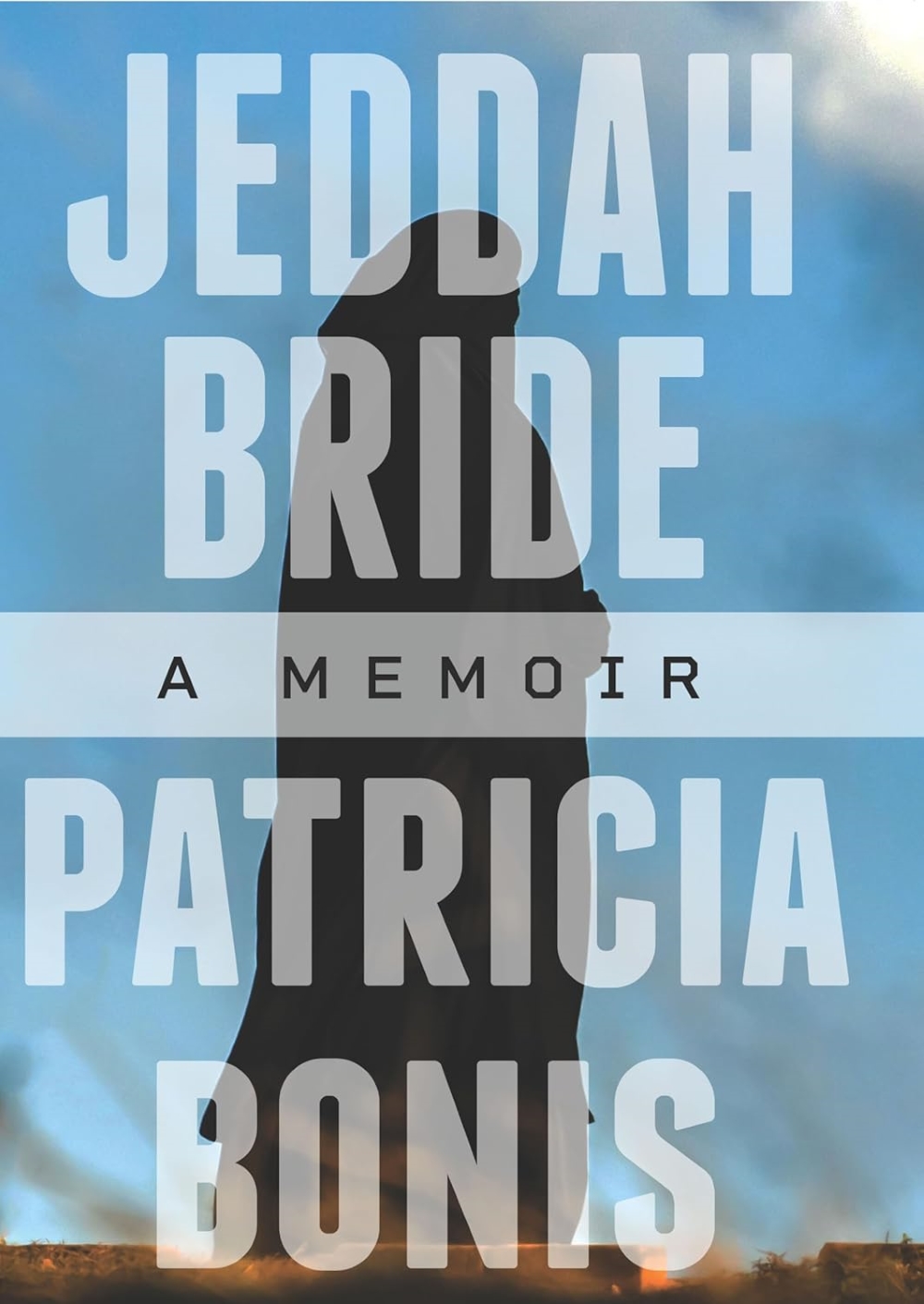
Book review: ‘Maribelle’s Shadow’ by Susannah Marren

‘Maribelle’s Shadow’ is the latest novel by Susannah Marren. Photo: Amazon

Susannah Marren is the author of “Between the Tides,” “A Palm Beach Wife,” and “A Palm Beach Scandal” and the pseudonym for Susan Shapiro Barash, who has written over a dozen nonfiction books, including “Tripping the Prom Queen,” “Toxic Friends,” and “You’re Grounded Forever,” among others. For her nonfiction, she has been featured in the New York Times, the Wall Street Journal, The New York Post, The Chicago Tribune, Elle, Marie Claire, and has appeared on national television including the Today Show, Good Morning America, CBS, CNN, and MSNBC. Barash has been a guest on national radio including NPR and Sirius Radio. For over twenty years she has taught gender studies at Marymount Manhattan College and has guest taught creative nonfiction at the Writing Institute at Sarah Lawrence College. Presently she is teaching at the Westport Writers Workshop. Her new novel, “Maribelle’s Shadow,” is a compelling tale of deception and family loyalty.

“Maribelle’s Shadow” – The only thing that spreads faster than gossip in Palm Beach is news of a mysterious death. As the editorial director of Palm Beach Confidential, Maribelle Walker knows what lurks beneath the glittering facade of the rich elite on Florida’s most glamorous coast. Or does she? The story begins when her adoring husband Samuel dies suddenly. She knows he is being unfaithful but she is hesitant about confronting him. With his death, secrets surface, including the secrets and lies between Maribelle and her sisters Caroline and Raleigh. Compounding the anguish, the authenticity of their socially ambitious mother Lucinda and lavish lifestyle of mansions, privilege and couture clothes is thrown into doubt. As their carefully constructed image unravels, each sister realizes she must fend for herself. The pathway out is steep and worth any risk – until the winner takes it all.

Even though it is fun to read about the rich and social elite, sometimes the characters are not very relatable, so it is hard to feel sorry for them when their lives take a downward spiral. Such is the case of the Barrow sisters. Thanks to their momager, they are always in society-lady mode and since they are obsessed with their social status, every decision they make, from how they dress to where they are seen and with who, is based on whether or not it will elevate or improve their status. The story is divided into three parts and the chapters are alternately narrated in the point of view of the sisters, so readers get an insight into their thoughts and characters. Because of this, the plot is character driven and the mystery behind Samuel’s death unravels slowly in the background even though it marks the beginning of the end for Maribelle. With highly descriptive language: “…she was trapped in mounds of seaweed, fighting to reach the shoreline,” the story flows naturally through the pages, making this an easy and fun to read novel. It also highlights the point that every family, regardless of social status, has secrets that will eventually come to light. Overall, “Maribelle’s Shadow” is a story of family and loyalty, and how far some people will go to hang on to what they have. It is recommended for readers who enjoy women’s fiction centered around socialites, power, and money.

“Don’t be so dramatic, Maribelle,” Lucinda said. “Samuel was another husband. They come; they go…..They’re fungible. Sisters, friends who are like sisters, aren’t.”

*The author received a copy of this book for an honest review. The views and opinions expressed here belong solely to her.
Rating: 4 out of 5.

Book review: ‘Pandemia: Wading Through The Pandemic’ by Serene T. Marshall

‘Pandemia: Wading Through The Pandemic’ is the new book by Serene T. Marshall. Photo: Amazon

Serene T. Marshall was born on the island of Grenada, where she spent her formative years, and now lives on the Mississippi Gulf Coast. She has earned degrees in literature from Colgate University and the University of North Carolina Charlotte. Serene’s articles have appeared in the Boston Globe and the Charlotte Observer. Critical social issues facing the nation sprinkled with thrilling island folklore are craftily interwoven in her debut novel “Pandemia: Wading Through The Pandemic” – an account of one community’s experiences during the pandemic. It is available on Amazon, Barnes & Noble, Books-A-Million, and other online retailers.

“Pandemia: Wading Through The Pandemic” – At the beginning of the pandemic, Mel and a group of ladies are determined to tackle the critical social issues of the day. Tania must accept abrupt uncertainty and allow herself to wrestle with the viral infection thrown in her direction. The story begins with Uncle B and others gathering to watch the evening news on television that is updating the public on the number of COVID cases, testing mandates, and flight information. As the ladies gather at the local Caribbean restaurant, they worry about how immigrants will be treated due to all the mandates and lock downs going on, as they share family stories about how life was like for them years ago. All the while, citizens take to the streets in protest of the current social and racial injustices facing the nation. Meanwhile, in a rural hideout, a militia group plots a revolt against state and national leadership, unable to come to terms with a rapidly changing society. As the virus takes its global toll, a retired Mr. B takes the news in stride, while germaphobe Luanne flees the city in an attempt to protect her sanity and young family from the stark realities of the time. The book is divided into 34 Chapters with an Epilogue that updates what everyone has been up to since those times and the addition of programs to help the community, like the ‘Lifelines for Seniors’ project that helps with transportation and errands.

The growing pandemic woes, travel restrictions, mounting death tolls, and overall uncertainty and worry we felt at the beginning of the pandemic may seem distant now, but the author does an excellent job of reminding us of how it affected others and how universal the human condition is as it relates to pandemics. “Pandemia: Wading Through The Pandemic” describes one woman’s family and community experiences during those troubling times. It is narrated in the first person point of view for optimum effect and the story is heavily dialogue driven. In spite of the heaviness of the subject, it also contains humor to lighten the moments: “’Mask, what masks? It’s not carnival time yet,’ Uncle B chuckled, conversing with the screen.” With relatable characters and language that is easy to understand, we get an insight into what was happening in other communities aside from the national headlines. The author mentions the social issues of the time like shootings of black people and healthcare worker burnout, and oxygen shortages and how they affected neighbors and friends. Highlights include Chapter 27 during Christmas time when people were visiting Santa and Christmas shopping, while a few blocks down, there were food lines and people were dealing with food insecurities and Chapter 34 when the community came together and held a memorial service for several people as well as a fundraiser. While we may not want to revisit all this today, future generations might. Overall, “Pandemia: Wading Through The Pandemic” is a reminder that we are all connected as humans and are capable of coming together when times get tough, regardless of our differences. It is a must-read and recommended for fans of novels based on real events as it pertains to pandemics, sociology, and human relations.

“In due time, persons and countries who choose to dictate whose life is dear and who is not, those who demean, discard, and dispose of life at will, shall have a seismic reckoning.”

*The author was contacted for an honest review of this book. The views and opinions expressed here belong solely to her.

Rating: 4 out of 5.

Book review: ‘Existing While BLACK in Corporate America’ by Rudy Jones

‘Existing While BLACK in Corporate America’ is the new book by Rudy Jones. Photo: Rudy Jones, used with permission.

Books on business, leadership, career advice, and personal development and growth are usually targeted to all readers, but today’s new book release is an exception. “Existing While BLACK in Corporate America” by Rudy Jones speaks directly to black readers but some of the material, such as the future of the workforce with the rapidly evolving Artificial Intelligence component and the importance of being your own boss, is essential business advice that everyone can use. So, with that said, if you are looking for a business guide on navigating the corporate world, check out Rudy Jones’ new book, especially if you are black in corporate America. It is available on Amazon.

“Existing While BLACK in Corporate America” – After the Reconstruction era black people were stuck working for former slave owners on farms and plantations throughout the United States. Although they were technically no longer slaves, they endured harsh and unfair treatment. During the early 20th Century, they saw the fruits of their labor come to fruition when black businesses opened in parts of the country. Black people understood that because of their history and Jim Crow, they could not just work for anyone and expect a fair shake. They had to rely on their resiliency and fighting spirit to persevere. Some time after the civil rights movement they were able to access spaces once prohibited and they became content with working for anyone. This book examines their existence in corporate America. Some of the experiences will be discussed in this book and how they should maneuver going forward. (Rudy Jones, 2023)

In the Introduction, the author gives his background and the struggles he faced as a black man in corporate America for 20 years, which included roadblocks to career advancement. He shares his experiences and the lessons learned and hopes to help young professionals just entering the workforce while inspiring older professionals to think critically about the future of the job market and how it will affect black people. The book is divided into nine chapters, including How Will Artificial Intelligence Impact Black People and Black Women In Corporate America. Personally, he did everything right: got the job done, his job performance was above average, he had excellent evaluations, but still could not climb up the corporate ladder because he was not seen as ‘trustworthy’ and in the end, that is what matters the most. Highlights include Chapter 2 Why is it so Hard for Black People to Network? where he writes that black people have no access to those in senior leadership and when there are black people in these roles, it is hard to establish relationships with them but they should learn to work together because “Power is not in the individual but in the group;” and Chapter 7 How Will Artificial Intelligence Impact Black People where he questions whether AI will one day learn anti-black biases and racism. The chapters are short but the content is useful and eye-opening. With language that is easy to understand, the author does an excellent job of breaking down the difficulties that black people encounter in the business world and offers solutions to navigating an increasingly toxic office culture. Even though “Existing While BLACK in Corporate America” speaks directly to black workers and offers them exceptional life and business advice, everyone can benefit from it, especially the focus on being our own boss and which industries are considered AI proof. It is a must read and recommended for readers interested in business and workplace guidebooks who can also appreciate learning more about the black experience in corporate America.

“There is no difference between world politics and office politics because politics is war.”

*The author was contacted for an honest review of this book. The views and opinions expressed here belong solely to her.

Rating: 4 out of 5.

Book review: ‘Root of All Evil’ by Ayura Ayira

‘Root of All Evil’ is the thrilling new novel by Ayura Ayira. Photo: Amazon

Ayura Ayira is a melting pot author who, with a masterful blend of genres, effortlessly spins captivating tales that empower, uplift, and celebrate the enduring power of strength, love, and diversity. Her books delve into dark content and feature characters from diverse social, economic, and racial backgrounds, often set in international locations. “Root of All Evil” is set in an intricate world of politics, spies, and assassinations where nothing is ever as it appears. It is available on Amazon and Goodreads. (Amazon, 2023)

“Root of All Evil” – What do you do when your true existence is cloaked in darkness? Set in fictional Togulisho, West Africa, First Lady Zayani Ada, formerly known as Chinasa, resides in a realm of duality, fueled by a clandestine operation orchestrated by her dictator husband Changa Ada and the powerful foreign forces that sustain tyranny. Balancing a facade of humanitarianism with internal turmoil, she keeps her identity concealed, haunted by the heinous acts she once played a part in during her country’s harrowing genocide. The story begins as a flashback in the Prologue, when, as a young girl, Zayani witnesses the total slaughter of her village and is taken as a child bride. In the first chapter, she is hosting a charity gala to benefit the Ijun people when she meets Stefan, who will ultimately challenge everything she has ever believed. In that moment, she tumbles into an overwhelming infatuation. With him, she can finally shed the layers of pretense and confront the consequences of her past actions—the damage she inflicted upon the world as a child soldier and the devastation she furthered by marrying the man responsible for spearheading the ethnic cleansing campaign that shattered her life. The weight of her secrets has placed her life, as well as the lives of her people, in constant jeopardy. Before she can embrace her own rendition of a blissful ending, she knows she must confront her past and seek redemption. As love beckons to her soul, the urge for revenge is stronger. She must reconcile her past misdeeds, charting a course that paves the way for her ultimate happily ever after.

In novels, politics, civil war, and humanitarian issues can sometimes be one sided and feature mostly male characters. What makes “The Root of All Evil” unique is that the protagonist is a strong female character who has been through hell and back, yet wants to help her people but still needs to look out for herself. Zayani can never let her guard down as she is under constant threat of violence. To make matters worse, she has to pretend to like her husband as a survival mechanism but in reality she cannot stomach him. She is complex and multidimensional; vulnerable but strong and smart enough to know when to push an issue and when to let it go: “Zayani wondered if she was boundary-defying or just a bitch with a long memory.” Due to her circumstances, she was a child soldier so as an adult, she has no qualms about killing when necessary. Even though she experiences love, she does not let it cloud her judgement because she learns that “Love, the soul’s highest aspiration, was remarkably unreliable. Hate is the most reliable emotion in the world.” With complex and well developed characters, this well written political thriller goes deep into the mind of a woman who has been through enough trauma and pain to last her a lifetime. The language is down to earth yet hauntingly poetic and descriptive: “The cut sounded like a foot sliding into a slipper, but the red of his insides splattered her face.” Overall, “The Root of All Evil” is a must read page turner with a riveting story that shines a light on how far people are willing to go due to greed and an unquenchable thirst for power. It is recommended for fans of Tom Clancy, Robert Ludlum, and Vince Flynn who appreciate political thrillers with an added human element component.

*Disclaimer: due to violence and sexual content, this book is intended for mature readers, but in this reviewer’s opinion, the violence is not graphic.

“Sometimes the only response to unspeakable cruelty is cruelty. There is no speech, no prison, no meeting of the minds, that reaches these people. There is only blood for blood.”

*The author was contacted for an honest review of this book. The views and opinions expressed here belong solely to her.

Rating: 5 out of 5.

Book review: ‘Freeborn: Genesis’ by Steven Calkum

‘Freeborn: Genesis’ by Steven Calkum. Photo: Amazon

Steven Calkum was born in 1967 and grew up on a small ranch in East Central Colorado. He earned BS and MS degrees and worked in natural resources for 13 years before becoming disabled in 2011. A voracious reader, he created his own style by rewriting drafts until he would want to read his own work. He remarried in 2016 and plans to be a househusband and work toward a career as a writer/storyteller in addition to raising more children. He currently lives in Wyoming with the youngest of his children from his first marriage. His book “Freeborn: Genesis” is book one of the Freeborn saga. It is the story of Freeborn, a half human and half elven who learned from birth that though he can live among humans and elven peoples, he belongs to neither. (Amazon, 2023)

“Freeborn” – “Half of one world, half of another and anathema to both.” That is what Freeborn has heard all his life. Tishamon, the elven woodsman also known as The Long Walker, took him in when he was born and is the only person who accepts and respects Freeborn as he is. The story begins with Prologue: The Blizzard Birth as a pregnant young slave girl, a Copper Elf, ends up at Tishamon’s doorstep asking for help. She manages to deliver a healthy boy but she does not survive and pleas Tishamon to take care of her son and name him Freeborn. As Freeborn grows up, he and Tishamon travel the Shattered Empire. Tishamon helps Freeborn learn the rules and customs of the Empire’s many peoples, as well as the dangers of the world. An epic saga fantasy novel, it is divided into 58 chapters and follows Freeborn’s many adventures, battles, disappointments, and lessons learned along the way. Join Freeborn as he grows from boyhood to manhood and explores his expansive world.

When the real world gets to be too much, there is nothing better than getting lost in a fantasy novel filled with imaginary worlds, epic battles, and the different inhabitants of these worlds: elves, dwarves, giants, and more. “Freeborn” is definitely one of these novels. It combines a coming of age novel and a fantasy epic and brings readers along as Freeborn grows into the man he is meant to be. Tishamon, his guardian, is centuries old and teaches him survival skills but rarely gives rewards or compliments because “If you lived, that was your reward. If you didn’t, that was your penalty.” The author’s imagination is extensive, as evidenced in the detailed world building and the different societies in those worlds. The map at the beginning is a good idea, but in a Kindle, it is hard to see the details. Even though the language is simple, it is descriptive: “Freeborn swallowed the scream clawing up his throat and drew his sword with a trembling hand” and makes the action come alive throughout the pages. The battles scenes are written in such vivid detail that it is hard not to get immersed in them: “the goblinoid was so heavily muscled and had such thick bones that the arrows were stopped before they could hit anything vital.” Since this is Freeborn’s story, the character development is focused on his life as he grows through the years. Overall, “Freeborn” is a thrilling fantasy adventure. Despite the target demographic being young readers, it should appeal to anyone who appreciates epic sagas similar to the Lord of the Rings.

“We choose, consciously or unconsciously, to react to events in a certain way, for good or ill. The course of a person’s life is charted by those decisions.”

*The author was contacted for an honest review of this book. The views and opinions expressed here belong solely to her.

Rating: 4 out of 5.

Book review: ‘Hospital’ by Han Song

‘Hospital’ by Han Song, translated by Michael Berry. Photo: Amazon

Han Song is a journalist with Xinhua News Agency and one of China’s leading science fiction writers. A native of Chongqing, Han earned an MA in journalism from Wuhan University. He began writing in 1982 and has published numerous volumes of fiction and essays. His novels include “The Red Sea,” “Red Star over America,” the Rails trilogy (“Subway,” “High-Speed Rail,” and “Orbits”), and the Hospital trilogy (“Hospital,” “Exorcism,” and “Dead Souls”), which has been described as a new landmark in dystopian fiction. “Hospital” is a twisted, experimental narrative of one man’s mysterious illness and his journey through a dystopian hospital system. It is translated to English by Michael Berry.

Michael Berry is Professor of Contemporary Chinese Cultural Studies and Director of the Center for Chinese Studies at UCLA at UCLA. He is the author of “Speaking in Images: Interviews with Contemporary Chinese Filmmakers” and “A History of Pain: Trauma in Modern Chinese Literature and Film,” among other books. He is a two time NEA Translation Fellow (2008, 2021) and has received Honorable Mentions for the MLA Louis Roth Translation Prize and the Patrick D. Hanan Book Prize.

“Hospital” – It begins in the Prologue – Red Cross On Mars where the destination of the SS Mahamayuri is Mars but inevitably ends in disaster. It has nothing to do with the rest of the book, which is divided into 3 main parts: Illness, Treatment, and Postscript: Surgery. Illness is where Yang Wei’s story gets underway. He is traveling to C City for work but aside from the usual business trip, he mainly expects a break from his daily routine and a pleasant stay at a nice hotel.  When he checks into his hotel room, that is where his problems begin. A complimentary bottle of mineral water from the hotel minibar results in sudden and debilitating stomach pain, followed by unconsciousness. When he wakes three days later, things do not improve; they only get worse. With no explanation, the hotel forcibly sends him to a hospital for examination. There, he receives no diagnosis, no discharge date, just a diligent guide to the labyrinthine medical system he is now circulating through. Armed with nothing but his own confusion, Yang Wei travels deeper into the inner workings of the hospital and the secrets it is hiding from the patients. As he seeks escape and answers, his mysterious illness takes him on a quest through a corrupt system and his own troubled mind.

This novel is described as dystopian, a “twisted and dreamlike tale of a man’s journey,” and indeed, reading through it, it definitely feels dreamlike and unstructured. It has elements of science fiction, suspense, social satire, experimental fiction, and commentaries on the Chinese social structure. It is narrated in the first person point of view but does not have much of a plot; it is mainly Yang Wei’s hospital experience in the ‘Age of Medicine.’ What begins as a normal hospital admittance warps into philosophical musings: “the pain reminded me that I was still alive” which leads to his spiritual enlightenment. Halfway through it, he feels like he has no control over what happens to him in the hospital, which could be considered a metaphor for life itself. The writing style is at times descriptive “Her blood flowed over my chest and dripped down over my stomach, which added some cozy warmth and colorful excitement to my pain,” but sometimes tends to drone on just like the philosophical musings. Even though Yang meets several people throughout his journey, they are in his life briefly and have little character development, unlike Yang himself. This review is for the English translation, so some cultural aspects might be overlooked or misinterpreted. Overall, “Hospital” is a long and dark novel with hints of satire, allegory, and social commentaries and is recommended for readers who appreciate dystopian fiction and dark humor.

“The bench was littered with a dense mass of patients huddled together like flies, their moans converging into a constant buzz-like drone as if they were all trying to tell me, Thank goodness you made it here to the hospital in time.”

*The author received a copy of this book for an honest review. The views and opinions expressed here belong solely to her.

Rating: 3 out of 5.

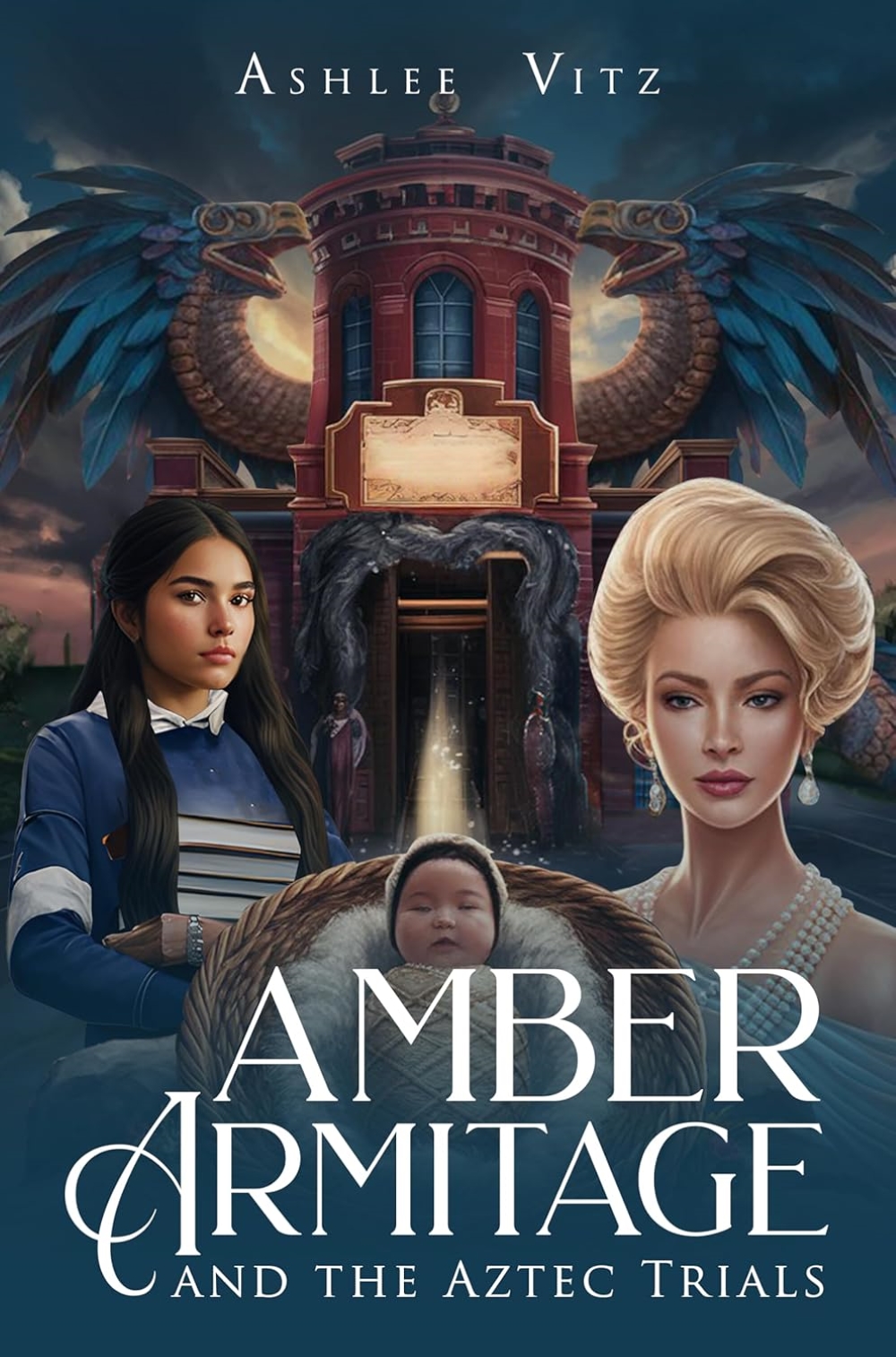
Book review: ‘The Ultimate Guide to Power & Influence’ by Robert L. Dilenschneider

‘The Ultimate Guide to Power & Influence’ is the new book by Robert L. Dilenschneider. Photo: Amazon

Robert L. Dilenschneider started in public relations in 1967 in New York, shortly after receiving an MA in journalism from Ohio State University, and a BA from the University of Notre Dame. He formed The Dilenschneider Group in October, 1991. The Firm provides strategic advice and counsel to Fortune 500 companies and leading families and individuals around the world, with experience in fields ranging from mergers and acquisitions and crisis communications to marketing, government affairs and international media. Dilenschneider was with that organization for nearly 25 years. He is the author of “The Public Relations Handbook,” “The Critical First Years of Your Professional Life,” “50 Plus!: Critical Career Decisions for the Rest of Your Life,” and numerous other books on career and professional development. In his new book “The Ultimate Guide to Power & Influence: Everything You Need to Know,” he explains how technology and globalization have revolutionized the ways to both build and keep success—and tells readers that to accomplish your goals, you must not only gain power, but also apply it with proper wisdom. (Amazon, 2023)

“The Ultimate Guide to Power & Influence” arms you with intellectual, technical, and moral weapons—tools needed to get and stay ahead in the increasingly competitive and ever-evolving business world. Acquiring both power and influence is crucial to advancing not only your personal interests, but also a more prosperous society at large. Drawing from current-day lessons and the wisdom of hundreds of drivers of change in all fields of business, this is the author’s latest guide to harnessing the universal principles for success. It provides anecdotes and insights on a wide range of keys to success, including how to seize opportunity amid crisis, manage your network, communicate effectively, and take full advantage of social media to bolster your image. The book is divided into 15 chapters, including Networking: You Have to Do It, Protect Yourself and Your Reputation, and The Inevitable Crisis: Know How To Handle It and Benefit. It begins in the first chapter by asking readers to get to know themselves because to be an effective leader, you have to understand yourself and your needs first because “Self awareness….is one of the pillars of emotional intelligence (along with empathy, self-management, and social skills) and must come first.” The first part centers around building your power and influence while the second part shows you how to keep that hard earned influence during inevitable times of crisis. At the end, there are notes listed by chapter and an index that makes it easy to search by topic.

Change is the overall theme in “The Ultimate Guide to Power & Influence.” The first two sentences in the Introduction immediately draw you in: “You have a choice. Keep doing what you did yesterday or adapt to a world that is changing everyday.” Indeed, the business world is constantly changing and we must adapt to keep up, especially in a post-COVID world. Robert Dilenschneider has the experience, knowledge, and authority to help readers acquire and amplify their power; from graduate students to corporate professionals. Despite the topic of business, the language is easy to understand and follow because it contains practical advice for career and personal life. He shares inspirational stories to highlight the point he is making because stories make more of an impact than facts and figures ever could. His books are helpful and relevant because he adjusts his message to reflect the changing times and everyone can benefit from his advice, and this one is no exception. Highlights include Chapter 2: Networking that stresses the importance of networking not only in your select filed of work, but also reaching out to contacts outside of your circle; and Chapter 7: The Right Way to Make Your Mistakes that teaches the right way to approach making mistakes: “With humility and perseverance, we move forward and improve” – lesson learned: the biggest mistake is failure to LEARN from our mistakes. “The Ultimate Guide to Power & Influence” is an extremely useful guide that helps readers navigate the ever changing landscape of business as well as their professional and private lives. It is a must read for readers interested in business, economic, and ethics for personal and professional development.

“If there are absolutely no mistakes in a company, then no one is taking a risk, and innovation will atrophy.”

*The author received a copy of this book for an honest review. The views and opinions expressed here belong solely to her.
Rating: 4 out of 5.

Book review: ‘Runway Dreams: A Pricey Affair’ by T.K. Ambers

‘Runway Dreams: A Pricey Affair’ is the new mystery thriller by T.K. Ambers. Photo: Amazon

T.K. Ambers is the award-winning author of “Runway Dreams A Pricey Affair.” Her novel has been recognized in four different award competitions and took second place in the Pencraft Awards, Women’s Fiction category. She lives in New Richmond, Wisconsin with her husband and two cats: Bellatrix and Kit. She would spend her perfect day lakeside, where she would swim, play games, and then wind down with a bonfire, s’mores, and stories told by family and friends. “Runway Dreams: A Pricey Affair” is a dark and comedic thriller about family dynamics and what happens when the youngest sibling in a prestigious family of models falls for a con man with a dangerous past. Follow the author: Facebook Instagram (T.K Ambers, 2023)

“Runway Dreams” – As a model born into the modeling industry, Bernadette (Bernie) Price has everything an heiress could desire, except a romantic partner to share her dreams with. Which is why she turns to online dating where she meets Martin Day, a handsome and successful financial advisor who is moving to her town. Her sister Belinda (Bell) has reservations about online dating, but Bernie is determined to meet Martin in person after talking to him online and on the phone for six months. This is where the story begins, as Bernie is getting ready for her date with Martin. With an absent mother, Bell has taken up the role and is voicing her reservations about this date. By the time she meets Martin at her father’s jazz club, Bernie is hooked. The couple clicks, and their relationship is on the fast track to marital bliss and they become engaged after only a few months of meeting in person. Before the wedding, a stranger (Matthew) brings unsettling news of Martin’s past. The Price family finds themselves divided as they sort through who is telling the truth. When Bernie disappears, her siblings must put their frustrations aside and help their sister reclaim her life before Martin claims theirs.

Most often, the modeling world comes across as a luxurious and worry free lifestyle filled with glamour, photo shoots, and money. What many seldom see is the reality that even beautiful, rich, and famous people ignore their instincts and get into toxic relationships, often with tragic results. It is interesting to read what happens behind the scenes at fashion shows and how models deal with publicity and fame. The story is narrated in the third person point of view and the language is easy to understand and descriptive at times, especially when describing the characters: “His bronzed skin was like a light creamy chocolate, and she guessed it might taste just as sweet.” The first half is lighthearted with occasional funny moments but after Chapter 13, it turns dark as reality sinks in and Bernie is faced with an abusive husband and her family is in the crosshairs. It should be noted that there are brief scenes of domestic abuse, but they are not graphic and only serve to highlight the seriousness of the situation and in fact they make the characters more relatable. The pulse pounding action makes the story flow effortlessly until the dramatic climax. With a perfect balance of comedy and thrilling action that highlights the importance of family, “Runway Dreams” is a must read and recommended for fans of mysteries and dramatic domestic thrillers similar to the best of Nora Roberts.

“As they drove back toward town, there was no laughter. The tears fell silently, and the three siblings held hands. Bernie knew that in time, some of the worst days of their lives would be far behind them, but for now, it was okay to let the tears flow.”

*The author received a copy of this book for an honest review. The views and opinions expressed here belong solely to her.

Rating: 4 out of 5.

Sponsored Post

Book review: ‘Retribution’ by Robert McCaw

‘Retribution’ is the new novel by Robert McCaw and the fifth in the Koa Kāne Hawaiian Mystery Series. Photo: Amazon.

Robert McCaw grew up in a military family, traveling the world. He is a graduate of Georgetown University, served as a U.S. Army lieutenant, and earned a law degree from the University of Virginia. Having lived on the Big Island of Hawaii, McCaw’ s writing is imbued by his more than 20-year love affair with this Pacific paradise. In his new novel “Retribution,” the fifth in his Koa Kāne Hawaiian Mystery Series, Chief Detective Koa Kāne wonders if he might be the real target as people around him come under attack. Other books in the series include “Death of a Messenger,” “Off the Grid,” “Fire and Vengeance,” and “Treachery Times Two.” (Amazon, 2023)

“Retribution” – the story begins as an unknown Muslim man climbs off a Philippine freighter unto a speed boat with one goal in mind: to avenge his brother’s killing. Meanwhile, in the back alley of a bar on the Hawaii Island, a young man is found stabbed to death. When Hilo Chief Detective Koa Kāne begins investigating the crime, the murder weapon is conveniently recovered only a few feet away from the body. Crime scene technicians find fingerprints on the knife and they are a perfect match for Kāne’s younger brother, Ikaika. Even though his brother has a history of getting in trouble with the law, he has turned his life around, so Kāne is certain he is being framed for this crime. He is warned to stay out of the investigation, but of course he is determined to clear his brother’s name. During the investigation, another crime sends shockwaves through the Hilo police force. A sniper tries to take out Makanui, Kāne’s closest colleague. As Kāne tries to figure out whether these crimes are connected, the sinister force continues the killing spree, threatening him and his loved ones at every turn. Could Kāne be the real target? If so, who is behind this trail of retribution? With his own secret criminal past, he confronts an all-out offensive against those closest to him and his police force to which he has devoted his life. As the bodies pile up, Kāne finds himself the ultimate target of a ruthless adversary and must risk it all to survive.

Someone out there is determined to get to Detective Koa Kāne and is killing everyone connected to him. Not only is he still haunted by a secret he has kept all these years, he is constantly worrying about the safety of those around him but determined to catch a killer who seems to be one step ahead of him. On top of it all, he also needs to clear his brother’s name, and that further increases the conflict he feels between his police responsibilities and family loyalty. Since there are a couple of storylines, it can become challenging to follow along from time to time. The action is non-stop but perfectly balanced by the beauty of the Hawaiian location, which ironically enough, sometimes makes the investigation harder because some of the locations are remote and hard to access. With deeply developed and relatable characters, the story is mostly dialogue driven and flows from page to page until the suspenseful climatic ending. The highlight is Chapter 59 where the killer’s identity is revealed. As with his previous books, the author uses relevant Hawaiian terms and language, and even though he explains them as he goes along, it occasionally slows down the pacing, but it is worth it and readers are rewarded with a thrilling murder mystery filled with one plot twist after another. “Retribution” is another remarkable murder mystery by Robert McCaw and is recommended for fans of Michael Connelly who enjoy action thrillers revolving around terrorists and terrorist organizations. The good thing about this excellent mystery series is that each novel stands on its own and can be read in any order.

“The cave exploded with the roar of the gunshot, and the sound reverberated off the cave walls. Makanui’s bullet hit its mark and exited through the back of Cruz’s skull, leaving a golf-ball-sized hole and splattering Cruz’s brains into the lava tube behind him. His gun and hard hat went flying, plunging the cave into blackness.”

*The author received a copy of this book for an honest review. The views and opinions expressed here belong solely to her.

Rating: 4 out of 5.