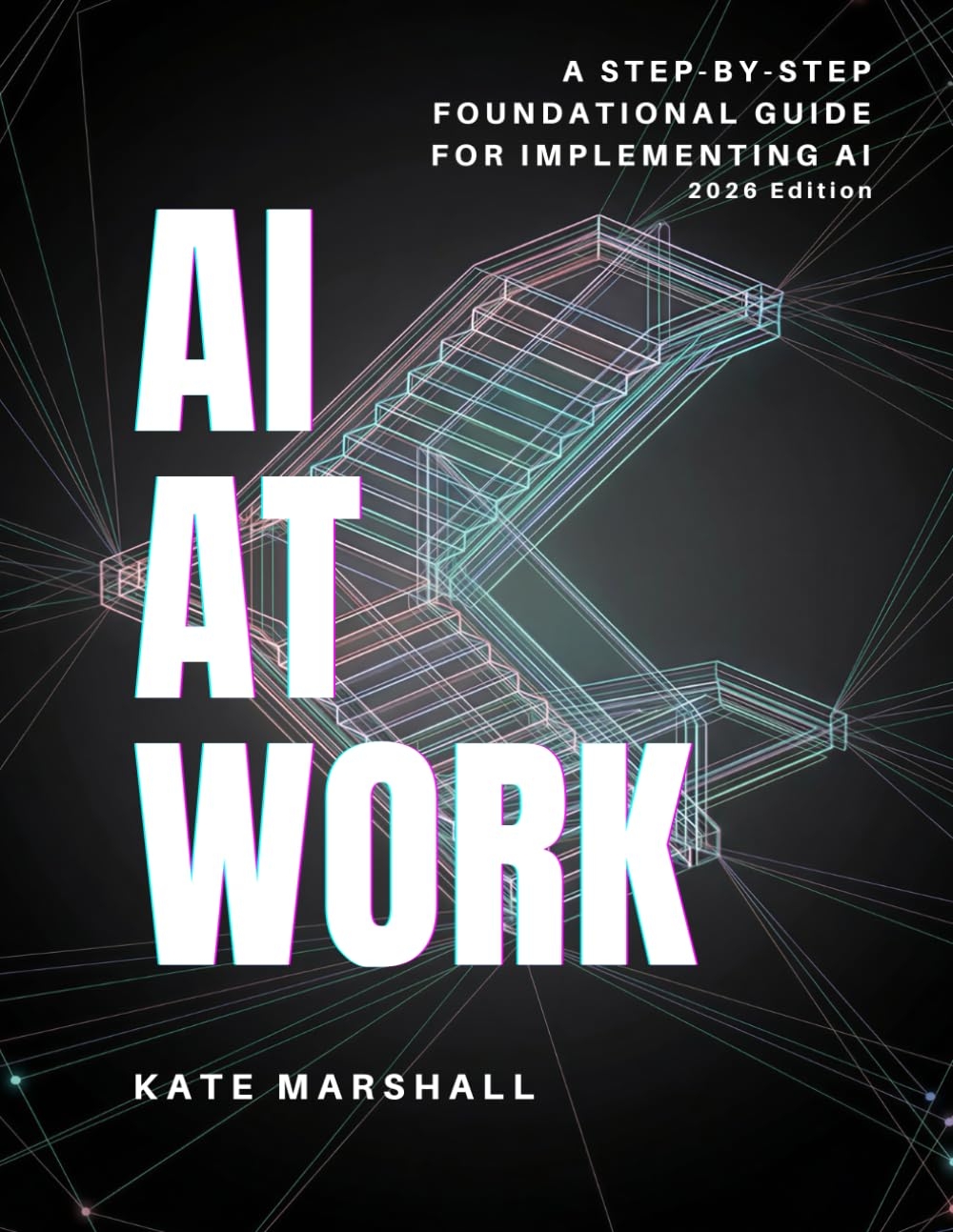
The Step-by-Step Guide to Implementing AI at Work (2026 Edition)

‘AI At Work’ is the new book on AI for nontechnical professionals by Kate Marshall. Photo: Amazon

New Book Spotlight: AI At Work by Kate Marshall

Stop wondering where to start with AI and start using it.

We all know AI is changing the professional landscape, but without a clear entry point, it’s easy to feel like you’re falling behind. AI at Work: A Step-By-Step Foundational Guide For Implementing AI eliminates the overwhelm by providing a proven, structured process to integrate generative AI into your daily routine. (Amazon, 2026)

This isn’t a collection of random tips or high-level theory; it is a practical roadmap designed to move you from initial setup to full workflow automation.


📘 Overview: AI Literacy Made Practical

Written specifically for non-technical professionals, this guide walks you through a system for bringing generative AI into your daily workflow. The best part? No technical background is needed. Each section is designed to be implemented in under 30 minutes, featuring:

  • Copy-paste-ready prompts
  • Actionable checklists
  • Step-by-step instructions
  • QR codes linking to updated digital resources and FAQs

🚀 What You Will Learn

This book covers the full spectrum of modern AI implementation, including how to:

  • Choose Your Tool: Compare ChatGPT, Claude, Gemini, Copilot, and Grok to find the best fit for your specific needs.
  • Master Prompting: Set up custom instructions and engineering techniques to get useful results on your first try.
  • Automate the Mundane: Triage emails, generate meeting notes, and handle repetitive tasks to save hours every week.
  • Build Reusable Workflows: Create SOPs, templates, and AI workflows for documents and presentations.
  • No-Code Automation: Use Zapier, Make, and Power Automate to build business systems without writing a single line of code.
  • Stay Secure: Navigate data classification, enterprise plans, and “Shadow AI” to ensure you’re using these tools safely.

👤 Is This Book For You?

AI at Work meets you where you are, whether you are an individual contributor, a manager, or an executive. This book is for you if:

  • You are drowning in repetitive work and ready to reclaim your time.
  • You want productivity tools that fit into your actual routine, not another app collecting dust.
  • You are done with the hype and want a beginner-friendly, structured system.
  • You want real outcomes: time saved, better workflows, and professional growth.

Note: The 2026 Edition is updated quarterly via QR codes to ensure you stay current with the rapid evolution of tools like ChatGPT, Claude, and Gemini.


About the Author

Kate Marshall helps professionals implement AI safely and effectively, drawing on over 20 years of experience in cybersecurity training, project management, and courseware development.

She is the founder of TheGrai, a consultancy focused on AI adoption, training, and governance. Kate works with executives, HR leaders, and small teams who know AI matters but don’t have time for endless experimentation.
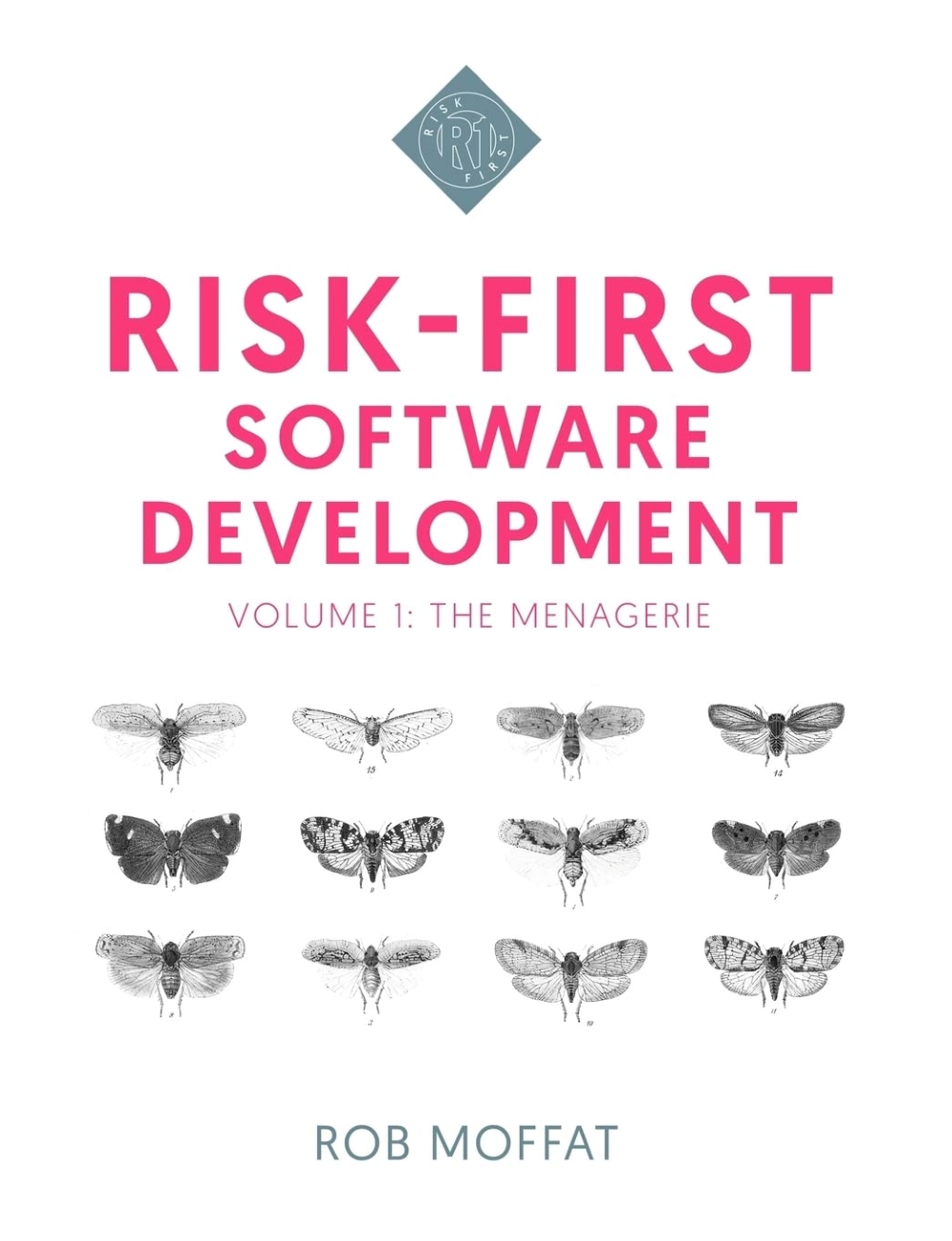

‘Risk-First Software Development’: A New Framework for Modern Teams

‘Risk-First Software Development’ by Rob Moffat. Photo: Barnes & Noble

Book Spotlight: Risk-First Software Development: Volume 1: The Menagerie

By Rob Moffat

The software development world is crowded with different practices, metrics, methodologies, tools, and techniques. For example, metrics such as “number of open tickets,” “code coverage,” or “release cadence” give us a numerical feel for how things are going, while methodologies like Scrum, Waterfall, and Lean offer different approaches to organizing our work. (Barnes & Noble, 2026)

But what unites them all?


About Risk-First

The Risk-First perspective is that all of these practices and methodologies have one thing at their heart: managing risk. Risk isn’t just something that appears in a quarterly report; it actually drives every action we take in a project:

  • User Experience: A story about improving the user login screen reduces the risk of users failing to sign up.
  • Quality Assurance: When we write unit tests, we’re tackling the risk of bugs reaching production and defending against the risk of future changes breaking existing functionality.
  • Monitoring: Improving health indicators addresses the risk of an application failing without anyone noticing.
  • Feature Development: Implementing a new function mitigates the risk of users becoming dissatisfied and moving to a competitor.

Risk-First makes the case that better understanding the nature of these risks is critical to building software in the complex, interconnected domains we work in today.


About The Menagerie

This book is the first volume of the Risk-First series. It introduces the foundational case for viewing every activity on a software project as an attempt to manage risk. The second edition is now available.

The Menagerie introduces the wide variety of risks you’re likely to encounter, naming and classifying them to improve our collective understanding. The book aims to:

  1. Develop a Pattern Language for understanding software risk.
  2. Provide a practical framework for discussing how project activities change the balance of risks we are exposed to.

About the Author

Rob Moffat is a software developer with deep experience in the finance industry, having led regulatory, risk, and transformation IT projects at top-tier investment banks in London. A strong advocate for open source, he currently serves as the Chief Architect for FINOS, the Fintech Open Source Foundation (part of the Linux Foundation).


The Price of Belonging: Exploring Selfhood in the Digital Age

‘Searches: Selfhood in the Digital Age’ is the new book by Vauhini Vara. Photo: Barnes & Noble

Books that explore the human condition in the digital age offer profound insight into how technology reshapes identity, connection, and meaning. Some examine AI’s emotional entanglement with humans, blurring the lines between empathy and programming, while others critique our obsession with surveillance and digital transparency. These narratives question what it means to be human when algorithms influence choices, relationships, and self-worth. As artificial intelligence grows more integrated into daily life, literature becomes a crucial mirror, reflecting both our fears and hopes for the future.

New this month, from the author of “The Immortal King Rao,”finalist for the Pulitzer Prize, is “Searches: Selfhood in the Digital Age,” a personal exploration of how technology companies have both fulfilled and exploited the human desire for understanding and connection. (Penguin Random House, 2025)

“Searches: Selfhood in the Digital Age” by Vauhini Vara

When it was released to the public in November 2022, ChatGPT awakened the world to a secretive project: teaching AI-powered machines to write. Its creators had a sweeping ambition—to build machines that could not only communicate, but could do all kinds of other activities, better than humans ever could. But was this goal actually achievable? And if reached, would it lead to our liberation or our subjugation?

Vauhini Vara, an award-winning tech journalist and editor, had long been grappling with these questions. In 2021, she asked a predecessor of ChatGPT to write about her sister’s death, resulting in an essay that was both more moving and more disturbing than she could have imagined. It quickly went viral.

The experience, revealing both the power and the danger of corporate-owned technologies, forced Vara to interrogate how these technologies have influenced her understanding of her self and the world around her, from discovering online chat rooms as a preteen, to using social media as the Wall Street Journal’s first Facebook reporter, to asking ChatGPT for writing advice—while compelling her to add to the trove of human-created material exploited for corporations’ financial gain.

Interspersed throughout this investigation are her own Google searches, Amazon reviews, and the other raw material of internet life—including the viral AI experiment that started it all. “Searches” illuminates how technological capitalism is both shaping and exploiting human existence, while proposing that by harnessing the collective creativity that makes humans unique, we might imagine a freer, more empowered relationship with our machines and, ultimately, with one another.

Vauhini Vara has been a reporter and editor for The AtlanticThe New Yorker, and the New York Times Magazine, and is the prize-winning author of “The Immortal King Rao” and“This is Salvaged.

“Vara humanizes the influence of technology in highly personal terms [and] projects what the future holds as tech oligarchs gain political influence. . . . Provocative, challenging, and concerning, Vara’s clever, eye-opening approach brings home the often uneasy confluence of individual desire, social benefits, and corporate ambition.”Booklist, starred review

“Tragic, funny, and relatable[, SEARCHES] is by turns absurd and insightful, engaging with the ethics of algorithms, surveillance, and privacy in a meaningful way. . . . A must read.” Library Journal, starred review

“Readers will be profoundly moved by this remarkable meditation.”Publishers Weekly, starred review