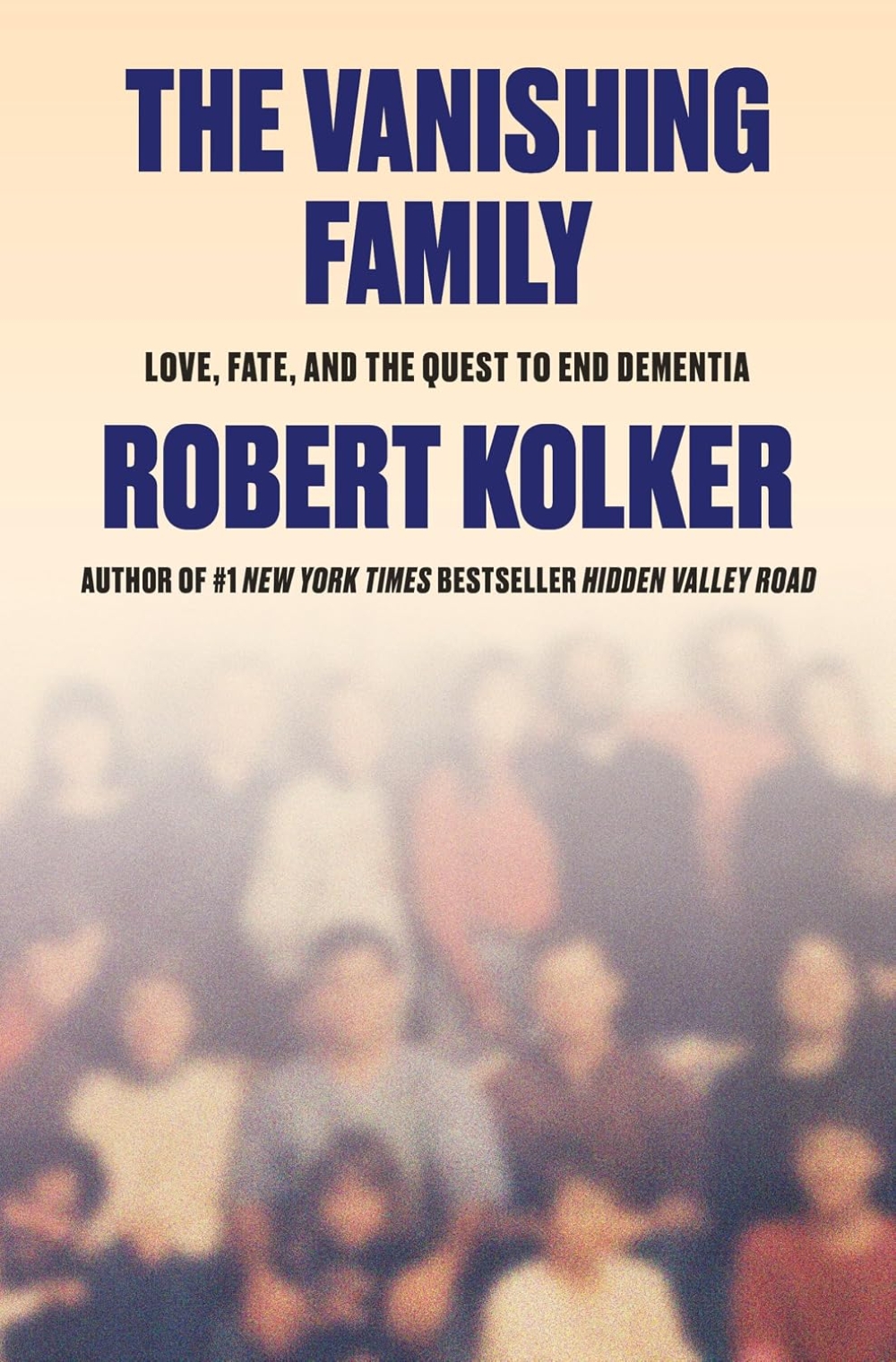
The Real Cost of the American Dream: A Review of Craig Yorke’s ‘Steep’

‘Steep:’ is the inspiring memoir by Craig Yorke. Photo: Barnes & Noble

Related Post: Book Spotlight: ‘Steep: A Black Neurosurgeons’ Journey’ by Craig Yorke.


Book Review: Steep: A Black Neurosurgeon’s Journey by Craig Yorke

Steep: A Black Neurosurgeon’s Journey by Craig Yorke is an inspiring memoir that explores the sacrifices, resilience, and determination required to overcome adversity. Yorke chronicles his remarkable journey from a struggling Boston neighborhood to becoming a respected neurosurgeon in the American Midwest. What began as a personal letter to his sons unfolds as a candid life narrative: while Yorke has gained immense wisdom, he refrains from lecturing or preaching, and, above all, he refuses to see himself as a victim.

An Uncompromising Opening

The narrative opens with Dr. Yorke taking a middle-of-the-night emergency call for a severe motorcycle accident. Covering Topeka’s hospitals and the surrounding region every other night and weekend alongside his daytime practice, he rushes into the ER. As the nurse cuts away the patient’s t-shirt, a prominent WHITE POWER tattoo covering the man’s chest is revealed—setting the stage for a story deeply rooted in composure, duty, and professional detachment.

This intense opening flashes back to his childhood in Boston, when a young Yorke was rushed to the ER after accidentally eating poisoned bread left behind the refrigerator for rats. Known mostly through family lore, the incident left a lifelong mark, he still recoils at the mere memory of Ipecac.

As the only child of Dorothy and Craig Sr., he grew up sickly, struggling with asthma and a clubbed right foot. Throughout the book, Yorke explores how his parents’ backstories shaped their parenting style, leading into his school years, surgical career, eventual retirement, and the enduring lessons of his journey.

Table of Contents

  1. Stealth
  2. Crucible
  3. Educated
  4. The Better Angel
  5. Fledgling Pillars
  6. Peaks and Valleys
  7. Twilight of Enterprise
  8. New Eyes

Chapter Highlights

Chapter 6: Peaks and Valleys

Yorke detail the launch of his independent practice with a close friend, revisiting memorable cases, including a young neighbor who developed a life-threatening brain clot. Most insightful are his encounters with uninsured patients: while accustomed to delivering difficult medical news, he found himself unprepared for the devastating financial catastrophes his patients faced. Even when waiving his own professional fees, the external medical costs wreaked havoc on their lives.

Chapter 7: Twilight of Enterprise

Here, Yorke candidly recounts facing a legal malpractice suit after failing to diagnose a fractured larynx in a patient. Though the lawsuit ultimately failed, the emotional impact was severe. As Yorke reflects:

“The ordeal was a blow to a kid whose identity was yoked to his confidence.”

Core Themes & Takeaways

Yorke writes with exceptional honesty and humility, revealing moments of doubt and self-reflection that make his story deeply relatable. His path underscores the importance of discipline, education, and refusing to let circumstances dictate one’s future. The narrative thoughtfully balances professional achievement against personal fulfillment, demonstrating that compassion and empathy are just as vital in medicine as technical expertise.

While Yorke’s identity as a Black surgeon in a predominantly white field provides crucial context, Steep ultimately moves beyond a simple critique of systemic bias. Instead, it serves as a raw, honest exploration of the heavy cost of high achievement and the quiet sacrifice required by the American Dream.

At its core, the memoir delivers profound lessons on resilience, identity, and personal reckoning:

  • The Price of Ambition: Success often exacts a steep personal toll, demanding emotional compartmentalization, strain on relationships, and constant self-reliance.
  • Resilience Over Circumstance: Roots do not define limits; discipline and laser-focused perseverance can bridge the gap between systemic disadvantage and elite achievement.
  • Reconciling the Past: True fulfillment requires making peace with where you came from rather than attempting to outrun your origins.

Final Verdict

Overall, Steep is an engaging, introspective, and essential read for anyone navigating their own steep climb. It offers a poignant reminder that reaching the peak is only half the battle, retaining your humanity is the rest.

“We neurosurgeons are caricatured as filled with conceit, short on empathy. And there’s truth in that cartoon. But hubris is tough to maintain while completing and signing your patient’s death certificate.”

Rating: 4 out of 5.

** Thank you to Wes Seely and PR by the Book for my gifted ARC for review consideration. I haven’t been compensated for this review and all views and opinions expressed are my own.
Essential Reading for New Clinicians: ‘The Pediatric PT Playbook’ Book Spotlight

‘The Pediatric PT Playbook’ is the ultimate pediatric pt survival guide. Photo: Amazon

Book Spotlight: The Pediatric PT Playbook

A Practical Guide to Clinical Reasoning for Students and New Clinicians

By Kyan Sahba, PT, DPT, PhD

Your peds clinical is coming, and you don’t feel ready. That’s exactly why this book exists.

Physical therapy school teaches you the science. It doesn’t teach you what to actually do when a two-year-old won’t cooperate, a parent is watching your every move, and your clinical instructor (CI) is waiting for you to take the lead. (Amazon, 2026)

The Pediatric PT Playbook was written for that exact moment.

This isn’t another dense textbook, it’s the clinical companion you wish you had before day one of your pediatric rotation. It’s built around how real pediatric PT actually works, not just how it’s described in a lecture hall.

What’s Inside

  • Structured Frameworks: Master clinical reasoning across every pediatric setting—outpatient, school-based, NICU, acute care, and home health.
  • CI Expectations: Learn exactly what your clinical instructor expects to see from you and how to deliver it with confidence.
  • Smart Goal Writing: Write goals that actually make sense in a pediatric context, including educationally relevant goals.
  • Family Communication: Discover real-world communication strategies that don’t make you sound like a reading textbook.
  • Clinical Red Flags: Fast-track your assessment skills with clear breakdowns of movement quality, symmetry analysis, and red flags.
  • Documentation Made Easy: Master SOAP notes and documentation tailored specifically for pediatric settings.

Who Is This Book For?

Written by a pediatric PT, educator, and researcher who has trained students across real clinical settings, this guide targets the exact gap between classroom theory and clinic reality.

This playbook is essential reading for:

  • Doctor of Physical Therapy (DPT) Students preparing for or currently in a pediatric rotation.
  • New Grad PTs stepping into their first pediatric role.
  • Experienced Clinicians transitioning into pediatric practice.

Whether you’re two weeks out from your first peds rotation or already in the thick of it, this book will help you feel more confident, prepared, and effective from day one.


About the Author

Kyan Sahba, PT, DPT, PhD is a pediatric physical therapist, researcher, and educator with experience spanning home health, school-based practice, outpatient pediatrics, and pediatric oncology. She earned her PhD in Physical Therapy and is dedicated to bridging evidence-based research with real-world clinical practice.

Beyond her research and clinical work, she founded the Barry Blue Foundation in honor of her parents. The foundation supports families facing financial hardships due to cancer through a series of children’s books that teach kindness, courage, and emotional resilience.

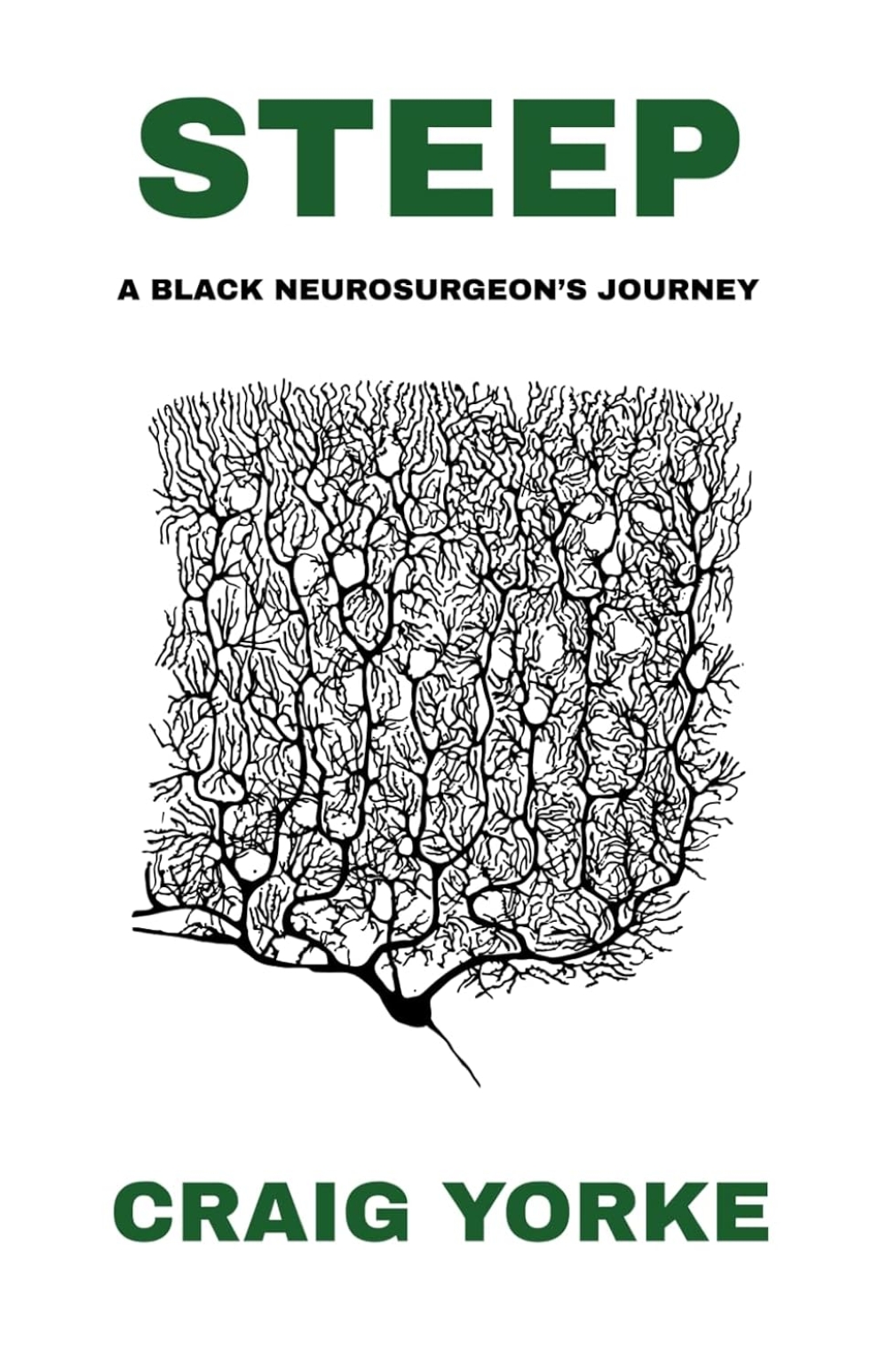
Book Spotlight: ‘Steep: A Black Neurosurgeon’s Journey’ by Craig Yorke

‘Steep’ is the new memoir by Craig Yorke. Photo: Barnes & Noble

Book Spotlight: Steep: A Black Neurosurgeon’s Journey by Craig Yorke

Steep traces an odyssey from a gritty Boston neighborhood to a neurosurgical practice in Middle America. It’s more about the price of success than the weight of bigotry – a story of resilience and self-discovery that will resonate with anyone who has wrestled with their past as they chased the American Dream. (PR by the Book, 2026)

The word “steep” has two meanings: the adjective that conjures a precipitous climb—or descent—but also the verb that connotes a ripening or maturing over time. Both definitions are evident in Yorke’s story, one that will resonate with anyone who’s run from their past, and anyone whose world feels too small.

Get your copy today!


Praise for Steep

“Written with the deftness of a brain surgeon and the ear of a concert violinist, Steep is the unforgettably moving story of one man’s life and times. But it is also a wise and courageous commentary on our time.”

Cyrus Console-Soican, Ph.D., Professor of Liberal Arts, Kansas City Art Institute


About the Author

Dr. Craig Yorke was born in Roxbury, Massachusetts. He received a BA from Harvard College in 1970 and an MD from Harvard Medical School in 1974. His parental directive insisted he avenge centuries of bigotry with a life of infinite success.

After a neurosurgical residency at the University of California at San Francisco, he and his wife Mary found their way to an unlikely destination. He practiced in Topeka, Kansas, for 25 years, wrestling with his history and the armored identity it had imposed.

He’s a credible violinist, having played the Bruch G Minor concerto with the Boston Pops at age 17, and hits tennis balls with passion. Steep is his first book.


The Art and Science of Facial Reconstruction: A Review of Gloria Nusse’s Forensic Atlas

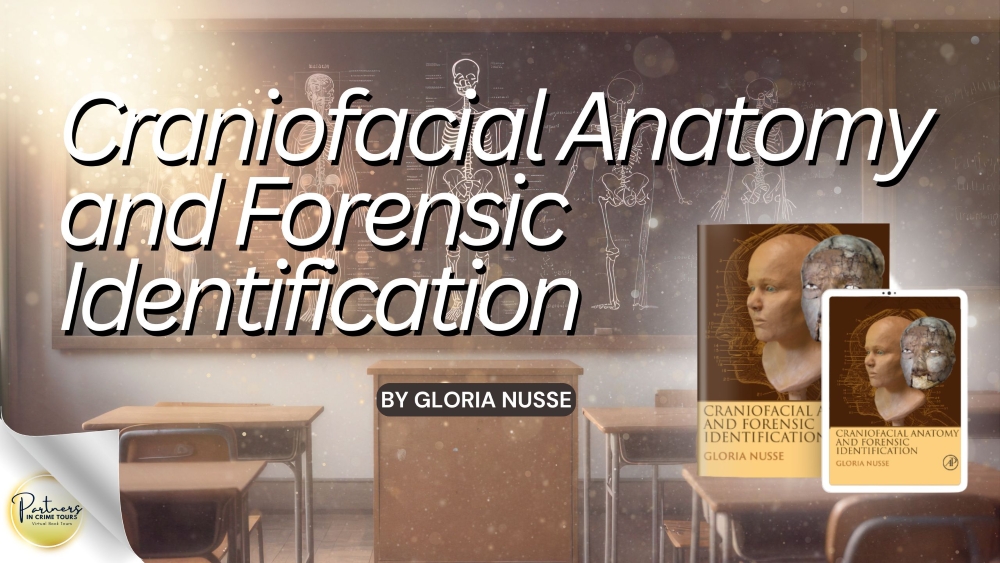
Craniofacial Anatomy and Forensic Identification by Gloria Nusse. Photo: PICT, used with permission.

Part of the Partners in Crime Tours Virtual Book Tour

Book Review: Craniofacial Anatomy and Forensic Identification by Gloria Nusse

Overview

Our bodies record what happens to us physically throughout our lives, including scars from injuries sustained years or even decades ago. Scars tell us how we used our joints or how we may have injured them as children and adults. Our bodies also conform to the environments in which we live, both externally and internally. By examining and observing these key clues, a forensic investigator can reveal the unique characteristics that tell the story of a person’s life and death. (Barnes & Noble, 2026)

Craniofacial Anatomy and Forensic Identification is an atlas that covers all aspects of facial reconstruction and the anatomy of the head and neck. It explores facial expression, the anatomical basis of facial development, and the effects of muscle movement in detail.

Written by a world-renowned forensic artist with decades of experience as a scientific illustrator, portraitist, anthropologist, and lecturer in anatomy and biology, Gloria Nusse brings a rare balance of scientific rigor and artistic mastery to this work.

What’s Inside

  • Chapter 1: Introduction and identity from the skull’s perspective
  • Chapter 2: History and research of facial identification
  • Chapter 3: Bones, muscles, and tissues
  • Chapter 4: Facial features
  • Chapter 5: Analysis and interpretation
  • Chapter 6: Age, archetype, and expression
  • Chapter 7: Grave goods and artifacts
  • Chapter 8: Mold making and reproduction
  • Chapter 9: Clay work and finishing
  • Chapter 10: Lefty, an exemplar

Highlights

Chapter 2
This chapter includes a fascinating history of facial identification, beginning with mortuary practices of preserving the head that date back approximately 80,000 years to Jericho and the Middle East. It also highlights influential figures in the field, such as Wilton Marion Krogman, a professor of physical anthropology who along with sculptor Mary Jane McCue created a 3D facial reconstruction on a male skull in 1946. Modern identification methods are largely based on this groundbreaking work.

Chapter 8
This section goes into detailed methods of mold making, skull preparation, and techniques for working with damaged skulls, making it especially valuable for practitioners.

Review

Craniofacial Anatomy and Forensic Identification is a visually rich atlas that bridges science and art with remarkable accuracy. Designed for forensic artists, anthropologists, and anatomy students, the book offers a comprehensive examination of the head and neck, grounding facial reconstruction in anatomical knowledge rather than artistic intuition alone.

Nusse guides readers through craniofacial anatomy, facial musculature, and the structural basis of expression, clearly demonstrating how bone, muscle, and soft tissue interact to create recognizable human faces. I especially appreciated her focus on facial development and muscle movement, which shows how subtle anatomical variations can dramatically alter a person’s appearance, which is an essential insight for forensic identification. The atlas format, supported by detailed illustrations, allows complex concepts to be easily understood and reinforces the text’s scientific clarity.

As a world-renowned forensic artist and scientific illustrator, Nusse writes with the authority of a scientist and the sensitivity of an artist. Her explanations are precise yet accessible, reflecting deep respect for both disciplines.

Overall, Craniofacial Anatomy and Forensic Identification is a valuable reference that elevates facial reconstruction from technique to discipline. It gives readers a deeper understanding of the human face as both a biological structure and an expressive form. An extra plus is the history of facial reconstruction; fans of history will appreciate the detailed background information.

“It is impossible to know all of anatomy. She is a mysterious mistress and refuses to be put into a box. Each time you think you have figured it out, you see something else that changes all you knew before.”

Rating: 4 out of 5.

Pick up your copy today!

Amazon Barnes & Noble Walmart Thriftbooks ScienceDirect Elsevier


About the Author

Gloria Nusse is a forensic artist, anatomist, and anthropologist who has taught numerous professional workshops, including for the FBI.

She has aided in the identification and return of the unidentified remains of more than 14 individuals to their families. Her work includes recreations of ancient peoples of the Middle East and the reconstruction of the crystal skull for National Geographic, among others. Her work has been featured on 48 Hours, Forensic Files, Dateline, National Geographic specials, Unsolved History, and more.

Nusse worked as a scientific artist for over 35 years and taught human dissection and anatomy at San Francisco State University for 12 years, where she is currently Emeritus. She has authored and co-authored multiple journal articles and book chapters and was the invited speaker for the Chalmers Historical Address at the Association of Oral and Maxillofacial Surgeons meeting in 2013.

*Thank you to Partners in Crime Tours and the author for my gifted copy for review as part of the tour. I haven’t been compensated for this review and all views and opinions expressed are my own.

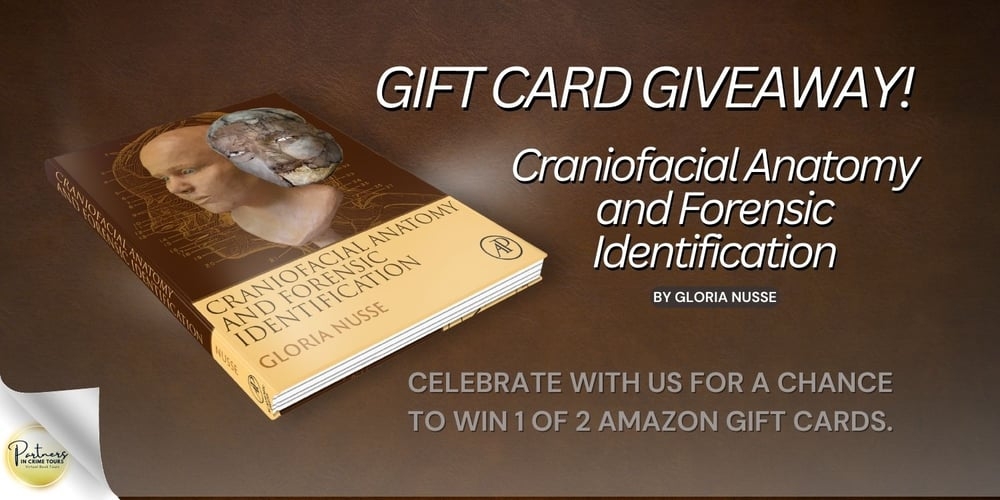
Partners in Crime Tours is hosting a gift card giveaway! Enter now for a chance to win 1 of 2 Amazon gift cards. Terms and conditions apply. Void where prohibited.

Photo: PICT, used with permission.

Book review: ‘The Modern-Day Guide to Science-Backed Herbal Remedies’ by Dr. Jane Willow PhD

Unlock the healing power of nature with ‘The Modern-Day Guide to Science-Backed Herbal Remedies.’ Photo: Amazon

Dr. Janet Willow, MD, PhD is an award-winning clinical psychologist specializing in the psychological treatment of anxiety, ADHD, depression and other mental health conditions. With decades of experience, she is a leader in her field and widely recognized for her passion to help clients achieve optimal mental health. Her approach to therapy focuses on not just eliminating symptoms but also helping clients understand how they relate to their environment, making lasting changes that can improve overall life satisfaction. Her new book “The Modern-Day Guide to Science-Backed Herbal Remedies” is an essential guide to help readers discover the healing power of nature. (Amazon, 2024)

“The Modern-Day Guide to Science-Backed Herbal Remedies” – discover the fascinating world of herbal medicine and harness the therapeutic potential of plants with this groundbreaking book. It bridges the gap between ancient wisdom and cutting-edge science, providing readers with a comprehensive and accessible guide to natural healing.

The material discussed includes an in-depth exploration of the historical and cultural significance of herbal medicine, the science behind the healing properties of plants, detailed profiles of over 50 medicinal herbs, including their therapeutic uses and preparation methods, step-by-step instructions for crafting your own herbal remedies, from teas and essences to salves and syrups, practical advice on incorporating herbs into your daily wellness routine, and an extensive reference section with the latest research and clinical studies on herbal medicine.

This book contains everything you ever wanted to know about herbal remedies. In Chapter 1: Introduction to Herbal Medicine, the author explains how she became interested in the healing power of plants when as a child, she watched her grandmother enjoy a cup of chamomile and mint tea. Even after she got her scientific education, her fascination with herbal remedies lingered and she was determined to find a connection between both of them. In Chapter 2: The Science Behind Herbal Medicine, she takes readers on a journey to discover the science behind herbal remedies, while Chapter 3: History of Herbal Medicine gives the history of herbal medicine that proves that humans have always had a connection to the natural world.

The rest of the book is divided as follows:

Chapter 4 Ethical Sourcing and Sustainability – Honoring the Earth, Ensuring the Future
Chapter 5 Safety First: Understanding Herbal Contraindications
Chapter 6 The Herbal Apothecary
Chapter 7 Herbal Remedies for Digestive Health
Chapter 8 Herbal Remedies for Muscle Pain
Chapter 9 Herbal Remedies for Respiratory Illness
Chapter 10 Herbal Remedies for Cuts and Bruises
Chapter 11 Herbal Remedies for Mood Enhancement
Chapter 12 Herbal Remedies to Strengthen Immunity
Chapter 13 Herbal Remedies to Improve Sleep
Conclusion

From the science behind herbal medicine, to tips on setting up your own apothecary and herbal remedies for different types of ailments, there is so much useful information for readers of all levels. Whether you are just interested in the history portion or are looking for specific remedies, this is a must-read book. It is well researched and put together and is easy to understand without using complicated medical terms. Readers interested in wellness and herbal remedies should definitely add it to their reading list.

*The author received a copy of this book for an honest review. The views and opinions expressed here belong solely to her.

Rating: 4 out of 5.
Photo: Amazon