Grief, Grace, and the Signs We’re Given: Kathryn Henry’s Powerful Memoir

‘A Dime to Say I Love You’ will be released July 15, 2025. Photo: Barnes & Noble

📚Book Spotlight: A Dime to Say I Love You by Kathryn Henry
For Readers Navigating Grief, Love, and the Spiritual Unknown

For readers navigating grief, spiritual seekers questioning the nature of love and the afterlife, or anyone who’s ever whispered I miss you into the void―today’s book spotlight is especially for you. (Advantage Media, 2025)

A Dime to Say I Love You: A Journey of Love, Loss, and Spiritual Awakening by Kathryn Henry is a profoundly moving memoir that charts a path through unimaginable heartbreak and into unexpected transformation. It will be released on Tuesday, July 15, 2025.

When Henry lost her wife Lisa to a rare and aggressive cancer, she plunged into a deep well of grief that threatened to consume her. But what followed was more than mourning—it was a spiritual reckoning. This memoir chronicles not only their final days together, but also Kathryn’s unfolding inner journey, marked by raw honesty, resilience, and a search for meaning beyond death.

This is not your typical grief memoir. Grounded in the brutal reality of terminal illness and lifted by transcendent moments of love, humor, and insight, Henry’s voice emerges—shaped by trauma, tempered by devotion, and illuminated by spiritual inquiry. Their life together—renovating homes, hiking in Japan—comes alive on the page, where even the smallest details carry sacred weight. And then, there are the dimes: tiny silver tokens that begin appearing as signs, metaphysical breadcrumbs that hint at Lisa’s enduring presence.

Each chapter blends storytelling with meditative reflection, offering readers space to pause, breathe, and explore their own emotional landscapes. This is a book for anyone who has loved deeply and lost deeply—and is looking for light in the darkness.

For fans of Cheryl Strayed, Joan Didion, and Thich Nhat Hanh, A Dime to Say I Love You doesn’t offer easy answers. What it does offer is resonance: a reminder that pain is not the opposite of love, but its echo.

Kathryn Henry’s journey—from a turbulent youth and high-level corporate career (at lululemon, Gap, Levi’s), to a spiritual awakening forged in the fire of personal loss—is as extraordinary as it is relatable. Her story is a testament to love’s lasting imprint, and the quiet ways the universe may still speak, if we are listening.

‘Finding Nicole’: A True Story of Survival, Strength, and Justice

‘Finding Nicole’ is available to rent or purchase. Photo: Fandango

“Finding Nicole: A True Story of Love, Loss, Betrayal, Fear, and Hope”

By Nicole Beverly

In her powerful memoir, Finding Nicole: A True Story of Love, Loss, Betrayal, Fear, and Hope, author and advocate Nicole Beverly shares an unflinching, deeply personal account of her journey from domestic violence victim to survivor—and ultimately, to warrior. (Amazon, 2025)

The Cycle of Abuse

Nicole met her ex-husband in college, and over the course of a decade, found herself trapped in a progressively abusive and violent relationship. Like so many victims, she stayed for a complex mix of reasons: love, financial dependency, her children, and fear. In 2009, she finally left—but the danger didn’t end there.

For more than two years after leaving, Nicole endured relentless stalking, threats, and harassment. Her powerful victim impact statement at his sentencing eventually led to her ex-husband’s conviction for stalking. Yet even behind bars, he continued to pose a lethal threat—attempting to hire inmates to kill Nicole and their children.

A System That Failed Her

Nicole’s story also sheds light on the failures of the criminal justice system. Due to errors by law enforcement, breakdowns in communication, and a hesitant prosecutor, her abuser was almost released despite these credible threats. In a desperate bid to protect her family, Nicole even considered identity change—only to discover how difficult it would be to start over without a past.

Fighting Back—and Winning

Instead of disappearing, Nicole chose to fight. She turned to social media to share her story and rallied support from family, friends, fellow survivors, and strangers across the globe. In just a few weeks, her plea for justice went viral.

Thanks to public pressure, the Attorney General of Michigan took on her case. After 13 months, multiple court hearings, and unwavering courage, Nicole’s abuser was found guilty of new charges and sentenced to a longer prison term—giving Nicole and her children some much-needed peace.

A Guide for Survivors

Nicole’s book doesn’t end with her story. In its final chapters, Finding Nicole serves as a guidebook for survivors of domestic violence, stalking, and toxic relationships. With practical advice and heartfelt encouragement, she offers tools to help others leave safely, reclaim hope, build resilience, and ultimately, find themselves again.


A story of fierce determination and the power of collective voices, “Finding Nicole” is a must-read. It’s not just a memoir—it’s a call to action for justice, awareness, and unwavering support for survivors everywhere. The film adaptation is available to rent or purchase on YouTube, Google Play Movie, Fandango at Home, Apple TV, and Amazon Prime Video.


Movie Review: Finding Nicole — A Powerful Story of Survival and Strength

If you’re looking for a film that will leave a lasting impression and stir your soul, Finding Nicole is a must-watch. Based on the true story of Nicole Beverly, this film chronicles her harrowing journey through domestic abuse and her courageous fight to protect her children and reclaim her life.

Nicole’s story has been featured on Inside Evil with Chris Cuomo, Til Death Do Us Part, and in her top-selling book of the same name. The movie adaptation does a remarkable job of bringing her experiences to life with authenticity and emotional depth. Rather than sensationalizing the violence, the film focuses on the psychological impact of abuse and the long road to healing.

Kaiti Wallen delivers a standout performance, capturing Nicole’s quiet strength and vulnerability. Through gripping courtroom scenes and haunting flashbacks, we witness not only the terror Nicole endured but also her unwavering determination to break free.

Finding Nicole is more than just a film—it’s a powerful statement about resilience, justice, and hope. It’s an emotional, necessary watch that sheds light on the very real issue of domestic violence and the courage it takes to survive it. This is storytelling with purpose.

Cast

Kaiti Wallen – Kaiti Wallen
Mari G. – Warren Beverly
Sean Whalen – Cameron Banks
Shawntay Dalon – Shonda Wright, Esq
Richard Tyson – Judge Carter


*The author was contacted for an honest review of this film and received a screener link. The views and opinions expressed here belong solely to her.

What Psychoanalysis Really Feels Like: A Review of Joan Peters’ ‘Untangling’

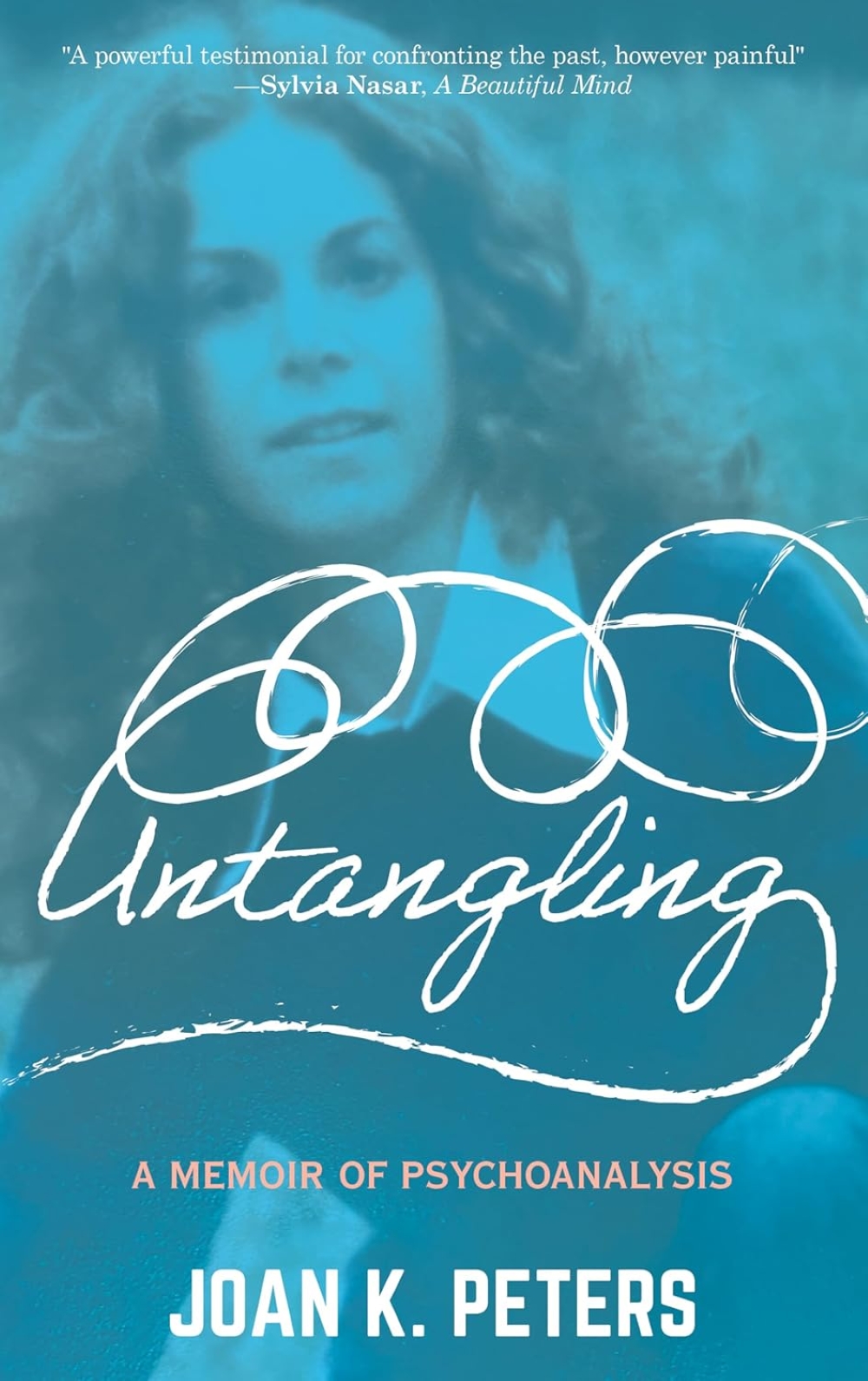
‘Untangling: A Memoir of Psychoanalysis’ by Joan K. Peters. Courtesy photo, used with permission.

Book Review: ‘Untangling: A Memoir of Psychoanalysis’ by Joan Peters
What It’s Really Like to Be in Psychoanalysis—From the Patient’s Chair

If you’ve ever wondered what actually happens during psychoanalysis—or what it feels like to unravel years of emotional knots on a therapist’s couch—Joan Peters‘ “Untangling: A Memoir of Psychoanalysis” offers a rare, intimate glimpse into that world.

Unlike most writing on psychoanalysis, which often comes from the perspective of clinicians, “Untangling” is told from the inside out. Peters chronicles her decades-long analytic journey with striking vulnerability, courage, and clarity. This journey consisted of two different analysts: Lane when she was 28 and Kristi when she was 67. While Lane was helpful, she remained impersonal and impartial. Kristi actually got to know her because she used relational psychoanalysis, a psychoanalytic approach that emphasizes the importance of the relationship between the therapist and patient in the therapeutic process. Peters brings readers into the room with her, detailing the subtle shifts, long silences, and emotionally charged breakthroughs that define the therapeutic process.

Highlights:
Chapter 7 – Schizoid
– Peters admits to Lane that from ages 14 to 19, she had lived an alternate existence because when she was 14, she started hearing voices. These voices guided her every action.
Chapter 4 – Lane Explains Me to Me – Focuses on her family background, memories of her as a two year old seeing her mother preparing the morphine syringes for her dad who was dying of cancer. This explained her nightmares about syringes and being given injections with poisons. Two months after talking about this, her needle nightmares ended. That’s when Joan discovered the complicated issue of subconsciousness and how it affects our lives.

At its core, honesty is what makes this memoir so powerful. Peters doesn’t offer easy answers or dramatic resolutions—instead, she shows how transformation unfolds slowly, often painfully, through the act of being deeply seen and heard. It reveals how analysts’ methodology differ and how patients respond differently with age and life experience. Her writing is vivid and lyrical, making even the most abstract aspects of psychoanalysis feel grounded and human. “Sitting back in her chair, patient as a fisherman in a placid lake, she listened, questioned, interjected while I mostly avoided the story, as if its invisible tentacles might entangle (or strangle) me.”

Overall, “Untangling” is a courageous and necessary contribution to the literature on mental health. It demystifies a process often veiled in secrecy and offers an authentic voice to the patient experience. For readers curious about psychoanalysis—or the complexities of healing—this memoir is both enlightening and deeply moving.

“My question back in Vermont had loosened a scab; now the wound bled, unstoppable. She had offered me silence, and I had refused her gift. Now, at times, I felt I might drown in her words.”

*The author was contacted for an honest review of this book and received a copy. The views and opinions expressed here belong solely to her.

Rating: 4 out of 5.

Related post: Inside the Analyst’s Chair: Joan Peters’ Raw and Riveting Journey in ‘Untangling’

Healing Through Sound: Dr. Stephen Porges’ Revolutionary Safe and Sound Protocol

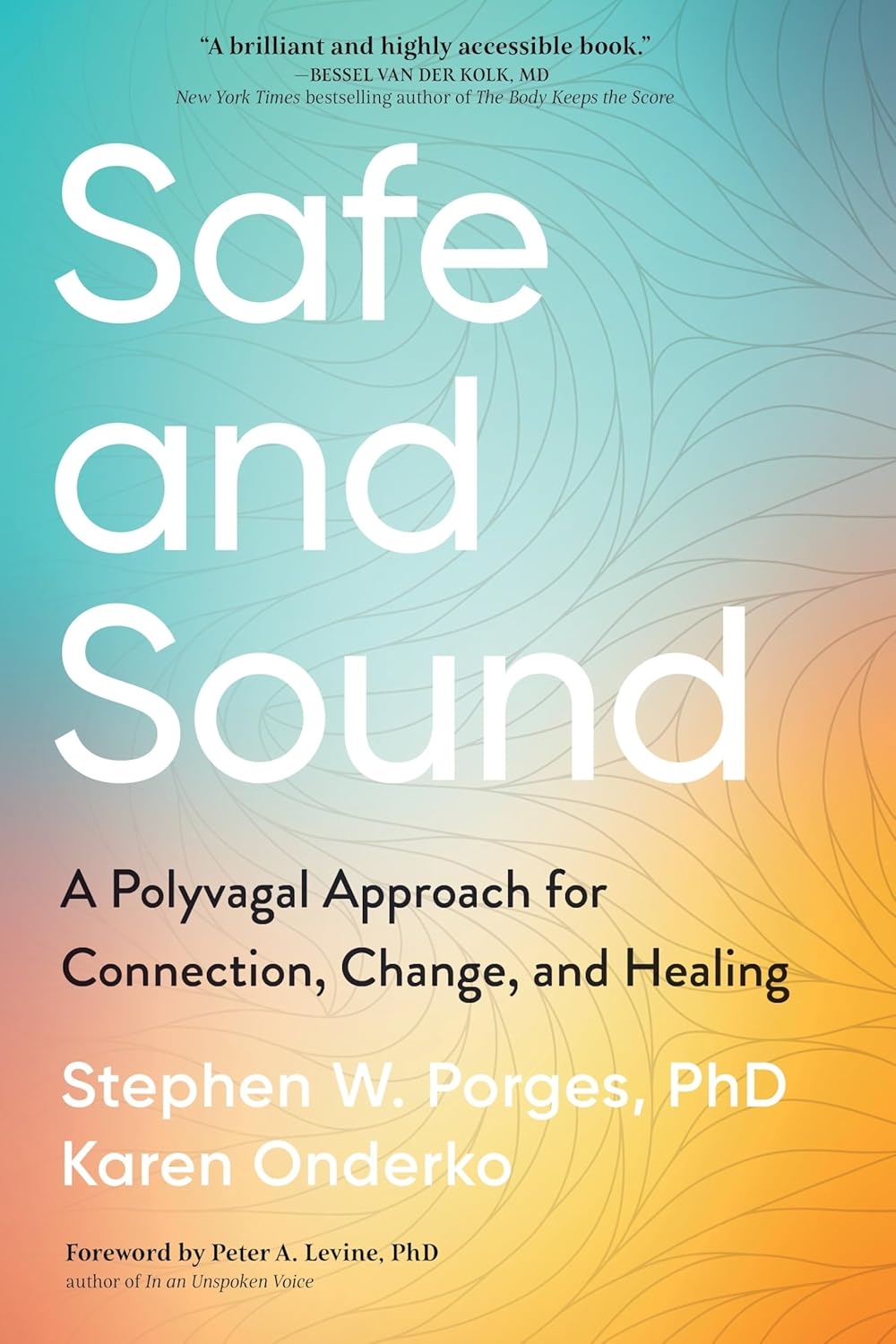
‘Safe and Sound: A Polyvagal Approach for Connection, Change, and Healing’ is the transformative new book by Dr. Stephen Porges. Photo: Barnes & Noble

Mental health awareness is crucial in today’s fast-paced world, where stress, anxiety, and depression are increasingly common. Recognizing the importance of mental well-being helps reduce stigma and encourages people to seek help. Various therapy methods are available, including cognitive-behavioral therapy (CBT), which focuses on changing negative thought patterns; dialectical behavior therapy (DBT), used for emotional regulation; and art therapy, which provides creative outlets for expression. Mindfulness-based therapies and medication management also play vital roles. Addressing mental health is essential now more than ever, as it promotes resilience, healthier relationships, and improved quality of life in an increasingly complex society.

In today’s book news, “Safe and Sound” is the new book by Dr. Stephen Porges where he addresses Safe and Sound Protocol as another means of therapy.

Safe and Sound Protocol is a groundbreaking therapy based on the Polyvagal Theory developed by Dr. Stephen Porges. Now, together with researcher Karen Onderko, they have written “Safe and Sound: A Polyvagal Approach for Connection, Change and Healing.” (Sounds True, 2025)

In this new book,Porges and Onderko offer a glimpse into this innovative approach, highlighting not only the origin of SSP and its best practices, but also real-life stories of transformation and healing. SSP is backed by neuroscience and this technique aids in stress reduction and mental wellness. It’s gaining traction for its effectiveness in treating various mental health conditions.

Stephen W. Porges, PhD, is author of “The Polyvagal Theory” and creator of the Safe and Sound Protocol. He’s a professor of psychiatry at the University of North Carolina and Distinguished University Scientist at Indiana University, where he’s founding director of the Traumatic Stress Research Consortium.

Karen Onderko, a cofounder of Polyvagal Institute, helped bring the Safe and Sound Protocol from the research lab to clinicians, who then enabled people to experience the benefits of improved nervous system regulation.

From Polyvagal Theory pioneer Dr. Stephen Porges comes a new resource sharing the origin and best practices of his groundbreaking new protocol, and highlighting real-life stories of transformation and healing.

“Safe and Sound” – We all want to live and share our truth, but when we don’t feel safe, it can be impossible to fully express or even know who we really are. The nervous system impacts daily well-being, to our benefit or detriment. Understanding how may be key to truly knowing yourself and better supporting the challenges holding you back.

The Safe and Sound Protocol (SSP) is a groundbreaking therapy based in Polyvagal Theory, which looks at the role the autonomic nervous system and vagus nerve play in regulating health and behavior. SSP involves listening to music that’s been filtered to prioritize frequencies of human speech, providing auditory input that enables the nervous system to reset to its homeostatic state.

Porges and Onderko offer a glimpse into this innovative approach, highlighting not only the origin of SSP and its best practices but also real-life stories of transformation. They showcase clinical evidence demonstrating SSP’s impact on emotional dysregulation, social interaction difficulty, and auditory sensitivity, providing a comprehensive understanding of its therapeutic potential.

Some features and conditions addressed include:

• Depression
• Perfectionism
• Addiction
• Suicidal ideation
• COVID recovery
• Navigating gender identity
• Living with Parkinson’s disease
• Hypermobility
• Autism
• ADHD
• Dyslexia

Whether patient, family member, friend, or clinician, you’ll find a deeper understanding of the nervous system and tools for a more resilient experience. Illustrating the incredible range of application and how autonomic regulation can lead to significant improvements—from stress and anxiety to grief and trauma—”Safe and Sound” demonstrates how SSP can promote a state of safety and calm, facilitating the foundation for long-awaited healing.

Inside the Analyst’s Chair: Joan Peters’ Raw and Riveting Journey in ‘Untangling’

‘Untangling: A Memoir of Psychoanalysis’ is the new book by Joan K. Peters. Courtesy photo, used with permission.

Psychoanalysis, a deep exploration of the unconscious mind, offers a powerful path toward mental health and self-awareness. Rooted in the belief that unspoken thoughts and early experiences shape our behaviors, it invites individuals to uncover, confront, and integrate hidden parts of themselves. In a time when mental health is gaining long-overdue attention, talking openly about therapy and inner struggles is vital. It reduces stigma, encourages others to seek help, and reminds us that healing often begins with honest conversation. Embracing psychoanalysis and mental wellness isn’t just personal—it’s a collective step toward a more compassionate, self-aware society.

The new memoir “Untangling: A Memoir of Psychoanalysis” dares to tell the patient’s side of psychoanalysis. It’s available now wherever books are sold.

Joan K. Peters was born in New York City and got her Ph. D in comparative literature from The University of Chicago. She’s published a novel and two books about women and work and is a professor emeritus of literature and writing at California State University at Channel Islands. She lives in Ojai with her husband, her dogs, and her chickens. In her much-anticipated new book “Untangling: A Memoir of Psychoanalysis,” she focuses on her experience in psychoanalysis at two different points in her life, comparing two different theoretical and technical analytic views, from the vantage point of her experience as a patient. (CS Lewis Publicity, 2025)

“Untangling: A Memoir of Psychoanalysis” – With the drama of a novel it tells the story of a turbulent and transformative psychoanalysis in this first ever in-depth patient’s account. Joan K. Peters’ story lays bare the inner workings of this complex treatment, which takes place behind closed doors, is rarely spoken about, and is largely unknown outside of professional circles.

A polished, poetic, and often funny writer, her willingness to expose her own demons brings psychoanalysis to life, from the intense strife to the fierce love that can develop between patient and analyst. Joan’s first analyst, Lane, helped Joan alleviate tormenting and recurring nightmares and to find herself by discovering her family’s secret past. Her second analyst, Kristi, guided her through the frightening depths of that past to a yearned-for freedom.

In another first, Kristi writes an afterword about the challenge of analyzing Peters. Unique in its reach, “Untangling”reveals the mysteries that lurk beneath the surface of our psyches.

Psychoanalysis is full of mysteries — it taps into the subconscious more than any other form of therapy and sets up a unique relationship between analyst and patient. No one really knows exactly how or why it works, just that it does. But one patient, in candidly revealing her own journey, invites readers into that very private patient experience as she grapples with hidden and haunting demons.

Whether due to taboo, fear, shame, or reluctance, very few patients have shared their journey of psychoanalysis with others, let alone written about the experience. Too many people are unaware of the transformative powers that this penetrating, multi-layered therapy has.

In her unique memoir, written in the narrative style of Mary Karr, the author recounts her two analyses — one when she is in her twenties and another in her sixties — that form one continuous story of immense discovery and healing. She dramatizes firsthand accounts of how she and her two very different analysts unlocked the traumas, losses and terrors of her past – enabling her to confront and understand them, and finally feel free to fully enjoy her life. 

Author Joan K. Peters. Courtesy photo, used with permission.

Psychedelics Reimagined: What ‘Your Extraordinary Mind’ Reveals About 21st Century Healing

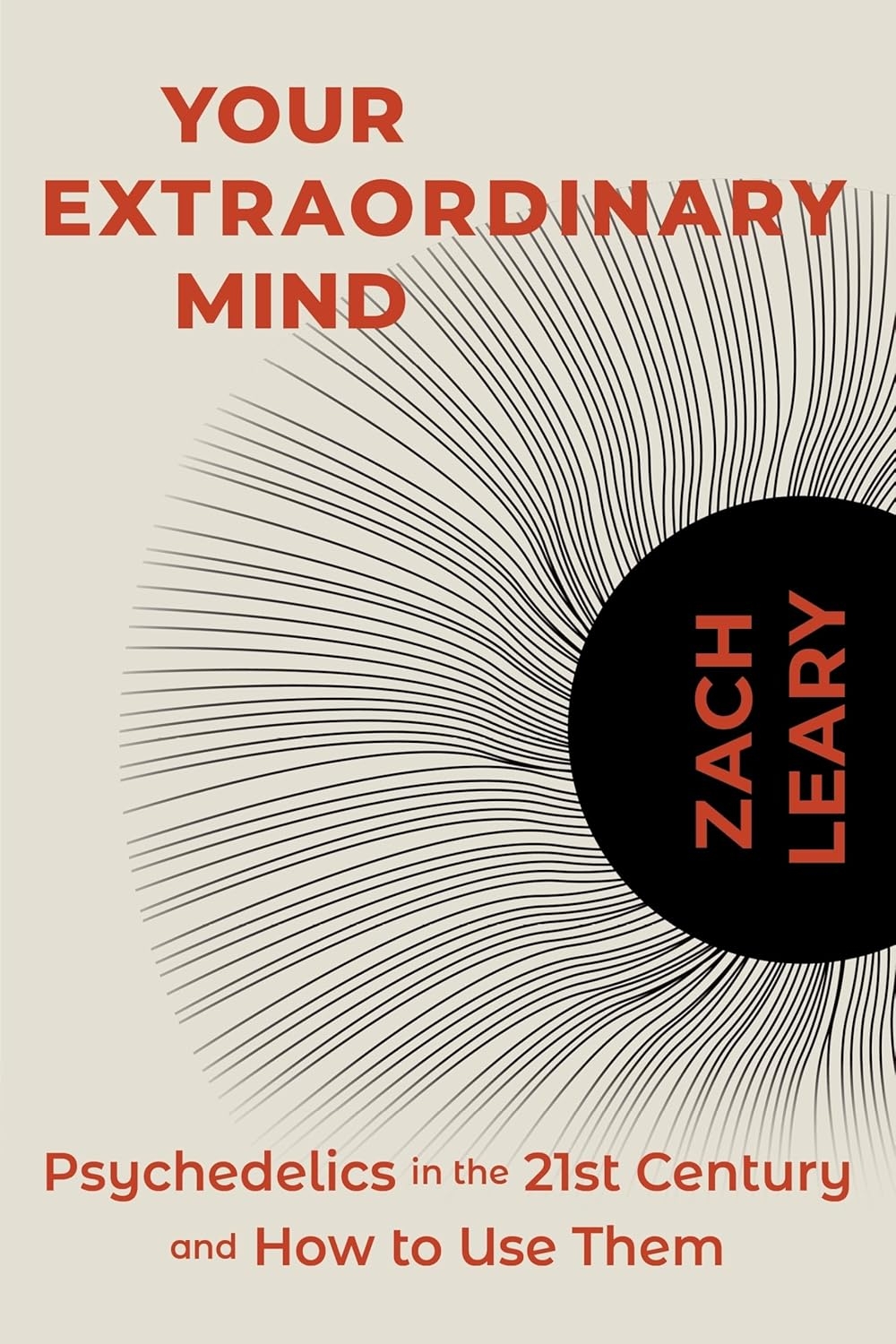
‘Your Extraordinary Mind’ is the debut book by Zach Leary, a longtime psychedelic advocate and cultural figure. Photo: Sounds True

Psychedelics have gained increasing appeal for therapeutic use due to their potential to catalyze profound psychological healing. Substances like psilocybin and MDMA are being studied for their ability to treat depression, PTSD, and anxiety by promoting emotional breakthroughs and deep introspection. Unlike traditional medications that often suppress symptoms, psychedelics help users confront and process difficult experiences with enhanced clarity and compassion, especially when guided by trained therapists. The allure lies in their promise of transformation—unlocking new perspectives, relieving long-held emotional burdens, and fostering a sense of connection, meaning, and renewal that many find missing in conventional mental health treatments.

Zach Leary has been at the center of the psychedelic movement for more than 30 years, with a front-row seat for the modern renaissance while having firsthand knowledge of the historical legacy. As a session facilitator, integration coach, and seeker of all things mystical, Zach also teaches psychedelic studies. Zach formerly hosted the MAPS Podcast with the Multidisciplinary Association for Psychedelic Studies and is a facilitator at Illuminating Heroes, serving veterans and first responders. His debut book “Your Extraordinary Mind: Psychedelics in the 21st Century and How to Use Them” is a dynamic deep dive into the revolutionary, mystical, and sometimes unpredictable world of psychedelics. It will be released on April 29 and is available now for pre-order. (Sounds True, 2025)

“Your Extraordinary Mind: Psychedelics in the 21st Century and How to Use Them” – More than 30 million people in the United States have used psychedelics―and the number is rapidly rising as practices like psychedelic-assisted therapy grow in popularity and an increasing number of places legalize or decriminalize these substances. But even as interest skyrockets, most people have little idea how to use psychedelics safely, let alone integrate these profound experiences into their everyday lives. Psychedelic researcher and advocate Zach Leary offers a necessary overview of psychedelics today―particularly LSD, psilocybin, MDMA, and ayahuasca―including what they are, how to use them safely, and crucially, how to integrate mind- and spirit-altering experiences into the rest of our lives.

Leary, the son of psychedelic pioneer Timothy Leary, has a unique perspective on not only where psychedelics have been but also where they’re going. He offers context on both the cultural history and present interest, while acknowledging and honoring the Indigenous roots of many of these traditions.

The book discusses:

• Instructions for intention, use, and integration
• How psychedelics can support trauma healing
• An overview of the current legal landscape and future questions
• How psychedelics can support addiction recovery
• How to work with psychedelics for spiritual growth

 “Some say the psychedelic experience is too vast and unconventional to be reduced into language that can affect its daily relationship with consciousness. I subscribe to the idea that the psychedelic experience can be weaved into one’s heart, soul, healing, and thus, daily living practice. I believe we can distill the mind-blowing, previously indescribable psychedelic experience into a focused spiritual method that can help people in their daily lives.” – Zach Leary

Part autobiography, part how-to guide, and part commentary on the recent rise in popularity of psychedelics, Your Extraordinary Mind” has a unique perspective on not only where psychedelics have been but also where they’re going. In addition to instructions for intention, use, and integration, Leary addresses topics like healing trauma, psychological and spiritual experiences, questions of legalization, and how psychedelics relate to and can help people heal from addiction. It offers wisdom that is both practical and profound.

1745926080

  days

  hours  minutes  seconds

until

‘Your Extraordinary Mind’ release date

The Spiritual Path to Personal Growth: ‘Transforming the Legacy’ by Cyndi Dale

‘Transforming the Legacy’ by Cyndi Dale. Photo: Amazon

Books on New Age and spiritual healing offer readers a path to self-discovery, emotional well-being, and inner peace. By exploring themes like energy healing, meditation, mindfulness, and the power of positive thinking, they offer tools to help individuals navigate life’s challenges. Their appeal lies in their promise of personal transformation, empowerment, and deeper connection to the universe. In a world of increasing stress and uncertainty, these books provide a sense of comfort and hope, inviting readers to explore alternative ways of thinking and being. They encourage growth, balance, and healing, appealing to those seeking spiritual and emotional fulfillment.

“Transforming the Legacy: The Subtle Body Approach to Honor and Heal Your Inherited Lineage” by Cyndi Dale presents a unique and powerful subtle body approach to heal issues caused by ancestral lineage and inherited patterns. It will be released on February 11 and is available for pre-order. (Sounds True, 2024)

Cyndi Dale is an internationally renowned author, speaker, and intuitive healer. She offers private sessions and workshops through her company, which she has led worldwide. She has written several groundbreaking books on the chakras and subtle energy anatomy, including The Subtle Body series, “Energy Healing for Stress, Trauma & Chronic Illness,” and “Advanced Chakra Healing.” Her work has been published in twenty languages.

“Transforming the Legacy” – Many people feel stuck in the past from time to time, but what if your past is impacting your present in significant ways? In reality, the past has created your present. Your inherited traits—those acquired through biological means and your soul—determine much of who you are. Some of those patterns and programs might be supportive of your true self. But others? Not so much! The good news is that you can change your inheritance through an easy-to-access mechanism: the subtle body.

Cyndi Dale presents a unique and powerful approach for transforming soul-based and lineage-ancestry issues through the main structures of energetic anatomy—your chakras, meridians/nadis, and auric fields. Using accessible practices, you’ll learn to address your genealogical and soul history through these structures, shifting from stuck-ness to the freedom of “becoming your own best ancestor”—the self who can sort through history and establish future pathways of love and good health.

Here you’ll explore:

• How your personal and ancestral legacy can impede or help you
• Reasons the cacophony of inherited traits and attitudes makes it difficult to be your true self in everyday life
• Science and psychological research showing that you can assess and even change your inheritance
• Various roles the subtle body’s structures play in working through legacy issues
• Ways you can immediately empower yourself to alter complicated inheritances
• Tools for meeting—and even conversing with—your own ancestors
• Journeys into your own past, concurrent, and possible future lives

Sometimes, to move forward, we must first move back. Discover the underlying energy that’s inherent in you. Get grounded in your lineage, connect to your experiences across time, and access and heal your history. It’s time to alter what has been in order to stand entirely in the present, reconnect with your true self, and create your best path forward.

1739270902

  days

  hours  minutes  seconds

until

‘Transforming the Legacy’ release date

Unlocking the Mysteries of the Brain: What ‘Out of Your Mind’ Reveals About the Human Brain

‘Out of Your Mind: The Biggest Mysteries of the Human Brain’ will be released in January. Courtesy photo, used with permission.

The search to understand how the brain works has been a long-standing scientific endeavor, exploring the complexities of cognition, emotions, memory, and consciousness. Neuroscience and psychology have made significant strides, yet much remains unknown about the brain’s intricate processes. Books such as “The Man Who Mistook His Wife for a Hat” by Oliver Sacks delve into neurological disorders, offering insight into brain function. In “How to Change Your Mind,” Michael Pollan explores neuroplasticity and the impact of psychedelics. Meanwhile, Daniel Kahneman’s “Thinking, Fast and Slow” illuminates decision-making and cognitive biases, offering a deeper understanding of human thought processes.

If you’ve always wanted to learn more about the inner workings of the brain but found the subject too complicated, there’s a new book coming out next month that aims to make it more accessible to all readers.

Out of Your Mind: The Biggest Mysteries of the Human Brain” by Jorge Cham and Dwayne Godwin goes on sale January 28th, 2025. It’s an introductory journey into your own mind—if your inner voice had a Ph. D. in brain science, cracked jokes, and drew cartoons. (Penguin Random House, 2024)

Why do you love? Why do you lie? What makes you happy? Every single thought you have comes from one place: your brain. But what makes it tick? How much of it have we decoded, and how much of it remains an impenetrable mystery?

Join best-selling author and online cartoonist Jorge Cham and neuroscientist Dwayne Godwin on a deep dive into the fascinating world of the human brain, in which they will explore questions such as: What is consciousness? Where is you in the brain? And do we have free will? All while illuminating everything we know (and DON’T know) about one of the most complex objects in the known universe.

Think of it as conversation-ammunition for your next cocktail party, or a quick fascinating read while you’re in the bathroom (don’t worry, the chapters aren’t that long). Centered around questions we all ask ourselves at some point but don’t usually have answers to, “Out of Your Mind” is an illustrated book about the brain that isn’t too brainy. Playful, accessible, and deeply insightful, it’s the one brain book that’s truly accessible and suitable for all brains.

Some of the questions that are addressed include:

  • Where is the mind?
  • Why do we love?
  • Why do we hate?
  • Will an AI take my job?
  • What are the limits of memory?
  • What is addiction?
  • What is consciousness?
  • What makes us happy?
  • Do we have free will?
  • What happens when we die?
  • What makes us human?

JORGE CHAM is the Daytime Emmy-nominated and best-selling cartoonist creator of the popular online comic strip “Piled Higher and Deeper” (known as PHD Comics – phdcomics.com). He is the co-creator, Executive Producer and Creative Director of “Elinor Wonders Why,” one of the highest-rated animated shows on PBS Kids, and the co-author of two popular science books: the best-selling and award-winning “We Have No Idea: A Guide to the Unknown Universe and Frequently Asked Questions about the Universe,”as well as the children’s book “Oliver’s Great Big Universe.” Jorge is also the co-host and co-creator of “Daniel and Jorge Explain the Universe” a popular podcast and radio show. He obtained his Ph.D. in robotics from Stanford University and was an Instructor and Research Associate at Caltech from 2003-2005. He is originally from Panama.

DWAYNE GODWIN is a neuroscientist, an educator, and an academic leader who is a professor in the Department of Translational Neuroscience and served as graduate dean at the Wake Forest University School of Medicine in Winston-Salem, North Carolina. His research centers on the cellular basis of abnormal brain rhythms, including active projects on calcium channel function, epilepsy, and traumatic brain injury. His goal is to use emerging insights about the brain to develop treatments and potential cures for neurological diseases. His science outreach includes Mind in Pictures, cocreated with Jorge Cham for Scientific American Mind, as well as blogs for the Society for Neuroscience and the Museum of the Moving Image.

1738058682

  days

  hours  minutes  seconds

until

‘Out of Your Mind’ release date

The Power of Tapping: Donna Eden and David Feinstein’s Approach to Energy Medicine

‘Tapping: Self-Healing with the Transformative Power of Energy Psychology’ is the new book by David Feinstein PhD and Donna Eden. Photo: Amazon

Donna Eden is the author of “Energy Medicine,” has treated over 10,000 individual clients, and has taught hundreds of classes, speaking to standing-room-only audiences throughout the United States, Europe, Australia, New Zealand, and South America. Since childhood, she’s been able to perceive the body’s subtle energies and now works with those energies to heal others and to teach others how to work with them. David Feinstein, PhD, a clinical psychologist, has served on the faculty of The Johns Hopkins University School of Medicine and has received nine national awards for his books on consciousness and healing. Together, they have written “Tapping: Self-Healing with the Transformative Power of Energy Psychology.” (Sounds True, 2024)

In “Tapping,” Eden and Feinstein detail the procedures that signal your nervous system to reduce fear, anger, stress, and grief while activating brain regions involved with problem-solving and managing emotions. The goal is to help you find inner balance and take charge of the internal models that govern your life. Physically tapping energy points on your skin while bringing problems and goals to mind changes the brain in ways that help to overcome those challenges and support those aspirations. This stimulating practice places an astonishingly effective tool into your own hands. The approach is as deceptively simple as it is potently effective. 

Through their extensive research and field-tested refinements on this method, Eden and Feinstein have emerged as top experts on this approach for self-development—combining the verified effectiveness of tapping with the best practices of psychotherapy. “Tapping” is an unprecedented resource for self-care and personal growth.

Three ideas for a memorable day out with friends

Ferris wheel during the daytime. Photo: Laura Cros/Unsplash

Everyone wants a day out every once in a while. Most of the time, they’ll do this with their friends, and they wouldn’t want to do the same things over and over again. Why would you want to keep going to the movies when you could try an escape activity for groups and bring all your friends? There’s something to be said about organizing fun days out, but you want it to be a fun one for everyone so make a point of talking to the group and getting opinions from everyone! With some great ideas for a day out, you shouldn’t have much to worry about.

You’ll end up having an amazing time, and your friends should enjoy themselves, too. It could even let all of you bond, which is always worth the effort. If you’re planning a night out soon, it’s worth diving into a few great options.

Ideas For A Day Out: 3 Great Options

1. Wine Tasting

Wine tasting is one of the more unique ideas for a day out, and it can be much more fun than you would’ve thought. A wine tasting tour only takes a few hours, and you could end up having a nice time. It’ll even be a great way to spend some time out of the house.

Some of these tours even take place outdoors, so you can take in a bit of nature while you’re at it. No matter what, you could end up having an amazing time, and it might even be something you’ll want to do again and again.

2. Go To The Theater

You would’ve thought about going to the cinema with your friends, and it can always be a decent option. Sometimes, it’s worth going with something a little different, though. The actual theater can be a much better option. You might end up having a much better time when you visit it.

There’ll be plenty of plays and other events to consider going for, all of which could be interesting. Some of them could even be relatively interactive, and you could have a back-and-forth with the performers. These pantomimes can often be quite enjoyable, and they’ll be more fun than you’d think.

3. Go To An Amusement Park

Not all ideas for a day out have to be adult oriented. Instead, it can sometimes be worth focusing on your inner-child. You could end up having much more fun because of it. Going to an amusement park is one of the best ways you can do this. You’ll end up having an amazing time.

With the various rides and activities you can try, there’s no reason why you and your friends shouldn’t have fun. If there’s an amusement park near you, then it’s well worth spending a few hours there with your friends.

Ideas For A Day Out: Wrapping Up

With the right ideas for a day out, you shouldn’t have a problem having a great time with your friends. You wouldn’t have to worry about boredom, and you’ll end up getting closer to them. It could even be worth trying a few ideas.

You’ll end up making it a regular event while making sure you don’t get bored when you’re out and about. You’ve no reason not to consider a few great options. With a little bit of effort, you’ll end up having an amazing time.

Collaborative Post