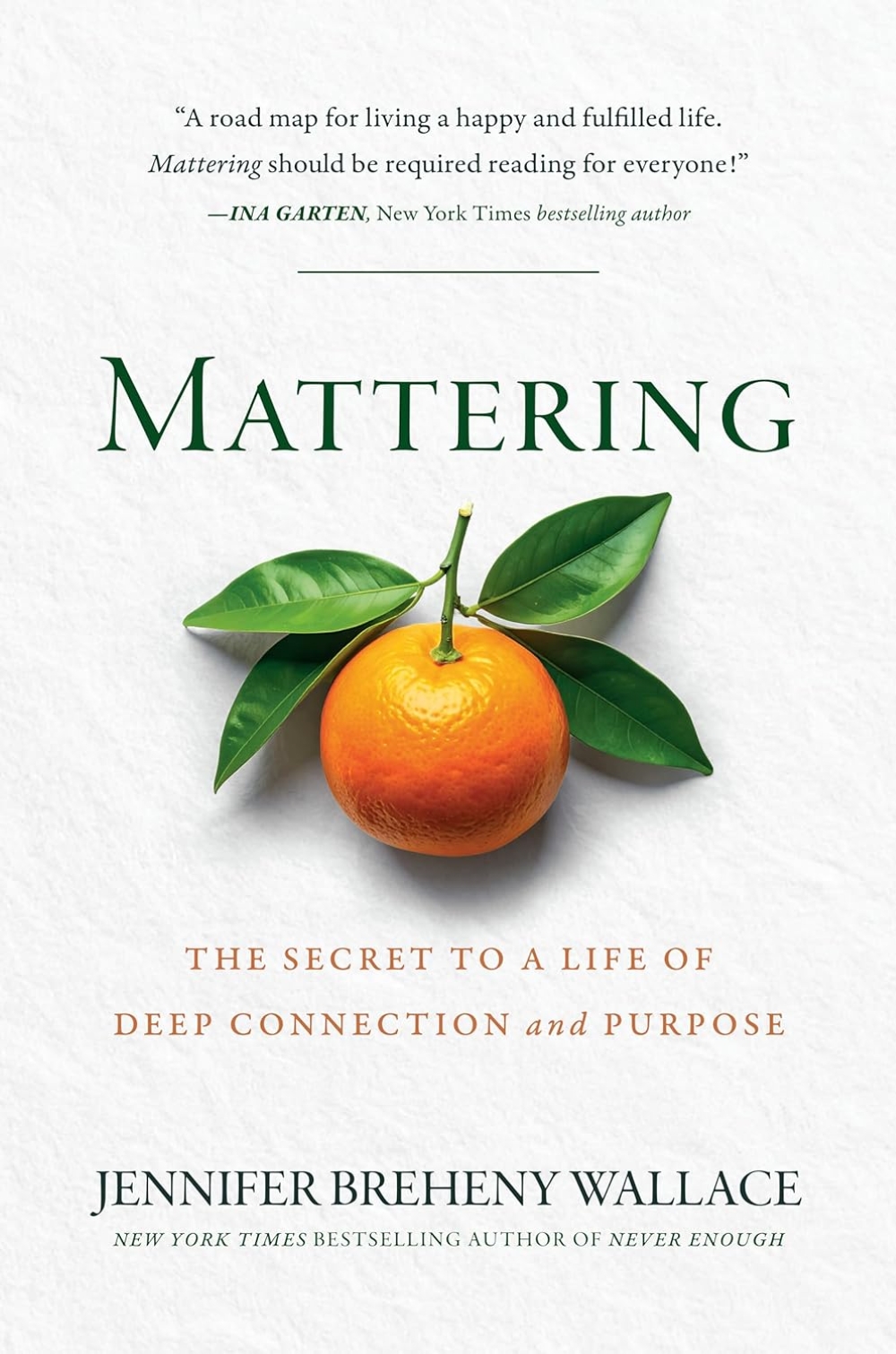
Fear, Folklore, and the Human Mind: Exploring ‘Monsters on the Couch’ by Brian Sharpless

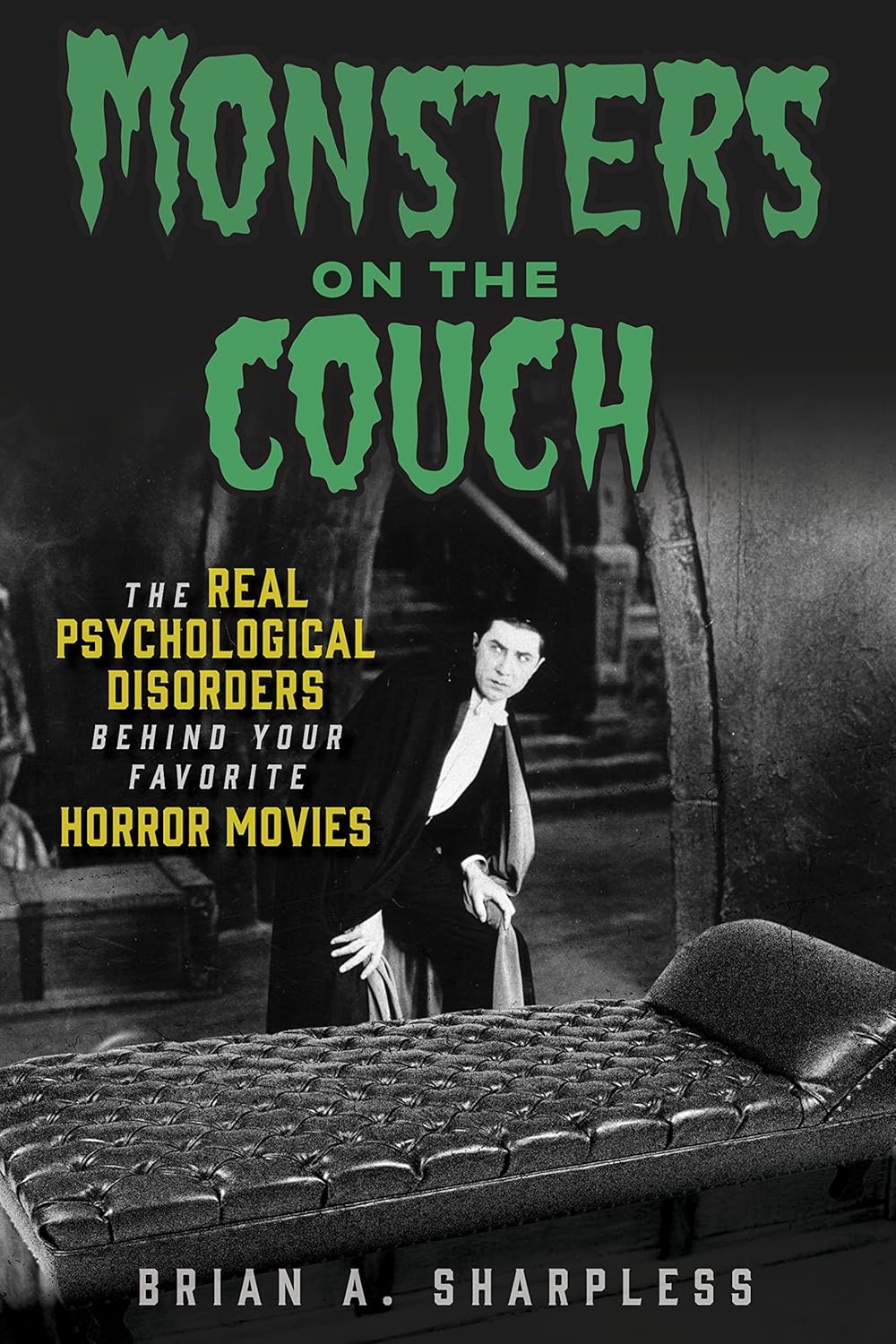
‘Monsters on the Couch’ by Brian A. Sharpless. Photo: Barnes & Noble

Book Spotlight: Monsters on the Couch by Brian A. Sharpless

Exploring the Real Psychological Disorders Behind Famous Horror Movies

From psychologist, researcher, and horror film enthusiast Brian A. Sharpless comes Monsters on the Couch: The Real Psychological Disorders Behind Your Favorite Horror Movies, an exploration of the real-life psychological disorders that inspired some of cinema’s most iconic horror movies. (Barnes & Noble, 2025)

Sharpless compares dramatic clinical syndromes, every bit as fascinating as those on the silver screen, with the science and folklore behind our favorite monsters.

Horror movies, he argues, can reveal far more about human psychology than we realize. When explored honestly, our fears become mirrors reflecting our culture, our anxieties, and our shared humanity.


Famous Monsters and Their Real-Life Counterparts

Horror fans may be obsessed with vampires, werewolves, zombies, and the eerie “replacements” from Invasion of the Body Snatchers, but few know the real conditions behind these creatures, such as Renfield’s syndrome, clinical lycanthropy, Cotard’s syndrome, and misidentification delusions.


What’s Inside the Book

Part I: Movie Monsters from the Early Days of Cinema

  1. Clinical Lycanthropy
  2. You Suck?
  3. I Am The Walking Dead

Part II: Modern-Day Movie Monsters

  1. One, Two, The Dab Tsog’s Coming For You
  2. This Is Not My Beautiful House, This Is Not My Beautiful Wife
  3. Demons, Aliens, and Shadow People

Part III: Monstrous Behaviors

  1. Are You Gonna Eat That?
  2. Shuddersome Sex in the Movies

Highlights

Part I: Chapter 3
Sharpless explains that immortality might not be all it’s cracked up to be. Vampires and zombies both feed after death, yet zombies’ mindless existence makes their fate far gloomier. As he writes,

“Some psychologists and philosophers have argued that this fundamental fear of death prompted people to defensively create gods and an immortal afterlife.”

Part II: Chapter 4
Sharpless shares his personal experience with sleep paralysis and connects it to the mysterious Hmong Deaths that likely inspired Nightmare on Elm Street. These incidents involved young men in California who died in their sleep, hauntingly blurring the line between science and superstition.


Review

In Monsters on the Couch, clinical psychologist Brian Sharpless bridges the gap between horror cinema and psychological science with wit and expertise. His goal is to raise awareness of serious but often overlooked psychological conditions that cause real suffering.

Each chapter dissects iconic horror films such as Nightmare on Elm Street and Invasion of the Body Snatchers through the lens of genuine mental disorders, uncovering the truths, exaggerations, and myths that shape how we perceive mental illness. He also explains symptoms and common treatments with both compassion and precision.

Sharpless writes with the enthusiasm of a horror fan and the insight of a clinician, grounding classic horror tropes like sleep paralysis and vampirism in psychological reality. The tone remains conversational and often humorous, making even the darkest topics approachable.

Ultimately, Monsters on the Couch reminds us that the true horror isn’t the monster on the screen, it’s society’s ongoing misunderstanding of mental health. This is essential reading for horror lovers, psychology students, and anyone curious about how fear and empathy intertwine.

“The most consistent theme across films would likely be a fear of death…I suspect that a lot of people get uncomfortable even dipping their toe in the dark, icy cold waters of death, let alone diving in headfirst.”

Rating: 4 out of 5.

About the Author

Brian A. Sharpless is a licensed psychologist, researcher, and author whose work focuses on unusual psychological disorders, psychodynamic psychotherapy, and the history and philosophy of clinical psychology. He holds a Ph.D. in Clinical Psychology and an M.A. in Philosophy from Pennsylvania State University, and completed post-doctoral fellowships at the University of Pennsylvania.

*Thank you to Fauzia Burke/FSB Associates for the gift copy for review consideration. I haven’t been compensated for this review and all views and opinions expressed are my own.
Book Review: ‘Civil Living’ and the Power of Personal Transformation

‘Civil Living’ by Pete Wiley: why true civility begins within. Photo: Pete Wiley, used with permission.

Book Review: Civil Living by Pete Wiley

Finding Civility in Society, in Our Interactions, and Within Ourselves


Synopsis

From global conflicts to political shouting matches, it’s easy to believe the world is becoming less civil. But real change begins at the individual level.

Drawing on timeless human values and grounded insight, Civil Living explores how self-knowledge, inner peace, open-mindedness, and self-love form the foundation of civil behavior—not just in society, but within ourselves. Through thoughtful reflection and practical guidance, this book shows how personal transformation can ripple outward to foster healthier relationships, stronger communities, and a more compassionate world. (Barnes & Noble, 2025)

Civil Living is part of the Blocks of Life series, which includes:

  • Blocks of Life
  • Blocks of Life Volume 2: Know Yourself
  • Blocks of Life Volume 3: Embracing Change
  • Life Tides: Understanding Your Ebb and Flow (Blocks of Life)
  • Civil Living: Finding Civility in Society, in Our Interactions, and Within Ourselves

What’s Inside

  • Divisions – Finding A Way Back From The Brink
  • The State of Humanity – To Evolve Or Not To Evolve
  • How to Be Friendly in a Divisive World – And Why
  • Forces of Evil – Why Bad Things Happen
  • Getting Past the Ideal – To The Heart Of Who People Are
  • And More

Highlights

  • How to Be Friendly in a Divisive World (And Why) – Wiley explains that we should strive to be friendly to people who are unfriendly to us—because that’s the only way we move forward. Plus, friendliness boosts inner peace, improves health, and simply feels good.

“Because friendliness is directly tied to inner peace and serenity, it is natural to work toward these with mindfulness practices, which also have a host of other benefits.”

  • The Fluidity of Friendship – The Evolving Nature of Our Connections – We all change over time, so we should remain open to growth in ourselves and others.

“Our friendships are like floating down a river: we experience twists and turns and encounter tumultuous areas, but ultimately, the ride is worth it.”


About The Author

Pete Wiley takes advantage of his varied interests and experiences to learn about people and how they behave, interact, and grow. He applies these insights to creating Blocks of Life books, poetry, videos, music, and a blog, and interacting with his audience. He lives in Maryland with his wife and son.


Review

In Civil Living, Pete Wiley offers a refreshing and timely reminder that true civility begins within. Instead of presenting rigid rules or superficial politeness, Wiley encourages readers to look inward and explore how self-knowledge, inner peace, open-mindedness, and self-love shape how we interact with the world. His central principle, that personal growth is inseparable from building a compassionate society, is inspiring and practical.

Wiley provides tangible steps to translate insights into daily action. Whether it’s cultivating healthier relationships, contributing to stronger communities, or simply practicing patience in small exchanges, the book illustrates how inner transformation leads to outward impact.

His writing style is relaxed and conversational, making complex ideas approachable without losing depth. With short, focused chapters, the book blends philosophy, personal anecdotes, and practical wisdom into a helpful guide for improving civility.

In a world where division and incivility dominate headlines, Civil Living stands as a guide and a gentle call to action. By nurturing our inner selves, we lay the foundation for a more compassionate and connected society.

Recommended for readers of self-improvement, personal growth, and mental wellness.

“While we have seen gains in some areas, there have not been coinciding advances in critical aspects of human nature, such as wisdom and compassion. Without these, we are seriously at risk.”

Rating: 4 out of 5.

*Thank you to Pete Wiley for the gifted copy for review consideration. I have not been compensated for this review and all opinions expressed here are my own

What Psychoanalysis Really Feels Like: A Review of Joan Peters’ ‘Untangling’

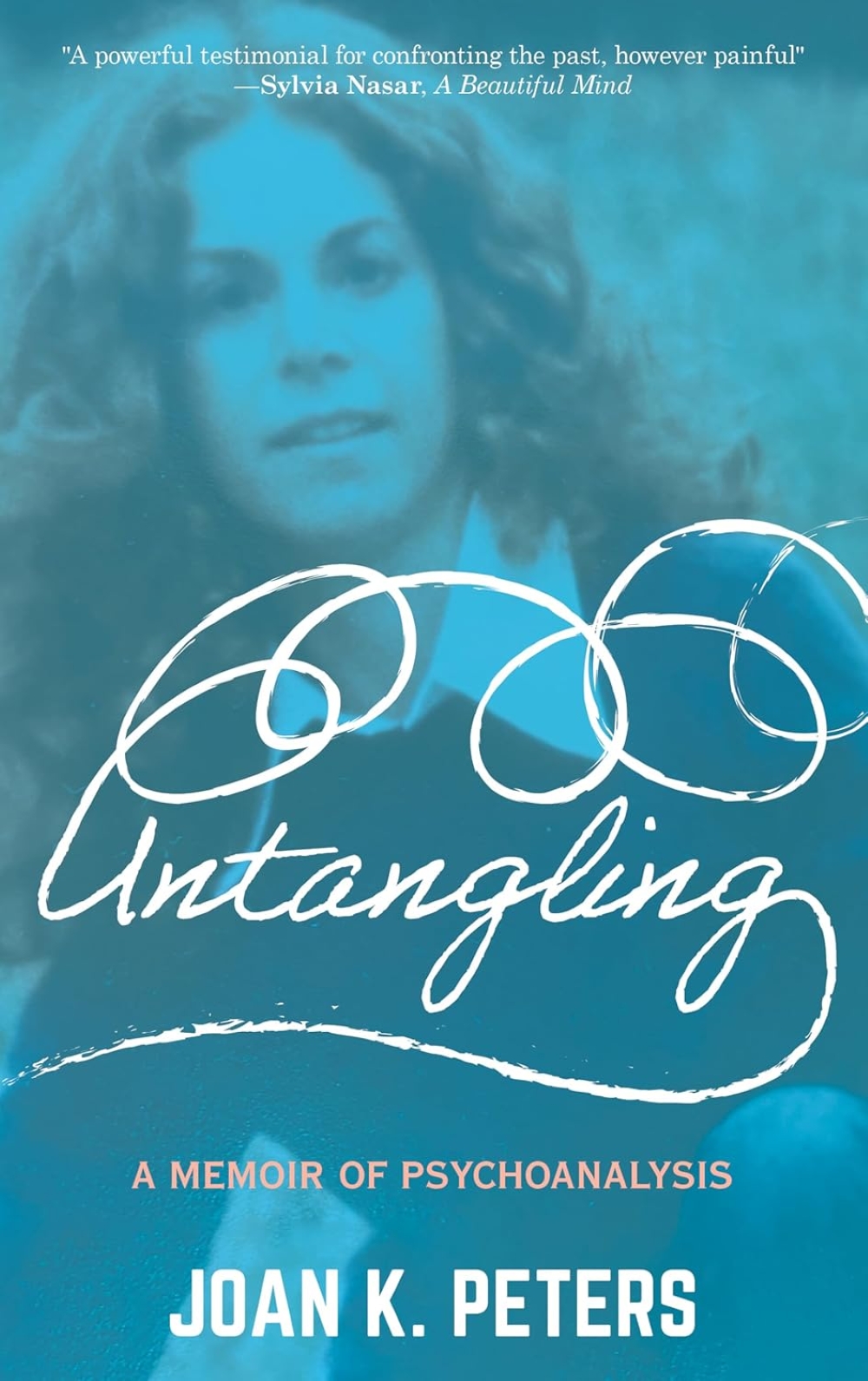
‘Untangling: A Memoir of Psychoanalysis’ by Joan K. Peters. Courtesy photo, used with permission.

Book Review: ‘Untangling: A Memoir of Psychoanalysis’ by Joan Peters
What It’s Really Like to Be in Psychoanalysis—From the Patient’s Chair

If you’ve ever wondered what actually happens during psychoanalysis—or what it feels like to unravel years of emotional knots on a therapist’s couch—Joan Peters‘ “Untangling: A Memoir of Psychoanalysis” offers a rare, intimate glimpse into that world.

Unlike most writing on psychoanalysis, which often comes from the perspective of clinicians, “Untangling” is told from the inside out. Peters chronicles her decades-long analytic journey with striking vulnerability, courage, and clarity. This journey consisted of two different analysts: Lane when she was 28 and Kristi when she was 67. While Lane was helpful, she remained impersonal and impartial. Kristi actually got to know her because she used relational psychoanalysis, a psychoanalytic approach that emphasizes the importance of the relationship between the therapist and patient in the therapeutic process. Peters brings readers into the room with her, detailing the subtle shifts, long silences, and emotionally charged breakthroughs that define the therapeutic process.

Highlights:
Chapter 7 – Schizoid
– Peters admits to Lane that from ages 14 to 19, she had lived an alternate existence because when she was 14, she started hearing voices. These voices guided her every action.
Chapter 4 – Lane Explains Me to Me – Focuses on her family background, memories of her as a two year old seeing her mother preparing the morphine syringes for her dad who was dying of cancer. This explained her nightmares about syringes and being given injections with poisons. Two months after talking about this, her needle nightmares ended. That’s when Joan discovered the complicated issue of subconsciousness and how it affects our lives.

At its core, honesty is what makes this memoir so powerful. Peters doesn’t offer easy answers or dramatic resolutions—instead, she shows how transformation unfolds slowly, often painfully, through the act of being deeply seen and heard. It reveals how analysts’ methodology differ and how patients respond differently with age and life experience. Her writing is vivid and lyrical, making even the most abstract aspects of psychoanalysis feel grounded and human. “Sitting back in her chair, patient as a fisherman in a placid lake, she listened, questioned, interjected while I mostly avoided the story, as if its invisible tentacles might entangle (or strangle) me.”

Overall, “Untangling” is a courageous and necessary contribution to the literature on mental health. It demystifies a process often veiled in secrecy and offers an authentic voice to the patient experience. For readers curious about psychoanalysis—or the complexities of healing—this memoir is both enlightening and deeply moving.

“My question back in Vermont had loosened a scab; now the wound bled, unstoppable. She had offered me silence, and I had refused her gift. Now, at times, I felt I might drown in her words.”

*The author was contacted for an honest review of this book and received a copy. The views and opinions expressed here belong solely to her.

Rating: 4 out of 5.

Related post: Inside the Analyst’s Chair: Joan Peters’ Raw and Riveting Journey in ‘Untangling’

Healing Through Sound: Dr. Stephen Porges’ Revolutionary Safe and Sound Protocol

‘Safe and Sound: A Polyvagal Approach for Connection, Change, and Healing’ is the transformative new book by Dr. Stephen Porges. Photo: Barnes & Noble

Mental health awareness is crucial in today’s fast-paced world, where stress, anxiety, and depression are increasingly common. Recognizing the importance of mental well-being helps reduce stigma and encourages people to seek help. Various therapy methods are available, including cognitive-behavioral therapy (CBT), which focuses on changing negative thought patterns; dialectical behavior therapy (DBT), used for emotional regulation; and art therapy, which provides creative outlets for expression. Mindfulness-based therapies and medication management also play vital roles. Addressing mental health is essential now more than ever, as it promotes resilience, healthier relationships, and improved quality of life in an increasingly complex society.

In today’s book news, “Safe and Sound” is the new book by Dr. Stephen Porges where he addresses Safe and Sound Protocol as another means of therapy.

Safe and Sound Protocol is a groundbreaking therapy based on the Polyvagal Theory developed by Dr. Stephen Porges. Now, together with researcher Karen Onderko, they have written “Safe and Sound: A Polyvagal Approach for Connection, Change and Healing.” (Sounds True, 2025)

In this new book,Porges and Onderko offer a glimpse into this innovative approach, highlighting not only the origin of SSP and its best practices, but also real-life stories of transformation and healing. SSP is backed by neuroscience and this technique aids in stress reduction and mental wellness. It’s gaining traction for its effectiveness in treating various mental health conditions.

Stephen W. Porges, PhD, is author of “The Polyvagal Theory” and creator of the Safe and Sound Protocol. He’s a professor of psychiatry at the University of North Carolina and Distinguished University Scientist at Indiana University, where he’s founding director of the Traumatic Stress Research Consortium.

Karen Onderko, a cofounder of Polyvagal Institute, helped bring the Safe and Sound Protocol from the research lab to clinicians, who then enabled people to experience the benefits of improved nervous system regulation.

From Polyvagal Theory pioneer Dr. Stephen Porges comes a new resource sharing the origin and best practices of his groundbreaking new protocol, and highlighting real-life stories of transformation and healing.

“Safe and Sound” – We all want to live and share our truth, but when we don’t feel safe, it can be impossible to fully express or even know who we really are. The nervous system impacts daily well-being, to our benefit or detriment. Understanding how may be key to truly knowing yourself and better supporting the challenges holding you back.

The Safe and Sound Protocol (SSP) is a groundbreaking therapy based in Polyvagal Theory, which looks at the role the autonomic nervous system and vagus nerve play in regulating health and behavior. SSP involves listening to music that’s been filtered to prioritize frequencies of human speech, providing auditory input that enables the nervous system to reset to its homeostatic state.

Porges and Onderko offer a glimpse into this innovative approach, highlighting not only the origin of SSP and its best practices but also real-life stories of transformation. They showcase clinical evidence demonstrating SSP’s impact on emotional dysregulation, social interaction difficulty, and auditory sensitivity, providing a comprehensive understanding of its therapeutic potential.

Some features and conditions addressed include:

• Depression
• Perfectionism
• Addiction
• Suicidal ideation
• COVID recovery
• Navigating gender identity
• Living with Parkinson’s disease
• Hypermobility
• Autism
• ADHD
• Dyslexia

Whether patient, family member, friend, or clinician, you’ll find a deeper understanding of the nervous system and tools for a more resilient experience. Illustrating the incredible range of application and how autonomic regulation can lead to significant improvements—from stress and anxiety to grief and trauma—”Safe and Sound” demonstrates how SSP can promote a state of safety and calm, facilitating the foundation for long-awaited healing.

Inside the Analyst’s Chair: Joan Peters’ Raw and Riveting Journey in ‘Untangling’

‘Untangling: A Memoir of Psychoanalysis’ is the new book by Joan K. Peters. Courtesy photo, used with permission.

Psychoanalysis, a deep exploration of the unconscious mind, offers a powerful path toward mental health and self-awareness. Rooted in the belief that unspoken thoughts and early experiences shape our behaviors, it invites individuals to uncover, confront, and integrate hidden parts of themselves. In a time when mental health is gaining long-overdue attention, talking openly about therapy and inner struggles is vital. It reduces stigma, encourages others to seek help, and reminds us that healing often begins with honest conversation. Embracing psychoanalysis and mental wellness isn’t just personal—it’s a collective step toward a more compassionate, self-aware society.

The new memoir “Untangling: A Memoir of Psychoanalysis” dares to tell the patient’s side of psychoanalysis. It’s available now wherever books are sold.

Joan K. Peters was born in New York City and got her Ph. D in comparative literature from The University of Chicago. She’s published a novel and two books about women and work and is a professor emeritus of literature and writing at California State University at Channel Islands. She lives in Ojai with her husband, her dogs, and her chickens. In her much-anticipated new book “Untangling: A Memoir of Psychoanalysis,” she focuses on her experience in psychoanalysis at two different points in her life, comparing two different theoretical and technical analytic views, from the vantage point of her experience as a patient. (CS Lewis Publicity, 2025)

“Untangling: A Memoir of Psychoanalysis” – With the drama of a novel it tells the story of a turbulent and transformative psychoanalysis in this first ever in-depth patient’s account. Joan K. Peters’ story lays bare the inner workings of this complex treatment, which takes place behind closed doors, is rarely spoken about, and is largely unknown outside of professional circles.

A polished, poetic, and often funny writer, her willingness to expose her own demons brings psychoanalysis to life, from the intense strife to the fierce love that can develop between patient and analyst. Joan’s first analyst, Lane, helped Joan alleviate tormenting and recurring nightmares and to find herself by discovering her family’s secret past. Her second analyst, Kristi, guided her through the frightening depths of that past to a yearned-for freedom.

In another first, Kristi writes an afterword about the challenge of analyzing Peters. Unique in its reach, “Untangling”reveals the mysteries that lurk beneath the surface of our psyches.

Psychoanalysis is full of mysteries — it taps into the subconscious more than any other form of therapy and sets up a unique relationship between analyst and patient. No one really knows exactly how or why it works, just that it does. But one patient, in candidly revealing her own journey, invites readers into that very private patient experience as she grapples with hidden and haunting demons.

Whether due to taboo, fear, shame, or reluctance, very few patients have shared their journey of psychoanalysis with others, let alone written about the experience. Too many people are unaware of the transformative powers that this penetrating, multi-layered therapy has.

In her unique memoir, written in the narrative style of Mary Karr, the author recounts her two analyses — one when she is in her twenties and another in her sixties — that form one continuous story of immense discovery and healing. She dramatizes firsthand accounts of how she and her two very different analysts unlocked the traumas, losses and terrors of her past – enabling her to confront and understand them, and finally feel free to fully enjoy her life. 

Author Joan K. Peters. Courtesy photo, used with permission.

Psychedelics Reimagined: What ‘Your Extraordinary Mind’ Reveals About 21st Century Healing

‘Your Extraordinary Mind’ is the debut book by Zach Leary, a longtime psychedelic advocate and cultural figure. Photo: Sounds True

Psychedelics have gained increasing appeal for therapeutic use due to their potential to catalyze profound psychological healing. Substances like psilocybin and MDMA are being studied for their ability to treat depression, PTSD, and anxiety by promoting emotional breakthroughs and deep introspection. Unlike traditional medications that often suppress symptoms, psychedelics help users confront and process difficult experiences with enhanced clarity and compassion, especially when guided by trained therapists. The allure lies in their promise of transformation—unlocking new perspectives, relieving long-held emotional burdens, and fostering a sense of connection, meaning, and renewal that many find missing in conventional mental health treatments.

Zach Leary has been at the center of the psychedelic movement for more than 30 years, with a front-row seat for the modern renaissance while having firsthand knowledge of the historical legacy. As a session facilitator, integration coach, and seeker of all things mystical, Zach also teaches psychedelic studies. Zach formerly hosted the MAPS Podcast with the Multidisciplinary Association for Psychedelic Studies and is a facilitator at Illuminating Heroes, serving veterans and first responders. His debut book “Your Extraordinary Mind: Psychedelics in the 21st Century and How to Use Them” is a dynamic deep dive into the revolutionary, mystical, and sometimes unpredictable world of psychedelics. It will be released on April 29 and is available now for pre-order. (Sounds True, 2025)

“Your Extraordinary Mind: Psychedelics in the 21st Century and How to Use Them” – More than 30 million people in the United States have used psychedelics―and the number is rapidly rising as practices like psychedelic-assisted therapy grow in popularity and an increasing number of places legalize or decriminalize these substances. But even as interest skyrockets, most people have little idea how to use psychedelics safely, let alone integrate these profound experiences into their everyday lives. Psychedelic researcher and advocate Zach Leary offers a necessary overview of psychedelics today―particularly LSD, psilocybin, MDMA, and ayahuasca―including what they are, how to use them safely, and crucially, how to integrate mind- and spirit-altering experiences into the rest of our lives.

Leary, the son of psychedelic pioneer Timothy Leary, has a unique perspective on not only where psychedelics have been but also where they’re going. He offers context on both the cultural history and present interest, while acknowledging and honoring the Indigenous roots of many of these traditions.

The book discusses:

• Instructions for intention, use, and integration
• How psychedelics can support trauma healing
• An overview of the current legal landscape and future questions
• How psychedelics can support addiction recovery
• How to work with psychedelics for spiritual growth

 “Some say the psychedelic experience is too vast and unconventional to be reduced into language that can affect its daily relationship with consciousness. I subscribe to the idea that the psychedelic experience can be weaved into one’s heart, soul, healing, and thus, daily living practice. I believe we can distill the mind-blowing, previously indescribable psychedelic experience into a focused spiritual method that can help people in their daily lives.” – Zach Leary

Part autobiography, part how-to guide, and part commentary on the recent rise in popularity of psychedelics, Your Extraordinary Mind” has a unique perspective on not only where psychedelics have been but also where they’re going. In addition to instructions for intention, use, and integration, Leary addresses topics like healing trauma, psychological and spiritual experiences, questions of legalization, and how psychedelics relate to and can help people heal from addiction. It offers wisdom that is both practical and profound.

1745926080

  days

  hours  minutes  seconds

until

‘Your Extraordinary Mind’ release date

Manifest Your Dreams: A Review of ‘My 90 Day Manifestation Journal’

Unlock the power of manifestation with this interactive journal by Katrina Lustre. Photo: Amazon

“My 90 Day Manifestation Journal” offers a structured and personal approach to manifesting one’s goals and aspirations. As a self-help tool, the journal guides readers through a 90-day journey of introspection and intentional living. The writing style is encouraging and empathetic, making it accessible to readers at any stage of their personal development journey.

It starts with defining manifestation and how it works, tips on creating a vision board, and developing an action plan. The emphasis is on daily reflection, intention setting, and proactive steps taken. The daily pages prompt the reader to focus on gratitude, affirmations, and specific goals, fostering a habit of mindfulness and positivity.

The journal is beautifully designed, with plenty of space for personal reflections and creative expression. The layout is natural, making it easy for readers to write their daily entries and track their progress over the 90 days.

Overall, “My 90 Day Manifestation Journal” is a helpful guide for anyone looking to manifest their dreams. This worthwhile journal combines practical exercises with motivational insights. It is recommended for readers interested in personal growth and manifestation practices.

*The author was contacted for an honest review of this book. The views and opinions expressed here belong solely to her.

Rating: 4 out of 5.

Book Review: ‘How To Master Your Emotions’ – A Guide to Emotional Resilience

‘How To Master Your Emotions’ by Richard Rokicki is a support system for readers looking to better manage their emotions. Photo: Amazon

“How To Manage Your Emotions” is an essential guide to navigating the complex landscape of human emotions. Through a blend of practical advice and psychological insights, Rokicki offers readers a roadmap to understanding and managing their emotions. He refers to it as a ‘survival guide.’

The author begins by identifying the four main pillars of survival: the physical pillar, the psychological pillar, the social pillar, and the spiritual pillar, which he used in his work as a palliative care psychologist. He divides the book into these 4 parts. He then explores the various strategies for mastering emotions, such as breaking out of BINARY communication, management of toxic personalities, and the importance of forgiveness, not forgetting. By using case studies, he encourages introspection and emotional resilience. He also analyses Near Death Experiences and how they change the people who have experienced them.

Chapters include:
Introduction
The physical pillar
The psychological pillar
The social pillar
The spiritual pillar
General conclusion

Highlights:
The psychological pillar – where he emphasized the importance of putting our negative feelings on paper because it’s how we start to heal. He advised one of his patients to write a letter to her abusers: “There’s no need to pass the letter on to them, as the very act of writing is therapeutic in itself.”

The social pillar – where he describes the different types of toxic personalities, this way we can surround ourselves with the right people and set limits on the wrong ones so they don’t drain our energy. “No one is immune from being an energy vampire for the people they come into contact with.”

The best part about this book is practical approach and accessibility. The language is simple and to the point and avoids complicated jargon. He communicates his ideas clearly and directly, making it easy for readers to apply the principles in their daily lives. He also uses figures to make his point and speaks directly to the readers, calling them ‘survivalists.’

Overall, “How To Master Your Emotions” is a valuable resource for anyone seeking to enhance their emotional intelligence and achieve greater emotional well-being. Whether you are grappling with stress, anxiety, or simply seeking personal growth, Richard Rokicki’s insights offer a thoughtful and practical guide to mastering your emotions. It is recommended for readers interested in personal development, counseling, and overall mental health.

“This book aims to give you the answers and methods you need to restore a sense of calm within yourself and regain solid self-confidence.”

*The author was contacted for an honest review of this book. The views and opinions expressed here belong solely to her.

Rating: 4 out of 5.

From Challenge to Triumph: ‘Stress Test’ by Kay White Drew

‘Stress Test’ is the new memoir from Kay White Drew. Photo: Amazon

Kay White Drew is a retired physician and lifelong writer. Her essays, poems, and short stories are found in several journals including Hektoen International, The Intima, Bay to Ocean Journal, and Loch Raven Review, where one of her essays was nominated for a Pushcart Prize in 2022. Her new book “Stress Test” is a love letter to women in medicine and the feminist causes of the 1970s and the present day. (Amazon/Mindbuck Media Book Publicity, 2024)

“Stress Test” – The story covers a five-year ordeal, from the first day of medical school through the last day of pediatric internship. Unveiling the cadaver in the anatomy lab while her mother lay dying on an oncology ward; the excitement of making difficult diagnoses and the terror and tragedy of disastrous mistakes; the joy of connecting with patients and the heartbreak of losing them—it’s all here. Women made up less than a fifth of the author’s medical school class and as a white woman in the largely Black urban environment of West Baltimore, barely a decade after the Civil Rights movement and long before Black Lives Matter, she bore witness throughout her training to the human cost of racism.

The author navigated personal struggles as well: her mother’s death; several ill-starred romantic relationships, including an interracial love affair with a professor; a roommate’s suicide; and her own suicidality, depression, and experiences in therapy.

“Stress Test” joins a growing body of work by women physicians. This memoir takes place at a time when women were still years away from comprising half—or more—of medical school students, and when the second wave of feminism was surging; but many of the fears, griefs, and struggles that women in medicine face today are the same ones the author grappled with decades earlier.

Finding Harmony: The Message of ‘Peace Over Politics’ by Tonja Myles

The new book ‘Peace Over Politics’ gives practical tools to manage mental health and chronic stress during election season. Photo: Amazon

The mental health crisis in America persists as a silent epidemic, affecting millions across all demographics. Despite increased awareness, stigma and inadequate access to care have worsened the situation, leaving many untreated or undertreated, especially among marginalized communities. Anxiety and depression rates are soaring, compounded by societal pressures, economic instability, and now, the lingering effects of the COVID-19 pandemic. Addressing this crisis demands systemic changes, from policy reforms to efforts to destigmatize getting treatment, to ensure every individual has access to the support they need for their mental well-being.

In her new book, author Tonja Myles and mental health expert addresses the importance of protecting your inner peace during political chaos. Polarized politics and never-ending news cycles have created a national mental health crisis that will only worsen if people cannot build needed skills to survive. (Tonja Myles, 2024)

“Today’s political climate is more divisive than ever, and you have to protect your inner peace and mental health like never before. Our current election season is a source of chronic stress that will only worsen if we do not learn the needed skills to cope.” – 988 Suicide & Crisis Lifeline subject matter expert and spokeswoman Tonja Myles

Released this month, “Peace Over Politics: How to Navigate Protecting Your Peace During Political Climates,” gives readers practical tools to manage this crisis. According to the American Psychological Association, following daily political news can negatively affect your mental health, but disengaging from society can be harmful too, she says. Myles, a community engagement advisor for the Huntsman Family Foundation and mental health expert, says everyone must learn how to practice self-care while balancing good citizenship, regardless of political party.

The book shows readers how to cultivate inner harmony while engaging in compassionate activism to create positive change in the world. With these skills, people can gracefully navigate political differences and create unity within their communities, she says.

The book “shares many of the tools, tips, and resources that are needed to build a blueprint for living whole and well even when much around us, online and offline, is loud, divisive, and needlessly harmful,” says American Psychiatric Association Foundation Executive Director, Rawle Andrews Jr.

“Peace Over Politics: How to Navigate Protecting Your Peace During Political Climates” will help readers:

  • Understand inner harmony – become self-aware and emotionally balanced so you can navigate political discourse with composure and empathy
  • Reflect on your values – examine your values and determine how they align with your desire for peace amidst political influences
  • Navigate ideological differences – engage in constructive conversations with empathy and active listening to foster understanding and bridge divides
  • Make healthy boundaries – set and assert healthy boundaries to protect your peace in the face of political discourse and societal pressures
  • Create community connections – engage in community activities, promote dialogue, and collaborate to cultivate your peace and shared understanding amidst political differences
  • Practice compassionate activism – create positive changes in the world while you prioritize your peace and well-being

Tonja Myles is the co-founder and executive director of the faith-based outpatient center Set Free Indeed and the community support program Set Free Indeed Ministry. She is the community engagement advisor for the Huntsman Family Foundation and spokeswoman for the 988 Suicide & Crisis Lifeline. She has won more than a dozen awards for her service including the Johns Hopkins Substance Abuse Innovators Award 2005 and the Daily Point of Light award 2004. She is an ordained minister, Certified Peer Recovery Specialist, author, community activist, and Army National Guard veteran.