How Embracing Your ‘Inner Peacock’ Can Transform Your Life

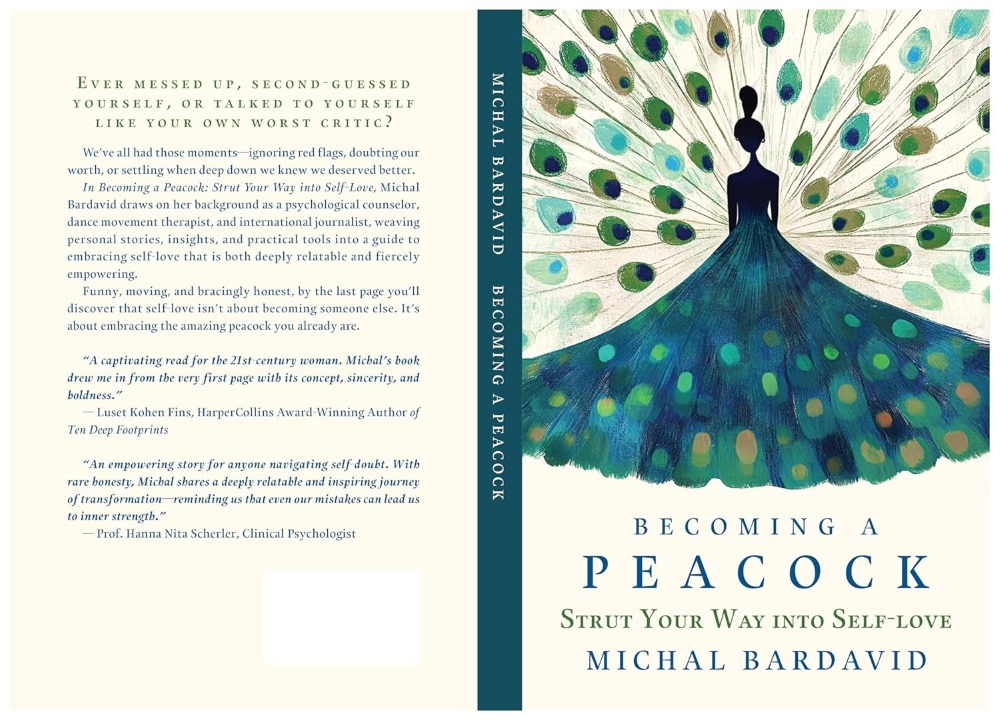
‘Becoming a Peacock’ is the new motivational book by Michal Bardavid. Photo: Amazon

Becoming a Peacock: Strut Your Way Into Self-Love

By Michal Bardavid

Loving yourself isn’t selfish, it’s your superpower.

We’re taught math, science, and grammar, but rarely how to love ourselves. In Becoming a Peacock, Michal Bardavid cracks open that silence with wit, warmth, and the kind of honesty that feels like a conversation with your bravest friend. (Amazon, 2025)

Release Date: December 2 — available now for pre-order.

Through intimate stories of heartbreak, healing, and rediscovery, Bardavid invites you to embrace your inner peacock: the bold, unapologetic, self-loving version of you that refuses to shrink to fit someone else’s cage.


What You’ll Learn

Each chapter blends real-life stories with empowering reflections and exercises designed to help you:

  • Reclaim your worth (no external validation required)
  • Set boundaries without guilt
  • Rewrite your inner voice from critical to kind
  • Let go of relationships and habits that dim your colors
  • Celebrate your authenticity, flaws, feathers, and all

Part memoir, part manifesto, and all heart, Becoming a Peacock is a guide for anyone ready to stop playing small and start strutting through life in full color.


What’s Inside the Book

  • Why the Majestic “Peacock”
  • A Peacock Knows It’s Worthy
  • A Peacock Can Take Rejection
  • A Peacock Dares To Fail
  • A Peacock Doesn’t Judge
  • A Peacock Is Authentic
  • A Peacock Is Grateful

Review

Becoming a Peacock is a heartfelt and spirited invitation to reclaim the parts of ourselves we’ve subdued for far too long. Bardavid writes with a disarming blend of humor, vulnerability, and gentle provocation, cracking open the silence so many people carry around their deepest hurts.

From the first chapter, her voice feels like that of a brave, loyal friend, the kind who tells you the truth with tenderness and refuses to let you abandon yourself again. The language is laid back and conversational while the tone is warm and nonjudgmental. With short chapters and clean structure, it’s a quick, easy read and easy to revisit favorite sections.

Through stories of heartbreak, healing, rejection, and the slow rebuilding of self-worth, Bardavid shows what it means to return home to yourself. She doesn’t preach or claim to have all the answers. Instead, she offers lived wisdom through intimate snapshots of losing her way and the surprising places she found it again.


Highlights

A Peacock Builds Resilience

A reminder that words matter. Kindness is crucial, but resilience is just as important. Bullying should never be tolerated, yet learning to rise above harsh moments is equally vital.

A Peacock Can Be in the Moment

Mindfulness means living with awareness and intention, even in painful moments. Distraction denies our feelings; presence helps us work through them.

“Let’s dare to put the phone down, be present for ourselves and our loved ones, and rediscover the beauty of being in the moment.”

Her “inner peacock” metaphor is playful and powerful, a reminder that boldness, beauty, and self-love are not traits we acquire but truths we unveil. Bardavid doesn’t shy away from messy emotions or difficult lessons, and that authenticity helps readers feel seen rather than lectured.

Becoming a Peacock is an encouraging guide to standing tall, spreading your feathers, and choosing yourself without apology. Ideal for readers who enjoy motivational, reflective books on the journey to self-improvement.

“I built this metaphor of a peacock to make self-love clearer, to remind my students—and now, any reader who wants to share the ride—that they are beautiful, worthy, and capable of living life fully.”

Rating: 4 out of 5.

About the Author

Michal Bardavid is a psychological counselor, dance movement therapist, and international journalist. Over the past 15 years, she has reported from more than a dozen countries, taught movement therapy at Boğaziçi University in Istanbul, and led creative workshops for Syrian refugee children. In Becoming a Peacock, she combines two decades of storytelling and healing into a candid, story-driven path toward self-worth.

*Thank you to the author for the gifted Advance Reader Copy for review consideration. I haven’t been compensated for this review and all views and opinions expressed are my own.
1764684058

  days

  hours  minutes  seconds

until

Becoming a Peacock release date

‘No Words Needed’ and the Power of a Single Glance

‘No Words Needed’ is Michael Freeman’s new book about the power of nonverbal communication. Photo: Barnes & Noble

Book Spotlight: No Words Needed: Learning to Listen With Your Eyes by Michael Freeman

What if a single glance could change everything?

We live in a world overflowing with noise: constant talking, constant explaining, constant performing. No Words Needed is the quiet rebellion we didn’t know we needed.

Michael Freeman offers a powerful, compassionate guide for men who don’t always speak first but feel deeply. The ones who walk into a room already reading the atmosphere. The ones who’ve been called “too quiet,” when in reality they were listening the whole time.

What You’ll Learn

In this short and impactful read, Freeman teaches you how to:

  • Recognize attraction through eye contact and subtle nonverbal cues
  • Build genuine connection without overthinking every word
  • Develop confidence without pretending to be someone you’re not
  • Understand emotional energy both yours and the woman in front of you

No Words Needed is written for quiet men, introverts, deep feelers, and overthinkers. It’s the book that finally acknowledges the men who move through the world with awareness, sensitivity, and intention.

If you’ve ever been misunderstood, overlooked, or unsure whether she was speaking to you with her eyes, this book becomes your playbook. Whether you’re starting over or simply want a deeper understanding of women, this isn’t just advice, it’s a mindset shift. (Barnes & Noble, 2025)


About the Author

Michael Freeman is a storyteller, observer, and quiet disruptor of the norm. His writing centers on emotional presence, personal growth, and the invisible language of attraction.

No Words Needed: Learning to Listen With Your Eyes is his debut work and an intimate guide for anyone who has ever felt more than they could say, especially men who are learning to lead with presence rather than volume.

Born and raised in Vallejo, California, Freeman blends cultural awareness, emotional intelligence, and lived experience into short, resonant reads that linger long after the last page. He writes for the ones who notice the small things, who feel deeply, who understand that silence often speaks first.

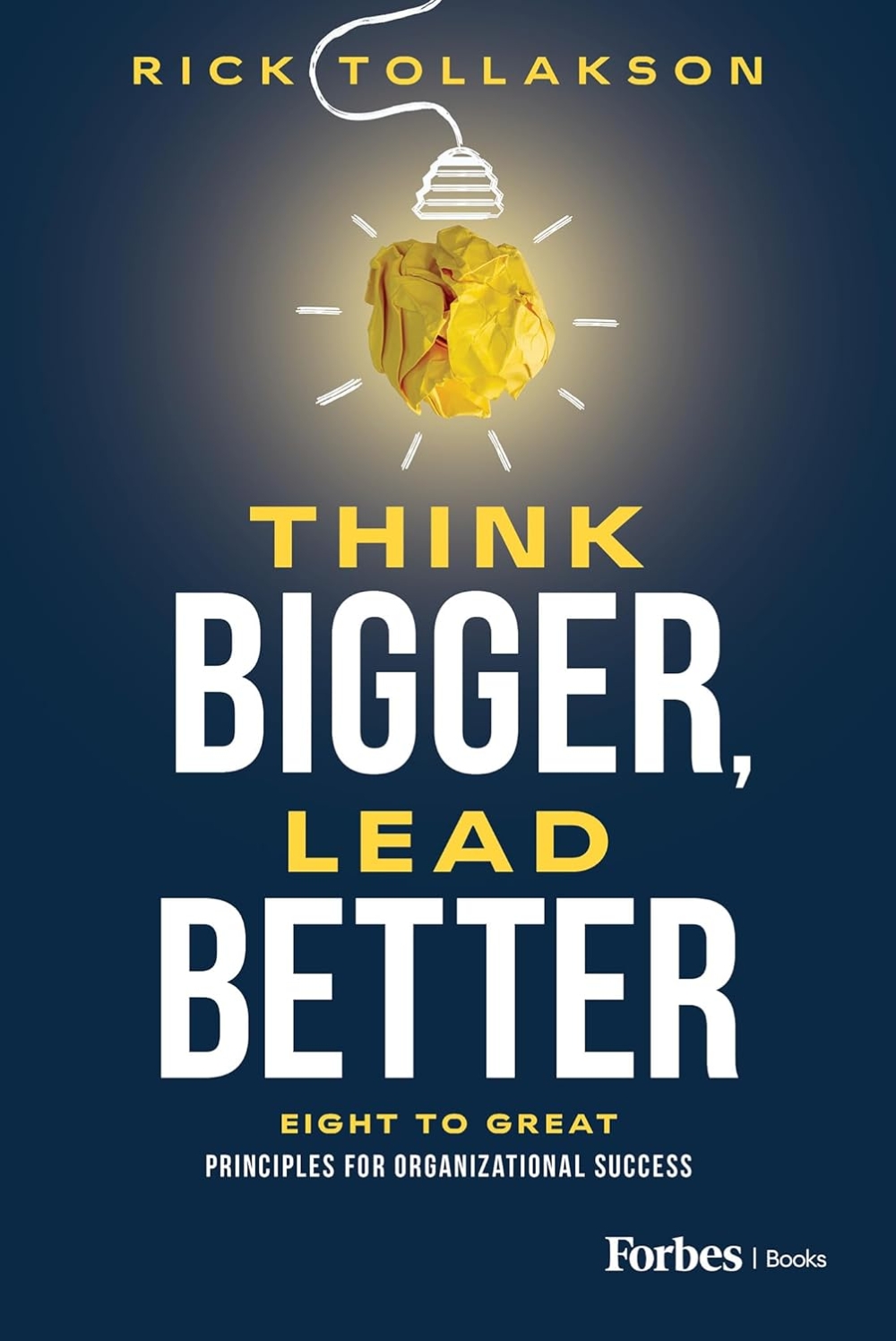
‘Think Bigger, Lead Better’ is Rick Tollakson’s Blueprint for Transformational Leadership

In his new book, Rick Tollakson presents his eight principles for success. Photo: Barnes & Noble

Think Bigger, Lead Better: Eight to Great Principles for Organizational Success

A fresh take on leadership from Rick Tollakson

In today’s fast-changing business world, leadership can’t be about playing it safe. The most effective leaders are those who think bigger, challenge assumptions, and inspire others to reach new heights. That’s the central message behind Rick Tollakson’s new book, Think Bigger, Lead Better: Eight to Great Principles for Organizational Success. It’s a practical and inspiring guide to building stronger teams, smarter organizations, and more impactful leaders.


Beyond the Bottom Line

Efficient leadership isn’t about maintaining the status quo, it’s about creating meaningful, lasting change.

Drawing from his decades of experience transforming a modest real estate company into a thriving, diversified enterprise, Tollakson shares the “Eight to Great” principles that powered that journey. Through engaging stories and actionable insights, he encourages leaders to move beyond short-term wins and embrace a long-term vision that drives growth and purpose.

Readers will learn how to:

  • Cultivate passionate, high-performing teams
  • Encourage innovation and calculated risk-taking
  • Streamline operations with process-driven thinking
  • Lead with purpose while balancing profitability and impact
  • Build a legacy of leadership that outlasts any single role

Think Bigger, Lead Better is a call to action for CEOs, entrepreneurs, and professionals who refuse to settle for mediocrity. Whether you’re leading a Fortune 500 company or growing a small startup, Tollakson’s proven framework will help you push past limitations and build something truly great.

Are you ready to think bigger?


About the Author

Rick Tollakson is a nationally recognized real estate executive, community leader, and author of Think Bigger, Lead Better: Eight to Great Principles for Organizational Success.

As CEO of Hubbell Realty Company, he has led the organization through transformational growth, expanding its development, construction, property management, and homebuilding operations across Iowa and beyond.

A respected voice in both business and civic circles, Tollakson’s leadership philosophy blends innovation, integrity, and community stewardship. He continues to serve on numerous boards and committees, offering insights that extend far beyond traditional business metrics to include ethical leadership, sustainable development, and meaningful community partnerships.


Why This Book Matters Now

In an era defined by disruption and uncertainty, the need for bold, ethical, and visionary leadership has never been greater. Think Bigger, Lead Better provides the clarity and tools leaders need to navigate change, inspire trust, and create organizations that make a difference.

If you’re ready to elevate your leadership and build a culture of excellence, this book is your next essential read.

📘 Learn more or order your copy of Think Bigger, Lead Better wherever books are sold.


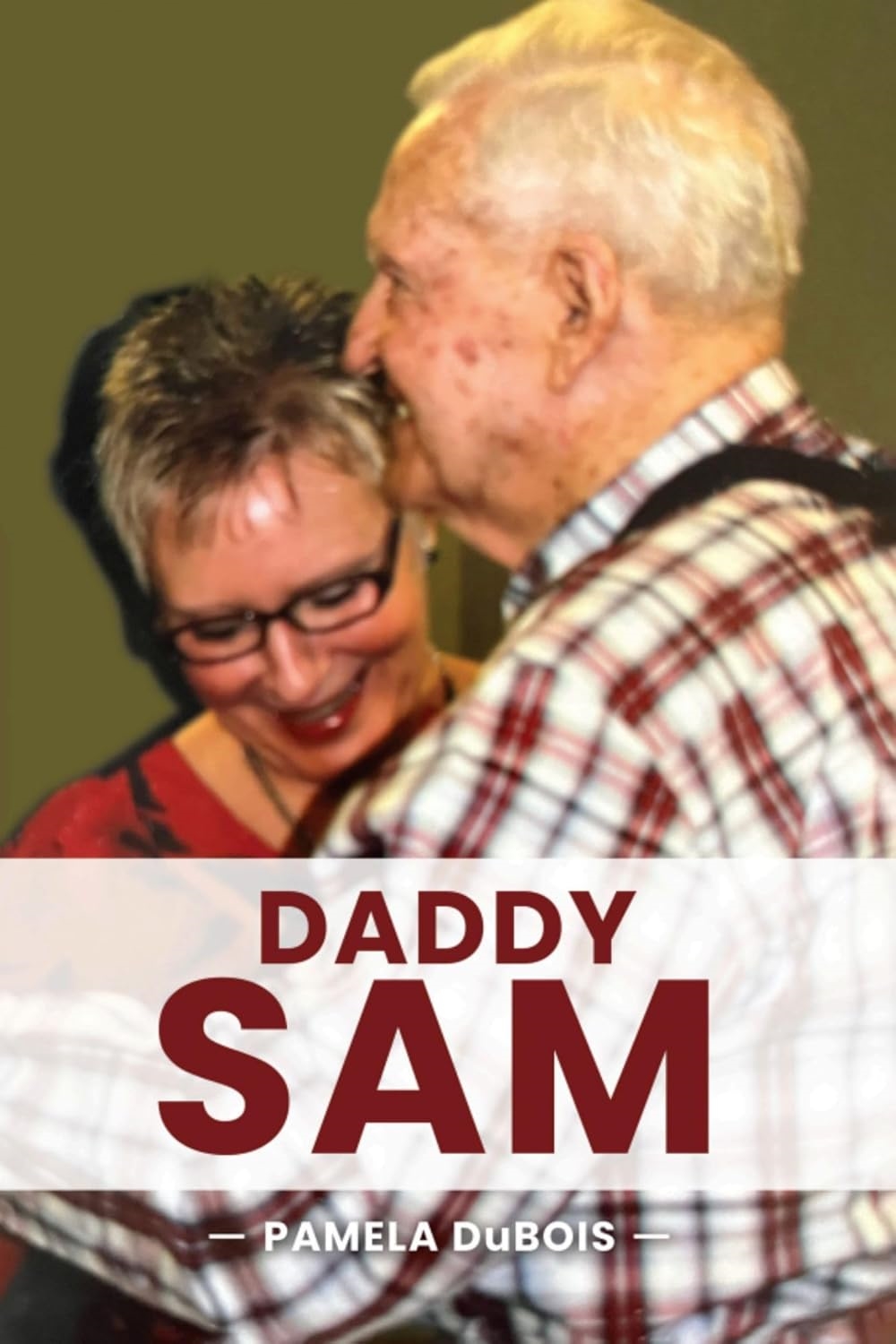
Heartfelt and Honest: Exploring the Emotional Depth and Storytelling of ‘Daddy Sam’

‘Daddy Sam’ by Pamela Dubois. Photo: Amazon

“Daddy Sam” by Pamela Dubois is a heartwarming and thought-provoking story that explores the dynamics of family, identity, and resilience. The story centers around Sam and his journey from a tough childhood stemming from losing his mother when he was nine years old, to serving in World War II, returning to civilian life, marriage at a young age, raising a family of his own, becoming a successful businessman, and navigating retirement. The narrative is emotionally charged and insightful, diving deep into Sam’s life. It includes pictures of a young Sam and his wife Virginia as well as pictures of a love letter he wrote to her while on military duty and other personal mementos.

Main Chapters:
Introduction
Preface
Sam: The Early Years
Marriage
Military Service at the 38th Parallel
Civilian Life
Occupational Career
Retirement Travel
Second Career
Life After Virginia Fay

The character development and authentic portrayal of familial bonds makes Sam relatable. Dubois’s prose is both lyrical and poignant, capturing the nuances of grief, love, and personal growth with remarkable sensitivity. The interactions between Sam and family and friends are depicted with a sincerity that will resonate with readers who have experienced similar struggles or joys in their own lives.

Overall, “Daddy Sam” is compelling read that offers valuable reflections on the nature of family, resilience, and the enduring power of love. Though it’s a brief overview of Sam’s life, Pamela Dubois has delivered a touching and memorable story that will linger with readers. It is an easy read and recommended for readers who enjoy biographies and family saga fiction.

Rating: 4 out of 5.

*The author was contacted for an honest review of this book. The views and opinions expressed here belong solely to her.

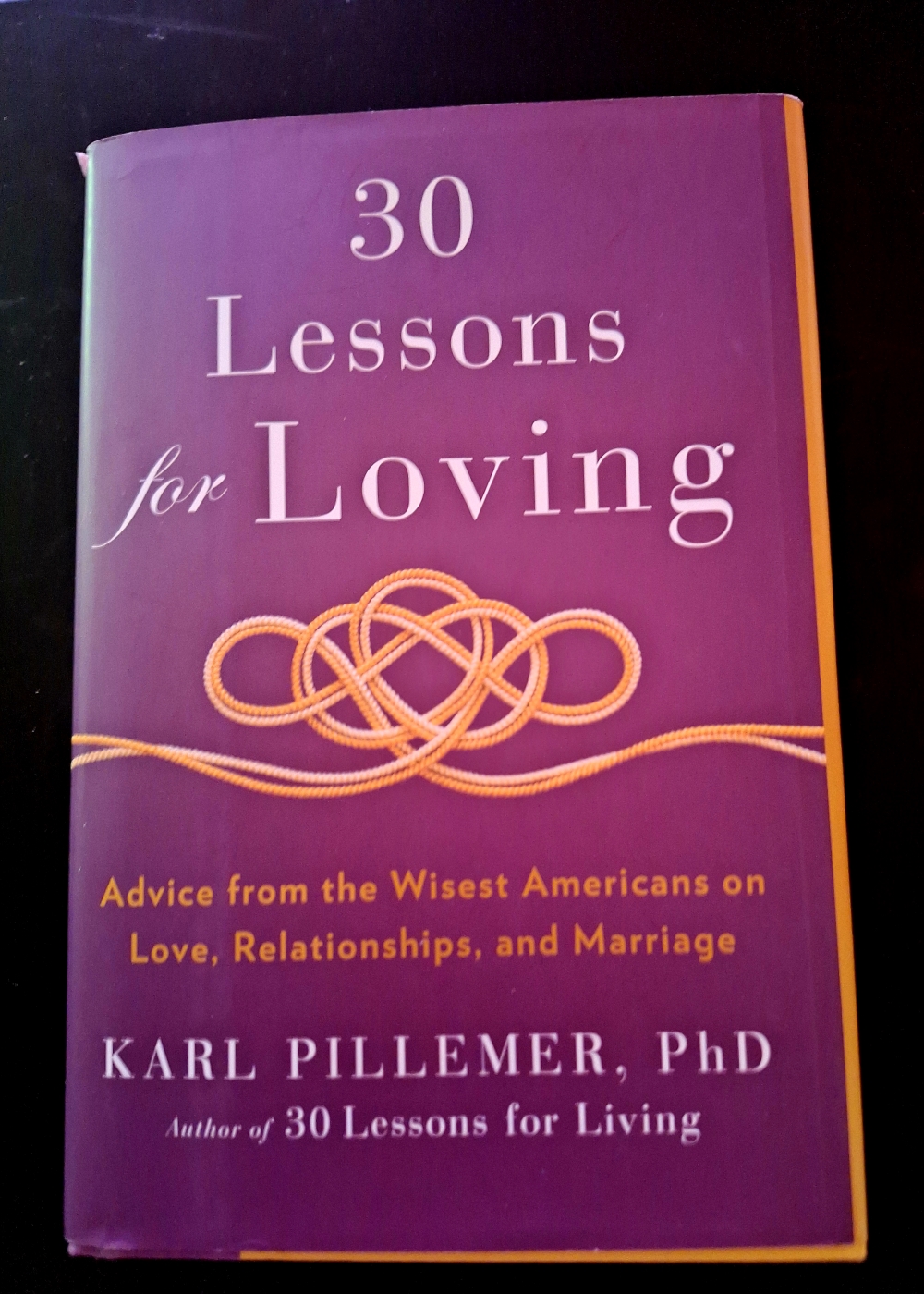
Wisdom from the Ages: What ’30 Lessons for Loving’ Can Teach Us About Relationships

’30 Lessons for Loving’ by Karl Pillemer, PhD.

Karl Pillemer, PhD, is the founder and director of the Cornell Institute for Translational Research on Aging, a center that works to increase public awareness of aging research. Dr. Pillemer has authored more than one hundred scientific publications and has spoken widely throughout the world on issues of successful aging, family relationships, and elder care. His book “30 Lessons for Loving: Advice from the Wisest Americans on Love, Relationships, and Marriage” gives sage advice and memorable stories from extraordinary older Americans who share advice on love, relationships, and marriage. (Amazon, 2024)

“30 Lessons for Loving” – Based on the most detailed survey of long married people ever conducted, it shows the way to lifelong, fulfilling relationships. The author offers sage advice from the oldest and wisest Americans on everything from finding a partner, to deciding to commit, to growing old together. Along the way, the book answers questions like these: How do you know if the person you love is the right one? What are the secrets for improving communication and reducing conflict? What gets you through the major stresses of marriage, such as child-rearing, work, money issues, and in-laws? From interviews with 700 elders it offers unique wisdom that will enrich anyone’s relationship life, from people searching for the right partner to those working to keep the spark alive after decades together. It is structured around thirty distinct lessons, each offering practical advice and profound insights derived from real-life stories.

Chapters include:
Chapter 1: Evening the Odds: Lessons for Finding a Mate
Chapter 2: Communication Is the Key
Chapter 3: Getting Through the Hard Parts
Chapter 4: Keeping the Spark Alive
Chapter 5: Thinking Like an Expert About Love and Marriage

Review:
One of the book’s greatest strengths is its blend of empirical research with heartfelt personal stories. Pillemer’s approach is scholarly and accessible, making the wisdom of seasoned couples relatable and actionable for readers of all ages. The lessons cover a wide range of topics, from the importance of communication and forgiveness to the role of shared experiences in strengthening bonds.

Highlights:
Chapter 2 Lesson Five: Three Danger Signs – Points to dangers signs that could signal that a relationship is in trouble including Violence – Once is More Than Enough; Your Partner Is Controlling; and Your Partner Demeans You.

Chapter 3 Lesson Two: Work-Family Stress: Make Your Home a Safe Haven – emphasizes the importance of making your home a safe place free from the stresses of work and avoiding the dreaded “spillover”: “…elders believe that adopting an attitude that ‘home is home and work is work’ is a critical first step.

Overall, “30 Lessons for Loving” is an optimistic yet realistic perspective on love and acknowledges the complexities and challenges of relationships while providing hopeful strategies for overcoming them. The practical advice, grounded in the experiences of those who have navigated long-term relationships, offers valuable guidance for anyone seeking to deepen their connections with loved ones. It is a thoughtful and enriching read for anyone interested in the enduring art of love.

“It’s true that the experts highlight verbal communication-they want you to keep talking. But in addition to conversations, they suggest that actions can speak as loudly as words.”

*The author received a copy of this book for an honest review. The views and opinions expressed here belong solely to her.

Rating: 4 out of 5.

Book review: ’10 Habits of Highly Successful People’ by Ansh Verma

’10 Habits of Highly Successful People’ contains essential information for people interested in personal development. Photo: Amazon

Ansh Verma is a researcher, author, and philosopher based in Dhanbad, Jharkhand (India). He researches almost everything that can be observed, felt and/or read, including technology, politics, divine, war, behavioral, engineering, investments, military, finance, and mathematics. Post graduation, Verma has almost 20 years of experience in thinking and making sense of the world. His new book “10 Habits of Highly Successful People” is an essential guide that breaks down the main essential habits and characteristics of successful individuals.

“10 Habits of Highly Successful People”  – Sometimes life can get so hectic that we often forget that there are easier and better ways to cope with life’s struggles. While there are other books out there that address personal development, I like this one because the author uses language that is easy to read and understand and the tone is not condescending at all. Because it is a short read, he gets down to the point without fillers like background stories or endless examples of how people have successfully implemented these habits into their lives. Since each habit is a chapter, it makes it so convenient to go back and re-read at your own pace. He also gives tips and key points on how to implement these habits into your daily routine.

The chapters are as follows:

Goal Setting
Time Management
Continuous Learning
Positive Mindset
Networking
Consistency
Embracing Failure
Health and Wellness
Financial Responsibility
Gratitude and Empathy
Bonus: Wisdom from Japanese Traditions

Some of these habits are well known, like Networking, Time Management, and Goal Setting, but some of them are more personal, like Positive Mindset and Continuous Learning. My favorite ones are Embracing Failure and Gratitude and Empathy. Embracing Failure – it is not easy to accept and learn from failure but it is an important part of the growth process because it creates resilience. We should not let failure define our worth or potential. Gratitude and Empathy – “highly successful individuals embody gratitude and empathy in their interactions with others.” We can do this by reflecting on the things we are grateful for and putting ourselves in other’s shoes. I highly recommend this book if you are interested in self help books about personal growth and development, not just success in terms of money and status.

*The author was contacted for an honest review of this book. The views and opinions expressed here belong solely to her.

Rating: 5 out of 5.

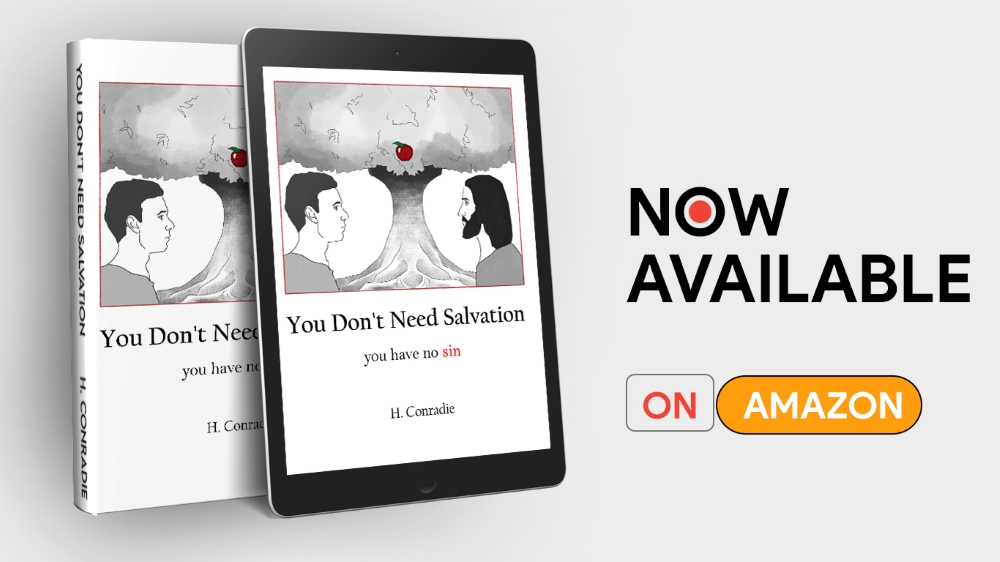
Book review: ‘You Don’t Need Salvation’ by H. Conradie

‘You Don’t Need Salvation’ by H. Conradie will be available December 1, 2022. Courtesy photo, used with permission.

H. Conradie is a former Christian who preached on street corners at the age of 18 and struggled for many years to find the courage to openly say that creation does not align with creation myths. He is the author of “You Don’t Need Salvation: you have no sin,” the book that frees millions of people from the idea that they are sinful and need salvation. (H. Conradie, 2022)

“You Don’t Need Salvation” – Have you ever doubted the existence of the biblical Adam and Eve? Have you ever wondered why a book with so many contradictions should be called the ‘Word of God’? Have you wondered why no trace of Hebrew slaves can be found in any Egyptian records? Billions of people brought up to believe biblical myths have asked the same questions you do and are demanding answers now. The Christian narrative of mankind being ‘lost’ is based upon the myth of ‘Adam and Eve.’ Children brought up in Christian homes are programmed to believe in myths as if they were real and told that they are lost forever except if they believe in the solution offered for a problem that does not exist. The author provides proof that the Bible cannot be the ‘Word’ of a perfect God, as it is historically inaccurate, full of contradictions, scientifically inaccurate, and bases its ‘solution’ on the myth of the ‘first Adam.’ In the Introduction, he welcomes readers brave enough to question what they have been conditioned to believe since childhood. The book is divided into fourteen chapters such as What Is The Bible, Biblical History, and Biblical Contradictions. He invites readers to free themselves from the 2000-year-old lie that they are sinful and in need of salvation.

Anyone who grew up in a church can agree that you are taught that “faith is a one-way street.” You are told to believe that the Bible is the “Word of God” and that is the end of discussion. But what if you were presented with logical data, from a scientific viewpoint, that this may not be the truth. Can you honestly say that you would consider a different perspective? This is what H. Conradie does; he provides a compelling argument regarding the validity of the Bible. By applying the IF, THEN math logic, he investigates and summarizes what the Bible is and is not, whether it is without error, and whether it is considered inspired by God. Highlights include Chapter 7: Biblical Contradictions, where he examines several biblical themes, for example, the order of creation, and shows how it differs from Genesis Chapter 1 and 2; and Chapter 10: The Myth of Sin where he debunks the concept of sin because it is introduced in the creation myth story of Adam and Eve. If this all seems cold and disheartening, it should not be, for as the author points out, “science and spiritual understanding are moving ever closer together.” Concepts such as love, hope, forgiveness, morality, and the afterlife should not be considered the exclusive domain of the religious. His tone is non-confrontational and empathic and the language is down to earth. Aside from the Applying Math section in Chapter 2, which requires careful reading, the material is easy to understand. “You Don’t Need Salvation” is an insightful examination of the Bible and is recommended for readers who appreciate debate on widely accepted religious dogma and can remain open minded when presented with viewpoints that differ from their own.

“Once we acknowledge that no one has all the answers, we are ready to learn. Once we acknowledge that we will never know the whole truth, we are even further prepared for truth and growth.”

*The author received a copy of this book for an honest review. The views and opinions expressed here belong solely to her.

Rating: 4 out of 5.
1669900619

  days

  hours  minutes  seconds

until

‘You Don’t Need Salvation’ release date

Sponsored Post