Inside The Means of Prediction and Why the Future of AI Depends on Who Owns It

The Means of Prediction by Maximilian Kasy explains how power, not technology, will define life with AI. Photo: The University of Chicago Press

Book Spotlight: The Means of Prediction by Maximilian Kasy

Publication Date: November 4, 2025
Publisher: University of Chicago Press

“An eye-opening examination of how power—not technology—will define life with AI.”

Artificial intelligence is everywhere. It filters what we see online, screens us in job interviews, and even factors into decisions about justice and warfare. Its presence has become so vast that many people feel resigned to its rule, believing AI is simply our collective destiny. (The University of Chicago Press, 2025)

In The Means of Prediction: How AI Really Works (and Who Benefits), economist Maximilian Kasy challenges that narrative. He argues that AI is not an inevitable or uncontrollable force, it’s a human creation, shaped by the choices and interests of those who own and operate it.

Kasy makes a bold claim: AI isn’t especially mysterious or complex. What makes it powerful and dangerous is who gets to control it. The “means of prediction,” as he calls them, consist of the essential ingredients of AI: data, computing power, expertise, and energy. These are the levers through which ownership and influence are exercised.

Inside the Book

Some of the chapters include:

  • The Story of Humans Versus Machines
  • What is Artificial Intelligence?
  • The Means of Prediction
  • Automation
  • The Ancient Questions Behind AI

Across these chapters, Kasy offers both a primer on how AI really works and a powerful critique of how it’s governed. He cuts through the noise of technical debates to ask the fundamental question:

Who controls AI’s objectives and how is that control maintained?

A Call for Democratic Control

Rather than treating AI as an unstoppable technological wave, Kasy invites readers to see it as a political and social choice. In a world already shaped by inequality, he argues that AI will deepen existing divides unless it’s placed under public and democratic control.

His framework is analytical and visionary, a blend of economics, ethics, and practical insight into how society might reclaim agency over one of the most consequential technologies of our time.


About the Author

Maximilian Kasy is a professor of economics at the University of Oxford and previously taught at Harvard University. His research explores machine learning and the social impact of AI, focusing on how technology intersects with power, equity, and governance.

Book Review: ‘Civil Living’ and the Power of Personal Transformation

‘Civil Living’ by Pete Wiley: why true civility begins within. Photo: Pete Wiley, used with permission.

Book Review: Civil Living by Pete Wiley

Finding Civility in Society, in Our Interactions, and Within Ourselves


Synopsis

From global conflicts to political shouting matches, it’s easy to believe the world is becoming less civil. But real change begins at the individual level.

Drawing on timeless human values and grounded insight, Civil Living explores how self-knowledge, inner peace, open-mindedness, and self-love form the foundation of civil behavior—not just in society, but within ourselves. Through thoughtful reflection and practical guidance, this book shows how personal transformation can ripple outward to foster healthier relationships, stronger communities, and a more compassionate world. (Barnes & Noble, 2025)

Civil Living is part of the Blocks of Life series, which includes:

  • Blocks of Life
  • Blocks of Life Volume 2: Know Yourself
  • Blocks of Life Volume 3: Embracing Change
  • Life Tides: Understanding Your Ebb and Flow (Blocks of Life)
  • Civil Living: Finding Civility in Society, in Our Interactions, and Within Ourselves

What’s Inside

  • Divisions – Finding A Way Back From The Brink
  • The State of Humanity – To Evolve Or Not To Evolve
  • How to Be Friendly in a Divisive World – And Why
  • Forces of Evil – Why Bad Things Happen
  • Getting Past the Ideal – To The Heart Of Who People Are
  • And More

Highlights

  • How to Be Friendly in a Divisive World (And Why) – Wiley explains that we should strive to be friendly to people who are unfriendly to us—because that’s the only way we move forward. Plus, friendliness boosts inner peace, improves health, and simply feels good.

“Because friendliness is directly tied to inner peace and serenity, it is natural to work toward these with mindfulness practices, which also have a host of other benefits.”

  • The Fluidity of Friendship – The Evolving Nature of Our Connections – We all change over time, so we should remain open to growth in ourselves and others.

“Our friendships are like floating down a river: we experience twists and turns and encounter tumultuous areas, but ultimately, the ride is worth it.”


About The Author

Pete Wiley takes advantage of his varied interests and experiences to learn about people and how they behave, interact, and grow. He applies these insights to creating Blocks of Life books, poetry, videos, music, and a blog, and interacting with his audience. He lives in Maryland with his wife and son.


Review

In Civil Living, Pete Wiley offers a refreshing and timely reminder that true civility begins within. Instead of presenting rigid rules or superficial politeness, Wiley encourages readers to look inward and explore how self-knowledge, inner peace, open-mindedness, and self-love shape how we interact with the world. His central principle, that personal growth is inseparable from building a compassionate society, is inspiring and practical.

Wiley provides tangible steps to translate insights into daily action. Whether it’s cultivating healthier relationships, contributing to stronger communities, or simply practicing patience in small exchanges, the book illustrates how inner transformation leads to outward impact.

His writing style is relaxed and conversational, making complex ideas approachable without losing depth. With short, focused chapters, the book blends philosophy, personal anecdotes, and practical wisdom into a helpful guide for improving civility.

In a world where division and incivility dominate headlines, Civil Living stands as a guide and a gentle call to action. By nurturing our inner selves, we lay the foundation for a more compassionate and connected society.

Recommended for readers of self-improvement, personal growth, and mental wellness.

“While we have seen gains in some areas, there have not been coinciding advances in critical aspects of human nature, such as wisdom and compassion. Without these, we are seriously at risk.”

Rating: 4 out of 5.

*Thank you to Pete Wiley for the gifted copy for review consideration. I have not been compensated for this review and all opinions expressed here are my own

‘The Shape of Wonder’: Lightman and Rees on the Human Side of Science

Unveiling ‘The Shape of Wonder,’ a journey into the lives of scientists by Alan Lightman and Martin Rees. Photo: Penguin Random House

Book Announcement: The Shape of Wonder by Alan Lightman and Martin Rees

Pantheon Books is proud to announce the upcoming release of The Shape of Wonder: How Scientists Think, Work, and Live, a captivating exploration of the scientific world by renowned physicists Alan Lightman and Martin Rees. Scheduled for release on September 2, 2025, this insightful book promises to demystify the scientific process and humanize the brilliant minds behind groundbreaking discoveries. (Penguin Random House, 2025)


Why This Book Matters

In an age of rapid scientific discovery and technological advancement, it’s understandable that many feel uneasy about the future. While we might place our trust in science when boarding an airplane, undergoing a medical procedure, or stepping into an elevator, the lives and motivations of scientists themselves often feel hidden from view.

This distance has bred a troubling mistrust. Concerns about political agendas, financial interests, or institutional ties have caused skepticism toward science at a time when trust is most crucial.

With the challenges of climate change, pandemics, nuclear threats, artificial intelligence, and genetic engineering, understanding science—and those who shape it—has never been more urgent.


Inside The Shape of Wonder

Lightman and Rees take readers inside the minds and lives of scientists across generations and disciplines:

  • A young theoretical physicist and rock climber at the University of Washington.
  • Werner Heisenberg, whose early interests in music and philosophy shaped his path to physics.
  • Govind Swarup, the pioneering Indian astronomer whose work on radio telescopes transformed astronomy.

Through these stories, readers glimpse the passions, daily lives, and ethical concerns of scientists—revealing that they, too, are guided by curiosity, wonder, and responsibility toward the future.


A Manifesto for Science

More than biography, The Shape of Wonder is a manifesto calling for a deeper appreciation of scientific inquiry and its ethical responsibilities. Featuring figures such as Charles Darwin, Barbara McClintock, and Werner Heisenberg, the book presents science as a deeply human endeavor—one that depends on trust, curiosity, and imagination.


Meet the Authors

  • Alan Lightman is a physicist, essayist, and bestselling author of Einstein’s Dreams. He has taught at Harvard and MIT and hosts the PBS series Searching: Our Quest for Meaning in the Age of Science.
  • Martin Rees, the UK’s Astronomer Royal, is a Fellow of Trinity College, Cambridge, former President of the Royal Society, and co-founder of the Centre for the Study of Existential Risks at Cambridge University.

Together, they bring unparalleled insight and perspective to this vital book.


Who Should Read This Book?

The Shape of Wonder is ideal for readers who enjoyed Edward O. Wilson’s Letters to a Young Scientist, as well as anyone fascinated by:

  • Astronomy & physics
  • The natural world
  • Lives of great scientific thinkers
  • The human side of discovery

Release Details

📖 The Shape of Wonder: How Scientists Think, Work, and Live
✍️ By Alan Lightman & Martin Rees
📅 Release Date: September 2, 2025
📚 Publisher: Pantheon Books


This book is a timely, inspiring call to see science not as something distant or abstract, but as a profoundly human pursuit—driven by the same curiosity and wonder that shapes us all.


1756811516

  days

  hours  minutes  seconds

until

‘The Shape of Wonder’ release date

Welcoming Words: Souleymane Bachir Diagne on the Hospitality of Translation

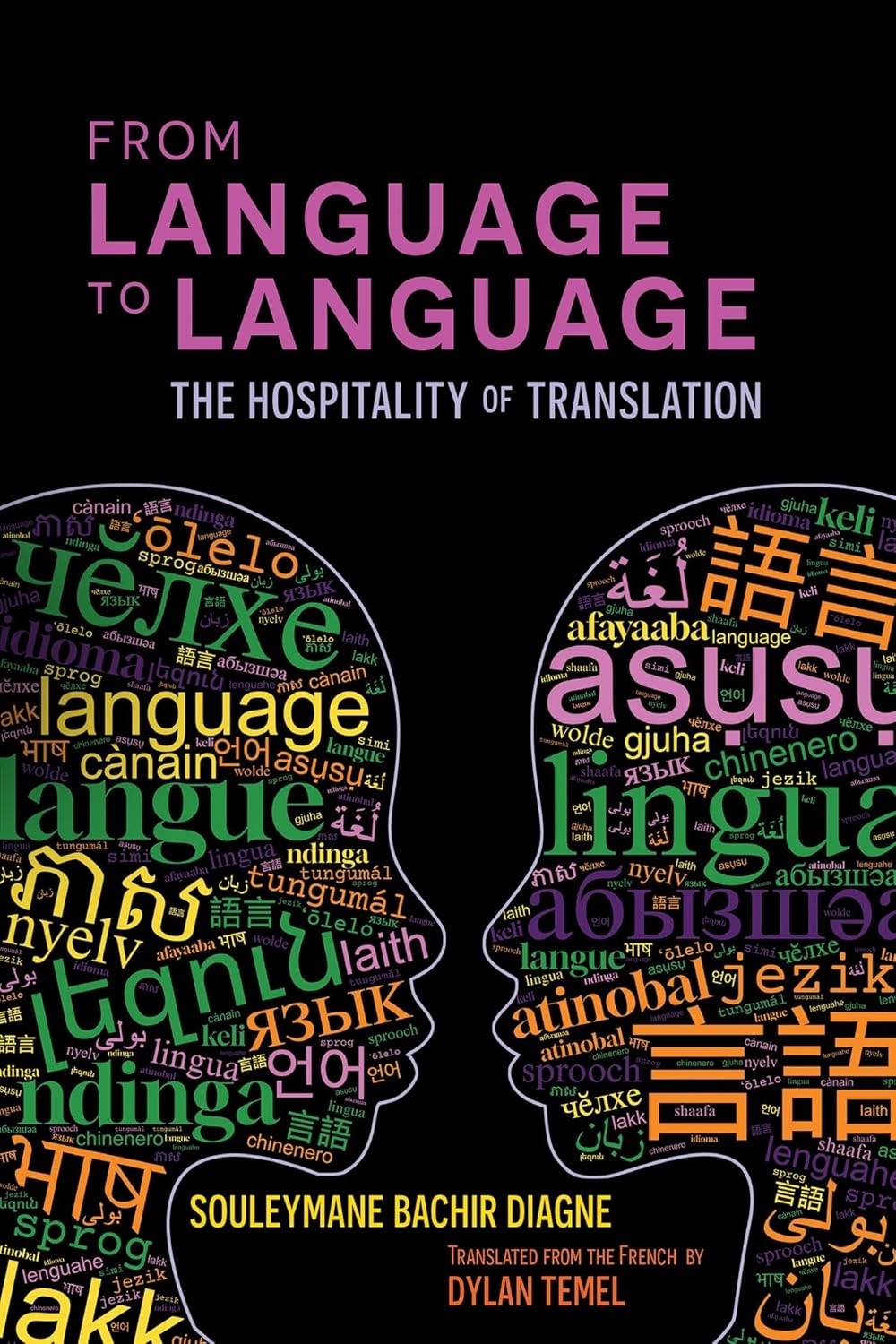
Renowned Senegalese philosopher explores the power of translation to bridge cultural divides in ‘From Language to Language.’ Photo: Other Press

From Language to Language: The Hospitality of Translation by Souleymane Bachir Diagne

Renowned Senegalese philosopher Souleymane Bachir Diagne brings his distinctive multicultural perspective—shaped by African, French, and American influences—to his latest work, From Language to Language: The Hospitality of Translation. (Other Press, 2025)

In this humanist exploration, Diagne examines the practice of translation as a form of bridge-building across cultures. Echoing the intellectual spirit of Jhumpa Lahiri’s Translating Myself and Others and Elena Ferrante’s In the Margins, the book reflects on the ways translation can connect people across divides of language, history, and power.

📅 Release Date: Tuesday, September 23, 2025
📦 Now Available for Pre-Order


The Power—and Paradox—of Translation

Translation, Diagne notes, often arises in contexts marked by inequality between dominant and marginalized languages. Yet even within these asymmetries—particularly in postcolonial contexts—the act of translation can become a space of dialogue, reciprocity, and cultural mediation.

To praise translation as “the language of languages” is, in Diagne’s words, to celebrate plurality and equality. Translating is not merely a technical act; it is an act of hospitality, of welcoming what has been thought in one language into the home of another. In doing so, translation fosters shared humanity and imagines a hopeful version of the Tower of Babel—one built on understanding rather than division.


About the Author

Souleymane Bachir Diagne is Professor of Philosophy and Francophone Studies and Director of the Institute of African Studies at Columbia University. His books include:

  • The Ink of the Scholars: Reflections on Philosophy in Africa
  • Open to Reason: Muslim Philosophers in Conversation with the Western Tradition
  • Postcolonial Bergson
  • African Art as Philosophy: Senghor, Bergson, and the Idea of Negritude

About the Translator

Dylan Temel is a translator and English instructor at the University of Nanterre. He currently resides in Paris.


Advance Praise for Souleymane Bachir Diagne (From Language to Language):

“In his new book, From Language to Language: The Hospitality of Translation, philosopher Souleymane Bachir Diagne digs deeper into the process of translation to give us a multifaceted perspective on the relationship between translation and colonialism, first of all, but also what happens after decolonization…From Language to Language is a fascinating overview of Diagne’s philosophy of translation and a great instigator for further thought on this subject.”
—PROVINCETOWN MAGAZINE


1758621173

  days

  hours  minutes  seconds

until

‘From Language to Language’ release date

‘White Light’ and the Element of Life and Death: A Luminous Journey Through Phosphorus

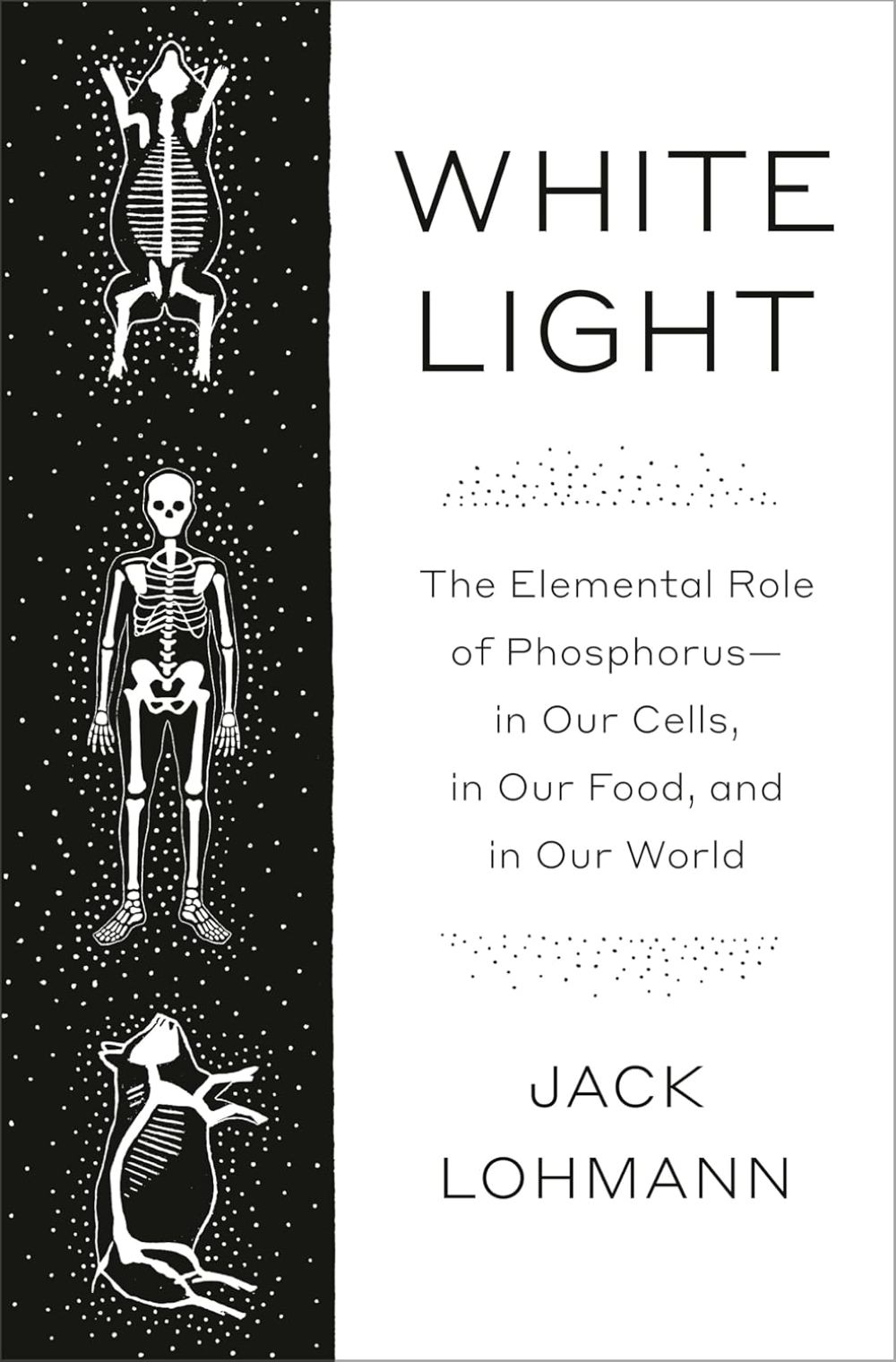
‘White Light’ is a profound and poetic reflection on the cyclical nature of life. Photo: Amazon

White Light: The Elemental Role of Phosphorus—in Our Cells, in Our Food, and In Our World
By Jack Lohmann


Related post: Phosphorus and the Pulse of the Planet: A Look at Jack Lohmann’s ‘White Light’

📖 Review

In White Light, Jack Lohmann delivers a deeply poetic and intellectually rich exploration of phosphorus—the vital yet often overlooked element that both fuels life and marks our decay. Bridging science, history, and philosophy, Lohmann traces phosphorus from the explosive discoveries of alchemy to its indispensable role in DNA, agriculture, and human biology.

White Light is not just about chemistry—it’s a meditation on life, death, and renewal. Lohmann’s lyrical prose elevates the science into something profoundly human.

“Cracked concrete spread out before us, brick ruins, graffiti: the grim equality of destruction by fire.”

He writes not only about phosphates and fertilizers but about our estrangement from the cycles of nature—how we strip-mine the earth and sanitize death, forgetting the ways in which decay feeds rebirth. With urgency and grace, Lohmann calls for a new reverence for the Earth’s resources and a restored relationship with our mortality.

Part science writing, part cultural critique, part spiritual inquiry, readers will walk away with a deeper understanding of phosphorus and more importantly, questioning how we live and die within a closed loop of matter and meaning. He makes the subject easy to understand and accessible to anyone, regardless of their knowledge of science.


✍️Table of Contents

Prologue: Whale Fall

Part I: Life

  1. Sea of Fires
  2. The Acid Test
  3. Lightbringer

Part II: Growth

  1. Stones from Past Times
  2. Rapid Change
  3. The Flood
  4. Peak and Valley

Part III: Rebirth

  1. The End of Everything
  2. Overhaul
  3. Tiny Tracings on a Future World

White Light glows with insight and care, illuminating life’s most fundamental—and fleeting—connections. It is recommended for readers interested in the intersections of science, sustainability, and the soul.

“Cities are composting food scraps. Disenfranchised farmers are fighting for their land. If we listen to those with knowledge—rather than those with money—it is possible to restore the cycles of the earth.”

Rating: 4 out of 5.

* Thank you to Pantheon Books/Penguin Random House for the gifted copy for review consideration. I have not been compensated for this review and all views and opinions expressed are my own.

The Price of Belonging: Exploring Selfhood in the Digital Age

‘Searches: Selfhood in the Digital Age’ is the new book by Vauhini Vara. Photo: Barnes & Noble

Books that explore the human condition in the digital age offer profound insight into how technology reshapes identity, connection, and meaning. Some examine AI’s emotional entanglement with humans, blurring the lines between empathy and programming, while others critique our obsession with surveillance and digital transparency. These narratives question what it means to be human when algorithms influence choices, relationships, and self-worth. As artificial intelligence grows more integrated into daily life, literature becomes a crucial mirror, reflecting both our fears and hopes for the future.

New this month, from the author of “The Immortal King Rao,”finalist for the Pulitzer Prize, is “Searches: Selfhood in the Digital Age,” a personal exploration of how technology companies have both fulfilled and exploited the human desire for understanding and connection. (Penguin Random House, 2025)

“Searches: Selfhood in the Digital Age” by Vauhini Vara

When it was released to the public in November 2022, ChatGPT awakened the world to a secretive project: teaching AI-powered machines to write. Its creators had a sweeping ambition—to build machines that could not only communicate, but could do all kinds of other activities, better than humans ever could. But was this goal actually achievable? And if reached, would it lead to our liberation or our subjugation?

Vauhini Vara, an award-winning tech journalist and editor, had long been grappling with these questions. In 2021, she asked a predecessor of ChatGPT to write about her sister’s death, resulting in an essay that was both more moving and more disturbing than she could have imagined. It quickly went viral.

The experience, revealing both the power and the danger of corporate-owned technologies, forced Vara to interrogate how these technologies have influenced her understanding of her self and the world around her, from discovering online chat rooms as a preteen, to using social media as the Wall Street Journal’s first Facebook reporter, to asking ChatGPT for writing advice—while compelling her to add to the trove of human-created material exploited for corporations’ financial gain.

Interspersed throughout this investigation are her own Google searches, Amazon reviews, and the other raw material of internet life—including the viral AI experiment that started it all. “Searches” illuminates how technological capitalism is both shaping and exploiting human existence, while proposing that by harnessing the collective creativity that makes humans unique, we might imagine a freer, more empowered relationship with our machines and, ultimately, with one another.

Vauhini Vara has been a reporter and editor for The AtlanticThe New Yorker, and the New York Times Magazine, and is the prize-winning author of “The Immortal King Rao” and“This is Salvaged.

“Vara humanizes the influence of technology in highly personal terms [and] projects what the future holds as tech oligarchs gain political influence. . . . Provocative, challenging, and concerning, Vara’s clever, eye-opening approach brings home the often uneasy confluence of individual desire, social benefits, and corporate ambition.”Booklist, starred review

“Tragic, funny, and relatable[, SEARCHES] is by turns absurd and insightful, engaging with the ethics of algorithms, surveillance, and privacy in a meaningful way. . . . A must read.” Library Journal, starred review

“Readers will be profoundly moved by this remarkable meditation.”Publishers Weekly, starred review

Exploring the Tapestry of Human Connection: A Review of ‘Connecting the Web of Humanity’

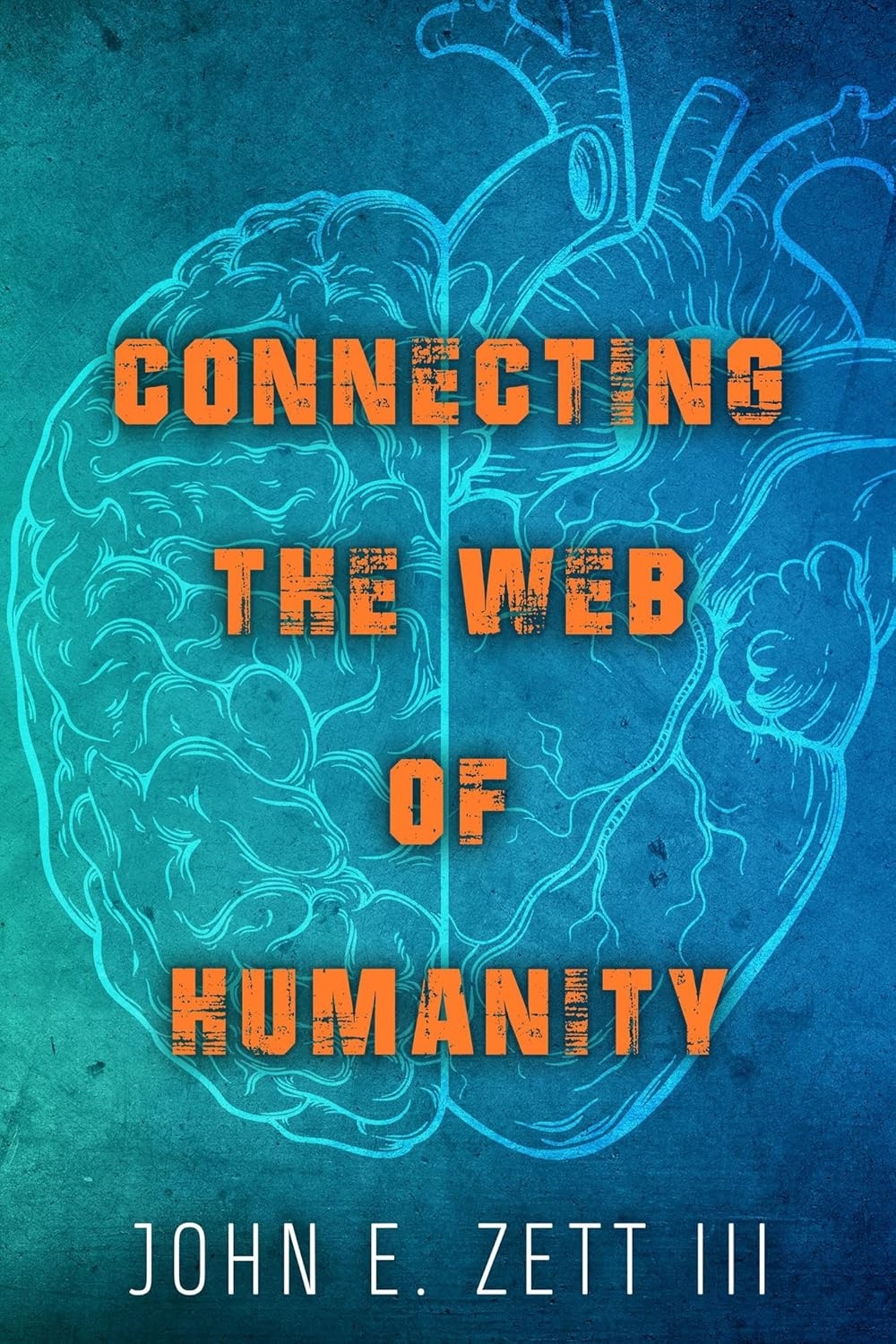
‘Connecting the Web of Humanity’ by John E. Zett III. Photo: Barnes & Noble

“Connecting the Web of Humanity” by John E. Zett III is an exploration of the human condition as it relates to love, sex, and interpersonal relationships.

Set up as a journal/memoir, it begins on Sunday November 3, 2002 where Zett establishes that authors don’t write books, that instead, they write manuscripts that publishers turn into books that hopefully sell copies. This sets the tone upfront as he combines his personal story of becoming a published author with reflections on topics such as human sexuality, the intricacies of the human soul, the challenges facing the book industry, and the ongoing debate about marijuana legalization.

His philosophical musings center around the three sides of our humanity: the body, mind, and soul, and how if we go through life with an open mind, we can establish a deeper connection with others. By sharing his personal struggles, such as the challenges of owning a small business with his wife, dealing with his father’s health problems, and balancing work and family, he connects with readers on a deeper level.

I appreciate his candidness and his ability to approach complex and often controversial subjects with a sense of depth and understanding. He doesn’t shy away from his own vulnerabilities, offering an authentic and sometimes raw portrayal of his experiences. This book challenges readers to reconsider societal norms and rethink their own perspectives on issues like sex and the soul. Especially insightful is his ‘live and let live’ view of life, but he also emphasizes personal accountability: “If you don’t hold onto your personal reins, who does?”

One of the most fascinating aspects is his commentary on the book industry, giving readers a behind-the-scenes look at what it takes to become a published author in today’s rapidly changing world. His unique insights make the book a valuable resource for aspiring writers and anyone interested in the evolving landscape of the literary world.

By using a stream-of-consciousness narrative style that he calls Extreme Creative Nonfiction, and presented in a memoir/journaling format, he relates to readers in an informal and personal way. It’s almost as if he’s speaking to them directly, albeit with a few curse words here and there. Be advised that his discussions on sex can get honest but descriptive.

The language is vivid and humorous: “Sometimes, I go off like the popcorn kernels in a microwavable bag of Explode-O-Pop Popping Corn…” Since the narrative switches back and forth between his personal story and his professional struggles to make it as an author, it can be hard to follow at times, but it fits with the journal-like presentation.

Overall, “Connecting the Web of Humanity” is an engaging, thought-provoking work that will resonate with readers interested in exploring life’s biggest questions. It is recommended for fans of philosophy and social sciences who also appreciate learning about the reality of getting published.

“Everybody is their own individual. Everything is what it is. And we are what we are. People are people.”

Rating: 4 out of 5.

*The author was contacted for an honest review of this book. The views and opinions expressed here belong solely to her.

Exploring the Intersection of Science and Spirituality in ‘The Miraculous from the Material’

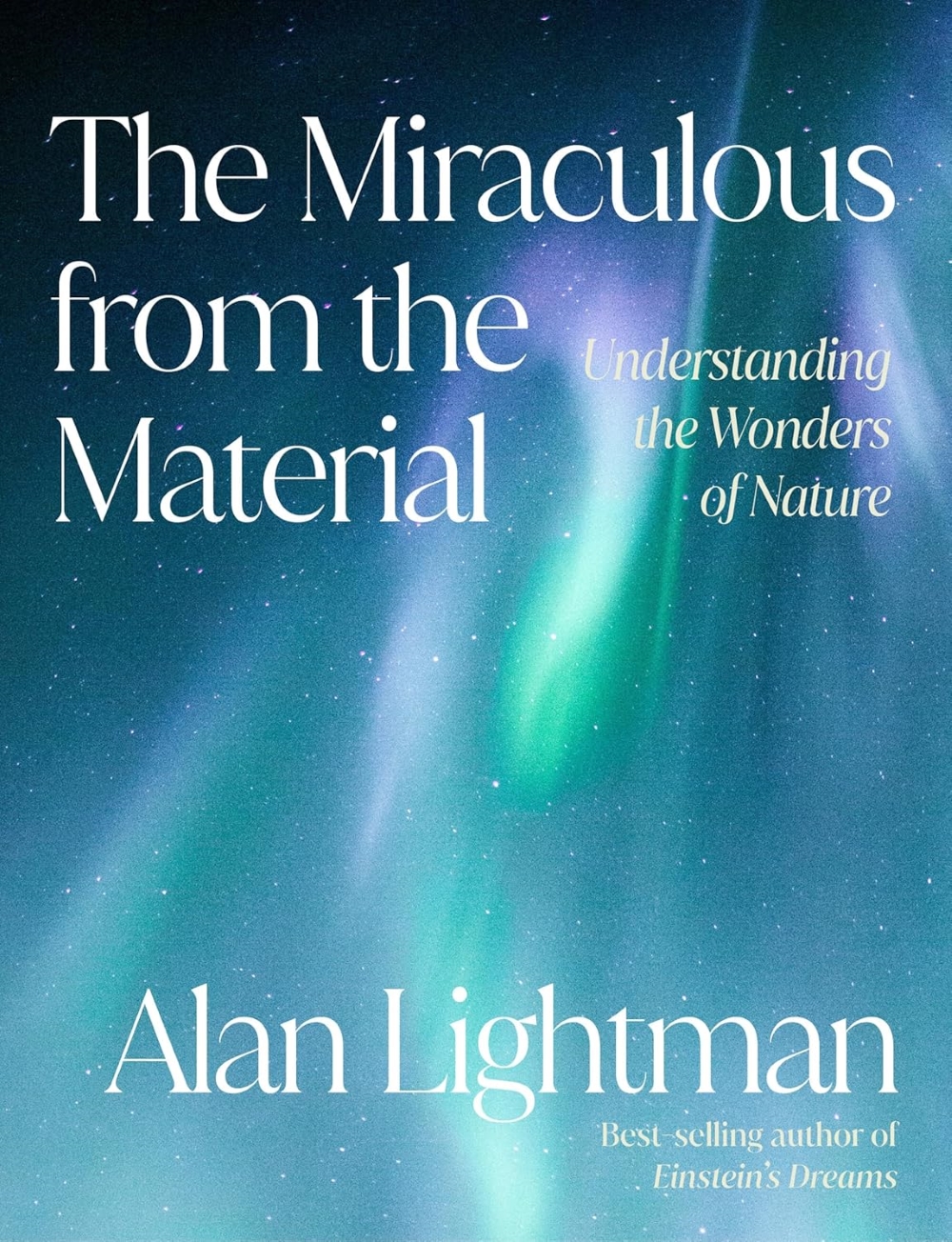
Alan Lightman’s new book ‘The Miraculous from the Material: Understanding the Wonders of Nature’ will be out November 19, 2024. Photo: Amazon.

Books about science and the wonders of the natural world captivate readers with the marvels of the cosmos and the awe-inspiring phenomena of nature. They unravel the mysteries of celestial bodies and open our eyes to the intricate beauty of the world around us. Through engaging narratives and stunning illustrations, these books inspire wonder and curiosity, encouraging us to explore the science behind the beauty that surrounds us, both above and below.

For readers who enjoy books about nature, photography, and science, there’s a new book coming out next month by Alan Lightman that is worth noting.

Alan Lightman earned his PhD in physics from the California Institute of Technology and is the author of seven novels, including the international best seller “Einstein’s Dreams” and “The Diagnosis,” a finalist for the National Book Award. His nonfiction includes “The Transcendental Brain,” “The Accidental Universe,” “Searching for Stars on an Island in Maine,” and “Probable Impossibilities.” He has taught at Harvard and at MIT, where he was the first person to receive a dual faculty appointment in science and the humanities. He is currently a professor of the practice of the humanities at MIT. He is the host of the public television series Searching: Our Quest for Meaning in the Age of Science.

His new book “The Miraculous From the Material: Understanding the Wonders of Nature” is an illustrated exploration of the science behind the universe’s most stunning natural phenomena—from atoms and parameciums to rainbows, snowflakes, spider webs, the rings of Saturn, galaxies, and more. It will be released on November 19, 2024 and is available for pre-order on Amazon. (Penguin Random House, 2024)

“The Miraculous From the Material: Understanding the Wonders of Nature” – Nature is capable of extraordinary phenomena. Standing in awe of those phenomena, we experience a feeling of connection to the cosmos. For acclaimed physicist and novelist Alan Lightman, just as remarkable is that all of what we see around us—soap bubbles, scarlet ibises, shooting stars—are made out of the same material stuff and obey the same rules and laws. This is what Lightman calls “spiritual materialism,” the belief that we can embrace spiritual experiences without letting go of our scientific worldview.

Pairing 36 beautiful, full-color photos evoking some of nature’s most awe-inspiring phenomena with accessible and lyrical personal essays, “The Miraculous from the Material” explores the fascinating science underlying the natural world. Why do rainbows make an arc? Why does a particular waterfall at Yosemite National Park sometimes glow like it’s on fire? How does a hummingbird fly? The world has so many things to marvel at—and the science is just as fascinating.

Lightman’s imagination travels from the world of atoms and molecules to the animal kingdom, from places like Ha Long Bay, Vietnam and the Grand Canyon out to the solar system and beyond, illuminating the majesty of the cosmos and the remarkable science behind it. “The Miraculous from the Material” is a stunning, soaring ode to the beauty and wonder around us, and the perfect holiday gift for photography aficionados, life-long learners, and admirers of the natural world.

1732015806

  days

  hours  minutes  seconds

until

‘The Miraculous from the Material’ release date

New book release: ‘Don’t Say Cis’ by Hunter Cahoon and Cole Deyo

‘Don’t Say Cis’ is the new science fiction novel by Hunter Cahoon and Cole Deyo. Photo: Amazon

The theme for today is philosophy and going with that, some people would say that there is a rise in hedonistic nihilism in our current society. Hedonistic nihilism is the belief that if life is inherently meaningless, and since you only live once, then you might as well enjoy your life to the maximum. If you are interested in deep philosophical discussions and enjoy authors like Franz Kafka, Friedrich Nietzsche, George Orwell, H.G Wells, and others, then you might want to check out today’s new book release. “Don’t Say Cis” by Hunter Z Cahoon and Cole A Deyo is a dystopian novel focused on hedonistic nihilism and how it affects the life of one family and the world around them. It is sure to leave an impression on readers and hopefully start a meaningful dialogue on what motivates humankind – it is available on Amazon.

Hunter Cahoon is a current masters student in clinical mental health. His narratives focus on the psychological effects of particular personal philosophies. Mainly, hedonism and nihilism are often critiqued harshly in his works. Cahoon’s inspirations are none other then Carl Jung, Fyodor Dostoyevsky, Fredrich Nietzsche, and Franz Kafka. Fans of these authors and psychologists will likely enjoy many elements found in Cahoon’s writings, which blend creativity with deep psychological and philosophical discussion. In the new book “Don’t Say Cis, current master student in clinical mental health, Hunter Cahoon and current bachelor student, Cole Deyo attack the current trend of hedonic nihilism occurring in America while showing the negative effects of banning free speech and intellectual diversity which could help stop the spread of such a philosophy. (Hunter Cahoon, 2023)

“Don’t Say Cis” – What happens when society continues its trend of pursuing the lowest quality pleasures to fill its hedonistic desires? The year is 2059, and a small family finds themselves in this new world full of depression and despair. The group finds the lack of free speech and narrow mindedness of the citizens turn deadly for them. At every turn there is nihilism, purposelessness, false virtues, ignorance of the highest possible good, suicide, impulsively violent anger, and many injustices.

Sponsored Post

New book release: ‘The Purpose Of Life: To Love And To Create’ by Dave Dale

‘The Purpose Of Life: To Love And To Create’ is Dave Dale’s new book about the search for the meaning of life. Photo: Amazon

Dave Dale was born the son of a minister in Dawson Creek B.C (northern Canada) and was exposed to religion, hockey, and cold weather at an early age. A graduate of the University of British Columbia, he received a business degree. He worked as an airport manager and business consultant and was the founder of a tech company, a member of the board of governors of a university, and a policy advisor to government cabinet members for science, technology, and transportation. Those experiences included successes and failures and provided him with insight into how many elements in our society actually work, including business, education, religion, government, transportation, technology, and marketing. He is grateful for his life and some of the hard lessons he has learned along the way, which have made him a better person. Those lessons are a catalyst for his desire to help people. He is a skeptical optimist who values the micro-moments of connections with others. His new book “The Purpose Of Life: To Love And To Create: The Meaning of Life Is Found By Expressing Love Through Creativity” is an exploration into the purpose and meaning of life. (Dave Dale, 2023)

“The Purpose of Life: To Love and To Create” – the author includes various quotes from religious leaders, physicists, astronomers, philosophers, artists, and everyday people who opened his eyes to possibilities and answers. This book is an attempt to connect the dots on many of the big questions of life itself with insights from accomplished thinkers. Everyone can acknowledge that love and creativity are important, but for the most part, we just skim the surface of their power and potential. This is why he challenges readers to explore love and creativity.

Throughout his life, he wanted answers to the big questions. Why are we here? What are we supposed to do here? How do we make life more meaningful? He searched for years and did not find answers that were remotely satisfying. He refused to accept the statement that life is ‘absurd’ or ‘meaningless’ and set out to get answers. Like many of us, he would wake up in the middle of the night and these questions weighed on him and made him restless. He lost sleep. He was frustrated and scared as death came closer every day.

His humble goal was to get answers regarding the purpose and meaning of life. What he found exceeded his wildest hopes and expectations. The beauty of the Universe is staggering and each of our roles can be especially important. Every time he got stuck on an issue while writing the book, synchronicity came to his rescue. He would stumble upon a quote, a YouTube video, a book, or a lecture that would unlock it. This book is the chronicle of what he found.

It is simple and even a little cliché to say life is about love. Even though most of us say ‘I love you’ to people in our daily lives, we do not fully appreciate its magnificence, its subtleties, its nuances or really how powerful it is. In one of the chapters, ‘Love Is Not An Emotion,’ he explores and explains why defining love as an emotion is wrong because it minimizes love. It is so much more than that. Looking at love in new ways is the cornerstone of the book and if you are open doing so, it will have a profound impact on your life. Love is and can be so much more than how we usually think about it.

This book is an exploration of the two most important activities we can undertake with our lives: Love and Creativity. What the world needs to solve its problems is what we need to give meaning to our lives: Love and Creativity.

Follow the author: Twitter 

Sponsored Post