Fear, Folklore, and the Human Mind: Exploring ‘Monsters on the Couch’ by Brian Sharpless

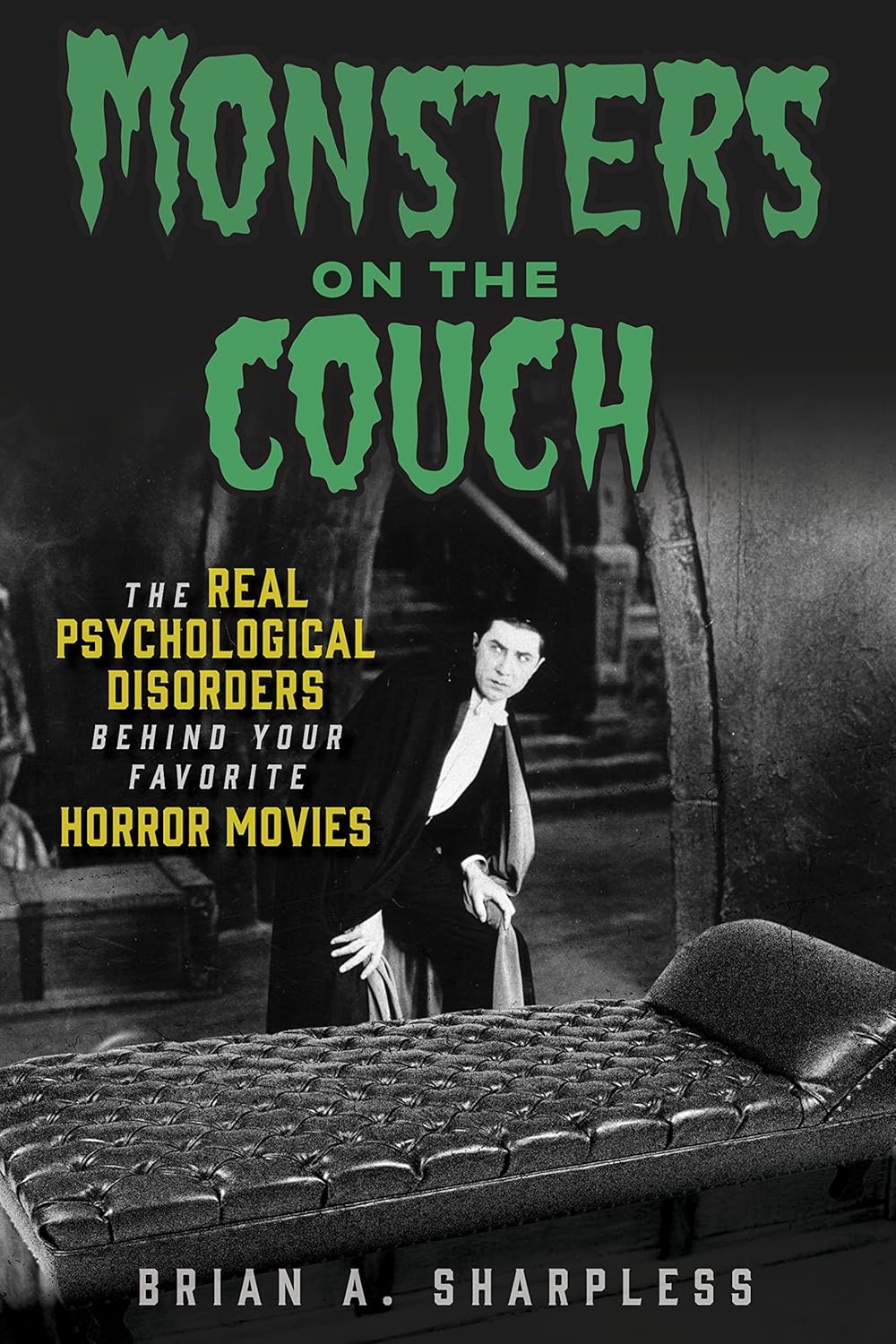
‘Monsters on the Couch’ by Brian A. Sharpless. Photo: Barnes & Noble

Book Spotlight: Monsters on the Couch by Brian A. Sharpless

Exploring the Real Psychological Disorders Behind Famous Horror Movies

From psychologist, researcher, and horror film enthusiast Brian A. Sharpless comes Monsters on the Couch: The Real Psychological Disorders Behind Your Favorite Horror Movies, an exploration of the real-life psychological disorders that inspired some of cinema’s most iconic horror movies. (Barnes & Noble, 2025)

Sharpless compares dramatic clinical syndromes, every bit as fascinating as those on the silver screen, with the science and folklore behind our favorite monsters.

Horror movies, he argues, can reveal far more about human psychology than we realize. When explored honestly, our fears become mirrors reflecting our culture, our anxieties, and our shared humanity.


Famous Monsters and Their Real-Life Counterparts

Horror fans may be obsessed with vampires, werewolves, zombies, and the eerie “replacements” from Invasion of the Body Snatchers, but few know the real conditions behind these creatures, such as Renfield’s syndrome, clinical lycanthropy, Cotard’s syndrome, and misidentification delusions.


What’s Inside the Book

Part I: Movie Monsters from the Early Days of Cinema

  1. Clinical Lycanthropy
  2. You Suck?
  3. I Am The Walking Dead

Part II: Modern-Day Movie Monsters

  1. One, Two, The Dab Tsog’s Coming For You
  2. This Is Not My Beautiful House, This Is Not My Beautiful Wife
  3. Demons, Aliens, and Shadow People

Part III: Monstrous Behaviors

  1. Are You Gonna Eat That?
  2. Shuddersome Sex in the Movies

Highlights

Part I: Chapter 3
Sharpless explains that immortality might not be all it’s cracked up to be. Vampires and zombies both feed after death, yet zombies’ mindless existence makes their fate far gloomier. As he writes,

“Some psychologists and philosophers have argued that this fundamental fear of death prompted people to defensively create gods and an immortal afterlife.”

Part II: Chapter 4
Sharpless shares his personal experience with sleep paralysis and connects it to the mysterious Hmong Deaths that likely inspired Nightmare on Elm Street. These incidents involved young men in California who died in their sleep, hauntingly blurring the line between science and superstition.


Review

In Monsters on the Couch, clinical psychologist Brian Sharpless bridges the gap between horror cinema and psychological science with wit and expertise. His goal is to raise awareness of serious but often overlooked psychological conditions that cause real suffering.

Each chapter dissects iconic horror films such as Nightmare on Elm Street and Invasion of the Body Snatchers through the lens of genuine mental disorders, uncovering the truths, exaggerations, and myths that shape how we perceive mental illness. He also explains symptoms and common treatments with both compassion and precision.

Sharpless writes with the enthusiasm of a horror fan and the insight of a clinician, grounding classic horror tropes like sleep paralysis and vampirism in psychological reality. The tone remains conversational and often humorous, making even the darkest topics approachable.

Ultimately, Monsters on the Couch reminds us that the true horror isn’t the monster on the screen, it’s society’s ongoing misunderstanding of mental health. This is essential reading for horror lovers, psychology students, and anyone curious about how fear and empathy intertwine.

“The most consistent theme across films would likely be a fear of death…I suspect that a lot of people get uncomfortable even dipping their toe in the dark, icy cold waters of death, let alone diving in headfirst.”

Rating: 4 out of 5.

About the Author

Brian A. Sharpless is a licensed psychologist, researcher, and author whose work focuses on unusual psychological disorders, psychodynamic psychotherapy, and the history and philosophy of clinical psychology. He holds a Ph.D. in Clinical Psychology and an M.A. in Philosophy from Pennsylvania State University, and completed post-doctoral fellowships at the University of Pennsylvania.

*Thank you to Fauzia Burke/FSB Associates for the gift copy for review consideration. I haven’t been compensated for this review and all views and opinions expressed are my own.
What Psychoanalysis Really Feels Like: A Review of Joan Peters’ ‘Untangling’

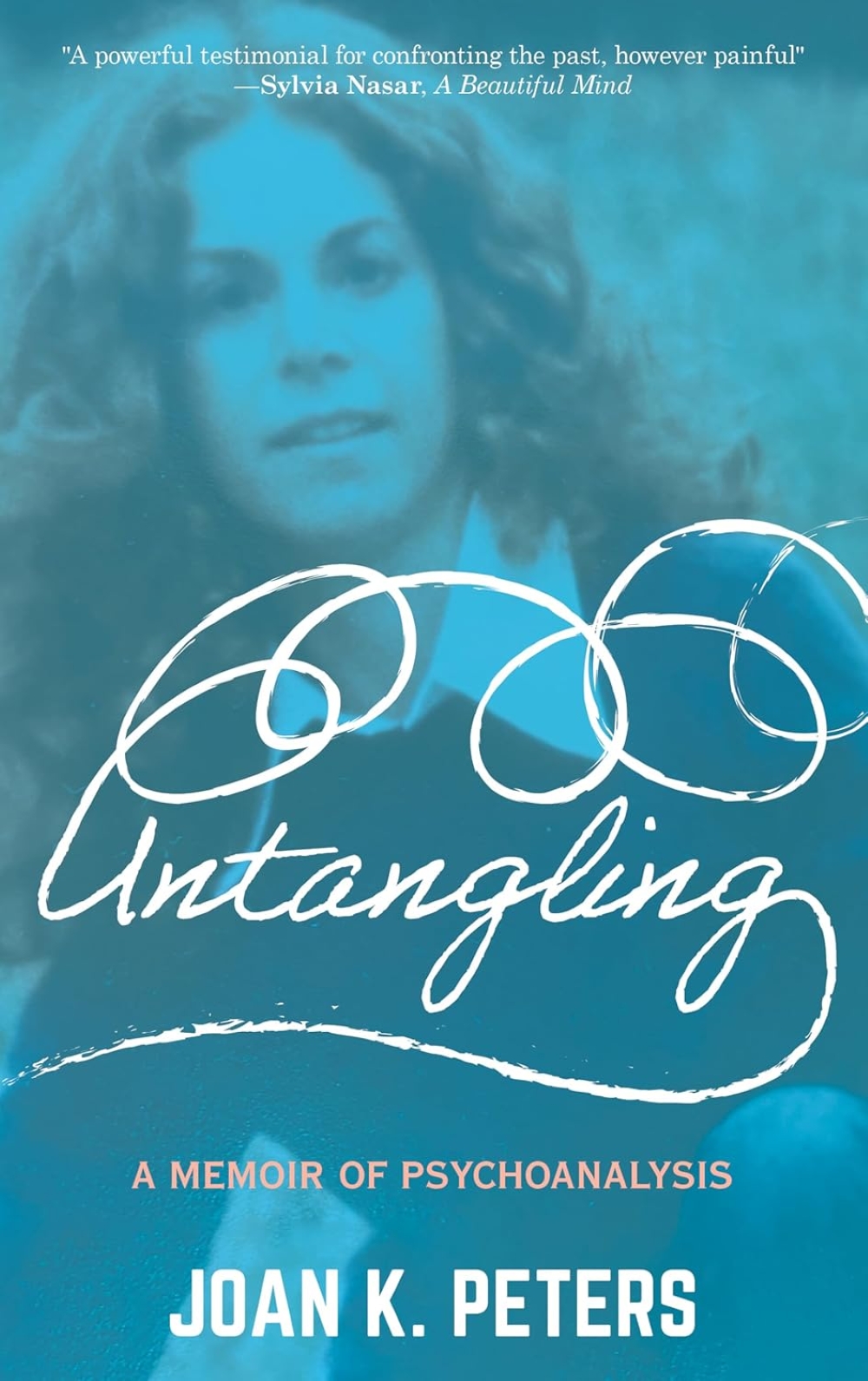
‘Untangling: A Memoir of Psychoanalysis’ by Joan K. Peters. Courtesy photo, used with permission.

Book Review: ‘Untangling: A Memoir of Psychoanalysis’ by Joan Peters
What It’s Really Like to Be in Psychoanalysis—From the Patient’s Chair

If you’ve ever wondered what actually happens during psychoanalysis—or what it feels like to unravel years of emotional knots on a therapist’s couch—Joan Peters‘ “Untangling: A Memoir of Psychoanalysis” offers a rare, intimate glimpse into that world.

Unlike most writing on psychoanalysis, which often comes from the perspective of clinicians, “Untangling” is told from the inside out. Peters chronicles her decades-long analytic journey with striking vulnerability, courage, and clarity. This journey consisted of two different analysts: Lane when she was 28 and Kristi when she was 67. While Lane was helpful, she remained impersonal and impartial. Kristi actually got to know her because she used relational psychoanalysis, a psychoanalytic approach that emphasizes the importance of the relationship between the therapist and patient in the therapeutic process. Peters brings readers into the room with her, detailing the subtle shifts, long silences, and emotionally charged breakthroughs that define the therapeutic process.

Highlights:
Chapter 7 – Schizoid
– Peters admits to Lane that from ages 14 to 19, she had lived an alternate existence because when she was 14, she started hearing voices. These voices guided her every action.
Chapter 4 – Lane Explains Me to Me – Focuses on her family background, memories of her as a two year old seeing her mother preparing the morphine syringes for her dad who was dying of cancer. This explained her nightmares about syringes and being given injections with poisons. Two months after talking about this, her needle nightmares ended. That’s when Joan discovered the complicated issue of subconsciousness and how it affects our lives.

At its core, honesty is what makes this memoir so powerful. Peters doesn’t offer easy answers or dramatic resolutions—instead, she shows how transformation unfolds slowly, often painfully, through the act of being deeply seen and heard. It reveals how analysts’ methodology differ and how patients respond differently with age and life experience. Her writing is vivid and lyrical, making even the most abstract aspects of psychoanalysis feel grounded and human. “Sitting back in her chair, patient as a fisherman in a placid lake, she listened, questioned, interjected while I mostly avoided the story, as if its invisible tentacles might entangle (or strangle) me.”

Overall, “Untangling” is a courageous and necessary contribution to the literature on mental health. It demystifies a process often veiled in secrecy and offers an authentic voice to the patient experience. For readers curious about psychoanalysis—or the complexities of healing—this memoir is both enlightening and deeply moving.

“My question back in Vermont had loosened a scab; now the wound bled, unstoppable. She had offered me silence, and I had refused her gift. Now, at times, I felt I might drown in her words.”

*The author was contacted for an honest review of this book and received a copy. The views and opinions expressed here belong solely to her.

Rating: 4 out of 5.

Related post: Inside the Analyst’s Chair: Joan Peters’ Raw and Riveting Journey in ‘Untangling’

Inside the Analyst’s Chair: Joan Peters’ Raw and Riveting Journey in ‘Untangling’

‘Untangling: A Memoir of Psychoanalysis’ is the new book by Joan K. Peters. Courtesy photo, used with permission.

Psychoanalysis, a deep exploration of the unconscious mind, offers a powerful path toward mental health and self-awareness. Rooted in the belief that unspoken thoughts and early experiences shape our behaviors, it invites individuals to uncover, confront, and integrate hidden parts of themselves. In a time when mental health is gaining long-overdue attention, talking openly about therapy and inner struggles is vital. It reduces stigma, encourages others to seek help, and reminds us that healing often begins with honest conversation. Embracing psychoanalysis and mental wellness isn’t just personal—it’s a collective step toward a more compassionate, self-aware society.

The new memoir “Untangling: A Memoir of Psychoanalysis” dares to tell the patient’s side of psychoanalysis. It’s available now wherever books are sold.

Joan K. Peters was born in New York City and got her Ph. D in comparative literature from The University of Chicago. She’s published a novel and two books about women and work and is a professor emeritus of literature and writing at California State University at Channel Islands. She lives in Ojai with her husband, her dogs, and her chickens. In her much-anticipated new book “Untangling: A Memoir of Psychoanalysis,” she focuses on her experience in psychoanalysis at two different points in her life, comparing two different theoretical and technical analytic views, from the vantage point of her experience as a patient. (CS Lewis Publicity, 2025)

“Untangling: A Memoir of Psychoanalysis” – With the drama of a novel it tells the story of a turbulent and transformative psychoanalysis in this first ever in-depth patient’s account. Joan K. Peters’ story lays bare the inner workings of this complex treatment, which takes place behind closed doors, is rarely spoken about, and is largely unknown outside of professional circles.

A polished, poetic, and often funny writer, her willingness to expose her own demons brings psychoanalysis to life, from the intense strife to the fierce love that can develop between patient and analyst. Joan’s first analyst, Lane, helped Joan alleviate tormenting and recurring nightmares and to find herself by discovering her family’s secret past. Her second analyst, Kristi, guided her through the frightening depths of that past to a yearned-for freedom.

In another first, Kristi writes an afterword about the challenge of analyzing Peters. Unique in its reach, “Untangling”reveals the mysteries that lurk beneath the surface of our psyches.

Psychoanalysis is full of mysteries — it taps into the subconscious more than any other form of therapy and sets up a unique relationship between analyst and patient. No one really knows exactly how or why it works, just that it does. But one patient, in candidly revealing her own journey, invites readers into that very private patient experience as she grapples with hidden and haunting demons.

Whether due to taboo, fear, shame, or reluctance, very few patients have shared their journey of psychoanalysis with others, let alone written about the experience. Too many people are unaware of the transformative powers that this penetrating, multi-layered therapy has.

In her unique memoir, written in the narrative style of Mary Karr, the author recounts her two analyses — one when she is in her twenties and another in her sixties — that form one continuous story of immense discovery and healing. She dramatizes firsthand accounts of how she and her two very different analysts unlocked the traumas, losses and terrors of her past – enabling her to confront and understand them, and finally feel free to fully enjoy her life. 

Author Joan K. Peters. Courtesy photo, used with permission.

Book Review: ‘How To Master Your Emotions’ – A Guide to Emotional Resilience

‘How To Master Your Emotions’ by Richard Rokicki is a support system for readers looking to better manage their emotions. Photo: Amazon

“How To Manage Your Emotions” is an essential guide to navigating the complex landscape of human emotions. Through a blend of practical advice and psychological insights, Rokicki offers readers a roadmap to understanding and managing their emotions. He refers to it as a ‘survival guide.’

The author begins by identifying the four main pillars of survival: the physical pillar, the psychological pillar, the social pillar, and the spiritual pillar, which he used in his work as a palliative care psychologist. He divides the book into these 4 parts. He then explores the various strategies for mastering emotions, such as breaking out of BINARY communication, management of toxic personalities, and the importance of forgiveness, not forgetting. By using case studies, he encourages introspection and emotional resilience. He also analyses Near Death Experiences and how they change the people who have experienced them.

Chapters include:
Introduction
The physical pillar
The psychological pillar
The social pillar
The spiritual pillar
General conclusion

Highlights:
The psychological pillar – where he emphasized the importance of putting our negative feelings on paper because it’s how we start to heal. He advised one of his patients to write a letter to her abusers: “There’s no need to pass the letter on to them, as the very act of writing is therapeutic in itself.”

The social pillar – where he describes the different types of toxic personalities, this way we can surround ourselves with the right people and set limits on the wrong ones so they don’t drain our energy. “No one is immune from being an energy vampire for the people they come into contact with.”

The best part about this book is practical approach and accessibility. The language is simple and to the point and avoids complicated jargon. He communicates his ideas clearly and directly, making it easy for readers to apply the principles in their daily lives. He also uses figures to make his point and speaks directly to the readers, calling them ‘survivalists.’

Overall, “How To Master Your Emotions” is a valuable resource for anyone seeking to enhance their emotional intelligence and achieve greater emotional well-being. Whether you are grappling with stress, anxiety, or simply seeking personal growth, Richard Rokicki’s insights offer a thoughtful and practical guide to mastering your emotions. It is recommended for readers interested in personal development, counseling, and overall mental health.

“This book aims to give you the answers and methods you need to restore a sense of calm within yourself and regain solid self-confidence.”

*The author was contacted for an honest review of this book. The views and opinions expressed here belong solely to her.

Rating: 4 out of 5.

The Power of Tapping: Donna Eden and David Feinstein’s Approach to Energy Medicine

‘Tapping: Self-Healing with the Transformative Power of Energy Psychology’ is the new book by David Feinstein PhD and Donna Eden. Photo: Amazon

Donna Eden is the author of “Energy Medicine,” has treated over 10,000 individual clients, and has taught hundreds of classes, speaking to standing-room-only audiences throughout the United States, Europe, Australia, New Zealand, and South America. Since childhood, she’s been able to perceive the body’s subtle energies and now works with those energies to heal others and to teach others how to work with them. David Feinstein, PhD, a clinical psychologist, has served on the faculty of The Johns Hopkins University School of Medicine and has received nine national awards for his books on consciousness and healing. Together, they have written “Tapping: Self-Healing with the Transformative Power of Energy Psychology.” (Sounds True, 2024)

In “Tapping,” Eden and Feinstein detail the procedures that signal your nervous system to reduce fear, anger, stress, and grief while activating brain regions involved with problem-solving and managing emotions. The goal is to help you find inner balance and take charge of the internal models that govern your life. Physically tapping energy points on your skin while bringing problems and goals to mind changes the brain in ways that help to overcome those challenges and support those aspirations. This stimulating practice places an astonishingly effective tool into your own hands. The approach is as deceptively simple as it is potently effective. 

Through their extensive research and field-tested refinements on this method, Eden and Feinstein have emerged as top experts on this approach for self-development—combining the verified effectiveness of tapping with the best practices of psychotherapy. “Tapping” is an unprecedented resource for self-care and personal growth.

Book review: ‘Exploring the Complexity of Human Intelligence’ by Ansh Verma

Ansh Verma is a researcher, author, and philosopher based in Dhanbad, Jharkhand (India). He researches almost everything that can be observed, felt and/or read, including technology, politics, divine, war, behavioral, engineering, investments, military, finance, and mathematics. Post graduation, Verma has almost 20 years of experience in thinking and making sense of the world. His new book “Exploring the Complexity of Human Intelligence” is a comprehensive exploration of prevalent misconceptions that cloud our understanding of intelligence.

“Exploring the Complexity of Human Intelligence” – the core topic of this enlightening book is intelligence and the myths surrounding it. Such myths include the misleading notion of left-brain/right-brain dominance and the widespread belief in using only a fraction of our brain’s capacity. Other topics include gender differences when it comes to intelligence, emotional intelligence, the aging mind and how to address cognitive decline, neuroplasticity, and the cultural biases in IQ testing that can affect people who have different types of cultural intelligence.

In the Introduction, the author writes that the purpose of this book is “to empower readers with accurate knowledge about human intelligence.” By doing so, he hopes readers will understand that intelligence is made up of different factors and then arms them with the information necessary to make appropriate life choices. Chapter 1: Defining Intelligence defines intelligence as more than just what a typical IQ test might measure and that it includes a wide variety of cognitive capacities and aptitudes. In Chapter 2: Nature vs. Nurture, he clarifies the connection between genetics and environment and how they shape cognitive aptitude. In Chapter 3: Brain Myths and Cognitive Abilities, readers can learn all about the various learning styles and the importance of evidence-based approaches to education.

The rest of the book consists of:

Chapter 4: Creativity and Problem Solving
Chapter 5: Learning Styles and Intelligence
Chapter 6: Gender and Intelligence
Chapter 7: Emotional Intelligence
Chapter 8: Memory and Forgetfulness
Chapter 9: Nature of Intelligence in Children
Chapter 10: The Aging Mind
Chapter 11: Neuroplasticity and Learning
Chapter 12: Intelligence and Success
Chapter 13: Intelligence in Different Cultures
Chapter 14: Genetics and Intelligence Revisited

Overall, this is an extremely insightful and deeply researched book on intelligence – how it is made up of different factors but it is continuously changing and adapting, especially when it comes to emotional intelligence and neuroplasticity. By using down to earth language and examples of real people when describing the different learning and intelligence types, the author makes the subject easy to understand. This is a must read for readers interested in a deep study of intelligence and the complexities of the human mind.

“Success is, therefore, a multifaceted concept, and one’s ability to excel in a particular field is influenced by a complex interplay of various attributes and factors.”

*The author was contacted for an honest review of this book. The views and opinions expressed here belong solely to her.

Rating: 5 out of 5.

New book release: ‘From Heartbreak to Healing’ by Ann Zachariah, M.D.

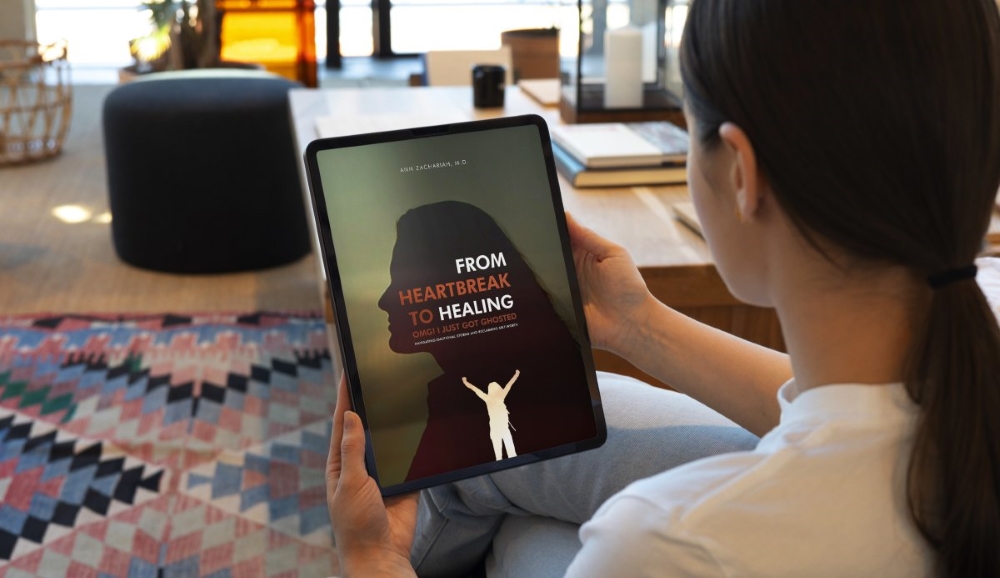
‘From Heartbreak to Healing’ is the new self help book by Ann Zachariah, M.D. that addresses the topic of ghosting and how to recover, heal, and rebuild trust. Photo: Ann Zachariah, used with permission.

The dating term ‘ghosting’ is fairly new and refers to abruptly cutting off contact with someone without giving that person any warning or explanation for doing so. It is quickly becoming more common and can be emotionally confusing and hurtful to the person who has been ghosted. If you or someone you know has been the victim of ghosting and are looking for a self help book that addresses this issue, consider “From Heartbreak to Healing: OMG! I Just Got Ghosted: Navigating Emotional Storms and Reclaiming Self-Worth” by Dr. Ann Zachariah. It aims to help readers find closure and rebuild trust. Pick up your copy today at Amazon.

Welcome to the world of Dr. Ann Zachariah, a renowned psychiatrist, educator, clinician, and author based in Houston, Texas. Discover how her extensive knowledge and expertise can empower you to make transformative changes and unlock your true potential. (Dr. Ann Zachariah, 2023)

As a psychiatrist, Dr. Ann Zachariah understands the complexities of the human mind. Her compassionate approach and unwavering commitment to mental health have helped countless individuals overcome challenges and find inner peace. Whether you are struggling with anxiety, depression, or any other mental health issue, Dr. Zachariah is here to guide you on your journey toward healing and self-discovery.

Beyond her clinical practice, Dr. Zachariah’s impact extends to education. She shares her wisdom and insights with aspiring mental health professionals, equipping them with the tools and knowledge to make a difference in the lives of others. Her passion for teaching and mentoring shapes the next generation of compassionate caregivers, ensuring a brighter future for mental health care.

Dr. Zachariah’s captivating books leave an indelible mark on the world. Each page encourages readers to embrace transformative changes and embark on a journey of self-improvement. Her words resonate deeply, inspiring individuals from all walks of life to break free from limitations, discover their true potential, and live a life filled with purpose and fulfillment.

Join the movement of personal transformation ignited by Dr. Ann Zachariah. Whether you seek guidance in your own life or aspire to make a positive impact on others, her expertise, compassion, and empowering words will guide you toward a brighter, more fulfilling future.

Do not wait any longer – start your transformative journey today with Dr. Ann Zachariah’s life-changing books and unlock the extraordinary potential within you. Experience the power of psychiatry, education, and authorship in transforming lives.

“From Heartbreak to Healing: OMG! I Just Got Ghosted: Navigating Emotional Storms and Reclaiming Self-Worth” – Did you just get ghosted? Are you finding closure and trying to rebuild trust? Then you are in the right book! Discover the transformative power of “OMG! I Just Got Ghosted.”

In this illuminating book, you will unravel the enigmatic behavior of ghosting and embark on a profound journey from heartbreak to healing. Packed with insights, strategies, and practical tools, this guide will equip you to navigate the emotional labyrinth of ghosting with resilience, confidence, courage, strength, and self-empowerment.

Key Highlights:

Psychological Insights: Gain a deep understanding of the psychology behind ghosting, allowing you to decode the motives and emotions that drive this perplexing behavior.
Healing Pathways: Navigate the emotional aftermath of ghosting with grace and strength. Discover how to embrace solitude as an opportunity for self-discovery and healing.
Empowerment through Boundaries: Learn to set healthy boundaries that shield your well-being and promote emotional recovery, ultimately restoring your sense of control and self-worth.
Trust Renewal: Rebuild trust, not only in others but also in yourself. Find out how to rekindle trust after heartbreak, cultivating more meaningful connections based on understanding and mutual respect.
Life-Changing Lessons: Extract essential life lessons from your ghosting experience. Elevate your self-esteem, develop personal growth, and harness newfound wisdom that enriches every aspect of your life.

Benefits You Will Gain after Finishing the Book:

Emotional Resilience: Equip yourself with tools to navigate emotional turmoil, empowering you to emerge stronger and more resilient after a painful experience.
Personal Growth: Transform heartbreak into an opportunity for growth. Discover your strengths, weaknesses, and untapped potential, leading to profound personal development.
Healthy Relationships: Develop a deeper understanding of healthy boundaries, open communication, and trust-building, which will positively influence all your relationships.
Inner Healing: Find solace and healing in solitude. Learn how to embrace your emotions, process grief, and embark on a journey of self-renewal.
Empowered Choices: Armed with insights, you’ll make informed choices about your future relationships, allowing you to create connections that align with your values and aspirations.

Sponsored Post

New book release: ‘The CBT Social Anxiety Workbook for Women’ by Adele Payne

‘The CBT Social Anxiety Workbook for Women’ is the new book by Adele Payne. Photo: Amazon

At one time or another, almost everyone struggles with anxiety, most likely social anxiety, including me. There are so many books out there that deal with the subject and today’s new book release is by an author who has experienced it herself and now, as a life coach, is out to help women overcome social anxiety. “The CBT Social Anxiety Workbook for Women” by Adele Payne is now available on Amazon in Kindle format.  

Adele Payne is a life-coach, public speaker and author who focuses her effort on helping women overcome social anxiety and awkwardness. As a teenager, she suffered from severe anxiety that threatened to disrupt every aspect of her life. Thoughts about visiting friends or a picnic would send her heart racing and her emotions wild for several hours. She set out to find lasting cures for her social anxiety and while her journey of self-discovery took several years, she learned the right strategies for defeating social anxiety. Over the last five years, she has continued to help people, especially women, overcome their anxiety problems by sharing the strategies that worked for her and dozens of other people who have tried them. Her latest book, “The CBT Social Anxiety Workbook for Women: Essential Cognitive Behavioral Skills and Techniques to Overcome Fears and Anxious Behavior, Improve Confidence, and Feel Comfortable in Any Situation,” is for anyone who wants to be able to step beyond anxiety and find a new way to tackle the kinds of events that we have avoided for far too long. (Adele Payne, 2023)

“The CBT Social Anxiety Workbook for Women” focuses on themes such as cognitive behavioral therapy strategies for overcoming anxiety and boosting self-confidence; the symptoms, complications, and drawbacks of anxiety disorders; the role of fear in our response to anxiety; development of social skills for anxious women; instant strategies for dispelling fear, worry, and anxiety; and the stress response and how it fuels anxiety.

Social anxiety is something that can happen to any of us at any time. Stress at work can trigger feelings of insecurity. Relationship issues can knock your confidence and some of us have just always seemed to be facing the struggle that is social anxiety for years. It is about time we changed all that.

The author knows from her own experience that you can be someone who is a confident, caring and compassionate woman in every area of your life and that it may not be easy when you hear someone who speaks with such confidence. Surely it is all just empty words, right?

Wrong! She made the shift from anxiety to calm in just a few short months by tapping into her inner narrative using a proven approach. CBT is a simple way to reprogram and realign the way the brain works so you can go out there into the world and experience everything it has to offer in your own personal way.

Inside “The CBT Social Anxiety Workbook for Women,” you are going to learn:

  • What anxiety is
  • Symptoms of anxiety
  • Social anxiety and symptoms
  • Social anxiety in men vs women
  • Common causes of social anxiety
  • CBT interventions for dealing with social anxiety
  • More strategies that work for dealing with social anxiety
  • Overcoming your fears
  • Building self-esteem and confidence
  • Important social skills
  • And a whole lot more

ONE CLICK NOW will change the rest of your life.

Inside you will find a wholesome, accessible and compassionate way to change how you approach your inner voice. It is that anxious cycle of thoughts, voices and ideas that seems to be circling around and around when you are trying to force yourself to walk through the door and meet a room. Together, we are going to break that cycle and redirect all of your energy in a way that really will change the rest of your life.

Sponsored Post

‘Empowered: How to Battle Obstacles, Self-Doubt and Unlock Your Hidden Potential’ by Two Initiates

‘Empowered: How to Battle Obstacles, Self-Doubt and Unlock Your Hidden Potential’ can help you on your journey to self improvement. Photo: Amazon

Self-help books are everywhere nowadays, but this one combines self-help with psychology. It is designed for readers who are struggling to reach their goals. Do you feel like no matter what you do, you cannot break through? Do you want to learn how to move forward and create the life you have always wanted? Sometimes it is difficult to stop making the same mistakes over and over again. We are always looking for a new solution that will help us find our way to success. This is where Empowered: How to Battle Obstacles, Self-Doubt and Unlock Your Hidden Potential” by Two Initiates comes in. A sample is available on Amazon. (Amazon, 2023)

“Empowered: How to Battle Obstacles, Self-Doubt and Unlock Your Hidden Potential” – Many people have a dream, but they do not know how to fulfill it. They lack the knowledge to achieve their goal. How can you become successful? How can you reach the top step of the ladder? What should you do to be happy in your life? This book unveils the science and art of self-development and guides you through how to become the very best version of yourself. Inside, you will find answers to the questions that often leave you in limbo and desperate. Discover the invaluable advice and tips to reaching your fullest potential.

Some of the key takeaways include:

  • Learn techniques to actively listen, comprehend and empathize
  • Understand what increases your personal effectiveness
  • Unearth the science and art of communication
  • Discover the power of relationships in creating wealth
  • Leverage the impact of positive language
  • Master the art of short conversations
  • Uncover the power of non-verbal communication
  • Find out how to speak genuinely and humbly

By relying on the helpful information from this book, you will be able to gently modify unhealthy behavior and develop the tools and the mindset to succeed and become a better person. Whether used for personal growth or self-improvement, this book gives you the knowledge and the understanding to make changes in your life that could have fantastic long-term results.

Does this sound like something that could help you grow as a person? If so, get this book today and start discovering the keys to becoming a better person now.

Sponsored Post

Book review: ‘Beyond Bedlam’s Door’ by Mark Rubinstein, MD

beyondbedlam
‘Beyond Bedlam’s Door’ is the new book by Mark Rubinstein, MD. Photo: Barnes & Noble

Mark Rubinstein, MD is a physician, psychiatrist and assistant professor of psychiatry who writes mysteries and thrillers about people driven by forces they cannot control. Some of these thrillers include “Mad Dog House,” “The Lovers’ Tango” and “Mad Dog Justice.” He has also written five nonfiction medical advice books and “Bedlam’s Door: True Tales of Madness and Hope,” a collection of true stories of patients who the author and his colleagues saw in psychiatric consultation. His newest nonfiction book comes out this month and is titled “Beyond Bedlam’s Door: True Tales from the Couch and Courtroom.”

“Beyond Bedlam’s Door,” is a sequel to “Bedlam’s Door” in the sense that he continues with true stories of patients that he has treated. Everyone has a story behind the smile and whether these stories are sad or frightening they all come from a shared human experience. Each chapter is a story of a patient and are as varied as humanity itself. Some of these are “Crossing the Line” and “The Arrangement” but the ones that stand out are “Sidney,” “The Prescription” and “That Terrible Day.”

In “Sidney” Dr. Rubinstein writes how having to take his rescue dog to the office while his apartment was being painted opened him up to the idea of therapy dogs. The subject of dogs comes up again in “The Prescription” when he advised a patient to get a dog to help him ease the unhappiness he was experiencing in his life. While it was not a cure all it allowed the patient to have a renewed sense of purpose and was instrumental in getting him and his wife to become closer. Many people remember where they were that fateful September 11 during the attack on the World Trade Center and “That Terrible Day” is a powerful account of one person’s experience. It is the story of ‘Joseph’ who worked in the North Tower and was seen for conditions related to that day including PTSD and survivor’s guilt.

Each of these stories has a different perspective on what it means to be human. The subject matter is fascinating and easy to understand. It reads like a case studies textbook complete with an afterword following each case that examines the course of treatment and gives a follow up on the patient. There is even a Glossary that explains some of the terms used in the book. Overall, “Beyond Bedlam’s Door” is a must read for psychology enthusiasts and should appeal to readers who enjoy true to life stories.

*A copy of this book was given for an honest review. The opinions expressed here are solely the author’s.