How Embracing Your ‘Inner Peacock’ Can Transform Your Life

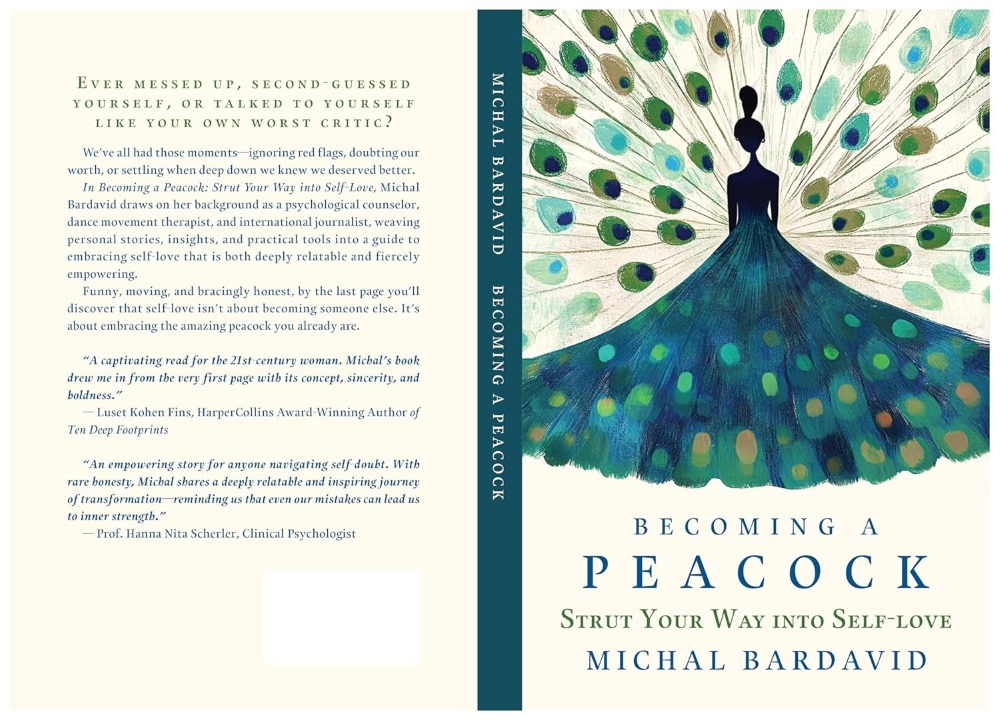
‘Becoming a Peacock’ is the new motivational book by Michal Bardavid. Photo: Amazon

Becoming a Peacock: Strut Your Way Into Self-Love

By Michal Bardavid

Loving yourself isn’t selfish, it’s your superpower.

We’re taught math, science, and grammar, but rarely how to love ourselves. In Becoming a Peacock, Michal Bardavid cracks open that silence with wit, warmth, and the kind of honesty that feels like a conversation with your bravest friend. (Amazon, 2025)

Release Date: December 2 — available now for pre-order.

Through intimate stories of heartbreak, healing, and rediscovery, Bardavid invites you to embrace your inner peacock: the bold, unapologetic, self-loving version of you that refuses to shrink to fit someone else’s cage.


What You’ll Learn

Each chapter blends real-life stories with empowering reflections and exercises designed to help you:

  • Reclaim your worth (no external validation required)
  • Set boundaries without guilt
  • Rewrite your inner voice from critical to kind
  • Let go of relationships and habits that dim your colors
  • Celebrate your authenticity, flaws, feathers, and all

Part memoir, part manifesto, and all heart, Becoming a Peacock is a guide for anyone ready to stop playing small and start strutting through life in full color.


What’s Inside the Book

  • Why the Majestic “Peacock”
  • A Peacock Knows It’s Worthy
  • A Peacock Can Take Rejection
  • A Peacock Dares To Fail
  • A Peacock Doesn’t Judge
  • A Peacock Is Authentic
  • A Peacock Is Grateful

Review

Becoming a Peacock is a heartfelt and spirited invitation to reclaim the parts of ourselves we’ve subdued for far too long. Bardavid writes with a disarming blend of humor, vulnerability, and gentle provocation, cracking open the silence so many people carry around their deepest hurts.

From the first chapter, her voice feels like that of a brave, loyal friend, the kind who tells you the truth with tenderness and refuses to let you abandon yourself again. The language is laid back and conversational while the tone is warm and nonjudgmental. With short chapters and clean structure, it’s a quick, easy read and easy to revisit favorite sections.

Through stories of heartbreak, healing, rejection, and the slow rebuilding of self-worth, Bardavid shows what it means to return home to yourself. She doesn’t preach or claim to have all the answers. Instead, she offers lived wisdom through intimate snapshots of losing her way and the surprising places she found it again.


Highlights

A Peacock Builds Resilience

A reminder that words matter. Kindness is crucial, but resilience is just as important. Bullying should never be tolerated, yet learning to rise above harsh moments is equally vital.

A Peacock Can Be in the Moment

Mindfulness means living with awareness and intention, even in painful moments. Distraction denies our feelings; presence helps us work through them.

“Let’s dare to put the phone down, be present for ourselves and our loved ones, and rediscover the beauty of being in the moment.”

Her “inner peacock” metaphor is playful and powerful, a reminder that boldness, beauty, and self-love are not traits we acquire but truths we unveil. Bardavid doesn’t shy away from messy emotions or difficult lessons, and that authenticity helps readers feel seen rather than lectured.

Becoming a Peacock is an encouraging guide to standing tall, spreading your feathers, and choosing yourself without apology. Ideal for readers who enjoy motivational, reflective books on the journey to self-improvement.

“I built this metaphor of a peacock to make self-love clearer, to remind my students—and now, any reader who wants to share the ride—that they are beautiful, worthy, and capable of living life fully.”

Rating: 4 out of 5.

About the Author

Michal Bardavid is a psychological counselor, dance movement therapist, and international journalist. Over the past 15 years, she has reported from more than a dozen countries, taught movement therapy at Boğaziçi University in Istanbul, and led creative workshops for Syrian refugee children. In Becoming a Peacock, she combines two decades of storytelling and healing into a candid, story-driven path toward self-worth.

*Thank you to the author for the gifted Advance Reader Copy for review consideration. I haven’t been compensated for this review and all views and opinions expressed are my own.

1764684058

  days

  hours  minutes  seconds

until

Becoming a Peacock release date

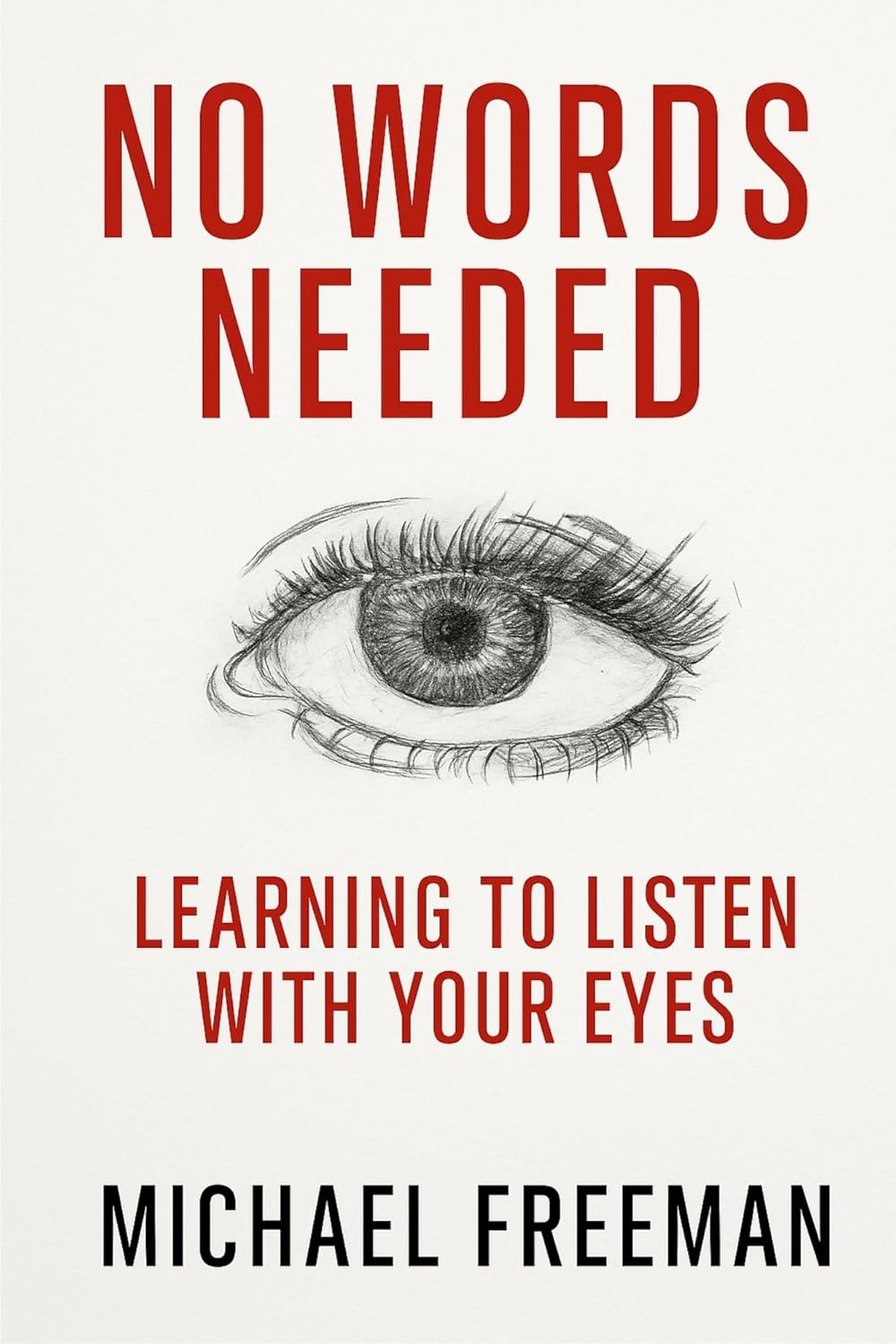
‘No Words Needed’ and the Power of a Single Glance

‘No Words Needed’ is Michael Freeman’s new book about the power of nonverbal communication. Photo: Barnes & Noble

Book Spotlight: No Words Needed: Learning to Listen With Your Eyes by Michael Freeman

What if a single glance could change everything?

We live in a world overflowing with noise: constant talking, constant explaining, constant performing. No Words Needed is the quiet rebellion we didn’t know we needed.

Michael Freeman offers a powerful, compassionate guide for men who don’t always speak first but feel deeply. The ones who walk into a room already reading the atmosphere. The ones who’ve been called “too quiet,” when in reality they were listening the whole time.

What You’ll Learn

In this short and impactful read, Freeman teaches you how to:

  • Recognize attraction through eye contact and subtle nonverbal cues
  • Build genuine connection without overthinking every word
  • Develop confidence without pretending to be someone you’re not
  • Understand emotional energy both yours and the woman in front of you

No Words Needed is written for quiet men, introverts, deep feelers, and overthinkers. It’s the book that finally acknowledges the men who move through the world with awareness, sensitivity, and intention.

If you’ve ever been misunderstood, overlooked, or unsure whether she was speaking to you with her eyes, this book becomes your playbook. Whether you’re starting over or simply want a deeper understanding of women, this isn’t just advice, it’s a mindset shift. (Barnes & Noble, 2025)


About the Author

Michael Freeman is a storyteller, observer, and quiet disruptor of the norm. His writing centers on emotional presence, personal growth, and the invisible language of attraction.

No Words Needed: Learning to Listen With Your Eyes is his debut work and an intimate guide for anyone who has ever felt more than they could say, especially men who are learning to lead with presence rather than volume.

Born and raised in Vallejo, California, Freeman blends cultural awareness, emotional intelligence, and lived experience into short, resonant reads that linger long after the last page. He writes for the ones who notice the small things, who feel deeply, who understand that silence often speaks first.

Book Review: ‘Civil Living’ and the Power of Personal Transformation

‘Civil Living’ by Pete Wiley: why true civility begins within. Photo: Pete Wiley, used with permission.

Book Review: Civil Living by Pete Wiley

Finding Civility in Society, in Our Interactions, and Within Ourselves


Synopsis

From global conflicts to political shouting matches, it’s easy to believe the world is becoming less civil. But real change begins at the individual level.

Drawing on timeless human values and grounded insight, Civil Living explores how self-knowledge, inner peace, open-mindedness, and self-love form the foundation of civil behavior—not just in society, but within ourselves. Through thoughtful reflection and practical guidance, this book shows how personal transformation can ripple outward to foster healthier relationships, stronger communities, and a more compassionate world. (Barnes & Noble, 2025)

Civil Living is part of the Blocks of Life series, which includes:

  • Blocks of Life
  • Blocks of Life Volume 2: Know Yourself
  • Blocks of Life Volume 3: Embracing Change
  • Life Tides: Understanding Your Ebb and Flow (Blocks of Life)
  • Civil Living: Finding Civility in Society, in Our Interactions, and Within Ourselves

What’s Inside

  • Divisions – Finding A Way Back From The Brink
  • The State of Humanity – To Evolve Or Not To Evolve
  • How to Be Friendly in a Divisive World – And Why
  • Forces of Evil – Why Bad Things Happen
  • Getting Past the Ideal – To The Heart Of Who People Are
  • And More

Highlights

  • How to Be Friendly in a Divisive World (And Why) – Wiley explains that we should strive to be friendly to people who are unfriendly to us—because that’s the only way we move forward. Plus, friendliness boosts inner peace, improves health, and simply feels good.

“Because friendliness is directly tied to inner peace and serenity, it is natural to work toward these with mindfulness practices, which also have a host of other benefits.”

  • The Fluidity of Friendship – The Evolving Nature of Our Connections – We all change over time, so we should remain open to growth in ourselves and others.

“Our friendships are like floating down a river: we experience twists and turns and encounter tumultuous areas, but ultimately, the ride is worth it.”


About The Author

Pete Wiley takes advantage of his varied interests and experiences to learn about people and how they behave, interact, and grow. He applies these insights to creating Blocks of Life books, poetry, videos, music, and a blog, and interacting with his audience. He lives in Maryland with his wife and son.


Review

In Civil Living, Pete Wiley offers a refreshing and timely reminder that true civility begins within. Instead of presenting rigid rules or superficial politeness, Wiley encourages readers to look inward and explore how self-knowledge, inner peace, open-mindedness, and self-love shape how we interact with the world. His central principle, that personal growth is inseparable from building a compassionate society, is inspiring and practical.

Wiley provides tangible steps to translate insights into daily action. Whether it’s cultivating healthier relationships, contributing to stronger communities, or simply practicing patience in small exchanges, the book illustrates how inner transformation leads to outward impact.

His writing style is relaxed and conversational, making complex ideas approachable without losing depth. With short, focused chapters, the book blends philosophy, personal anecdotes, and practical wisdom into a helpful guide for improving civility.

In a world where division and incivility dominate headlines, Civil Living stands as a guide and a gentle call to action. By nurturing our inner selves, we lay the foundation for a more compassionate and connected society.

Recommended for readers of self-improvement, personal growth, and mental wellness.

“While we have seen gains in some areas, there have not been coinciding advances in critical aspects of human nature, such as wisdom and compassion. Without these, we are seriously at risk.”

Rating: 4 out of 5.

*Thank you to Pete Wiley for the gifted copy for review consideration. I have not been compensated for this review and all opinions expressed here are my own

Grief, Grace, and the Signs We’re Given: Kathryn Henry’s Powerful Memoir

‘A Dime to Say I Love You’ will be released July 15, 2025. Photo: Barnes & Noble

📚Book Spotlight: A Dime to Say I Love You by Kathryn Henry
For Readers Navigating Grief, Love, and the Spiritual Unknown

For readers navigating grief, spiritual seekers questioning the nature of love and the afterlife, or anyone who’s ever whispered I miss you into the void―today’s book spotlight is especially for you. (Advantage Media, 2025)

A Dime to Say I Love You: A Journey of Love, Loss, and Spiritual Awakening by Kathryn Henry is a profoundly moving memoir that charts a path through unimaginable heartbreak and into unexpected transformation. It will be released on Tuesday, July 15, 2025.

When Henry lost her wife Lisa to a rare and aggressive cancer, she plunged into a deep well of grief that threatened to consume her. But what followed was more than mourning—it was a spiritual reckoning. This memoir chronicles not only their final days together, but also Kathryn’s unfolding inner journey, marked by raw honesty, resilience, and a search for meaning beyond death.

This is not your typical grief memoir. Grounded in the brutal reality of terminal illness and lifted by transcendent moments of love, humor, and insight, Henry’s voice emerges—shaped by trauma, tempered by devotion, and illuminated by spiritual inquiry. Their life together—renovating homes, hiking in Japan—comes alive on the page, where even the smallest details carry sacred weight. And then, there are the dimes: tiny silver tokens that begin appearing as signs, metaphysical breadcrumbs that hint at Lisa’s enduring presence.

Each chapter blends storytelling with meditative reflection, offering readers space to pause, breathe, and explore their own emotional landscapes. This is a book for anyone who has loved deeply and lost deeply—and is looking for light in the darkness.

For fans of Cheryl Strayed, Joan Didion, and Thich Nhat Hanh, A Dime to Say I Love You doesn’t offer easy answers. What it does offer is resonance: a reminder that pain is not the opposite of love, but its echo.

Kathryn Henry’s journey—from a turbulent youth and high-level corporate career (at lululemon, Gap, Levi’s), to a spiritual awakening forged in the fire of personal loss—is as extraordinary as it is relatable. Her story is a testament to love’s lasting imprint, and the quiet ways the universe may still speak, if we are listening.

Hard Work, Humility, and the Human Spirit: A Powerful Read from Elyezer Shkedy

‘Who the F*ck is Michael?!’ is the debut bestselling book by General (Ret.) Elyezer Shkedy. Photo: Barnes & Noble

Book Review: “Who the F*ck is Michael?!” by Elyezer Shkedy
Leadership, Humility, and the Power of Personal Responsibility

If you’re looking for a book that packs a punch in both inspiration and life wisdom, “Who the F*ck is Michael?!: An Israeli Air Force Chief’s Uncompromising Code for Achieving Greatness” by Elyezer Shkedy deserves a spot on your reading list.

The Premise

In this thought-provoking collection, Shkedy—former Commander of the Israeli Air Force—distills over 100 life stories into concise lessons on leadership, success, integrity, and personal responsibility. The stories are short, engaging, and packed with real-world relevance. Each one describes a real event in his life as he remembers it and are not presented in a linear format.

The provocative title comes from a story about humility and hidden greatness. Michael was the principal at their son Omer’s school and one day he told them that Omer would never learn to read or write. The phrase became their family’s defiant battle cry whenever someone would tell them they couldn’t do something they were determined to do. It sets the tone for what’s to come: a reminder that extraordinary people often live quietly among us.

Life Lessons

This collection of stories contain life lessons filled with emotional intelligence. Shkedy doesn’t lecture—he shares. His anecdotes range from military missions to personal reflections, each offering a glimpse into the kind of leadership that values character over charisma and action over words. He manages to do all this without sounding condescending and by using straightforward language. Most of the stories end with a section on the specific lesson he learned.

Some of these stories include:

  • Superhighway to Change
  • The Real Estate Shark
  • You Have No Approval
  • The Ego Beneath the Surface

Highlights

21 – They Are Just Like You – He grew up in an institution for children at risk because his father ran the place and the family lived on the premises. He was taught at an early age that we’re all basically the same, this is one of the lessons that he took to heart during his lifetime. Part of his gold rule for living is to treat others like you would like to be treated.

129 – You Wouldn’t Want to Live In The Past“When you have completed a significant chapter of your career, let it go.” Be proud about what you did, but move on.

Whether you’re in business, education, healthcare, or just navigating life, this book will challenge you to think deeply about what it means to lead, serve, and strive for excellence.

Final Thoughts

Overall, “Who the F*ck is Michael?!” is more than a leadership book—it’s a mirror for anyone who wants to live with purpose and accountability. It is recommended for readers who appreciate sensible personal advice and also enjoy books on business leadership and personal success.

“A person may appear pitiful and pathetic at first glance; their accent and vocabulary may not be impressive; their attire may not be striking — but that tells you nothing about their ability, their wit, their intelligence or their potential.”

Rating: 4 out of 5.

*The author was contacted for an honest review of this book and received a copy. The view and opinions expressed here belong solely to her.

Related post: Leadership Lessons from a Military Commander: What Elyezer Shkedy’s Book Teaches Us About Success

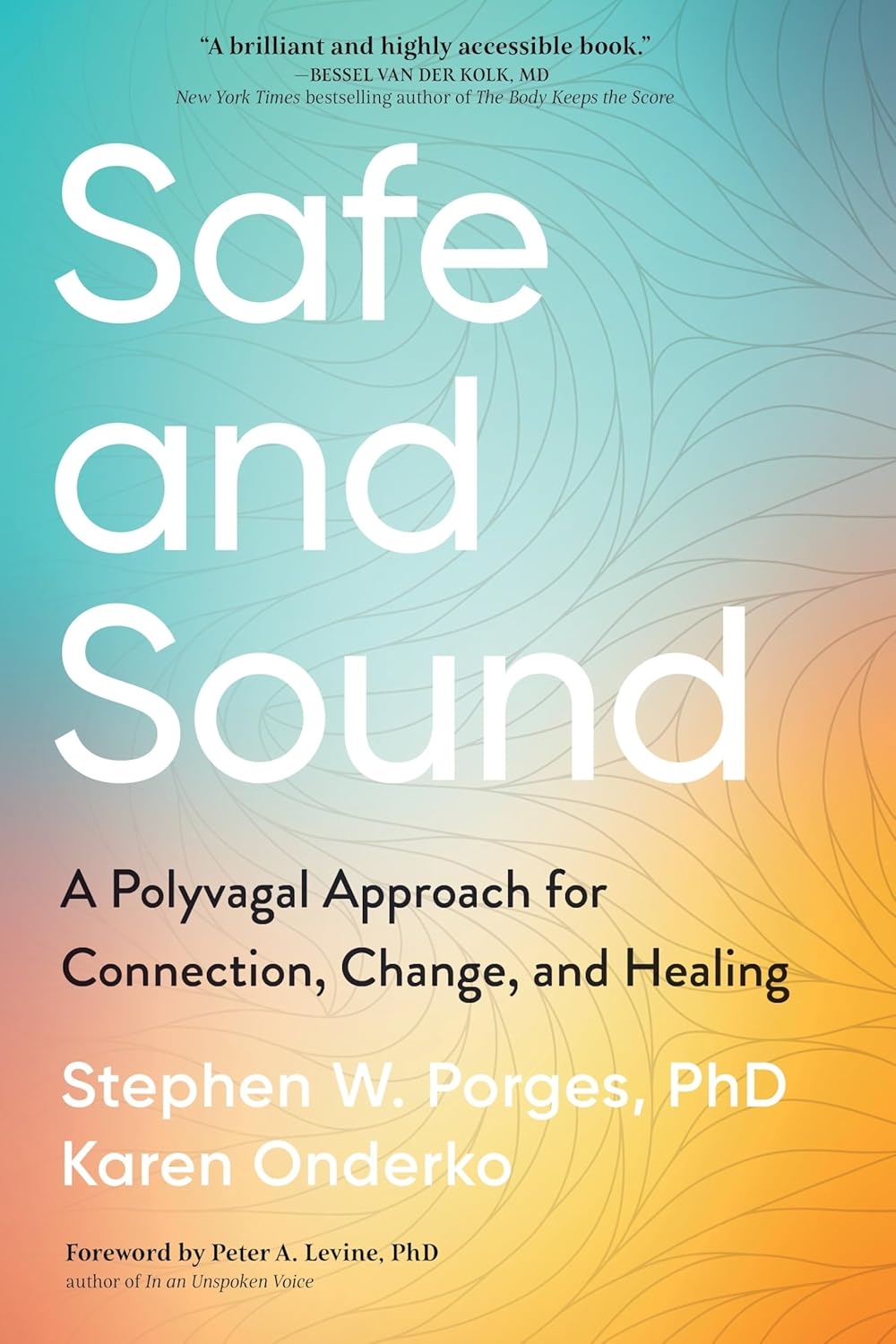
Healing Through Sound: Dr. Stephen Porges’ Revolutionary Safe and Sound Protocol

‘Safe and Sound: A Polyvagal Approach for Connection, Change, and Healing’ is the transformative new book by Dr. Stephen Porges. Photo: Barnes & Noble

Mental health awareness is crucial in today’s fast-paced world, where stress, anxiety, and depression are increasingly common. Recognizing the importance of mental well-being helps reduce stigma and encourages people to seek help. Various therapy methods are available, including cognitive-behavioral therapy (CBT), which focuses on changing negative thought patterns; dialectical behavior therapy (DBT), used for emotional regulation; and art therapy, which provides creative outlets for expression. Mindfulness-based therapies and medication management also play vital roles. Addressing mental health is essential now more than ever, as it promotes resilience, healthier relationships, and improved quality of life in an increasingly complex society.

In today’s book news, “Safe and Sound” is the new book by Dr. Stephen Porges where he addresses Safe and Sound Protocol as another means of therapy.

Safe and Sound Protocol is a groundbreaking therapy based on the Polyvagal Theory developed by Dr. Stephen Porges. Now, together with researcher Karen Onderko, they have written “Safe and Sound: A Polyvagal Approach for Connection, Change and Healing.” (Sounds True, 2025)

In this new book,Porges and Onderko offer a glimpse into this innovative approach, highlighting not only the origin of SSP and its best practices, but also real-life stories of transformation and healing. SSP is backed by neuroscience and this technique aids in stress reduction and mental wellness. It’s gaining traction for its effectiveness in treating various mental health conditions.

Stephen W. Porges, PhD, is author of “The Polyvagal Theory” and creator of the Safe and Sound Protocol. He’s a professor of psychiatry at the University of North Carolina and Distinguished University Scientist at Indiana University, where he’s founding director of the Traumatic Stress Research Consortium.

Karen Onderko, a cofounder of Polyvagal Institute, helped bring the Safe and Sound Protocol from the research lab to clinicians, who then enabled people to experience the benefits of improved nervous system regulation.

From Polyvagal Theory pioneer Dr. Stephen Porges comes a new resource sharing the origin and best practices of his groundbreaking new protocol, and highlighting real-life stories of transformation and healing.

“Safe and Sound” – We all want to live and share our truth, but when we don’t feel safe, it can be impossible to fully express or even know who we really are. The nervous system impacts daily well-being, to our benefit or detriment. Understanding how may be key to truly knowing yourself and better supporting the challenges holding you back.

The Safe and Sound Protocol (SSP) is a groundbreaking therapy based in Polyvagal Theory, which looks at the role the autonomic nervous system and vagus nerve play in regulating health and behavior. SSP involves listening to music that’s been filtered to prioritize frequencies of human speech, providing auditory input that enables the nervous system to reset to its homeostatic state.

Porges and Onderko offer a glimpse into this innovative approach, highlighting not only the origin of SSP and its best practices but also real-life stories of transformation. They showcase clinical evidence demonstrating SSP’s impact on emotional dysregulation, social interaction difficulty, and auditory sensitivity, providing a comprehensive understanding of its therapeutic potential.

Some features and conditions addressed include:

• Depression
• Perfectionism
• Addiction
• Suicidal ideation
• COVID recovery
• Navigating gender identity
• Living with Parkinson’s disease
• Hypermobility
• Autism
• ADHD
• Dyslexia

Whether patient, family member, friend, or clinician, you’ll find a deeper understanding of the nervous system and tools for a more resilient experience. Illustrating the incredible range of application and how autonomic regulation can lead to significant improvements—from stress and anxiety to grief and trauma—”Safe and Sound” demonstrates how SSP can promote a state of safety and calm, facilitating the foundation for long-awaited healing.

Inside the Analyst’s Chair: Joan Peters’ Raw and Riveting Journey in ‘Untangling’

‘Untangling: A Memoir of Psychoanalysis’ is the new book by Joan K. Peters. Courtesy photo, used with permission.

Psychoanalysis, a deep exploration of the unconscious mind, offers a powerful path toward mental health and self-awareness. Rooted in the belief that unspoken thoughts and early experiences shape our behaviors, it invites individuals to uncover, confront, and integrate hidden parts of themselves. In a time when mental health is gaining long-overdue attention, talking openly about therapy and inner struggles is vital. It reduces stigma, encourages others to seek help, and reminds us that healing often begins with honest conversation. Embracing psychoanalysis and mental wellness isn’t just personal—it’s a collective step toward a more compassionate, self-aware society.

The new memoir “Untangling: A Memoir of Psychoanalysis” dares to tell the patient’s side of psychoanalysis. It’s available now wherever books are sold.

Joan K. Peters was born in New York City and got her Ph. D in comparative literature from The University of Chicago. She’s published a novel and two books about women and work and is a professor emeritus of literature and writing at California State University at Channel Islands. She lives in Ojai with her husband, her dogs, and her chickens. In her much-anticipated new book “Untangling: A Memoir of Psychoanalysis,” she focuses on her experience in psychoanalysis at two different points in her life, comparing two different theoretical and technical analytic views, from the vantage point of her experience as a patient. (CS Lewis Publicity, 2025)

“Untangling: A Memoir of Psychoanalysis” – With the drama of a novel it tells the story of a turbulent and transformative psychoanalysis in this first ever in-depth patient’s account. Joan K. Peters’ story lays bare the inner workings of this complex treatment, which takes place behind closed doors, is rarely spoken about, and is largely unknown outside of professional circles.

A polished, poetic, and often funny writer, her willingness to expose her own demons brings psychoanalysis to life, from the intense strife to the fierce love that can develop between patient and analyst. Joan’s first analyst, Lane, helped Joan alleviate tormenting and recurring nightmares and to find herself by discovering her family’s secret past. Her second analyst, Kristi, guided her through the frightening depths of that past to a yearned-for freedom.

In another first, Kristi writes an afterword about the challenge of analyzing Peters. Unique in its reach, “Untangling”reveals the mysteries that lurk beneath the surface of our psyches.

Psychoanalysis is full of mysteries — it taps into the subconscious more than any other form of therapy and sets up a unique relationship between analyst and patient. No one really knows exactly how or why it works, just that it does. But one patient, in candidly revealing her own journey, invites readers into that very private patient experience as she grapples with hidden and haunting demons.

Whether due to taboo, fear, shame, or reluctance, very few patients have shared their journey of psychoanalysis with others, let alone written about the experience. Too many people are unaware of the transformative powers that this penetrating, multi-layered therapy has.

In her unique memoir, written in the narrative style of Mary Karr, the author recounts her two analyses — one when she is in her twenties and another in her sixties — that form one continuous story of immense discovery and healing. She dramatizes firsthand accounts of how she and her two very different analysts unlocked the traumas, losses and terrors of her past – enabling her to confront and understand them, and finally feel free to fully enjoy her life. 

Author Joan K. Peters. Courtesy photo, used with permission.

Why Character Still Matters: A Review of Robert L. Dilenschneider’s ‘Character’

‘Character’ is Robert L. Dilenschneider’s latest motivational book. Photo: Barnes & Noble

Robert L. Dilenschneider is founder of The Dilenschneider Group, a firm that provides strategic advice and counsel to Fortune 500 companies and leading families and individuals around the world, with experience in fields ranging from mergers and acquisitions and crisis communications to marketing, government affairs and international media.

Dilenschneider has been called the “Dean of American Public Relations Executives” and is widely published, having authored 14 books, including “A Briefing for Leaders,” “On Power,” “The Critical 14 Years of Your Professional Life,” and “Power and Influence: The Rules Have Changed.” His new book “Character: Life Lessons in Courage, Integrity, and Leadership” addresses the need for character as a vital dimension in public and private life, based on iconic historical figures who embodied such qualities of character. (Barnes & Noble, 2025)

In “Character,” Robert L. Dilenschneider explores what it means to possess and foster strong moral character. Through the lens of noted historical figures—ranging from Stephen Hawking to Mother Teresa—he illustrates how integrity, resilience, and ethical leadership have shaped both personal legacies and societal progress.

Dilenschneider contends that character is not merely a trait but a fundamental necessity in our daily lives, especially in today’s complex and often morally ambiguous world. By combining historical narratives with modern-day reflections, he makes a strong case for why individuals, particularly those in leadership positions, must prioritize character over personal gain.

He begins by defining character as exhibiting traits such as honesty, integrity, and loyalty while inspiring others around you. The goal of this book is provide examples of character and how it can drive people to achieve their dreams and how to recognize it and nurture it in others, especially those with leadership positions.

Each chapter profiles a different group of people who were known for a specific trait, such as Innovation (Steve Jobs, Walt Disney), Courage (Winston Churchill, Arthur Ashe), and Loyalty (Eleanor Roosevelt, John McCain). At the end of each, he includes a list of lessons learned.

Chapters include:
Chapter 1 – What is Character?
Chapter 2 – Leadership
Chapter 3 – Innovation
Chapter 4 – Resilience
Chapter 5 – Breaking Barriers
Chapter 6 – Courage
Chapter 7 – Loyalty
Chapter 8 – Integrity
Chapter 9 – Transparency
Chapter 10 – Transcendence
Chapter 11 – Lessons

Highlights:
Chapter 4: Resilience
– when we are tested, resilience is what allows us to keep fighting. Nelson Mandela was a vocal opponent of apartheid: “Never give up when your cause is just.”

Chapter 5: Breaking Barriers – profiles of people who broke barriers when they refused to be held down because of their sex, color, or political beliefs. Margaret Chase Smith stood up against McCarthyism in the 40s and 50s: “Speaking your mind may not always be popular but it will win you respect.”

Informative and inspiring, it offers valuable lessons on courage, humility, and perseverance. Dilenschneider’s writing is engaging, and his selection of historical figures ensures a broad perspective on how character manifests in different circumstances.

Overall, “Character” serves as an insightful guide for those seeking to understand the enduring power of virtue in shaping history and how we, too, can attempt to embody these qualities in our own lives. It is recommended for readers who enjoy biographies and leadership/motivational books.

“Learning is a classic way to overcome barriers, by equipping yourself with knowledge that nobody can take away.”

*The author of this blog received a copy in exchange for an honest review. The views and opinions expressed here belong solely to her.

Rating: 4 out of 5.

Wisdom for the Future: A Review of ‘The Potentialist’ by Ben Lytle

‘The Potentialist: The Pursuit of Wisdom’ is Ben Lytle’s second book in The Potentialist series. Photo: Barnes & Noble

Ben Lytle’s “The Potentialist: The Pursuit of Wisdom” is a thought-provoking guide that explores how individuals can unlock their full potential by cultivating wisdom. The book serves as a practical roadmap, offering insights on self-awareness, lifelong learning, and personal growth. Lytle breaks down the often elusive concepts of wisdom and human potential, making them accessible to anyone willing to embrace change and self-improvement.

It begins with the goal of the book: “This book will show you how to achieve your potential, become wise, make better decisions, have deeper relationships, and live well with only a small investment in time.” After he defines wisdom, he goes into how we can cultivate consciousness and explains several natural laws, such as the Law of Cause and Effect and the Law of Polarity. Finally, he ends with a list of discussion questions for further personal examination for individuals or discussion/book clubs such as Why is life so hard and sometimes seemingly cruel? and Why do some people suffer more than others?

The book is divided as such:

Part 1 – Your Place in the World

  • Potential, Wisdom, and the Art of Living Well
  • Life’s Unavoidable Questions
  • Natural Law
  • The Inner World of Your Psychological Body

Part II – Advanced Skills

  • Cultivating Consciousness
  • Conscious Intention
  • Learning States
  • Intimacy

Part III – Approaching Potential

  • Reframing Fear
  • Getting Out of Your Way
  • Your Potential and Wisdom

Highlight:

Chapter 6 – Conscious Intention – where the author examines the Law of Cause and Effect in the modern age of electronic communications. It has increased the denial of cause and effect when it comes to people who run scams because they “see faceless victims as opportunities without consequences.” This also has to do with people who get angry on social media or in emails and take risks they wouldn’t normally do in person.

I appreciate how he combines philosophical wisdom with actionable advice. Lytle emphasizes the importance of curiosity, adaptability, and resilience in navigating an ever-evolving world. Readers are encouraged to adopt a mindset of continuous growth, shedding limiting beliefs, and embracing opportunities for self-improvement. His writing is engaging, insightful, and filled with real-world examples that make complex ideas easy to grasp.

Overall, “The Potentialist” highlights the importance of inner fulfillment. It challenges readers to look beyond traditional measures of achievement and focus on personal evolution. Whether you are an entrepreneur, professional, or someone on a journey of self-discovery, this book offers valuable insights on living a life of purpose and meaning. It is recommended for readers who are seeking to reach their highest potential.

“Greet every new positive or adverse development as a puzzle piece, increasing comprehension of the inner and outer worlds comprising your life. Instead of responding to change with “Now what?” welcome it with “What can this teach me?”

*The author received a copy of this book for an honest review. The views and opinions expressed here belong solely to her.

Rating: 4 out of 5.

Debra Silverman’s Take on Astrology: A Guide to Self-Discovery and Growth

‘I Don’t Believe in Astrology’ is Debra Silverman’s insightful new book. Photo: Barnes & Noble

Astrology has fascinated people for centuries, offering a sense of meaning and connection to the universe. Many find comfort in its insights, believing celestial movements influence personality, relationships, and life events. For some, it provides guidance, especially during uncertain times. Horoscopes and birth charts give individuals a sense of self-awareness and destiny, making them feel understood. While skeptics view astrology as pseudoscience, its symbolic language resonates deeply with those seeking reassurance or direction. In a fast-paced world, astrology offers a spiritual refuge, blending mystery, tradition, and hope into a practice that continues to thrive.

If you’ve ever been curious about astrology and wanted to learn more, Debra Silverman’s new book “I Don’t Believe in Astrology” is worth checking out.

Debra Silverman is an astrologer, psychotherapist, spiritual guide, and author. With our planet longing for compassion and guidance in these very unusual times, Debra brings her Master’s degree in clinical Psychology plus her humor, wisdom, and honesty to soothe the collective pain. Debra is the author of “The Missing Element” and founder of a school educating more than 7,000 people in Astrology. Debra is also the host of The I Don’t Believe in Astrology Podcast. Her new book, “I Don’t Believe in Astrology,” is an accessible guide to the life-changing benefits of astrology. It will be released in April 2025 and is available for pre-order. (FSB Associates, 2025)

“I Don’t Believe in Astrology” – In a chaotic, confusing, and divisive world, Debra Silverman introduces astrology as the medicine for accepting our human nature–its idiosyncrasies and dilemmas. Through an application of both therapy and astrology, this breakthrough guide equips readers with tools that release self-judgment, inner criticism, negativity, and misunderstanding. Every sign struggles with psychological issues. Understanding the unique topics relative to your sign, it’s no surprise you are quirky. Learning how to accept who you are and love yourself unconditionally through the lens of astrology is at the heart of this book.

Debra Silverman teaches you how to step away from the struggle of your ego and see yourself with the calm objectivity of your soul. You will learn to love what you see—not just your best qualities but everything about you. She shows you how to aim for the high road of your personality. Most of all, you will cultivate compassion for all the other signs in the zodiac. Learn the meaning of the sun, moon, rising sign, Mercury, and Saturn. Using Debra’s method combining the wisdom of astrology and psychology, readers will remember the truth of their soul’s expression, seen through the eyes of self-love.

Below is an excerpt from “I Don’t Believe in Astrology,” posted with permission.

Excerpt

Astrology shows you who you really are and says, “Hey, this is you, and it’s okay. You have permission to be a daydreamer (Pisces), or ambitious (Capricorn), or strong (Aries). There are reasons you value freedom over relationships (Aquarius), or financial security over frivolous shopping (Taurus), or talking over listening (Gemini). It’s natural for you to obsess about the meaning of life (Sagittarius), or have a morbid curiosity about death (Scorpio), or feel best when your whole family is under one roof (Cancer), or be in love with romance (Libra), or try to get all the attention (Leo). You don’t need to fight it. It’s just you being you.”

Astrology turns on self-awareness. If you are a Virgo, astrology will teach you that you tend to criticize yourself. Bringing that into your awareness helps you to ease up and understand how important it is for you to be precise, attend to details, and check off your to-do list. The voice of your observer (I’m going to show you how to find and hear it) will say, “Yep, you criticize yourself. Don’t worry. You’re okay.” Then if someone tells you, “Hey, relax, it’s not that important,” you’ll know enough about yourself to know that for you, it is important, and that’s okay, too. You love the small stuff. You’ll know you’ve got the observer turned on when you learn to laugh at yourself a little, and genuinely be able to say to yourself, “Oh, there I go again. That’s so me!”

There are struggles inherent in each of the twelve signs. Find your struggle, and you will discover what you are here to learn. You’re not here by accident. There is a curriculum, and a folder in the home office with your name on it. Astrology provides the keyhole to peek through, to see what your lessons are. It’s a relief to know your challenges are happening for a reason, and most of all, to understand that you’re not to blame.

Author Debra Silverman. Courtesy photo, used with permission.
1744107571

  days

  hours  minutes  seconds

until

‘I Don’t Believe in Astrology’ release date