
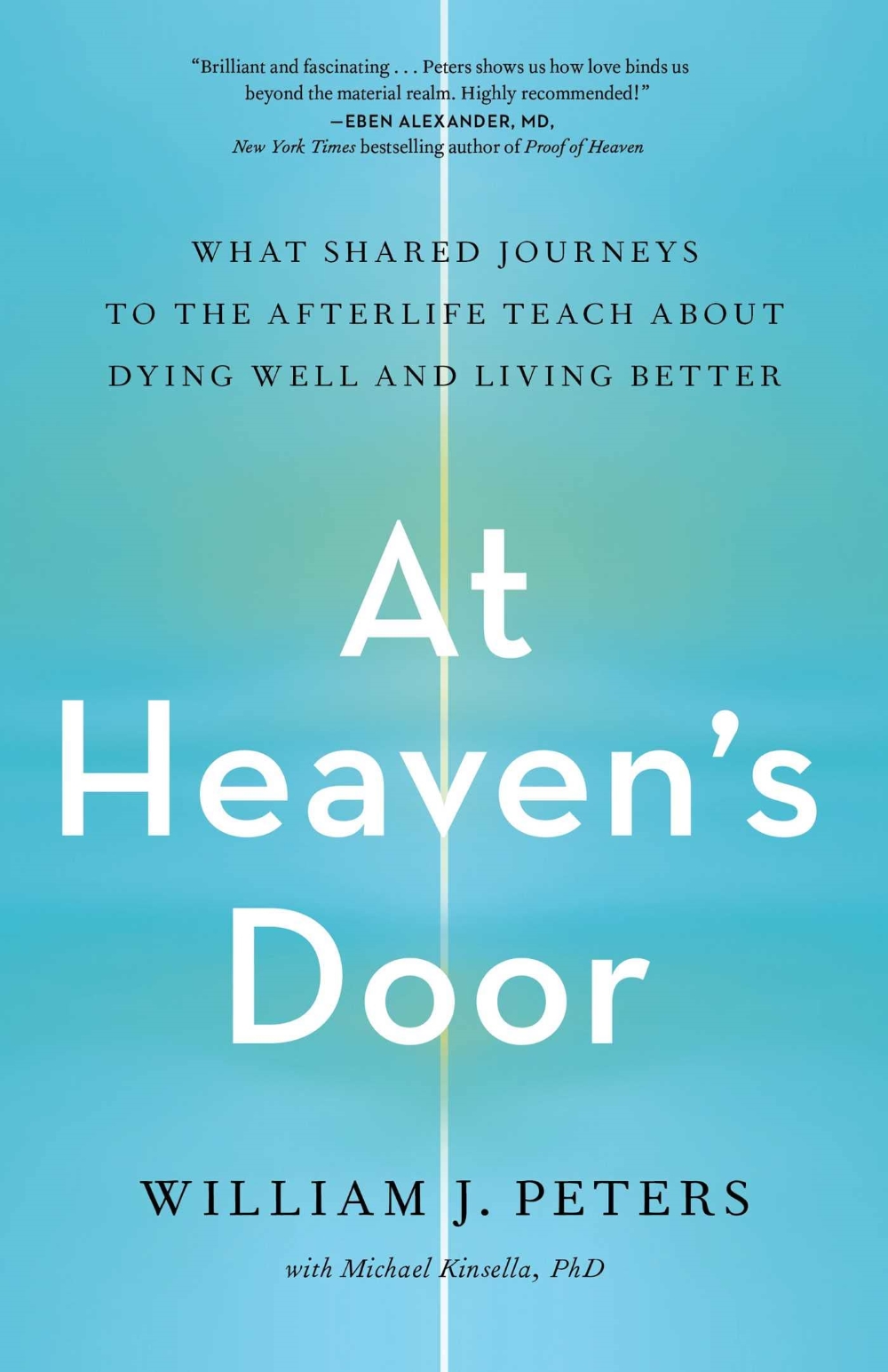
William Peters is the founder of the Shared Crossing Project and director of its Research Initiative. Recognized as a global leader in the field of shared death studies, he has spent decades studying end-of-life experiences. Previously, Peters worked as a hospice volunteer with the Zen Hospice Project in San Francisco and as a teacher and social worker in Central and South America. A practicing grief and bereavement therapist, he holds degrees from Harvard’s Graduate School of Education and UC Berkeley. His work on end-of-life is informed by his therapeutic work with individuals and families, personal experiences with death and dying across cultures, and his family’s own end-of-life journeys. His new book “At Heaven’s Door: What Shared Journeys to the Afterlife Teach About Dying Well and Living Better” is a groundbreaking, authoritative exploration—rich with powerful personal stories and convincing research—of the many ways the living can and do accompany the dying on their journey into the afterlife. (Amazon, 2022)
“At Heaven’s Door” – In 2000, end-of-life therapist William Peters was volunteering at the Zen Hospice Project in San Francisco when he had an extraordinary experience as he was reading aloud to a patient: he suddenly felt himself floating in midair, completely out of his body. The patient, who was also aloft, looked at him and smiled. The next moment, Peters felt himself return to his body but the patient never regained consciousness and died. Shocked by what had just happened to him, Peters began searching for other people who had similar experiences. The author defines shared death experiences (SDEs) as events when “a person dies and a loved one, family member, friend, caregiver, or bystander reports that they have shared in the transition from life to death or have experienced the initial stages of entering an afterlife with the dying.” He would spend the next twenty years collecting stories and studying the key patterns and features that they all had in common. These similarities included awe-inspiring visual and sensory effects and powerful emotional after-effects. In “At Heaven’s Door,” he shares what he has learned about SDEs. Long whispered about in the hospice and medical communities, he openly explains and discusses these extraordinary moments of final passage. The book is filled with powerful tales of spouses on departing this earth after decades together and bereaved parents who share their children’s entry into the afterlife. It is divided into thirteen chapters including Comfort, Unexpected Gifts, and Ending the Silence Around the Shared Death Experience.
Death is a universal human experience but few people are willing to discuss it. Through rigorous research, Peters examines shared death experiences and their effects on people who have experienced them. Most of the time, they find relief witnessing a loved one finding joy or even feel a sense of reconciliation if the relationship was strained. Highlights include Chapter 12: Ending the Silence Around the Shared Death Experience where he emphasizes that as a culture, we should strive to minimize the stigma surrounding SDEs and that death is the ultimate taboo conversation topic; and Appendix I: The Shared Crossing Research Initiative where he breaks down his finding about SDEs, including Assisting the Dying in Transitioning and Remotely Sensing a Death. The language is easy to understand but some of the stories can be emotional and too much for readers uncomfortable with the subject of death, sickness, and dying. What can shared death experiences teach us? What do these experiences tell us about what lies beyond? And, how can they help take away the sting of death and better prepare us for our own final moments? These questions and more are presented in a compassionate and understanding perspective from someone who has experienced an SDE and knows people who have as well. Whether or not you believe in heaven or even an afterlife, the stories, some of which can be extremely emotional, make the transitioning process between life and death seem less traumatic. “At Heaven’s Door” is a well researched and documented account of shared life experiences and what they can teach us about the dying process. It is recommended for readers interested in grief, bereavement, and shared death experiences or at least open to a different perspective surrounding death and dying.
“Death produces in many of us a great reservoir of emotion, and, for many, a profound sadness. So it has been both profoundly humbling and deeply revelatory to discover that shared life experiences can lead to significant and often lasting comfort.”
*The author received a copy of this book for an honest review. The views and opinions expressed here belong solely to her.
 SA Examiner