

Stephen King’s The Stand and Its Enduring Legacy
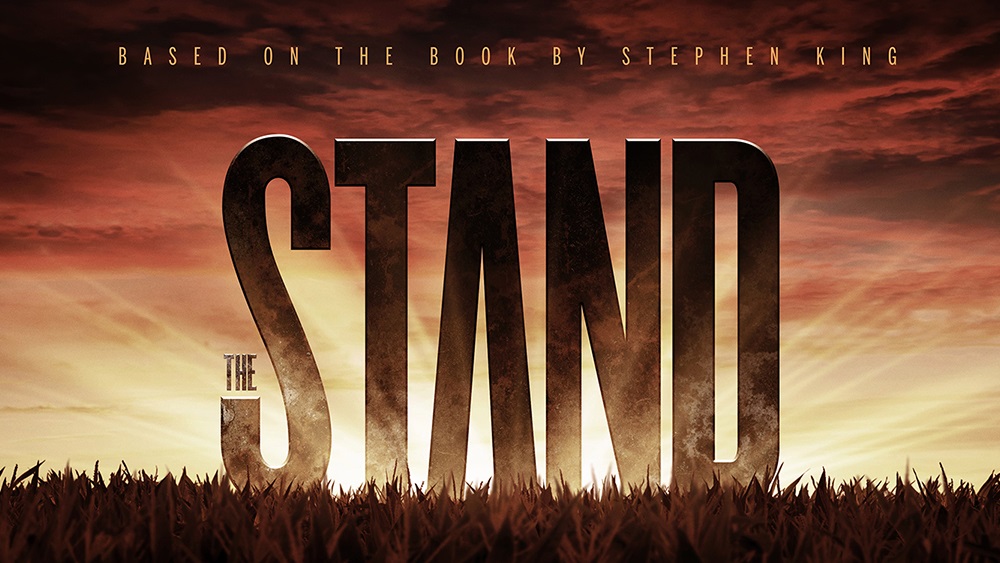
The Stand remains one of Stephen King’s most celebrated works, a sweeping epic that blends horror, fantasy, and post-apocalyptic drama. First published in 1978, the novel captivated readers with its unflinching vision of humanity struggling after a devastating plague and the eternal battle between good and evil.
Book lovers are drawn to its rich cast of characters, immersive world-building, and timeless themes of survival, morality, and destiny. With its ability to feel both intimate and vast, it created an enduring legacy and an unforgettable reading experience. For many, The Stand is the quintessential King novel—a masterpiece of storytelling.

A New Anthology: The End of the World As We Know It
Now, Stephen King has authorized a bold return to this world. The End of the World As We Know It: New Tales of Stephen King’s The Stand is an original short story anthology based on his #1 New York Times bestselling classic.
Although other works explore the unraveling of society, none have been as influential as The Stand. Generations of writers have been shaped by its dark yet hopeful vision of civilization’s collapse and rebirth, and its unforgettable cast of characters.
A Return to King’s Harrowing World
For the first time, King has fully authorized new stories set in the universe of The Stand. Presented by award-winning authors and editors Christopher Golden and Brian Keene, this anthology brings together today’s most visionary writers to deliver unforgettable tales.
Some stories unfold during the events of the novel, while others look far beyond them. Together, they form a brilliant, terrifying, and deeply human collection—an essential companion for longtime fans and new readers alike.
Special Features
The anthology includes:
- An introduction by Stephen King
- A foreword by Christopher Golden
- An afterword by Brian Keene
Contributing Authors
This powerhouse collection features stories from:
Wayne Brady & Maurice Broaddus, Poppy Z. Brite, Somer Canon, C. Robert Cargill, Nat Cassidy, V. Castro, Richard Chizmar, S. A. Cosby, Tananarive Due & Steven Barnes, Meg Gardiner, Gabino Iglesias, Jonathan Janz, Alma Katsu, Caroline Kepnes, Michael Koryta, Sarah Langan, Joe R. Lansdale, Tim Lebbon, Josh Malerman, Ronald Malfi, Usman T. Malik, Premee Mohamed, Cynthia Pelayo, Hailey Piper, David J. Schow, Alex Segura, Bryan Smith, Paul Tremblay, Catherynne M. Valente, Bev Vincent, Catriona Ward, Chuck Wendig, Wrath James White, and Rio Youers.
 SA Examiner