What Psychoanalysis Really Feels Like: A Review of Joan Peters’ ‘Untangling’

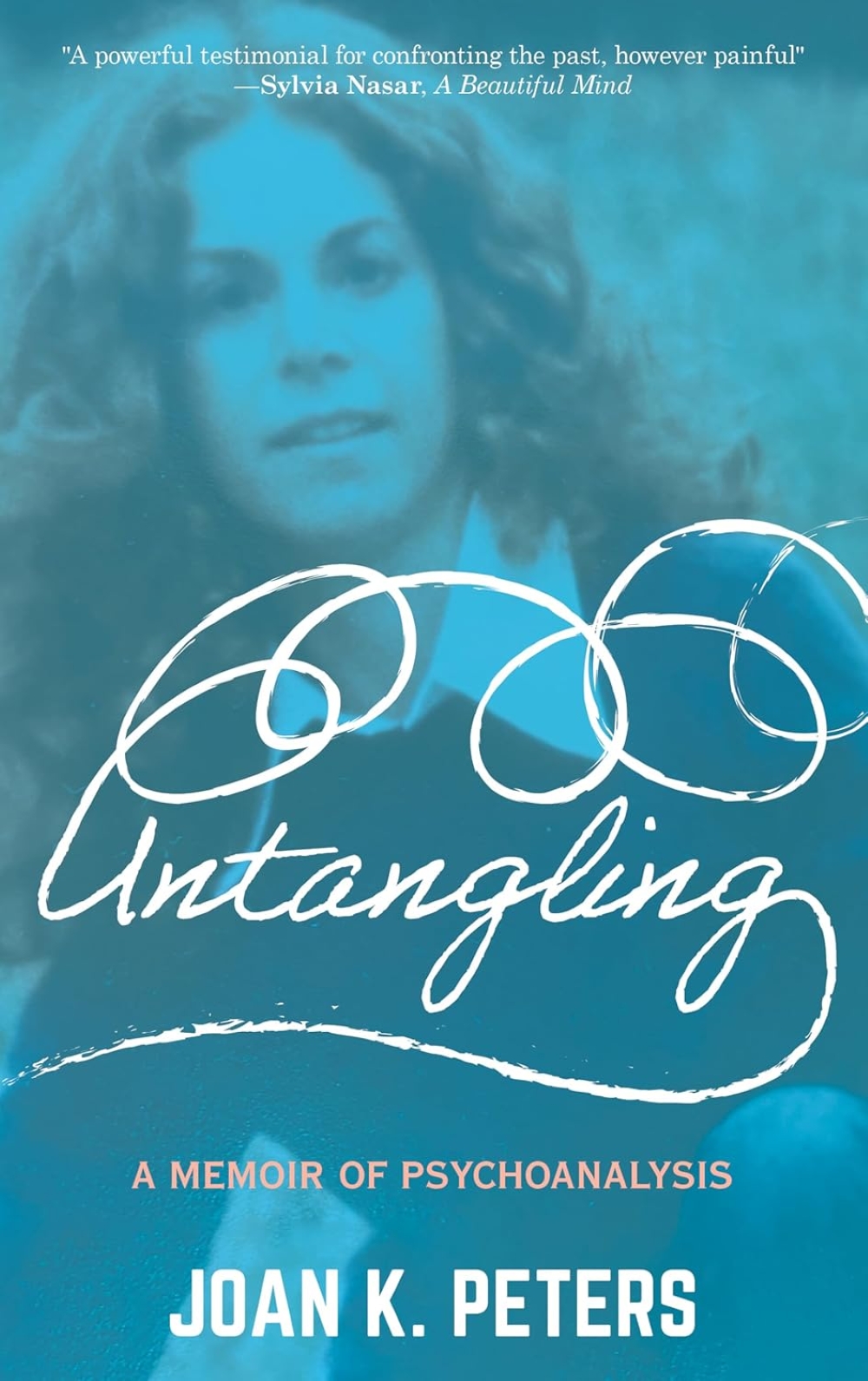
‘Untangling: A Memoir of Psychoanalysis’ by Joan K. Peters. Courtesy photo, used with permission.

Book Review: ‘Untangling: A Memoir of Psychoanalysis’ by Joan Peters
What It’s Really Like to Be in Psychoanalysis—From the Patient’s Chair

If you’ve ever wondered what actually happens during psychoanalysis—or what it feels like to unravel years of emotional knots on a therapist’s couch—Joan Peters‘ “Untangling: A Memoir of Psychoanalysis” offers a rare, intimate glimpse into that world.

Unlike most writing on psychoanalysis, which often comes from the perspective of clinicians, “Untangling” is told from the inside out. Peters chronicles her decades-long analytic journey with striking vulnerability, courage, and clarity. This journey consisted of two different analysts: Lane when she was 28 and Kristi when she was 67. While Lane was helpful, she remained impersonal and impartial. Kristi actually got to know her because she used relational psychoanalysis, a psychoanalytic approach that emphasizes the importance of the relationship between the therapist and patient in the therapeutic process. Peters brings readers into the room with her, detailing the subtle shifts, long silences, and emotionally charged breakthroughs that define the therapeutic process.

Highlights:
Chapter 7 – Schizoid
– Peters admits to Lane that from ages 14 to 19, she had lived an alternate existence because when she was 14, she started hearing voices. These voices guided her every action.
Chapter 4 – Lane Explains Me to Me – Focuses on her family background, memories of her as a two year old seeing her mother preparing the morphine syringes for her dad who was dying of cancer. This explained her nightmares about syringes and being given injections with poisons. Two months after talking about this, her needle nightmares ended. That’s when Joan discovered the complicated issue of subconsciousness and how it affects our lives.

At its core, honesty is what makes this memoir so powerful. Peters doesn’t offer easy answers or dramatic resolutions—instead, she shows how transformation unfolds slowly, often painfully, through the act of being deeply seen and heard. It reveals how analysts’ methodology differ and how patients respond differently with age and life experience. Her writing is vivid and lyrical, making even the most abstract aspects of psychoanalysis feel grounded and human. “Sitting back in her chair, patient as a fisherman in a placid lake, she listened, questioned, interjected while I mostly avoided the story, as if its invisible tentacles might entangle (or strangle) me.”

Overall, “Untangling” is a courageous and necessary contribution to the literature on mental health. It demystifies a process often veiled in secrecy and offers an authentic voice to the patient experience. For readers curious about psychoanalysis—or the complexities of healing—this memoir is both enlightening and deeply moving.

“My question back in Vermont had loosened a scab; now the wound bled, unstoppable. She had offered me silence, and I had refused her gift. Now, at times, I felt I might drown in her words.”

*The author was contacted for an honest review of this book and received a copy. The views and opinions expressed here belong solely to her.

Rating: 4 out of 5.

Related post: Inside the Analyst’s Chair: Joan Peters’ Raw and Riveting Journey in ‘Untangling’
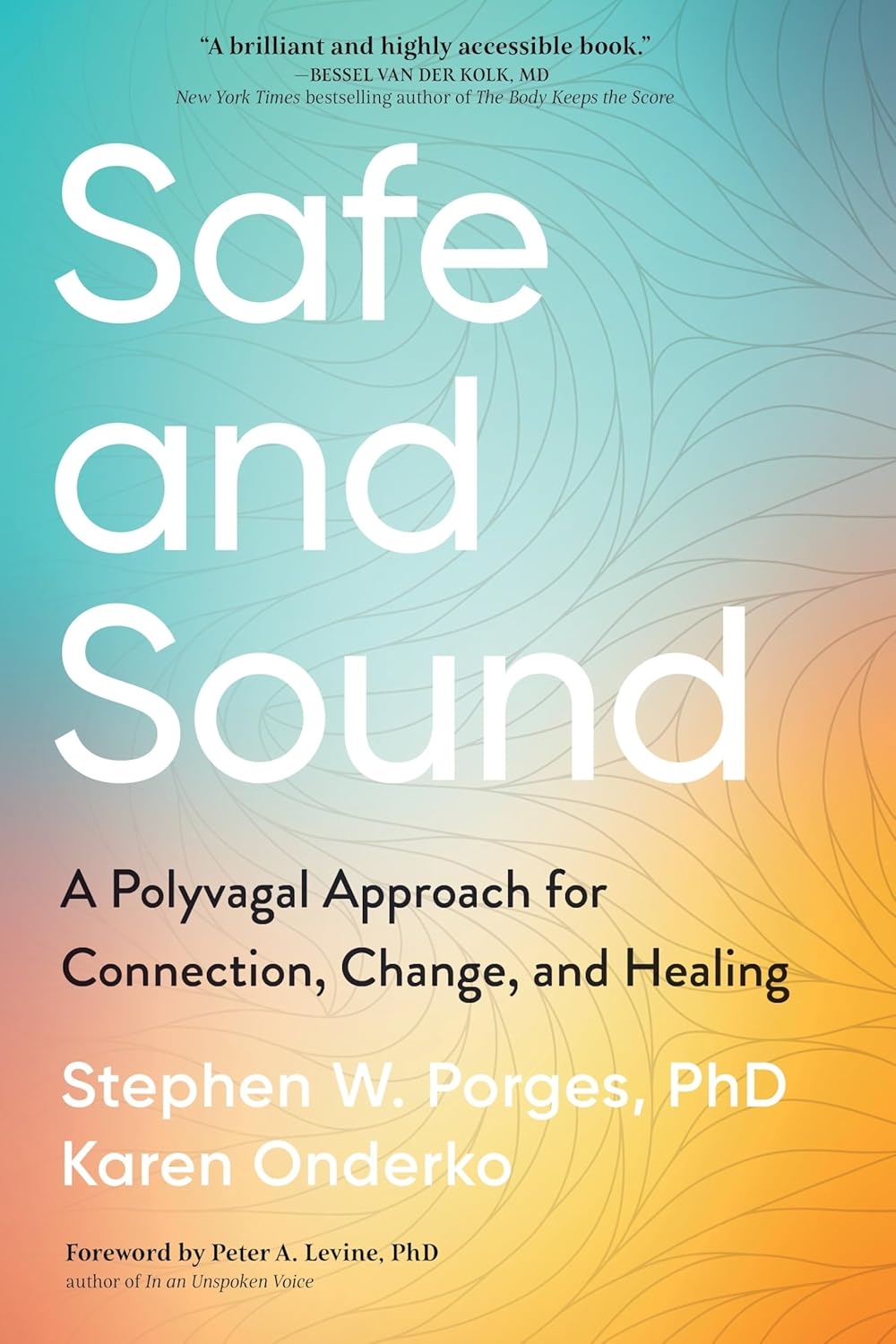
Healing Through Sound: Dr. Stephen Porges’ Revolutionary Safe and Sound Protocol

‘Safe and Sound: A Polyvagal Approach for Connection, Change, and Healing’ is the transformative new book by Dr. Stephen Porges. Photo: Barnes & Noble

Mental health awareness is crucial in today’s fast-paced world, where stress, anxiety, and depression are increasingly common. Recognizing the importance of mental well-being helps reduce stigma and encourages people to seek help. Various therapy methods are available, including cognitive-behavioral therapy (CBT), which focuses on changing negative thought patterns; dialectical behavior therapy (DBT), used for emotional regulation; and art therapy, which provides creative outlets for expression. Mindfulness-based therapies and medication management also play vital roles. Addressing mental health is essential now more than ever, as it promotes resilience, healthier relationships, and improved quality of life in an increasingly complex society.

In today’s book news, “Safe and Sound” is the new book by Dr. Stephen Porges where he addresses Safe and Sound Protocol as another means of therapy.

Safe and Sound Protocol is a groundbreaking therapy based on the Polyvagal Theory developed by Dr. Stephen Porges. Now, together with researcher Karen Onderko, they have written “Safe and Sound: A Polyvagal Approach for Connection, Change and Healing.” (Sounds True, 2025)

In this new book,Porges and Onderko offer a glimpse into this innovative approach, highlighting not only the origin of SSP and its best practices, but also real-life stories of transformation and healing. SSP is backed by neuroscience and this technique aids in stress reduction and mental wellness. It’s gaining traction for its effectiveness in treating various mental health conditions.

Stephen W. Porges, PhD, is author of “The Polyvagal Theory” and creator of the Safe and Sound Protocol. He’s a professor of psychiatry at the University of North Carolina and Distinguished University Scientist at Indiana University, where he’s founding director of the Traumatic Stress Research Consortium.

Karen Onderko, a cofounder of Polyvagal Institute, helped bring the Safe and Sound Protocol from the research lab to clinicians, who then enabled people to experience the benefits of improved nervous system regulation.

From Polyvagal Theory pioneer Dr. Stephen Porges comes a new resource sharing the origin and best practices of his groundbreaking new protocol, and highlighting real-life stories of transformation and healing.

“Safe and Sound” – We all want to live and share our truth, but when we don’t feel safe, it can be impossible to fully express or even know who we really are. The nervous system impacts daily well-being, to our benefit or detriment. Understanding how may be key to truly knowing yourself and better supporting the challenges holding you back.

The Safe and Sound Protocol (SSP) is a groundbreaking therapy based in Polyvagal Theory, which looks at the role the autonomic nervous system and vagus nerve play in regulating health and behavior. SSP involves listening to music that’s been filtered to prioritize frequencies of human speech, providing auditory input that enables the nervous system to reset to its homeostatic state.

Porges and Onderko offer a glimpse into this innovative approach, highlighting not only the origin of SSP and its best practices but also real-life stories of transformation. They showcase clinical evidence demonstrating SSP’s impact on emotional dysregulation, social interaction difficulty, and auditory sensitivity, providing a comprehensive understanding of its therapeutic potential.

Some features and conditions addressed include:

• Depression
• Perfectionism
• Addiction
• Suicidal ideation
• COVID recovery
• Navigating gender identity
• Living with Parkinson’s disease
• Hypermobility
• Autism
• ADHD
• Dyslexia

Whether patient, family member, friend, or clinician, you’ll find a deeper understanding of the nervous system and tools for a more resilient experience. Illustrating the incredible range of application and how autonomic regulation can lead to significant improvements—from stress and anxiety to grief and trauma—”Safe and Sound” demonstrates how SSP can promote a state of safety and calm, facilitating the foundation for long-awaited healing.

Inside the Analyst’s Chair: Joan Peters’ Raw and Riveting Journey in ‘Untangling’

‘Untangling: A Memoir of Psychoanalysis’ is the new book by Joan K. Peters. Courtesy photo, used with permission.

Psychoanalysis, a deep exploration of the unconscious mind, offers a powerful path toward mental health and self-awareness. Rooted in the belief that unspoken thoughts and early experiences shape our behaviors, it invites individuals to uncover, confront, and integrate hidden parts of themselves. In a time when mental health is gaining long-overdue attention, talking openly about therapy and inner struggles is vital. It reduces stigma, encourages others to seek help, and reminds us that healing often begins with honest conversation. Embracing psychoanalysis and mental wellness isn’t just personal—it’s a collective step toward a more compassionate, self-aware society.

The new memoir “Untangling: A Memoir of Psychoanalysis” dares to tell the patient’s side of psychoanalysis. It’s available now wherever books are sold.

Joan K. Peters was born in New York City and got her Ph. D in comparative literature from The University of Chicago. She’s published a novel and two books about women and work and is a professor emeritus of literature and writing at California State University at Channel Islands. She lives in Ojai with her husband, her dogs, and her chickens. In her much-anticipated new book “Untangling: A Memoir of Psychoanalysis,” she focuses on her experience in psychoanalysis at two different points in her life, comparing two different theoretical and technical analytic views, from the vantage point of her experience as a patient. (CS Lewis Publicity, 2025)

“Untangling: A Memoir of Psychoanalysis” – With the drama of a novel it tells the story of a turbulent and transformative psychoanalysis in this first ever in-depth patient’s account. Joan K. Peters’ story lays bare the inner workings of this complex treatment, which takes place behind closed doors, is rarely spoken about, and is largely unknown outside of professional circles.

A polished, poetic, and often funny writer, her willingness to expose her own demons brings psychoanalysis to life, from the intense strife to the fierce love that can develop between patient and analyst. Joan’s first analyst, Lane, helped Joan alleviate tormenting and recurring nightmares and to find herself by discovering her family’s secret past. Her second analyst, Kristi, guided her through the frightening depths of that past to a yearned-for freedom.

In another first, Kristi writes an afterword about the challenge of analyzing Peters. Unique in its reach, “Untangling”reveals the mysteries that lurk beneath the surface of our psyches.

Psychoanalysis is full of mysteries — it taps into the subconscious more than any other form of therapy and sets up a unique relationship between analyst and patient. No one really knows exactly how or why it works, just that it does. But one patient, in candidly revealing her own journey, invites readers into that very private patient experience as she grapples with hidden and haunting demons.

Whether due to taboo, fear, shame, or reluctance, very few patients have shared their journey of psychoanalysis with others, let alone written about the experience. Too many people are unaware of the transformative powers that this penetrating, multi-layered therapy has.

In her unique memoir, written in the narrative style of Mary Karr, the author recounts her two analyses — one when she is in her twenties and another in her sixties — that form one continuous story of immense discovery and healing. She dramatizes firsthand accounts of how she and her two very different analysts unlocked the traumas, losses and terrors of her past – enabling her to confront and understand them, and finally feel free to fully enjoy her life. 

Author Joan K. Peters. Courtesy photo, used with permission.

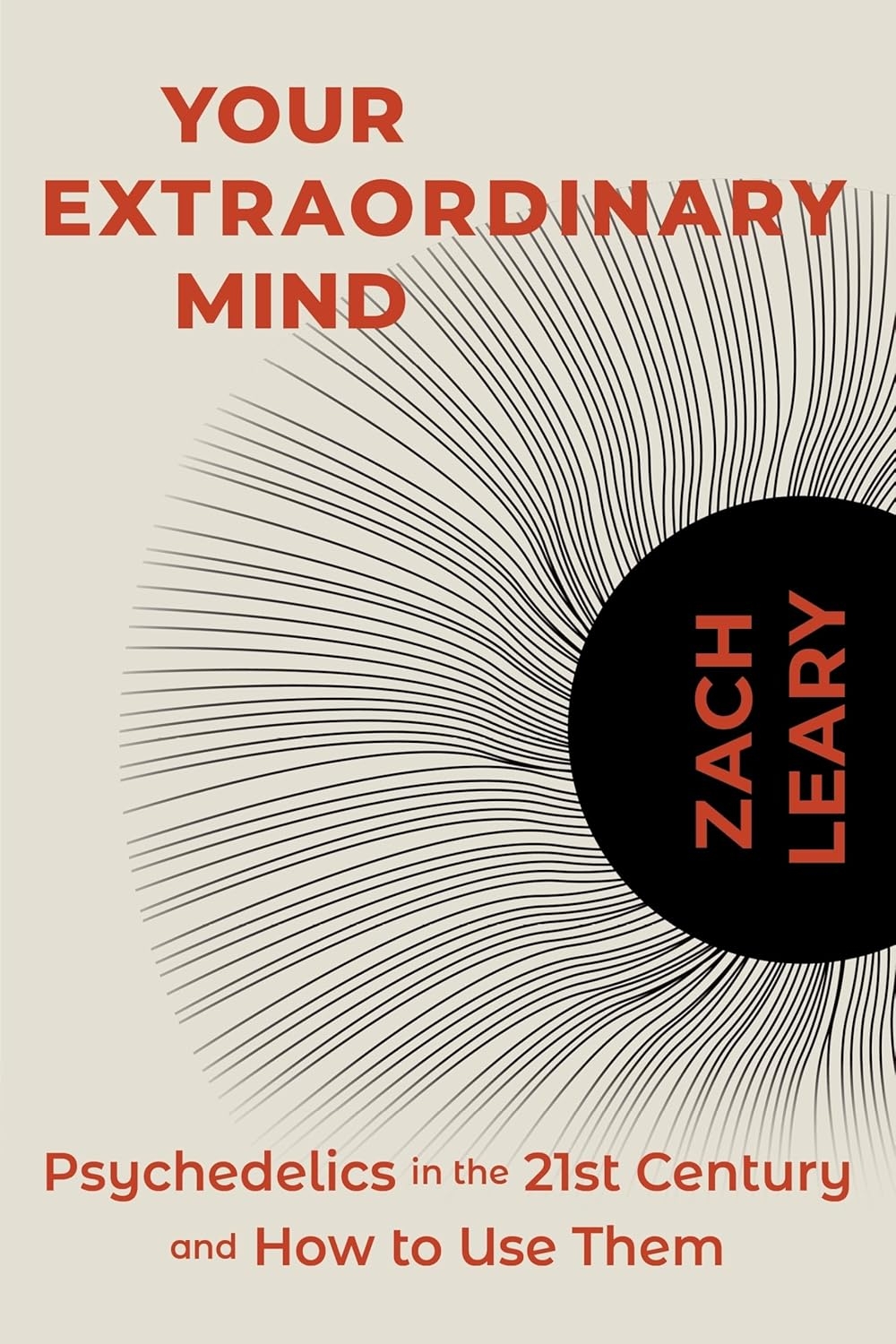
Psychedelics Reimagined: What ‘Your Extraordinary Mind’ Reveals About 21st Century Healing

‘Your Extraordinary Mind’ is the debut book by Zach Leary, a longtime psychedelic advocate and cultural figure. Photo: Sounds True

Psychedelics have gained increasing appeal for therapeutic use due to their potential to catalyze profound psychological healing. Substances like psilocybin and MDMA are being studied for their ability to treat depression, PTSD, and anxiety by promoting emotional breakthroughs and deep introspection. Unlike traditional medications that often suppress symptoms, psychedelics help users confront and process difficult experiences with enhanced clarity and compassion, especially when guided by trained therapists. The allure lies in their promise of transformation—unlocking new perspectives, relieving long-held emotional burdens, and fostering a sense of connection, meaning, and renewal that many find missing in conventional mental health treatments.

Zach Leary has been at the center of the psychedelic movement for more than 30 years, with a front-row seat for the modern renaissance while having firsthand knowledge of the historical legacy. As a session facilitator, integration coach, and seeker of all things mystical, Zach also teaches psychedelic studies. Zach formerly hosted the MAPS Podcast with the Multidisciplinary Association for Psychedelic Studies and is a facilitator at Illuminating Heroes, serving veterans and first responders. His debut book “Your Extraordinary Mind: Psychedelics in the 21st Century and How to Use Them” is a dynamic deep dive into the revolutionary, mystical, and sometimes unpredictable world of psychedelics. It will be released on April 29 and is available now for pre-order. (Sounds True, 2025)

“Your Extraordinary Mind: Psychedelics in the 21st Century and How to Use Them” – More than 30 million people in the United States have used psychedelics―and the number is rapidly rising as practices like psychedelic-assisted therapy grow in popularity and an increasing number of places legalize or decriminalize these substances. But even as interest skyrockets, most people have little idea how to use psychedelics safely, let alone integrate these profound experiences into their everyday lives. Psychedelic researcher and advocate Zach Leary offers a necessary overview of psychedelics today―particularly LSD, psilocybin, MDMA, and ayahuasca―including what they are, how to use them safely, and crucially, how to integrate mind- and spirit-altering experiences into the rest of our lives.

Leary, the son of psychedelic pioneer Timothy Leary, has a unique perspective on not only where psychedelics have been but also where they’re going. He offers context on both the cultural history and present interest, while acknowledging and honoring the Indigenous roots of many of these traditions.

The book discusses:

• Instructions for intention, use, and integration
• How psychedelics can support trauma healing
• An overview of the current legal landscape and future questions
• How psychedelics can support addiction recovery
• How to work with psychedelics for spiritual growth

 “Some say the psychedelic experience is too vast and unconventional to be reduced into language that can affect its daily relationship with consciousness. I subscribe to the idea that the psychedelic experience can be weaved into one’s heart, soul, healing, and thus, daily living practice. I believe we can distill the mind-blowing, previously indescribable psychedelic experience into a focused spiritual method that can help people in their daily lives.” – Zach Leary

Part autobiography, part how-to guide, and part commentary on the recent rise in popularity of psychedelics, Your Extraordinary Mind” has a unique perspective on not only where psychedelics have been but also where they’re going. In addition to instructions for intention, use, and integration, Leary addresses topics like healing trauma, psychological and spiritual experiences, questions of legalization, and how psychedelics relate to and can help people heal from addiction. It offers wisdom that is both practical and profound.

1745926080

  days

  hours  minutes  seconds

until

‘Your Extraordinary Mind’ release date

Healing in Harmony: The Transformative Power of Classical Melodies

Music group performing onstage with empty audience seats. Photo: Manuel Nägeli on Unsplash.

When an artist records a classical album, especially when it’s not their first calling, there’s often a deeper story within the music itself. Mina Tulchinsky’s 2016 album of classical arias and original, classical-inspired compositions was an exploration of exactly this—healing through music. For her, the album became both a refuge and a connection to something timeless, which, despite the years since its release, resonates with listeners anew.

Music has long been a source of comfort and healing for people across the world. Scientists and therapists alike point to music’s power to reduce stress, soothe anxiety, and even aid in physical recovery. Rhythm, melody, and harmony have the unique ability to engage the brain and body simultaneously, creating an immersive experience that transports listeners away from their worries. This transformative quality goes beyond entertainment; it offers a form of solace and renewal, connecting individuals to something larger than themselves. It’s this intangible yet profound effect that makes music—especially the emotionally rich genre of classical—a powerful tool in the journey toward healing.

While classical music can feel out of reach to some, Tulchinsky’s album bridges that divide. Her personal experience, expressed through a mix of well-loved arias and fresh, relatable melodies, offers something that even those unversed in classical music can appreciate. Much like Agarita’s mobile concerts that bring Mozart or Bach to the community, Tulchinsky’s album seeks to bring the warmth of classical music into daily life. It’s this accessibility—classical sounds interpreted through a modern, approachable lens—that makes her album unique. She’s given listeners a glimpse of what healing can sound like, stripped of the formality and focused on the resonance of the experience.

The music, much like healing, is deeply personal yet universally accessible. By recording something so classical in style but infused with personal emotions, Tulchinsky has crafted a work that invites listeners from all walks of life. Classical music, for many, can carry a sense of ceremony, a distance. But this album, by a divorcee finding her way forward, takes that form and molds it into something that feels human and grounded. It’s music that meets listeners where they are, extending the sense that healing isn’t reserved for concert halls or grand stages but is accessible in one’s own space, at one’s own pace.

Photo: Facebook – Mina Joy Music

As listeners follow her journey—through heartbreak, resilience, and a renewed appreciation of self—they find a kindred spirit in music. Tulchinsky’s recent releases on Spotify bring these elements into even sharper focus, continuing to invite a wider audience into the classical fold without the need for pretension or exclusivity. Instead, her work represents healing that anyone can access, a simple melody away.

For anyone curious about classical music but hesitant to dive into a genre so steeped in tradition, Tulchinsky’s album is a reminder that music, in its essence, is for everyone. In opening this space for healing through her art, she’s reminded us all of music’s quiet, powerful ability to soothe and unite. Whether one finds solace by listening to her music or feels inspired to sing, play, or explore their own musical journey, her album stands as a testament to how music’s healing reach can be both deeply personal and universal. Through her melodies, Tulchinsky shows us that healing can start with just a single note, inviting us to embrace music’s transformative power in whatever way feels most meaningful.

Collaborative Post

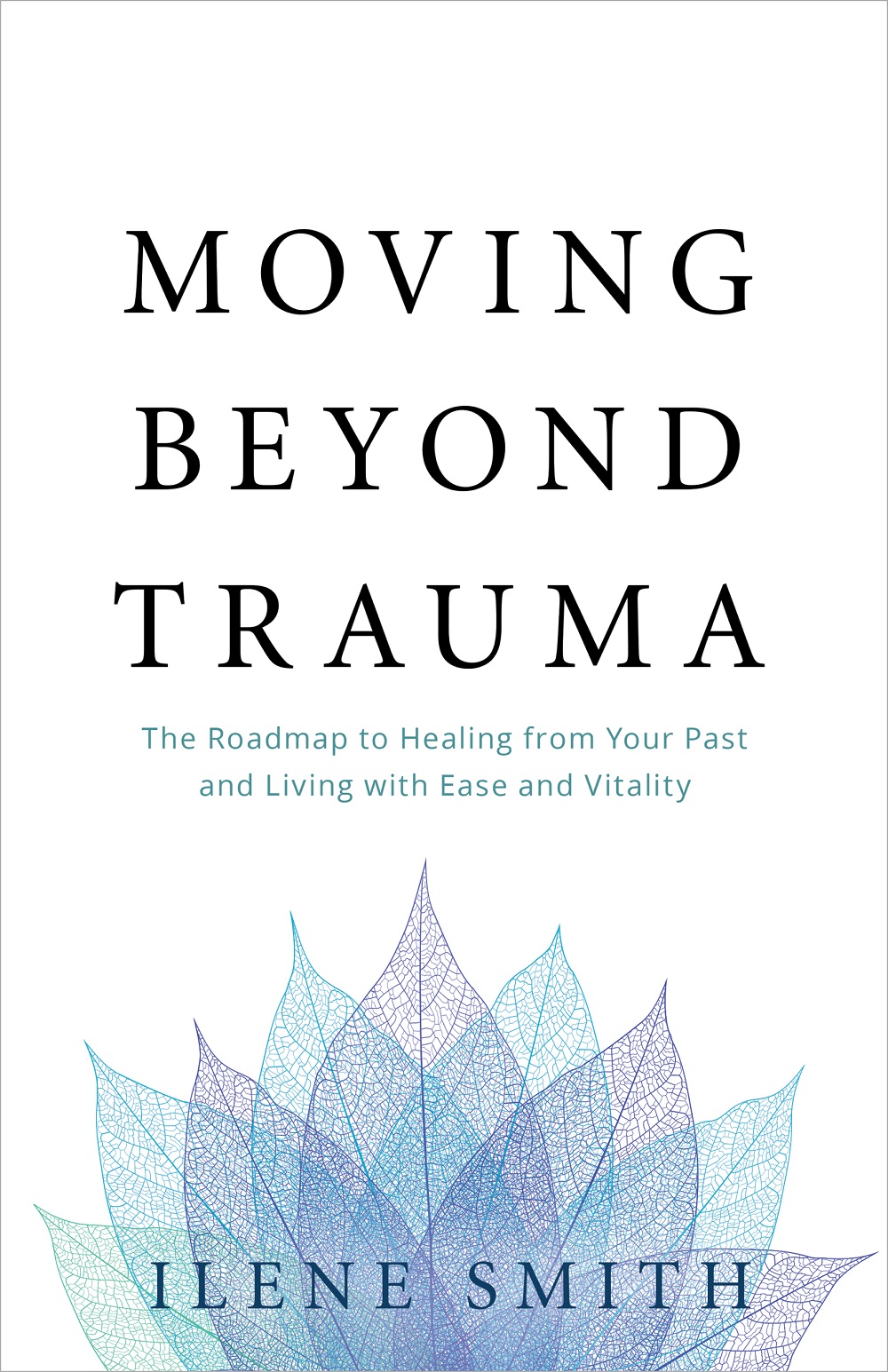
Book review: ‘Moving Beyond Trauma’ by Ilene Smith

movingbeyondtrauma
‘Moving Beyond Trauma’ by Ilene Smith. Photo: google

Ilene Smith is a certified professional coach and Somatic Experiencing practitioner with master’s degrees in exercise physiology and mental health counseling.  Her research into Somatic Experiencing and eating disorders has contributed to the importance of Somatic Experiencing and body-based therapies in recovery.  With master’s degrees in exercise physiology and mental health counseling, Ilene blends talking, touch work and movement to create synergy between a client’s body and mind.  In her first book “Moving Beyond Trauma: The Roadmap to Healing from Your Past and Living with Ease and Vitality,” Ilene Smith introduces readers to Somatic Experiencing, a body-based therapy capable of healing the damage done to the nervous system by trauma.  She breaks down the way in which trauma impacts the nervous system and presents a program designed to process trauma in a non-threatening way.

It is important to note that, as the disclaimer at the beginning states, “This book is not intended as a substitute for medical or psychological advice from professionals.”  “Moving Beyond Trauma” is divided into two parts: Part One: Understanding the Mind-Body Connection which consists of chapters like ‘My Journey to Healing’ and ‘What Healing Looks Like’ and Part Two: Creating Change where in Chapter 5 the reader can assess his or her problem behaviors by taking a series of quizzes and in subsequent chapters, apply healing exercises and get tips for living a healthy lifestyle. In the Introduction, the author emphasizes that because the body and mind are connected, “psychological stress is held and manifests in our physical body.”  Even though she believes in talk therapy up to a point because it does have its benefits, most of the time it dredges up past experiences, which are often traumatic. Due to this, some people end up re-traumatizing themselves instead of healing. What she offers in Somatic Experiencing is a way to track and notice body sensations and experiences so that the body can begin to heal.

Since not all human beings are the same, not everyone experiences healing the same way so it is natural that not all methods of therapy work for everyone.  While some do benefit from talk therapy, for some, retelling their story can reactive the trauma and therefore they can not move past it. This is where “Moving Beyond Trauma” can help by defining the different types of trauma: developmental, collective and generational and providing healthy ways of coping. Through case stories about her past clients that dealt with anxiety, trauma, depression and eating disorders the author successfully presents her case that by confronting the body’s pain reactions, particularly to the nervous system, people can push past and begin the healing process. The language is not overly clinical so it is easy to comprehend the material. Readers will be able to understand their own trauma and, by doing the self-assessments, hopefully learn more about themselves and what triggers their anxiety and stress. It is an easy read and recommended for anyone looking for self-enrichment or for healthy living tips.

“I believe that it is when we are placed right in the middle of the most adverse experiences life has to present us with that we have the opportunity to build the most resilience for ourselves.”

*The author received a copy of this book for an honest review. The views and opinions expressed here belong solely to her.

Therapy dog Ricochet surprises kids

superpowerdogs
Ricochet, certified therapy dog. Courtesy photo, used with permission. 

Ricochet, a certified therapy dog, champion surf dog & celebrity star of the IMAX film, Superpower Dogs is surprising kids with FREE virtual canine therapy and video conferencing sessions during the corona virus pandemic. Parents, teachers, special education programs, home school educators, therapists, counselors, military families, at risk programs, group homes, surf therapy organizations and other child related initiatives are invited to get their kids involved. (Surf Dog Ricochet, 2020)

The sessions are FREE and ALL INCLUSIVE so any child can partake in fun, educational activities which include video chatting, coloring, Superpower Dogs activities, reading, virtual surfing, dog tricks, show and tell, Q&As, boredom busting, anxiety relief and more. Each one-on-one session is geared toward each individual child, group or classroom. To schedule a session, email Judy Fridono, Executive Director of the non-profit, Puppy Prodigies & Ricochet’s guardian. Participants do not need to have met or worked with Ricochet previously. She is available to individuals all over the world via Zoom or FaceTime.

In every other crisis, therapy dogs provide assistance, comfort and healing. Due to social distancing and quarantine, animal assisted therapy programs have been suspended. At a time when dogs could be truly valuable resources, Puppy Prodigies is thinking outside the box so kids can still interact with Ricochet from the safety of their own home. Puppy Prodigies has been offering canine-assisted programs since 2006. They are a grassroots organization that prides themselves on their pioneering efforts and innovative programs utilizing highly skilled and task trained service dogs, certified and registered therapy dogs and trained emotional support dogs.

Ricochet has 12 years’ experience as a certified goal directed therapy dog through Pawsitive Teams. This program is different from the usual “meet and greet” hospital and nursing home type of animal assisted activities. In this program, the dogs are used both as a tool and a motivator to help clients, children and adults, achieve clearly defined goals as set by their teacher or therapist.

Ricochet is also certified through Alliance of Therapy Dogs and holds the title of AKC Therapy Dog Distinguished. She has won scores of awards for her substantial work in human-animal intervention and healing and also provides canine-assisted surf therapy and adaptive surfing to kids with autism and other special needs, differently able individuals, wounded warriors and veterans with PTSD.

Ricochet’s therapeutic expertise includes, but is not limited to autism, special needs, anxiety, stress, depression, PTSD, combat PTSD, moral injury, brain injury, social anxiety, triggers and melt downs. She empowers, enhances and improves the quality of life for individuals with behavioral, social, physical, cognitive or emotional challenges. Ricochet’s virtual canine provides anxiety reduction to those affected by the corona virus pandemic including doctors, nurses, other healthcare workers, first responders, essential workers, families who lost a loved one to covid-19, seniors in nursing homes and anyone else feeling stressed, anxious or other feelings. Ricochet provides a calm demeanor of comfort and support where emotions can be safely released as the individual is spun into a cocoon of positive energy and healing.​