
Coming September 9, 2025
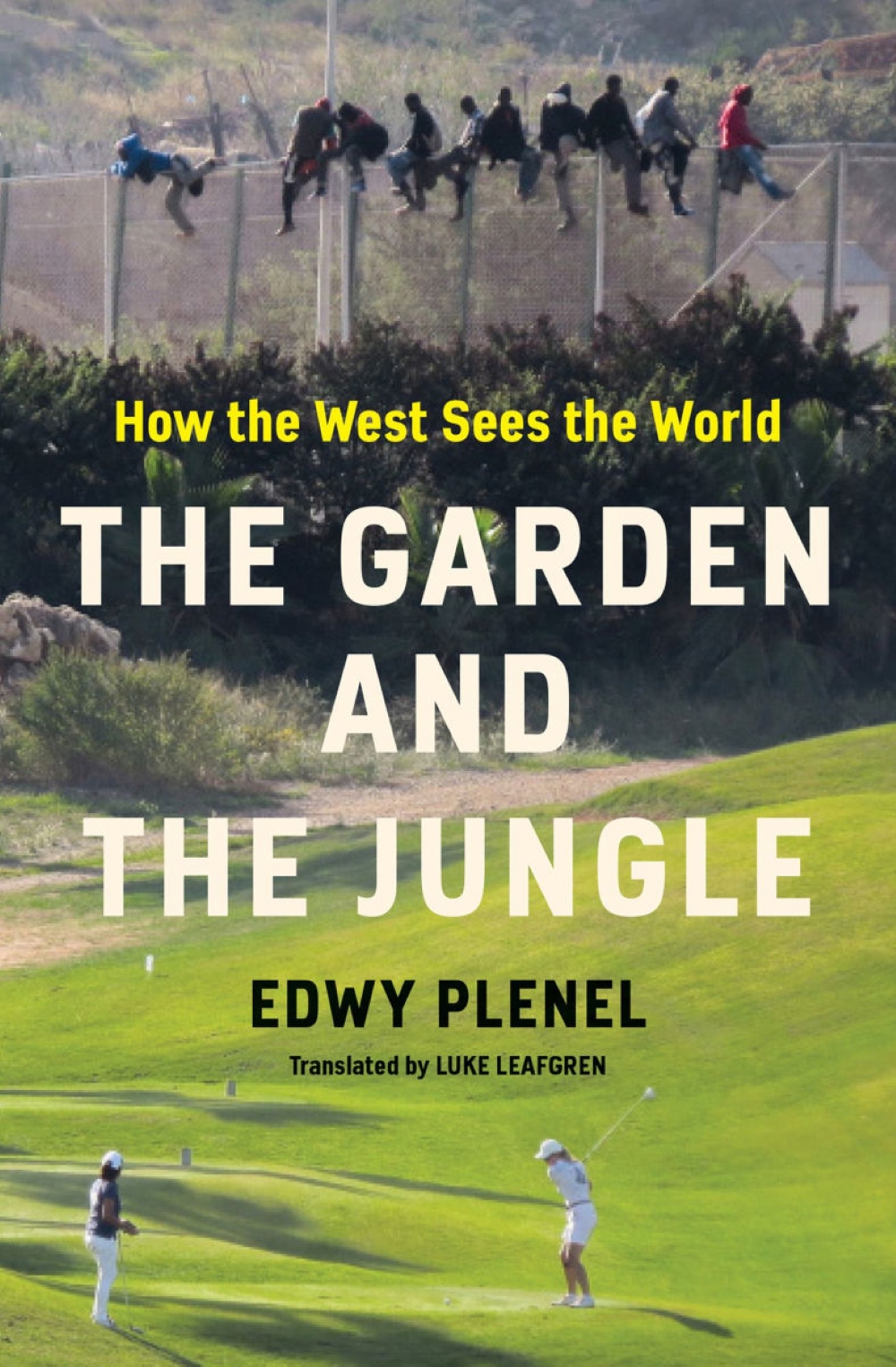
The Garden and the Jungle: How the West Sees the World
By Edwy Plenel • Translated by Luke Leafgren
From renowned journalist and essayist Edwy Plenel—former Editorial Director of Le Monde and cofounder of the investigative platform Mediapart—comes a searing and timely critique of Europe’s moral and political failures. The Garden and the Jungle: How the West Sees the World explores how the West, in clinging to myths of superiority and civility, betrays the very values it claims to uphold. It is available for pre-order. (Other Press, 2025)
In the tradition of Hannah Arendt’s The Origins of Totalitarianism, Noam Chomsky’s Illegitimate Authority, and Louisa Lim’s Indelible City, Plenel offers a provocative examination of Western power, politics, and perception in an increasingly unstable world.
At the heart of the book is a statement made in 2022 by Josep Borrell, the EU’s top diplomat:
“Europe is a garden… Most of the rest of the world is a jungle, and the jungle could invade the garden.”
This worldview, rooted in colonial arrogance, reveals a Europe that still sees itself as the guardian of civilization—under siege by an unruly, dangerous “outside.” Plenel argues that such thinking not only distorts history but also deepens the divide between the West and the global majority, fueling resentment, conflict, and resistance.
With a powerful new introduction for U.S. readers, The Garden and the Jungle is a call to reimagine Europe—and the political West—as part of, not above, the shared human experience. It is a plea for humility, solidarity, and the rediscovery of true universal values.
About the Author
Edwy Plenel is an award-winning journalist, essayist, and cofounder of Mediapart. He is the author of For the Muslims: Islamophobia in France, and was formerly Editorial Director of Le Monde.
About the Translator
Luke Leafgren is Assistant Dean of Harvard College. An acclaimed literary translator, he has translated seven novels from Arabic and is a two-time recipient of the Saif Ghobash Banipal Prize, including for The President’s Gardens by Muhsin Al-Ramli and Mister N. by Najwa Barakat.
🗓 Publication Date: September 9, 2025
📘 Format: Trade Paperback Original
📚 Publisher: Other Press
Advance Praise for The Garden and the Jungle:
“Insistently historical, geopolitically capacious, Edwy Plenel’s The Garden and the Jungle is bracing. It insists that we take a step back so that we face, without flinching, the truth of our world. Because it is only in so doing that we can undo the ugliness that has for too long marred human existence.”
—Grant Farred, author of The Perversity of Gratitude: An Apartheid Education
“This passionate, eloquent book is an outstanding portrait of the savagery of our times in the heart of civilization. Edwy Plenel, France’s outstanding journalist, writes of an empire of radical evil bent on the destruction of ideals of universal human rights and law. The source of toxicity in the ruling classes is the greed for riches never satisfied. Western imperial attitudes of superiority inside its walled garden keeping out the feared jungle, must change—this book is a trigger.”
—Victoria Brittain, author of Shadow Lives: The Forgotten Women of the War on Terror
“Edwy Plenel acutely and unsparingly diagnoses, in a time of genocide, the fatal flaw in Europe’s grandiose self-image. Anyone hoping for a future of less suffering and misery cannot afford to miss reading The Garden and the Jungle.”
—Pankaj Mishra, author of The World After Gaza
days
hours minutes seconds
until
‘The Garden and the Jungle’ release date


 SA Examiner