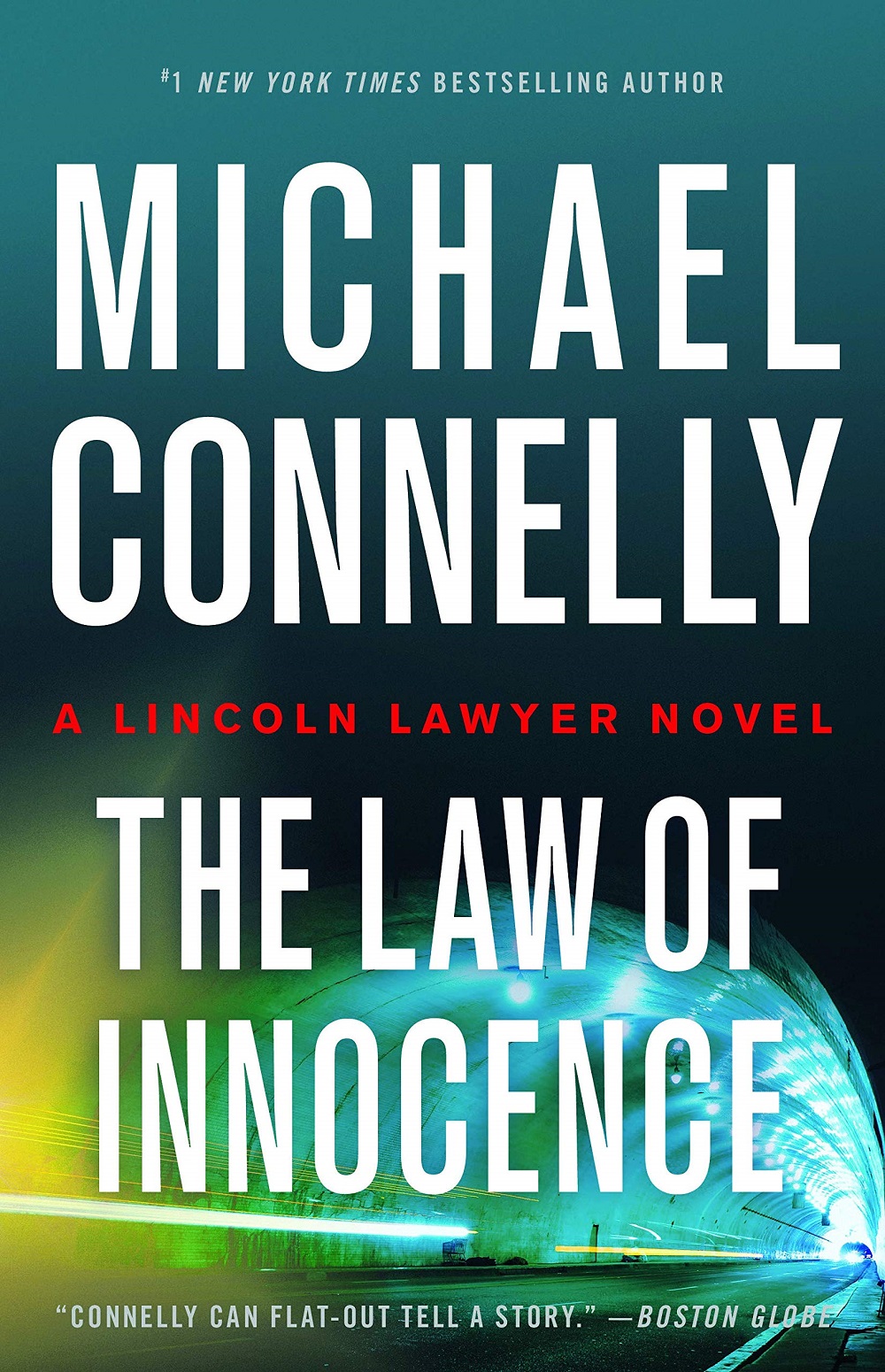
‘The Law of Innocence’ is Michael Connelly’s upcoming new Lincoln Lawyer novel. Photo: amazon
Michael Connelly is the bestselling author of over thirty novels and one work of nonfiction. With over eighty million copies of his books sold worldwide and translated into forty foreign languages, he is one of the most successful writers working today. A former newspaper reporter who worked the crime beat at the Los Angeles Times and the Fort Lauderdale Sun-Sentinel, Connelly has won numerous awards for his journalism and his fiction. His first novel, “The Black Echo,” won the prestigious Mystery Writers of America Edgar Award for Best First Novel in 1992. In 2002, Clint Eastwood directed and starred in the movie adaptation of Connelly’s 1998 novel, “Blood Work.” In March 2011, the movie adaptation of his #1 bestselling novel, “The Lincoln Lawyer,” hit theaters worldwide starring Matthew McConaughey as Mickey Haller. His most recent bestsellers include “Fair Warning,” “The Night Fire,” “The Burning Room” and “The Gods of Guilt.” Michael is the executive producer of BOSCH, an Amazon Studios original drama series based on his bestselling character Harry Bosch, starring Titus Welliver and streaming on Amazon Prime. His new book “The Law of Innocence (A Lincoln Lawyer Novel, Book 6)” will be released on Tuesday, November 10, 2020.
In “The Law of Innocence,” Lincoln Lawyer Mickey Haller must defend himself against murder charges. On the night he celebrates a big win, Mickey is pulled over by the police, who find the body of a former client in the trunk of his Lincoln. Haller is immediately charged with murder but cannot post the exorbitant $5 million bail slapped on him by a vindictive judge. He elects to represent himself and is forced to mount his defense from his jail cell in the Twin Towers Correctional Center in downtown Los Angeles. All the while, he needs to look over his shoulder because as an officer of the court he is an instant target and he makes few friends when he reveals a corruption plot within the jail. Haller knows he has been framed, whether by a new enemy or an old one. As his trusted team, including his half-brother, Harry Bosch, investigates, Haller must use all his skills in the courtroom to counter the damning evidence against him. Even if he can obtain a not-guilty verdict, Mickey understands that it will not be enough. In order to be truly exonerated, he must find out who really committed the murder and why. That is the law of innocence.
The 2021 San Antonio Book Festival will be an online event. Photo: San Antonio Book Festival, used with permission.
For the first time ever, the San Antonio Book Festival (SABF) will take place entirely online. Featuring three full days of free virtual programming, the 2021 Festival will run Friday April 9 through Sunday April 11. The festival will bring together thousands of readers and writers across Texas, the U.S., and beyond for engaging, enlightening and educational programming. Pending the pandemic numbers in 2021, the Festival could be somewhat hybrid with select in-person, socially distanced events, which will be announced at a later date. (San Antonio Book Festival, 2020)
SABF is a free, family-friendly event that showcases both first-time and established, prominent writers, introducing attendees to new and well-known literary talents and connecting them with their favorite authors. The 2021 Festival will feature more than 75 local, regional and national authors participating in virtual sessions, including programming for adults, young adults, middle-grade readers and children. All festival writers will be announced in early February 2021.
SABF will be using the online platform called Accelevents to run the festival, which gives each event a clear, high-quality look. Accelevents allows the Festival to offer book clubs, groups of friends and classes the opportunity to chat privately among themselves during an event. There is also a “networking” capability to mimic the in-person festival, where attendees can meet one another and talk about which events they’re attending and enjoying.
For the first time, locally owned and operated bookstore Nowhere Bookshop will be the Festival’s official bookseller, a change from Barnes & Noble in previous years. The Book Festival’s singular fundraiser, the Book Appétit Literary Feast, featuring novelist Amor Towles, has been rescheduled to April 8, 2021 and will also be held online.
Since the beginning of the COVID-19 outbreak and stay-at-home measures in the U.S., the San Antonio Book Festival has produced several online programs, including a virtual mini festival for kids and teens, in collaboration with The DoSeum and a handful of stand-alone author events. SABF is excited to continue providing additional online programming in the months leading up to and through the three-day virtual Festival, offering even more book discussions, author panels and interviews, bringing these inspiring conversations from celebrated and emerging writers into the homes of readers across Texas and the country.
The mission of the San Antonio Book Festival (SABF) is to unite readers and writers in a celebration of ideas, books, libraries and literary culture. SABF was first presented in April 2013. Founding partners include the San Antonio Public Library, the Southwest School of Art, the San Antonio Public Library Foundation and Texas Book Festival. This “Fiesta for the mind” is a gift to visitors and the citizens of San Antonio, free and open to all.
“While the uncertainty of the coming months drove our decision, we are embracing the potential to reach a wider audience and elevate the Book Festival’s reputation on a national scale. Are we disappointed? Of course. It’s another year that we don’t get to celebrate books in person with our Festival friends. But the safety of our attendees, writers, moderators, and volunteers is our first priority. If we have to be virtual, we’re focusing on ways to make the online experience as close to the real thing as we can.” – Lilly Gonzalez, SABF’s executive director.
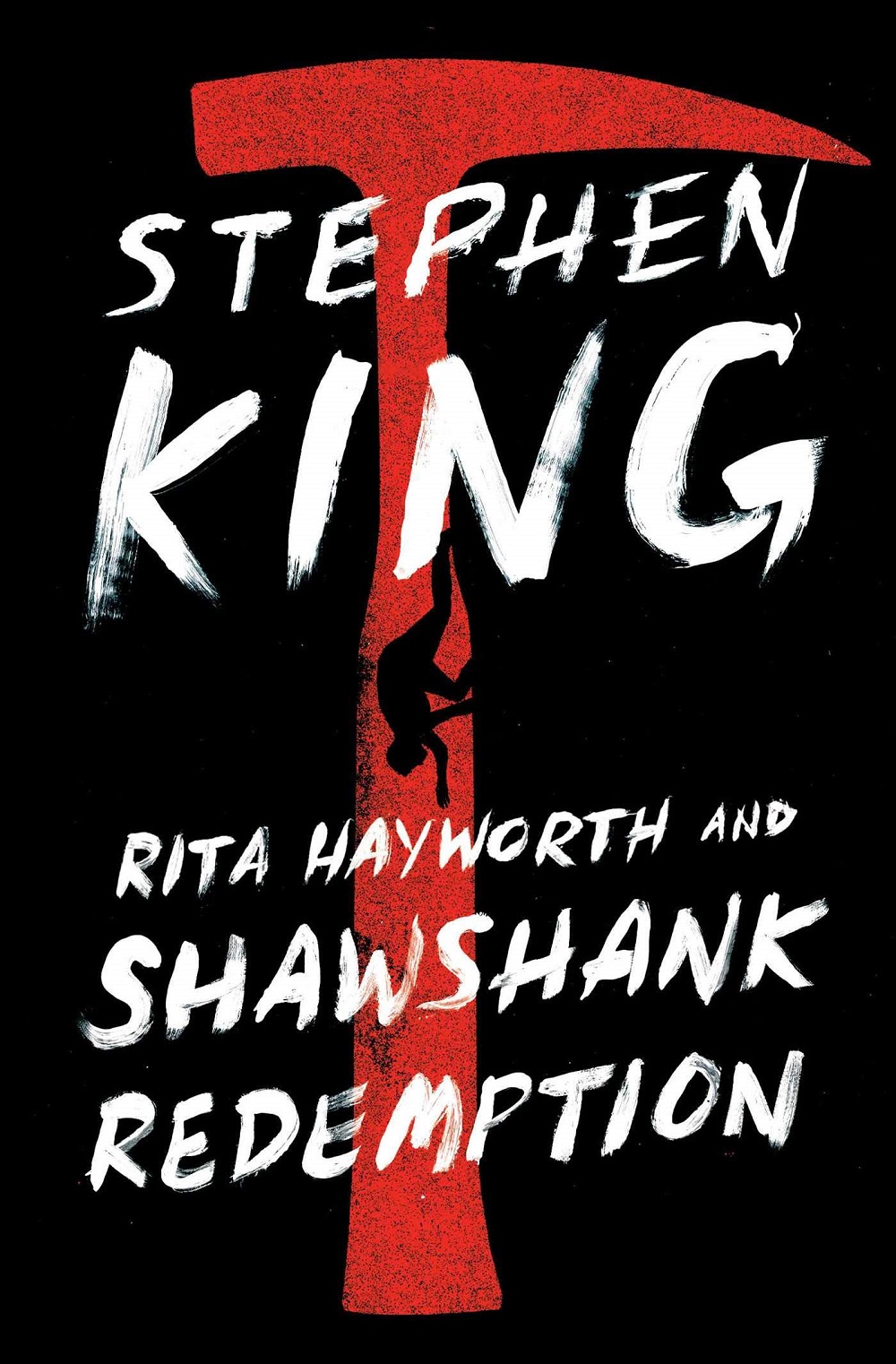
‘Rita Hayworth and Shawshank Redemption’ by Stephen King is now available as a stand alone novel. Photo: amazon
Stephen King is the author of more than sixty books, all of them worldwide bestsellers. His recent work includes “If It Bleeds,” “The Institute,” “Elevation,” “The Outsider,” “Sleeping Beauties” (cowritten with his son Owen King) and the Bill Hodges trilogy: “End of Watch,” “Finders Keepers” and “Mr. Mercedes” (an Edgar Award winner for Best Novel and an AT&T Audience Network original television series). His novel “11/22/63” was named a top ten book of 2011 by The New York Times’ Book Review and won the Los Angeles Times Book Prize for Mystery/Thriller. His epic works “The Dark Tower,” “It,” “Pet Sematary” and “Doctor Sleep” are the basis for major motion pictures, with “It” now the highest-grossing horror film of all time. His many accolades include the 2014 National Medal of Arts, and the 2003 National Book Foundation Medal for Distinguished Contribution to American Letters. Stephen King’s beloved novella, “Rita Hayworth and Shawshank Redemption,” the basis for the Best Picture Academy Award nominee The Shawshank Redemption about an unjustly imprisoned convict who seeks a strangely satisfying revenge, is now available for the first time as a standalone book. (Simon & Schuster, 2020)
A mesmerizing tale of unjust imprisonment and offbeat escape, “Rita Hayworth and Shawshank Redemption” is one of Stephen King’s most beloved and iconic stories and it helped make Castle Rock a place readers would return to over and over again. Suspenseful, mysterious and heart-wrenching, this iconic King novella, populated by a cast of unforgettable characters, is about a fiercely compelling convict named Andy Dufresne who is seeking his ultimate revenge. Originally published in 1982 in the collection “Different Seasons” (alongside “The Body,” “Apt Pupil” and “The Breathing Method”), it was made into the film The Shawshank Redemption in 1994. Starring Morgan Freeman and Tim Robbins. This modern classic was nominated for seven Academy Awards, including Best Picture and is among the most beloved films of all time.
‘Black Sun’ is the new release by Rebecca Roanhorse. Photo: amazon
Rebecca Roanhorse is The New York Times’ bestselling author of “Trail of Lightning,” “Storm of Locusts,” “Star Wars: Resistance Reborn” and “Race to the Sun.” She has won the Nebula, Hugo and Locus Awards for her fiction and was the recipient of the 2018 Astounding (formerly Campbell) Award for Best New Writer. Her new book, “Black Sun,” was released this month. It is the first book in the Between Earth and Sky trilogy, is inspired by the civilizations of the Pre-Columbian Americas and woven into a tale of celestial prophecies, political intrigue and forbidden magic.
In “Black Sun,” set in the holy city of Tova, the winter solstice is usually a time for celebration and renewal but this year it coincides with a solar eclipse; a rare celestial event proscribed by the Sun Priest as an unbalancing of the world. Meanwhile, a ship launches from a distant city bound for Tova and set to arrive on the solstice. The captain of the ship, Xiala, is a disgraced Teek whose song can calm the waters around her as easily as it can warp a man’s mind. Her ship carries one passenger. Described as harmless, the passenger, Serapio, is a young man, blind, scarred and cloaked in destiny. As Xiala well knows, when a man is described as harmless, he usually ends up being a villain. Crafted with unforgettable characters, Rebecca Roanhorse has created an epic adventure exploring the decadence of power amidst the weight of history and the struggle of individuals swimming against the confines of society and their broken pasts in the most original series debut of the decade.
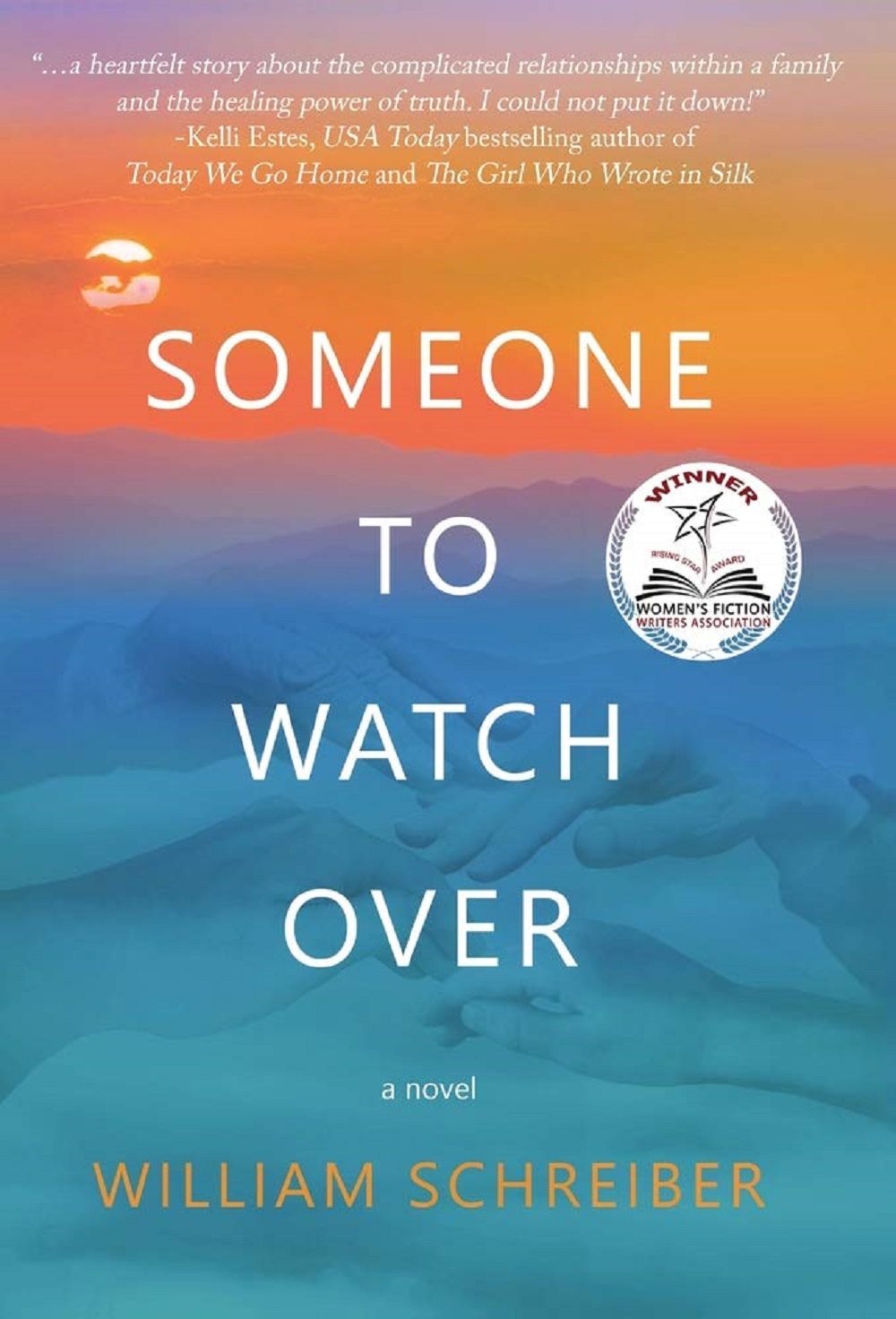
‘Someone to Watch Over’ is William Schreiber’s new novel. Photo: amazon
William Schreiber is an author and screenwriter who earned the 2019 Rising Star Award from the Women’s Fiction Writers Association for his novel “Someone to Watch Over.” The book was adapted from his original screenplay, which has won or been nominated for many competition awards, including the Academy of Motion Picture Arts and Sciences’ prestigious Nicholl Fellowship in Screenwriting, as well as numerous Best Screenplay awards at film festivals throughout the country. A life-affirming story about faith in second chances, “Someone to Watch Over” is the multi-generational story about Eleanor “Lennie” Riley’s quest to find her only child, secretly taken from her by a powerful family two decades ago; a journey that leads to a string of mysterious encounters in the Appalachian Mountains. It was inspired by the unexpected death of William’s father and his family asking him to write and deliver his eulogy.
“Someone to Watch Over” begins as Eleanor Grace Riley, aka Lennie, is returning to Mosely, Tennessee hoping to reconcile with her aging father and learn from him the fate of the now-grown child he forced her to give up as a teenager. She had a difficult childhood right from the start; her mother dies delivering her and at seventeen she leaves town with a terrible secret about her teenage pregnancy. Before she has a chance to make contact with her father, her brother John informs her that he has died. Crushed, but nevertheless determined, Lennie sets out to find answers on her own. After she learns about guardakin angels in a distant corner of the Appalachian Mountains who can connect deceased parents with their children, it renews her hope of finding her child. John has planned a road trip to recreate one of their father’s vacations when they were kids as a way to remember him but Lennie only sees the trip as a way to find a guardakin angel. John comes across as aloof and distant and his and Lennie’s relationship is strained but he hesitantly agrees to let Lennie come along. The trip is anything but a smooth ride, but along the way, Lennie learns what happened to her daughter Michelle and reconnects with her while she and John finally become a family again after being separated for twenty years.
No matter how happy and put-together families look from the outside, they all carry their share of baggage. Even though Lennie and John come from the same family, they each had different experiences growing up which included the relationship they had with their father. Because of this, they grieve in their own way without taking into consideration what the other’s memories of the father could be. This is an important point to be learned from “Someone to Watch Over,” that we should always strive to consider other people’s points of view and experiences so we can better understand them. The story is narrated in alternate points of view between Lennie and John, so the reader is always aware of their thoughts and opinions. It reads like a modern day piece of American literature, with poetic language “She set her acoustic aside and ripped up her pages of poetry, letting the shreds fall like ashes to the bed” that flows through the pages and makes the action deeper and more meaningful. This feel-good, heart warming novel is a must read and deserves a spot among literature’s best-loved works. “Someone to Watch Over,” the story of one family’s hard earned reconnection after much needed healing and forgiveness, is highly recommended for readers who appreciate reading about second chances.
“Lennie leaned out the window as the tow truck slogged up a woodsy mountain road, the night air soothing her as the moon played hide ‘n’ seek among the towering trees.”
*The author received a copy of this book for an honest review. The views and opinions expressed here belong solely to her.
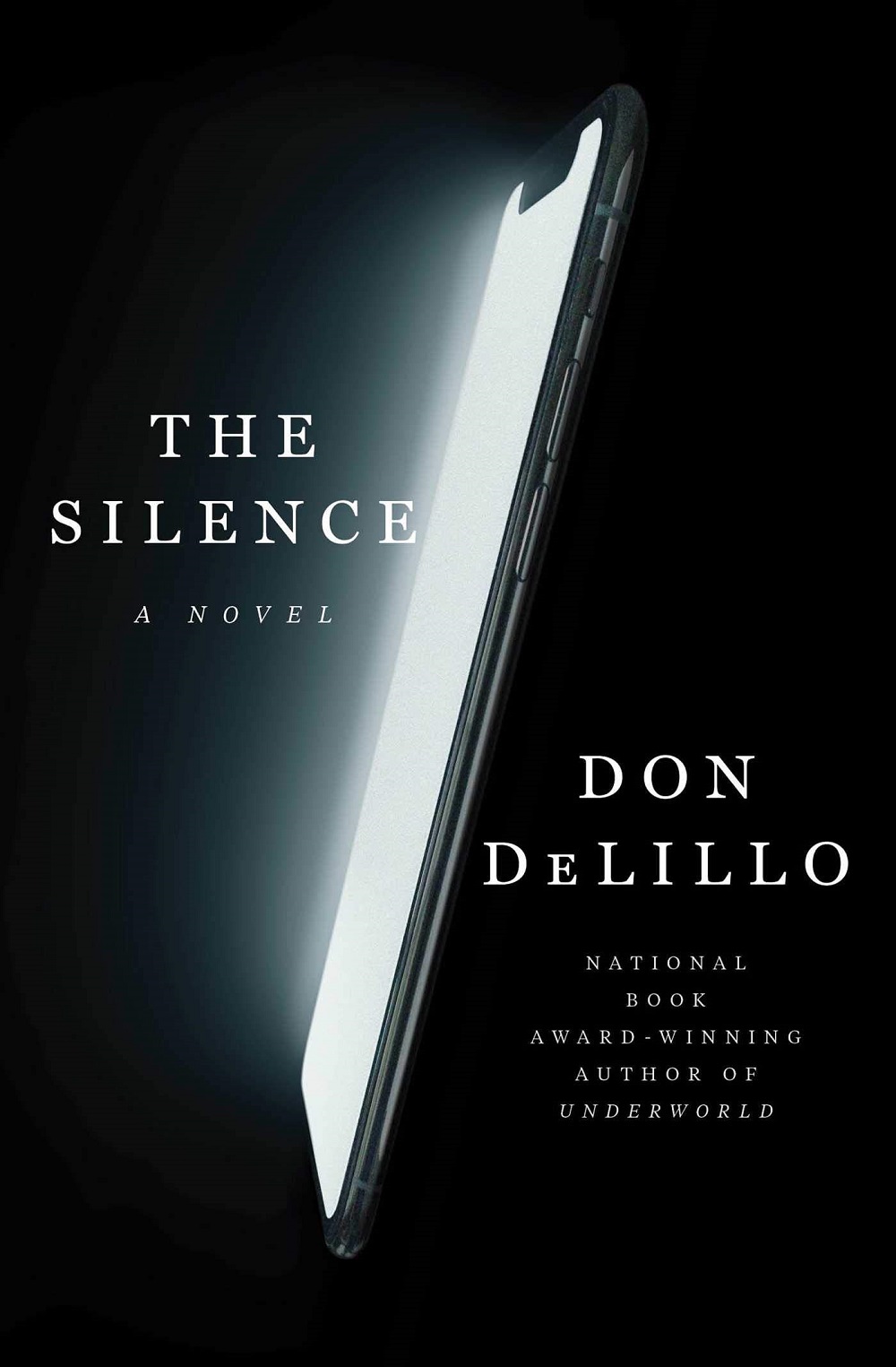
‘The Silence’ is Don DeLillo’s new novel. Photo: amazon
Don DeLillo is the author of seventeen novels including “White Noise,” “Libra,” “Underworld,” “Falling Man” and “Zero K.” He has won the National Book Award, the PEN/Faulkner Award for Fiction, the PEN/Saul Bellow Award, the Jerusalem Prize for his complete body of work and the William Dean Howells Medal from the American Academy of Arts and Letters. HIs story collection “The Angel Esmeralda” was a finalist for the Story Prize and the PEN/ Faulkner Award for Fiction. In 2013, DeLillo was awarded the Library of Congress Prize for American Fiction, and in 2015, the National Book Foundation awarded DeLillo its Medal for Distinguished Contribution to American Letters. Just released this week, “The Silence: A Novel” is atimely and compelling novel set in the near future about five people gathered together in a Manhattan apartment in the midst of a catastrophic event.
In “The Silence,” it is Super Bowl Sunday in the year 2022. Five people are having dinner in an apartment on the east side of Manhattan. The retired physics professor, along with her husband and her former student, are waiting for the couple who will join them from what becomes a dramatic flight from Paris. The conversation ranges from a survey telescope in North-central Chile to a favorite brand of bourbon to Einstein’s 1912 Manuscript on the Special Theory of Relativity. Then something happens and the digital connections that have transformed our lives are severed. What follows is a dazzling and profoundly moving conversation about what makes us human. Never has the art of fiction been such an immediate guide to our navigation of a bewildering world. Never have DeLillo’s prescience, imagination and language been more illuminating and essential.
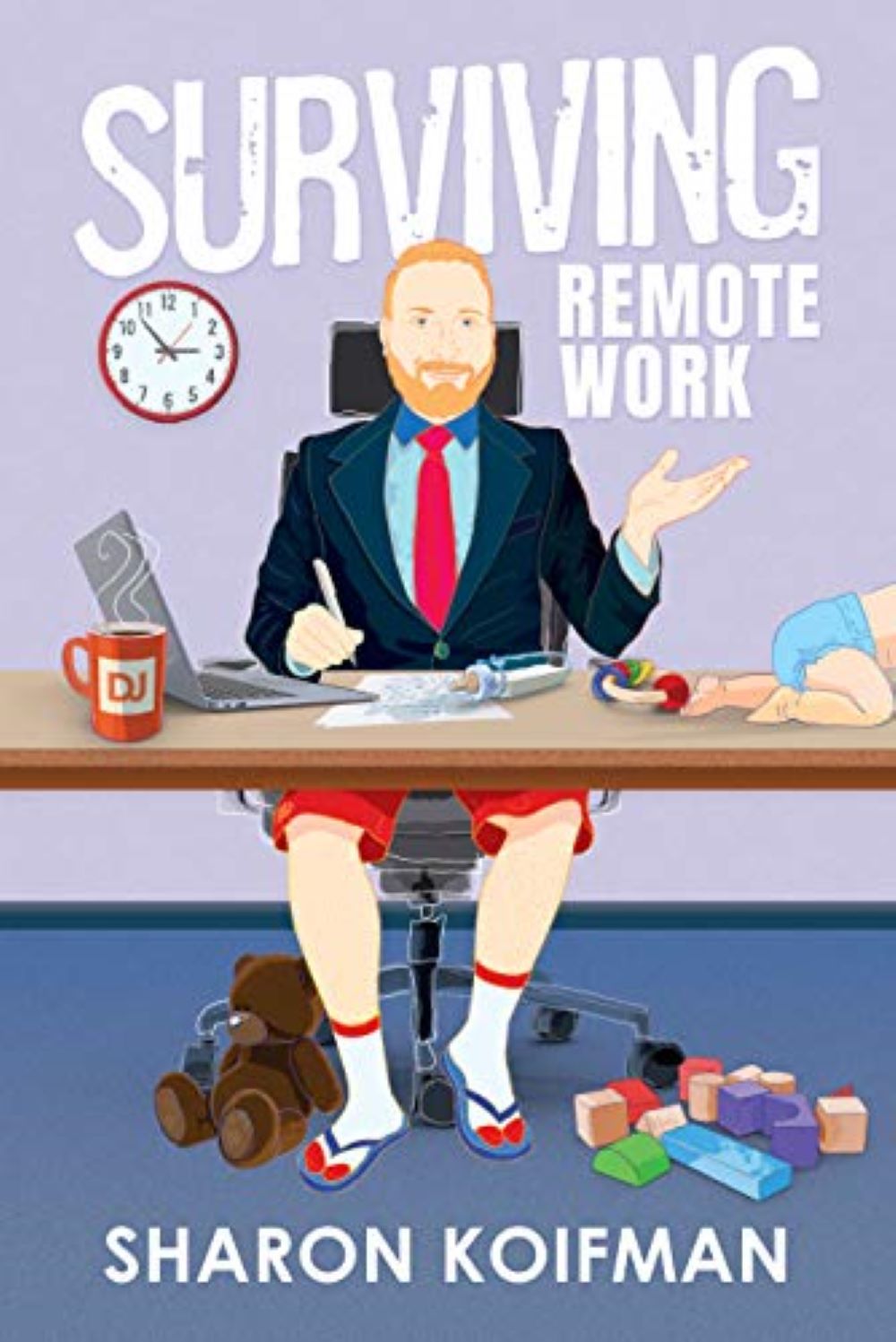
‘Surviving Remote Work’ by Sharon Koifman will be released on November 17, 2020. Photo: amazon
Sharon Koifman, a visionary and expert in building and leading remote businesses, launches his first book, “Surviving Remote Work,” on November 17, 2020. Releasing in in the midst of COVID-19 to help businesses and employees thrive in this new environment, the book is based on the author’s twenty-years of experience of running companies remotely. (Black Château, 2020)
“Surviving Remote Work” is a practical manual of tried-and-tested strategies and tools to help companies thrive with remote work while aiming to help everyone avoid costly mistakes and make working from home possible. Managers and leaders will learn practical solutions to roadblocks many face when switching over to remote work or starting from scratch. Koifman explains how to improve morale and ooze productivity while maintaining a positive working environment. Workers will find expert advice about working from home while juggling all of life’s distractions.
Sharon Koifman emphasizes the major role the company culture plays in connecting people and boosting the employees’ morale whether they are introverts or extroverts. Sharon delves into building a culture and why is it so important for a remote team. Koifman, who believes that working from home is more productive than working in an office setting, wrote his book while being a stay-at-home dad. He understands the struggles many parents face and shows how to not only get your work done with your children and significant other around, but have fun doing it.
“Surviving Remote Work” takes on a complex subject, with a fun, casual tone rare in management books—making it incredibly refreshing and easy to read. The book is available for pre-order on Amazon.
Sharon Koifman, heavily inspired by his father, built businesses from his own computer for the past 20 years. During this time, he learned how to create a work culture where people love to come to work. These days, Sharon runs DistantJob, a unique recruitment agency geared specifically for finding full-time remote employees who work from all over the world. The key difference in his approach is that he wants to show how remote work benefits businesses and how easy it is to make the transition with few proper technics. Sharon’s argument is that remote work also benefits companies and their bottom line. He believes companies who adopt remote work can be leaner, less expensive, more environmentally friendly and have access to better and more productive people, faster.
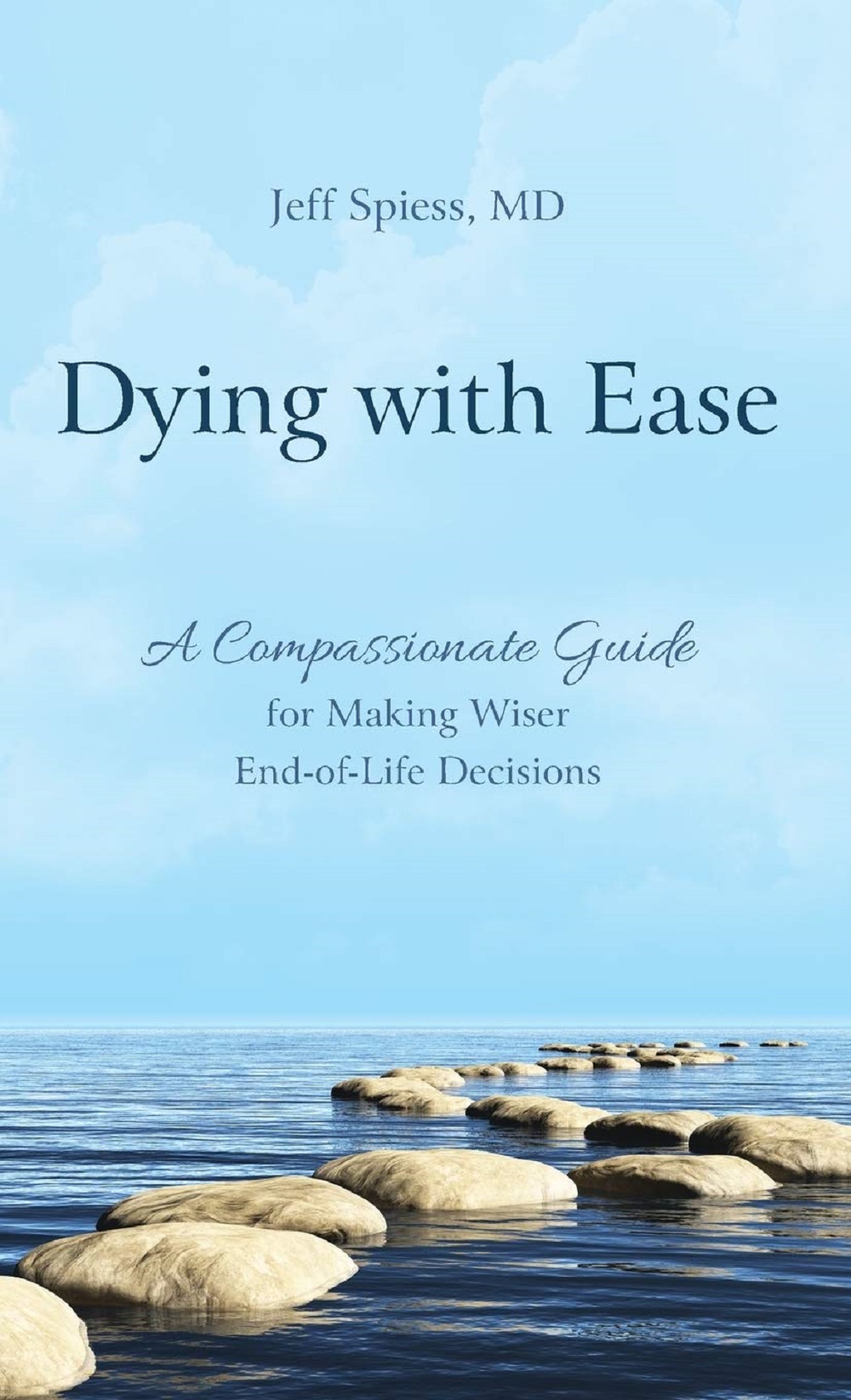
‘Dying with Ease: A Compassionate Guide for Making Wiser End-of-Life Decisions’ is the new book by Jeff Spies, MD. Courtesy photo, used with permission.
“You matter because you are you, and you matter to the last moment of your life. We will do all we can, not only to help you die peacefully, but to live until you die.”
—Dame Cicely Saunders
In 1948, Cicely Saunders met a man who would change her life. She was a thirty-year-old nurse and social worker, volunteering part time at St. Luke’s Hospital in London, an institution that had been founded a half century earlier as a home for the “dying poor.” She became captivated by a patient named David Tasma, a Polish Jewish refugee who had escaped from the Warsaw ghetto, worked as a waiter in London, and was now dying of cancer. Through her work and this relationship, she developed an awareness of the suffering and indignity experienced by dying patients, and, together with David, shared ideas as to how this could be different. When he died, David bequeathed her £500 (about $23,600 today) to be “a window in your home.” It was the beginning of an entirely new type of medical care, a care specifically focused on the needs of the dying. She called it hospice.
The word “hospice” was not new, but this meaning was. The term is derived from the same Latin root as our words “hospital,” “hostel,” and “hospitality.” This Latin term first meant “stranger,” but over time usage changed and it came to refer to a host, one who welcomes the stranger. During the medieval era, hospices were inns, boarding houses along pilgrim routes that served as places of rest and refreshment. On these long treks through Europe, many pilgrims became ill, often fatally. The hospices served then as places of care, possible recovery, often death. The word had been used since the mid-nineteenth century in Britain and Ireland for homes for the dying, places where the poor with nowhere else to go died. What Dr. Saunders did was to create a new connotation of the word “hospice,” keeping the welcoming but transforming it from a place to a model, a system of caring for the dying.
Cicely Saunders did not start out in health care. Her initial training was in politics, philosophy, and economics. In 1940, she entered nursing school, but because a back injury prevented her from doing the heavy work that nursing required, she went back to school and qualified as a medical social worker. The years she spent at St. Luke’s as part of a staff that cared deeply about the plight of those who were dying in their care demonstrated to her the impotence of the care system in the face of the patients’ ongoing pain. Knowing that the medical establishment would be resistant to hearing the ideas of an upstart social worker, she went to medical school. She then practiced for seven years at St. Joseph’s hospice in east London, listening to patients, keeping meticulous records, and monitoring the results of her treatments to relieve pain and other symptoms.
One of the first practices she challenged was the method of prescribing opioids, strong pain relievers like morphine. The prevailing practice had been to only use these drugs, given as injection, when the pain appeared severe, when it seemed to the doctor or nurse that the patient was hurting enough to “deserve” relief. The common result was that patients were either in unrelieved pain or briefly asleep after a drug dose. Then, as now, what most people “knew” about opioids was that they were addictive and dangerous. What Dr. Saunders recognized was that patients were the only ones who knew how bad their pain was and that their reports could be trusted. Since an oral dose of morphine lasts about four hours, she decided to give doses that often, by the clock, not by waiting until the pain had recurred. She also added smaller doses of analgesics between the scheduled doses if the pain “broke through.” This simple yet revolutionary idea, when put into practice, demonstrated that pain could be effectively relieved, and when this was accomplished, the patients could function more fully, engage with others more effectively, and contend with their other symptoms as well as the hopes and fears that came from the fact that they were terminally ill. In other words, they were able to live.
In 1967, Dr. Saunders opened St. Christopher’s Hospice in London, incorporating what she had learned into its structure and operations. The architecture included a sheet of glass at the entrance honoring Mr. Tasma’s bequest. She saw the mission of St. Christopher’s as providing not only excellent patient care but also a center of education and research, focusing on improving symptom relief and broadening the appreciation of this knowledge into the larger world of health care.
Dr. Saunders identified that pain was not just a physical phenomenon. Morphine was not all that was needed. She described “total pain,” the hurting that occurred in the physical body, the emotional psyche, the spiritual depths, and the surrounding family. She attacked it with a model of care aimed at all facets of life that contributed to that pain. Effective analgesia was, of course, a priority. But she recognized that it takes a team of skilled and caring professionals to do the job completely: bedside nursing to promote symptom relief and bodily integrity; social work to address financial and family concerns and to mobilize community resources; and clergy to provide empathic listening, words of comfort and advice, and insight into the realms of meaning and transcendence. She extended this care model into the community, providing services for patients dying in their homes, and she introduced family support during the patient’s illness and also after the death. Her ideas remain the bedrock of modern hospice care as well as its sister discipline, palliative care. In 1979, Queen Elizabeth II named Dr. Saunders a Dame Commander of the Order of the British Empire.
Dr. Saunders’s model of care spread across the Atlantic, finding fertile ground especially among nurses who were frustrated by the way the medical establishment seemed to be both overtreating and abandoning the dying. Florence Wald, dean of the School of Nursing at Yale University, served as the catalyst and, with a small group of colleagues, founded Connecticut Hospice in 1974, modeling their program after St. Christopher’s but adapting it to the local medical and social culture. This was two decades before the SUPPORT study would formally describe the suffering and intensive care endured by dying patients, but these visionaries and many like them recognized that a more humane way of dying was possible. Hospices began springing up around the country—small, mostly volunteer agencies, often associated with hospitals or religious institutions. As most of these relied mainly on donations and volunteers, the services offered varied widely.
A watershed moment in the care of the dying in the United States came in 1982 when the US Congress and President Reagan enacted the Medicare Hospice Benefit (MHB). This established a funding mechanism for hospice care and set standards for the organizational structures and for patient care. The MHB, as initially conceived, envisioned a “typical” hospice patient as someone with advanced cancer and no further treatment options, one whose course after hospice enrollment would be manageable, predictable, and short. In the ensuing thirty-five years, medical (e.g., AIDS epidemic, hospice for multiple other illness), financial (e.g., drug costs, federal budget deficits), and demographic (e.g., aging baby boomers) pressures have resulted in tweaks and modifications of the regulations, but the MHB continues to define how hospice care is provided in the United States.
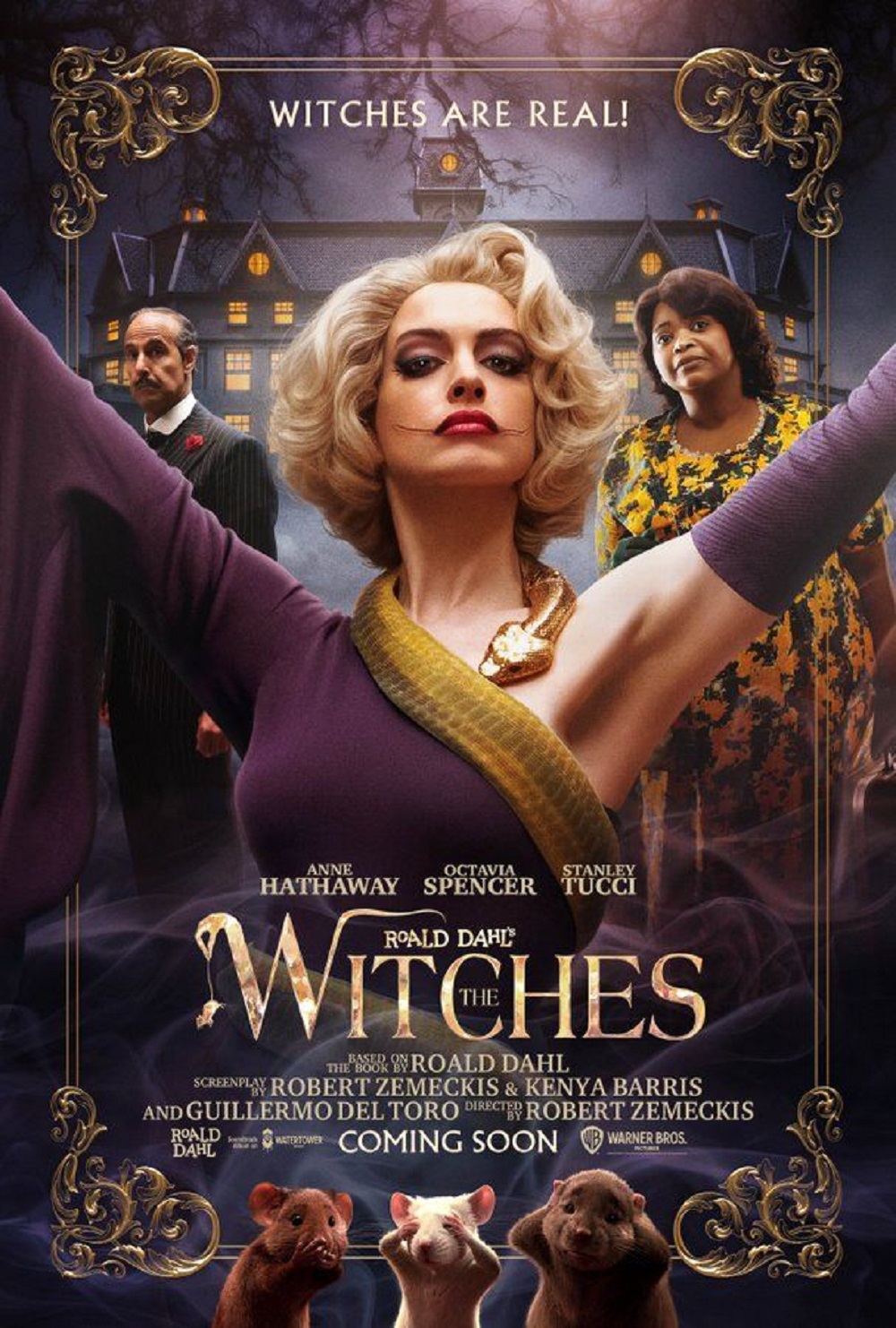
The newest movie adaptation of Roald Dahl’s ‘The Witches’ will be available for streaming on HBO Max. Photo: google
Roald Dahl was a Welsh novelist, short-story writer, poet, screenwriter and wartime fighter pilot. His books have sold more than 250 million copies worldwide. He has been referred to as one of the greatest storytellers for children of the 20th century. He is best known for “James and the Giant Peach,” “Charlie and the Chocolate Factory,” “Matilda,” “The Witches,” “Fantastic Mr. Fox” and “The BFG.” “The Witches” features the experiences of a young British boy and his Norwegian grandmother in a world where child-hating societies of witches secretly exist in every country. The second feature-length adaptation of the novel stars Ann Hathaway, Octavia Spencer and Stanley Tucci and is directed by Robert Zemeckis and written by Zemeckis, Kenya Barris and Guillermo del Toro. It will be available for streaming on HBO Max on October 22 with a theatrical release in selected theaters on October 28.
“The Witches” is set in Norway and in the United Kingdom where the witches are ruled by the extremely vicious and powerful Grand High Witch. An unnamed seven-year-old English boy goes to live with his Norwegian grandmother after his parents are killed in a tragic car accident. The boy loves to listen to his grandmother’s stories, especially the ones about real witches. According to her, witches are horrific creatures who are out to kill human children and tells the boy how to recognize them. The Grand High Witch has just arrived in England to organize her worst plot ever but when the grandmother, a self-professed former witch hunter, and her young grandson find out about her evil plan, they must work together to defeat the witches.
This year’s Lit Crawl will take place from November 7 through November 15. Photo: Texas Book Festival, used with permission.
Texas Book Festival will be hosting their annual Lit Crawl events virtually this year during the Festival, with several evening times between November 7 to November 15 along with two Sunday brunches. The events include storytelling sessions, spoken-word performances and themed discussions, ranging from topics including moments of pivoting, celebrating Black creativity and more. Featured authors include Kathy Valentine, Natalie Diaz, Kelly J. Baptist, and more. (Texas Book Festival, 2020)
For the evening event “Literary Death Match” and brunch event “Tarot Town Hall with Typewriter Tarot,” the first 100 registrants per event will receive a special Camp Mocha cocktail kit from Desert Door Texas Sotol. Cocktail pickup will take place on Saturday, November 7 from 12p.m. to 5p.m. outside the Texas Book Festival office (1023 Springdale Road, Building 14, Suite B, Austin, Texas 78721). All recipients must be 21 years of age or older, with proper ID, and must wear a mask to pick up the cocktail kit. Sparkling water from Rambler will also be available.
The 2020 Virtual Texas Book Festival will take place from October 31 through November 15. As always, all Lit Crawl events are free and open to the public thanks to the generosity of the Texas Book Festival community. To support the Texas Book Festival, Lit Crawl Austin and participating authors, donations can be made online. For the first time ever, Texas Book Festival is offering an exclusive Lit Crawl armadillo enamel pin. Donations of $25 or more to Lit Crawl will receive the one-inch pin, perfect to embellish denim jackets, backpacks, tote bags and more.
With a vision to inspire Texans of all ages to love reading, the Texas Book Festival connects authors and readers through experiences that celebrate the culture of literacy, ideas, and imagination. Founded in 1995 by former First Lady Laura Bush, Mary Margaret Farabee and a group of volunteers, the nonprofit Texas Book Festival promotes the joys of reading and writing through its annual Festival, the Texas Teen Book Festival, the Reading Rock Stars Title I elementary school program, the Real Reads Title I middle and high school program, grants to Texas libraries and year-round literary programming.




 SA Examiner