
Mind-Bending Consciousness & Sci-Fi Thriller: ‘Dreamwalkers’ Book Review

‘Dreamwalkers’ is Christian Meddelton’s thought-provoking debut novel. Photo: Barnes & Noble

Book Review: Dreamwalkers by Christian Meddelton

The Story

What if humanity could escape the limitations of the physical body and discover an entirely new world? In Dreamwalkers, Christian Meddelton explores this fascinating and unsettling possibility in a thought-provoking science fiction thriller that challenges everything we believe about consciousness and existence.

The story begins with a prologue set in Oxford, England, in November 1993. Elias Vale is a neuroscientist investigating the nature of human consciousness. Several of his test subjects have described the exact same dream experience: green hills beneath a blue sky with two suns. He decides to try the experiment for himself and experiences a profound sense of euphoria, peace, and belonging. Unwilling to leave, he vanishes and is never seen again.

Years later, in 2010, Nathan “Nate” Reeves discovers evidence of a realm beyond the boundaries of our known reality that shouldn’t exist. While serving in the military in Afghanistan, he becomes entangled in Vale’s research. This seemingly perfect world offers humanity an irresistible escape as life on Earth begins to deteriorate. What starts as an impossible experiment soon evolves into something far more dangerous. As humanity puts its future in the hands of the unknown, a chilling question remains: Does anyone truly comprehend what awaits them? Some doors were never meant to be opened.


📖Get your copy today!


Review

Dreamwalkers combines hard speculative science with philosophical horror, raising fundamental questions about human consciousness, ethics, and mass psychology. It poses a chilling dilemma: when a decaying Earth offers no future, is stepping into an uncharted realm true salvation or absolute doom?

Key Characters

  • Elias Vale: The enigmatic neuroscientist whose disappearance lays the groundwork for the story. Driven by scientific obsession, Vale represents the hubris of pushing past human limits regardless of the cost.
  • Nathan Reeves: The grounded protagonist who stumbles upon Vale’s legacy. As Nathan uncovers evidence of this alternate paradise, he becomes the pragmatic anchor caught between hope and dread.

The non-linear narrative spans several decades from 1993 to 2028 as government entities prepare for a mass evacuation in a desperate effort to save humanity:

“They weren’t talking about evacuation. They were contemplating a future in which the body itself might cease to be the part of humanity anyone was trying to save.”

The well-developed characters are deeply relatable in their struggle with grief. Sarah and John Reeves cope with the loss of their son Danny, while Michael Haines, the program’s director, mourns his infant son Rupert. Both risk everything on the slim chance of seeing their loved ones again.

Meddelton balances descriptive language with well-paced action, ensuring the story flows smoothly from page to page:

“Even in the heat, Nate felt the atmosphere between them cool.”

He explores escapism versus reality. As Earth deteriorates, the dreamworld evolves from an intriguing scientific anomaly into an irresistible haven for a desperate population. However, the novel primarily wrestles with the peril of the unknown, asking whether escaping physical suffering is worth surrendering our fundamental humanity when we cannot comprehend the entity or ecosystem awaiting us on the other side.

Key Themes Explored

ThemeNarrative DriverCentral Question
Escapism vs. RealityEarth’s decay pushing people toward the alternate realmIs non-physical escape true salvation or passive extinction?
Grief & VulnerabilityNathan Reeves’ motivations and personal lossCan consciousness escape trauma, or does it follow us?
Scientific HubrisElias Vale’s vanishing and uncontained researchWhere is the line between discovery and dangerous intrusion?
Cosmic FearThe ambiguous, unvetted nature of the two-sun worldWhat happens when humanity mistakes an apex predator’s trap for paradise?

My Verdict

Must-Read for Sci-Fi & Psychological Thriller Fans

Dreamwalkers by Christian Meddelton delivers an intriguing narrative filled with mystery, suspense, and speculative science. It’s a captivating, mind-bending read that encourages readers to question the boundaries of reality and serves as a stark reminder that not every door leading to paradise should be opened. Fans of speculative fiction and psychological horror should definitely add this to their reading list.

“Hundreds of thousands had crossed into the realm. Humanity had found a word for what was happening. Salvation. The realm had another. Need.”

Rating: 4.5 out of 5.

About the Author

Christian Meddelton is a British author of speculative science-fiction thrillers that explore the boundary where science, human consciousness, and the impossible overlap.

Meddelton is particularly interested in the questions that sit just beyond the edge of current scientific explanation: the nature of consciousness, the limits of perception, and what might remain undiscovered about reality itself. Dreamwalkers is his debut novel.


** Thank you to Christian Meddelton/JensonPanda for the gifted copy for review consideration. I haven’t been compensated for this review and all views and opinions expressed are my own.

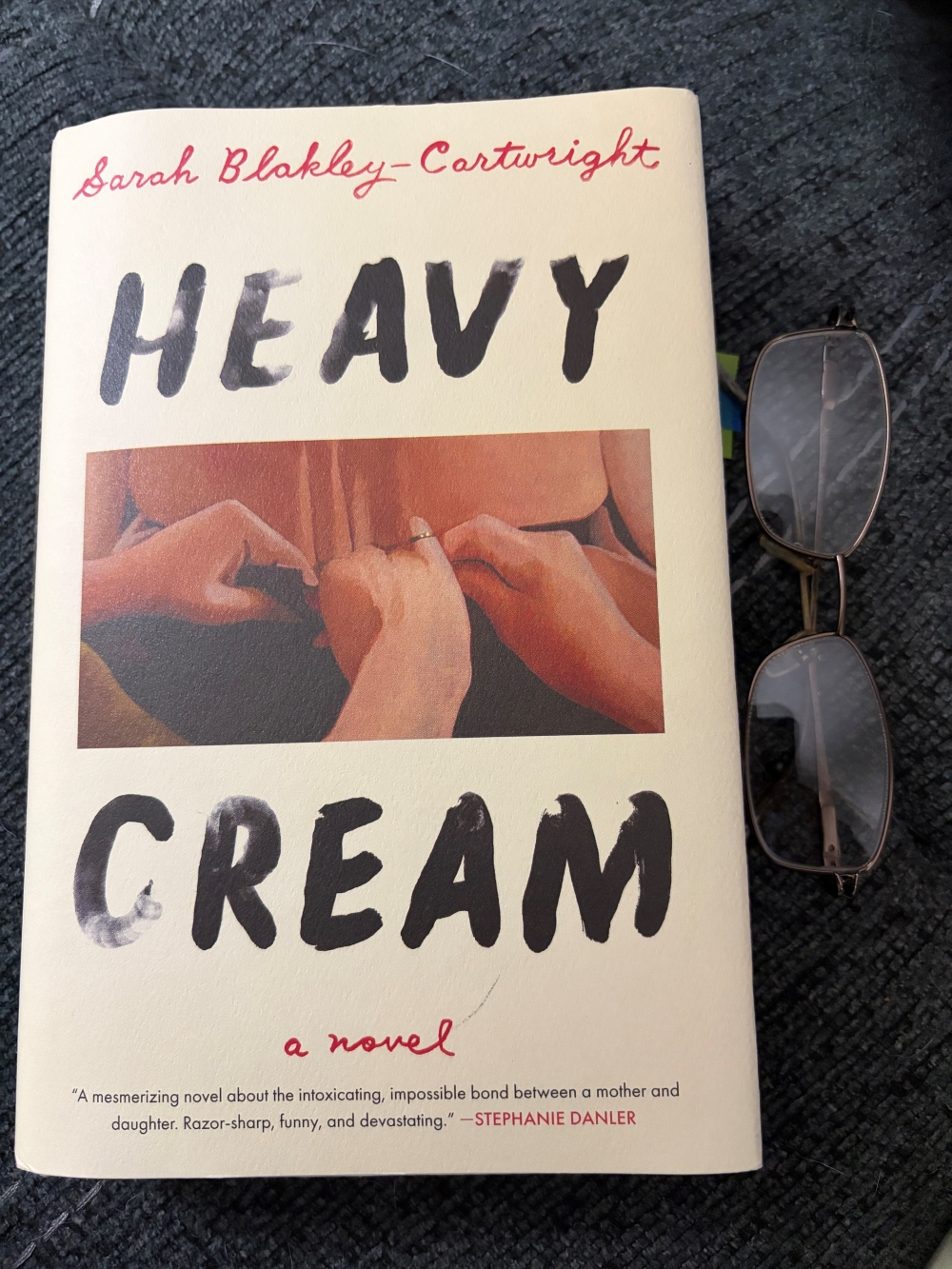
‘Heavy Cream’ Book Review: Sarah Blakley-Cartwright’s Coming-of-Age Novel

‘Heavy Cream’ is Sarah Blakley-Cartwright’s new novel. Photo:

Heavy Cream: A Novel by Sarah Blakley-Cartwright: A Review

Abandoned by her mother in New York, sixteen-year-old Geraldine falls under the influence of three women, each seeking to form her in their image in this coming-of-age story from the bestselling author of Alice Sadie Celine. (Barnes & Noble, 2026)

The Story

Geraldine (Gerry) is ten years old when her grandmother passes away. She and her mother arrive in town to stake their claim. Her grandfather had preceded her years ago, so they naturally assumed they’d be getting their fair share of stuff. Her grandparents meant nothing to her, so she wasn’t affected either way. A week later, they come across Nell, her mother’s estranged sister, at the memorial, and naturally, sparks fly.

Gerry has spent most of her young life on the road with her mother, moving from city to city. She is homeschooled, having never attended a traditional school, though they occasionally attended homeschoolers’ meetings so Gerry could socialize with children her own age. On the road, her mother teaches her how to circumvent the rules: how to spend the day at a motel’s swimming pool without being a guest and how to avoid paying extra for the chicken on a Caesar salad. She has learned how to adapt to her circumstances, no matter how dysfunctional.

When Gerry is sixteen, they meet a group of guys from Australia, including Patrick. He and her mother pair up and spend days together, even going to the beach as a family. Then one day, he just disappears, which deepresses her mother. Out of the blue, her mother tells Gerry that she’ll be spending a week with Bonnie, her old college friend, in Connecticut because she’s going to Australia to see Patrick. Days turn to weeks, and Gerry’s mother never comes back.

Her journey takes an unexpected turn when three very different women step into her life, each determined to shape her future. Alongside Bonnie and Nell, Gerry meets Finley, an old-money socialite at a party, who introduces her to a world of Manhattan privilege and sophistication and enrolls her in a normal school for once in her life.


Review

What happens when the only person who has ever shaped your world suddenly abandons you, leaving three very different women to decide who you should become? In Heavy Cream, Sarah Blakley-Cartwright delivers an insightful story about Gerry, whose unconventional upbringing has left her woefully unprepared for life on her own. Having grown up in a world of instability and dysfunction, she finds herself navigating a reality she barely understands, especially against the backdrop of New York City.

Character Analysis

Gerry is a protagonist defined by survival and adaptability. Raised on the road with an eccentric mother, Gerry is hyper-observant yet profoundly unanchored. The three mentors who take her in act as mirrors reflecting different facets of womanhood:

  • Bonnie represents conventional, stifling respectability.
  • Nell champions rigorous self-invention and artistic ambition.
  • Finley seduces Gerry with the rarefied, exclusionary armor of high-society privilege.

Gerry’s internal conflict lies in untangling these competing projections to find her own voice.

Major Themes

  • Unconventional Motherhood: The novel deconstructs traditional maternal care, contrasting the toxic survivalism of Gerry’s biological mother with the flawed, surrogate caretaking of Bonnie, Nell, and Finley.
  • Inheritance and Mental Illness: Blakley-Cartwright probes how emotional baggage and psychological turbulence pass down generational lines, asking whether we are doomed to repeat our parents’ mistakes.
  • The Comedy of Manners: The novel blends acute psychological depth with witty social satire, charting Gerry’s eccentric, bumpy path toward authentic selfhood.

The narrative balances humor with emotional depth while examining family relationships and personal growth. I especially enjoyed the premise of three women offering such contrasting paths to one young girl. It’s an important reminder that becoming yourself isn’t always easy, especially when everyone else has a different idea of who you should be.

Told through Gerry’s first-person point of view, it provides deep insight into her thought processes, particularly when she accepts that her mother is not coming back:

“Now, too many days disappeared, I felt whatever we had called love thinning out like a voice I couldn’t hear anymore.”


Final Verdict

Heavy Cream by Sarah Blakley-Cartwright is an unconventional story about identity and the complicated nature of family. Fans of literary fiction centered around family dysfunction and the multifaceted nature of female influence should definitely put this one on their reading list.

“In most households, there was one norm to rebel against. I had competing mothers. I worried I’d spend the next twenty years trying to see past the three women’s views, which blocked my own.”

Rating: 4 out of 5.

** Thank you to Sarah Jean Grimm and Broadside PR for my gifted ARC for review consideration. I haven’t been compensated for this review and all views and opinions expressed are my own.


About the Author

Sarah Blakley-Cartwright is the author of Alice Sadie Celine and Red Riding Hood, a #1 New York Times bestseller published worldwide in thirty-eight editions and fifteen languages. She’s the editor of Hauser & Wirth’s The Artist’s Library for Ursula magazine and an associate editor at A Public Space.


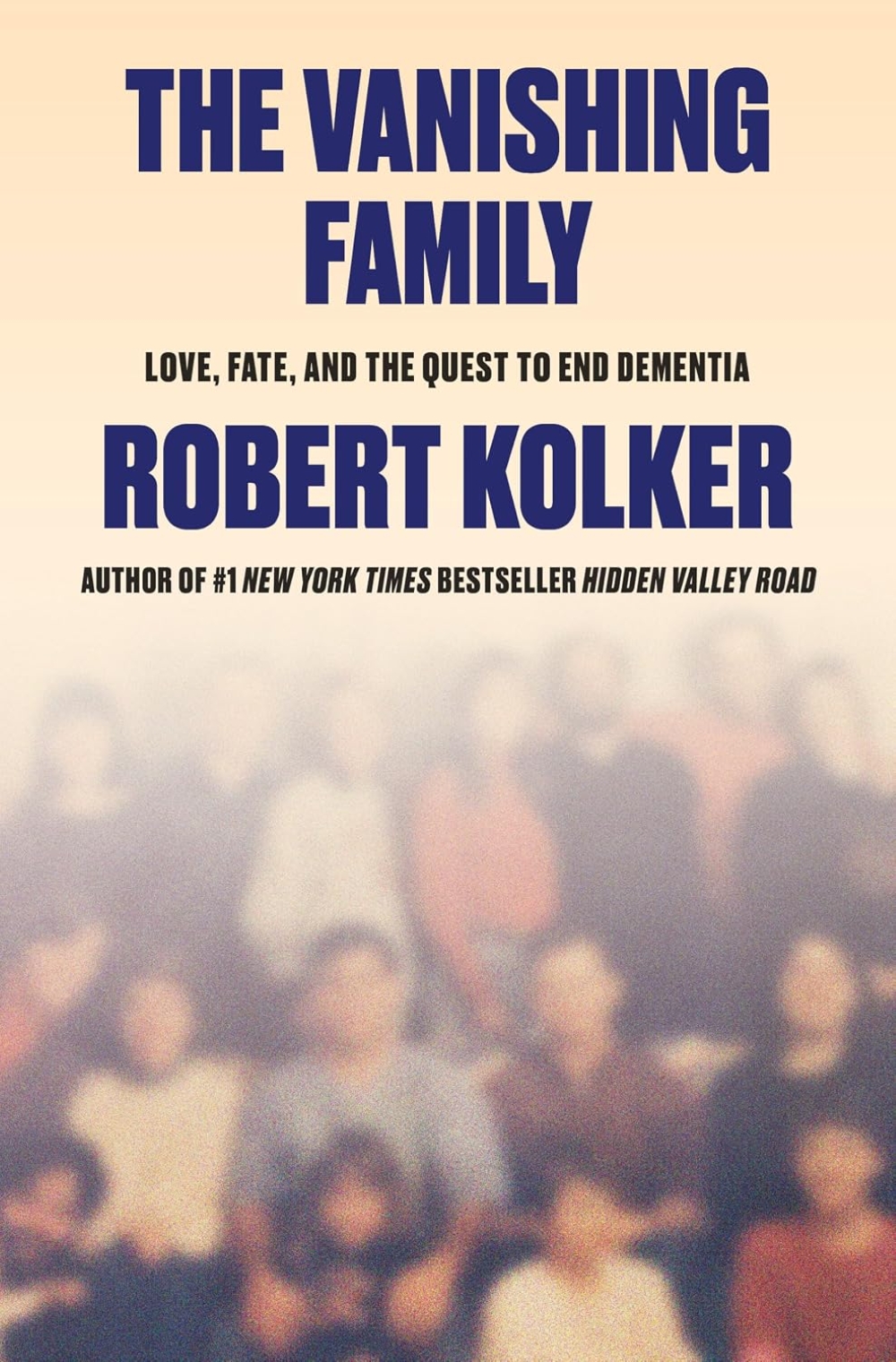
Navigating Grief and Maternal Guilt in ‘The Porcelain Heart’ Memoir

‘The Porcelain Heart: A Mother’s Memoir of Unexpected Loss’ is Marcy Kelly’s new memoir. Photo: Barnes & Noble

Book Review: The Porcelain Heart: A Mother’s Memoir of Unexpected Loss by Marcy Kelly

The Story

Losing a child is a heartbreak no parent should ever have to endure. In The Porcelain Heart: A Mother’s Memoir of Unexpected Loss, Marcy Kelly offers a personal and emotionally raw account of life after the sudden death of her beloved forty-five-year-old son, Michael, her only child. Through her journey, readers witness the devastating reality of grief and the long, complicated road toward acceptance. (Barnes & Noble, 2026)

The book begins with Marcy and her husband, Jim, at home. They receive an unexpected visit from longtime friends Susan and Roy Brown. Marcy knows something is wrong when Jim drops what he’s doing and offers to answer the door. They gather in the kitchen, where Jim breaks the news: Michael is dead. A deputy from the sheriff’s office had called thirty minutes prior because they found his business card in Michael’s wallet, and Jim was just waiting for their friends to arrive to help tell Marcy.

Initially, Marcy refuses to believe it. Later, she blames herself for not recognizing the signs of his illness. She experiences disturbing dreams about not saving him and spirals through the various stages of grief as she waits months for the coroner to render an official cause. However, Marcy rejects the fifth and final stage of grief; in her mind, if she accepts Michael’s death, he will never return.

The memoir chronicles Marcy’s journey during the year following Michael’s death. She endures all the “firsts” without him, including holidays and his birthday. She joins grief groups, remembers frightening and fun times together, questions whether she was a good mother, and tries to distract herself with travel. To honor his memory, she creates a golf scholarship in his name and commissions a stone people and pet fountain to be built along the path where he used to hike.

On the one-year anniversary of his passing, she takes his ashes to his favorite place, a lake in the Blue Ridge Mountains, and finally begins moving toward acceptance.


Review

The Porcelain Heart is a moving testament to the enduring power of a mother’s love. Kelly’s honesty makes this memoir especially meaningful for anyone navigating loss or supporting someone through bereavement. Heartbreaking yet ultimately hopeful, it reminds readers that healing doesn’t mean forgetting. Sometimes, learning to live with loss is the most courageous act of love.

Kelly tackles profound themes of grief, maternal guilt, and memory. Her story doesn’t follow a pre-set, neat path to healing; instead, she reveals the agonizing disorientation of enduring “firsts” without her son while struggling with whether she did all she could to help him.

Sample Chapter List

The book includes insightful and deeply personal chapters, such as:

  1. Proof
  2. The Next Day
  3. The Last Seat
  4. In Limbo
  5. The Viewing
  6. My Kingdom for a Password
  7. The Man in the Blue Print Shirt
  8. The Friday Email
  9. The Final Visit
  10. A Life in Fifteen Minutes

Key Highlights & Takeaways

  • Chapter 6 (“My Kingdom for a Password”): Marcy struggles to access Michael’s phone for contacts, final pictures, and videos because she doesn’t know his password, finding no help even at the Apple Store. It serves as a vital life lesson: “So much important information is stored on phones and computers—and for those, like Michael, who pride themselves on living a paperless life, the lack of access creates serious complications for survivors.”
  • Chapter 17 (“Why Is There No Word?”): Marcy explores how grief impacts couples differently, noting that losing a child either brings partners closer together or breaks them apart. As she observes, “In some cases, the trauma of their loss exacerbates the fissures that already exist.”

⚠️ Content & Trigger Warnings

  • Chapter 11 (“Wong in America”): Recalls a traumatic home accident that tragically claimed the life of Michael’s beloved dog, Clover.
  • Chapter 10 (“A Life in Fifteen Minutes”): A young Michael prematurely introduces a new bunny, Henry, to their existing one Cleo with disastrous (though thankfully survivable) results.

Kelly’s writing is sincere, offering an unvarnished look at the non-linear nature of heartbreak. The Porcelain Heart is more than just a book about sorrow; it’s proof of an enduring maternal bond that death can’t sever. It’s highly recommended for anyone who has navigated profound loss or sought light in the darkest corners of grief.

“Most parents get to see their child’s name engraved on a wedding invitation, but I would see mine on a sympathy acknowledgement card. I added that to my growing list of the ways life wasn’t fair.”

Rating: 4 out of 5.

** Thank you to Fauzia Burke/FSB Associates for the Advance Reader Copy (ARC) for review consideration. I haven’t been compensated for this review and all views and opinions expressed are my own.

About the Author

Marcy Kelly has worked in communications and press relations at U.S. government agencies and has led several nonprofit organizations. She studied creative writing at UCLA and earned a Master of Fine Arts from Antioch University. Her short fiction has been published in Narrative Magazine and in various short story collections, while her essays on grief have appeared on Medium and other online platforms. Additionally, her co-written script, Fool Me Twice, won the Producers Guild of America best screenplay award.


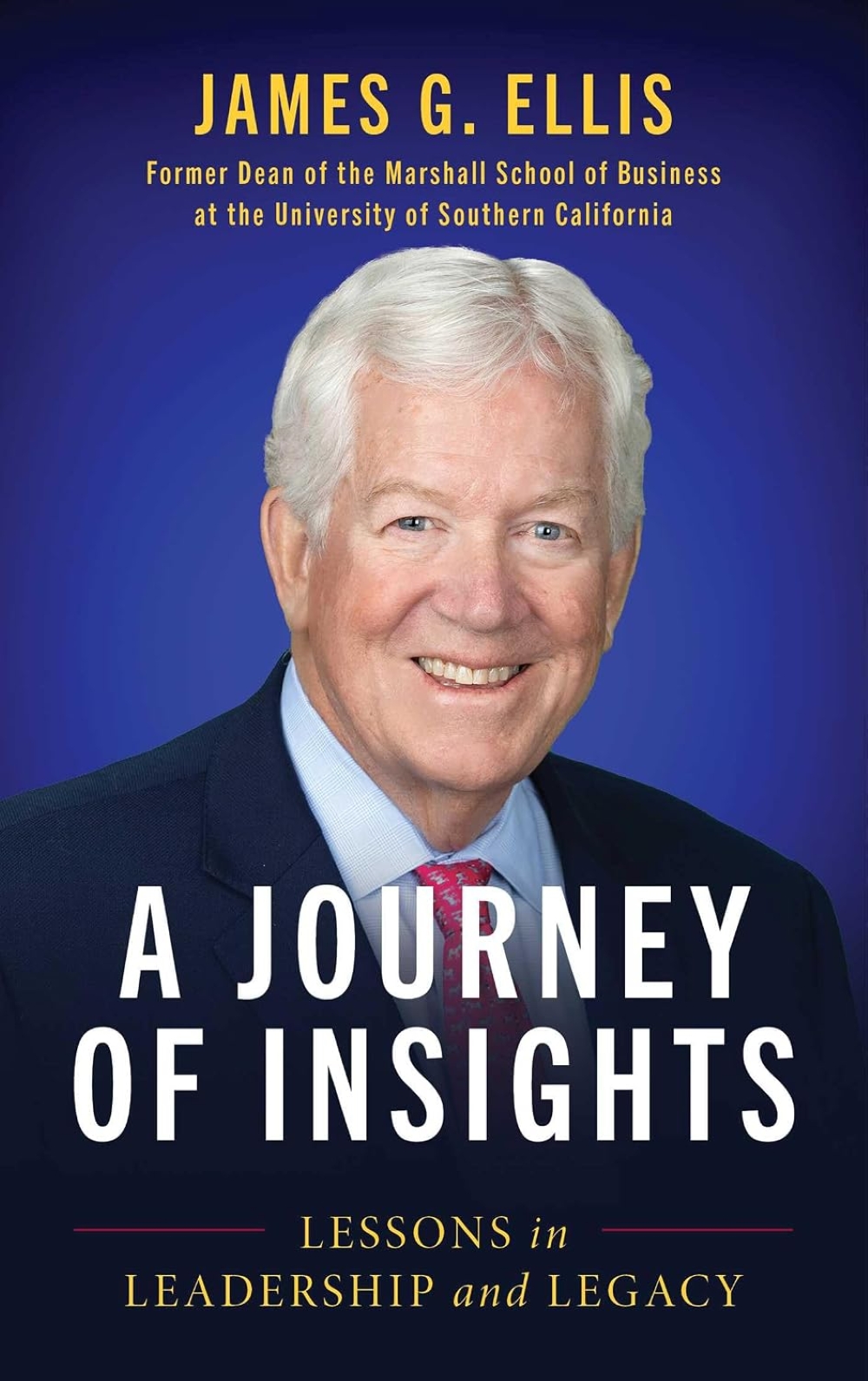
‘The Vanishing Family’ Review: Robert Kolker’s Powerful Story of FTD and Hope

‘The Vanishing Family’ by Robert Kolker is a moving look at genetics, dementia, and identity. Photo: Penguin Random House

Book Review: The Vanishing Family: Love, Fate, and the Quest to End Dementia

Author: Robert Kolker

Genre: Nonfiction / Narrative Journalism / Science

The Story

The narrative opens with a tense prologue: after years of delaying testing, 41-year-old Barb receives a lab letter that will confirm whether she carries a devastating genetic mutation. She’s currently the same age her mother, Jean, was when symptoms first emerged.

Oliver and Jean lived in Pleasant Hills, Pennsylvania, raising nine children: Kathy, Christy, Sue, Dutch, Mary, Peggy, Scott, Jenny, and Barb. As the older siblings moved out to start their adult lives, Barb remained at home to witness their vibrant mother fall under a dark, gothic spell, transforming into someone withdrawn, neglectful, and entirely unrecognizable.

A Cruel Genetic Mutation

The family carries a rare genetic mutation (V337M) that causes frontotemporal dementia (FTD) with a cruel twist. Striking early, often in a person’s early forties, it causes formerly devoted parents and high-achieving executives to:

  • Lose their jobs unexpectedly
  • Have reckless affairs and take up heavy drinking
  • Shed all social inhibitions and moral responsibility
  • Experience total personality loss, leaving families with strangers

With a 50/50 chance of inheritance, the children face the constant terror of an impending genetic fate.

Alongside this human tragedy, Kolker documents the high-stakes scientific race against neurodegenerative disease. Decades of research into this single family’s rare FTD mutation may ultimately provide the key to preventing and treating all forms of dementia, including Alzheimer’s disease.


Pick up your copy of ‘The Vanishing Family!’


Review

The Vanishing Family unfolds like a heartbreaking psychological thriller as the siblings watch the illness strike one by one: first Christy, then Mary, and beyond. Kolker captures the agonizing tension between love and fear, forcing the family to confront profound questions about predetermined fate, obligation, and identity.

Key Themes Explored

  • Identity and Disintegration: The erosion of character when the brain’s frontal lobe declines.
  • Family Resilience and Devotion: How siblings step up to care for one another despite emotional devastation.
  • Medical Discovery and Hope: The scientific journey to turn a family curse into a cure for millions.

The Science Behind the Story

Beyond the personal narrative, Kolker guides readers through the history of neuroscience:

  • Historical Milestones: From the famous 19th-century case of Phineas Gage, whose altered personality after a brain injury proved that specific brain regions govern behavior, to early diagnostic breakthroughs that established dementia as an organic physical disease rather than a mental defect.
  • The Clinical Battle: A clear overview of genetics, clinical trials, and the decades of frustrating dead ends that have challenged medical researchers.

Chapter Highlights

  • Chapter 10: Barb has been caring for Christy, the first sibling to display symptoms, when Mary arrives unexpectedly. Seeing the exact same behavioral shifts in Mary, Barb realizes with horror that the disease is genetic and that every sibling is at risk.
  • Chapter 11: A deep dive into neuroscience for readers who want the exact mechanics of FTD, Alzheimer’s, and brain pathology.
  • Chapter 20: A crucial breakdown comparing Alzheimer’s and FTD. While Alzheimer’s primarily destroys memory and cognition, FTD attacks emotional processing. Patients lose the ability to recognize their own physiological responses to emotion, causing drastic changes in personality without self-awareness or shame.

“It’s a conclusion with relevance beyond dementia. We most profoundly lose ourselves, it seems, when we can no longer see, feel, or touch the minds and hearts of others.”

Final Thoughts

Overall, The Vanishing Family is a compelling look at family genetics that balances intimate human drama and medical detective work. It’s deeply tragic without ever feeling hopeless, showing how severe illness can reshape a family while highlighting extraordinary resilience.

Kolker never lets complex science obscure the real people at the center of the narrative. For readers who enjoy family sagas, medical mysteries, or popular science, this is an unforgettable read. It serves as a powerful reminder of how much of our identity is tied to memory, personality, and the people who love us, and how hope remains a force even against inherited fate.

“The tragedy is that because some elements of the person are still detectable, the sense of loss is ongoing – like witnessing a living death.”

Rating: 4.5 out of 5.

About The Author

Robert Kolker is a contributing writer at The New York Times Magazine and author of the #1 New York Times bestseller Hidden Valley Road, named an Oprah’s Book Club Pick, a New York Times Book Review Top 10 book of the year, a GQ Best Book of Literary Journalism of the 21st Century, and a Kirkus Reviews Best Nonfiction Book of the Century. His first book was Lost Girls, named a New York Times Notable Book and a Publishers Weekly Best Book of 2013.


** Thank you to Michael Goldsmith and Penguin Random House for the gifted ARC for review consideration. I haven’t been compensated for this review and all views and opinions expressed are my own.
‘A Journey of Insights’ Review: Key Leadership Lessons from Former USC Dean James G. Ellis

‘A Journey of Insights’ is the new book by James G. Ellis. Photo: Simon & Schuster

Book Review: A Journey of Insights: Lessons in Leadership and Legacy

By James G. Ellis

Synopsis

A Journey of Insights draws upon the lessons James G. Ellis learned while a teacher and dean of USC’s Marshall School of Business, as well as those he absorbed during his preceding years at Harvard Business School and in executive leadership. In plotting a roadmap for a successful business life, his stories show illustratively how business schools and their students can prosper. At the core of his message is a central theme: listening to the voices around you throughout life is the key to success. In essence, ears can speak louder than voices. (Simon & Schuster, 2026)

Contents

  • Chapter 1: A Dean’s Story: The Cold Car Hood
  • Chapter 2: Finding Your Wave
  • Chapter 3: The Bill Gates Conundrum: Is Business Education Worth It?
  • Chapter 4: Relationships and Mentors: The Power of Connection
  • Chapter 5: Plotting Your Own Map: Know Thyself
  • Chapter 6: Preparation and Perseverance
  • Chapter 7: Don’t Sell Sales Short
  • Chapter 8: Risk Management and Disappointment
  • Chapter 9: The Fifth Decade: Giving Back

Review

What if one of the most important skills for success isn’t knowing what to say, but knowing when to listen? That simple idea is at the heart of this collection of lessons drawn from a lifetime in business, education, and leadership. Ellis doesn’t offer a rigid formula for success; instead, he shares stories and observations that encourage readers to think differently about their careers and lives.

He weaves in personal stories from people he met along the way and the takeaways from those encounters. For example, Matthew Guglielmo, who started out as a furniture buyer with a Philadelphia department store chain, taught him how to prepare for negotiations by knowing what you want and how to ask for it. Simply put, if you don’t ask for something, you won’t get it.

Of all the notable people he met throughout his life, the one who stands out most is Senator John F. Kennedy, whom Ellis accidentally bumped into at the San Francisco airport in 1959 when he was just 12 years old. That day, he learned the importance of taking responsibility for your actions and the power of a sincere apology. It became a guiding principle for his life: we can learn life lessons, big and small, from everyone around us.

Key topics explored in the book:

  • Leadership & Mentorship
  • Relationships & Connection
  • Preparation & Perseverance
  • Risk-taking & Overcoming Disappointment
  • The Art of Sales
  • The Importance of Giving Back

Each chapter concludes with reflection questions, allowing readers to apply these concepts directly to their own personal and professional journeys.

Ellis repeatedly returns to the value of learning from those around us. Sometimes the best advice isn’t delivered in a formal lecture or board meeting, it comes from simply paying attention. The book serves as a great reminder that success is rarely achieved alone: listening, staying curious, recognizing opportunities, and learning from both successes and failures shape a much richer journey.

Key Chapter Highlights

  • Chapter 5: Focuses on the integrity of your word. Ellis learned that protecting your reputation matters throughout your entire life. He also stresses putting yourself in the shoes of those who work around you, recommending that early-career professionals learn a business from the ground up to truly understand every role.
  • Chapter 8: Highlights the necessity of risk-taking and personal accountability. Ellis urges readers to own their actions while giving full credit to others for their accomplishments.

“Sometimes you must take risks to take care of those around you. In doing so, stay humble, as you are one of many.”

Ellis also challenges readers to consider whether traditional business education truly prepares people for the realities of leadership and life. Avoiding generic corporate jargon, he uses a smooth blend of practical business wisdom and personal reflection to deliver his message.

Overall, A Journey of Insights is a thoughtful, engaging reflection on what it takes to build a successful career and a meaningful life. Recommended for students, entrepreneurs, business professionals, and anyone seeking practical wisdom. It’s never too late to learn something new—and if you’re willing to listen, this book has plenty to say.

“Preparation is what gets you ready to do a great job. Perseverance is what you need to see a job through to completion… Each time you leave an achievable goal unachieved, it becomes easier to give up the next time you’re faced with a challenge.”

Rating: 4 out of 5.

Get your copy of A Journey of Insights today!


About the Author

James G. Ellis served as dean of the Marshall School of Business at the University of Southern California from April 2007 until June 2019, overseeing the education and well-being of over 5,700 graduate and undergraduate students. He held a full-time tenured appointment as Professor of Marketing starting in 1997, retiring in July 2021.

Holding an MBA from Harvard Business School and a BBA from the University of New Mexico, Ellis held leadership roles across the corporate world, including President/CEO of Porsche Design and CEO of Port O’Call Pasadena, along with ownership in six other companies. He began his career with Broadway Department Stores in Los Angeles.


** Thank you to Fauzia Burke and FSB Associates for the gifted ARC for review consideration. I haven’t been compensated for this review and all views and opinions expressed are my own.

Book Review: ‘Natural Intelligence & the Logic of Consciousness’ by Antonio Damasio

Antonio Damasio explores consciousness and interoception in his new book ‘Natural Intelligence & the Logic of Consciousness.’ Photo: Penguin Random House

Book Review: ‘Natural Intelligence & the Logic of Consciousness’

By Antonio Damasio

Synopsis

Throughout his illustrious, decades-long career, Antonio Damasio has been at the leading edge of science’s enduring quest to unravel the mysteries of the human mind. Now, drawing on a lifetime of groundbreaking research as well as the newest findings of neurobiology, Damasio seeks to move the debate about the origins of consciousness from the world of high-level cognition and abstract reasoning into the wondrous realm of interoception—the human body’s own internal monitoring system.

A probing synthesis of neurobiology, evolutionary science, and philosophy from one of the most notable leaders in his field, Natural Intelligence & the Logic of Consciousness offers readers a scientifically rigorous and profound re-examination of what it means to be alive and aware. (Penguin Random House, 2026)

It will be released on September 15 and is available for pre-order.

Book Contents

  • Beginnings
  • Part I: The Problem of Generating Consciousness and a Sketch of Possible Solutions
  • Part II: Deeper Into the Solution
  • Part III: Now That We Know
  • Part IV: Afterthought

Review

Antonio Damasio’s Natural Intelligence & the Logic of Consciousness is a fascinating exploration of one of humanity’s oldest questions: What gives rise to consciousness? Building on decades of pioneering research in neuroscience, Damasio challenges conventional theories by arguing that consciousness begins not with complex thought or language, but with the body’s internal regulation system, known as interoception.

The book’s central insight is that homeostatic feelings—such as hunger, thirst, pain, comfort, and well-being—form the biological foundation of subjective experience. Rather than treating consciousness as an abstract cognitive achievement, Damasio presents it as an evolutionary solution that helps living organisms survive and thrive. This perspective offers a compelling bridge between neurobiology, philosophy, and evolutionary science.

Beyond explaining the origins of consciousness, Damasio broadens the discussion to examine whether simpler life forms, such as plants and bacteria, exhibit primitive forms of sentience. He also explores how homeostasis influences human culture, politics, religion, and commerce, while thoughtfully considering the promises and limitations of artificial intelligence.

“…there is no guarantee that AI tools will remain as docile servants in the hands of their human owners. The possibility of their gaining independence, even if only momentarily, is certainly a reason for worry.”

His analysis raises important questions about whether machines can truly replicate conscious experience or merely imitate its outward appearance.

Key Chapter Highlights

  • Chapter 9: Examines how feelings developed before words and numbers, and how consciousness developed early to help guide evolution. Even though most homeostatic regulation occurs nonconsciously, some of it remains under our conscious control.
  • Chapter 11: Breaks down the core science behind consciousness—specifically interoception, or the ability to sense, interpret, and integrate signals from inside your body.
  • Chapter 18: Explores the science behind pain and nausea. Damasio explains how nausea serves as another vital bodily alert system designed to prevent damage from ingesting toxic molecules.
  • Chapter 22: Outlines his theories regarding artificial intelligence. Damasio posits that AI is fundamentally neutral to good because it stems from human innovation, but cautions that if the humans behind its creation have malicious intent, the technology will reflect those motives.

Final Verdict

Although the scientific concepts occasionally demand careful reading, Damasio’s arguments remain engaging, logical, and thought-provoking. Readers interested in neuroscience, cognitive science, philosophy of mind, or the future of AI will find this book both intellectually stimulating and deeply rewarding.

Natural Intelligence & the Logic of Consciousness is a profound, accessible examination of the relationship between body, brain, and awareness that challenges readers to rethink the very nature of intelligence. Damasio delivers a compelling argument that feeling is the logic of consciousness. For anyone seeking to understand the deep biological origins of human experience, this is a definite must-read.

“Poets understood, long before neurobiologists ever could, that the glories of passionate love and the sufferings of love gone astray could be legitimately described in physiological terms, even though the physiological details are not exactly the same.”

Rating: 4 out of 5.

About The Author

Antonio Damasio is University Professor, David Dornsife Professor of Neuroscience, Psychology, and Philosophy, and director of the Brain and Creativity Institute at the University of Southern California, Los Angeles. Damasio is a member of the National Academy of Medicine and a fellow of the American Academy of Arts and Sciences as well as the author of Descartes’ Error, The Feeling of What Happens, Looking for Spinoza, Self Comes to Mind, The Strange Order of Things, and Feeling & Knowing, all of which have been published in translation and are taught in universities throughout the world.


** Thanks to Michael Goldsmith and Penguin Random House for the gifted ARC for review consideration. I haven’t been compensated for this review and all views and opinions expressed are my own.
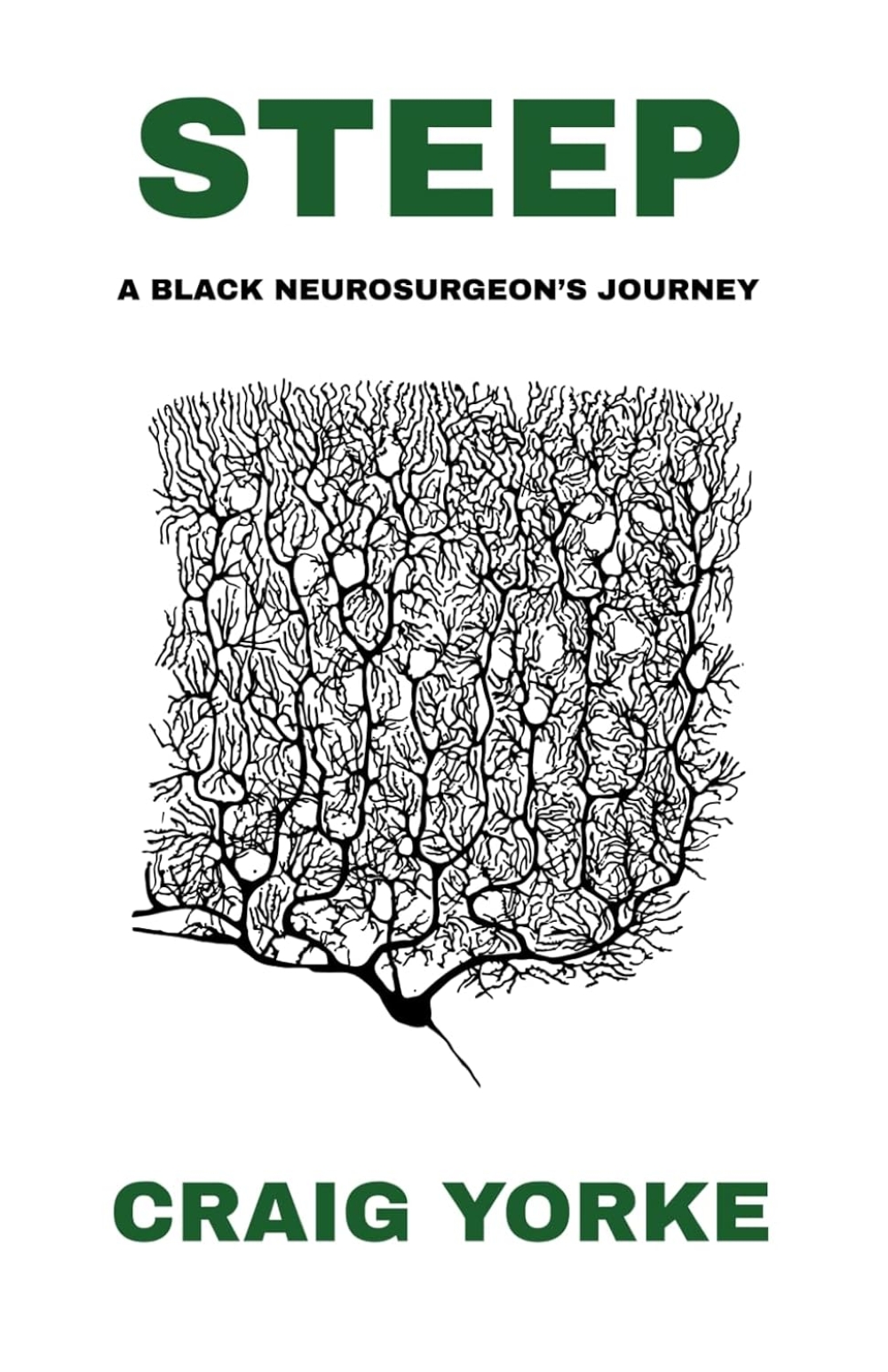
The Real Cost of the American Dream: A Review of Craig Yorke’s ‘Steep’

‘Steep:’ is the inspiring memoir by Craig Yorke. Photo: Barnes & Noble

Related Post: Book Spotlight: ‘Steep: A Black Neurosurgeons’ Journey’ by Craig Yorke.


Book Review: Steep: A Black Neurosurgeon’s Journey by Craig Yorke

Steep: A Black Neurosurgeon’s Journey by Craig Yorke is an inspiring memoir that explores the sacrifices, resilience, and determination required to overcome adversity. Yorke chronicles his remarkable journey from a struggling Boston neighborhood to becoming a respected neurosurgeon in the American Midwest. What began as a personal letter to his sons unfolds as a candid life narrative: while Yorke has gained immense wisdom, he refrains from lecturing or preaching, and, above all, he refuses to see himself as a victim.

An Uncompromising Opening

The narrative opens with Dr. Yorke taking a middle-of-the-night emergency call for a severe motorcycle accident. Covering Topeka’s hospitals and the surrounding region every other night and weekend alongside his daytime practice, he rushes into the ER. As the nurse cuts away the patient’s t-shirt, a prominent WHITE POWER tattoo covering the man’s chest is revealed—setting the stage for a story deeply rooted in composure, duty, and professional detachment.

This intense opening flashes back to his childhood in Boston, when a young Yorke was rushed to the ER after accidentally eating poisoned bread left behind the refrigerator for rats. Known mostly through family lore, the incident left a lifelong mark, he still recoils at the mere memory of Ipecac.

As the only child of Dorothy and Craig Sr., he grew up sickly, struggling with asthma and a clubbed right foot. Throughout the book, Yorke explores how his parents’ backstories shaped their parenting style, leading into his school years, surgical career, eventual retirement, and the enduring lessons of his journey.

Table of Contents

  1. Stealth
  2. Crucible
  3. Educated
  4. The Better Angel
  5. Fledgling Pillars
  6. Peaks and Valleys
  7. Twilight of Enterprise
  8. New Eyes

Chapter Highlights

Chapter 6: Peaks and Valleys

Yorke detail the launch of his independent practice with a close friend, revisiting memorable cases, including a young neighbor who developed a life-threatening brain clot. Most insightful are his encounters with uninsured patients: while accustomed to delivering difficult medical news, he found himself unprepared for the devastating financial catastrophes his patients faced. Even when waiving his own professional fees, the external medical costs wreaked havoc on their lives.

Chapter 7: Twilight of Enterprise

Here, Yorke candidly recounts facing a legal malpractice suit after failing to diagnose a fractured larynx in a patient. Though the lawsuit ultimately failed, the emotional impact was severe. As Yorke reflects:

“The ordeal was a blow to a kid whose identity was yoked to his confidence.”

Core Themes & Takeaways

Yorke writes with exceptional honesty and humility, revealing moments of doubt and self-reflection that make his story deeply relatable. His path underscores the importance of discipline, education, and refusing to let circumstances dictate one’s future. The narrative thoughtfully balances professional achievement against personal fulfillment, demonstrating that compassion and empathy are just as vital in medicine as technical expertise.

While Yorke’s identity as a Black surgeon in a predominantly white field provides crucial context, Steep ultimately moves beyond a simple critique of systemic bias. Instead, it serves as a raw, honest exploration of the heavy cost of high achievement and the quiet sacrifice required by the American Dream.

At its core, the memoir delivers profound lessons on resilience, identity, and personal reckoning:

  • The Price of Ambition: Success often exacts a steep personal toll, demanding emotional compartmentalization, strain on relationships, and constant self-reliance.
  • Resilience Over Circumstance: Roots do not define limits; discipline and laser-focused perseverance can bridge the gap between systemic disadvantage and elite achievement.
  • Reconciling the Past: True fulfillment requires making peace with where you came from rather than attempting to outrun your origins.

Final Verdict

Overall, Steep is an engaging, introspective, and essential read for anyone navigating their own steep climb. It offers a poignant reminder that reaching the peak is only half the battle, retaining your humanity is the rest.

“We neurosurgeons are caricatured as filled with conceit, short on empathy. And there’s truth in that cartoon. But hubris is tough to maintain while completing and signing your patient’s death certificate.”

Rating: 4 out of 5.

** Thank you to Wes Seely and PR by the Book for my gifted ARC for review consideration. I haven’t been compensated for this review and all views and opinions expressed are my own.

Book Review: ‘Famous Men’ by Julie Buntin – A Compelling Tale of Ambition and Power

‘Famous Men’ is the new literary fiction novel by Julie Buntin. Photo: Penguin Random House.

Book Review: Famous Men by Julie Buntin

From the acclaimed author of Marlena comes a “magnificent” (The New York Times) novel about a young woman looking for a father and finding herself. (Penguin Random House, 2026)

“The right book at the right time can change your life.”

Quick Details

  • Title: Famous Men
  • Author: Julie Buntin
  • Genre: Literary Fiction / Coming-of-Age
  • Themes: Ambition, Identity, Power Dynamics, Mentorship

Synopsis

Will Miles is trapped in the suffocatingly tiny town of Greening, Michigan, having never known who her father is. Haunted by a toxic rumor that turned her into a social exile, the teenage Will yearns for escape. At fourteen, she discovers the poetry of literary giant Nathaniel Fellow, a man four decades her senior who shares her hometown. A passing comment from her mother only adds to Will’s fascination: Is Nathaniel the father she’s never known? She becomes convinced that he may hold the answers to her literary aspirations and her family history.

Her obsession drives her to New York City, drawing her into Nathaniel’s orbit and sparking a deeply complex, years-long entanglement that offers a seductive doorway to intellectual life, mentorship, and security, at a devastatingly ambiguous cost. When information about his past threatens not just her life with Nathaniel, but the story she tells herself about him, Will is faced with a choice that will change everything.

Review

Famous Men is an emotionally rich novel that explores identity, ambition, and the complicated power dynamics between young women and influential men.

Buntin challenges typical coming-of-age narratives, refusing easy moral clarity or simplified stories of victimhood. Will’s journey from small-town outsider to New York’s literary circles is both inspiring and unsettling, revealing how easily dreams can become entangled with manipulation and self-deception. Her relationship with Nathaniel begins as admiration, but eventually evolves into a complicated bond that forces her to question the true cost of chasing success and validation.

Through a first-person narrative, Buntin captures:

  • The desperate craving to be seen by our idols.
  • The quiet concessions women make to build a life.
  • The painful reckoning when the truth about a mentor finally surfaces.

Buntin writes with empathy and passion, making Will’s search for belonging feel authentic and deeply relatable. The beautiful, razor-precise prose draws readers directly into Will’s complicated life:

“Watery sunlight fell across the spines, landing in a warmish puddle on the floor where I sat, cross-legged, to begin at the beginning.”

Ultimately, Julie Buntin delivers a beautifully written novel filled with emotionally layered characters, sharp observations about fame and influence, and an honest exploration of how women often bear the consequences of men’s mistakes. The story balances literary depth with emotional tension, making it difficult to put down.

Final Thoughts

Famous Men is a compelling exploration of ambition and the intoxicating danger of artistic idolatry.

Recommended for:

  • Readers who enjoy character-driven literary fiction and stories of self-discovery.
  • Fans of introspective fiction, literary intrigue, and emotionally complex relationships.

“New York wasn’t an island of skyscrapers, tethered by bridges, its heart the gentle hills of Central Park-it was a million  tiny rooms and the people inside, their desire mixing with the wishes of everyone who had once passed through. I could have stood there with my head outside the window forever, just watching.”

Rating: 4 out of 5.

Get your copy of ‘Famous Men’ today!


About the author

Julie Buntin‘s debut novel, Marlena, was a finalist for the National Book Critics Circle’s John Leonard Prize, released in ten territories worldwide, and named a best book of the year by over a dozen outlets, including The Washington Post, NPR, and Kirkus Reviews. 

She is the co-editor of Notes to New Mothers, a collection of dispatches from postpartum life by sixty writers and artists. Previously, Buntin was an editor and director of writing programs at Catapult. Now, she writes and teaches in Ann Arbor, where she is an assistant professor at the University of Michigan.


**Thank you to Sarah Jean Grimm and Broadside PR for my gifted ARC for review consideration. I haven’t been compensated for this review and all views and opinions expressed are my own.

‘Reaping of Hellfire’ Review: Rue Blackwood Steals the Show in This Dark Romantasy Sequel

‘Reaping of Hellfire’ is Book 2 in the Guardians of Death series by Aurora Ramsden. Photo: Amazon

Related Post: ‘Whispers of Mayhem’ Is a Must-Read Dark Romantasy for Fans of Fierce Female Leads

Book Review: Reaping of Hellfire by Aurora Ramsden

Synopsis

Reaping of Hellfire is the scorching second installment in the Guardians of Death series, continuing the paranormal chaos through the eyes of the wildest Blackwood sister, Rue. Rather than a standalone, this novel serves as a crucial chapter in a planned four-book dark romantasy saga.

The Blackwood sisters—Nyx, Opal, and Rue—are triplet hellhounds who were abandoned as babies and adopted by a kind, loving couple.

The Backstory

The novel kicks off with a prologue set 104 years in the past. On his 12th birthday, an orphan named Xander Drakonis undergoes the ceremony where a scythe chooses its master. Desperate to escape his boys’ home, Xander is transformed into a reaper and granted twin scythes: Terra and Shade.

The Present Day

In the modern timeline, Rue, Nyx, and Opal are celebrating their 25th birthday with their adoptive parents. It’s an important day for Ryker Calix (Nyx’s mate), who is meeting the parents for the very first time.

But the cozy family time doesn’t last long. The sisters are gearing up for their second year at Death University in the Soulmere Realm. They’re hoping for an easier year—fewer near-death experiences, more advanced courses, and plenty of naps.

They are in for a rude awakening.

Welcome to the Abomination Games

Upon returning to campus, they are immediately summoned for the Bone Rite. Headmaster Calix delivers the grim news: they have been selected to compete in the deadly Abomination Games. The order comes directly from Grand Deity Zeraphina, a volatile, five-year-old, glitter-happy deity. Saying “no” to her is the fastest way to get smote into cosmic confetti.

Between grueling coursework and a lethal competition, Rue also has to manage her growing obsession with Xander, a man who is fast becoming impossible to ignore. This year is shaping up to be one hell of a ride, and Rue plans to enjoy every sinful, sparkly second of it.


Review: Hellfire, Humor, and Unapologetic Spice

Reaping of Hellfire turns up the heat, delivering a wildly entertaining blend of dark fantasy, sharp humor, romance, and nonstop chaos. The story wastes no time throwing readers directly into the deadly Abomination Games, where survival is anything but guaranteed.

Character Dynamics & Perspectives

Told through a dual first-person narrative shifting between Xander and Rue, Ramsden gives us an intimate look at two incredibly compelling leads:

  • Rue Blackwood: An irresistible heroine whose sarcastic wit, reckless decision-making, and unapologetic personality make every chapter a joy to read. Her inner monologue is packed with laugh-out-loud moments that perfectly balance the book’s darker elements. Beneath her chaotic exterior lies a deeply resilient competitor.
  • Xander: The romantic tension simmers beautifully throughout the novel. The men in Rue’s life provide an intoxicating mix of sinful temptation and explosive chemistry, driving an irresistible dynamic that expertly balances suspense with playful “smut-book” tropes.

World-Building and Prose

Ramsden brilliantly expands her imaginative world this time around, introducing dangerous new creatures and unpredictable magic. The pacing is relentless; as alliances shift and secrets unfold, you can’t help but stay hooked.

What elevates this book above standard romantasy is Ramsden’s beautifully poetic prose. She seamlessly transitions from laugh-out-loud comedy to striking, visceral imagery:

“I scream without air—a sound ripped from somewhere deeper than lungs, deeper than ribs, deeper than bone.”

Core Themes

  • Agency vs. Divine Control: The characters must constantly navigate the reality of being mere pawns for unreliable, fickle deities.
  • Found Family and Survival: The fierce bond between the sisters anchors the story, contrasting the grim, dark magic of the university with glittering humor.

The Verdict

Rating: ⭐⭐⭐⭐ (An absolute must-read for dark romantasy fans!)

Reaping of Hellfire by Aurora Ramsden is a thrilling, addictive ride that perfectly captures the joy of embracing the chaos. If you love morally gray characters, supernatural competitions, and high-stakes romance, you will devour this book.

This sequel leaves readers desperate for the next adventure in the series—which will feature Opal taking center stage!

“A pack is what a hellhound treasures most. Family-whether by blood or bond. Pack can be defined through love, loyalty, or friendship.”

Pick up your copy today!


Content Warning

Intended for mature readers (18+). It contains graphic and potentially triggering material such as:

  • Strong language and frequent profanity
  • Explicit sexual content and dominant/submissive dynamics
  • Graphic violence, blood, gore, and dismemberment
  • Supernatural, horror, and demonic elements
  • On-page and ritualistic killing

** Thank you to Aurora Ramsden for my gifted ARC for review consideration. I haven’t been compensated for this review and all views and opinions expressed are my own.

‘Voyagers’ Book Review: Emotional Sci-Fi Meets Childhood Trauma

‘Voyagers’ is Meg Charlton’s debut novel. Photo: Barnes & Noble

Book Review: Voyagers by Meg Charlton

The Story

Years ago, when Alex and Ana were six years old, they vanished for thirty-six hours during a sleepover while on vacation near Palm Springs. When they returned, dazed but unharmed, their account had all the traits of an alien abduction. The media frenzy that followed made them famous, and the long months of child stardom—of talk shows and sitcom cameos—created a seemingly unbreakable bond between them, until the mystery behind their disappearance began to tear them apart.

In the present, “the Signal,” a mysterious transmission pulsing from the edge of the solar system, arrives, changing the world overnight. Planes are grounded, satellites fail, and speculation abounds. While humanity holds its breath for first contact, the Signal feels deeply personal to Alex, now a thirtysomething lawyer who has spent years distancing himself from the unexplainable. It is the opening of an old wound.

With the world on edge and the Signal growing stronger, Alex is drawn back to the one person who might have answers. Ana, now a professional advocate for experiencers of extraterrestrial contact, is leading a retreat near Palm Springs, close to the site of their childhood disappearance. As the former best friends tentatively reunite, what starts as a quest to confront the reality of their original experience becomes a larger reckoning with friendship, faith, family, and truth itself.


Review

Voyagers by Meg Charlton reframes a popular sci-fi premise—a world-altering cosmic transmission—into a profoundly intimate character study. While humanity holds its breath over potential first contact, Alex is forced to confront a childhood trauma he spent decades burying.

Charlton beautifully balances global intrigue with deep character development. The mystery surrounding Alex and Ana’s disappearance keeps the pages turning, while their complicated reunion adds emotional weight to the unfolding narrative. As the tension of the global phenomenon grows, it perfectly mirrors the internal reckoning between the two protagonists. Rather than relying solely on extraterrestrial speculation, the novel uses the themes of memory, belief, and the stories people construct to make sense of their lives.

The pacing is steady, with suspense building naturally as the Signal grows stronger and long-buried questions demand answers. The writing is thoughtful and atmospheric, creating a sense of wonder without sacrificing emotional authenticity. Written in a non-linear narrative, the story unfolds beautifully through Alex’s first-person perspective:

“I saw all my younger selves stretched out like skeins of geese across the sky, crisscrossing in the air, the six-year-old Alex still flying away from California, the adult flying back toward it.”

Key Themes & Concepts

  • Most Intriguing Concept: Is Allen just Alex and Ana’s imaginary friend, or is he a real memory?
  • Core Themes: Family, Friendship, and Identity.
  • Genre: Blend of literary fiction and science fiction.

Final Thoughts

Voyagers is thought-provoking and beautifully written. A suspenseful exploration of friendship and family dynamics, it’s rich with science fiction, mystery, and emotional drama. It uses an extraterrestrial backdrop to dissect the fragility of human memory and poses the question: is discovering the truth always worth the cost? Most importantly, it explores the psychological aftermath of early stardom, public scrutiny, and shared childhood trauma.

Highly recommended for readers who enjoy intelligent speculative fiction with strong, character-driven arcs.

“It is very painful to be called out for believing something that isn’t so. The instinct is not to cut one’s losses and confess to being wrong but to double down, to stay committed to your foolishness for so long that it takes on a kind of power.”

Rating: 4.5 out of 5.

Get your copy today!


About the Author

Meg Charlton was born and raised in New York City. She holds an MFA in fiction from Brooklyn College, and Voyagers is her brilliant debut novel.


** Thank you to Sarah Jean Grimm and Broadside PR for the Advanced Reader Copy (ARC) for review consideration. I haven’t been compensated for this review and all views and opinions expressed are my own.