What Psychoanalysis Really Feels Like: A Review of Joan Peters’ ‘Untangling’

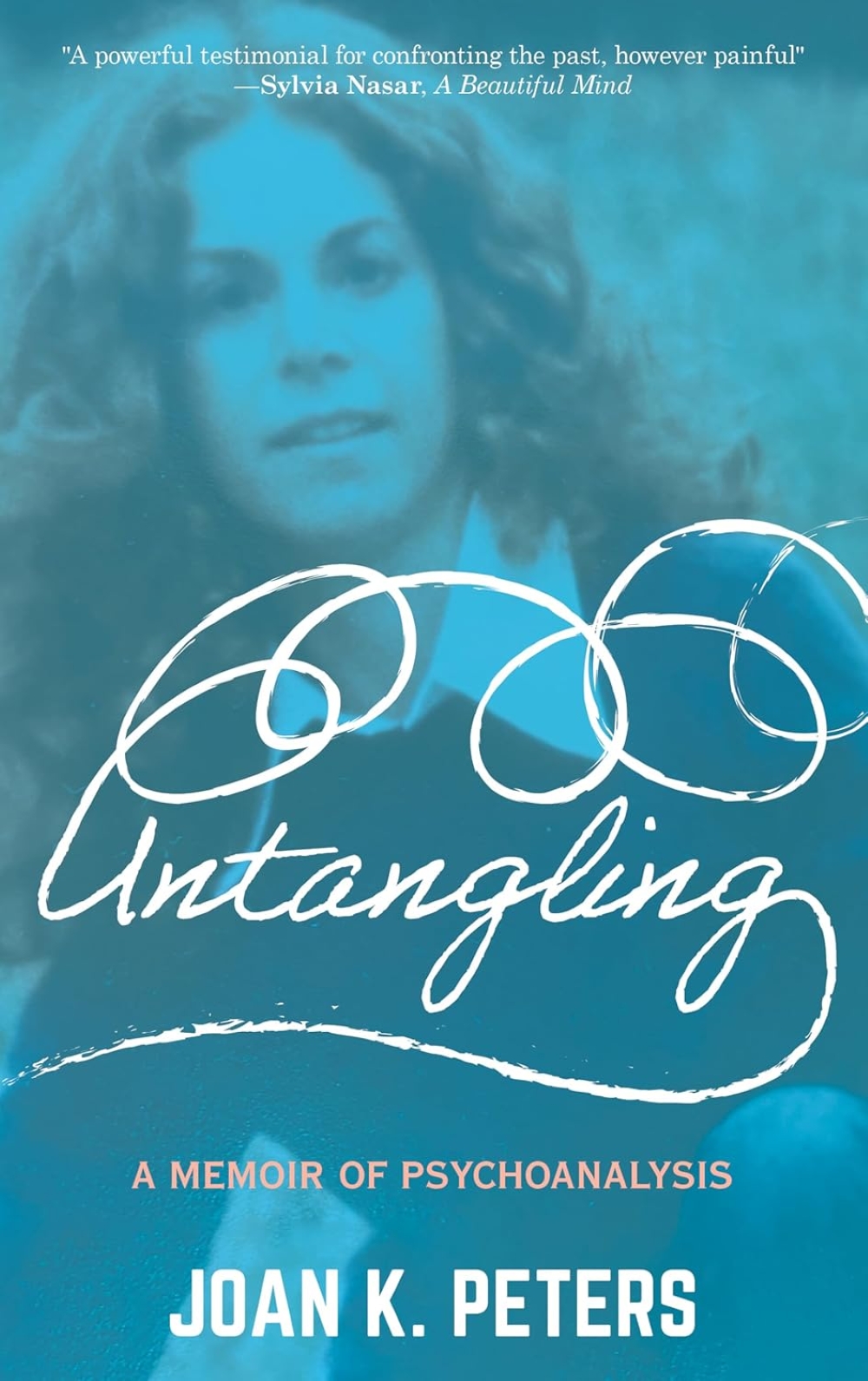
‘Untangling: A Memoir of Psychoanalysis’ by Joan K. Peters. Courtesy photo, used with permission.

Book Review: ‘Untangling: A Memoir of Psychoanalysis’ by Joan Peters
What It’s Really Like to Be in Psychoanalysis—From the Patient’s Chair

If you’ve ever wondered what actually happens during psychoanalysis—or what it feels like to unravel years of emotional knots on a therapist’s couch—Joan Peters‘ “Untangling: A Memoir of Psychoanalysis” offers a rare, intimate glimpse into that world.

Unlike most writing on psychoanalysis, which often comes from the perspective of clinicians, “Untangling” is told from the inside out. Peters chronicles her decades-long analytic journey with striking vulnerability, courage, and clarity. This journey consisted of two different analysts: Lane when she was 28 and Kristi when she was 67. While Lane was helpful, she remained impersonal and impartial. Kristi actually got to know her because she used relational psychoanalysis, a psychoanalytic approach that emphasizes the importance of the relationship between the therapist and patient in the therapeutic process. Peters brings readers into the room with her, detailing the subtle shifts, long silences, and emotionally charged breakthroughs that define the therapeutic process.

Highlights:
Chapter 7 – Schizoid
– Peters admits to Lane that from ages 14 to 19, she had lived an alternate existence because when she was 14, she started hearing voices. These voices guided her every action.
Chapter 4 – Lane Explains Me to Me – Focuses on her family background, memories of her as a two year old seeing her mother preparing the morphine syringes for her dad who was dying of cancer. This explained her nightmares about syringes and being given injections with poisons. Two months after talking about this, her needle nightmares ended. That’s when Joan discovered the complicated issue of subconsciousness and how it affects our lives.

At its core, honesty is what makes this memoir so powerful. Peters doesn’t offer easy answers or dramatic resolutions—instead, she shows how transformation unfolds slowly, often painfully, through the act of being deeply seen and heard. It reveals how analysts’ methodology differ and how patients respond differently with age and life experience. Her writing is vivid and lyrical, making even the most abstract aspects of psychoanalysis feel grounded and human. “Sitting back in her chair, patient as a fisherman in a placid lake, she listened, questioned, interjected while I mostly avoided the story, as if its invisible tentacles might entangle (or strangle) me.”

Overall, “Untangling” is a courageous and necessary contribution to the literature on mental health. It demystifies a process often veiled in secrecy and offers an authentic voice to the patient experience. For readers curious about psychoanalysis—or the complexities of healing—this memoir is both enlightening and deeply moving.

“My question back in Vermont had loosened a scab; now the wound bled, unstoppable. She had offered me silence, and I had refused her gift. Now, at times, I felt I might drown in her words.”

*The author was contacted for an honest review of this book and received a copy. The views and opinions expressed here belong solely to her.
Rating: 4 out of 5.

Related post: Inside the Analyst’s Chair: Joan Peters’ Raw and Riveting Journey in ‘Untangling’

Jack and Laurie Return: Why ‘Night Shift’ Is a Must-Read for Medical Thriller Fans

‘Night Shift’ is the thrilling medical thriller by the master of the genre Robin Cook. Photo: Barnes & Noble.

Doctor and author Robin Cook is widely credited with introducing the word ‘medical’ to the thriller genre, and decades after the publication of his 1977 breakthrough novel, “Coma,” he continues to dominate the category he created. Cook has successfully combined medical fact with fiction to produce thirty-nine international bestsellers, including “Outbreak,” “Terminal,” “Contagion,” and “Chromosome 6.” “Night Shift” is the 13th book in the Jack Stapleton and Laurie Montgomery series. (Barnes & Noble, 2025)

“Night Shift” – In this exhilarating new medical thriller, fan favorites Jack and Laurie are lured into the dark underbelly of hospital dangers when an internist dies mysteriously.

Colleagues-turned-spouses Dr. Laurie Montgomery and Dr. Jack Stapleton already have their hands full due to demanding forensic pathology work and family pressures. The last thing they need is the sudden death of a colleague. When Laurie’s apparently vital and healthy longtime friend Dr. Sue Passero dies mysteriously in the hospital parking garage, an autopsy is required. It falls uncomfortably under Laurie’s purview as the chief medical examiner and when Laurie asks Jack to take special care with the case, he can hardly refuse.

With his curiosity sparked by an inconclusive autopsy, Jack is compelled to resolve the case at hand, and sets out to investigate on-site at Manhattan Memorial Hospital, even though it means defying the Office of Chief Medical Examiner’s rules. What started out as an inquiry into Sue’s tragic passing soon turns into a deadly and dangerous chess game between Jack and the clever and deranged killer, who might just administer another lethal blow if Jack isn’t careful.

Review:

Robin Cook’s “Night Shift” is a gripping return to the adrenaline-charged world of medical suspense, where danger is around every corner. In this latest installment, Cook reunites readers with beloved characters Dr. Jack Stapleton and Dr. Laurie Montgomery, a dynamic duo whose chemistry and sharp instincts have made them staples of the genre.

When Dr. Sue Passero dies of an apparent heart attack in her car after a late-night shift, Jack and Laurie are drawn into a murky investigation that reveals alarming vulnerabilities surrounding the the people entrusted to save lives. As Jack digs deeper, he uncovers a chilling conspiracy that blurs the lines between healthcare and crime.

Cook masterfully blends cutting-edge medical details with the fast-paced narrative of a crime thriller, delivering a story that feels urgent and unsettlingly plausible because these cases have occurred in real life. “Night Shift” pulses with tension, balancing scenes of clinical precision with emotional stakes that hit close to home. Longtime fans will appreciate the return of familiar characters, while new readers will find an accessible entry point into Cook’s world.

One way to get readers inside the killer’s mind is by revealing his/her identity halfway through the book. Some readers are put off by this, but I find it fascinating because we get a peek into the killer’s reasonings and plannings and in this case, when the killer goes after Jack, it adds layers to the suspense.For this book, I checked out the audiobook on the Libby app, so that made the action even more exciting.

Overall, “Night Shift” is a gripping page-turner and confirms Robin Cook’s place as a master of the medical thriller. It explores the themes of good vs evil, human nature, death, and justice. Recommended for fans of medical thrillers, it’s a compelling reminder that in medicine, not all dangers are biological.

Rating: 5 out of 5.

Healing Through Sound: Dr. Stephen Porges’ Revolutionary Safe and Sound Protocol

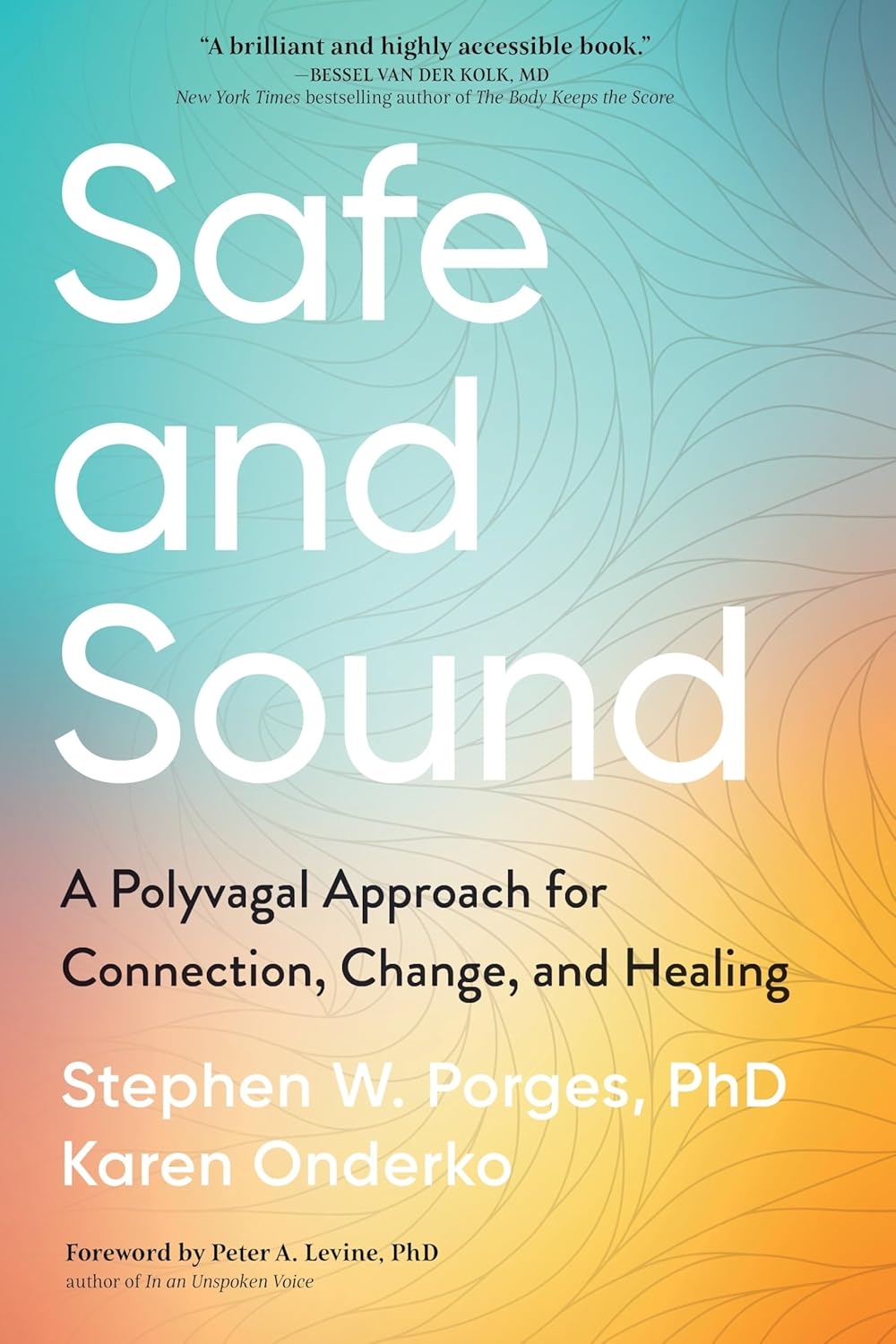
‘Safe and Sound: A Polyvagal Approach for Connection, Change, and Healing’ is the transformative new book by Dr. Stephen Porges. Photo: Barnes & Noble

Mental health awareness is crucial in today’s fast-paced world, where stress, anxiety, and depression are increasingly common. Recognizing the importance of mental well-being helps reduce stigma and encourages people to seek help. Various therapy methods are available, including cognitive-behavioral therapy (CBT), which focuses on changing negative thought patterns; dialectical behavior therapy (DBT), used for emotional regulation; and art therapy, which provides creative outlets for expression. Mindfulness-based therapies and medication management also play vital roles. Addressing mental health is essential now more than ever, as it promotes resilience, healthier relationships, and improved quality of life in an increasingly complex society.

In today’s book news, “Safe and Sound” is the new book by Dr. Stephen Porges where he addresses Safe and Sound Protocol as another means of therapy.

Safe and Sound Protocol is a groundbreaking therapy based on the Polyvagal Theory developed by Dr. Stephen Porges. Now, together with researcher Karen Onderko, they have written “Safe and Sound: A Polyvagal Approach for Connection, Change and Healing.” (Sounds True, 2025)

In this new book,Porges and Onderko offer a glimpse into this innovative approach, highlighting not only the origin of SSP and its best practices, but also real-life stories of transformation and healing. SSP is backed by neuroscience and this technique aids in stress reduction and mental wellness. It’s gaining traction for its effectiveness in treating various mental health conditions.

Stephen W. Porges, PhD, is author of “The Polyvagal Theory” and creator of the Safe and Sound Protocol. He’s a professor of psychiatry at the University of North Carolina and Distinguished University Scientist at Indiana University, where he’s founding director of the Traumatic Stress Research Consortium.

Karen Onderko, a cofounder of Polyvagal Institute, helped bring the Safe and Sound Protocol from the research lab to clinicians, who then enabled people to experience the benefits of improved nervous system regulation.

From Polyvagal Theory pioneer Dr. Stephen Porges comes a new resource sharing the origin and best practices of his groundbreaking new protocol, and highlighting real-life stories of transformation and healing.

“Safe and Sound” – We all want to live and share our truth, but when we don’t feel safe, it can be impossible to fully express or even know who we really are. The nervous system impacts daily well-being, to our benefit or detriment. Understanding how may be key to truly knowing yourself and better supporting the challenges holding you back.

The Safe and Sound Protocol (SSP) is a groundbreaking therapy based in Polyvagal Theory, which looks at the role the autonomic nervous system and vagus nerve play in regulating health and behavior. SSP involves listening to music that’s been filtered to prioritize frequencies of human speech, providing auditory input that enables the nervous system to reset to its homeostatic state.

Porges and Onderko offer a glimpse into this innovative approach, highlighting not only the origin of SSP and its best practices but also real-life stories of transformation. They showcase clinical evidence demonstrating SSP’s impact on emotional dysregulation, social interaction difficulty, and auditory sensitivity, providing a comprehensive understanding of its therapeutic potential.

Some features and conditions addressed include:

• Depression
• Perfectionism
• Addiction
• Suicidal ideation
• COVID recovery
• Navigating gender identity
• Living with Parkinson’s disease
• Hypermobility
• Autism
• ADHD
• Dyslexia

Whether patient, family member, friend, or clinician, you’ll find a deeper understanding of the nervous system and tools for a more resilient experience. Illustrating the incredible range of application and how autonomic regulation can lead to significant improvements—from stress and anxiety to grief and trauma—”Safe and Sound” demonstrates how SSP can promote a state of safety and calm, facilitating the foundation for long-awaited healing.

‘The Last Real Showgirl’: Diane Christiansen’s Ode to Showbiz Survival

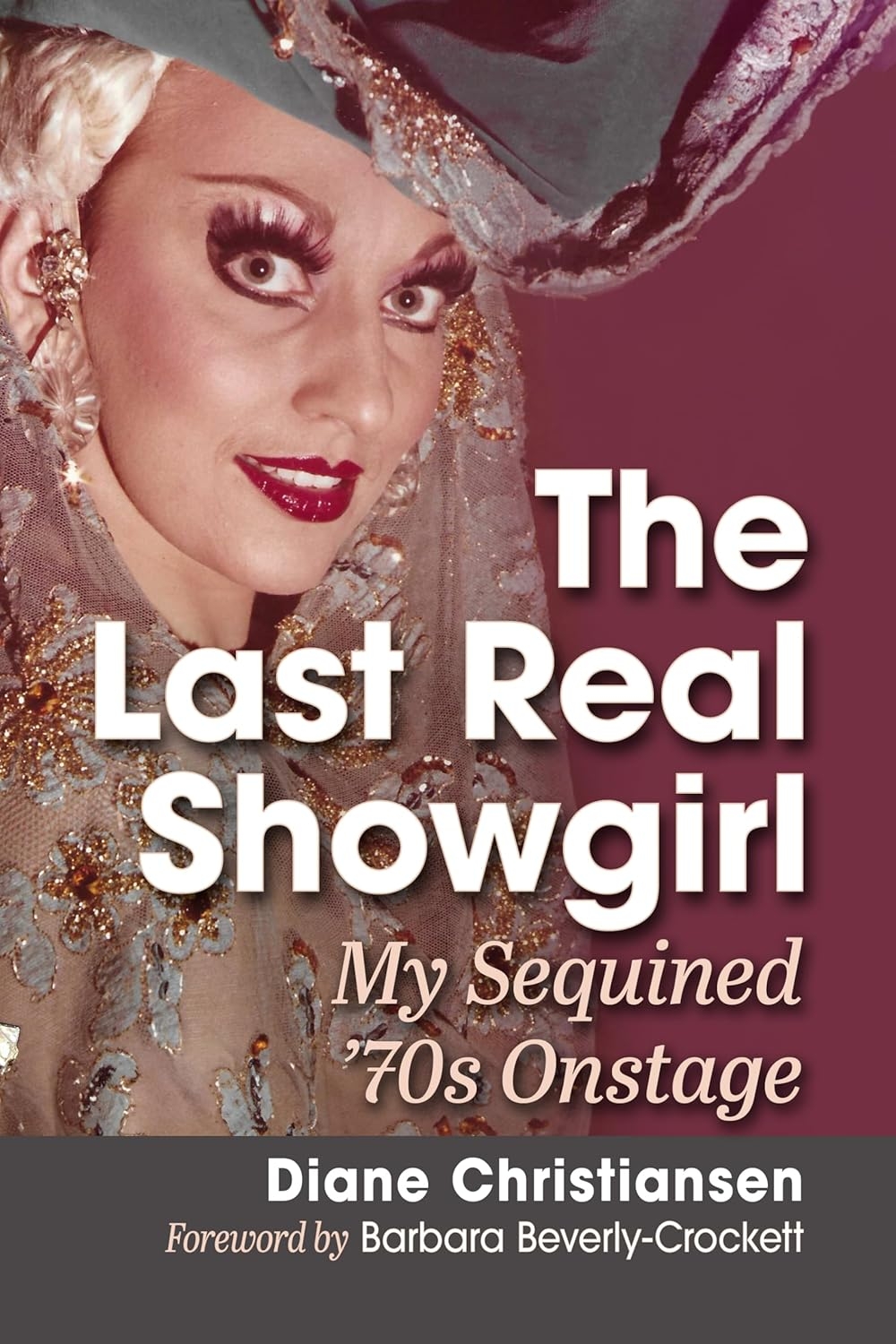
‘The Last Real Showgirl’ by Diane Christiansen. Photo: Amazon

“The Last Real Showgirl” by Diane Christiansen is a dazzling, heartfelt memoir that takes readers behind the velvet curtain of old Vegas glamour and other such clubs around the world, including Paris, Montreal, The Bahamas, Puerto Rico, and New York. With charm, wit, and vulnerability, Christiansen recounts her journey from a small Illinois town girl to a star showgirl in the golden age of Las Vegas-like entertainment. Her voice is unapologetically authentic, brimming with the confidence of a woman who knows she lived a life few could imagine.

It begins in 1969 when Diane auditions, with butterflies in her stomach, for the Rockettes at Radio City Music hall as a 17 year old high school student. Her first professional job takes her to Montreal, where the training was so intense, she often wishes she could quit and go back home. The thought of returning to a turbulent home life was her incentive to tough it up and keep going. Her persistence pays off, as she is soon traveling the world from one exotic locale to another, all the while dating some of the men she meets along the way. All in all, she was a dancer, a showgirl, and an actress, and ultimately, the #1 acting coach in Hollywood.

The chapters are short and the first person narrative is immersive and engaging. With vivid language, her story unfolds as readers get glimpses of her struggles: “It had profoundly quenched my parched soul like an endless fountain of inspiration and had given me a glimpse of the reality to all my dreams of becoming a great dancer and actress.”

Highlights include Chapter 3: Meet My Mom & Dad where she gives her parent’s backstory and the home life she was fleeing and Chapter 12: Insomnia that describes her struggle with diet pills and the insomnia they caused her.

Christiansen manages to capture the sparkle and grit of showbiz. She doesn’t shy away from the sacrifices and pressures that came with the spotlight, nor does she downplay the camaraderie, artistry, and pride of being part of a now-vanishing world. Her stories are vivid and entertaining, painting a portrait not just of herself but of a bygone era where beauty, discipline, and performance reigned.

Overall, “The Last Real Showgirl” is a celebration of resilience and self-definition. Diane Christiansen’s story is a love letter to showgirls past and present—a reminder that strength can be found in sequins, and history can be told through high kicks and hard work. A captivating read, it’s recommended for readers intrigued by performance, identity, and the magic of old Las Vegas.

“With each storm, we grow a little more into the soul we are meant to become, like branches on a tree that have been struck by lightning. I could feel the accelerated growth inside me at this juncture.”

*The author was contacted for an honest review of this book and received a copy. The views and opinions expressed here belong solely to her.

Rating: 4 out of 5.

Related post: Sequins, Spotlight, and Stories: A Look at Diane Christiansen’s Dazzling Memoir

Phosphorus and the Pulse of the Planet: A Look at Jack Lohmann’s ‘White Light’

‘White Light’ by Jack Lohmann. Photo: Amazon

Phosphorus is a vital mineral that plays a crucial role in everyday life. It is essential for the formation of bones and teeth, working alongside calcium to keep them strong and healthy. Phosphorus also helps the body produce energy by aiding in the conversion of nutrients into ATP, the main energy source for cells. Additionally, it supports kidney function, muscle contractions, and nerve signaling. Found in foods like meat, dairy, nuts, and legumes, phosphorus is a key part of a balanced diet. Without it, many of the body’s essential systems would not function properly, highlighting its importance to overall health.

For readers interested in the subject, the new book “White Light” by Jack Lohmann might be of interest.

Jack Lohmann is a science writer and author of “White Light.” Lohmann has been awarded the John McPhee Award for Interdisciplinary Reporting. He received his undergraduate degree from Princeton University where he majored in English and Environmental Studies. He currently lives in Scotland. (Pantheon Books/Penguin Random House, 2025)

“White Light” A profound and lyrical reflection on the cyclical nature of life, what happens when we break that cycle, and how to repair it—told through the fate of phosphorus: in our bedrock, in our fertilizers, in our food, and in our cells.

“There would be no life without constant death.” So begins Jack Lohmann’s remarkable debut, “White Light,” a mesmerizing swirl of ecology, geology, chemistry, history, agricultural science, investigative reporting, and the poetry of the natural world. Wherever life has roamed, its record is left in the sediment; over centuries, that dead matter is compacted into rock; and in that rock is phosphate—one phosphorus atom bonded to four oxygen atoms—life preserved in death, with all its surging force.

In 1842, when the naturalist John Stevens Henslow, Darwin’s beloved botany professor, discovered the potential of that rock as a fertilizer, little did he know his countrymen would soon be grinding up the bones of dead soldiers and mummified Egyptian cats to exploit their phosphate content. Little did he know he’d spawn a global mining industry that would change our diets, our lifestyle, and the face of the planet.

Lohmann guides us from Henslow’s Suffolk, where the phosphate fertilizer industry took root, to Bone Valley in Central Florida, where it has boomed alongside big ag—leaving wreckage like the Piney Point disaster in its wake—to far-flung Nauru, an island stripped of its life force by the ravenous young industry. We sift through the Earth’s geological layers and eras, speak in depth with experts and locals, and explore our past relationship with cyclical farming—including in seventeenth century Japan, when one could pay their rent with their excrement—before we started wasting just as much phosphate as we mine. Sui generis, filled with passion and rigorous reporting, “White Light” invites us to renew our broken relationship not just with the Earth but with our own death—and the life it brings after us.

PRAISE FOR ‘WHITE LIGHT’
“A surprisingly riveting look at the role of death, in life, as illustrated via a single element.”
—Kirkus Reviews

“In this winding debut history, science writer Lohmann traces how phosphorus has shaped the natural world and human history. […] A stimulating study.”
—Publishers Weekly

“Via lyric, literary prose and journalistic storytelling, Lohmann lays bare a hidden ecological tragedy for scientifically curious readers.”
—Library Journal

“Lohmann robustly reports on the serious health hazards and environmental consequences of phosphate mining and processing.”
—Booklist

From Bellechester to London: A Heartfelt Tale of Purpose and Passing the Torch

‘The Doctor of Bellechester’ is Book 1 in the Dr. M.E. Senty series by Margaret A. Blenkush

Margaret A. Blenkush is a lifelong learner who earned an M.A. in Theology from St. John’s University, Collegeville, MN, and an M.L.I.S. from UW-Milwaukee. Suffering a life-changing illness in 2005, she received a medical retirement from her dream job. Always a Benedictine in her heart, she became an Oblate of St. Benedict’s Monastery, St. Joseph, MN in 2010. A Minnesota twin by birth, she enjoys retirement, gardening, volunteering, sudoku puzzles, hot fudge sundaes, and the changing seasons. She shares her childhood home with her nephew and two pet rabbits.

Her debut novel “The Doctor of Bellechester” is Book 1 of 2 in the Dr. M.E. Senty series.

“The Doctor of Bellechester” – Dr. Harold Merton, the kind and caring General Practitioner (GP) for the village of Bellechester, is worried because a near-fatal case of pneumonia last winter has made him think about the future. If something happened to him, who would take over his practice? Rarely leaving his beloved home in the Shropshire Hills, Harold courageously ventures into 1959 London to find a junior doctor to mentor and who will one day take his place. With the aid of his classmate, Dr. Basil Applegate, who is now Director of Junior Doctors, Harold hatches a plan to discover the most suitable candidate. What could possibly go wrong?

Upon his arrival in London, Harold meets a self-assured, young American woman, Emme. Her act of kindness sets off a chain of events that interweaves their lives in a way neither expected. Hidden identities and unexpected changes to plans lead to three memorable days for both Harold and Emme.

Review:
This is a women’s fiction story that captures the heart and soul of medicine in post-war Britain. Set in 1959, the story follows Dr. Harold Merton, a seasoned country physician from the fictional village of Bellechester, who journeys to bustling London’s Mother of Mercy Hospital in search of a junior doctor to mentor—someone who will carry forward his legacy of compassion, dedication, and community care.

It takes place in the span of three days and begins as Dr. arrives at the hospital on a hot summer day and is overwhelmed by the sights and sounds of the big city. Frozen with doubt, a young woman (who turns out to be Emme), approaches him offering help. They get to know each other and that fateful encounter will change both of their lives forever.

Dr. Merton is a character of deep integrity, and his mission is not just professional, but deeply personal. Through his search, readers are introduced to a range of young doctors, each reflecting the shifting ideals and ambitions of a new generation. Authoritative yet tender, the prose evokes a bygone era with authenticity, capturing the emotional weight of mentorship, the quiet dignity of service, and the timeless value of human connection in healthcare. It stresses the frustrating attitude towards women in medicine in the 1950s.

The narrative is dialogue driven and the action develops at a comfortable pace to allow Dr. Merton to get to know Emme. With vivid language, the settings comes to life: “He knew he should move, but the soles of his shoes seemed to have melted into the sidewalk and the hypnotic doors had put him in a daze.” The characters are well-developed and relatable while the different medical personalities reflect how varied their reasons are for entering the medical profession. It explores the themes of friendship, identity, compassion, and courage.

Overall, “The Doctor of Bellechester” is a tribute to country doctors and a reflection on legacy, vocation, and the healing power of mentorship. It’s a moving, memorable read and recommended for readers drawn to stories of purpose and humanity. Since it’s a quick and cozy read, it’s suitable for book clubs or classroom teaching and includes discussion questions at the end.

“As if she needed encouragement for what lay ahead, the cardinals and the robins voiced their support in song. Their messages of merriment and hopefulness were impossible to miss.”

Rating: 4 out of 5.

The Cost of Conscience: Exploring Justice and Corruption in ‘The Middleman’

‘The Middleman’ is Mike Papantonio’s new thought-provoking legal thriller. Photo: Barnes & Noble

“The Middleman” by Mike Papantonio is a gripping legal thriller that explores the high-stakes world of whistleblowers, corruption, and corporate greed. Drawing heavily from real-world headlines, the novel weaves a fast-paced narrative that’s as timely as it is thrilling. Papantonio, a renowned trial lawyer, uses his insider knowledge of the justice system to craft a story that feels disturbingly authentic.

The plot centers around Amy Redmond, the president of EirePharma, the Redmond family business and a powerful Pharmacy Benefit Manager (PBM). EirePharma was recently taken over by the charismatic CEO Connor Devlin who she suspects of using racketeering practices—and perhaps murder—to raise the prices of insulin for his own profit that ultimately harms consumers.

Amy is engaged to Connor but she tentatively decides to become a whistleblower as she tries to gather evidence to make sure Connor pays for his crimes. Nicholas “Deke” Deketomis and his law firm have a reputation for taking on America’s Big Pharma, so when Deke’s college friend and Amy’s cousin Matt Redmond presents him with a case of possible fraud, he agrees to investigate the matter. Amy is caught in the middle of a deadly game of wills between a formidable gangster, who in the eyes of the public is a respected businessman, and a law firm that is determined to investigate and uncover Connor’s crimes.

As the stakes rise, the characters are drawn into a deadly game of cat-and-mouse, where truth comes at a steep price. Murder, manipulation, and lies blur the lines between right and wrong, keeping readers on edge until the final page. The narration is non-linear, providing the necessary character development to make them relatable. There is not much court drama and the language doesn’t include too much legal terminology; instead, it focuses on the intense relationship between Amy and Connor, as Amy tries to gather the necessary evidence to convict him and Connor’s use of mobster-like tactics to preserve his way of life. Papantonio doesn’t just tell a story—he delivers a wake-up call about the consequences of unchecked power and the courage it takes to stand against it.

Overall, “The Middleman” is a suspenseful blend of mystery and moral urgency. By exploring the themes of family, friendship, justice, and good vs. evil, it creates a compelling and thought-provoking story. With sharp dialogue and a plot full of twists, this book is recommended for fans of John Grisham or anyone intrigued by the dark intersections of law, politics, and corporate influence.

*The author of this blog received a copy for an honest review. The views and opinions expressed here belong solely to her.
Rating: 5 out of 5.

Related post: Mike Papantonio’s ‘The Middleman’: A Legal Thriller That Hits Close to Home

The Price of Belonging: Exploring Selfhood in the Digital Age

‘Searches: Selfhood in the Digital Age’ is the new book by Vauhini Vara. Photo: Barnes & Noble

Books that explore the human condition in the digital age offer profound insight into how technology reshapes identity, connection, and meaning. Some examine AI’s emotional entanglement with humans, blurring the lines between empathy and programming, while others critique our obsession with surveillance and digital transparency. These narratives question what it means to be human when algorithms influence choices, relationships, and self-worth. As artificial intelligence grows more integrated into daily life, literature becomes a crucial mirror, reflecting both our fears and hopes for the future.

New this month, from the author of “The Immortal King Rao,”finalist for the Pulitzer Prize, is “Searches: Selfhood in the Digital Age,” a personal exploration of how technology companies have both fulfilled and exploited the human desire for understanding and connection. (Penguin Random House, 2025)

“Searches: Selfhood in the Digital Age” by Vauhini Vara

When it was released to the public in November 2022, ChatGPT awakened the world to a secretive project: teaching AI-powered machines to write. Its creators had a sweeping ambition—to build machines that could not only communicate, but could do all kinds of other activities, better than humans ever could. But was this goal actually achievable? And if reached, would it lead to our liberation or our subjugation?

Vauhini Vara, an award-winning tech journalist and editor, had long been grappling with these questions. In 2021, she asked a predecessor of ChatGPT to write about her sister’s death, resulting in an essay that was both more moving and more disturbing than she could have imagined. It quickly went viral.

The experience, revealing both the power and the danger of corporate-owned technologies, forced Vara to interrogate how these technologies have influenced her understanding of her self and the world around her, from discovering online chat rooms as a preteen, to using social media as the Wall Street Journal’s first Facebook reporter, to asking ChatGPT for writing advice—while compelling her to add to the trove of human-created material exploited for corporations’ financial gain.

Interspersed throughout this investigation are her own Google searches, Amazon reviews, and the other raw material of internet life—including the viral AI experiment that started it all. “Searches” illuminates how technological capitalism is both shaping and exploiting human existence, while proposing that by harnessing the collective creativity that makes humans unique, we might imagine a freer, more empowered relationship with our machines and, ultimately, with one another.

Vauhini Vara has been a reporter and editor for The AtlanticThe New Yorker, and the New York Times Magazine, and is the prize-winning author of “The Immortal King Rao” and“This is Salvaged.

“Vara humanizes the influence of technology in highly personal terms [and] projects what the future holds as tech oligarchs gain political influence. . . . Provocative, challenging, and concerning, Vara’s clever, eye-opening approach brings home the often uneasy confluence of individual desire, social benefits, and corporate ambition.”Booklist, starred review

“Tragic, funny, and relatable[, SEARCHES] is by turns absurd and insightful, engaging with the ethics of algorithms, surveillance, and privacy in a meaningful way. . . . A must read.” Library Journal, starred review

“Readers will be profoundly moved by this remarkable meditation.”Publishers Weekly, starred review

‘The Wait Until Sunday for Pan Dulce’: The Sweetest Children’s Book You’ll Read This Year

‘The Wait Until Sunday for Pan Dulce’ by Monica R. Velasquez teaches children the virtue of patience and sweet rewards. Photo: Barnes & Noble

Monica R Velasquez is a bilingual kindergarten teacher and children’s books author. Writing is her passion because it allows her to share her culture with others. “The Wait Until Sunday for Pan Dulce,” her first book, is about a little girl anxiously counting the days until Sunday when she and her family eat sweet bread. Her feelings change day by day as she dreams of eating different types of “pan dulce.”

“The Wait Until Sunday for Pan Dulce” – This is a rhyming book for children and children at heart. Different types of Mexican sweet bread are beautifully drawn, bringing the book to life. Sweet bread is something that many people enjoy around the family table with a cup of coffee. Some wait to eat the “pan dulce” at the end of the week when everyone can gather around, enjoy each other’s company, and eat delicious, sweet bread.

A charming and heartwarming children’s book, it vividly captures the beauty of anticipation and family tradition. It follows a little girl as she counts down the days of the week, eagerly awaiting Sunday—her family’s special day to buy pan dulce, or sweet bread.

Velasquez skillfully weaves a simple yet engaging narrative that highlights the joy of a weekly ritual and teaches young readers the concept of patience and the comfort of routine. Each day is thoughtfully described, showing how she struggles through each, all while dreaming of her favorite treats. The colorful and inviting illustrations by Natasha Bolonna add warmth and charm to every page, perfectly capturing the coziness of the little girl’s world.

Overall, “The Wait Until Sunday for Pan Dulce” is a wonderful introduction to the rich heritage of Mexican cuisine and the small joys of family rituals. It’s relatable, rhythmic, and sweet—just like the pan dulce it celebrates. Ideal for preschoolers and early readers, it’s a delightful read-aloud that encourages children to find magic in the everyday.

Rating: 5 out of 5.

Also by Monica R. Velasquez: “Sana, Sana, Frog’s Butt.”

Psychedelics Reimagined: What ‘Your Extraordinary Mind’ Reveals About 21st Century Healing

‘Your Extraordinary Mind’ is the debut book by Zach Leary, a longtime psychedelic advocate and cultural figure. Photo: Sounds True

Psychedelics have gained increasing appeal for therapeutic use due to their potential to catalyze profound psychological healing. Substances like psilocybin and MDMA are being studied for their ability to treat depression, PTSD, and anxiety by promoting emotional breakthroughs and deep introspection. Unlike traditional medications that often suppress symptoms, psychedelics help users confront and process difficult experiences with enhanced clarity and compassion, especially when guided by trained therapists. The allure lies in their promise of transformation—unlocking new perspectives, relieving long-held emotional burdens, and fostering a sense of connection, meaning, and renewal that many find missing in conventional mental health treatments.

Zach Leary has been at the center of the psychedelic movement for more than 30 years, with a front-row seat for the modern renaissance while having firsthand knowledge of the historical legacy. As a session facilitator, integration coach, and seeker of all things mystical, Zach also teaches psychedelic studies. Zach formerly hosted the MAPS Podcast with the Multidisciplinary Association for Psychedelic Studies and is a facilitator at Illuminating Heroes, serving veterans and first responders. His debut book “Your Extraordinary Mind: Psychedelics in the 21st Century and How to Use Them” is a dynamic deep dive into the revolutionary, mystical, and sometimes unpredictable world of psychedelics. It will be released on April 29 and is available now for pre-order. (Sounds True, 2025)

“Your Extraordinary Mind: Psychedelics in the 21st Century and How to Use Them” – More than 30 million people in the United States have used psychedelics―and the number is rapidly rising as practices like psychedelic-assisted therapy grow in popularity and an increasing number of places legalize or decriminalize these substances. But even as interest skyrockets, most people have little idea how to use psychedelics safely, let alone integrate these profound experiences into their everyday lives. Psychedelic researcher and advocate Zach Leary offers a necessary overview of psychedelics today―particularly LSD, psilocybin, MDMA, and ayahuasca―including what they are, how to use them safely, and crucially, how to integrate mind- and spirit-altering experiences into the rest of our lives.

Leary, the son of psychedelic pioneer Timothy Leary, has a unique perspective on not only where psychedelics have been but also where they’re going. He offers context on both the cultural history and present interest, while acknowledging and honoring the Indigenous roots of many of these traditions.

The book discusses:

• Instructions for intention, use, and integration
• How psychedelics can support trauma healing
• An overview of the current legal landscape and future questions
• How psychedelics can support addiction recovery
• How to work with psychedelics for spiritual growth

 “Some say the psychedelic experience is too vast and unconventional to be reduced into language that can affect its daily relationship with consciousness. I subscribe to the idea that the psychedelic experience can be weaved into one’s heart, soul, healing, and thus, daily living practice. I believe we can distill the mind-blowing, previously indescribable psychedelic experience into a focused spiritual method that can help people in their daily lives.” – Zach Leary

Part autobiography, part how-to guide, and part commentary on the recent rise in popularity of psychedelics, Your Extraordinary Mind” has a unique perspective on not only where psychedelics have been but also where they’re going. In addition to instructions for intention, use, and integration, Leary addresses topics like healing trauma, psychological and spiritual experiences, questions of legalization, and how psychedelics relate to and can help people heal from addiction. It offers wisdom that is both practical and profound.

1745926080

  days

  hours  minutes  seconds

until

‘Your Extraordinary Mind’ release date