Book Review: ‘Civil Living’ and the Power of Personal Transformation

‘Civil Living’ by Pete Wiley: why true civility begins within. Photo: Pete Wiley, used with permission.

Book Review: Civil Living by Pete Wiley

Finding Civility in Society, in Our Interactions, and Within Ourselves


Synopsis

From global conflicts to political shouting matches, it’s easy to believe the world is becoming less civil. But real change begins at the individual level.

Drawing on timeless human values and grounded insight, Civil Living explores how self-knowledge, inner peace, open-mindedness, and self-love form the foundation of civil behavior—not just in society, but within ourselves. Through thoughtful reflection and practical guidance, this book shows how personal transformation can ripple outward to foster healthier relationships, stronger communities, and a more compassionate world. (Barnes & Noble, 2025)

Civil Living is part of the Blocks of Life series, which includes:

  • Blocks of Life
  • Blocks of Life Volume 2: Know Yourself
  • Blocks of Life Volume 3: Embracing Change
  • Life Tides: Understanding Your Ebb and Flow (Blocks of Life)
  • Civil Living: Finding Civility in Society, in Our Interactions, and Within Ourselves

What’s Inside

  • Divisions – Finding A Way Back From The Brink
  • The State of Humanity – To Evolve Or Not To Evolve
  • How to Be Friendly in a Divisive World – And Why
  • Forces of Evil – Why Bad Things Happen
  • Getting Past the Ideal – To The Heart Of Who People Are
  • And More

Highlights

  • How to Be Friendly in a Divisive World (And Why) – Wiley explains that we should strive to be friendly to people who are unfriendly to us—because that’s the only way we move forward. Plus, friendliness boosts inner peace, improves health, and simply feels good.

“Because friendliness is directly tied to inner peace and serenity, it is natural to work toward these with mindfulness practices, which also have a host of other benefits.”

  • The Fluidity of Friendship – The Evolving Nature of Our Connections – We all change over time, so we should remain open to growth in ourselves and others.

“Our friendships are like floating down a river: we experience twists and turns and encounter tumultuous areas, but ultimately, the ride is worth it.”


About The Author

Pete Wiley takes advantage of his varied interests and experiences to learn about people and how they behave, interact, and grow. He applies these insights to creating Blocks of Life books, poetry, videos, music, and a blog, and interacting with his audience. He lives in Maryland with his wife and son.


Review

In Civil Living, Pete Wiley offers a refreshing and timely reminder that true civility begins within. Instead of presenting rigid rules or superficial politeness, Wiley encourages readers to look inward and explore how self-knowledge, inner peace, open-mindedness, and self-love shape how we interact with the world. His central principle, that personal growth is inseparable from building a compassionate society, is inspiring and practical.

Wiley provides tangible steps to translate insights into daily action. Whether it’s cultivating healthier relationships, contributing to stronger communities, or simply practicing patience in small exchanges, the book illustrates how inner transformation leads to outward impact.

His writing style is relaxed and conversational, making complex ideas approachable without losing depth. With short, focused chapters, the book blends philosophy, personal anecdotes, and practical wisdom into a helpful guide for improving civility.

In a world where division and incivility dominate headlines, Civil Living stands as a guide and a gentle call to action. By nurturing our inner selves, we lay the foundation for a more compassionate and connected society.

Recommended for readers of self-improvement, personal growth, and mental wellness.

“While we have seen gains in some areas, there have not been coinciding advances in critical aspects of human nature, such as wisdom and compassion. Without these, we are seriously at risk.”

Rating: 4 out of 5.

*Thank you to Pete Wiley for the gifted copy for review consideration. I have not been compensated for this review and all opinions expressed here are my own

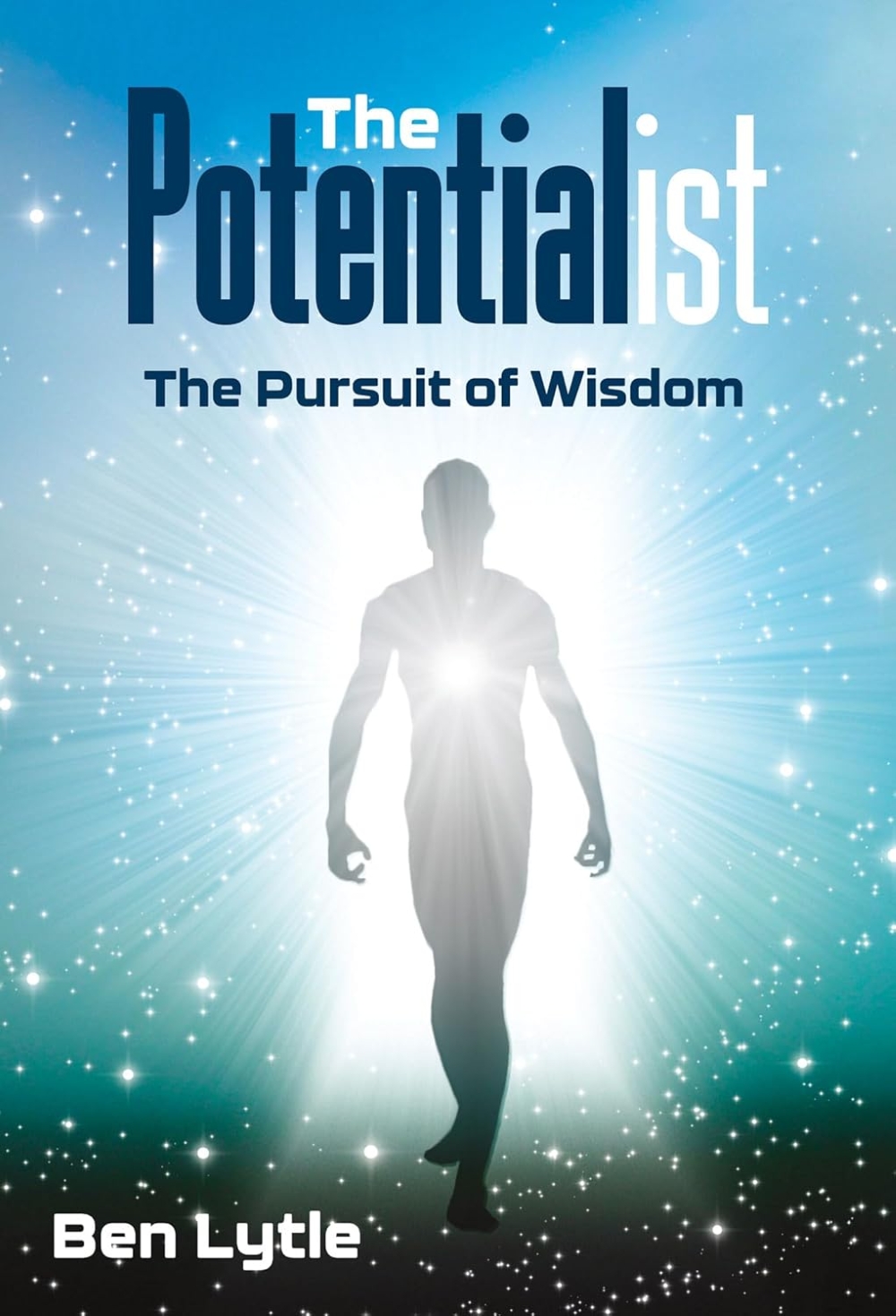
Wisdom for the Future: A Review of ‘The Potentialist’ by Ben Lytle

‘The Potentialist: The Pursuit of Wisdom’ is Ben Lytle’s second book in The Potentialist series. Photo: Barnes & Noble

Ben Lytle’s “The Potentialist: The Pursuit of Wisdom” is a thought-provoking guide that explores how individuals can unlock their full potential by cultivating wisdom. The book serves as a practical roadmap, offering insights on self-awareness, lifelong learning, and personal growth. Lytle breaks down the often elusive concepts of wisdom and human potential, making them accessible to anyone willing to embrace change and self-improvement.

It begins with the goal of the book: “This book will show you how to achieve your potential, become wise, make better decisions, have deeper relationships, and live well with only a small investment in time.” After he defines wisdom, he goes into how we can cultivate consciousness and explains several natural laws, such as the Law of Cause and Effect and the Law of Polarity. Finally, he ends with a list of discussion questions for further personal examination for individuals or discussion/book clubs such as Why is life so hard and sometimes seemingly cruel? and Why do some people suffer more than others?

The book is divided as such:

Part 1 – Your Place in the World

  • Potential, Wisdom, and the Art of Living Well
  • Life’s Unavoidable Questions
  • Natural Law
  • The Inner World of Your Psychological Body

Part II – Advanced Skills

  • Cultivating Consciousness
  • Conscious Intention
  • Learning States
  • Intimacy

Part III – Approaching Potential

  • Reframing Fear
  • Getting Out of Your Way
  • Your Potential and Wisdom

Highlight:

Chapter 6 – Conscious Intention – where the author examines the Law of Cause and Effect in the modern age of electronic communications. It has increased the denial of cause and effect when it comes to people who run scams because they “see faceless victims as opportunities without consequences.” This also has to do with people who get angry on social media or in emails and take risks they wouldn’t normally do in person.

I appreciate how he combines philosophical wisdom with actionable advice. Lytle emphasizes the importance of curiosity, adaptability, and resilience in navigating an ever-evolving world. Readers are encouraged to adopt a mindset of continuous growth, shedding limiting beliefs, and embracing opportunities for self-improvement. His writing is engaging, insightful, and filled with real-world examples that make complex ideas easy to grasp.

Overall, “The Potentialist” highlights the importance of inner fulfillment. It challenges readers to look beyond traditional measures of achievement and focus on personal evolution. Whether you are an entrepreneur, professional, or someone on a journey of self-discovery, this book offers valuable insights on living a life of purpose and meaning. It is recommended for readers who are seeking to reach their highest potential.

“Greet every new positive or adverse development as a puzzle piece, increasing comprehension of the inner and outer worlds comprising your life. Instead of responding to change with “Now what?” welcome it with “What can this teach me?”

*The author received a copy of this book for an honest review. The views and opinions expressed here belong solely to her.

Rating: 4 out of 5.

Debra Silverman’s Take on Astrology: A Guide to Self-Discovery and Growth

‘I Don’t Believe in Astrology’ is Debra Silverman’s insightful new book. Photo: Barnes & Noble

Astrology has fascinated people for centuries, offering a sense of meaning and connection to the universe. Many find comfort in its insights, believing celestial movements influence personality, relationships, and life events. For some, it provides guidance, especially during uncertain times. Horoscopes and birth charts give individuals a sense of self-awareness and destiny, making them feel understood. While skeptics view astrology as pseudoscience, its symbolic language resonates deeply with those seeking reassurance or direction. In a fast-paced world, astrology offers a spiritual refuge, blending mystery, tradition, and hope into a practice that continues to thrive.

If you’ve ever been curious about astrology and wanted to learn more, Debra Silverman’s new book “I Don’t Believe in Astrology” is worth checking out.

Debra Silverman is an astrologer, psychotherapist, spiritual guide, and author. With our planet longing for compassion and guidance in these very unusual times, Debra brings her Master’s degree in clinical Psychology plus her humor, wisdom, and honesty to soothe the collective pain. Debra is the author of “The Missing Element” and founder of a school educating more than 7,000 people in Astrology. Debra is also the host of The I Don’t Believe in Astrology Podcast. Her new book, “I Don’t Believe in Astrology,” is an accessible guide to the life-changing benefits of astrology. It will be released in April 2025 and is available for pre-order. (FSB Associates, 2025)

“I Don’t Believe in Astrology” – In a chaotic, confusing, and divisive world, Debra Silverman introduces astrology as the medicine for accepting our human nature–its idiosyncrasies and dilemmas. Through an application of both therapy and astrology, this breakthrough guide equips readers with tools that release self-judgment, inner criticism, negativity, and misunderstanding. Every sign struggles with psychological issues. Understanding the unique topics relative to your sign, it’s no surprise you are quirky. Learning how to accept who you are and love yourself unconditionally through the lens of astrology is at the heart of this book.

Debra Silverman teaches you how to step away from the struggle of your ego and see yourself with the calm objectivity of your soul. You will learn to love what you see—not just your best qualities but everything about you. She shows you how to aim for the high road of your personality. Most of all, you will cultivate compassion for all the other signs in the zodiac. Learn the meaning of the sun, moon, rising sign, Mercury, and Saturn. Using Debra’s method combining the wisdom of astrology and psychology, readers will remember the truth of their soul’s expression, seen through the eyes of self-love.

Below is an excerpt from “I Don’t Believe in Astrology,” posted with permission.

Excerpt

Astrology shows you who you really are and says, “Hey, this is you, and it’s okay. You have permission to be a daydreamer (Pisces), or ambitious (Capricorn), or strong (Aries). There are reasons you value freedom over relationships (Aquarius), or financial security over frivolous shopping (Taurus), or talking over listening (Gemini). It’s natural for you to obsess about the meaning of life (Sagittarius), or have a morbid curiosity about death (Scorpio), or feel best when your whole family is under one roof (Cancer), or be in love with romance (Libra), or try to get all the attention (Leo). You don’t need to fight it. It’s just you being you.”

Astrology turns on self-awareness. If you are a Virgo, astrology will teach you that you tend to criticize yourself. Bringing that into your awareness helps you to ease up and understand how important it is for you to be precise, attend to details, and check off your to-do list. The voice of your observer (I’m going to show you how to find and hear it) will say, “Yep, you criticize yourself. Don’t worry. You’re okay.” Then if someone tells you, “Hey, relax, it’s not that important,” you’ll know enough about yourself to know that for you, it is important, and that’s okay, too. You love the small stuff. You’ll know you’ve got the observer turned on when you learn to laugh at yourself a little, and genuinely be able to say to yourself, “Oh, there I go again. That’s so me!”

There are struggles inherent in each of the twelve signs. Find your struggle, and you will discover what you are here to learn. You’re not here by accident. There is a curriculum, and a folder in the home office with your name on it. Astrology provides the keyhole to peek through, to see what your lessons are. It’s a relief to know your challenges are happening for a reason, and most of all, to understand that you’re not to blame.

Author Debra Silverman. Courtesy photo, used with permission.
1744107571

  days

  hours  minutes  seconds

until

‘I Don’t Believe in Astrology’ release date

The Spiritual Path to Personal Growth: ‘Transforming the Legacy’ by Cyndi Dale

‘Transforming the Legacy’ by Cyndi Dale. Photo: Amazon

Books on New Age and spiritual healing offer readers a path to self-discovery, emotional well-being, and inner peace. By exploring themes like energy healing, meditation, mindfulness, and the power of positive thinking, they offer tools to help individuals navigate life’s challenges. Their appeal lies in their promise of personal transformation, empowerment, and deeper connection to the universe. In a world of increasing stress and uncertainty, these books provide a sense of comfort and hope, inviting readers to explore alternative ways of thinking and being. They encourage growth, balance, and healing, appealing to those seeking spiritual and emotional fulfillment.

“Transforming the Legacy: The Subtle Body Approach to Honor and Heal Your Inherited Lineage” by Cyndi Dale presents a unique and powerful subtle body approach to heal issues caused by ancestral lineage and inherited patterns. It will be released on February 11 and is available for pre-order. (Sounds True, 2024)

Cyndi Dale is an internationally renowned author, speaker, and intuitive healer. She offers private sessions and workshops through her company, which she has led worldwide. She has written several groundbreaking books on the chakras and subtle energy anatomy, including The Subtle Body series, “Energy Healing for Stress, Trauma & Chronic Illness,” and “Advanced Chakra Healing.” Her work has been published in twenty languages.

“Transforming the Legacy” – Many people feel stuck in the past from time to time, but what if your past is impacting your present in significant ways? In reality, the past has created your present. Your inherited traits—those acquired through biological means and your soul—determine much of who you are. Some of those patterns and programs might be supportive of your true self. But others? Not so much! The good news is that you can change your inheritance through an easy-to-access mechanism: the subtle body.

Cyndi Dale presents a unique and powerful approach for transforming soul-based and lineage-ancestry issues through the main structures of energetic anatomy—your chakras, meridians/nadis, and auric fields. Using accessible practices, you’ll learn to address your genealogical and soul history through these structures, shifting from stuck-ness to the freedom of “becoming your own best ancestor”—the self who can sort through history and establish future pathways of love and good health.

Here you’ll explore:

• How your personal and ancestral legacy can impede or help you
• Reasons the cacophony of inherited traits and attitudes makes it difficult to be your true self in everyday life
• Science and psychological research showing that you can assess and even change your inheritance
• Various roles the subtle body’s structures play in working through legacy issues
• Ways you can immediately empower yourself to alter complicated inheritances
• Tools for meeting—and even conversing with—your own ancestors
• Journeys into your own past, concurrent, and possible future lives

Sometimes, to move forward, we must first move back. Discover the underlying energy that’s inherent in you. Get grounded in your lineage, connect to your experiences across time, and access and heal your history. It’s time to alter what has been in order to stand entirely in the present, reconnect with your true self, and create your best path forward.

1739270902

  days

  hours  minutes  seconds

until

‘Transforming the Legacy’ release date

Wisdom in Action: How ‘The Potentialist: The Pursuit of Wisdom’ Inspires Personal Growth

‘The Pursuit of Wisdom’ is book 2 in The Potentialist series by Ben Lytle. Photo: Amazon

Books about personal transformation and growth offer profound insights and strategies for individuals seeking to change their lives. These books often explore themes like self-discovery, resilience, and growth, providing readers with tools to overcome obstacles and achieve their goals. Authors share personal stories, research findings, and practical exercises that inspire action and reflection. By engaging with these texts, individuals can gain clarity, motivation, and a renewed sense of purpose, ultimately leading to a more fulfilling and authentic life.

There’s a new one out this month by Ben Lytle, author of The Potentialist series. In his second book, “The Pursuit of Wisdom,” he writes about wisdom, how to attain it, and the potential that exists in everyone, just waiting to be released.

Ben Lytle is a serial entrepreneur and health-care innovator known for being ahead of the curve. He launched five successful companies, including two on the New York Stock Exchange. The best known is Anthem, one of three leading U.S. health plans with a market capitalization placing it in the top 30 of the Fortune 500. He also founded Acordia, Inc., which became the world’s 7th largest insurance broker. (Meryl Moss Media, 2024)

Lytle’s devotion to individual and collective human potential through accelerated wisdom guides his writing, speaking, entrepreneurial energy, and investments. He believes people and organizations today underestimate the extent and speed with which the world will change. Time to adapt and prepare is being compressed, opportunities are being missed, and there will be unnecessary suffering unless prompt action is taken.

He is the author of the series The Potentialist, which includes Your Future in the New Reality of the Next Thirty Years, The Pursuit of Wisdom, and a third installment to come. The series is intended as a guidebook for success during the fast-changing, turbulent, and opportunity-rich times ahead — named The Fourth Industrial Revolution by the World Economic Forum. The newest one, “The Pursuit of Wisdom” is available now.

“The Potentialist: The Pursuit of Wisdom” –
Wisdom and potential are our ideal adaptive responses for these challenging times. Five converging forces are creating a new twenty-first century reality defined by unavoidable life-altering changes and unprecedented decisions. We are anxious and overwhelmed as the world and our lives change faster than we can comprehend and adapt. The old ways of adapting aren’t working because complex changes and decisions are coming at us too fast. In this New Reality, the wise will thrive, and the unprepared will be left frightened and confused.

This groundbreaking book by Ben Lytle—Fortune 500 CEO, entrepreneur, and author—demystifies human potential and wisdom to make them attainable to all who seek their best. He predicts that technological advances and changes in social norms will make wisdom development urgent, but easier. His practical knowledge and straightforward language provide clarity, fresh perspectives, and proven practices that seamlessly integrate with daily life.

This highly anticipated second installment of The Potentialist series takes you on an uplifting journey to unleash your potential and accelerate decision-making wisdom during this period of the greatest change in human history.

Will you seize your potential and become wise to adapt and succeed in these turbulent, opportunity-rich times? If not, what’s your plan?

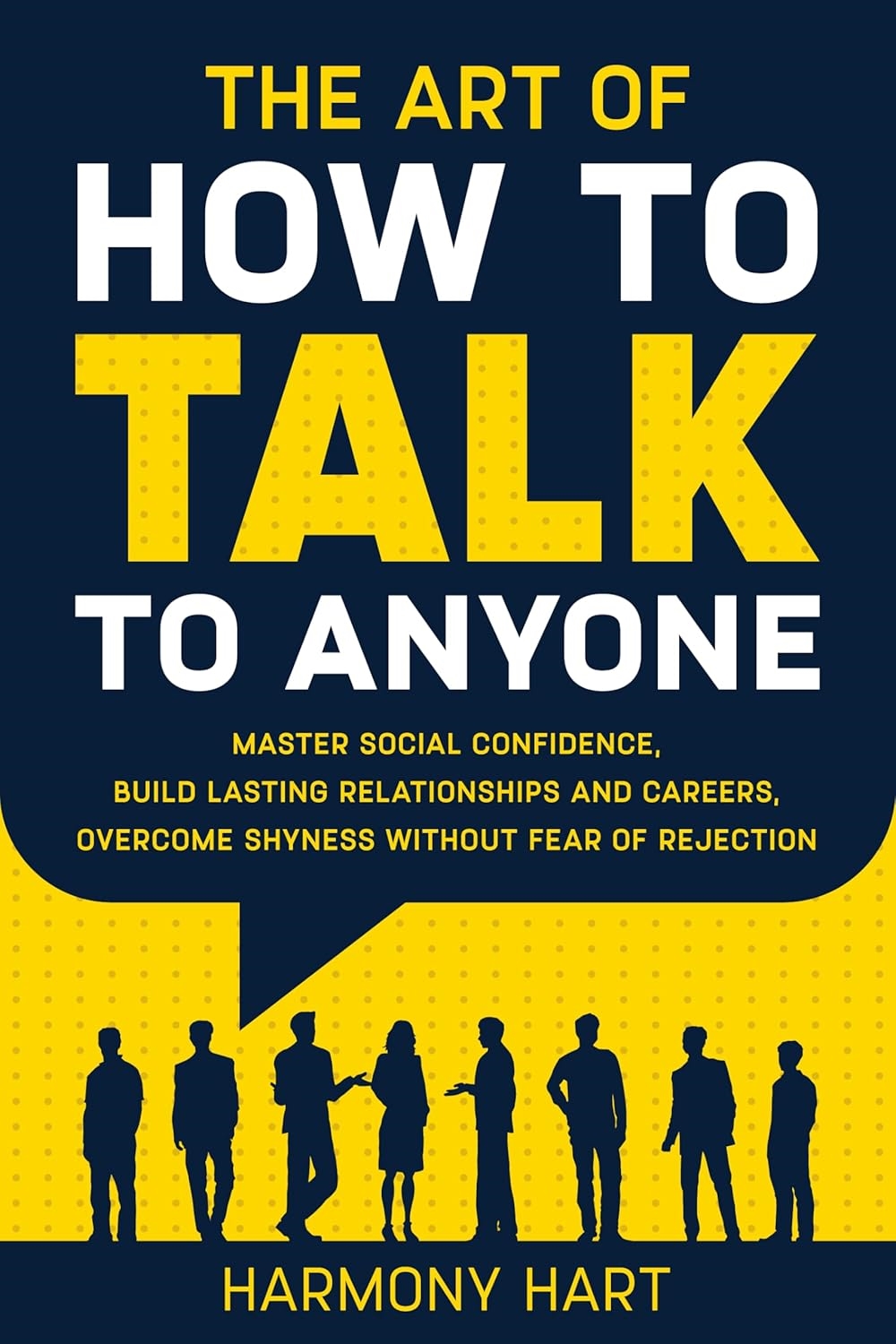
Mastering Conversations: A Review of ‘The Art of How to Talk to Anyone’

Discover how to unlock the power of effective communication with the new book by Harmony Hart. Photo: Amazon

“The Art of How to Talk to Anyone” by Harmony Hart is a concise and insightful guide to mastering the art of conversation. Hart blends practical advice with psychological insights, making this book a valuable resource for anyone looking to improve their communication skills.

It begins by emphasizing the importance of listening and understanding others, setting a foundation for effective communication. From there, it moves on to techniques for initiating conversations, keeping them flowing smoothly, and gracefully exiting when necessary. Hart’s approach is straightforward, offering valuable tips that can be applied in various social and professional settings.

Chapters include:
Understand the Basics of Conversation
Essential Social Skills for Everyone
Strategies for Building Rapport
Overcome Common Social Challenges
The Introvert’s Path to Social Confidence
Cultivate Personal Relationships
Cultural Sensitivity and Global Communication
Enhance Communication for Career Advancement
Navigate Digital Communication
Become a Lifelong Communicator

Highlights:
4. Overcome Common Social Challenges
Conquer Imposter Syndrome in Social Situations – stresses the importance of overcoming doubts about your abilities and accomplishments. “This self doubt can create a barrier to forming genuine connections, as you might hold back from engaging fully or authentically with others.”

5.The Introvert’s Path to Social Confidence
Set Healthy Social Boundaries – the importance of setting boundaries to give yourself time to recharge and refocus. “…remember that your boundaries are not barriers but bridges to more authentic and enjoyable connections.”

What I like most is its main focus is on developing empathy and the importance of authenticity. Hart encourages readers to genuinely connect with others by showing interest and empathy, rather than focusing solely on themselves. This approach not only enhances one’s ability to converse but also fosters meaningful relationships.

Overall, “The Art of How to Talk to Anyone” stands out for its practicality and accessibility. Whether you’re an introvert seeking to feel more comfortable in social situations or an extrovert looking to refine your conversational skills, this book offers valuable insights that can help you navigate conversations with confidence and finesse.

*The author was contacted for an honest review of this book. The views and opinions expressed here belong solely to her.

Rating: 5 out of 5.

The Power of Tapping: Donna Eden and David Feinstein’s Approach to Energy Medicine

‘Tapping: Self-Healing with the Transformative Power of Energy Psychology’ is the new book by David Feinstein PhD and Donna Eden. Photo: Amazon

Donna Eden is the author of “Energy Medicine,” has treated over 10,000 individual clients, and has taught hundreds of classes, speaking to standing-room-only audiences throughout the United States, Europe, Australia, New Zealand, and South America. Since childhood, she’s been able to perceive the body’s subtle energies and now works with those energies to heal others and to teach others how to work with them. David Feinstein, PhD, a clinical psychologist, has served on the faculty of The Johns Hopkins University School of Medicine and has received nine national awards for his books on consciousness and healing. Together, they have written “Tapping: Self-Healing with the Transformative Power of Energy Psychology.” (Sounds True, 2024)

In “Tapping,” Eden and Feinstein detail the procedures that signal your nervous system to reduce fear, anger, stress, and grief while activating brain regions involved with problem-solving and managing emotions. The goal is to help you find inner balance and take charge of the internal models that govern your life. Physically tapping energy points on your skin while bringing problems and goals to mind changes the brain in ways that help to overcome those challenges and support those aspirations. This stimulating practice places an astonishingly effective tool into your own hands. The approach is as deceptively simple as it is potently effective. 

Through their extensive research and field-tested refinements on this method, Eden and Feinstein have emerged as top experts on this approach for self-development—combining the verified effectiveness of tapping with the best practices of psychotherapy. “Tapping” is an unprecedented resource for self-care and personal growth.

Book review: ’10 Habits of Highly Successful People’ by Ansh Verma

’10 Habits of Highly Successful People’ contains essential information for people interested in personal development. Photo: Amazon

Ansh Verma is a researcher, author, and philosopher based in Dhanbad, Jharkhand (India). He researches almost everything that can be observed, felt and/or read, including technology, politics, divine, war, behavioral, engineering, investments, military, finance, and mathematics. Post graduation, Verma has almost 20 years of experience in thinking and making sense of the world. His new book “10 Habits of Highly Successful People” is an essential guide that breaks down the main essential habits and characteristics of successful individuals.

“10 Habits of Highly Successful People”  – Sometimes life can get so hectic that we often forget that there are easier and better ways to cope with life’s struggles. While there are other books out there that address personal development, I like this one because the author uses language that is easy to read and understand and the tone is not condescending at all. Because it is a short read, he gets down to the point without fillers like background stories or endless examples of how people have successfully implemented these habits into their lives. Since each habit is a chapter, it makes it so convenient to go back and re-read at your own pace. He also gives tips and key points on how to implement these habits into your daily routine.

The chapters are as follows:

Goal Setting
Time Management
Continuous Learning
Positive Mindset
Networking
Consistency
Embracing Failure
Health and Wellness
Financial Responsibility
Gratitude and Empathy
Bonus: Wisdom from Japanese Traditions

Some of these habits are well known, like Networking, Time Management, and Goal Setting, but some of them are more personal, like Positive Mindset and Continuous Learning. My favorite ones are Embracing Failure and Gratitude and Empathy. Embracing Failure – it is not easy to accept and learn from failure but it is an important part of the growth process because it creates resilience. We should not let failure define our worth or potential. Gratitude and Empathy – “highly successful individuals embody gratitude and empathy in their interactions with others.” We can do this by reflecting on the things we are grateful for and putting ourselves in other’s shoes. I highly recommend this book if you are interested in self help books about personal growth and development, not just success in terms of money and status.

*The author was contacted for an honest review of this book. The views and opinions expressed here belong solely to her.

Rating: 5 out of 5.

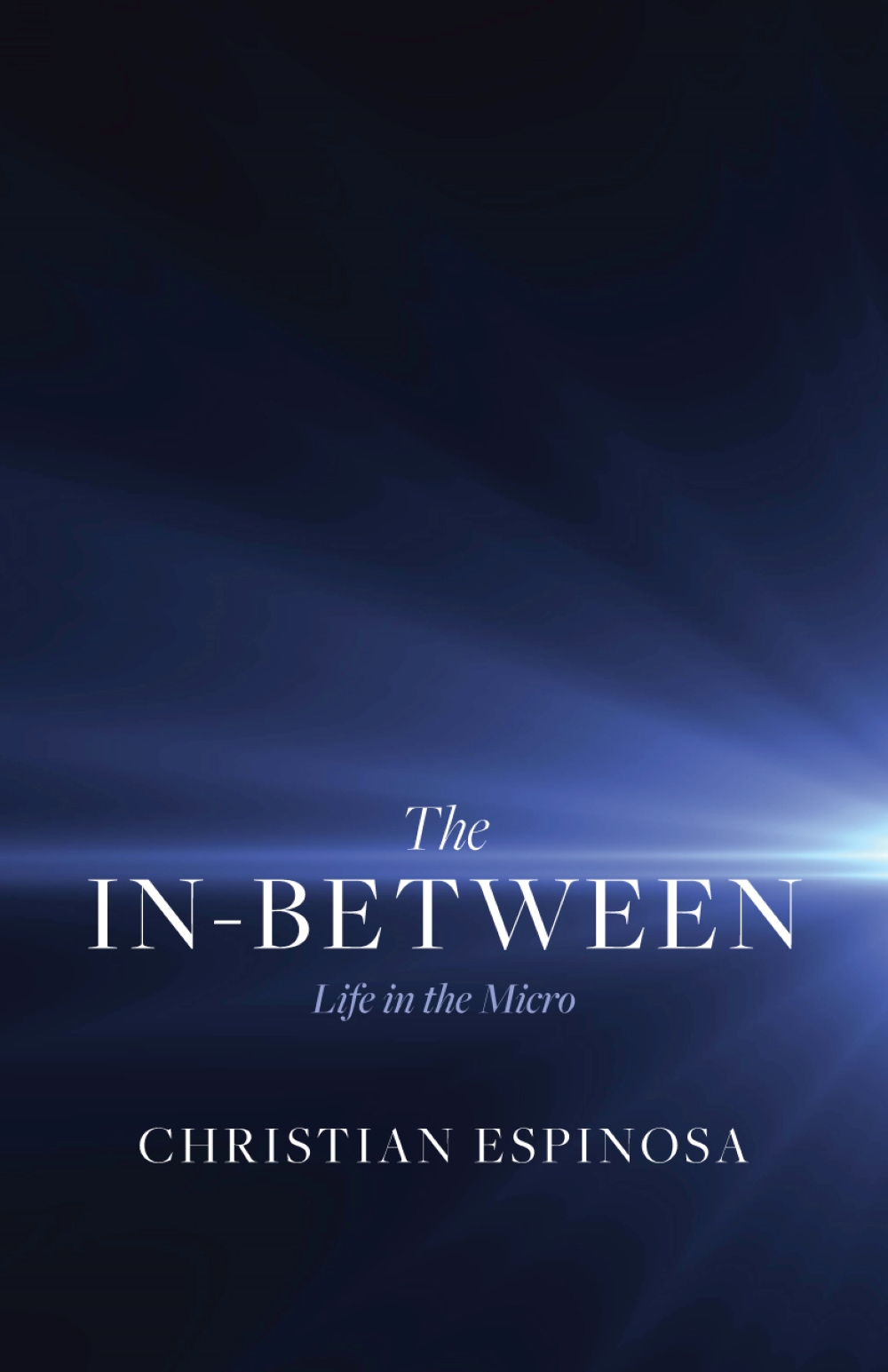
New book release: ‘The In-Between: Life in the Micro’ by Christian Espinosa

‘The In-Between: Life in the Micro’ is the new book by Christian Espinosa. Photo: Christian Espinosa, used with permission.

Regardless of our life experiences, we all have those moments when life starts to make sense. Even then, we should always keep learning and growing as human beings. I like reading biographies and memoirs because the authors share what they have learned in the hopes of inspiring others to improve their lives. In his new memoir, Christian Espinosa shares the journey that transformed him into a compassionate global citizen. In “The In-Between: Life in the Micro,” he explains that some regrets do not hit you all at once. They seep in at the corners of your life, at night or on a long drive, until they become a refrain. Those are the worst regrets of all. Pick up your copy today from Amazon and read all about his fascinating journey. 

Christian Espinosa is an esteemed thought leader and best known as the bestselling author of “The Smartest Person in the Room,” a book that explores the limitations of seeking validation through achievement and the desire to be the brightest intellect in any room. He is also a successful entrepreneur, white hat hacker, captivating speaker, real estate investor, and heavy metal enthusiast. With a deep desire to inspire others to harness their innate wisdom, overcome perceived barriers, and summon the courage to tread new paths, Christian has written his latest book, “The In-Between: Life in the Micro.” This book chronicles his remarkable transformation from a “me against the world” mindset, cultivated during his tumultuous upbringing, to his evolution as a compassionate global citizen committed to uplifting humanity. (Christian Espinosa, 2023)

“The In-Between: Life in the Micro” – Christian Espinosa was living in a bubble, and it burst on May 9, 2022. It was the middle of the afternoon. As he and his partner Vanessa approached a major intersection, a blue car accelerated, ran the red light, and T-boned a black truck directly in front of them.

The blue car’s hood crumbled like an accordion to absorb the impact. Within seconds, its front end was completely smashed and its windows were broken. Then everything went out of focus, except for what he needed to do—assess the scene for safety, check on the drivers of the blue car and black truck, and call 911. Nothing else mattered—he felt a heightened sense of purpose.

He had always focused on one macro moment after another—the next mountain to climb or business to start. He had not spent any time appreciating the micro-moments—life in between the macros. He had been living in a macro-moment bubble.

The accident awakened in him a desire to paint a complete picture of who he wanted to be and how he wanted to approach his life. This is his story of learning how to value the in-between and prioritize consciously living in the micro.

Sponsored Post

Book review: ‘Finding the Words’ by Colin Campbell

‘Finding the Words’ is the powerful account of one father’s journey through unimaginable grief.

Colin Campbell is a writer and director for theater and film. He and his wife wrote and directed the short film Seraglio, which won Deauville’s Grand Prix and was nominated for an Academy Award. His play Golden Prospects was nominated for five LA Weekly Theater Awards and was a Critics’ Pick in Time Out New York and The Los Angeles Times. Campbell teaches screenwriting at Chapman University and theater at California State Polytechnic University, Pomona. He has a BA from the University of Pennsylvania and an MFA from Columbia University. His book “Finding the Words: Working Through Profound Loss with Hope and Purpose” is a powerful account of one father’s journey through unimaginable grief and offers readers a new vision for how to more actively and fully mourn profound loss. (Amazon, 2023)

“Finding the Words: Working Through Profound Loss with Hope and Purpose” – When Colin Campbell’s two teenage children were killed by a drunk driver, Campbell was thrown headlong into a grief so deep he felt he might lose his mind. He found much of the common wisdom about coping with loss—including the ideas that grieving is a private and mysterious process and that the pain is so intense that “there are no words”—to be unhelpful. Drawing on what he learned from his own journey, Campbell offers an alternative path for processing pain that is active and vocal and truly honors loved ones lost. It is divided into ten chapters including Community and Meaning and Purpose and includes resource information, like Grief Resources that has a list of organizations that can help. He shares what worked for him and his wife and teaches readers how to actively reach out to their community, perform mourning rituals, and find ways to express their grief, so they can live more fully while also holding their loved ones close.

No one can deny that there are many levels of grief and that grief itself can be subjective. In the author’s experience, because his identity was so entangled with his children, he calls it ‘profound grief.’ He does not pretend to have all the answers: “this book will not take away your pain,” but his ultimate hope is that we can at least have open and honest conversations about the universal experience we call grief. His compassion and empathy are evident through the pages and his writing style is easy to follow and understand without coming off as preachy or condescending. In a perfect world, everyone would have the same resources to cope but knowing what works for others is an excellent start. At the very least readers can feel that they are not alone in their journey. This book is just as helpful for those grieving as well as for those who know someone who is grieving, so they can learn how to help instead of just saying “there are no words.” One of the highlights is the message of the power of community support; in his case, the overwhelming support of the Jewish community and the importance of mourning rituals. With practical advice on how to survive in the aftermath of loss, Campbell shines a light on a path forward through the darkness of grief. “Finding the Words” is a poignant and valuable guide for coping with grief and is recommended for readers who appreciate self help books on grief and loss.

“The act of verbalizing our grief, and having it be witnessed by our community, was key to us moving toward acceptance of reality.”

*The author received a copy of this book for an honest review. The views and opinions expressed here belong solely to her.

Rating: 4 out of 5.