Inside the Analyst’s Chair: Joan Peters’ Raw and Riveting Journey in ‘Untangling’

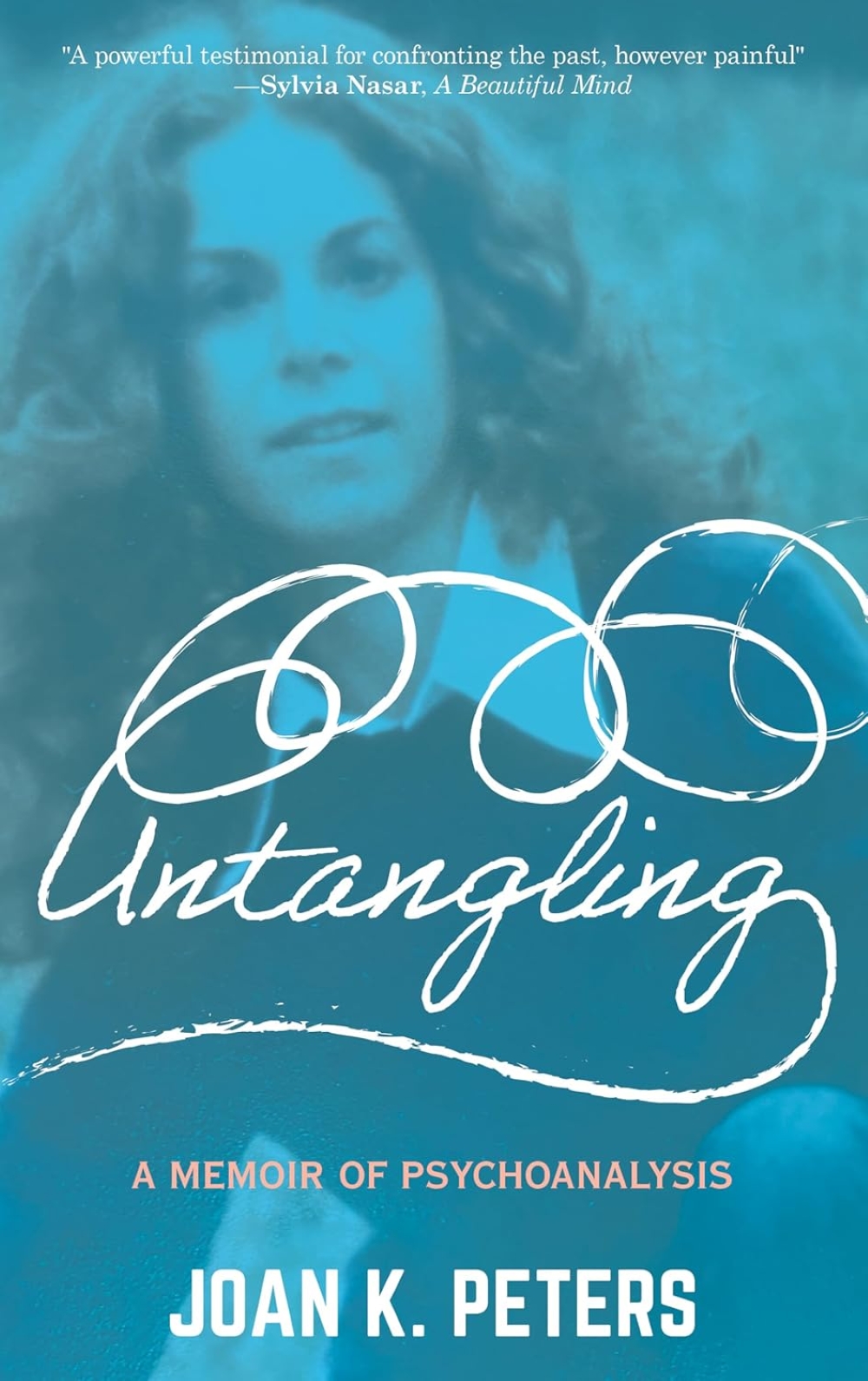
‘Untangling: A Memoir of Psychoanalysis’ is the new book by Joan K. Peters. Courtesy photo, used with permission.

Psychoanalysis, a deep exploration of the unconscious mind, offers a powerful path toward mental health and self-awareness. Rooted in the belief that unspoken thoughts and early experiences shape our behaviors, it invites individuals to uncover, confront, and integrate hidden parts of themselves. In a time when mental health is gaining long-overdue attention, talking openly about therapy and inner struggles is vital. It reduces stigma, encourages others to seek help, and reminds us that healing often begins with honest conversation. Embracing psychoanalysis and mental wellness isn’t just personal—it’s a collective step toward a more compassionate, self-aware society.

The new memoir “Untangling: A Memoir of Psychoanalysis” dares to tell the patient’s side of psychoanalysis. It’s available now wherever books are sold.

Joan K. Peters was born in New York City and got her Ph. D in comparative literature from The University of Chicago. She’s published a novel and two books about women and work and is a professor emeritus of literature and writing at California State University at Channel Islands. She lives in Ojai with her husband, her dogs, and her chickens. In her much-anticipated new book “Untangling: A Memoir of Psychoanalysis,” she focuses on her experience in psychoanalysis at two different points in her life, comparing two different theoretical and technical analytic views, from the vantage point of her experience as a patient. (CS Lewis Publicity, 2025)

“Untangling: A Memoir of Psychoanalysis” – With the drama of a novel it tells the story of a turbulent and transformative psychoanalysis in this first ever in-depth patient’s account. Joan K. Peters’ story lays bare the inner workings of this complex treatment, which takes place behind closed doors, is rarely spoken about, and is largely unknown outside of professional circles.

A polished, poetic, and often funny writer, her willingness to expose her own demons brings psychoanalysis to life, from the intense strife to the fierce love that can develop between patient and analyst. Joan’s first analyst, Lane, helped Joan alleviate tormenting and recurring nightmares and to find herself by discovering her family’s secret past. Her second analyst, Kristi, guided her through the frightening depths of that past to a yearned-for freedom.

In another first, Kristi writes an afterword about the challenge of analyzing Peters. Unique in its reach, “Untangling”reveals the mysteries that lurk beneath the surface of our psyches.

Psychoanalysis is full of mysteries — it taps into the subconscious more than any other form of therapy and sets up a unique relationship between analyst and patient. No one really knows exactly how or why it works, just that it does. But one patient, in candidly revealing her own journey, invites readers into that very private patient experience as she grapples with hidden and haunting demons.

Whether due to taboo, fear, shame, or reluctance, very few patients have shared their journey of psychoanalysis with others, let alone written about the experience. Too many people are unaware of the transformative powers that this penetrating, multi-layered therapy has.

In her unique memoir, written in the narrative style of Mary Karr, the author recounts her two analyses — one when she is in her twenties and another in her sixties — that form one continuous story of immense discovery and healing. She dramatizes firsthand accounts of how she and her two very different analysts unlocked the traumas, losses and terrors of her past – enabling her to confront and understand them, and finally feel free to fully enjoy her life. 

Author Joan K. Peters. Courtesy photo, used with permission.

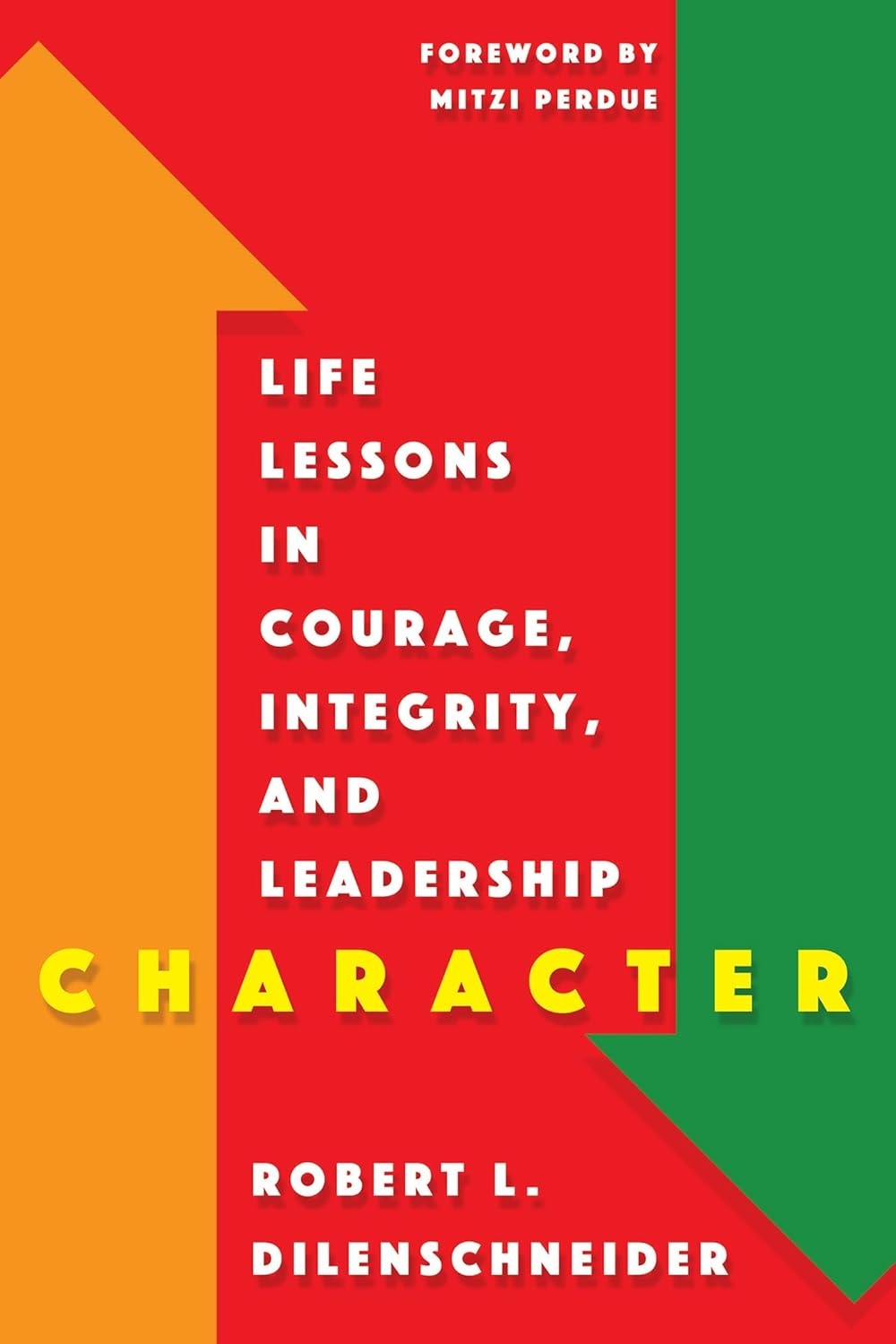
Why Character Still Matters: A Review of Robert L. Dilenschneider’s ‘Character’

‘Character’ is Robert L. Dilenschneider’s latest motivational book. Photo: Barnes & Noble

Robert L. Dilenschneider is founder of The Dilenschneider Group, a firm that provides strategic advice and counsel to Fortune 500 companies and leading families and individuals around the world, with experience in fields ranging from mergers and acquisitions and crisis communications to marketing, government affairs and international media.

Dilenschneider has been called the “Dean of American Public Relations Executives” and is widely published, having authored 14 books, including “A Briefing for Leaders,” “On Power,” “The Critical 14 Years of Your Professional Life,” and “Power and Influence: The Rules Have Changed.” His new book “Character: Life Lessons in Courage, Integrity, and Leadership” addresses the need for character as a vital dimension in public and private life, based on iconic historical figures who embodied such qualities of character. (Barnes & Noble, 2025)

In “Character,” Robert L. Dilenschneider explores what it means to possess and foster strong moral character. Through the lens of noted historical figures—ranging from Stephen Hawking to Mother Teresa—he illustrates how integrity, resilience, and ethical leadership have shaped both personal legacies and societal progress.

Dilenschneider contends that character is not merely a trait but a fundamental necessity in our daily lives, especially in today’s complex and often morally ambiguous world. By combining historical narratives with modern-day reflections, he makes a strong case for why individuals, particularly those in leadership positions, must prioritize character over personal gain.

He begins by defining character as exhibiting traits such as honesty, integrity, and loyalty while inspiring others around you. The goal of this book is provide examples of character and how it can drive people to achieve their dreams and how to recognize it and nurture it in others, especially those with leadership positions.

Each chapter profiles a different group of people who were known for a specific trait, such as Innovation (Steve Jobs, Walt Disney), Courage (Winston Churchill, Arthur Ashe), and Loyalty (Eleanor Roosevelt, John McCain). At the end of each, he includes a list of lessons learned.

Chapters include:
Chapter 1 – What is Character?
Chapter 2 – Leadership
Chapter 3 – Innovation
Chapter 4 – Resilience
Chapter 5 – Breaking Barriers
Chapter 6 – Courage
Chapter 7 – Loyalty
Chapter 8 – Integrity
Chapter 9 – Transparency
Chapter 10 – Transcendence
Chapter 11 – Lessons

Highlights:
Chapter 4: Resilience
– when we are tested, resilience is what allows us to keep fighting. Nelson Mandela was a vocal opponent of apartheid: “Never give up when your cause is just.”

Chapter 5: Breaking Barriers – profiles of people who broke barriers when they refused to be held down because of their sex, color, or political beliefs. Margaret Chase Smith stood up against McCarthyism in the 40s and 50s: “Speaking your mind may not always be popular but it will win you respect.”

Informative and inspiring, it offers valuable lessons on courage, humility, and perseverance. Dilenschneider’s writing is engaging, and his selection of historical figures ensures a broad perspective on how character manifests in different circumstances.

Overall, “Character” serves as an insightful guide for those seeking to understand the enduring power of virtue in shaping history and how we, too, can attempt to embody these qualities in our own lives. It is recommended for readers who enjoy biographies and leadership/motivational books.

“Learning is a classic way to overcome barriers, by equipping yourself with knowledge that nobody can take away.”

*The author of this blog received a copy in exchange for an honest review. The views and opinions expressed here belong solely to her.

Rating: 4 out of 5.

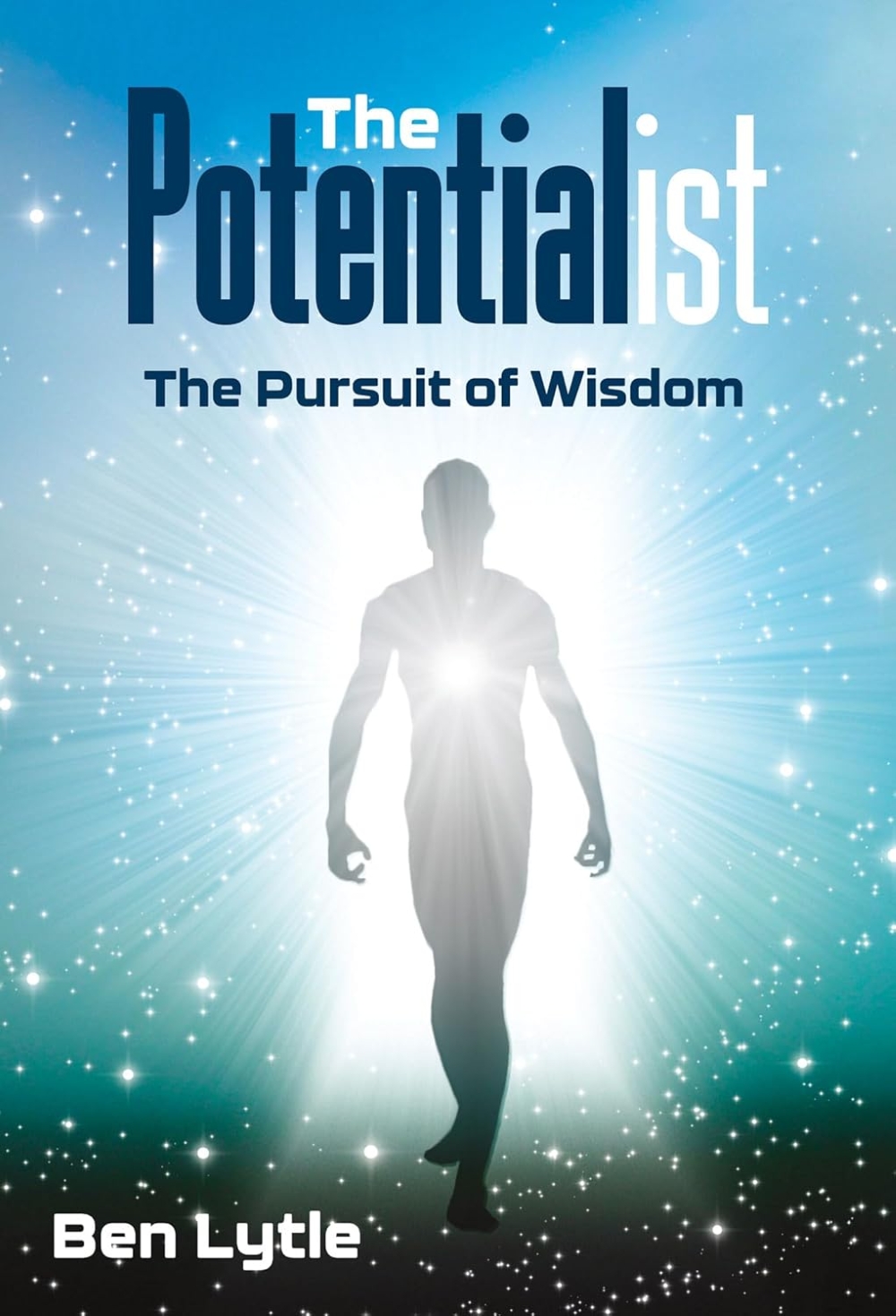
Wisdom for the Future: A Review of ‘The Potentialist’ by Ben Lytle

‘The Potentialist: The Pursuit of Wisdom’ is Ben Lytle’s second book in The Potentialist series. Photo: Barnes & Noble

Ben Lytle’s “The Potentialist: The Pursuit of Wisdom” is a thought-provoking guide that explores how individuals can unlock their full potential by cultivating wisdom. The book serves as a practical roadmap, offering insights on self-awareness, lifelong learning, and personal growth. Lytle breaks down the often elusive concepts of wisdom and human potential, making them accessible to anyone willing to embrace change and self-improvement.

It begins with the goal of the book: “This book will show you how to achieve your potential, become wise, make better decisions, have deeper relationships, and live well with only a small investment in time.” After he defines wisdom, he goes into how we can cultivate consciousness and explains several natural laws, such as the Law of Cause and Effect and the Law of Polarity. Finally, he ends with a list of discussion questions for further personal examination for individuals or discussion/book clubs such as Why is life so hard and sometimes seemingly cruel? and Why do some people suffer more than others?

The book is divided as such:

Part 1 – Your Place in the World

  • Potential, Wisdom, and the Art of Living Well
  • Life’s Unavoidable Questions
  • Natural Law
  • The Inner World of Your Psychological Body

Part II – Advanced Skills

  • Cultivating Consciousness
  • Conscious Intention
  • Learning States
  • Intimacy

Part III – Approaching Potential

  • Reframing Fear
  • Getting Out of Your Way
  • Your Potential and Wisdom

Highlight:

Chapter 6 – Conscious Intention – where the author examines the Law of Cause and Effect in the modern age of electronic communications. It has increased the denial of cause and effect when it comes to people who run scams because they “see faceless victims as opportunities without consequences.” This also has to do with people who get angry on social media or in emails and take risks they wouldn’t normally do in person.

I appreciate how he combines philosophical wisdom with actionable advice. Lytle emphasizes the importance of curiosity, adaptability, and resilience in navigating an ever-evolving world. Readers are encouraged to adopt a mindset of continuous growth, shedding limiting beliefs, and embracing opportunities for self-improvement. His writing is engaging, insightful, and filled with real-world examples that make complex ideas easy to grasp.

Overall, “The Potentialist” highlights the importance of inner fulfillment. It challenges readers to look beyond traditional measures of achievement and focus on personal evolution. Whether you are an entrepreneur, professional, or someone on a journey of self-discovery, this book offers valuable insights on living a life of purpose and meaning. It is recommended for readers who are seeking to reach their highest potential.

“Greet every new positive or adverse development as a puzzle piece, increasing comprehension of the inner and outer worlds comprising your life. Instead of responding to change with “Now what?” welcome it with “What can this teach me?”

*The author received a copy of this book for an honest review. The views and opinions expressed here belong solely to her.

Rating: 4 out of 5.

Debra Silverman’s Take on Astrology: A Guide to Self-Discovery and Growth

‘I Don’t Believe in Astrology’ is Debra Silverman’s insightful new book. Photo: Barnes & Noble

Astrology has fascinated people for centuries, offering a sense of meaning and connection to the universe. Many find comfort in its insights, believing celestial movements influence personality, relationships, and life events. For some, it provides guidance, especially during uncertain times. Horoscopes and birth charts give individuals a sense of self-awareness and destiny, making them feel understood. While skeptics view astrology as pseudoscience, its symbolic language resonates deeply with those seeking reassurance or direction. In a fast-paced world, astrology offers a spiritual refuge, blending mystery, tradition, and hope into a practice that continues to thrive.

If you’ve ever been curious about astrology and wanted to learn more, Debra Silverman’s new book “I Don’t Believe in Astrology” is worth checking out.

Debra Silverman is an astrologer, psychotherapist, spiritual guide, and author. With our planet longing for compassion and guidance in these very unusual times, Debra brings her Master’s degree in clinical Psychology plus her humor, wisdom, and honesty to soothe the collective pain. Debra is the author of “The Missing Element” and founder of a school educating more than 7,000 people in Astrology. Debra is also the host of The I Don’t Believe in Astrology Podcast. Her new book, “I Don’t Believe in Astrology,” is an accessible guide to the life-changing benefits of astrology. It will be released in April 2025 and is available for pre-order. (FSB Associates, 2025)

“I Don’t Believe in Astrology” – In a chaotic, confusing, and divisive world, Debra Silverman introduces astrology as the medicine for accepting our human nature–its idiosyncrasies and dilemmas. Through an application of both therapy and astrology, this breakthrough guide equips readers with tools that release self-judgment, inner criticism, negativity, and misunderstanding. Every sign struggles with psychological issues. Understanding the unique topics relative to your sign, it’s no surprise you are quirky. Learning how to accept who you are and love yourself unconditionally through the lens of astrology is at the heart of this book.

Debra Silverman teaches you how to step away from the struggle of your ego and see yourself with the calm objectivity of your soul. You will learn to love what you see—not just your best qualities but everything about you. She shows you how to aim for the high road of your personality. Most of all, you will cultivate compassion for all the other signs in the zodiac. Learn the meaning of the sun, moon, rising sign, Mercury, and Saturn. Using Debra’s method combining the wisdom of astrology and psychology, readers will remember the truth of their soul’s expression, seen through the eyes of self-love.

Below is an excerpt from “I Don’t Believe in Astrology,” posted with permission.

Excerpt

Astrology shows you who you really are and says, “Hey, this is you, and it’s okay. You have permission to be a daydreamer (Pisces), or ambitious (Capricorn), or strong (Aries). There are reasons you value freedom over relationships (Aquarius), or financial security over frivolous shopping (Taurus), or talking over listening (Gemini). It’s natural for you to obsess about the meaning of life (Sagittarius), or have a morbid curiosity about death (Scorpio), or feel best when your whole family is under one roof (Cancer), or be in love with romance (Libra), or try to get all the attention (Leo). You don’t need to fight it. It’s just you being you.”

Astrology turns on self-awareness. If you are a Virgo, astrology will teach you that you tend to criticize yourself. Bringing that into your awareness helps you to ease up and understand how important it is for you to be precise, attend to details, and check off your to-do list. The voice of your observer (I’m going to show you how to find and hear it) will say, “Yep, you criticize yourself. Don’t worry. You’re okay.” Then if someone tells you, “Hey, relax, it’s not that important,” you’ll know enough about yourself to know that for you, it is important, and that’s okay, too. You love the small stuff. You’ll know you’ve got the observer turned on when you learn to laugh at yourself a little, and genuinely be able to say to yourself, “Oh, there I go again. That’s so me!”

There are struggles inherent in each of the twelve signs. Find your struggle, and you will discover what you are here to learn. You’re not here by accident. There is a curriculum, and a folder in the home office with your name on it. Astrology provides the keyhole to peek through, to see what your lessons are. It’s a relief to know your challenges are happening for a reason, and most of all, to understand that you’re not to blame.

Author Debra Silverman. Courtesy photo, used with permission.
1744107571

  days

  hours  minutes  seconds

until

‘I Don’t Believe in Astrology’ release date

The Spiritual Path to Personal Growth: ‘Transforming the Legacy’ by Cyndi Dale

‘Transforming the Legacy’ by Cyndi Dale. Photo: Amazon

Books on New Age and spiritual healing offer readers a path to self-discovery, emotional well-being, and inner peace. By exploring themes like energy healing, meditation, mindfulness, and the power of positive thinking, they offer tools to help individuals navigate life’s challenges. Their appeal lies in their promise of personal transformation, empowerment, and deeper connection to the universe. In a world of increasing stress and uncertainty, these books provide a sense of comfort and hope, inviting readers to explore alternative ways of thinking and being. They encourage growth, balance, and healing, appealing to those seeking spiritual and emotional fulfillment.

“Transforming the Legacy: The Subtle Body Approach to Honor and Heal Your Inherited Lineage” by Cyndi Dale presents a unique and powerful subtle body approach to heal issues caused by ancestral lineage and inherited patterns. It will be released on February 11 and is available for pre-order. (Sounds True, 2024)

Cyndi Dale is an internationally renowned author, speaker, and intuitive healer. She offers private sessions and workshops through her company, which she has led worldwide. She has written several groundbreaking books on the chakras and subtle energy anatomy, including The Subtle Body series, “Energy Healing for Stress, Trauma & Chronic Illness,” and “Advanced Chakra Healing.” Her work has been published in twenty languages.

“Transforming the Legacy” – Many people feel stuck in the past from time to time, but what if your past is impacting your present in significant ways? In reality, the past has created your present. Your inherited traits—those acquired through biological means and your soul—determine much of who you are. Some of those patterns and programs might be supportive of your true self. But others? Not so much! The good news is that you can change your inheritance through an easy-to-access mechanism: the subtle body.

Cyndi Dale presents a unique and powerful approach for transforming soul-based and lineage-ancestry issues through the main structures of energetic anatomy—your chakras, meridians/nadis, and auric fields. Using accessible practices, you’ll learn to address your genealogical and soul history through these structures, shifting from stuck-ness to the freedom of “becoming your own best ancestor”—the self who can sort through history and establish future pathways of love and good health.

Here you’ll explore:

• How your personal and ancestral legacy can impede or help you
• Reasons the cacophony of inherited traits and attitudes makes it difficult to be your true self in everyday life
• Science and psychological research showing that you can assess and even change your inheritance
• Various roles the subtle body’s structures play in working through legacy issues
• Ways you can immediately empower yourself to alter complicated inheritances
• Tools for meeting—and even conversing with—your own ancestors
• Journeys into your own past, concurrent, and possible future lives

Sometimes, to move forward, we must first move back. Discover the underlying energy that’s inherent in you. Get grounded in your lineage, connect to your experiences across time, and access and heal your history. It’s time to alter what has been in order to stand entirely in the present, reconnect with your true self, and create your best path forward.

1739270902

  days

  hours  minutes  seconds

until

‘Transforming the Legacy’ release date

A Journey of Inspiration: The Compelling Message of ‘Faith Ignited’

‘Faith Ignited’ is Robert Moment’s new devotional book. Photo: Amazon.

Robert Moment, an ICF Certified Leadership and Executive Coach and Peak Performance Expert, is passionate about helping people discover their God-given potential. With over 15 years of coaching experience and 20+ years in Fortune 500 leadership, Robert specializes in guiding individuals to overcome challenges through unwavering faith and resilience. His other books include “High Performing Teams” and “CEO Leadership Mastery,” and he is dedicated to helping others live out God’s purpose in their lives. His latest book “Faith Ignited: Unbreakable Spirit-Overcoming Life’s Hardships and Rising Stronger Through God’s Grace” is an inspirational Christian guide designed to help you embrace God’s strength, build unwavering faith, and find resilience even in the most difficult times. (Amazon, 2024)

“Faith Ignited” – Whether you’re navigating emotional pain, career setbacks, or personal struggles, this book offers biblical principles and actionable strategies to help you overcome and thrive. Through each chapter, you’ll deepen your relationship with God, explore His purpose for your life, and learn how to transform challenges into powerful stepping stones toward spiritual and personal growth. With devotionals for women and devotionals for men, this guide provides the inspiration you need to rise above adversity.

Discover how unwavering faith empowers you to face adversity head-on and emerge stronger.

  • Mental Toughness Through Scripture
  • Forgiveness and Healing from Hurt:
  • Turn Setbacks into Stepping Stones
  • Mastering Peak Performance
  • The Power of Prayer in Adversity

Review:
This guidebook is an inspiring exploration of resilience and personal transformation. Moment emphasizes the power of faith in overcoming adversity and offers practical advice to get through life’s ups and downs, making it accessible for a wide audience. His reflections on challenges—be they personal, professional, or spiritual—serve as a guiding light for those seeking motivation. He encourages readers to harness their inner strength and believe in their potential, fostering a sense of hope and empowerment. In the Introduction, he writes that this book “…is your roadmap to not just surviving life’s challenges but thriving in the midst of them.”

Chapters include:
Introduction – Igniting Faith in the Midst of Adversity
Chapter 1 – Faith Ignited
Chapter 2 – The Power of Mental Toughness
Chapter 3 – Resilience Through Pain and Hurt
Chapter 4 – Adversity as a Teacher
Chapter 5 – Bounce Back Strategies
Chapter 6 – Mastering Peak Performance
Chapter 7 – The Power of Prayer in Adversity
Chapter 8 – Mental Strategies for Well-being
Chapter 9 – The Unbreakable Spirit
Chapter 10 – Overcoming Career Setbacks
Chapter 11 – Unlocking Your Full Potential
Chapter 12 – Building Your Legacy
Conclusion – Faith Ignited

Each chapter begins with a relevant bible verse and ends with a list of Coaching Questions to help readers think about what they just read and apply it to their personal lives.

Highlights:

Chapter 2 – where he explains how “techniques such as deep breathing and mindfulness can help calm the chaos within” and help us develop mental toughness. He also focuses on positive self talk as a way to create a healthier mindset by identifying negative thoughts and visualizing success.

Chapter 6 – the biggest take is on developing healthy habits such as morning rituals, balanced nutrition, and adequate rest. Small steps add up, and it takes time to develop a healthier lifestyle, so it’s best to be patient and consistent.

The writing style is straightforward yet engaging, making complex concepts easy to grasp. Moment’s emphasis on community and support further enriches the narrative, reminding us that we are not alone in our struggles. The language is compelling and relatable, drawing readers in from the beginning. As a quick and easy read, it can easily be read in one sitting and is an excellent reference for frequent use.

Overall, “Faith Ignited: Unbreakable Spirit – Overcoming Life’s Hardships and Rising Stronger Through God’s Grace” is a must-read for these challenging times. The authenticity of Moment’s voice and his firm optimism make this an outstanding devotional. It’s a call to action for anyone facing difficulties and a reminder that with faith and determination, we can ignite our own unbreakable spirit. It is highly recommended for readers looking for encouragement and inspiration from a Christian faith-based perspective.

“You were not created to stay broken. Within you lies an unbreakable spirit, a reservoir of strength and resilience that is waiting to be awakened.”

*The author was contacted for an honest review of this book. The views and opinions expressed here belong solely to her.

Rating: 5 out of 5.

Wisdom in Action: How ‘The Potentialist: The Pursuit of Wisdom’ Inspires Personal Growth

‘The Pursuit of Wisdom’ is book 2 in The Potentialist series by Ben Lytle. Photo: Amazon

Books about personal transformation and growth offer profound insights and strategies for individuals seeking to change their lives. These books often explore themes like self-discovery, resilience, and growth, providing readers with tools to overcome obstacles and achieve their goals. Authors share personal stories, research findings, and practical exercises that inspire action and reflection. By engaging with these texts, individuals can gain clarity, motivation, and a renewed sense of purpose, ultimately leading to a more fulfilling and authentic life.

There’s a new one out this month by Ben Lytle, author of The Potentialist series. In his second book, “The Pursuit of Wisdom,” he writes about wisdom, how to attain it, and the potential that exists in everyone, just waiting to be released.

Ben Lytle is a serial entrepreneur and health-care innovator known for being ahead of the curve. He launched five successful companies, including two on the New York Stock Exchange. The best known is Anthem, one of three leading U.S. health plans with a market capitalization placing it in the top 30 of the Fortune 500. He also founded Acordia, Inc., which became the world’s 7th largest insurance broker. (Meryl Moss Media, 2024)

Lytle’s devotion to individual and collective human potential through accelerated wisdom guides his writing, speaking, entrepreneurial energy, and investments. He believes people and organizations today underestimate the extent and speed with which the world will change. Time to adapt and prepare is being compressed, opportunities are being missed, and there will be unnecessary suffering unless prompt action is taken.

He is the author of the series The Potentialist, which includes Your Future in the New Reality of the Next Thirty Years, The Pursuit of Wisdom, and a third installment to come. The series is intended as a guidebook for success during the fast-changing, turbulent, and opportunity-rich times ahead — named The Fourth Industrial Revolution by the World Economic Forum. The newest one, “The Pursuit of Wisdom” is available now.

“The Potentialist: The Pursuit of Wisdom” –
Wisdom and potential are our ideal adaptive responses for these challenging times. Five converging forces are creating a new twenty-first century reality defined by unavoidable life-altering changes and unprecedented decisions. We are anxious and overwhelmed as the world and our lives change faster than we can comprehend and adapt. The old ways of adapting aren’t working because complex changes and decisions are coming at us too fast. In this New Reality, the wise will thrive, and the unprepared will be left frightened and confused.

This groundbreaking book by Ben Lytle—Fortune 500 CEO, entrepreneur, and author—demystifies human potential and wisdom to make them attainable to all who seek their best. He predicts that technological advances and changes in social norms will make wisdom development urgent, but easier. His practical knowledge and straightforward language provide clarity, fresh perspectives, and proven practices that seamlessly integrate with daily life.

This highly anticipated second installment of The Potentialist series takes you on an uplifting journey to unleash your potential and accelerate decision-making wisdom during this period of the greatest change in human history.

Will you seize your potential and become wise to adapt and succeed in these turbulent, opportunity-rich times? If not, what’s your plan?

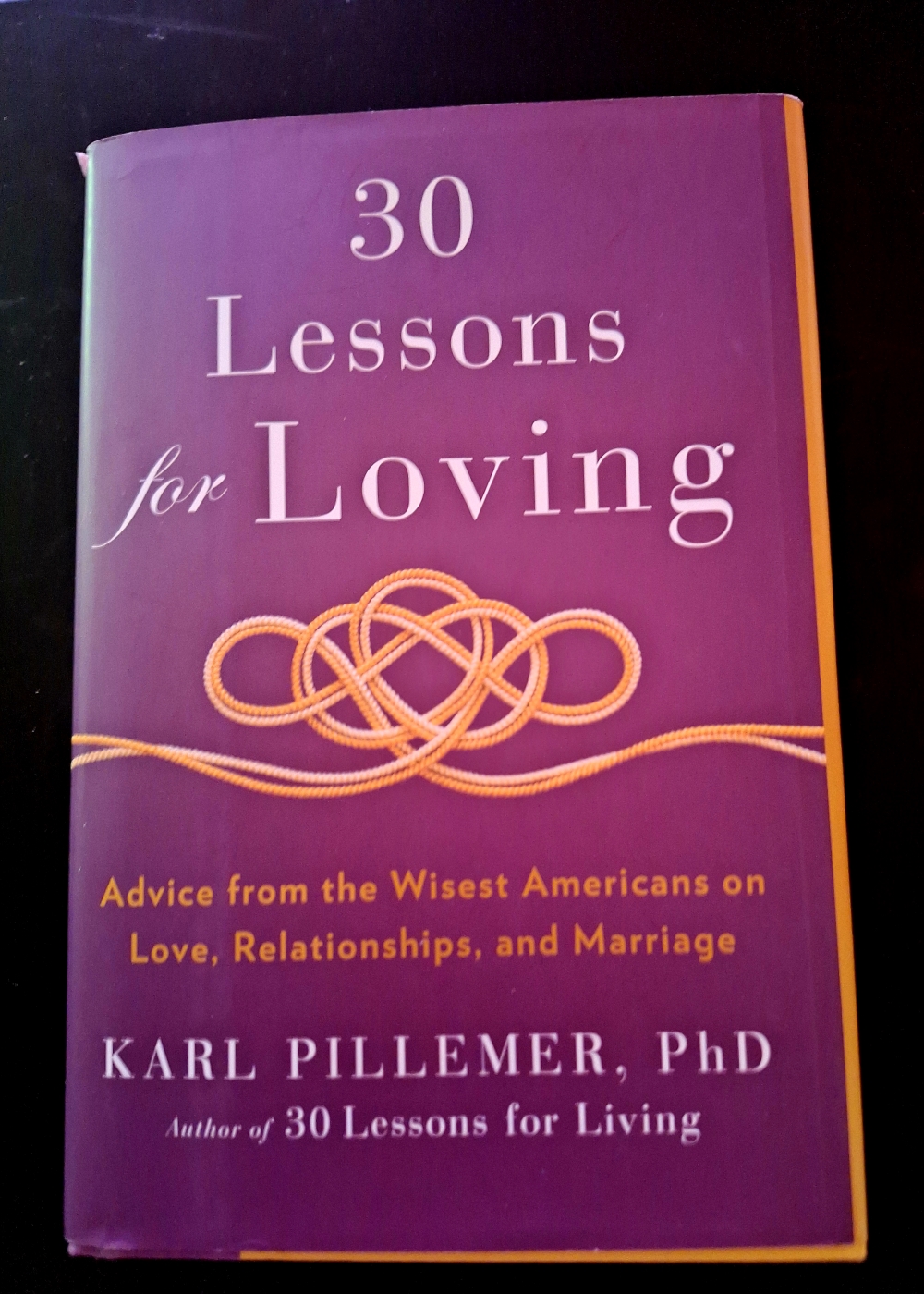
Wisdom from the Ages: What ’30 Lessons for Loving’ Can Teach Us About Relationships

’30 Lessons for Loving’ by Karl Pillemer, PhD.

Karl Pillemer, PhD, is the founder and director of the Cornell Institute for Translational Research on Aging, a center that works to increase public awareness of aging research. Dr. Pillemer has authored more than one hundred scientific publications and has spoken widely throughout the world on issues of successful aging, family relationships, and elder care. His book “30 Lessons for Loving: Advice from the Wisest Americans on Love, Relationships, and Marriage” gives sage advice and memorable stories from extraordinary older Americans who share advice on love, relationships, and marriage. (Amazon, 2024)

“30 Lessons for Loving” – Based on the most detailed survey of long married people ever conducted, it shows the way to lifelong, fulfilling relationships. The author offers sage advice from the oldest and wisest Americans on everything from finding a partner, to deciding to commit, to growing old together. Along the way, the book answers questions like these: How do you know if the person you love is the right one? What are the secrets for improving communication and reducing conflict? What gets you through the major stresses of marriage, such as child-rearing, work, money issues, and in-laws? From interviews with 700 elders it offers unique wisdom that will enrich anyone’s relationship life, from people searching for the right partner to those working to keep the spark alive after decades together. It is structured around thirty distinct lessons, each offering practical advice and profound insights derived from real-life stories.

Chapters include:
Chapter 1: Evening the Odds: Lessons for Finding a Mate
Chapter 2: Communication Is the Key
Chapter 3: Getting Through the Hard Parts
Chapter 4: Keeping the Spark Alive
Chapter 5: Thinking Like an Expert About Love and Marriage

Review:
One of the book’s greatest strengths is its blend of empirical research with heartfelt personal stories. Pillemer’s approach is scholarly and accessible, making the wisdom of seasoned couples relatable and actionable for readers of all ages. The lessons cover a wide range of topics, from the importance of communication and forgiveness to the role of shared experiences in strengthening bonds.

Highlights:
Chapter 2 Lesson Five: Three Danger Signs – Points to dangers signs that could signal that a relationship is in trouble including Violence – Once is More Than Enough; Your Partner Is Controlling; and Your Partner Demeans You.

Chapter 3 Lesson Two: Work-Family Stress: Make Your Home a Safe Haven – emphasizes the importance of making your home a safe place free from the stresses of work and avoiding the dreaded “spillover”: “…elders believe that adopting an attitude that ‘home is home and work is work’ is a critical first step.

Overall, “30 Lessons for Loving” is an optimistic yet realistic perspective on love and acknowledges the complexities and challenges of relationships while providing hopeful strategies for overcoming them. The practical advice, grounded in the experiences of those who have navigated long-term relationships, offers valuable guidance for anyone seeking to deepen their connections with loved ones. It is a thoughtful and enriching read for anyone interested in the enduring art of love.

“It’s true that the experts highlight verbal communication-they want you to keep talking. But in addition to conversations, they suggest that actions can speak as loudly as words.”

*The author received a copy of this book for an honest review. The views and opinions expressed here belong solely to her.

Rating: 4 out of 5.

How Daniel Patrick Forrester’s ‘Consider’ Challenges Conventional Thinking

‘Consider: Harnessing the Power of Reflective Thinking in Your Organization’ by Daniel Patrick Forrester

Daniel Patrick Forrester founded THRUUE, Inc., an expert consultancy that supports leaders and boards bridge the gap between strategy and culture. With the explosion of data and hyperconnectivity, Daniel’s curiosity led him to research how leaders responded to the onslaught of available data and to publish his first book, “Consider: Harnessing the Power of Reflective Thinking in Your Organization.” It centers around the role reflection can play in dramatically improving corporate outcomes. As a top nonfiction leadership book, it has impacted the lives and work habits of small and large organizations from around the world. (Amazon, 2024)

“Consider: Harnessing the Power of Reflective Thinking in Your Organization”

“STOP, THINK, AND DON’T DO SOMETHING STUPID!” This is the warning Dr. Robert Bea drills into his Civil and Environmental Engineering students at the University of California in Berkeley. Bea wants to dramatize what he terms the inevitable “oh shit” moments that present themselves—before an actual engineering calamity like the Deepwater Horizon/BP disaster happens.

There’s an intangible and invisible marketplace within our lives today where the products traded are four fold: attention, distraction, data and meaning.

The stories and examples within “Consider” demonstrate that the best decisions, insights, ideas and outcomes result when we take sufficient time to think and reflect. While technology allows us to act and react more quickly than ever before, we are taking increasingly less time to consider our decisions before we make them. Reflection supplies an arsenal of ideas and solutions to the right problems. Including interviews with leaders such as General David Petraeus, attorney Brooksley Born and global investor Kyle Bass, Forrester shows us that taking time and giving ourselves the mental space for reflection can mean the difference between total success and total failure.

Review:
This book is an insightful exploration into how reflective thinking can revolutionize organizational dynamics and decision-making. Forrester suggests that the ability to pause, reflect, and engage in deep thinking is essential for encouraging innovation and strategic clarity in today’s fast-paced business environments.

It is organized around practical strategies and real-world examples, demonstrating how reflective practices can be systematically integrated into organizational cultures. He explains that reflection is not necessarily a passive activity but an active, intentional process that can lead to more informed and creative decision-making. By introducing concepts such as “reflective leadership” and “strategic pauses,” Forrester provides actionable tools for leaders seeking to cultivate a reflective culture within their teams. One term that stands out is “plastic time,” what people are now experiencing when they are in “a constant state of interruption and movement between many different tasks.”

It is divided as follows:

Introduction: The Space between Data and Meaning
1. The Human Need for Think Time
2. Forcing Think Time
3. Thinking Out Loud
4. Promoting Think Time
5. Taking a Step Back
6. Too Big to Think?
7. Rapid Contemplation
8 .Outside the Day-to-Day
9 .Reflection and Extreme Situations
10. The Future of Think Time and Reflection

By combining theoretical insights and practical advice, the information is accessible to both senior executives and mid-level managers. Forrester’s writing is clear and engaging, with a focus on real-world applications rather than abstract theories.

Overall, “Consider” is a valuable resource for leaders looking to harness the power of reflection to drive organizational growth and resilience. It is recommended for readers interested in books on workplace culture and leadership/motivation.

“I do not wish to suggest that being alone and thinking always leads the mind to positive and beneficial outcomes… Alone time and reflection when one’s mental model of the world is perverse can give rise to the unimaginable.”

*The author received a copy of this book in exchange for an honest review. The views and opinions expressed here belong solely to her.

Rating: 4 out of 5.

Manifest Your Dreams: A Review of ‘My 90 Day Manifestation Journal’

Unlock the power of manifestation with this interactive journal by Katrina Lustre. Photo: Amazon

“My 90 Day Manifestation Journal” offers a structured and personal approach to manifesting one’s goals and aspirations. As a self-help tool, the journal guides readers through a 90-day journey of introspection and intentional living. The writing style is encouraging and empathetic, making it accessible to readers at any stage of their personal development journey.

It starts with defining manifestation and how it works, tips on creating a vision board, and developing an action plan. The emphasis is on daily reflection, intention setting, and proactive steps taken. The daily pages prompt the reader to focus on gratitude, affirmations, and specific goals, fostering a habit of mindfulness and positivity.

The journal is beautifully designed, with plenty of space for personal reflections and creative expression. The layout is natural, making it easy for readers to write their daily entries and track their progress over the 90 days.

Overall, “My 90 Day Manifestation Journal” is a helpful guide for anyone looking to manifest their dreams. This worthwhile journal combines practical exercises with motivational insights. It is recommended for readers interested in personal growth and manifestation practices.

*The author was contacted for an honest review of this book. The views and opinions expressed here belong solely to her.

Rating: 4 out of 5.