
Remembering our historical past, both the good and bad, is essential for staying connected to our roots and understanding how we arrived at the present. Acknowledging past triumphs can inspire pride and unity, while reflecting on mistakes offers valuable lessons in avoiding repetition of errors. By examining history, we gain perspective on social, political, and cultural progress, helping us navigate contemporary challenges with wisdom. Moreover, remembering history fosters empathy, respect, and a deeper sense of identity, ensuring we honor those who came before and build a more informed, inclusive future. History guides us in shaping a better tomorrow.
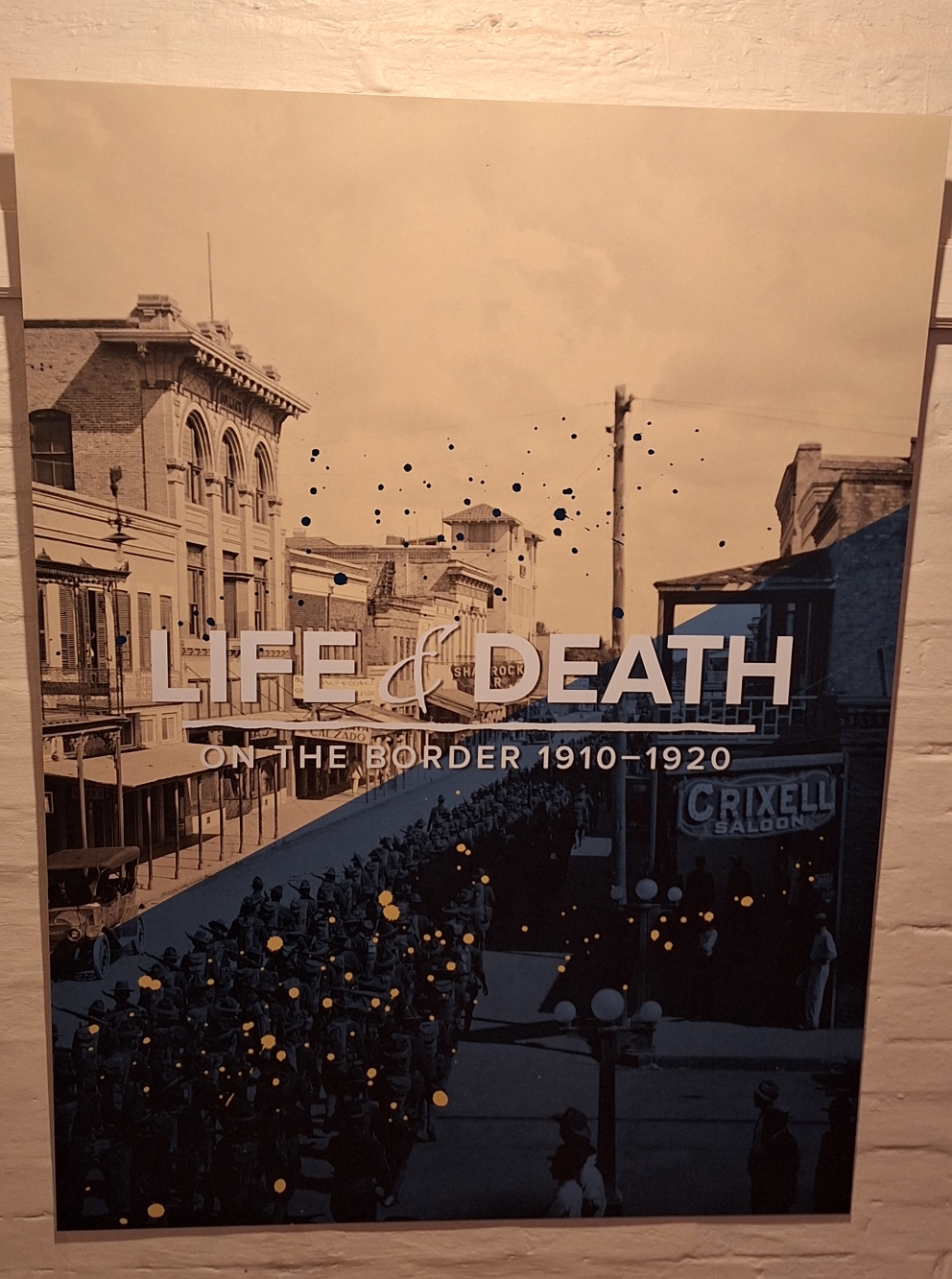
Earlier this month, I attended the opening reception for the traveling exhibition Life & Death on the Border 1910-1920 at the San Benito Cultural Heritage Museum.
Speakers included Aleida Garcia, San Benito Cultural Arts Department Director, Ricardo Madrigal, and Rudy Garcia, local writer and poet who shared the story of the Jacinto Treviño. Jacinto Treviño is the subject of a well-known Border corrido, or ballad, in which the hero successfully escapes after a run-in with the Texas Rangers.
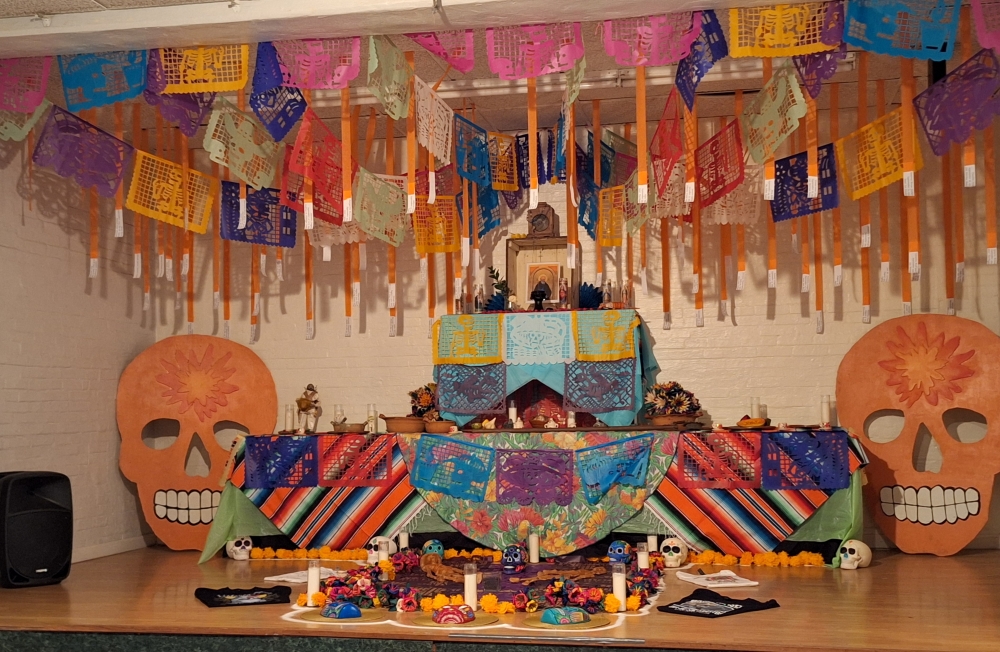
The exhibition itself is filled with local history and interesting historical facts including Border Renaissance-Literature, Prejudice and Racial Strife, and the history behind the formation of the League of United Latin American Citizens. One of the highlights is the tribute to the annual Día de los Muertos Caminata, which includes original artwork and an altar that features the names of known victims of border violence during those years, especially those who were denied due process and indiscriminately killed.
Overall, it’s an excellent reminder of the early history of the Rio Grande Valley. It is worth checking out, especially for those who are native to the area; you might just learn something new.
More information:
Life & Death on the Border 1910–1920 is a traveling exhibition created by the Refusing to Forget Project in partnership with the Bullock Museum. This powerful exhibition explores a turbulent period in Texas history, shedding light on the violence, resistance, and resilience that shaped the U.S.-Mexico borderlands during the early 20th century. (San Benito Cultural Arts Department, 2024)
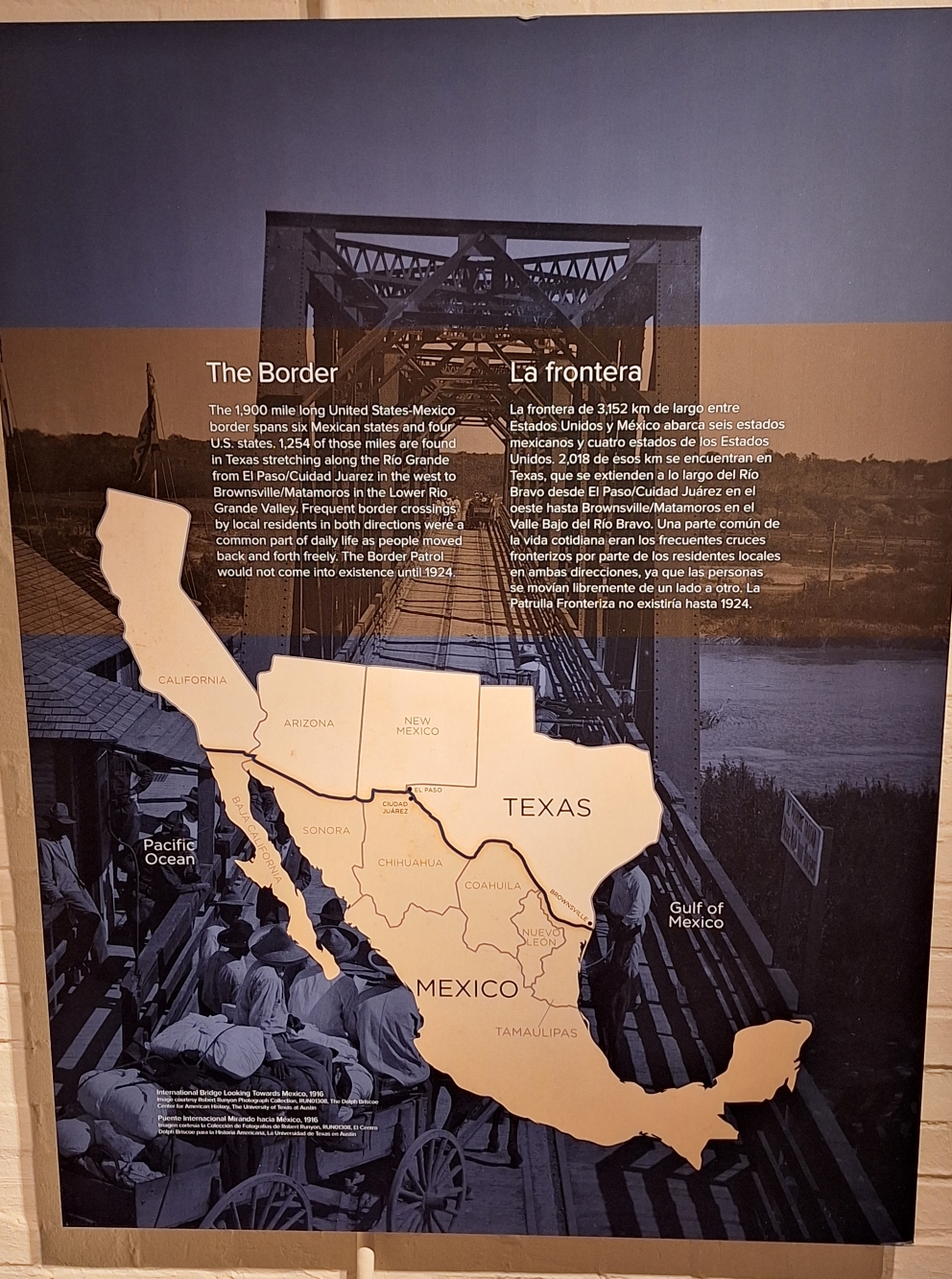
Through a compelling collection of panels, on loan from The Mexican American Museum of Texas, depicting historical artifacts, photographs, and narratives, visitors will gain insight into the societal struggles and cultural transformations that defined this era. The exhibition serves as a platform for reflection and dialogue, honoring the voices and stories of communities profoundly impacted by these events.
As part of the exhibition, the San Benito Cultural Center is thrilled to acknowledge and pay tribute to the annual Dia de los Muertos Caminata, organized by Mr. Ricardo Madrigal. Now in its fifth year, the caminata is a 3-mile trek from San Benito’s Heavin Park to the State Historical Marker placed at the Southbound Exit 16 rest area memorializing the lives lost during this turbulent time in our history. Original artwork for four of the five years will be on display and paired with an altar in remembrance.
The exhibition is on view at the San Benito Cultural Center, located at 225 E. Stenger Street, San Benito, TX 78586, and will run through February 8, 2025. Admission for this exhibition is part of the general admission for the San Benito Cultural Heritage Museum, and the public is invited to explore this important chapter in border history.
San Benito Cultural Center
225 E Stenger St
San Benito, TX 78586









 SA Examiner