Nourish Your Body: ‘The Good Energy Cookbook’ Inspires Wellness

‘The Good Energy Cookbook’ is a comprehensive guide to transforming your life and maximizing your metabolism. Photo: Amazon.

Cookbooks that are focused on healthy eating empower individuals to make nutritious choices without sacrificing flavor. They often feature fresh, whole ingredients, offering a variety of recipes that cater to different dietary needs, such as vegetarian, vegan, or gluten-free. These cookbooks emphasize balance, portion control, and mindful cooking techniques, making healthy meals accessible and enjoyable. With vibrant photographs and practical tips, they inspire readers to explore new ingredients and cooking methods. From wholesome breakfast options to satisfying dinners, these cookbooks not only promote better health but also cultivate a deeper appreciation for nourishing food, helping readers create delicious, guilt-free dishes every day.

Amanda Holsen is a nutrition enthusiast and dedicated researcher specializing in metabolic health and dietary science. With a background in health coaching and a deep understanding of metabolic principles, Holsen combines scientific insights with practical strategies to promote optimal well-being. In her latest book, “The Good Energy Cookbook: Achieve Lasting Weight Loss and Power Up Your Metabolism with Health-Boosting Recipes inspired by Dr. Casey Means,” Holsen offers a comprehensive exploration of metabolic diet principles, drawing on her extensive research and personal insights into effective nutrition strategies. (Amazon, 2024)

Review:
“The Good Energy Cookbook” is a refreshing addition to the world of healthy cooking. This vibrant collection not only prioritizes nutritious ingredients but also emphasizes the concept of “good energy” in food choices, making it a compelling read for health enthusiasts and culinary novices alike.

In the Introduction, Holsen explains what metabolic health is and the key components, including Blood Sugar Regulation, Lipid Metabolism, Cellular Energy Production, Inflammation and Metabolic Health, and Hormonal Balance. She also explains the impact of poor metabolic health, the factors that influence it, and the 5 biomarkers that damage our health.

The author combines her passion for holistic wellness with practical cooking advice, sharing recipes that cater to a variety of dietary preferences. From energizing breakfast items like Avocado & Spinach Smoothie Bowl to wholesome dinner options like Cauliflower Rice Stir-Fry with Tofu, the cookbook balances flavor and health seamlessly.

Chapters include:
Introduction
Power Up Your Morning: Energizing Breakfasts
Midday Boost: Wholesome Lunches for Lasting Energy
End the Day Right: Satisfying Dinners for Restoration
Snack Smart: Guilt-Free Bites for Anytime Cravings
Sweet but Smart: Metabolic-Friendly Desserts
Ready, Set, Go: Meal Prep for Busy Days
Meal Plan
Conclusion

Highlights:
Introduction: The Allies of Health where the author of defines the types of foods that “optimize bodily functions, reduce inflammation, balance blood sugar, and support overall wellness.” She explains what they are and how to add them to our daily meals.
Introduction: Tune In: Trusting Your Body’s Signals because it helps explain physical vs emotional hunger and gives tips help your body understand fullness and hunger, such as slowing down while eating and practicing mindful eating, which basically means paying attention to your food without any distractions like television or phones.

I especially like Holsen’s approachable style. Her friendly, encouraging tone invites readers into the kitchen, making the preparation of wholesome meals feel accessible and enjoyable. Beautifully photographed, each page is a feast for the eyes, showcasing the colorful, nutrient-rich meals that inspire creativity. I can’t wait to make the Matcha Bites with Coconut & Chocolate.

Overall, “The Good Energy Cookbook” is more than just a recipe book; it’s a guide to fostering a positive relationship with food. Holsen’s philosophy encourages readers to nourish their bodies while enjoying the process, making it a must-have for anyone looking to enhance their culinary repertoire.

*The author received a copy of this book for an honest review. The views and opinions expressed here belong solely to her.

Rating: 4 out of 5.

Useful guide to becoming a better cook

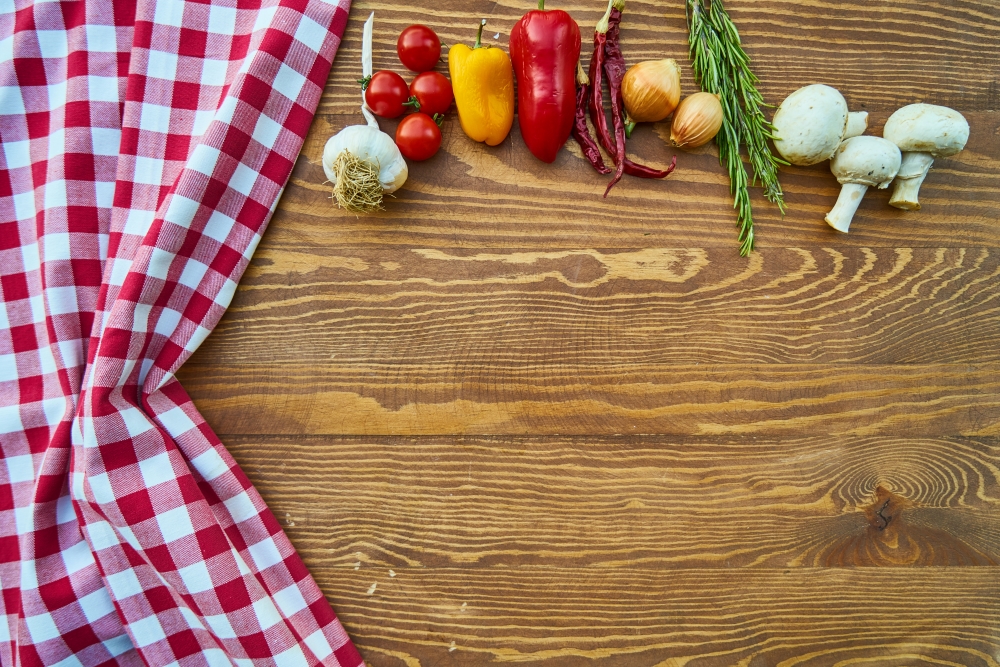
Assorted spices on brown wooden table beside red and white textile. Photo: Engin Akyurt/Pexels, used with permission.

If you want to become a better cook, then you are already taking a positive step towards making happier and healthier meals for your family. Take a look below to find out more.

Collect Skills

Home cooks should try and develop a repertoire of tried-and-tested recipes. It’s important to collect skills as well. When you have mastered everything, you can then apply them to several different recipes.  You should ideally know how to make an omelet, a steak, and a simple pan sauce. Other skills you need to master include making classic gravy and short crust pastry. If you can do this, then the world is your oyster when it comes to your cooking journey.

Emulate Professional Chefs

If you want to become a better cook at home, then you need to try and emulate the professionals. You can usually tell if someone is a good cook or not by simply looking at their kitchen. Everything should have a place and ingredients should be stacked, labelled and finally, organized. Your kitchen should be free from clutter, and you should also have a time plan for when you’re cooking. Not taking the time to read the recipe from start to end is a major mistake. You need to know in advance if you need to be leaving something overnight, so keep that in mind.

Invest in your Equipment

If you have a budget, then spend the whole thing on some new knives. Knives should be comfortable, and they should also have a good weight. Store them in a knife block and never put them in the dishwasher. You should have a large cook’s knife for meal prep and a paring knife for things that require greater control. This is especially the case when it comes to cutting up smaller ingredients. A serrated knife is great if you intend to cut up bread and cake too. If you haven’t got one already, then make sure that you invest in a sharpening steel. This will help you to keep your blades nice and sharp.

Choose Gadgets Wisely

If you go to a professional kitchen, then you won’t find gimmicky gadgets. You will find labor saving appliances, such as spice grinders, food processors, mandolins, and meat thermometers. Micro graters are also great to have. If you want to experiment with cutting gadgets then these fall salad recipes are great, as you can practice cutting up different vegetables with ease.

Taste Everything

You need to taste everything again and again. Sometimes a sprinkling of chili flakes ruins a dish, but other times it saves it. Take care when using salted butter in your recipes as it is very difficult to over season this way. Most chefs will use unsalted butter for this very reason. If you are cooking using a white sauce then white pepper seasons the dish while stopping it from having large black lumps, like you’d get with black pepper. You’ll pick up little tricks as you go, so make sure that you keep this in mind.

Collaborative Post


Diversifying your plate: tips for introducing new foods to your diet

Woman in purple eating. Photo: Andrea Piacquadio/Pexels, used with permission.

We often stick to the tried and tested when it comes to our dietary habits. However, opening up your taste buds to new flavors not only broadens your culinary horizons but gives you a range of health benefits. Here are five strategies to break the monotony and introduce new foods to your diet effectively.

Start Small: Embrace Baby Steps

Introducing new foods into your diet can feel like a culinary adventure. To make this journey smooth and enjoyable, it’s essential to start with small servings. Our palate sometimes needs time to adjust to unfamiliar flavors and small portions can make this adjustment period more manageable.

Imagine you’ve stumbled across a tantalizing lamb burgers recipe, and you’re eager to give it a try. Go all-in and prepare a full meal around this new dish; or you could consider starting with just a mini burger or two, pairing them with familiar side dishes. This step-by-step approach allows your taste buds to familiarize themselves with the new flavors gradually, enhancing your chances of developing a liking for the new food.

Pair With Favorites: Use The Trojan Horse Method

Pairing new foods with your all-time favorites can be a smart way to experiment. This technique not only enhances the flavor profile of your dishes but also makes the unfamiliar, more familiar.

You might love your grilled chicken and use it regularly in your salads. So, when introducing a new vegetable like kale, pair it with your grilled chicken salad. The familiar taste of chicken can help mask the bitterness of kale, aiding your taste buds to get accustomed to it.

Explore Cultural Dishes: The World Is Your Oyster

Every culture has a unique culinary repertoire that can open a whole new world of flavors. Exploring international cuisines not only widens your food choices but also exposes you to a range of nutritious options.

Japanese cuisine, for example, is known for its use of seafood and fermented foods that are excellent for gut health. On the other hand, Mediterranean cuisine utilizes a plethora of fresh vegetables, legumes, and olive oil, which are renowned for heart health. So why not try a traditional Greek moussaka or an Indian lentil curry and bring the world to your kitchen?

Engage Your Senses: Make Eating A Mindful Activity

Mindful eating is a powerful strategy to accept new foods. Paying attention to the colors, smells, and textures of your food can enhance your overall eating experience.

Think of it as a sensory exploration. Say, for a new fruit like dragon fruit, observe its vibrant color, feel its leathery skin, smell its fresh aroma, and then take a bite. This sensory engagement can make the unfamiliar food more appealing and enjoyable.

Be Patient: Accept That It’s A Process

The journey of diversifying your plate is a gradual process. It’s completely natural to not like a new food the first time you try it. Research suggests it may take up to 15 times of trying a new food before you develop a liking for it. So, don’t give up on the first try.

Remember, every step you take towards introducing new foods to your diet is a victory. And over time, your palate will grow to appreciate the variety, leading to a more nourishing and satisfying eating experience.

To sum it up, introducing new foods to your diet doesn’t need to be a daunting task. By following these tips, you can gradually expand your culinary landscape, making your meals not just healthier, but also more interesting and enjoyable.

Collaborative Post

Tips for improving your cooking skills

Assorted spices on brown wooden table beside red and white textile. Photo: Engin Akyurt/Pexels, used with permission.

Unless you’ve got millions of dollars in the bank, you’ll need to know how to prepare meals. It would be nice if you could eat at restaurants or have your own private chef, but for the vast majority of us, that’s just not possible. To keep your finances in check and to eat well, you’ll need to cook at home on most nights. 

And this chore can be difficult, or straightforward and enjoyable, depending on the extent of your cooking skills. If you know how to cook, then you’ll be in a good position to eat well on most nights. Don’t think your current cooking skills are up to standard? Fear not — there are plenty of ways to improve, as we’ll see below. 

Do It Regularly

You can’t expect to get good at something if you only do it once in a blue moon. Cooking is a skill like anything else: the more you do it, the better you’ll get at it. We all go through periods when we eat out more, or just use the microwave to prepare our meals. But at some point, you’ll need to commit to making your meals — it’s the only way to get better at it. Over time, you’ll find that you’ve actually gotten pretty good at it. 

New Recipes

You won’t improve your cooking skills if you’re making the same couple of dishes over and over again. That approach might make you good at making those specific dishes, but you probably couldn’t call yourself a good cook. A person who’s good in the kitchen can make a wide range of dishes. Not that the new recipes you add to your repertoire have to be overly challenging. They just need to be different. This easy instant pot Chinese pepper steak recipe, for instance, will allow you to bring a touch of Asian flavor to your cooking. It might be easy to make, but it’ll certainly be a big hit with your family.

Critically Taste Your Creations

You can’t know how good your meals are if you’re just passively consuming them. You’ll only know how to improve if you’re tasting your dishes critically. That is to say, you’re eating them consciously, and really thinking about the taste. Did you add too much salt? Could you have used more salt? By developing your sense of taste, you’ll be able to figure out how good your current dishes are, and where you need to improve. 

Find Better Ingredients

This is perhaps the easiest way to improve the quality of your dishes. The quality of your ingredients will have a direct impact on the final product. After all, you can’t expect low-quality ingredients to produce an outstanding meal. Only the best ingredients will do that. There’s a misconception that better ingredients have to cost more, but that’s not always the case — you can get excellent deals on produce from a farmer’s market, for instance. It’s worth reading the ingredients list of the items you buy to ensure that it really is a quality ingredient. 

Collaborative Post


Five activities that can bring your life joy

Woman forming heart with hands. Photo: Unsplash

Life is often so busy. We have many responsibilities and commitments that it’s so easy to forget to live. After all, there are so many things in our lives that can bring us joy and we definitely deserve to indulge in them regularly. Yet, either we just can’t find the time or them or we don’t always really know what to turn to. If you’ve found yourself in a rut, you may want a little inspiration. So here are five things that you should always look to fill your life with for more joy.

1. Books
First of all, we have books. When you’re a bookworm and avid reader, books are always going to bring you joy. You’re going to find that you’re able to really immerse yourself into a relaxing environment when you read. It’s okay to always want to prioritize reading time. Filling your life with books and stories can be a simple way to make sure that your life feels fulfilling.

2. Food
It’s safe to say that food always brings us joy. When you’re eating your favorite meals, life can feel good. And if you’re a foodie, taking the time out to go to the right restaurants and trying new dishes is always going to be fun for you. But you can also do the same by cooking things up at home too. Maybe it’s an authentic goulash or your favorite pasta dish – another way, cooking can always make you happy. And it’s certainly something to enjoy the results of too.

3. Movies
If you love cinema, then turning to the right movies is always a good idea. You’re likely to find that filling up your time with amazing stories, documentaries, and even things like shows and theater could spark so much joy in your life. Cinema is art, just as much as other forms. So allowing yourself to switch off and enjoy it can be such a great move for you.

4. Nature
Then we have nature. Being in nature is something that can bring so much happiness into our lives without us even knowing it. Nature is calming. When we’re outdoors, we can exercise, move, enjoy sunlight, and many other things that help our health. Whether you like to walk, practice yoga in the garden, read in the sunshine, or anything else, being in nature can be great for you.

5. Travel
Finally, there’s also travel. You may find that getting out and about in the world is always going to bring you a lot of joy. There’s a wealth of experiences to be had when you travel. From relaxing and enjoying the culture, to getting out into nature and eating more food (two of our joy-filled things), you can do so much when you travel. If you’re yet to book your next trip, go ahead and do it. After all, our lives should be filled with experiences we’ll never forget.

Collaborative Post

Fun ways to spend those long summer evenings

Food on brown wooden table with chairs and plates. Photo: Pexels

The sun hasn’t quite gone down yet, the sky is peachy orange or pale pink, and the air has a certain haze to it. That’s right, the season of long summer evenings is in full swing. And finding ways to spend time when it’s seemingly forever light outside is all part of the charm. But if you’re already out of ideas for this year, we’ve got a couple of suggestions for you down below. Use this time wisely – it’ll be winter again before you know it.

Spend Time in the ‘Pool’
Lucky enough to have a pool, or a hot tub? If not, don’t worry. Even if you don’t have one, you can buy a small paddling pool and spend some time luxuriating in the warm outside air and the weightless feeling around you.

Set it up in a flat, private space, wear your favorite swimwear items, pour yourself a yummy drink, and then spend a good half hour out there watching the sun go down. The water will help to keep you cool, and as that elusive evening breeze moves in, you’ll be able to truly cool off from the day behind you.

Host a Proper Streaming Night
Whether you’ve got a new box set to binge or you want to watch a bunch of horror movies back to back, this idea will align neatly with your plans. Why not host a big streaming night for your friends to come along to? Make up a creamy crack dip with bacon and cheese, make sure there are plenty of dipping chips available on plates (with a few raw vegetables for a healthy option!), and buy some special drinks for the occasion too.

Take the Cinema Outside
Tired of evenings indoors? If you’ve got the garden space, you can invest in a projector and a screen to show it all on. Wait until it’s a bit darker outside, put up an awning or gazebo to sit under and keep the screen safe, and set up some fairy or candle lights. Once you’ve done this, invite a couple people around for an outdoor cinema night. Put on your favorite movies, or have a theme night featuring the best animated classics, and watch late into the night while it’s warm and cozy outside.

Go Adventuring with a Pet
If you’ve got a dog, or even a cat, take them out in those later evening hours while there’s still a bit of sunlight. A late one down the dog park or through your neighborhood, your pet by your side with a few treats in your pocket – it can be magical. And it’s good to get a bit of late day exercise; it can help you cool off, give you a healthy outlet from heat frustrations, and it’ll help you meet other lovely pet owners looking to do the same thing.

Long summer evenings don’t have to be boring, or overbearing with the heat! Make it fun with ideas like these.

Collaborative Post


Time saving recipes you are sure to love

These recipes include something for everyone. Photo: Google

In the hustle and bustle of everyday life, finding the time to cook wholesome meals can seem like an impossible task. Yet, with a few tricks up your sleeve and a repertoire of quick, delicious recipes, you can create meals that save time and satisfy your palate. To prove the point, here are some time-saving recipes that you are sure to love, including a comforting slow cooker beef stroganoff.

1. Slow cooker beef stroganoff
The slow cooker is a boon for anyone looking for time-saving recipes. This beef stroganoff recipe, is perfect for a stress-free dinner. With ingredients like stew meat, fresh mushrooms, Italian seasoning, beef broth, Worcestershire sauce, Dijon mustard, garlic, cream cheese, sour cream, and pasta, you’re all set for a hearty meal. And best of all, you don’t need to do much more than add the ingredients to the slow cooker and turn it on, adding pasta or rice later on. It’s so simple, creamy, and delicious, you will soon be adding it to your regular rotation.

Photo: Pixabay

2. Quick vegetable stir-fry
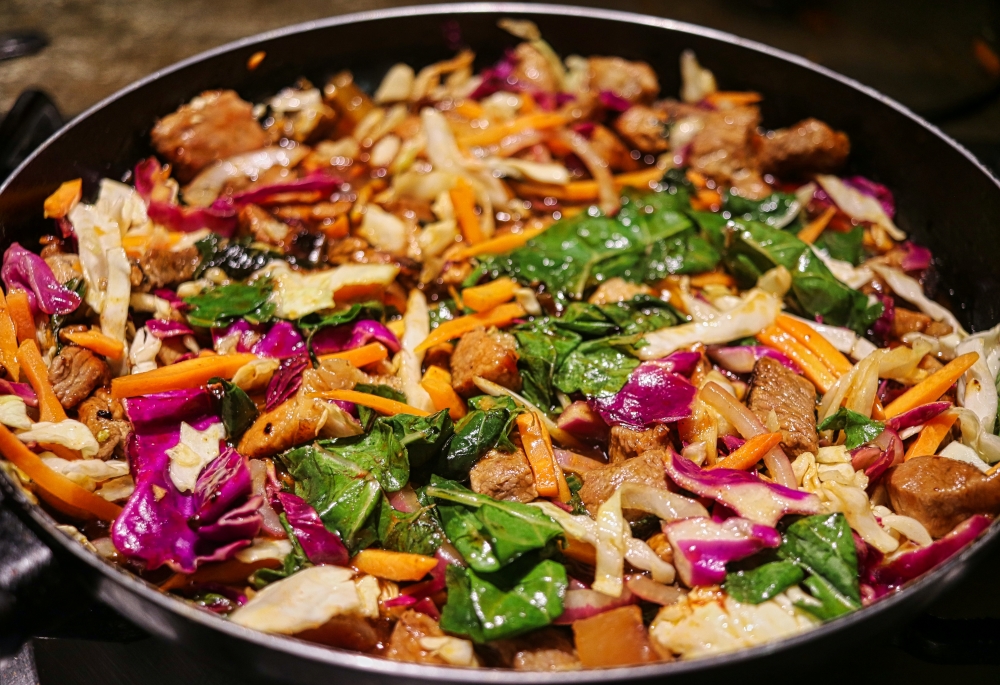
Vegetable stir-fry is another time-saving recipe, ready in 20 minutes. It’s versatile, healthy, and can be tailored to suit your taste buds. Grab a variety of colorful vegetables like bell peppers, broccoli, carrots, and snap peas. Sauté these in a pan with olive oil, minced garlic, and ginger. Add your favorite stir-fry sauce and toss everything until well-coated and cooked. Serve this over steamed rice or noodles for a quick, balanced meal.

Photo: Pexels

3. Sheet pan salmon and asparagus
Sheet pan meals save time on preparation and clean-up. One delightful combination includes salmon fillets and asparagus. Preheat your oven and line a baking sheet with foil. Place your salmon fillets and asparagus on to the sheet pan. Drizzle with a big glug of olive oil and a light sprinkle of whatever seasonings you prefer. Roast in the oven until the fish is cooked through and the asparagus is tender. It’s a high-protein, low-carb meal that takes less than 30 minutes to prepare and cook.

Photo: Pexels

4. Pasta Primavera
Pasta Primavera, brimming with fresh summer vegetables, is a delightful, time-saving recipe that’s perfect for busy evenings. It’s versatile, vibrant, and ready in just 20 minutes. You’ll need pasta of your choice, summer vegetables like zucchini, bell peppers, and cherry tomatoes, olive oil, minced garlic, Parmesan cheese, fresh basil leaves, salt, and pepper. Then it’s just a matter of boiling your pasta as you heat olive oil in a large pan, and sauté minced garlic until it’s fragrant. Add in your chopped vegetables, and cook them until they’re tender yet crisp. Sprinkle with salt and pepper for seasoning.

Once the pasta is cooked, simply drain it, but keep some of the pasta water. Combine the cooked pasta with the vegetables in the pan, tossing them together. If needed, add some of the reserved pasta water to moisten the dish. Top with grated parmesan and a few basil leaves and you will have a deliciously satisfying dish to enjoy.

Photo: Pexels

These time-saving recipes prove that cooking doesn’t need to be time-consuming or complicated to yield delicious results. So, what are you waiting for? Time to hit the kitchen.

Collaborative Post

How to master the art of a home cooked meal

Cooking your meals at home is good for your health and your wallet. Photo: Alyson McPhee, used with permission.

There are so many reasons why cooking your meals at home is a good idea. While ordering takeout is easier, convenient, and often tastes great, it is not good for your health or your wallet. Because of this, more and more people are trying to get into cooking as a hobby and a way to feed themselves.

Unfortunately, cooking is not always easy, especially if you do not know where to start. This is where this article comes into the picture. With this advice, you can save money, improve your health, and learn how to make some delicious meals. 

Saving Money

With the recent rise in the cost of living, everything is expensive. You might reason that takeout is not much more expensive than buying groceries, but this is just a sign that you are buying groceries wrong. 

The first mistake people make is to neglect to write a list. This makes you more likely to forget something you need, so you end up having to go back to the grocery store, where you might pick up a bunch of other groceries. Write a list and plan what you will buy, ideally based on specific recipes. 

Writing a list also prevents you from buying food you do not need. Shopping when you are hungry leads to buying junk food and other unneeded items, which can lead to waste. Pay attention to prices as you buy, specifically the price per weight, which will tell you what provides better value for money.

The Right Recipes

If you are not familiar with cooking, then recipes are your friend. Ideally, you want to start with simple, delicious, and quick recipes so that you can get started on your cooking journey. Consider the nutritional value of the meals you cook as well.

For example, try some delicious brown sugar pork chops. You’ll love how simple yet tasty they are. Because they are packed with flavor, you can pair them with some steamed or sauteed vegetables for a quick, healthy, and easy meal.

Once you build a collection of recipes that you have learned, you naturally get a grasp of the basics of cooking. You learn how to hold and use a knife properly, as well as the best way to brown meat and create a sauce. You also grow more confident in your skills, which allows you to experiment or try more complicated dishes.

Cooking Classes

One way that you can improve your skills and grow in confidence is to find some local cooking classes. These will teach you specific techniques and tips that will boost your cooking ability, and give you some great ideas for meals. 

Cooking classes are also an excellent way to make new friends and connections. You can find classes geared towards your age group and your peers, or go for a mixed group. You never know who you might meet and what ideas you might pick up.

Learning how to cook is a good way to help yourself grow as a person and pick up some practical skills.

Collaborative Post

No more boring dinners: learn how to whip up amazing meals with ease

Photo: Elina Sazonova, used with permission.

Cooking is more than a necessity – it is an art form. No matter your level of experience or proficiency in the kitchen, creating delicious dishes with fresh ingredients can be rewarding. Nevertheless, when we do not have the time to be inventive, cooking can occasionally feel like a job. However, there are a few easy hacks and suggestions that will make your culinary journey joyful. Here are a few quick and simple methods to spice up your meals without spending all day in the kitchen.

1. Excite Your Dining Routine with Easy Cooking Techniques –
One of the best ways to break away from dinnertime monotony is to explore various cooking methods. There are so many exciting methods you can try, such as grilling, stir-frying, roasting or slow cooking your meals for added flavor and excitement. Each technique adds something special to your food and helps you achieve flavors you would not be able to achieve otherwise. Plus, these dishes do not require much time or effort from you. Do not be afraid to experiment with seasonings and marinades; herbs, spices, vinegars, oils – even fresh garlic or ginger can add an extra dimension. These ingredients are versatile and affordable so why not give them a try?

2. 5 Ingredients for Delicious Dishes –
An easy way to switch up your meal routine is by working with five simple ingredients. This method works on weeknights when you do not have time to shop for many items. Start by choosing a protein like chicken, beef or fish then add two vegetables and one starch. Finally, pick an herb or spice as a flavor enhancer. Now you have everything necessary for creating an irresistible dinner. If you are feeling adventurous, experiment with different combinations and make each dish unique in its own way.

3. Create Flavor Combinations That Wow –
If you want to wow your guests or family members with your cooking, try creating unique flavor combinations. This could include pairing unusual ingredients like smoked salmon and beets, or sweet and savory pairings like balsamic glazed pork chops with peaches and mint. A perfect example would be quinoa salad topped off with grilled vegetables and feta cheese; not only will these dishes wow guests (or family members), but they are also incredibly healthy dishes.

4. Use Spices and Herbs to Enhance Flavors –
Spices and herbs are your secret weapon for creating flavorful dishes, helping you add depth and complexity while saving time in the kitchen. If you do not know where to start, try exploring regional cuisines such as Italian with this homemade spaghetti sauce recipe, Mexican or Indian and see which combinations of spices they use in their dishes; this will inspire creativity with flavors. Popular herbs like oregano, rosemary, parsley and thyme can be used in various dishes from grilled meats to homemade spaghetti sauce recipes – they are almost endless possibilities when creating new dishes.

5. Learn How to Cook Healthier Meals Quickly and Easily –
Eating healthily does not have to take hours of preparation. There are plenty of delicious, nutritious dishes you can whip up in no time. For instance, try this easy salmon and asparagus dish with lemon garlic sauce; its combination of lean protein and vibrant veggies will surely please everyone. Or for something heartier and comforting, try this vegetarian chili recipe packed with flavor and nutrition for added goodness.

Do not get bored at dinner time again with these tips. No matter your culinary skill level or experience level, creating delicious dishes that are both healthy and flavorful is easy with just some experimentation. All it takes is some trial-and-error with different techniques and ingredients; soon enough you will be whipping up mouthwatering meals everyone will love. So do not be shy – unleash your inner chef today and see what delicious dishes you can create.

Collaborative Post

Valentine’s Day recipe from Chef Steve McHugh

chefsteve.jpg
Chef Steve McHugh of Cured. Photo: Cured, used with permission.

Most people prefer to eat out for Valentine’s Day, but for those brave enough to cook a homemade meal for their sweetheart, recipes can be a hassle to find. Whether for Valentine’s Day or Galentine’s Day, Beef Loving Texans asked Chef Steve McHugh of Cured to share his favorite romantic meal to make at home, Hanger Steak with Chili Pequin au Poivre. (Cured, 2018)

Chili Pequin Au Poivre Sauce
2 Tbsp. olive oil
2 Tbsp. chopped shallots
2 oz. bourbon
4 Tbsp. pickled chili pequin
2 cups veal stock or broth
1 Tbsp. stoneground mustard
1 Tsp ground black pepper
3 cups heavy cream
½ Tsp. salt
3 Tbsp. sugar

Carrot & Arugula Salad
1 lb. baby carrots, peeled and cut in half lengthwise
½ lb. arugula
3 Tbsp. olive oil
3 individual grapefruits
Salt and pepper to taste

Hanger Steak
3 lbs. Hanger Steak, salt and pepper to taste

Add the olive oil to a 3-quart pot over medium-high heat and let heat for 1 minute. Add the shallots and sauté for 1 minute. Deglaze the pan with the bourbon; add the chili pequins and sauté for 1 minute (be careful not to breath in the fumes from the peppers). Add the veal stock and reduce until one-third remains. Add the mustard, black pepper and heavy cream and reduce by another third. Finish with the salt and sugar.

Bring a pot of salted water to a boil. Once boiling, reduce to a simmer. Blanch the carrots until tender, about 1.5 minutes. Strain carrots and allow them to cool. Segment the grapefruit over a bowl to catch the juices. Keep the segments and juice separate (You should have about 4 Tbsp. of juice when complete). Mix the olive oil with the grapefruit juice to create your vinaigrette. Mix the arugula, carrots and grapefruit segments and dress with vinaigrette.

Season the hanger steak with salt and pepper. Grill the steak to the desired temperature (I prefer medium-rare). Allow the steak to rest for 4 minutes before slicing. Slice the steak against the grain and enjoy with the salad and sauce.