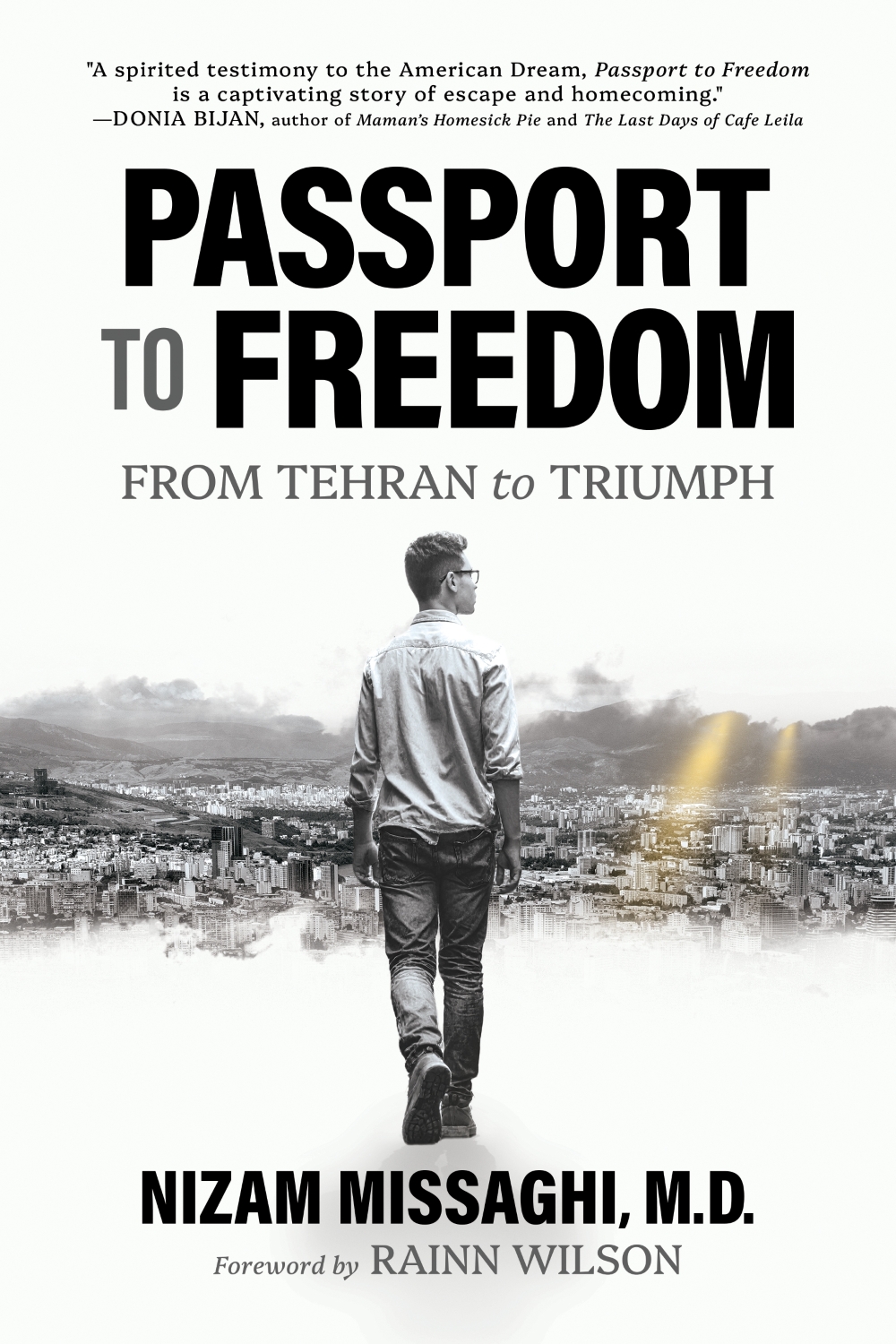
From Tehran to Triumph: The Powerful Story Behind ‘Passport to Freedom’

‘Passport to Freedom’ is a memoir of faith, exile, and survival. Photo: Meryl Moss Media, used with permission.

Book Review: Passport to Freedom: From Tehran to Triumph

By Nizam Missaghi, MD

Born an American citizen but raised under Iran’s theocracy, a teenage boy risks everything to escape religious persecution and reclaim the freedom—and responsibility—of choosing America. (Simon & Schuster, 2026)

Release Date: September 22, 2026, available for pre-order.


The Story

Nizam Missaghi was seven years old when he was expelled from school for the first time in Tehran. It wasn’t for misbehavior or poor grades, but for belonging to a faith the Islamic Republic refused to recognize. In post-revolutionary Iran, being Baha’i meant fractured futures: no university, no profession, and no way to support a family.

By 1986, he was a ten-year-old boy living in Tehran as a new middle class began to emerge. A revolution was underway—the “Constitutional Revolution”—but it would remain unfinished.

During this time, Nizam became captivated by the upcoming Halley’s Comet viewing, seeing in its glow an illuminated path to progress. He made a silent pact with the comet: by the time it returned in 75 years, his country would be a completely different Iran.

Meanwhile, hidden deep in a dresser drawer was a golden ticket: a United States passport, quietly renewed in secret every five years.

 Born in New York (while his mother completed her pediatric residency)


Taken to Iran as an infant


Grew up free on paper, but trapped in practice

As adolescence gave way to urgency, Nizam had to decide whether hope was worth the risk of escape. With surveillance closing in and doors slamming shut, he faced an unthinkable choice: remain invisible, or gamble everything on a document that could either save or destroy him.


Structure of the Book

The memoir is elegantly split into two distinct acts:

  • Part I: Looking Back – Documents his childhood in Iran, capturing the harsh realities and daily hurdles of living under state-sanctioned religious discrimination.
  • Part II: Looking Ahead – Details his journey to and within the United States, tracking his evolution from a newly arrived college student to a proud medical graduate following in the footsteps of his mother and ancestors.

Review: A Powerful Testament to Resilience

Passport to Freedom is a gripping, deeply personal memoir that sheds light on a little-known aspect of life in post-revolutionary Iran. Missaghi blends intimate storytelling with historical reality as he struggles to preserve his faith, identity, dignity, and most importantly, his future.

Told through the eyes of a boy gradually awakening to the systemic limitations imposed upon him, the reader acutely feels the emotional toll of discrimination, uncertainty, and exclusion. The secret U.S. passport becomes a brilliant symbol of hope, possibility, and the heavy choices that accompany true freedom.

Missaghi writes with honesty, clarity, and immense gratitude. The narrative driving tension beautifully balances two opposing forces: the cosmic hope pinned on Halley’s Comet and the grounded, dangerous reality of his American passport.

“Like the comet streaking bright and brief across the darkness, that visibility illuminated a path toward progress, showing Iranians what could be.”

When Nizam finally decides to risk it all, the memoir shifts gears into a high-stakes thriller. The prose becomes urgent and evocative, reminding us that freedom is a fragile construct often sustained by the quiet bravery of allies.

Top Takeaway: “…the importance of standing up for what is right, even when fear grips you.”

Inspiring and deeply thought-provoking, Passport to Freedom exposes the devastating human cost of systemic religious persecution. In an era where authoritarian regimes continue to outlaw conscience, this timely memoir stands as a poignant reminder of why America’s promise of refuge remains so vital.

“Medicine became, for me, another passport—not out of a country, but into people’s lives. A way to honor the value of every human being, especially those whose dignity has been denied. And in that sense, the journey that began with a hidden passport had always been leading here.”
Rating: 5 out of 5.

About the Author

Nizam Missaghi, M.D., is an Iranian-American physician. After being barred from higher education in the Islamic Republic due to his faith, he left Iran upon completing high school to pursue his dreams abroad.

  • Education: Completed his undergraduate studies at the University of Virginia and earned his medical degree from the Virginia Commonwealth University School of Medicine.
  • Current Practice: Following his anesthesiology residency, he relocated to the Phoenix metro area. He is a founding member of Grand Canyon Anesthesia and serves as a clinical assistant professor of anesthesiology at both the University of Arizona School of Medicine and Midwestern University.
  • Advocacy & Philanthropy: Dr. Missaghi is the current chairman of the board for the Iran Human Rights Documentation Center, where human rights abuses in the Islamic Republic are verified and documented. He is also the founder of The Simpatico Foundation, an Arizona-based nonprofit that promotes diversity and the arts.

**Thank you to Tracy Goldblatt/Meryl Moss Media for the gifted ARC for review consideration. I haven’t been compensated for this review and all views and opinions expressed are my own.
Psychedelics Reimagined: What ‘Your Extraordinary Mind’ Reveals About 21st Century Healing

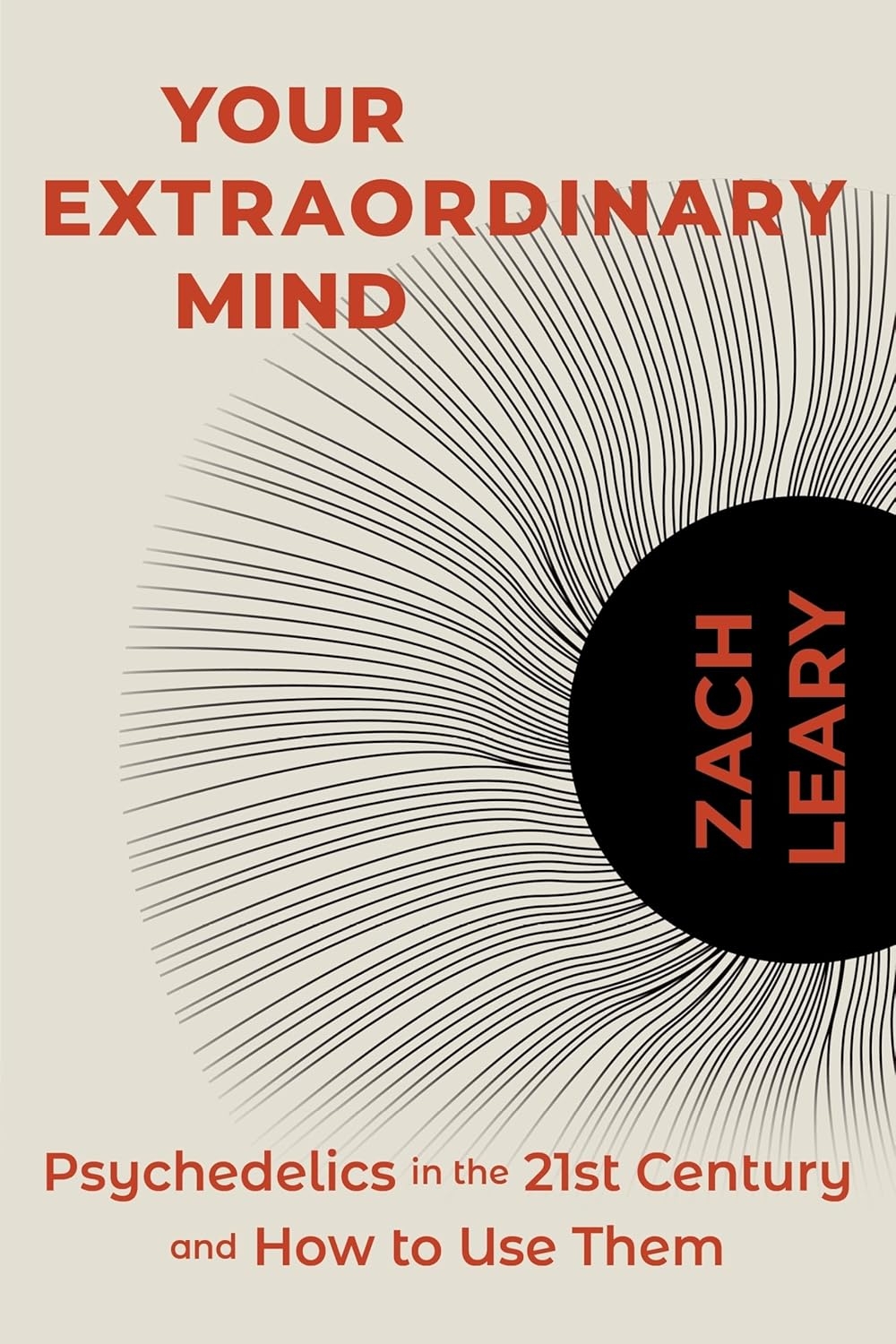
‘Your Extraordinary Mind’ is the debut book by Zach Leary, a longtime psychedelic advocate and cultural figure. Photo: Sounds True

Psychedelics have gained increasing appeal for therapeutic use due to their potential to catalyze profound psychological healing. Substances like psilocybin and MDMA are being studied for their ability to treat depression, PTSD, and anxiety by promoting emotional breakthroughs and deep introspection. Unlike traditional medications that often suppress symptoms, psychedelics help users confront and process difficult experiences with enhanced clarity and compassion, especially when guided by trained therapists. The allure lies in their promise of transformation—unlocking new perspectives, relieving long-held emotional burdens, and fostering a sense of connection, meaning, and renewal that many find missing in conventional mental health treatments.

Zach Leary has been at the center of the psychedelic movement for more than 30 years, with a front-row seat for the modern renaissance while having firsthand knowledge of the historical legacy. As a session facilitator, integration coach, and seeker of all things mystical, Zach also teaches psychedelic studies. Zach formerly hosted the MAPS Podcast with the Multidisciplinary Association for Psychedelic Studies and is a facilitator at Illuminating Heroes, serving veterans and first responders. His debut book “Your Extraordinary Mind: Psychedelics in the 21st Century and How to Use Them” is a dynamic deep dive into the revolutionary, mystical, and sometimes unpredictable world of psychedelics. It will be released on April 29 and is available now for pre-order. (Sounds True, 2025)

“Your Extraordinary Mind: Psychedelics in the 21st Century and How to Use Them” – More than 30 million people in the United States have used psychedelics―and the number is rapidly rising as practices like psychedelic-assisted therapy grow in popularity and an increasing number of places legalize or decriminalize these substances. But even as interest skyrockets, most people have little idea how to use psychedelics safely, let alone integrate these profound experiences into their everyday lives. Psychedelic researcher and advocate Zach Leary offers a necessary overview of psychedelics today―particularly LSD, psilocybin, MDMA, and ayahuasca―including what they are, how to use them safely, and crucially, how to integrate mind- and spirit-altering experiences into the rest of our lives.

Leary, the son of psychedelic pioneer Timothy Leary, has a unique perspective on not only where psychedelics have been but also where they’re going. He offers context on both the cultural history and present interest, while acknowledging and honoring the Indigenous roots of many of these traditions.

The book discusses:

• Instructions for intention, use, and integration
• How psychedelics can support trauma healing
• An overview of the current legal landscape and future questions
• How psychedelics can support addiction recovery
• How to work with psychedelics for spiritual growth

 “Some say the psychedelic experience is too vast and unconventional to be reduced into language that can affect its daily relationship with consciousness. I subscribe to the idea that the psychedelic experience can be weaved into one’s heart, soul, healing, and thus, daily living practice. I believe we can distill the mind-blowing, previously indescribable psychedelic experience into a focused spiritual method that can help people in their daily lives.” – Zach Leary

Part autobiography, part how-to guide, and part commentary on the recent rise in popularity of psychedelics, Your Extraordinary Mind” has a unique perspective on not only where psychedelics have been but also where they’re going. In addition to instructions for intention, use, and integration, Leary addresses topics like healing trauma, psychological and spiritual experiences, questions of legalization, and how psychedelics relate to and can help people heal from addiction. It offers wisdom that is both practical and profound.

1745926080

  days

  hours  minutes  seconds

until

‘Your Extraordinary Mind’ release date

Mysticism for the Modern Seeker: A Review of ‘Embodied Kabbalah’ by Matthew Ponak

‘Embodied Kabbalah: Jewish Mysticism for All People’ by Matthew Ponak. Photo: Barnes & Noble

Matthew Ponak is a rabbi, a teacher of Jewish Mysticism, and a spiritual counselor. His book “Embodied Kabbalah: Jewish Mysticism for All” is a collection of 42 mystical texts with commentary that presents the essential teachings from Kabbalah and places them side-by-side with profound inspirations from our era and the world’s great wisdom traditions.

The never before translated texts shed light on unknown traditions of mystical enlightenment. Fascinating descriptions of the paradoxical nature of reality are placed next to cautionary guidance against travelling too quickly on the road to expanded consciousness. Spiritual practices for dealing with depression and sadness come along with illuminated poetry of what our world could look like if we all tried to be truly loving. Using the stunning visual layouts of traditional Torah commentary, Ponak opens the gateway for Judaism to add its much needed voice to the universal quest for meaning, inner knowing, and rooted transcendence. (Barnes & Noble, 2025)

Review:

This is a refreshing and accessible exploration of Jewish mysticism, blending ancient wisdom with modern sensibilities. The author’s goal is to give perspectives which emphasize the harmony between the physical and the spiritual.” Unlike many scholarly works on Kabbalah that focus on esoteric theory, Ponak brings a grounded, practical approach, emphasizing how these mystical teachings can be integrated into daily life.

The book is presented as a journey through key Kabbalistic concepts, combined with insights from meditation, embodied spirituality, and psychological well-being. Ponak’s background as a rabbi and spiritual teacher enriches the text, making it deeply rooted in tradition and adaptable for contemporary seekers, regardless of religious background. His writing is clear and inviting, avoiding overly complex jargon while still preserving the depth of the teachings.

By focusing on embodiment—rather than treating Kabbalah as an abstract intellectual pursuit, Ponak encourages readers to experience it through mindfulness, movement, and personal reflection. He does this by including sections on reflection and ways to put into practice the material in our personal lives. This makes it an excellent resource for those seeking a more holistic spiritual practice.

Overall, “Embodied Kabbalah” is a thoughtful and inspiring read, bridging the gap between mysticism and everyday life. It is a must-read for anyone interested in Jewish spirituality, personal growth, or embodied wisdom traditions.

“The practice of connecting with nature can be as simple as spending time outdoors, but preferably in a place that feels less urban. Try taking time each day, for one week, to be in nature: by trees, a body of water, a field, mountains, etc.”

Rating: 4 out of 5.

*The author received a copy of this book for an honest review. The views and opinions expressed here belong solely to her.

Debra Silverman’s Take on Astrology: A Guide to Self-Discovery and Growth

‘I Don’t Believe in Astrology’ is Debra Silverman’s insightful new book. Photo: Barnes & Noble

Astrology has fascinated people for centuries, offering a sense of meaning and connection to the universe. Many find comfort in its insights, believing celestial movements influence personality, relationships, and life events. For some, it provides guidance, especially during uncertain times. Horoscopes and birth charts give individuals a sense of self-awareness and destiny, making them feel understood. While skeptics view astrology as pseudoscience, its symbolic language resonates deeply with those seeking reassurance or direction. In a fast-paced world, astrology offers a spiritual refuge, blending mystery, tradition, and hope into a practice that continues to thrive.

If you’ve ever been curious about astrology and wanted to learn more, Debra Silverman’s new book “I Don’t Believe in Astrology” is worth checking out.

Debra Silverman is an astrologer, psychotherapist, spiritual guide, and author. With our planet longing for compassion and guidance in these very unusual times, Debra brings her Master’s degree in clinical Psychology plus her humor, wisdom, and honesty to soothe the collective pain. Debra is the author of “The Missing Element” and founder of a school educating more than 7,000 people in Astrology. Debra is also the host of The I Don’t Believe in Astrology Podcast. Her new book, “I Don’t Believe in Astrology,” is an accessible guide to the life-changing benefits of astrology. It will be released in April 2025 and is available for pre-order. (FSB Associates, 2025)

“I Don’t Believe in Astrology” – In a chaotic, confusing, and divisive world, Debra Silverman introduces astrology as the medicine for accepting our human nature–its idiosyncrasies and dilemmas. Through an application of both therapy and astrology, this breakthrough guide equips readers with tools that release self-judgment, inner criticism, negativity, and misunderstanding. Every sign struggles with psychological issues. Understanding the unique topics relative to your sign, it’s no surprise you are quirky. Learning how to accept who you are and love yourself unconditionally through the lens of astrology is at the heart of this book.

Debra Silverman teaches you how to step away from the struggle of your ego and see yourself with the calm objectivity of your soul. You will learn to love what you see—not just your best qualities but everything about you. She shows you how to aim for the high road of your personality. Most of all, you will cultivate compassion for all the other signs in the zodiac. Learn the meaning of the sun, moon, rising sign, Mercury, and Saturn. Using Debra’s method combining the wisdom of astrology and psychology, readers will remember the truth of their soul’s expression, seen through the eyes of self-love.

Below is an excerpt from “I Don’t Believe in Astrology,” posted with permission.

Excerpt

Astrology shows you who you really are and says, “Hey, this is you, and it’s okay. You have permission to be a daydreamer (Pisces), or ambitious (Capricorn), or strong (Aries). There are reasons you value freedom over relationships (Aquarius), or financial security over frivolous shopping (Taurus), or talking over listening (Gemini). It’s natural for you to obsess about the meaning of life (Sagittarius), or have a morbid curiosity about death (Scorpio), or feel best when your whole family is under one roof (Cancer), or be in love with romance (Libra), or try to get all the attention (Leo). You don’t need to fight it. It’s just you being you.”

Astrology turns on self-awareness. If you are a Virgo, astrology will teach you that you tend to criticize yourself. Bringing that into your awareness helps you to ease up and understand how important it is for you to be precise, attend to details, and check off your to-do list. The voice of your observer (I’m going to show you how to find and hear it) will say, “Yep, you criticize yourself. Don’t worry. You’re okay.” Then if someone tells you, “Hey, relax, it’s not that important,” you’ll know enough about yourself to know that for you, it is important, and that’s okay, too. You love the small stuff. You’ll know you’ve got the observer turned on when you learn to laugh at yourself a little, and genuinely be able to say to yourself, “Oh, there I go again. That’s so me!”

There are struggles inherent in each of the twelve signs. Find your struggle, and you will discover what you are here to learn. You’re not here by accident. There is a curriculum, and a folder in the home office with your name on it. Astrology provides the keyhole to peek through, to see what your lessons are. It’s a relief to know your challenges are happening for a reason, and most of all, to understand that you’re not to blame.

Author Debra Silverman. Courtesy photo, used with permission.
1744107571

  days

  hours  minutes  seconds

until

‘I Don’t Believe in Astrology’ release date

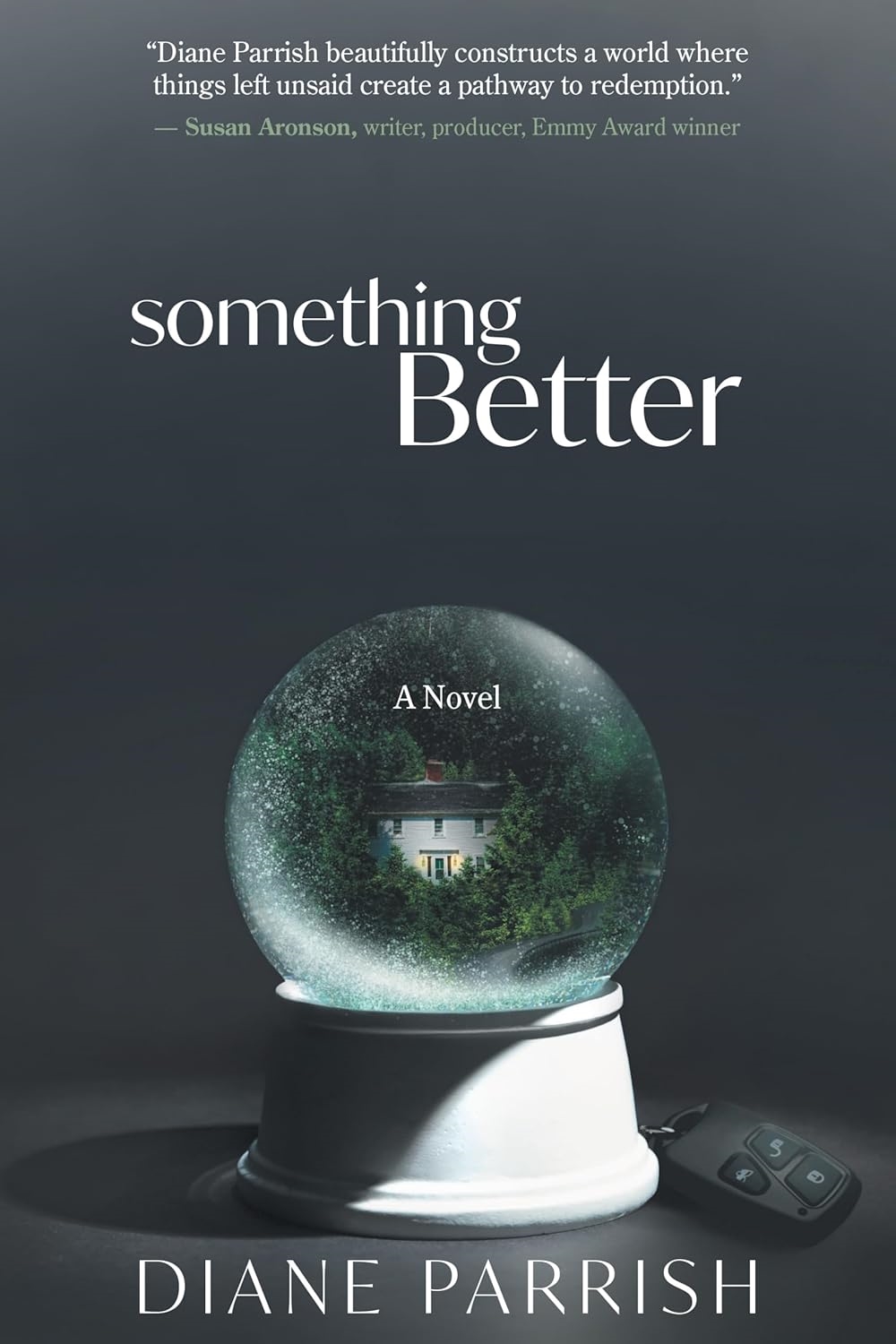
Exploring Love and Choices in ‘Something Better’ by Diane Parrish: A Reflective Review

‘Something Better’ is the debut novel by Diane Parrish. Photo: Amazon

“Something Better” by Diane Parrish centers around Ruth, David, and Annabeth. Ruth and David are a seemingly happy couple living in the suburbs. After Annabeth’s parents die in a tragic car accident, their lives intersect in ways that will test all three of them.

Annabeth’s father, Jack Brady, was a close friend of David’s, so when Annabeth arrives in town, David and Ruth help her out during her time of grief. Ruth is a lawyer who dreams of starting a family, but then she gets the opportunity of a lifetime at work with a new client, Brian Bishop, in San Francisco. She decides to take the new client despite it being on the West Coast and having to spend time apart from David.

David is a successful landscape designer but he’s having trouble tackling all the work, so he hires Annabeth to work in the office. David grows closer to Annabeth while Ruth develops an attraction to Brian and before it’s all over, relationships will be tested. Each must decide if they will remain faithful or risk it all for the promise of ‘something better.’

Review:

This debut novel by Diane Parrish is best described as literary fiction combined with contemporary women’s fiction. Set in a small Connecticut town, it follows the journey of Ruth and David, as they navigate a turbulent time in their life while they struggle with loss, betrayal, and the search for inner peace.

Parrish’s writing is poetic and descriptive, offering readers a glimpse into the emotional landscape of someone struggling with difficult truths about love, redemption, and the choices we make. It explores the main theme of forgiveness without offering easy answers but allowing the characters to struggle with their decisions, creating a narrative that feels authentic and relatable.

The subtle interplay of faith—both religious and personal—adds another layer to the story, prompting readers to reflect on their own beliefs and the role of grace in healing. The narrative is from multiple points of view and the language is simple and easy to understand. While the plot of strained marriages is far from original, the character exploration is intriguing.

Overall, “Something Better” is a thought-provoking work of literary fiction that aside from forgiveness, also deals with the complex themes of faith, family, love, identity, and human resilience. Parrish gives us a story about the human capacity to change, to forgive, and to hope—no matter how impossible those actions may seem. This novel is a quiet, powerful meditation on life’s challenges and the possibility of redemption. It is recommended for readers who enjoy character driven literary fiction with religious undertones.

“…he would have to learn to live with the silence of his shame, his own frailty, his unspeakable desire, all the things that made him unworthy to call himself Ruth’s husband, not good enough for anyone who loved him, let alone himself.”

*The author received a copy of this book for an honest review. The views and opinions expressed here belong solely to her.

Rating: 4 out of 5.