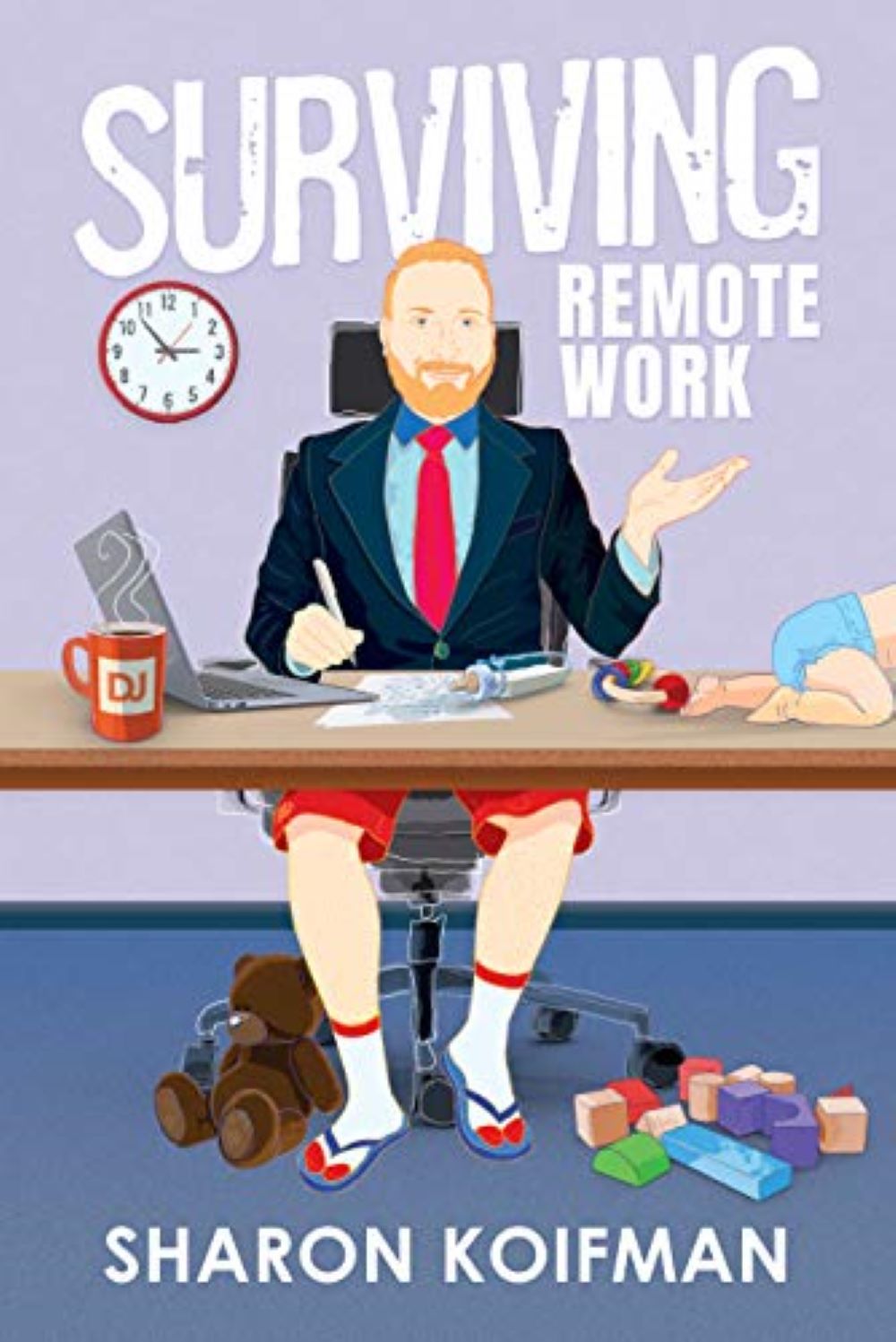
‘Surviving Remote Work’ by Sharon Koifman will be released on November 17, 2020. Photo: amazon
Sharon Koifman, a visionary and expert in building and leading remote businesses, launches his first book, “Surviving Remote Work,” on November 17, 2020. Releasing in in the midst of COVID-19 to help businesses and employees thrive in this new environment, the book is based on the author’s twenty-years of experience of running companies remotely. (Black Château, 2020)
“Surviving Remote Work” is a practical manual of tried-and-tested strategies and tools to help companies thrive with remote work while aiming to help everyone avoid costly mistakes and make working from home possible. Managers and leaders will learn practical solutions to roadblocks many face when switching over to remote work or starting from scratch. Koifman explains how to improve morale and ooze productivity while maintaining a positive working environment. Workers will find expert advice about working from home while juggling all of life’s distractions.
Sharon Koifman emphasizes the major role the company culture plays in connecting people and boosting the employees’ morale whether they are introverts or extroverts. Sharon delves into building a culture and why is it so important for a remote team. Koifman, who believes that working from home is more productive than working in an office setting, wrote his book while being a stay-at-home dad. He understands the struggles many parents face and shows how to not only get your work done with your children and significant other around, but have fun doing it.
“Surviving Remote Work” takes on a complex subject, with a fun, casual tone rare in management books—making it incredibly refreshing and easy to read. The book is available for pre-order on Amazon.
Sharon Koifman, heavily inspired by his father, built businesses from his own computer for the past 20 years. During this time, he learned how to create a work culture where people love to come to work. These days, Sharon runs DistantJob, a unique recruitment agency geared specifically for finding full-time remote employees who work from all over the world. The key difference in his approach is that he wants to show how remote work benefits businesses and how easy it is to make the transition with few proper technics. Sharon’s argument is that remote work also benefits companies and their bottom line. He believes companies who adopt remote work can be leaner, less expensive, more environmentally friendly and have access to better and more productive people, faster.
El Sushi Loco’s CEO and Head Chef Francisco Mendoza. Courtesy photo, used with permission.
El Sushi Loco, named “Best Mexican Sushi” by LA Weekly, was recently featured on Tastemade’s Dave’s Killer Bread Foundation’s (DKBF) Second Chances stories. Second Chances is a video series produced by Tastemade that highlights chefs who have found success despite going thru challenging times. The stories are sponsored by the Dave’s Killer Bread Foundation, which was established by Dave’s Killer Bread to help provide more second chance employment opportunities. (El Sushi Loco, 2020)
El Sushi Loco CEO and Head Chef Frank Mendoza strongly empathizes with the struggles that persons with past histories experience when seeking employment. The Tastemade video features Frank Mendoza speaking about how he overcame the odds to begin a successful Mexican-Asian fusion restaurant business. The brainchild of Frank Mendoza, El Sushi Loco is a place to bond with family and a lively place to hang out with friends. El Sushi Loco may be the truest expression of east meeting west, with tastes and textures both exotic and familiar. The flavors and ambiance provide the perfect place for a festive and tasty lunch or dinner.
For the Second Chances campaign video, Frank Mendoza has created a tasty new dish for El Sushi Loco’s menu – the Crispy Chicken Burger. The dish begins with diced chicken breaded with crumbs made fresh from Dave’s Killer Bread Burger Buns, fried to a golden brown, then served on butter baked Dave’s Killer Bread Burger Buns covered with avocado, tortilla strips and El Sushi Loco’s Mexican/Asian fusion sauces. Frank Mendoza’s second chance story, and many more inspirational cooking videos sponsored by DKBF, is available on the Tastemade Instagram and YouTube channels.
“We’re a place of second chances because, how could we not? I was down and out at one point, and somebody gave me a chance.” – Frank Mendoza
The Dave’s Killer Bread Foundation was created to power second chance employment. A lack of information or understanding about employing people with criminal backgrounds can make businesses hesitant to explore this option and the DKBF is here to change that. DKBF believes that in the long term, second chance employment has the power to reduce the negative impact of reoffending in America. The foundation works to educate organizations on the importance of employing this part of our population.
In 2010, Frank Mendoza purchased a street vendor food cart off a Craigslist ad in Tijuana, Mexico for $1200 and began selling his unique cuisine in the streets of Los Angeles, California. In its food-cart days, the Mexican-Asian fusion food concept was called Sushi Island. Frank Mendoza, his wife and his nephew developed the brand tirelessly by serving high quality Mexican sushi and mariscos. The success of Sushi Island further fueled Mendoza’s desire and he renamed the business El Sushi Loco. In 2011 they opened the first brick and mortar restaurant in La Puente, California and soon after, they opened another branch in Downey. Most recently, Mendoza opened his third restaurant in Pomona, California.
El Sushi Loco Locations: 11837 Downey Ave, Downey, CA 90241, 15711 Amar Rd, La Puente, CA 91744 and 1542 W. Holt Ave, Pomona, CA 91768
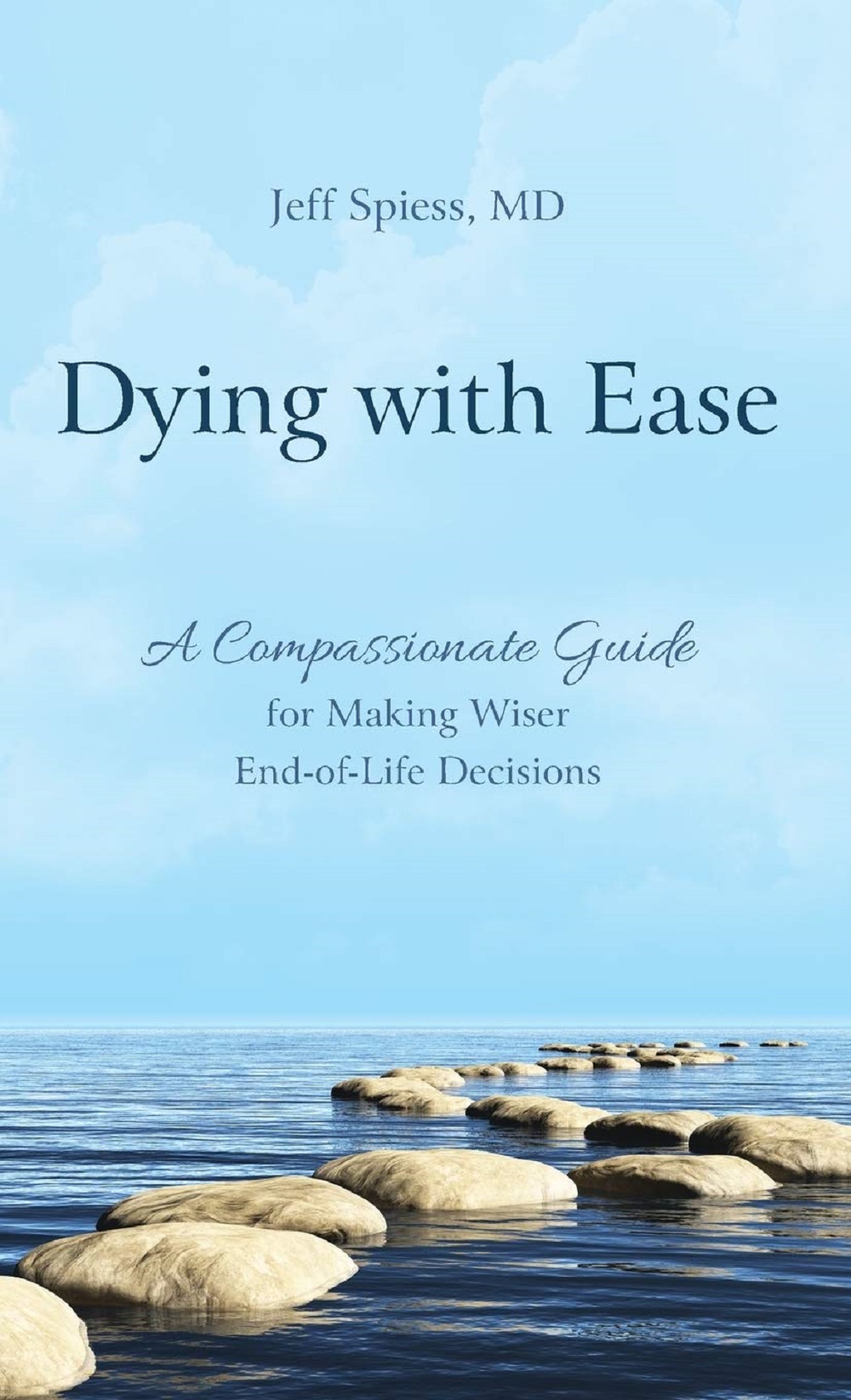
‘Dying with Ease: A Compassionate Guide for Making Wiser End-of-Life Decisions’ is the new book by Jeff Spies, MD. Courtesy photo, used with permission.
“You matter because you are you, and you matter to the last moment of your life. We will do all we can, not only to help you die peacefully, but to live until you die.”
—Dame Cicely Saunders
In 1948, Cicely Saunders met a man who would change her life. She was a thirty-year-old nurse and social worker, volunteering part time at St. Luke’s Hospital in London, an institution that had been founded a half century earlier as a home for the “dying poor.” She became captivated by a patient named David Tasma, a Polish Jewish refugee who had escaped from the Warsaw ghetto, worked as a waiter in London, and was now dying of cancer. Through her work and this relationship, she developed an awareness of the suffering and indignity experienced by dying patients, and, together with David, shared ideas as to how this could be different. When he died, David bequeathed her £500 (about $23,600 today) to be “a window in your home.” It was the beginning of an entirely new type of medical care, a care specifically focused on the needs of the dying. She called it hospice.
The word “hospice” was not new, but this meaning was. The term is derived from the same Latin root as our words “hospital,” “hostel,” and “hospitality.” This Latin term first meant “stranger,” but over time usage changed and it came to refer to a host, one who welcomes the stranger. During the medieval era, hospices were inns, boarding houses along pilgrim routes that served as places of rest and refreshment. On these long treks through Europe, many pilgrims became ill, often fatally. The hospices served then as places of care, possible recovery, often death. The word had been used since the mid-nineteenth century in Britain and Ireland for homes for the dying, places where the poor with nowhere else to go died. What Dr. Saunders did was to create a new connotation of the word “hospice,” keeping the welcoming but transforming it from a place to a model, a system of caring for the dying.
Cicely Saunders did not start out in health care. Her initial training was in politics, philosophy, and economics. In 1940, she entered nursing school, but because a back injury prevented her from doing the heavy work that nursing required, she went back to school and qualified as a medical social worker. The years she spent at St. Luke’s as part of a staff that cared deeply about the plight of those who were dying in their care demonstrated to her the impotence of the care system in the face of the patients’ ongoing pain. Knowing that the medical establishment would be resistant to hearing the ideas of an upstart social worker, she went to medical school. She then practiced for seven years at St. Joseph’s hospice in east London, listening to patients, keeping meticulous records, and monitoring the results of her treatments to relieve pain and other symptoms.
One of the first practices she challenged was the method of prescribing opioids, strong pain relievers like morphine. The prevailing practice had been to only use these drugs, given as injection, when the pain appeared severe, when it seemed to the doctor or nurse that the patient was hurting enough to “deserve” relief. The common result was that patients were either in unrelieved pain or briefly asleep after a drug dose. Then, as now, what most people “knew” about opioids was that they were addictive and dangerous. What Dr. Saunders recognized was that patients were the only ones who knew how bad their pain was and that their reports could be trusted. Since an oral dose of morphine lasts about four hours, she decided to give doses that often, by the clock, not by waiting until the pain had recurred. She also added smaller doses of analgesics between the scheduled doses if the pain “broke through.” This simple yet revolutionary idea, when put into practice, demonstrated that pain could be effectively relieved, and when this was accomplished, the patients could function more fully, engage with others more effectively, and contend with their other symptoms as well as the hopes and fears that came from the fact that they were terminally ill. In other words, they were able to live.
In 1967, Dr. Saunders opened St. Christopher’s Hospice in London, incorporating what she had learned into its structure and operations. The architecture included a sheet of glass at the entrance honoring Mr. Tasma’s bequest. She saw the mission of St. Christopher’s as providing not only excellent patient care but also a center of education and research, focusing on improving symptom relief and broadening the appreciation of this knowledge into the larger world of health care.
Dr. Saunders identified that pain was not just a physical phenomenon. Morphine was not all that was needed. She described “total pain,” the hurting that occurred in the physical body, the emotional psyche, the spiritual depths, and the surrounding family. She attacked it with a model of care aimed at all facets of life that contributed to that pain. Effective analgesia was, of course, a priority. But she recognized that it takes a team of skilled and caring professionals to do the job completely: bedside nursing to promote symptom relief and bodily integrity; social work to address financial and family concerns and to mobilize community resources; and clergy to provide empathic listening, words of comfort and advice, and insight into the realms of meaning and transcendence. She extended this care model into the community, providing services for patients dying in their homes, and she introduced family support during the patient’s illness and also after the death. Her ideas remain the bedrock of modern hospice care as well as its sister discipline, palliative care. In 1979, Queen Elizabeth II named Dr. Saunders a Dame Commander of the Order of the British Empire.
Dr. Saunders’s model of care spread across the Atlantic, finding fertile ground especially among nurses who were frustrated by the way the medical establishment seemed to be both overtreating and abandoning the dying. Florence Wald, dean of the School of Nursing at Yale University, served as the catalyst and, with a small group of colleagues, founded Connecticut Hospice in 1974, modeling their program after St. Christopher’s but adapting it to the local medical and social culture. This was two decades before the SUPPORT study would formally describe the suffering and intensive care endured by dying patients, but these visionaries and many like them recognized that a more humane way of dying was possible. Hospices began springing up around the country—small, mostly volunteer agencies, often associated with hospitals or religious institutions. As most of these relied mainly on donations and volunteers, the services offered varied widely.
A watershed moment in the care of the dying in the United States came in 1982 when the US Congress and President Reagan enacted the Medicare Hospice Benefit (MHB). This established a funding mechanism for hospice care and set standards for the organizational structures and for patient care. The MHB, as initially conceived, envisioned a “typical” hospice patient as someone with advanced cancer and no further treatment options, one whose course after hospice enrollment would be manageable, predictable, and short. In the ensuing thirty-five years, medical (e.g., AIDS epidemic, hospice for multiple other illness), financial (e.g., drug costs, federal budget deficits), and demographic (e.g., aging baby boomers) pressures have resulted in tweaks and modifications of the regulations, but the MHB continues to define how hospice care is provided in the United States.
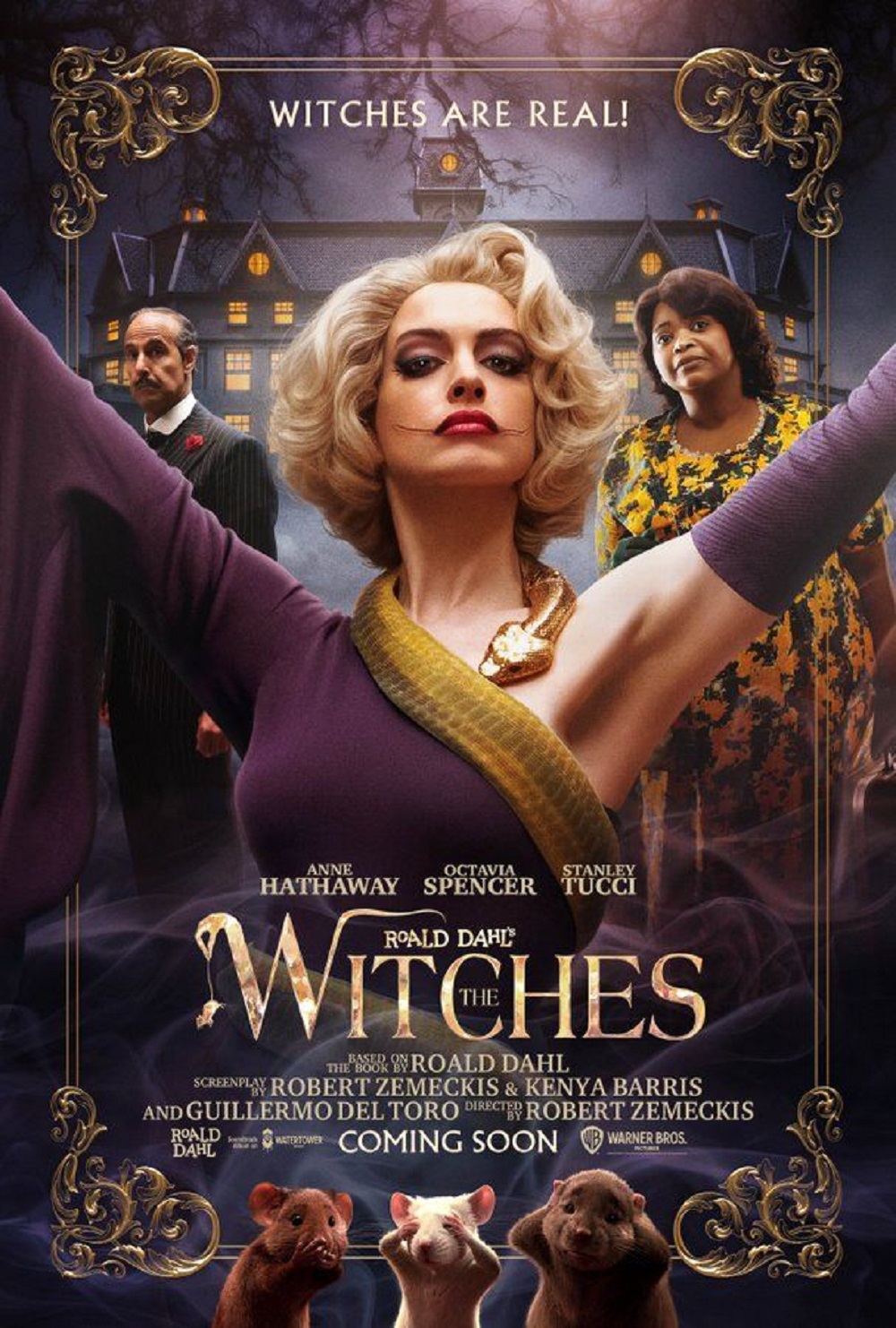
The newest movie adaptation of Roald Dahl’s ‘The Witches’ will be available for streaming on HBO Max. Photo: google
Roald Dahl was a Welsh novelist, short-story writer, poet, screenwriter and wartime fighter pilot. His books have sold more than 250 million copies worldwide. He has been referred to as one of the greatest storytellers for children of the 20th century. He is best known for “James and the Giant Peach,” “Charlie and the Chocolate Factory,” “Matilda,” “The Witches,” “Fantastic Mr. Fox” and “The BFG.” “The Witches” features the experiences of a young British boy and his Norwegian grandmother in a world where child-hating societies of witches secretly exist in every country. The second feature-length adaptation of the novel stars Ann Hathaway, Octavia Spencer and Stanley Tucci and is directed by Robert Zemeckis and written by Zemeckis, Kenya Barris and Guillermo del Toro. It will be available for streaming on HBO Max on October 22 with a theatrical release in selected theaters on October 28.
“The Witches” is set in Norway and in the United Kingdom where the witches are ruled by the extremely vicious and powerful Grand High Witch. An unnamed seven-year-old English boy goes to live with his Norwegian grandmother after his parents are killed in a tragic car accident. The boy loves to listen to his grandmother’s stories, especially the ones about real witches. According to her, witches are horrific creatures who are out to kill human children and tells the boy how to recognize them. The Grand High Witch has just arrived in England to organize her worst plot ever but when the grandmother, a self-professed former witch hunter, and her young grandson find out about her evil plan, they must work together to defeat the witches.
This year’s Lit Crawl will take place from November 7 through November 15. Photo: Texas Book Festival, used with permission.
Texas Book Festival will be hosting their annual Lit Crawl events virtually this year during the Festival, with several evening times between November 7 to November 15 along with two Sunday brunches. The events include storytelling sessions, spoken-word performances and themed discussions, ranging from topics including moments of pivoting, celebrating Black creativity and more. Featured authors include Kathy Valentine, Natalie Diaz, Kelly J. Baptist, and more. (Texas Book Festival, 2020)
For the evening event “Literary Death Match” and brunch event “Tarot Town Hall with Typewriter Tarot,” the first 100 registrants per event will receive a special Camp Mocha cocktail kit from Desert Door Texas Sotol. Cocktail pickup will take place on Saturday, November 7 from 12p.m. to 5p.m. outside the Texas Book Festival office (1023 Springdale Road, Building 14, Suite B, Austin, Texas 78721). All recipients must be 21 years of age or older, with proper ID, and must wear a mask to pick up the cocktail kit. Sparkling water from Rambler will also be available.
The 2020 Virtual Texas Book Festival will take place from October 31 through November 15. As always, all Lit Crawl events are free and open to the public thanks to the generosity of the Texas Book Festival community. To support the Texas Book Festival, Lit Crawl Austin and participating authors, donations can be made online. For the first time ever, Texas Book Festival is offering an exclusive Lit Crawl armadillo enamel pin. Donations of $25 or more to Lit Crawl will receive the one-inch pin, perfect to embellish denim jackets, backpacks, tote bags and more.
With a vision to inspire Texans of all ages to love reading, the Texas Book Festival connects authors and readers through experiences that celebrate the culture of literacy, ideas, and imagination. Founded in 1995 by former First Lady Laura Bush, Mary Margaret Farabee and a group of volunteers, the nonprofit Texas Book Festival promotes the joys of reading and writing through its annual Festival, the Texas Teen Book Festival, the Reading Rock Stars Title I elementary school program, the Real Reads Title I middle and high school program, grants to Texas libraries and year-round literary programming.
Feliz Modern POP’s Maker Kits for Dia de los Muertos. Photo: Pearl, used with permission.
Pearl is proud to announce its virtual and campus-wide programming for fall 2020. The season will kick off with autumn activities to enjoy at home followed by a socially distant Día de los Muertos celebration featuring in-person and virtual altars. The fall festivities will continue with culinary content for Thanksgiving including curated curbside boxes available for purchase. (Pearl, 2020)
Farmers Market – Pearl will continue to host the Farmers Market on Saturdays from 9a.m. to 1p.m and Sundays from 10a.m. to 2p.m. Safety measures remain in place, including mandatory masks for vendors and hand sanitizing/washing stations throughout the footprint. Guests have the option to use Pearl’s Farmers Market Curbside service on Fridays between 3p.m. and 7p.m.
Pearl Farmers Market will feature pumpkins for purchase from Braune Farms so families can carve their own Halloween creations at home. The market will also offer Halloween themed goodie boxes available online starting on Friday, October 23. The market will host the 28th Annual Herb Market on Saturday, October 17 and will feature specialty herbs and other items. The herb of the year is Rubus. Though Fiesta was canceled this year, Pearl will honor the beloved tradition by selling Pearl and Pearl partner Fiesta medals through Farmers Market Curbside. Medals will be available to purchase online beginning October 30 through December 1.
Fall – To celebrate fall harvest, Pearl will release a series of videos featuring Hotel Emma’s chef, John Brand. Brand will share his favorite pumpkin recipes using seasonal produce from Pearl Farmers Market’s regional producers and family farms. The videos will be released on Pearl Farmers Market social media pages on October 21 and 22. Pumpkin carving stencils will also be available at the Pearl Farmers Market to take home at no charge to be picked up on October 24, 25 and 31. Stencils available while supplies last.
Día De Los Muertos – Pearl reimagines its annual Día De Los Muertos celebration, honoring loved ones who have passed, as a largely virtual experience. In addition to the onsite community altar, videos of altars at two offsite locations will be available to view on Pearl social media pages. Altars will be located at the Mexican Cultural Institute and at the Carver Community Cultural Center.
The Mexican Cultural Institute and the Consulate of Mexico in San Antonio, in partnership with the San Antonio-Mexico Friendship Council (SAMFCO), are proud to create an altar in honor of Manuel Felguérez, one of the earliest and most prominent proponents of abstract art in Mexico, who passed away this summer from COVID-19. In December 2019, Felguérez was recognized by the government of Mexico City as a figure of Living Cultural Heritage for a lifetime dedicated to the arts.
The Carver Community Cultural Center has invited local artist Kaldric Dow to create an altar dedicated to those who have lost their lives to social injustice. Pearl’s annual community altar will be on view at the Pearl Shade Structure from November 1 to 8. Masks will be required when visiting the altar. The altar will be created by Jon Hinojosa, Artistic Executive Director of SAY Sí, with help from SAY Sí alumni and staff. The theme of the altar is Amor y Esperanza (Love and Hope) and is dedicated to those who have lost their lives to COVID-19. The altar will consist of four levels and four sides, representing the four stages of life, the four points of the earth, the four seasons and the four mathematical points upon which the pyramids were built. SAY Sí is developing an interactive app where people can leave names of their loved ones in lieu of leaving physical mementos at the altar.
The public can purchase Maker Kits from Feliz Modern POP beginning October 13. Options include a Catrina Collage by local artist Regina Moya or a Sugar Skull Piñata by Manola & Maria and Lua Bash. Kits include instructions and materials and how-to demos by the artists will be available on Pearl’s Facebook page on November 1.
The Mexican Cultural Institute will have a booth at the Farmers Market on Sunday, November 1, where they will give out ceramic skull banks which kids can decorate at home. The Farmers Market information booth will be giving out marigolds. Banks and marigolds will be available while supplies last.
Azul Barrientos will round out the Día de los Muertos celebration with a special, online performance that commemorates the traditional Mexican holiday. The performance will be available to view on Pearl social media pages on November 2. Hotel Emma and La Gloria will each have altars on display and Pan de Muerto will be available at Hotel Emma to complete the socially distant celebrations at home.
Thanksgiving – Guests hoping to avoid crowded grocery stores this holiday season will be able to purchase everything needed for a Thanksgiving feast at Pearl Farmers Market Curbside. Products include a box with ingredients and recipe cards for a variety of Thanksgiving sides, turkey brining kits, pies and centerpieces. Thanksgiving products will be available for preorder starting November 1 through 21, with curbside pickup on November 24. There will be no curbside pickup the Friday following Thanksgiving.
“While we’ll miss being together for some of our most popular signature events, we will honor this time of year with special offerings through Farmers Market and new virtual programming and culinary content.” – Elizabeth Fauerso, Pearl’s Chief Marketing Officer
Whataburger’s PEZ are here for Halloween season. Photo: Whataburger, used with permission.
Halloween is just around the corner and if you are celebrating at home this year, Whataburger has cooked up some serious fun. Whether it is crafts with the family, Halloween costumes or tasty treats like the Whataburger PEZ®, Spicy Chicken Sandwich and Hatch Green Chile Bacon Burger, there is s something exciting for every ghoul or goblin. (Whataburger, 2020)
From October 15 to October 25, guests can buy five frightfully delicious Whataburger PEZ® and get one free on the Whatastore by using code “BOO” at checkout. They come in Whataburger’s iconic orange and white colors that are perfect for the season. Each dispenser is individually packed with three orange-flavored candy refills.
Whataburger has been making burgers since 1950 when Harman Dobson opened a humble hamburger stand in Corpus Christi, Texas. He wanted customers to take one bite and say, “What a burger” so he named his stand on Ayers St “Whataburger.” Whataburger now has over 800 locations across the country and continues to deliver fresh, made to order meals every day with superior customer service. Community support includes charitable giving and volunteerism to nonprofit organizations that focus on children’s charities, cancer research, hunger assistance, disaster relief and military support.
‘Here She Is’ is Hilary Levey Friedman’s new book about American beauty pageants. Courtesy photo, used with permission.
Hilary Levey Friedman is a sociologist at Brown University, where she has taught a popular course titled ‘Beauty Pageants in American Society.’ She is a leading researcher in pageantry, merging her mother’s past experiences as Miss America 1970 with her interests as a glitz- and glamour-loving, sometime pageant judge, and a mentor to Miss America 2018. Friedman also serves as the president of the Rhode Island chapter of the National Organization for Women. Her first book, “Playing to Win,” focused on children’s competitive afterschool activities. Her latest release, “Here She Is: The Complicated Reign of the Beauty Pageant in America” offers a fresh exploration of American feminist history told through the lens of the beauty pageant world and was recently featured in the latest issue of Ms. Magazine.
In the 21st century, beauty pageants are still thriving. America’s most enduring contest, Miss America, celebrates its 100th anniversary in 2020. In “Here She Is,” Hilary Levey Friedman reveals the surprising ways pageants have been an empowering feminist tradition. She traces the role of pageants in many of the feminist movement’s signature achievements, including bringing women into the public sphere, helping them become leaders in business and politics, providing increased educational opportunities and giving them a voice in the age of #MeToo. She explores how pageants became so deeply embedded in American life from their origins as a P.T. Barnum spectacle at the birth of the suffrage movement, through Miss Universe’s bathing beauties, to the talent- and achievement-based competitions of today. The book is a look into how pageantry has morphed into culture everywhere from The Bachelor and RuPaul’s Drag Race to cheer and specialized contests like those for children, Indigenous women and contestants with disabilities. Friedman also acknowledges the damaging and unrealistic expectations pageants place on women in society and discusses the controversies, including Miss America’s ableist and racist history, Trump’s ownership of the Miss Universe Organization, and the death of child pageant-winner JonBenét Ramsey. It presents a more complex narrative than what has been previously portrayed and shows that as American women continue to evolve, so too will beauty pageants.
‘The Book of Ceremony’ by Sandra Ingerman. Photo: amazon
Sandra Ingerman, MA, is an award-winning author of 12 books, including “Soul Retrieval: Mending the Fragmented Self,” “Medicine for the Earth: How to Transform Personal and Environmental Toxins” and “Walking in Light: The Everyday Empowerment of a Shamanic Life.” Sandra is a world-renowned teacher of shamanism and has been teaching for close to 40 years. She has taught workshops internationally on shamanic journeying, healing and reversing environmental pollution using spiritual methods. Sandra is recognized for bridging ancient cross-cultural healing methods to our modern culture, addressing the needs of our times. In her book “The Book of Ceremony: Shamanic Wisdom for Invoking the Sacred in Everyday Life,” Sandra Ingerman presents a rich and practical resource for creating ceremonies filled with joy, purpose and magic.
According to the author, her purpose in writing this book is to share what she has learned over the years, hoping to inspire others to lead healing and blessing ceremonies. Starting with the Introduction, Sandra Ingerman defines a ceremony: “Every shamanic journey a shaman takes, every healing method a shaman works with, is considered a ceremony.” She goes on to briefly describe the history of ceremonies and look back at the first ceremony she performed in 1982. The book is divided into for parts: Part One: The Power of Ceremony, it clarifies the basics of what constitutes a ceremony, how to prepare and perform one, Part Two: Sacred Transitions, Part Three: Ceremonies to Create Energetic Balance and Part Four: Life as a Ceremony, it includes examples of blessing and healing ceremonies for people and places, as well the community as a whole. The final part of the book includes other resources for further information on the practice of shamanic journeying.
Shamanism has been around for tens of thousands of years and has been a serious practice with the sole purpose of helping the community thrive. Today’s ceremonies are used to improve health and the quality of life and with so much negativity going on in the world, for serious practitioners, shamanic ceremonies are now more important than ever. The author connects ancient shamanic practices with modern culture and makes them relevant to today’s issues. The book touches on all topics related to ceremonies, including how choose the space, preparing ceremonial items and the types of ceremonies: for weddings, births and new beginnings. Some of the ceremonies are familiar ones while others include newer adaptations of known ceremonies, the most poignant being the ones to honor death: burying a pet, plant ceremony, honoring trees and honoring environmental losses. All this information is given in plain and easy to understand language without being condescending to possible newcomers. While it may not be for everyone, “The Book of Ceremony” has resourceful guidance for readers who are genuinely interested in shamanic ceremonies.
“Once we wake up and recognize that other spectacular dimensions of reality exist, we experience a new sense of awareness about how to connect with nature, the flow of life, and the web of life.”
*The author received a copy of this book for an honest review. The views and opinions expressed here belong solely to her.
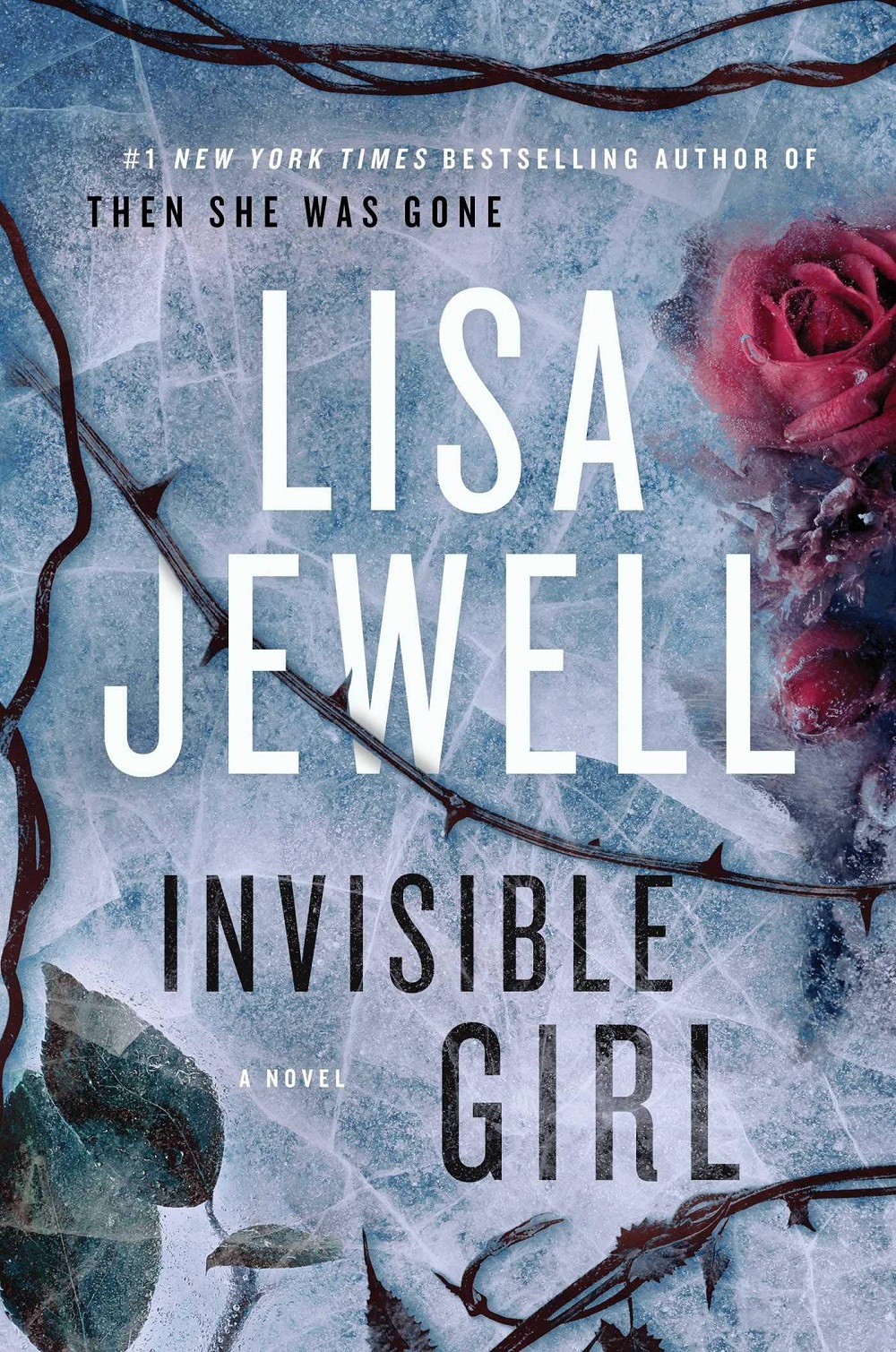
‘Invisible Girl: A Novel’ is Lisa Jewell’s new novel. Photo: amazon
Lisa Jewell is a British author of eighteen novels including “The Family Upstairs,” “Then She Was Gone” and “Watching You.” Her novels have sold more than 4.5 million copies internationally and her work has also been translated into twenty-five languages. She is one of the most popular authors writing in the UK today and in 2008 she was awarded the Melissa Nathan Award For Comedy Romance for her novel “31 Dream Street.” Her new book, “Invisible Girl: A Novel,” an obscure thriller about a young woman’s disappearance and a group of strangers whose lives intersect in its wake, was just released this week.
According to amazon, in “Invisible Girl,” Owen Pick’s life is falling apart. In his thirties and living in his aunt’s spare bedroom, he has just been suspended from his job as a teacher after accusations of sexual misconduct—accusations he strongly denies. Searching for professional advice online, he is inadvertently sucked into the dark world of incel forums, where he meets a charismatic and mysterious figure. The Fours family lives across the street. Headed by mom Cate, a physiotherapist, and dad Roan, a child psychologist, they have a bad feeling about their neighbor Owen. He is a bit creepy and their teenaged daughter swears he followed her home from the train station one night. Meanwhile, young Saffyre Maddox spent three years as a patient of Roan Fours. Feeling abandoned when their therapy ends, she searches for other ways to maintain her connection with him, following him in the shadows and learning more than she wanted to know about Roan and his family. Then, on Valentine’s night, Saffyre disappears and the last person to see her alive is Owen Pick.







 SA Examiner