Four Tips for Improving User Experience in Your Online Store

These tips for improving user experience can make all the difference. Photo: cottonbro studios/Pexels

User experience is everything when it comes to running an online store, and is something you should prioritize from the very beginning. When it comes to physical stores, everyone knows the importance of having a great-looking interior full of great products and enticing deals, and the same goes for the online environment.  

Of course, that’s easier said than done, and in the beginning, it’s completely normal to stare at your landing page, wondering where to start or how to go about improving your first attempt. 

This article is here to aid you. Here are four top tips for helping you design or redesign your website so that people want to shop there.

1. Start with Navigation

While having an aesthetically appealing site is important, you shouldn’t try to run before you can walk. Creating a site that’s nice and easy to navigate should be your first port of call. 

First and foremost, you need to make sure that your potential customers have a clear path to the items you’re selling. It’s best to organize everything into a few broad but distinct categories with easy-to-use drop-down menus, and you could also use color, texture, and images to segment things in unique ways (and don’t forget to have a prominent search bar).

2. Developing a Quick, Easy, and Secure Checkout Experience

You should always endeavour to optimize your checkout experience where you can, as this element forms the very core of your online store. If it’s too long-winded and complicated for your customers to pay for the goods or services they want, they’re much more likely to abandon their shopping cart. 

For one, you should always offer a guest checkout option, as many people don’t want to go through the hassle of creating an account. More generally, try to minimize the number of steps involved as much as possible and work to reduce those clicks.

3. Provide Personalized Recommendations

Personalized recommendations are a big part of the retail experience, and it’s no different in the online world. 

If you have the option, use a recommendation engine on the back end of your site to offer customers unique recommendations based on what they’ve previously browsed for and bought. You can implement these tools throughout the search page and also at the cart to entice shoppers with last-minute purchases.

4. Improving Loading Speed

And finally, it’s key to remember that we live in a world where people’s attention spans are greatly reduced from what they were even ten years ago, so make sure your website loads nice and fast. 

You can improve speeds in a number of ways, such as by compressing images (but without compromising on quality) and using a website hosting service that’s known for utilizing fast and reliable servers. 

Wrapping Up

Hopefully, you now have a solid idea of how to better design your website to be conducive to long-term customers. Start by getting that all-important smooth navigation down, and systematically work through the list until you have a site to be proud of. Good luck!

Collaborative Post

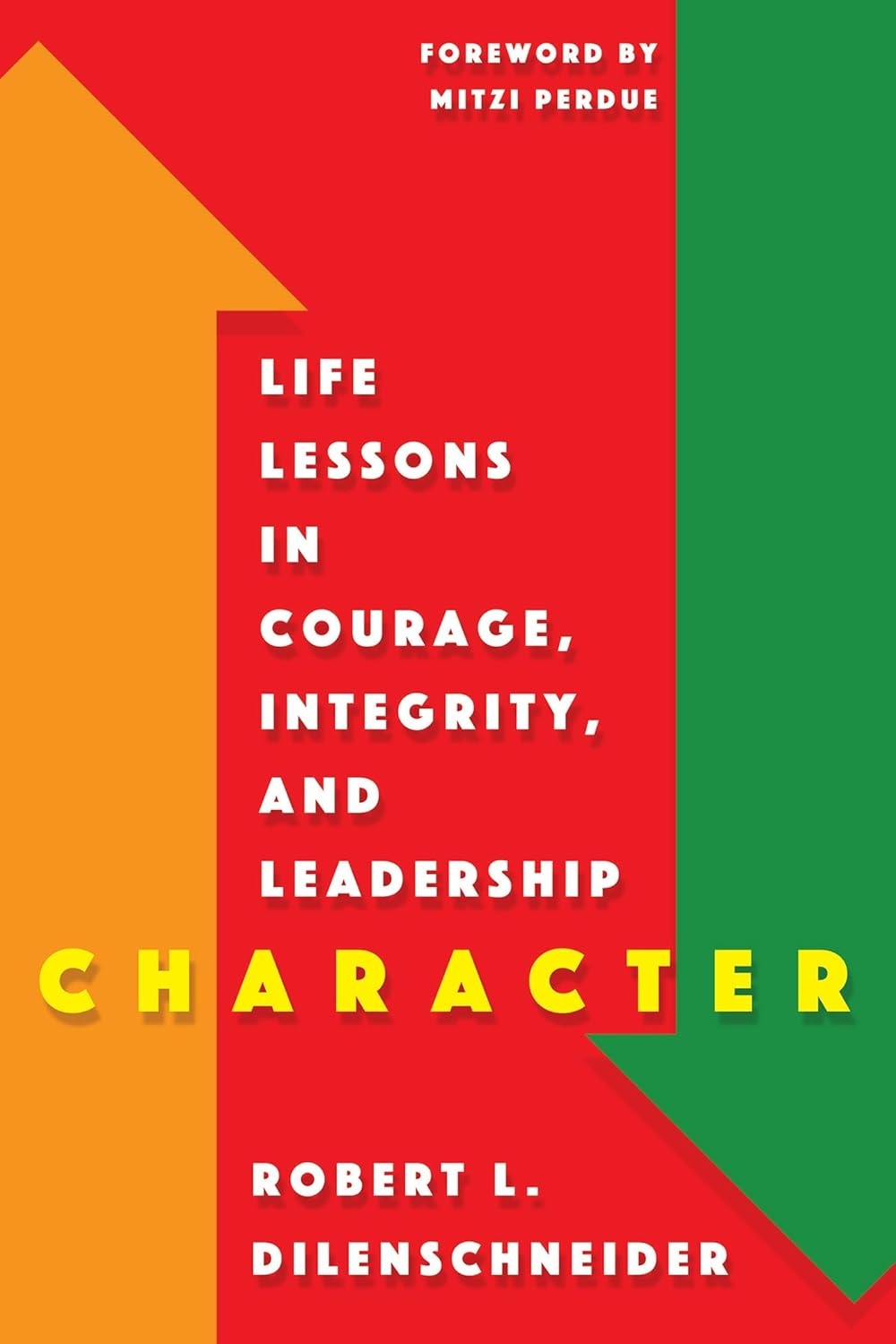
Why Character Still Matters: A Review of Robert L. Dilenschneider’s ‘Character’

‘Character’ is Robert L. Dilenschneider’s latest motivational book. Photo: Barnes & Noble

Robert L. Dilenschneider is founder of The Dilenschneider Group, a firm that provides strategic advice and counsel to Fortune 500 companies and leading families and individuals around the world, with experience in fields ranging from mergers and acquisitions and crisis communications to marketing, government affairs and international media.

Dilenschneider has been called the “Dean of American Public Relations Executives” and is widely published, having authored 14 books, including “A Briefing for Leaders,” “On Power,” “The Critical 14 Years of Your Professional Life,” and “Power and Influence: The Rules Have Changed.” His new book “Character: Life Lessons in Courage, Integrity, and Leadership” addresses the need for character as a vital dimension in public and private life, based on iconic historical figures who embodied such qualities of character. (Barnes & Noble, 2025)

In “Character,” Robert L. Dilenschneider explores what it means to possess and foster strong moral character. Through the lens of noted historical figures—ranging from Stephen Hawking to Mother Teresa—he illustrates how integrity, resilience, and ethical leadership have shaped both personal legacies and societal progress.

Dilenschneider contends that character is not merely a trait but a fundamental necessity in our daily lives, especially in today’s complex and often morally ambiguous world. By combining historical narratives with modern-day reflections, he makes a strong case for why individuals, particularly those in leadership positions, must prioritize character over personal gain.

He begins by defining character as exhibiting traits such as honesty, integrity, and loyalty while inspiring others around you. The goal of this book is provide examples of character and how it can drive people to achieve their dreams and how to recognize it and nurture it in others, especially those with leadership positions.

Each chapter profiles a different group of people who were known for a specific trait, such as Innovation (Steve Jobs, Walt Disney), Courage (Winston Churchill, Arthur Ashe), and Loyalty (Eleanor Roosevelt, John McCain). At the end of each, he includes a list of lessons learned.

Chapters include:
Chapter 1 – What is Character?
Chapter 2 – Leadership
Chapter 3 – Innovation
Chapter 4 – Resilience
Chapter 5 – Breaking Barriers
Chapter 6 – Courage
Chapter 7 – Loyalty
Chapter 8 – Integrity
Chapter 9 – Transparency
Chapter 10 – Transcendence
Chapter 11 – Lessons

Highlights:
Chapter 4: Resilience
– when we are tested, resilience is what allows us to keep fighting. Nelson Mandela was a vocal opponent of apartheid: “Never give up when your cause is just.”

Chapter 5: Breaking Barriers – profiles of people who broke barriers when they refused to be held down because of their sex, color, or political beliefs. Margaret Chase Smith stood up against McCarthyism in the 40s and 50s: “Speaking your mind may not always be popular but it will win you respect.”

Informative and inspiring, it offers valuable lessons on courage, humility, and perseverance. Dilenschneider’s writing is engaging, and his selection of historical figures ensures a broad perspective on how character manifests in different circumstances.

Overall, “Character” serves as an insightful guide for those seeking to understand the enduring power of virtue in shaping history and how we, too, can attempt to embody these qualities in our own lives. It is recommended for readers who enjoy biographies and leadership/motivational books.

“Learning is a classic way to overcome barriers, by equipping yourself with knowledge that nobody can take away.”

*The author of this blog received a copy in exchange for an honest review. The views and opinions expressed here belong solely to her.

Rating: 4 out of 5.

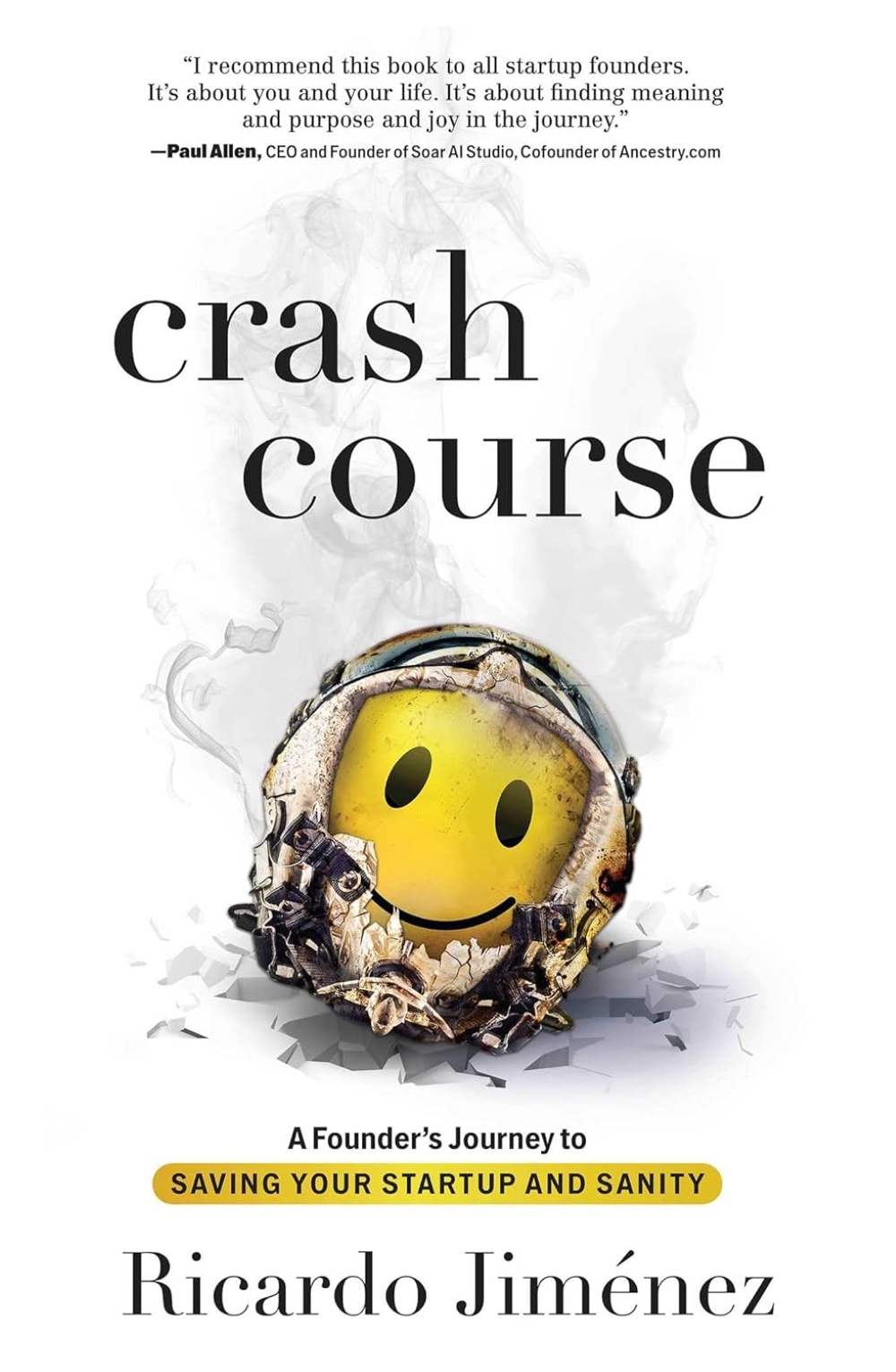
‘Crash Course’ by Ricardo Jiménez: A Raw and Honest Look at Startup Failure

‘Crash Course’ is an insightful look into the volatile world of startups. Photo: Amazon

In “Crash Course: A Founder’s Journey to Saving Your Startup and Sanity,” Ricardo Jiménez offers an unfiltered and deeply personal account of his startup journey—one marked by ambition, struggle, and eventual failure. Unlike typical business books that focus solely on success strategies, Jiménez takes readers through the hard lessons learned when things don’t go as planned. His honest storytelling makes this book a refreshing and invaluable resource for entrepreneurs who want to avoid common pitfalls.

In the Introduction, he bluntly states “I was a startup founder, and I failed.” He is sharing his experiences because he believes we can all learn from someone else’s struggles. Failure is a way of life in business, it’s not you personally.

Jiménez doesn’t just recount his failures—he analyzes them, offering insights on leadership missteps, financial mismanagement, and the emotional toll of entrepreneurship. He highlights the dangers of burnout, poor decision-making, and ignoring red flags, making this book as much about mental resilience as it is about business strategy. The writing is engaging and candid, making complex business concepts accessible to new and experienced founders.

It is divided as follows:

Section 1: Beginning with an Ending
Section 2: Starting Up
Section 3: Market (Mis) Fit
Section 4: Fighting for Survival
Section 5: The End
Section 6: What I Learned, What I Felt, and What I Still Don’t Know
Section 7: Finding the Rewards Among the Risks

Highlights:

Section 4, Chapter 14, Breaking Down – the author shares the importance of self care and work/life balance when all you do revolves around starting your company. People only wanted to talk to him about Plushkies or their ideas for a business and that’s all he was to them. It began to wear him down. “Entrepreneurs are often judged more by their company and product, which is what the public gets to see, than they are by their character and personality.”

Section 4, Chapter 17, Bro Savior Turns Bro Bully – He was so desperate to succeed, he almost lost sight of his principles. He stresses the importance of taking the red flags seriously. “My desperation had caused me to ignore all the red flags flying around that guy and our interactions, almost from the beginning.”

Overall, “Crash Course” is a must-read for anyone navigating the unpredictable world of startups. Above all, Jiménez’ candidness makes him relatable. Rather than glorifying the “hustle culture,” he advocates for balance, self-awareness, and learning from failure. Aspiring entrepreneurs will find comfort in his experiences, realizing that setbacks are not the end—but rather opportunities to grow. It is recommended for readers interested in memoirs and business motivation and self improvement books.

“The hard truth about being an entrepreneur is that, whether it’s building or selling, if it’s your startup, you can’t just rely on other people to build your company.”

Rating: 4 out of 5.

*The author received a copy of this book for an honest review. The views and opinions expressed here belong solely to her.

Related post: What Makes ‘Crash Course’ by Ricardo Jiménez a Must-Read for 2024

Tips For Running A More Effective & Successful Business

Portrait of a woman wearing a blazer. Photo: RDNE Stock project/Pexels.

Being a business owner takes a lot of hard work and dedication. What you choose to do and focus on daily matters and will make an impact regarding how much you can achieve. 

The good news is that there are always ways to improve and do better. All it will require is an open mind and willingness to head down a different path. It’s worth taking the time to evaluate your management and leadership style and figure out what changes can help you get the results you desire. Here you can review some tips for running a more effective and successful business. 

Use Project Management Tools

There are likely many different assignments and projects that you and your team are tackling regularly. You need a way to keep track of all the necessary tasks and ensure you stay on schedule. Therefore, you should consider using project management tools so you can accomplish all you set out to do. Hire a project manager who can be in charge of the various to-dos and monitor the progress you’re making. These tools can enhance collaboration, increase productivity, and help you mitigate risk so you can find business success

Prioritize Enhancing the Customer Experience

Another tip for running a more effective and successful business is to prioritize enhancing the customer experience. It’s especially important if you are in retail and have customers coming in and out of your store. You want to make a good impression and ensure a smooth and seamless shopping journey. For example, if you sell CBD or hemp products then you may want to look into enhancing the customer experience by exploring CBD processing solutions. This way you can offer your customers the opportunity to pay for purchases using a credit card instead of cash. It’s often more convenient and customers may end up spending more when they can put their items on a credit card. 

Analyze Your Target Market

Marketing should be a top priority for you as a business owner. You want to avoid assuming everyone will want to work with you and sending out board messages. Instead, take the time to reflect on and analyze your target market. It’s important that you know who is most likely to make purchases from you and where they are spending their time. Your goal should be to tailor and personalize your marketing messaging based on what you discover. You want to understand their needs and preferences better so you can achieve greater customer satisfaction.

Establish Policies & Procedures

It’s important that everyone at your company is working together and is on the same page. You want to ensure high productivity and avoid duplicating efforts. Run a more effective and successful business by establishing policies and procedures to follow. Gather your teams and brainstorm and discuss what these are and the best ways to tackle various tasks. You’ll soon find that there is better consistency and efficiency and that your employees improve their performance overall. It’s a useful way to streamline operations and reduce ambiguity so that you can run a more effective and organized business. 

Collaborative Post

Navigating Career Change: A Review of ‘Career Coaching for Laid-Off Federal Workers’

‘Career Coaching for Laid-Off Federal Employees’ by Robert Moment. Photo: Amazon

“Career Coaching for Laid-Off Federal Employees’ by Robert Moment is a practical and empowering guide for federal workers navigating the challenges of job loss and career transition. With a step-by-step approach, it offers clear strategies to help readers shift from federal employment to the private sector, making it an invaluable resource for those seeking stability and new opportunities.

Moment provides expert advice on resume writing, networking, and interviewing—key areas where federal employees may need guidance when transitioning into corporate environments. The book also emphasizes mindset shifts, helping readers view job loss as an opportunity for growth and reinvention. He reassures them that even though it may seem like it at the moment, a layoff does not define them. His approach is both compassionate and action-oriented, ensuring that job seekers remain motivated and confident throughout their search.

Chapters include:
Chapter 1: Facing The Layoff With Confidence
Chapter 2: Understanding The Corporate Job Market
Chapter 3: Crafting A Winning Resume & Cover Letter
Chapter 4: Mastering LinkedIn For Job Search Success
Chapter 5: Building A Powerful Personal Brand
Chapter 6: Networking To Unlock Hidden Job Opportunities
Chapter 7: Acing The Corporate Job Interview
Chapter 8: Negotiating A Competitive Salary & Benefits
Chapter 9: Developing New Skills For Career Growth
Chapter 10: Thriving In The Corporate Work Environment

Highlights:
Chapter 10
– where he gives key strategies to help readers integrate into corporate culture, including a 90 Day Career Success Plan. It includes actions to take (Understand Company Culture and Expectations) and what they should have accomplished at the end of each milestone.

Chapter 12 Entrepreneurship As An Alternative Career Path – contains information on steps readers can take if they’re considering business ownership, such as the need to evaluate their entrepreneurial potential, the viability of their business ideas, and how to get started. “Entrepreneurship, consulting, or freelancing can not only offer financial stability but also a sense of fulfillment and independence.”

Most importantly, it is focused on federal employees, acknowledging the unique challenges they face. Moment’s insights help readers effectively translate government experience into private-sector language, increasing their chances of securing meaningful employment.

Overall, “Career Coaching for Laid-Off Federal Employees” is an invaluable reference for those seeking to rebuild their careers after federal job loss. It offers practical tools, encouragement, and a clear roadmap to success in the private sector and is highly recommended for any transitioning professional.

“While many view federal jobs as the pinnacle of security, the truth is that the most successful corporate professionals excel by continuously adapting.”

Rating: 4 out of 5.

*The author was contacted for an honest review of this book. The views and opinions expressed here belong solely to her.

Taco Cabana’s New Menu Items That Will Have You Coming Back for More

Taco Cabana is turning up the flavor with new menu items. Photo: Taco Cabana, used with permission.

(SAN ANTONIO, TX) The new year just got tastier! Taco Cabana is kicking it off with a show stopping lineup of bold, flavorful menu items designed to wow your taste buds. Starting Thursday, January 2, 2025, join us as we celebrate the new year with a menu that’s all about deliciousness, variety, and unbeatable value. (Taco Cabana, 2025)

“We’re always looking to surprise and delight our guests with bold, fresh flavors, and this new lineup hits the mark. From satisfying combos to lighter, nutritious options like our new salad bowl—perfect for sticking to those New Year’s resolutions—there’s something for everyone. And our $4.99 Meal Deals prove that amazing food doesn’t have to come at a high price!” – Taco Cabana President Ulyses Camacho

From hearty combos to light, fresh options and irresistible $4.99 Meal Deals, there’s something for everyone to enjoy. Ready to spice up your new year?

Check out these must-try additions:

  • Unbeatable $4.99 Meal Deals:
    • The Rise & Grind: Breakfast tacos, hashbrowns, and coffee to fuel your morning.
    • Monster Breakfast Burrito Meal Deal: Chorizo, bacon, hashbrown, beans, cheese, and chipotle ranch in every bite.
    • The Crunch & Quench: Double Crunch Pizza with your choice of shredded chicken or ground beef, paired with a drink.
    • 7-Layer Burrito Meal Deal: All the layers of flavor you could want, wrapped up with a drink to go.
  • Cabana Salad Bowl: Ring in your health goals with this vibrant 300-calorie creation, packed with chicken fajita, black beans, guacamole, and all the fresh fixings you love.
  • Cabana Combos: A fan-favorite pairing of beef or chicken entrées with chips, queso, and a small drink. With options like Steak Fajita Tacos, Ground Beef Burritos, and Chicken Flautas, you’ll be coming back for more
  • Carne Asada Taco Plate: Dive into tender carne asada tacos served with all the sides—rice, beans, guacamole, and extra tortillas to complete the fiesta.
  • Half-Dozen Breakfast Taco Box: Breakfast just got an upgrade. Perfect for sharing (or not), this $9.99 box features Bacon & Egg, Bean & Cheese, Chorizo & Egg, and Potato & Egg Tacos.

A Cozy Classic Returns: For those chilly days, warm up with our fan-favorite Chicken Tortilla Soup, served with rice and priced at just $4.99. Available Everywhere You Are: Dine in, drive thru, pick up curbside, or order online through the MY TC!® App or TacoCabana.com—however you choose, we’ll make sure your 2025 starts with flavor.

Why wait? Taco Cabana’s new menu is the perfect way to embrace the new year—one bite at a time.

Founded in 1978, Taco Cabana is a Texas institution known for its Mexican-inspired flavors, freshly made tortillas, and vibrant dining experience. Whether you’re grabbing a quick bite or enjoying a meal with friends, Taco Cabana is the go-to spot for bold flavors and unbeatable value. With 143 locations across Texas, we’re here to make every meal unforgettable.

Elevate Your Space: How 6Stringers Transforms Guitar Passion into Custom Wall Art

Musicians and music lovers are sure to enjoy custom wall art from 6Stringers. Photo: 6Stringers, used with permission.

Personalized wall art is a unique gift idea. For guitar lovers, it adds a distinctive touch to any space, celebrating their passion for music. Custom pieces can feature favorite song lyrics, iconic guitar silhouettes, or even artwork of cherished instruments. These creations transform walls into a vibrant tribute to one’s musical journey, making them perfect for homes, studios, or practice spaces. Whether it’s a framed print, canvas, or metal sign, personalized art captures the essence of a guitarist’s identity. These thoughtful decorations not only enhance the aesthetic of a room but also serve as daily inspiration, reminding them of their love for music and creativity.

With the holiday shopping season among us, it’s time to start thinking about gift ideas. If someone you know loves guitars and would appreciate a personalized gift, consider 6Stringers. Or treat yourself and show off your guitar passion with customized wall art. (6Stringers, 2024)

6Stringers creates world class personalized wall art for guitar lovers. Their custom wall art includes:

  • Canvas Wall Art – Claim your spot as the headliner of your Guitar Room with a beautifully customized guitar canvas.
  • Metal Wall Art – Create your personalized Metal Sign to showcase in your Guitar Room.

Featured Products:

Why you should buy customized gifts from 6Stringers:

  • Made in the U.S.A. – their products are crafted in the U.S.A with high-quality materials. Each product is customized with meticulous attention to detail to inspire and enhance your guitar space.
  • Preview & Edits – your satisfaction is their top priority. Your masterpiece will begin production after you approve the preview proof email.
  • Fast & Reliable Shipping – they use reliable and trusted shipping partners (UPS, USPS, and FedEx) to deliver your orders quickly and safely. You’ll receive a tracking number by email once your package ships.

So what are you waiting for? Order your very own wall art from 6Stringers for your music room, jam room, or wherever else you ROCK OUT, or surprise your loved one with their very own wall art. They’ll love you for it.

Canvas wall art. Photo: 6Stringers, used with permission.

Navigating Life’s Crossroads: How ‘The Art of Changing Course’ Can Transform Your Life

‘The Art of Changing Course’ is Chris Ruden’s new book. Photo: Amazon.

Motivational and self-improvement books offer valuable guidance for personal growth and achieving one’s goals. They provide insights into mindset shifts, productivity techniques, and strategies for overcoming obstacles. These books often share inspiring stories, practical advice, and actionable steps to help readers enhance their self-awareness, build resilience, and cultivate positive habits. By exploring diverse perspectives and proven methodologies, individuals can gain clarity, boost their confidence, and drive meaningful change in their lives. Ultimately, they empower readers to unlock their full potential and create a more fulfilling and purposeful existence. Keynote speaker and author Chris Ruden has new book out that’s worth mentioning: “The Art of Changing Course”

Chris Ruden is an amputee, Type 1 diabetic record-holding powerlifter, motivational keynote speaker, author, and disabled model who was featured on The Rock’s hit TV show “Titan Games.” From being humiliated and labeled broken because of his disability to struggling with mental health and living in a non disabled-inclusive world, Chris learned to turn his obstacles into opportunities, now using his badass bionic arm, diabetes technology, and message of “creating your world without limits” to impact people around the world. In his new book “The Art of Changing Course: A 3-Step Strategy to Get Unstuck and Solve Your Real Problems,” he shares the foolproof framework to take back control and create immediate lasting change. (Amazon/Athelo Group, 2024)

“The Art of Changing Course” – Getting stuck in life is a guarantee. Staying stuck is a choice. Chris Ruden provides a clear-cut process that walks readers through digestible, actionable stages to get unstuck, allowing you to rise beyond simple awareness of the desire to change and become the person you truly want to be. Backed by numerous psychological principles, management techniques, and organizational change theories, “The Art of Changing Course” focuses on helping readers make three distinct shifts: from subconscious to conscious, conscious to communicated, and finally, communicated to broadcasted.

In this book, you’ll learn about:

  • Moving past your go-to reactions of excuses and distractions when thinking about change
  • Harnessing the language of how you speak to yourself to open up possibilities for change
  • Giving yourself intrinsic permission to become the best version of yourself

People are stuck, lost, and confused―you, the people you care about, and strangers you interact with in your day-to-day life. “The Art of Changing Course” gives you the tools to actually do something about it. It will help you move from overwhelm to action, transforming from hopeless, scared, and stuck into confident, actionable, and limitless―an essential read for anyone looking to find success and fulfillment in their personal and professional lives, and help others do the same.

Mastering Conflict: A Deep Dive into Robert Moment’s ‘Conflict Resolution Skills’

‘Conflict Resolution Skills’ is Robert Moment’s new book.

Robert Moment is an ICF Certified Leadership, Executive, Emotional Intelligence, and Peak Performance Coach with over 15 years of experience in coaching and more than 20 years in Fortune 500 corporate roles. He specializes in building high-performing teams and unlocking the potential of leaders. Recognized as a Top LinkedIn Voice in Leadership Development, Robert is dedicated to empowering professionals to excel in their careers and transform their workplaces. His new book “Conflict Resolution Skills: The Proven System for Building Confidence, Communicating Effectively and Resolving Workplace Conflicts with Ease,” he provides a comprehensive guide to turning conflict into a powerful catalyst for growth and innovation. (Amazon, 2024)

“Conflict Resolution Skills” – Drawing on over 15 years of coaching experience and 20-plus years of Fortune 500 work experience, Robert Moment shares strategies that have helped countless teams transform disagreements into opportunities for collaboration and success.

This book is packed with practical tools and techniques that will empower you to:

  • Approach Conflict with Confidence and Grace: Develop the mindset needed to tackle conflicts head-on.
  • Communicate Clearly and Effectively: Master the art of communication, even in the most challenging situations.
  • Build Trust and Foster Empathy: Learn techniques to create understanding and mutual respect among team members.
  • Navigate Difficult Conversations: Discover strategies for de-escalating conflicts, managing emotions, and finding win-win solutions.
  • Enhance Your Leadership Skills: Become a catalyst for positive change and create a harmonious, productive work environment.

Whether you are a manager, employee, or leader striving to improve your interpersonal skills, this book will equip you with the knowledge and confidence to resolve conflicts and drive positive change in your organization. Transform your approach to conflict and unlock the potential within your team. Order your copy today and start your journey towards a more harmonious and productive work environment.

Review:

This book is an invaluable resource for anyone navigating the complexities of workplace dynamics. In this useful guide, Moment organizes conflict resolution into accessible strategies, making it suitable for both newcomers and seasoned professionals.

He begins by defining conflict as what happens “when individuals possess differing needs, goals, or values, leading to disagreements that can either be personal or systemic within an organization.” Along with that, he explains the various types of conflict and the role that emotions play in it. The book is well organized, featuring clear explanations of core concepts and real-world examples that illustrate each point. The focus is on the importance of building confidence and effective communication, highlighting how these skills are crucial in diffusing tense situations. His step-by-step approach provides readers with actionable techniques, such as active listening and empathetic engagement, which can be immediately applied.

Chapters include:
Introduction
Chapter 1 The Foundation of Conflict Resolution
Chapter 2 Effective Communication Skills for Conflict Resolution
Chapter 3 Understanding Emotions in Conflict Management
Chapter 4 Different Communication Styles and Conflict
Chapter 5 Mastering Leadership Styles for Effective Conflict Resolution
Chapter 6 Conflict Negotiation Strategies for Win-Win Outcomes
Chapter 7 Conflict Resolution Skills: Top 20 Skills Managers Need to Resolve Conflict in the Workplace with Ease
Chapter 8 Mediation Skills for Resolving Conflict
Chapter 9 Resolving Workplace Conflicts: Common Scenarios and Solutions
Chapter 10 Conflict Resolution and Organizational Culture
Chapter 11 Legal and Ethical Considerations in Conflict Resolution
Chapter 12 Self Care and Resilience in Conflict Resolution
Chapter 13 Applying Conflict Resolution Skills Beyond the Workplace
Chapter 14 The Conflict Transformer: 30 Expert Tips to Turn Workplace Challenges into Opportunities
Chapter 15 R.E.S.O.L.V.E™ Your Workplace Conflicts: A Coaching Exercise
Conclusion

Highlights:

Chapter 3: explains the importance of emotional intelligence, especially in yourself because once you acknowledge and understand your own feelings, you can begin to efficiently deal with conflict. Self awareness is key. “Emotions can act like unpredictable waves, crashing down unexpectedly or quietly bubbling beneath the surface, complicating even the simplest interactions.”

Chapter 13: emphasizes how knowing how to deal conflict can be useful outside the workplace, including in the community and in personal relationships. “Effective conflict resolution is not just about finding a quick fix; it can significantly strengthen relationships, enhance mutual understanding, and promote a sense of harmony.”

Each chapter ends with Coaching Questions which further enhance the learning experience. It is an easy read with language that is clear and concise. What I especially liked is the combination of theoretical insights with practical applications, empowering readers to not only resolve conflicts but also foster a more collaborative work environment.

Overall, “Conflict Resolution Skills” is an essential read for anyone seeking to enhance their interpersonal skills. It’s not just about resolving disputes; it’s about cultivating a mindset that promotes understanding and cooperation in the workplace. Though highly recommended for managers, team leaders, and employees seeking to improve their conflict management abilities and create a more positive and productive workplace, anyone outside the work environment can benefit from the practical material.

*The author was contacted for an honest review of this book. The views and opinions expressed here belong solely to her.

Rating: 4 out of 5.

Reimagining Health Benefits: Insights from ‘The End of Employer-Provided Health Insurance’

Written by a world-renowned economist and New York Times best-selling author, this insightful guide explains how individual health insurance offers more to employees than employer-provided plans. Photo: Amazon

Paul Zane Pilzer is an economist, social entrepreneur, professor, public servant, and the New York Times bestselling author of 11 books and dozens of scholarly publications. A former commentator on National Public Radio and CNN, Pilzer has been profiled on the front page of The Wall St. Journal and on the cover of more than 100 magazines. He speaks live each year to approximately 200,000 people and more than 20 million copies of his works have been sold.

Rick Lindquist is President and CEO of Zane Benefits. Lindquist is a frequent speaker and reference for his expertise on personalized employee benefits, tax and health policy, and the Affordable Care Act. Rick joined Zane Benefits as its thirteenth employee in 2007 and took over as President in 2011. Rick received a B.S. in Economics and a B.A. in Computer Science from Duke University.

They are co-authors of the book “The End of Employer-Provided Health Insurance: Why It’s Good for You and Your Company,” an insightful guide that explains how individual health insurance offers more to employees than employer-provided plans.

The purpose of “The End of Employer-Provided Health Insurance” is to show you how to profit from this paradigm shift while helping you, your family, and your employees get better and safer health insurance at lower cost. It will help you save thousands of dollars per person each year and protect you from the greatest threat to your financial future—our nation’s broken employer-provided health insurance system.

This book is written to ensure that you, your family, and your company get your fair share of the trillions of dollars the U.S. government will spend subsidizing individual health insurance plans between now and 2025. You will learn how to navigate the Affordable Care Act to save money without sacrificing coverage, and how to choose the plan that offers exactly what you, your family and your company need.

Using the techniques outlined in this book, you and your employer will save money on health insurance by migrating from employer-provided health insurance coverage to employer-funded individual plans at a total cost that is 20 percent to 60 percent lower for the same coverage. That’s $4,000 to $12,000 in savings per year for a family of four for the same hospitals, same doctors, and same prescriptions.

Review:

This book is a thought-provoking exploration of the future of healthcare in America. Pilzer and Lindquist argue that the traditional model of employer-provided health insurance is on the brink of collapse due to escalating costs and shifting economic realities. They envision a transformative shift towards a more consumer-driven approach, where individuals take greater responsibility for their own health coverage.

The authors meticulously dissect the flaws in the current system, highlighting how it burdens businesses and limits consumer choice. They propose innovative alternatives, such as health savings accounts and portable insurance plans, which could offer greater flexibility and control. Pilzer and Lindquist also explore the implications of these changes for both employers and employees, presenting a compelling case for why a systemic overhaul is necessary.

The material aimed at employers and small business owners occasionally assumes a level of economic literacy that may be challenging for some readers. The exception is Part II How to Make Individual Health Insurance Work for You and Your Family. It does an excellent job of explaining the basic terms of health insurance, such as deductibles, copays and coinsurance. One highlight is Chapter 9 How to Choose Your Coverage – Bronze, Silver, Gold, or Platinum, which explains the major differences between the levels of coverage and Chapter 12 How to Reduce Your Individual Healthcare Costs, such as opening a Health Savings Account (HAS) through your bank or credit union, shopping for a new health insurance plan annually, and of course, changing your lifestyle (diet and exercise). This part on its own is a must-read for readers needing guidance in navigating the complicated healthcare shopping experience. 

Overall, “The End of Employer-Provided Health Insurance” is insightful and forward-thinking and leads the important conversations about the future of healthcare and the need for reform. It was published in 2014, so some of the information is outdated, such as tax penalties for not purchasing health insurance, but the general topics are always useful. For those interested in the intersection of economics and health policy, this book is a valuable and engaging resource.

“Healthcare costs now consume almost one-sixth of America’s economy, and, during your lifetime, medical and health insurance costs are likely to be your largest or second-largest expense after housing. Your employer-provided health insurance is arguably the number one threat to your financial future.”

*The author received a copy of this book in exchange for an honest review. The views and opinions expressed here belong solely to her.

Rating: 4 out of 5.